




Choosing the Right Barrier Materials for Food Safety
- Understanding Barrier Functions and Why They Matter
- What is a barrier material?
- Key barrier performance metrics
- Regulatory and health considerations
- Comparing Common Barrier Materials
- Overview of common materials
- Side-by-side comparison
- How multi-layer laminates help
- Choosing Materials by Food Type and Process
- High-moisture, perishable foods (meat, cheese)
- Dry snacks and low-moisture foods
- Heat-processed and ready meals
- Practical Steps: From Specification to Production
- Step 1 — Define requirements
- Step 2 — Select candidate structures and test
- Step 3 — Scale-up with a manufacturing partner
- Case study: Combining brand and barrier
- Testing, Compliance, and Sustainability Trade-offs
- Migration testing and documentation
- Sustainability considerations
- Quality control checkpoints
- Why manufacturing partner selection matters — Winpack example
- FAQ
- 1. How do I choose the best barrier for my food product?
- 2. Are multi-layer laminates safe for food contact?
- 3. Can I have both high barrier performance and recyclable packaging?
- 4. How does printing affect barrier performance?
- 5. What tests should I request from my packaging supplier?
- 6. How do regulatory requirements differ by market?
Choosing the right barrier materials is a critical step in designing custom food packaging that protects product safety, preserves quality, and ensures regulatory compliance. This summary highlights the core considerations—oxygen and moisture transmission, chemical migration, mechanical integrity, recyclability, and cost—and points toward practical selection strategies for meat, dairy, baked goods, ready meals, and snacks. It is designed for indexing by combining topical keywords, local manufacturing capabilities, and referenceable regulatory sources.
Understanding Barrier Functions and Why They Matter
What is a barrier material?
A barrier material in food packaging prevents or slows the transfer of gases (oxygen, carbon dioxide), water vapor, aromas, and contaminants between the packaged food and the external environment. Effective barriers reduce microbial growth, oxidative spoilage, moisture loss/gain, and flavor loss, directly impacting food safety and shelf life. For regulatory context see the U.S. Food and Drug Administration (FDA) guidance and the European Food Safety Authority (EFSA).
Key barrier performance metrics
When evaluating barrier materials, consider these measurable properties:
- Oxygen Transmission Rate (OTR): how much oxygen passes through (critical for oxidation-sensitive foods).
- Moisture Vapor Transmission Rate (MVTR): water vapor movement (important for crispness or to prevent sogginess).
- Chemical migration and food-contact safety: potential for packaging constituents to migrate into food (regulated by FDA, EFSA, Codex).
- Mechanical strength and puncture resistance: important for shipping and processing.
- Heat/temperature tolerance: for retortable, hot-fill, or frozen foods.
Regulatory and health considerations
Select materials that are certified or listed for food contact in your target markets. The Codex Alimentarius, FDA, and EFSA provide frameworks for migration testing, permitted additives, and labeling requirements. Testing data (migration, sensory, and shelf-life studies) are essential to demonstrate compliance and to support claims on custom food packaging.
Comparing Common Barrier Materials
Overview of common materials
Packaging for food typically relies on combinations of the following materials to achieve balanced barrier properties with processability and cost-effectiveness:
- Aluminum foil: near-impermeable to gases and light.
- EVOH (ethylene vinyl alcohol): excellent oxygen barrier when dry.
- PET (polyethylene terephthalate): good oxygen barrier and dimensional stability.
- PE/LDPE/LLDPE (polyethylene family): moisture barriers and seal layers.
- PA (nylon/polyamide): puncture resistance and moderate barrier.
- Coated paper/board: sustainable appearance with barrier coatings or lamination for protection.
Side-by-side comparison
Below is a practical comparison to guide material selection. Metrics are qualitative; for product development, obtain supplier-specific OTR/MVTR test data.
| Material | Primary Strength | OTR | MVTR | Typical Uses |
|---|---|---|---|---|
| Aluminum foil | gas/light barrier | Very low | Very low | Chips, coffee, pouch laminates, retort pouches |
| EVOH (as layer) | Excellent oxygen barrier (needs dry conditions) | Very low | Moderate | Fresh pasta, processed meats, multi-layer films |
| PET | Dimensional stability, printability | Low | Low-Moderate | Blister packs, trays, clear windows |
| PE (LDPE/LLDPE) | Sealability, moisture barrier | Moderate | Low | Seal layers, bags, liners |
| PA (Nylon) | Puncture resistance | Moderate | Moderate | Vacuum packs, meat packaging |
| Coated paper/board | Branding, sustainability perception | Variable (with laminate) | Variable | Bakery boxes, takeout boxes, outer cartons |
Sources: general barrier properties summarized from packaging science literature and regulatory guidance such as the Food Packaging overview and FDA/EFSA resources.
How multi-layer laminates help
Rather than relying on a single polymer, manufacturers often create multi-layer films (e.g., PET/EVOH/PE) to combine properties—printability, oxygen barrier, moisture seal—while maintaining processability on existing equipment. Laminates allow customized performance tuned to a specific food product’s sensitivity.
Choosing Materials by Food Type and Process
High-moisture, perishable foods (meat, cheese)
Priorities: low OTR, moderate-to-low MVTR, puncture resistance, and compatibility with vacuum or modified atmosphere packaging (MAP). Typical constructions: PA/EVOH/PE or PET/EVOH/PE laminates. MAP combined with low-oxygen barriers extends microbial safety and shelf life. Verify migration and use food-contact approved adhesives and tie layers.
Dry snacks and low-moisture foods
Priorities: low MVTR to maintain crispness, aroma retention, and protection from external moisture. Common materials: aluminum foil pouches for High Quality snack products or OPP (oriented polypropylene)/metalized PET laminates for cost-efficient barriers. For custom food packaging emphasizing branding, printed PET or metallized surfaces provide aesthetic value and performance.
Heat-processed and ready meals
Priorities: heat stability (retort or ovenable), barrier to oxygen and moisture post-process, and reliable seals. Materials: retortable laminates often include metallized layers or specially formulated PET/CPP (cast polypropylene) laminates; for high-barrier, foil-based retort pouches are common. Ensure materials are tested for thermal migration and mechanical integrity after processing.
Practical Steps: From Specification to Production
Step 1 — Define requirements
Start with a specification document: product type, target shelf life, storage conditions (temperature, humidity), intended distribution (local, export), processing (frozen, chilled, retort), and regulatory markets. This ensures selection of an appropriate barrier strategy for your custom food packaging rather than a one-size-fits-all solution.
Step 2 — Select candidate structures and test
Develop 2–3 candidate laminates and run accelerated shelf-life testing: OTR/MVTR measurement, migration analysis, sensory panels, and mechanical stress tests (drop, puncture). Use accredited labs and reference methods; regulators commonly accept data from accredited third-party labs as evidence of safety and compliance (see FDA and EFSA guidance).
Step 3 — Scale-up with a manufacturing partner
Work with a packaging partner that can translate prototypes into scalable production while maintaining barrier performance and print quality. Verify their ability to perform quality control testing and provide traceability documentation for food-contact materials.
Case study: Combining brand and barrier
Custom food packaging is both functional and a marketing tool. For example, a snack brand may require a metallized PET pouch (for low MVTR, High Quality sheen) with high-resolution printing to stand out on shelves. The selected producer should be capable of high-quality printing as well as maintaining consistent barrier properties across print runs.
Testing, Compliance, and Sustainability Trade-offs
Migration testing and documentation
Document compliance via migration testing, specific migration limits (SMLs), and overall migration tests as applicable for your jurisdiction. Keep certificates of compliance for raw materials and finished packaging. For international shipments, ensure the materials meet the regulations of the destination market.
Sustainability considerations
Barrier performance often conflicts with recyclability. Multi-layer laminates and aluminum barriers can be harder to recycle. Emerging solutions include mono-material films with enhanced barrier polymers, recyclable-coated papers, and chemical recycling routes. Balancing sustainability goals with shelf-life needs requires a product-specific life-cycle analysis; decision-makers should factor in food waste reduction (longer shelf life reduces food waste) when assessing environmental impact.
Quality control checkpoints
Implement in-line QC and batch testing: seal integrity, OTR/MVTR spot checks, visual print inspections, and sampling for migration tests. Traceability, lot coding, and supplier qualification are essential for recall readiness and regulatory audits.
Why manufacturing partner selection matters — Winpack example
For brands seeking reliable custom food packaging solutions, partnering with an experienced manufacturer that understands both barrier science and high-quality printing is vital. In 2016, Guangdong Winpack Printing Technology Development Co., Ltd. was officially established as a professional paper box printing manufacturer specializing in designing, proofing, printing, and producing a wide range of packaging and printed materials. Winpack's services include customized production of stickers, labels, paper bags, gift boxes, beauty boxes, pizza boxes, books, brochures, flyers, and custom food packaging solutions.
Winpack caters to diverse industries including cosmetics, food, healthcare, pharmaceuticals, and electronics. Their 15,000-square-meter factory is equipped with advanced systems such as an advanced screen plate-making system and top-tier machinery including the Heidelberg printing machine, high-speed paper cutter, Lithrone GL-40A press, and anti-counterfeiting inkjet printer—ensuring superior print quality, precise color control, and production efficiency. This combination of printing excellence and packaging know-how supports the production of functional custom food packaging like custom gable boxes, custom gift boxes, custom display boxes, custom rigid boxes, custom folding boxes, custom paper tubes boxes, custom window boxes, custom special-shape boxes, custom pillow boxes, and custom take out boxes.
Winpack’s competitive strengths include integrated design-to-production workflows, quality control protocols, and experience with food-sector requirements—helping brands translate barrier specifications into commercially viable custom food packaging. For more details, visit https://www.winpackprinting.com/ or contact [email protected] for inquiries and sample requests.
FAQ
1. How do I choose the best barrier for my food product?
Start by defining shelf-life goals, storage conditions, and processing methods. Match these requirements to material properties (OTR, MVTR, mechanical strength). Develop prototypes and run migration and shelf-life tests. Work with suppliers who provide validated OTR/MVTR data and food-contact certificates.
2. Are multi-layer laminates safe for food contact?
Yes, when each layer and adhesive is approved for food contact and migration testing shows compliance. Regulatory bodies like the FDA and EFSA accept validated test data and supplier declarations. Always document material compliance and maintain batch records.
3. Can I have both high barrier performance and recyclable packaging?
There are trade-offs. Mono-material approaches and recyclable coatings are improving, but some high-barrier multi-layer films remain difficult to recycle. Evaluate environmental impact holistically—extending shelf life and reducing food waste may outweigh recycling limitations in some cases.
4. How does printing affect barrier performance?
Printing itself typically does not impair barrier performance if inks and varnishes are chosen and applied correctly. However, some inks and coatings require curing or solvents that must be compatible with barrier layers and food-contact requirements. Print trials and migration testing are recommended.
5. What tests should I request from my packaging supplier?
At minimum: OTR and MVTR testing, seal strength, puncture resistance, and migration testing relevant to your product (overall migration and specific migration where applicable). Accelerated shelf-life testing under expected storage conditions is also essential.
6. How do regulatory requirements differ by market?
Requirements vary. The FDA maintains lists and guidance for permitted food-contact substances in the U.S., while EFSA provides risk assessments in the EU. For international trade, consult Codex and local regulations of destination countries and obtain necessary declarations/technical files.
Need tailored advice or samples for your custom food packaging project? Contact Winpack to discuss barrier options, printing, and production capabilities. Visit Winpack or email [email protected] to request a quote or technical consultation.
References: FDA packaging guidance (FDA), EFSA resources (EFSA), and general food packaging science (Wikipedia).
What are the application scenarios of custom candy box?
Best Custom Packaging for Fresh and Frozen Foods
Custom Candy Gift Boxes
Custom mailer box packaging Manufacturers and Suppliers in us
Rigid Lift-off Box
Can I print on the inside of the box?
Yes, you can print any effect you want on the inside.
OEM Services
Can I customize the design, size, and material of my packaging?
Absolutely! Our OEM services allow full customization, including design, size, material, colors, printing effects, and finishing. We work closely with you to create packaging that reflects your brand’s image and market positioning.
About Printing Craftsmanship
How do I ensure high-quality printing results?
Use high-resolution images and vector files.
Choose the appropriate paper or substrate.
Work with a professional printing service.
Consider color matching systems like Pantone for consistent results.
Request print samples before full production.
How does UV printing work?
UV printing uses ultraviolet light to cure ink instantly, resulting in vibrant colors, water resistance, and high durability. It is commonly used for packaging, signage, and promotional items.
About Us
Can I get a sample?
Yes, currently sample free for reference, only need to pay the delivery charge. Customized sample charge sample fee and delivery cost.
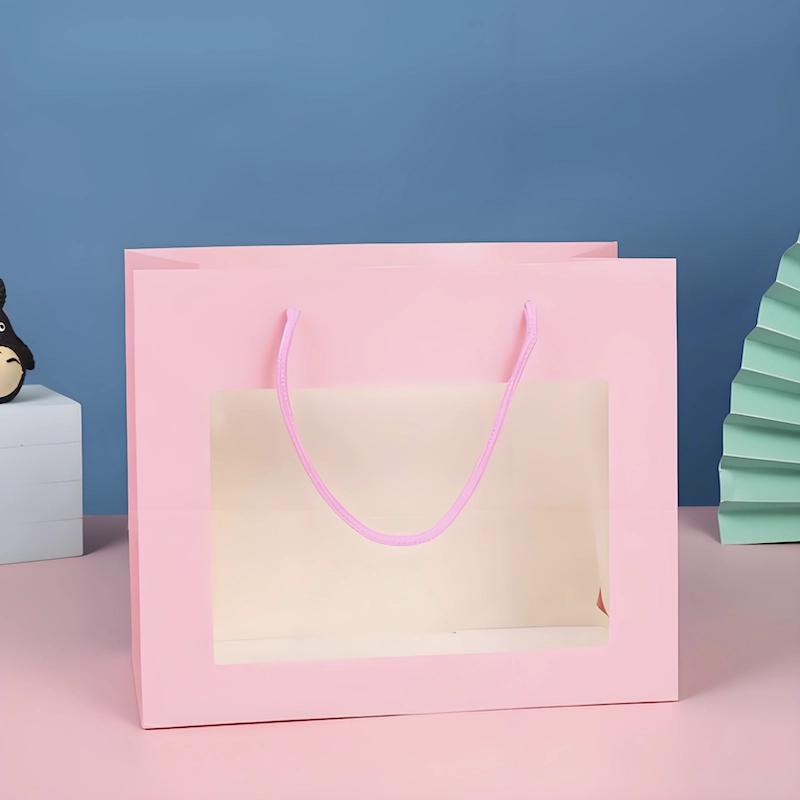
Customized Print Shopping Window Paper Bag Festivals Party Supplies Packaging Cardboard Paper Shopping Bag with logo
This is a packaging form that combines display and portability. Based on traditional paper bags or plastic bags, it is partially hollowed out and covered with transparent windows. Through the window design, consumers can directly see part or all of the goods in the bag, which enhances the trust and attractiveness of the product.
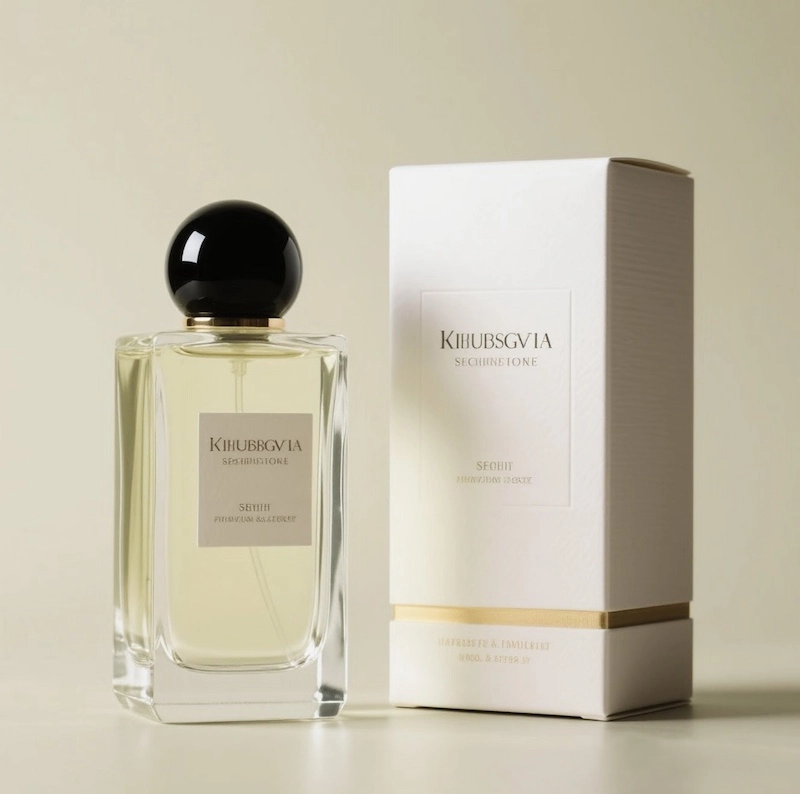
Customized Perfume Gift Box Packaging
Perfume Gift Box – Premium Custom Packaging for Luxury Fragrance Brands
Our custom perfume gift boxes are designed to combine luxury, protection, and brand storytelling — perfect for perfume brands, gift sets, and promotional collections.
Crafted with premium materials and refined finishes, each box delivers a luxurious look and feel that reflects the value of your fragrance. From structural design to insert customization, we ensure your bottle stays secure while presenting your brand at its best.
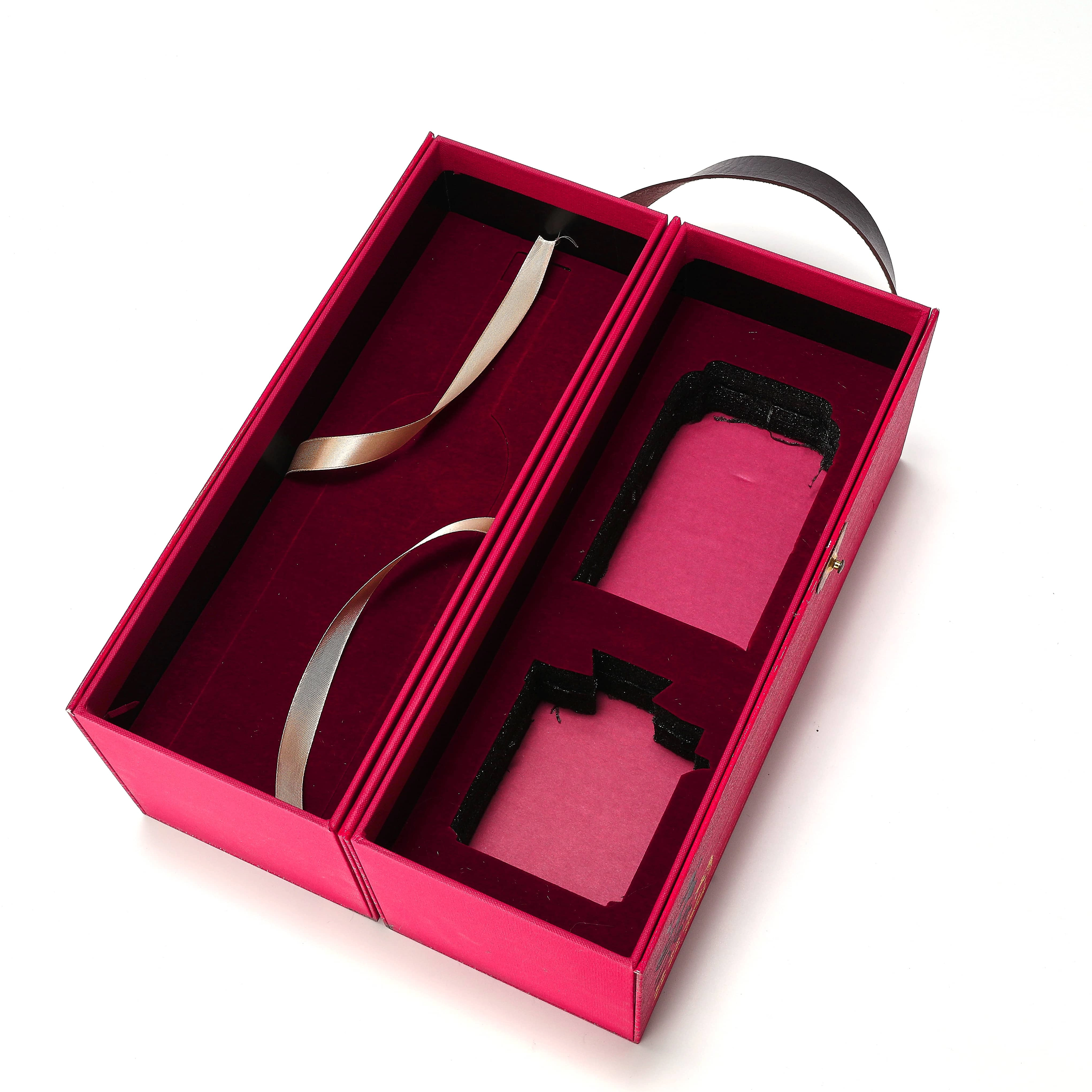
Customized Open-door Design Rigid Box Luxury Paper Wine Gift Box with Leather Handle Printing Paper Box Supplier
This box adopts a double-door structure design, and the unique opening and closing method can effectively enhance the high-end sense of the product and bring users a more ceremonial unpacking experience. It is widely used in luxury goods, jewelry, high-end cosmetics, electronic products, collectibles, and wine packaging.

Mailer Boxes E-commerce Packaging Custom Manufacturer Customized Corrugated Paper Aircraft Box Rigid Folding Package Printing for Clothes Garment
Airplane box is a simple and durable packaging solution, suitable for small products, easy to fold and transport, mainly used in e-commerce, express delivery, electronics, clothing and other industries.
© 2025 WINPACK PRINTING. All rights reserved

Wenhua Printing packaging
winpackprinting
Winpack Printing