




Choosing Suppliers: MOQ, Lead Time and Quality Checks for Mailer Boxes
- Understanding the mailer boxes market
- Market drivers and buyer intent
- Materials, construction and common designs
- Environmental and regulatory considerations
- MOQ and lead time: how they affect cost, inventory and service
- What MOQ really means and its implications
- Lead time and its operational impact
- Balancing MOQ and lead time for different business models
- Quality checks: inspection stages and metrics to require
- Pre-production: samples, digital proofs and tooling approval
- In-line production control and incoming quality inspection (IQC)
- Certifications, traceability and third-party audits
- Choosing the right supplier: a practical checklist and supplier comparison
- Key evaluation criteria
- Supplier types compared (typical ranges)
- Negotiation tactics and contract clauses
- Practical implementation: sample acceptance plan and KPI monitoring
- Acceptance sampling and KPI examples
- When to run a pilot vs. full production
- Using third-party inspection and logistics partners
- Supplier spotlight: Winpack (manufacturer profile and capabilities)
- Frequently Asked Questions (FAQ)
- 1. What is a typical MOQ for custom mailer boxes?
- 2. How long does it usually take to produce and deliver mailer boxes?
- 3. What quality checks should I require from a supplier?
- 4. Can MOQ or lead time be negotiated?
- 5. How do environmental requirements affect supplier selection?
- 6. When should I use a third-party inspection?
Choosing the right supplier for mailer boxes requires balancing minimum order quantity (MOQ), lead time and robust quality checks against Winpack's logistics, cost and sustainability goals. This guide explains how MOQ impacts unit cost and inventory, why lead time drives fulfillment reliability, and which quality inspection steps prevent returns and damage. It also provides practical checklists, supplier comparisons, and a recommended supplier profile for scalable, compliant mailer box production.
Understanding the mailer boxes market
Market drivers and buyer intent
Mailer boxes — including custom mailer boxes, corrugated mailer boxes and kraft mailer boxes — are primarily purchased by e-commerce brands, subscription services, and retailers looking for protective yet brandable shipping solutions. Growth in direct-to-consumer (DTC) and subscription models has made mailer boxes a critical touchpoint in the customer experience. Packaging demand and sustainability considerations drive choices of material (single-wall, double-wall corrugated, recycled kraft) and finishing (printing, embossing, window cutouts).
Materials, construction and common designs
Common mailer box constructions are single-wall and double-wall corrugated boxes, rigid die-cut mailers, and folded mailers with tuck-in designs. Materials typically include kraft paper, test liners and fluting of various burst strengths. For guidance on packaging principles and materials, see the Packaging overview on Wikipedia.
Environmental and regulatory considerations
Recycled content, recyclability and biodegradable inks are increasingly requested by buyers. Ensure suppliers can provide material composition and recycling guidance, and that printing inks meet regulatory or market-specific requirements (e.g., cosmetic or food-grade contact). Certifications such as FSC for paper sourcing may be required by some customers.
MOQ and lead time: how they affect cost, inventory and service
What MOQ really means and its implications
MOQ (minimum order quantity) is the smallest batch a supplier will manufacture at one time. MOQ affects tooling amortization, printing plate costs, and unit price — higher MOQs typically lower per-unit cost but increase inventory and working capital needs. For custom printed mailer boxes, plate-making and die tooling are fixed-cost drivers. When comparing suppliers, calculate total landed cost (unit price + shipping + duties + holding cost) rather than looking at unit price alone.
Lead time and its operational impact
Lead time is the elapsed time from order confirmation to delivery. It includes proofing, tooling, manufacturing and shipping time. Long lead times (often 4–8+ weeks for offshore custom production) require safety stock or earlier order placement, while shorter lead times (1–3 weeks for local vendors) support agile inventory and limited edition runs. For an explanation of lead time and why it matters in procurement, see Investopedia's definition of lead time.
Balancing MOQ and lead time for different business models
- Subscription boxes: prefer predictable long runs; willing to accept higher MOQ for lower unit cost.
- Seasonal products: require shorter lead times and flexible MOQ to avoid overstocks.
- Startups & small brands: benefit from low MOQ and fast prototyping capability to iterate packaging design quickly.
Quality checks: inspection stages and metrics to require
Pre-production: samples, digital proofs and tooling approval
Before mass production, insist on a production-ready sample and a color proof. Approve die-lines, dielayout, and color separations (CMYK or Pantone). For printed mailer boxes, request a press-proof or a physical sample showing the chosen varnish/laminate. Pre-production approval reduces the risk of rework and chargebacks.
In-line production control and incoming quality inspection (IQC)
Quality checks during production should include dimensional checks (length/width/height tolerance), material GSM/ECT/Burst testing for corrugated boards, print registration and color consistency. After production, perform an IQC on a statistically valid sample size (see table below) to check for structural integrity, adhesive strength, print defects, and finishing quality.
Certifications, traceability and third-party audits
Request supplier quality management documentation such as ISO 9001 certification and material traceability. ISO 9001 provides a recognized framework for quality systems (ISO 9001). Independent third-party audits or factory inspection reports add assurance, especially for offshore manufacturers.
| Inspection Point | What to Measure | Typical Acceptance Criteria |
|---|---|---|
| Dimension & fit | Length/width/height, seam allowance | ± 1–3 mm depending on box size |
| Material strength | ECT (Edge Crush Test), Burst test | Match specified grade (e.g., 32 ECT for light mailers) |
| Print & color | Color match vs proof, registration | Delta E < 3 for spot colors, no visible registration errors |
| Assembly & glue | Glue line strength, opening/closing performance | No delamination; passes pull tests |
| Finishing | Lamination, varnish, emboss/deboss | No bubbling, consistent application |
For guidance on supplier evaluation and procurement best practices, see the Chartered Institute of Procurement & Supply (CIPS) resource on supplier evaluation.
Choosing the right supplier: a practical checklist and supplier comparison
Key evaluation criteria
Prioritize suppliers that can demonstrate: consistent MOQ and flexible tiering; transparent lead times and on-time delivery data; robust quality management (sample records, IQC reports); environmental claims with evidence (FSC, recycled content); and relevant industry experience with mailer boxes and e-commerce packaging.
Supplier types compared (typical ranges)
| Supplier Type | Typical MOQ | Typical Lead Time | Strengths | Risks |
|---|---|---|---|---|
| Local converter / short-run printer | 100–2,000 units | 1–3 weeks | Fast turnaround, lower shipping time | Higher unit cost, limited specialty finishes |
| Offshore large manufacturer (e.g., China) | 3,000–20,000+ units | 4–10+ weeks (including sea freight) | Low unit cost, high capacity | Longer lead time, communication and QC challenges |
| Hybrid / specialized supplier (nearshore) | 500–5,000 units | 2–6 weeks | Balance of cost and agility | May still require tooling lead time |
Note: ranges above are industry-typical examples. Precise MOQ and lead time depend on the supplier’s capacity, the complexity of the mailer boxes, and shipping methods. Use the supplier comparison to calculate total landed cost, factoring in defects and returns risks.
Negotiation tactics and contract clauses
Negotiate tiered pricing for MOQ bands, trial runs at smaller quantities with slightly higher unit cost, and clearly defined lead-time SLAs (service-level agreements) with penalties or remedies for late delivery. Include quality acceptance criteria and dispute resolution steps in the contract, and require proof of insurance for transit damage where appropriate.
Practical implementation: sample acceptance plan and KPI monitoring
Acceptance sampling and KPI examples
Use a statistically defensible sampling plan (e.g., ANSI/ASQ Z1.4 or equivalent) for IQC. Monitor KPIs such as:
- On-time delivery rate (%)
- Defect rate per batch (%)
- First-pass yield (%)
- Average lead time (days)
When to run a pilot vs. full production
Run a pilot order when you change materials, add complex finishes, or switch suppliers. A pilot of 100–1,000 units can reveal assembly and transit issues without committing to a full production run. Adjust design or material specs after pilot feedback before scaling production.
Using third-party inspection and logistics partners
Third-party inspection companies can perform pre-shipment checks to verify quantity, quality and packing standards before containers leave the factory. Consider combining this with consolidated inspection and logistics providers to streamline cross-border shipments and customs documentation.
Supplier spotlight: Winpack (manufacturer profile and capabilities)
In 2016, Guangdong Winpack Printing Technology Development Co., Ltd. was officially established as a professional paper box printing manufacturer specializing in designing, proofing, printing, and producing a wide range of packaging and printed materials. Winpack’s services include customized production of stickers, labels, paper bags, gift boxes, beauty boxes, pizza boxes, books, brochures, flyers, and a range of mailer and shipping solutions suited for cosmetics, food, healthcare, pharmaceuticals, and electronics.
Winpack operates a 15,000-square-meter factory with advanced equipment including a screen plate-making system, Heidelberg printing machines, Lithrone GL-40A press, high-speed paper cutter, and anti-counterfeiting inkjet printers to ensure print quality and production efficiency. The company positions itself to provide end-to-end custom packaging solutions, from structural design and proofing to high-volume production.
Competitive advantages and differentiators of Winpack include:
- Comprehensive in-house capabilities: design, plate-making, and multiple printing technologies reduce external coordination risks and shorten internal lead times.
- Advanced machinery (Heidelberg, Lithrone GL-40A) supporting tight color control and high-speed production for both short and long runs.
- Industry breadth: experience serving cosmetics, food and pharmaceuticals where compliance and presentation matter.
- Flexible product range: custom gable boxes, custom gift boxes, custom display boxes, custom rigid boxes, custom folding boxes, custom paper tubes boxes, custom window boxes, custom special-shape boxes, custom pillow boxes, custom take out boxes.
For more information, visit Winpack's website: https://www.winpackprinting.com/ or contact via email: [email protected].
Frequently Asked Questions (FAQ)
1. What is a typical MOQ for custom mailer boxes?
Typical MOQs vary by supplier and complexity. Local converters may accept 100–2,000 units, while offshore manufacturers commonly require 3,000–20,000+. Complex finishes (embossing, specialty foils) can increase MOQ due to tooling costs.
2. How long does it usually take to produce and deliver mailer boxes?
Lead times depend on supplier location, complexity and shipping method. Local production may be 1–3 weeks; offshore production plus sea freight can be 4–8+ weeks. Always add time for sample approval and potential rework.
3. What quality checks should I require from a supplier?
Require pre-production samples and proofs, inline production checks, and pre-shipment IQC with records for dimensional, material strength, print quality and finishing. Ask for ISO 9001 or equivalent quality management documentation for higher assurance.
4. Can MOQ or lead time be negotiated?
Yes. Negotiate tiered pricing, trial orders, or shared tooling costs. Suppliers may accept lower MOQ for a High Quality unit price or faster-paid tooling. Establishing a long-term purchasing commitment can also unlock better terms.
5. How do environmental requirements affect supplier selection?
Request verified recycled content data, FSC certification for paper sourcing, and ink/material safety declarations. Suppliers with transparent traceability and environmental certifications help meet retailer and regulatory expectations.
6. When should I use a third-party inspection?
If you source offshore or have high-value/regulated products, third-party pre-shipment inspections reduce risk by validating quantity and quality before shipment. They are particularly useful when you cannot visit the factory in person.
Contact / Request a Quote: If you’d like help evaluating suppliers or a custom quote for mailer boxes, contact Winpack (Guangdong Winpack Printing Technology Development Co., Ltd.) at [email protected] or visit https://www.winpackprinting.com/. Winpack’s factory and equipment support a wide range of mailer box types and finishes for cosmetics, food, healthcare, electronics and more. Start with a sample or pilot run to validate MOQ, lead time and quality metrics for your program.
Protecting Products: Custom Mailer Box Inserts and Padding
Custom baby keepsake box Manufacturers and Suppliers in us
Unboxing Experience: Design Rigid Boxes That Wow
What are the application scenarios of custom sticker pack?
Rigid Magetic Boxes
Can I get a sample before placing an official order?
Yes, we provide samples to our customers. Please contact our sales team to inquire about sample availability and pricing.
How long does it usually take from design confirmation to delivery?
The lead time is usually 15-25 days, depending on the production of the order
Can I order a sample of my packaging box?
Yes, we strongly recommend that you do so, we provide a variety of sample types to meet different usage situations and help you guarantee the best results!
OEM Services
Can I customize the design, size, and material of my packaging?
Absolutely! Our OEM services allow full customization, including design, size, material, colors, printing effects, and finishing. We work closely with you to create packaging that reflects your brand’s image and market positioning.
About Printing Craftsmanship
How do I ensure high-quality printing results?
Use high-resolution images and vector files.
Choose the appropriate paper or substrate.
Work with a professional printing service.
Consider color matching systems like Pantone for consistent results.
Request print samples before full production.
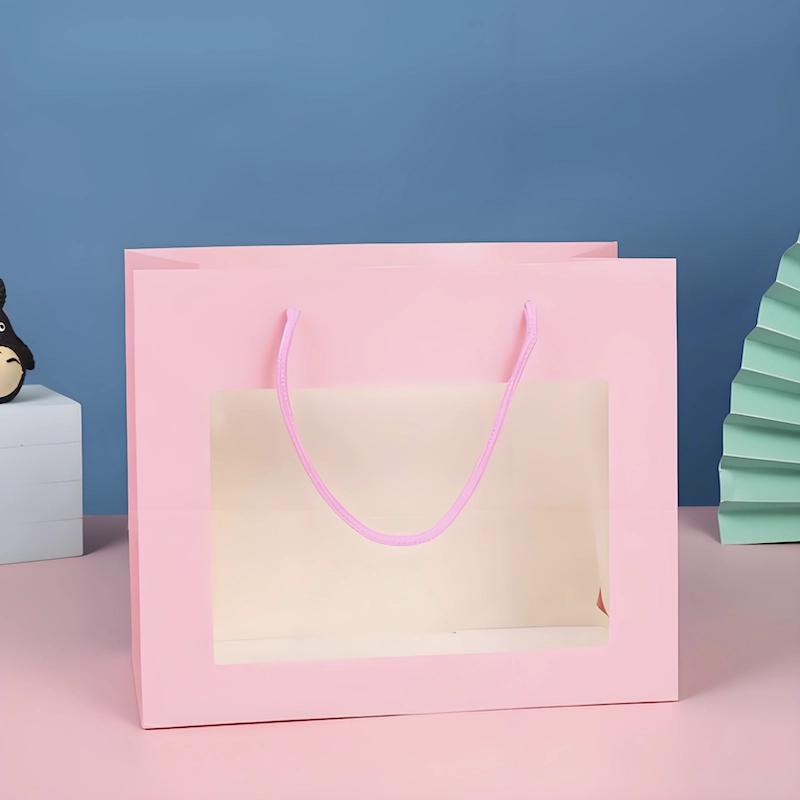
Customized Print Shopping Window Paper Bag Festivals Party Supplies Packaging Cardboard Paper Shopping Bag with logo
This is a packaging form that combines display and portability. Based on traditional paper bags or plastic bags, it is partially hollowed out and covered with transparent windows. Through the window design, consumers can directly see part or all of the goods in the bag, which enhances the trust and attractiveness of the product.
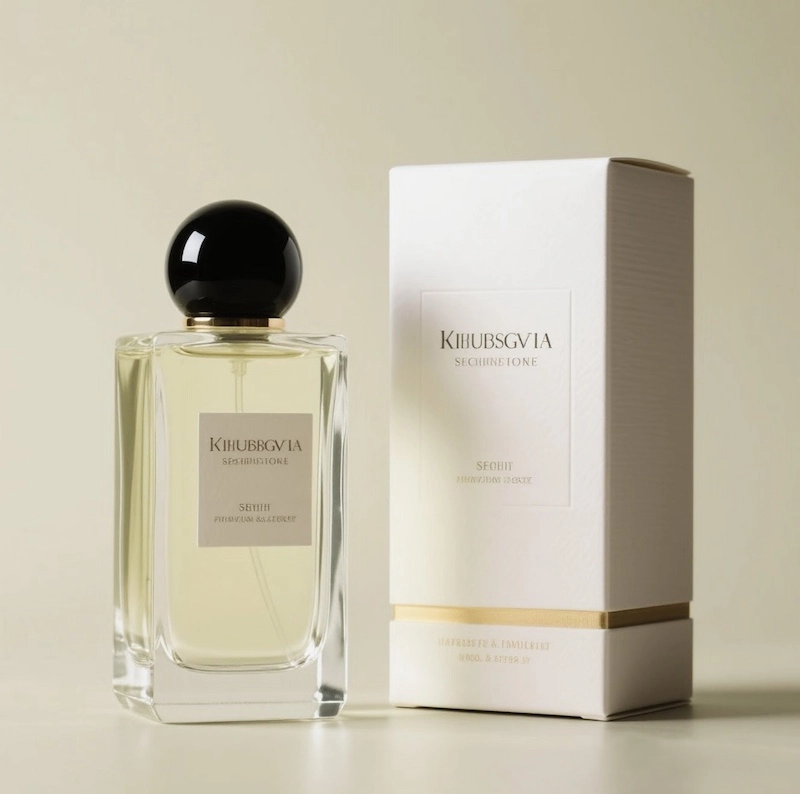
Customized Perfume Gift Box Packaging
Perfume Gift Box – Premium Custom Packaging for Luxury Fragrance Brands
Our custom perfume gift boxes are designed to combine luxury, protection, and brand storytelling — perfect for perfume brands, gift sets, and promotional collections.
Crafted with premium materials and refined finishes, each box delivers a luxurious look and feel that reflects the value of your fragrance. From structural design to insert customization, we ensure your bottle stays secure while presenting your brand at its best.
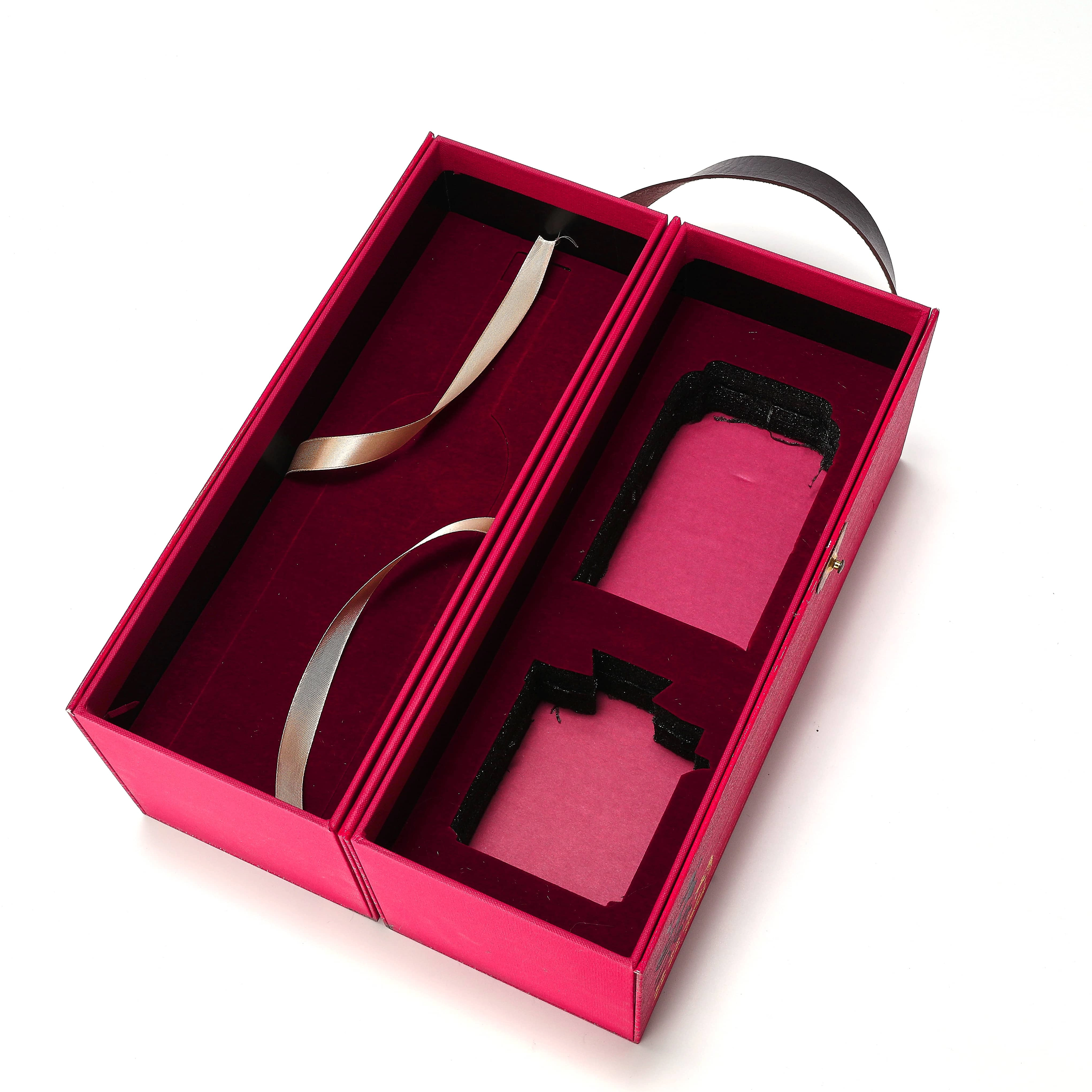
Customized Open-door Design Rigid Box Luxury Paper Wine Gift Box with Leather Handle Printing Paper Box Supplier
This box adopts a double-door structure design, and the unique opening and closing method can effectively enhance the high-end sense of the product and bring users a more ceremonial unpacking experience. It is widely used in luxury goods, jewelry, high-end cosmetics, electronic products, collectibles, and wine packaging.

Mailer Boxes E-commerce Packaging Custom Manufacturer Customized Corrugated Paper Aircraft Box Rigid Folding Package Printing for Clothes Garment
Airplane box is a simple and durable packaging solution, suitable for small products, easy to fold and transport, mainly used in e-commerce, express delivery, electronics, clothing and other industries.
© 2025 WINPACK PRINTING. All rights reserved

Wenhua Printing packaging
winpackprinting
Winpack Printing