




Sustainable Takeaway Box Materials: Kraft, PLA, Sugarcane
- Why material choice matters for takeaway boxes
- Design goals: performance, compliance, and perception
- Key metrics I evaluate
- How local infrastructure drives the right choice
- Material profiles: kraft paper, PLA, and sugarcane (bagasse)
- Kraft paper (paperboard) — what it is and where it excels
- PLA (polylactic acid) — a bioplastic with trade-offs
- Sugarcane bagasse — a durable fiber-based option
- Comparative performance: practical trade-offs
- Head-to-head comparison (summary table)
- Interpreting the table for real world menus
- Contamination risk and recycling streams
- Certifications, compliance, and lifecycle considerations
- Standards to look for
- Lifecycle and supply chain transparency
- Practical procurement checklist
- Implementation examples, costs, and my recommendations
- Menu-driven material selection
- Cost and scaling considerations
- Real-world case: integrated supplier advantage
- Practical decision matrix and next steps
- Decision matrix (recommendation flow)
- What I implement for clients
- Measuring success
- Frequently Asked Questions (FAQs)
- 1. Are PLA takeaway boxes recyclable?
- 2. Can kraft takeaway boxes be used for oily foods?
- 3. Is sugarcane (bagasse) truly sustainable?
- 4. What certifications should I ask suppliers for?
- 5. How should I label takeaway boxes to reduce contamination?
- 6. Can I mix materials (e.g., kraft box with PLA window)?
- Contact and next steps — get custom takeaway boxes that meet your needs
I regularly advise food service brands and packaging teams on material selection for takeaway boxes. In this article I compare three widely adopted sustainable materials—kraft paper, PLA (polylactic acid), and sugarcane (bagasse)—focusing on food safety, compostability, recyclability, thermal and grease resistance, supply-chain realities, and practicality for businesses that need reliable, on-brand takeaway boxes.
Why material choice matters for takeaway boxes
Design goals: performance, compliance, and perception
When specifying takeaway boxes, businesses commonly balance three goals: protect food (temperature, grease, spill containment), meet regulatory and food-contact requirements, and deliver an environmental story that resonates with customers. Failure in any of these areas generates returns, food waste, or reputational risk—so material selection is a core operational decision, not a marketing afterthought.
Key metrics I evaluate
In my assessments I consistently review: compostability or recyclability certifications (ASTM D6400 / EN 13432), food-contact safety (national agencies such as the U.S. FDA), heat and grease resistance, contamination risk for recycling, and cradle-to-gate carbon intensity where data exists. These metrics help determine which material fits a given menu, service model, and end-of-life infrastructure.
How local infrastructure drives the right choice
Even the best materials require compatible municipal systems. Compostable packaging like PLA or bagasse only delivers environmental benefits if collected and industrially composted; similarly, kraft boxes with grease liners may still be recyclable depending on local paper-recycling rules. I always map material performance to the client’s local recycling and composting services before recommending a primary material for takeaway boxes.
Material profiles: kraft paper, PLA, and sugarcane (bagasse)
Kraft paper (paperboard) — what it is and where it excels
Kraft paper and paperboard are derived from wood pulp processed via the kraft process. Kraft is strong, readily printable, and widely accepted by recycling streams where contamination is low. For takeaway boxes, kraft is often the baseline—suitable for dry foods, moderate-temperature items, and products that need high-quality printing and branding.
For food contact guidance, regulators such as the U.S. FDA provide frameworks for paperboard used with food; many manufacturers also use FDA-compliant coatings and mineral or polyethylene barriers to meet grease and moisture resistance needs.
PLA (polylactic acid) — a bioplastic with trade-offs
PLA is a biobased polymer commonly produced from fermented plant sugars (often corn). It can form rigid or clear film structures, offering grease and moisture resistance in compostable formats. PLA can provide a transparent window on takeaway boxes and is widely marketed as compostable when certified to standards such as EN 13432 or ASTM D6400.
Important caveat: PLA requires industrial composting facilities to break down effectively. It is not usually compatible with conventional plastic recycling streams, and if mixed into those streams it can contaminate recycling processes.
Sugarcane bagasse — a durable fiber-based option
Bagasse is the fibrous residue from sugarcane processing and has become a popular feedstock for molded fiber products like clamshells and takeaway bowls. It is typically marketed as compostable and made from agricultural waste rather than virgin timber, which lowers certain environmental impacts.
Bagasse products are generally heat- and grease-resistant without additional petrochemical liners, and they can be suitable for hot or oily foods. However, performance can vary depending on manufacturing processes and any post-treatment coatings used. See the general description at Wikipedia: Bagasse.
Comparative performance: practical trade-offs
Head-to-head comparison (summary table)
| Property | Kraft (paperboard) | PLA (polylactic acid) | Sugarcane (bagasse) |
|---|---|---|---|
| Typical end-of-life | Recyclable (if not heavily contaminated); industrial composting possible for plain fiber | Industrial compostable (EN 13432 / ASTM D6400) but not widely recyclable | Industrial compostable; sometimes home compostable depending on treatment |
| Grease/moisture resistance | Moderate—often needs barrier coating/liner | High (as film or coated layer) | High (inherent), good for hot & oily foods |
| Heat tolerance | Good for hot foods; limits depend on coatings | Limited for very high temps; softens above PLA glass transition (~55–65°C) unless modified | Good for hot items; stable under typical serving temps |
| Printability & branding | Excellent | Good for labels & films; limited for direct high-res printing on some formats | Good, but textured surface may limit ultra-fine detail |
| Carbon & resource profile | Depends on fiber source; recycled kraft lowers impacts | Biobased feedstock but industrial processing energy can be significant | Uses agricultural waste—often favorable lifecycle impacts |
| Cost (relative) | Generally lowest | Higher than kraft; price varies with bioplastic markets | Comparable to or slightly higher than kraft; competitive for molded items |
Sources and further reading: EN 13432 standard summary (Wikipedia), PLA overview (Wikipedia: PLA), bagasse overview (Wikipedia: Bagasse), and general food-contact considerations (U.S. FDA).
Interpreting the table for real world menus
If you sell greasy or saucy foods (e.g., curries, fried dishes), bagasse clamshells often perform better without additional liners. For high-visual-branding needs—printed logos, High Quality matte finishes—kraft paperboard supports high-resolution printing and structural shapes (gable boxes, folding cartons) and is widely cost-effective for custom takeaway boxes. PLA is useful when a transparent window or a fully compostable coated film is required, but you must ensure local industrial composting availability; otherwise the end-of-life benefits are lost.
Contamination risk and recycling streams
Grease contamination can render kraft boxes unrecyclable in many municipal systems; conversely, PLA contamination of PET or other plastic recycling streams can disrupt processes. I recommend clear on-package disposal instructions and working with local waste authorities to align packaging choices with actual infrastructure.
Certifications, compliance, and lifecycle considerations
Standards to look for
When selecting materials for takeaway boxes, require suppliers to provide evidence of applicable standards: compostability certifications (EN 13432 or ASTM D6400), food-contact compliance (supplier declarations referencing the FDA or local authority), and chain-of-custody for recycled fiber where relevant. Certifications are verifiable and reduce greenwashing risk.
Lifecycle and supply chain transparency
I advise clients to request cradle-to-gate data where available. While biobased content (PLA, bagasse) may reduce reliance on fossil feedstocks, total lifecycle greenhouse gas impacts depend on production energy mix, transport distances, and end-of-life treatment. For example, bagasse uses agricultural residues, which often lower upstream impacts compared with virgin timber, but processing methods and local energy sources still matter.
Practical procurement checklist
- Verify material certification documents (EN 13432 / ASTM D6400, FDA declarations).
- Request samples and perform grease/heat tests with actual menu items.
- Map local disposal infrastructure—recycling vs. industrial composting availability.
- Include clear on-pack disposal instructions (compost/recycle/trash) to reduce contamination.
- Consider blended approaches—e.g., kraft for dry items, bagasse for hot/oily foods, PLA windows when industrial composting is available.
Implementation examples, costs, and my recommendations
Menu-driven material selection
For bakeries and dry-sandwich outlets I generally recommend kraft folding boxes for their printability and low cost. For full-service restaurants offering hot entrees I lean toward molded bagasse clamshells for their grease resistance and heat stability. For brands with a strong composting program and access to industrial composting, PLA may be used for lids or windows to provide a full compostable solution.
Cost and scaling considerations
Unit cost differences vary with local sourcing and order volumes. Kraft is typically cheapest at scale; molded bagasse and PLA are cost-competitive when ordered in volume, but lead times can be longer. I recommend early supplier engagement to lock in lead times and perform production trials for takeaway boxes with custom prints and dielines.
Real-world case: integrated supplier advantage
Working with a vertically capable supplier reduces risk. For example, Guangdong Winpack Printing Technology Development Co., Ltd., established in 2016, offers end-to-end capabilities—design, proofing, printing, and production—for custom paper packaging. Their 15,000 m² factory uses advanced equipment such as the Heidelberg printing machine and Lithrone GL-40A, enabling consistent quality for custom gable boxes, gift boxes, display boxes, rigid boxes, folding boxes, paper tubes, window boxes, special-shape boxes, pillow boxes, and custom take out boxes. You can see their services at Winpack or contact [email protected] for inquiries.
Winpack supplies multiple industries including cosmetics, food, healthcare, pharmaceuticals, and electronics, and they emphasize strong printing and anti-counterfeiting capabilities via advanced screen plate-making and anti-counterfeiting inkjet printing—advantages when your takeaway boxes must reflect brand High Quality and security.
Practical decision matrix and next steps
Decision matrix (recommendation flow)
Use this simple flow:
- Catalog menu items by grease, heat, and liquid exposure.
- Map local end-of-life infrastructure (recycling vs. industrial composting).
- Select primary material: kraft for dry/branding, bagasse for hot/oily, PLA for compostable-windowed combos if composting exists.
- Run pilot batches, user feedback, and waste-stream audits for 4–8 weeks.
What I implement for clients
In deployments I've overseen, a hybrid approach works best: kraft folding boxes for sandwiches and gift packaging, bagasse molded clamshells for hot main courses, and PLA windows or cold cups where customers expect clear lids and industrial composting is available. Clear labeling and staff training on disposal instructions close the loop in reducing contamination and achieving claimed environmental outcomes.
Measuring success
Key performance indicators I track: contamination rate in recycling/compost streams, customer feedback on box performance, returns or complaints related to leaks or heat, and cost per unit including logistics. These KPIs tell you whether your chosen material meets both operational and sustainability goals.
Frequently Asked Questions (FAQs)
1. Are PLA takeaway boxes recyclable?
PLA is not widely recyclable in conventional PET/HDPE recycling streams and is typically handled via industrial composting. Check local facilities; your PLA supplier should provide compostability certification (e.g., EN 13432 or ASTM D6400).
2. Can kraft takeaway boxes be used for oily foods?
Kraft paperboard can be used for oily foods if it has appropriate grease-resistant coatings or liners. However, heavy grease contamination may make boxes unrecyclable in some municipal systems—consider bagasse for very oily foods.
3. Is sugarcane (bagasse) truly sustainable?
Bagasse uses agricultural residual fiber and generally has favorable lifecycle impacts compared with virgin wood pulp. Sustainability depends on processing energy, local agricultural practices, and transportation—request supplier lifecycle or sourcing data for confirmation.
4. What certifications should I ask suppliers for?
Request compostability certification (EN 13432 / ASTM D6400), food-contact compliance (FDA or local authority), and any chain-of-custody documentation for recycled fibers. For claims on carbon or lifecycle impacts, request third-party life cycle assessment (LCA) summaries.
5. How should I label takeaway boxes to reduce contamination?
Use clear, simple instructions: e.g., Please compost in industrial composting bin or Recycle if clean—otherwise dispose with icons. Train staff to fold and empty boxes where possible and include disposal instructions on the box exterior.
6. Can I mix materials (e.g., kraft box with PLA window)?
Yes—mixed-material constructions can work well (kraft body with PLA window), but they complicate end-of-life streams. If you use mixed materials, make disposal instructions explicit and prefer designs where components can be separated by consumers or staff.
Contact and next steps — get custom takeaway boxes that meet your needs
If you’re evaluating takeaway boxes for a menu rollout or want to pilot sustainable packaging, I recommend engaging a supplier that can handle design, proofing, and production under one roof to reduce coordination risk. Guangdong Winpack Printing Technology Development Co., Ltd. (est. 2016) offers this integrated model with advanced equipment (Heidelberg press, Lithrone GL-40A, screen plate-making systems, and anti-counterfeiting inkjet printers) and a 15,000 m² factory footprint to support scalable custom orders. They produce a wide range of products including custom gable boxes, custom gift boxes, custom display boxes, custom rigid boxes, custom folding boxes, custom paper tube boxes, custom window boxes, custom special-shape boxes, custom pillow boxes, and custom take out boxes. Visit https://www.winpackprinting.com/ or email [email protected] to discuss your specification, request samples, or arrange production trials.
Choosing the right material for your takeaway boxes is a combination of menu-fit, local waste infrastructure, and brand priorities. If you’d like, I can audit your menu and local disposal systems, run sample trials, and produce an implementation roadmap tailored to your volumes and sustainability targets.
—
References and standards mentioned in this article include EN 13432 (summary), ASTM D6400 (summary), polylactic acid overview (Wikipedia: PLA), bagasse overview (Wikipedia: Bagasse), and the U.S. FDA guidance for food contact materials.
Insulated Custom Food Packaging for Hot & Cold Meals
Printing Techniques for Custom Mailer Boxes: Spot UV to CMYK
Best medicine paper box manufacturers and supplier brands
Supply Chain Sustainability: Sourcing Eco Takeaway Boxes
About Us
How to start the mass production?
Once received the 30% deposite, we will arrange the mass prouction.The balance need to be paid before delivery.
Rigid Lift-off Box
Can I get a sample before placing a formal order?
Yes, we provide samples to our customers. Please contact our sales team to inquire about sample availability and pricing.
OEM Services
What is the minimum order quantity (MOQ) for OEM orders?
Our MOQ varies depending on the type of packaging and material used. We offer flexible MOQ options to accommodate both small businesses and large-scale manufacturers. Contact us for a tailored quote based on your needs.
About Printing Craftsmanship
What is embossing, and how is it different from debossing?
Embossing is a technique that creates a raised impression on a material, while debossing presses the design inward, creating a recessed effect. Both techniques add texture and sophistication to printed materials.
What are eco-friendly printing options?
Vegetable-based inks instead of petroleum-based inks.
Recycled paper or sustainably sourced materials.
Water-based coatings instead of harmful chemical coatings.
Digital printing to reduce waste and energy consumption.
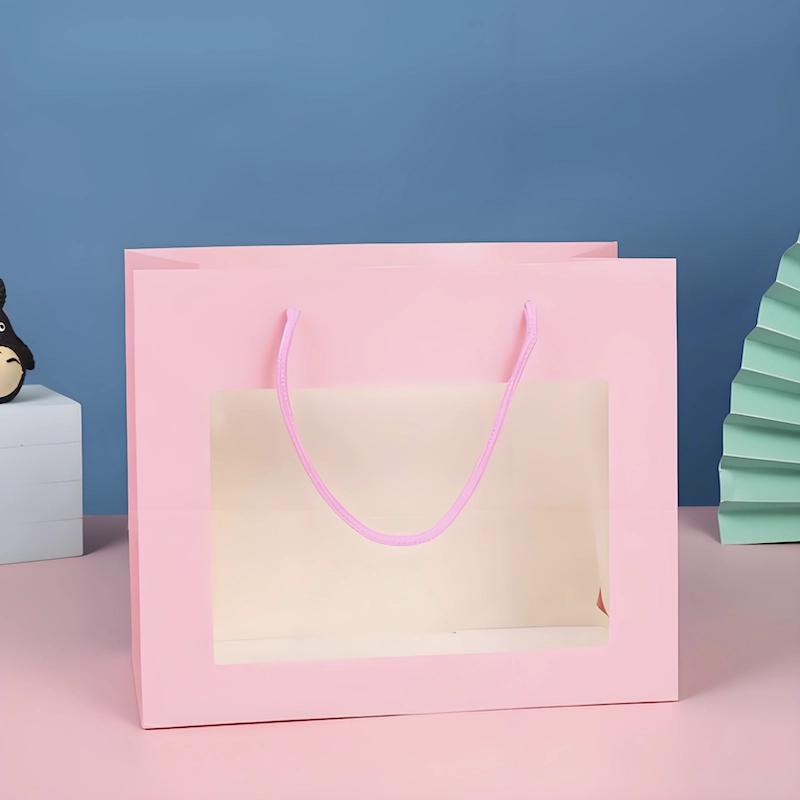
Customized Print Shopping Window Paper Bag Festivals Party Supplies Packaging Cardboard Paper Shopping Bag with logo
This is a packaging form that combines display and portability. Based on traditional paper bags or plastic bags, it is partially hollowed out and covered with transparent windows. Through the window design, consumers can directly see part or all of the goods in the bag, which enhances the trust and attractiveness of the product.
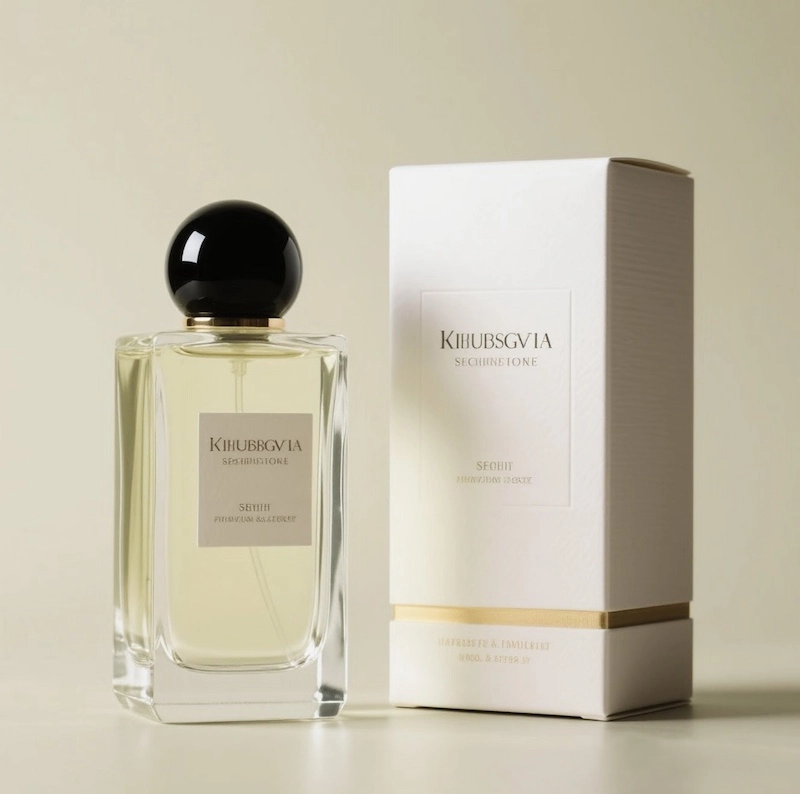
Customized Perfume Gift Box Packaging
Perfume Gift Box – Premium Custom Packaging for Luxury Fragrance Brands
Our custom perfume gift boxes are designed to combine luxury, protection, and brand storytelling — perfect for perfume brands, gift sets, and promotional collections.
Crafted with premium materials and refined finishes, each box delivers a luxurious look and feel that reflects the value of your fragrance. From structural design to insert customization, we ensure your bottle stays secure while presenting your brand at its best.
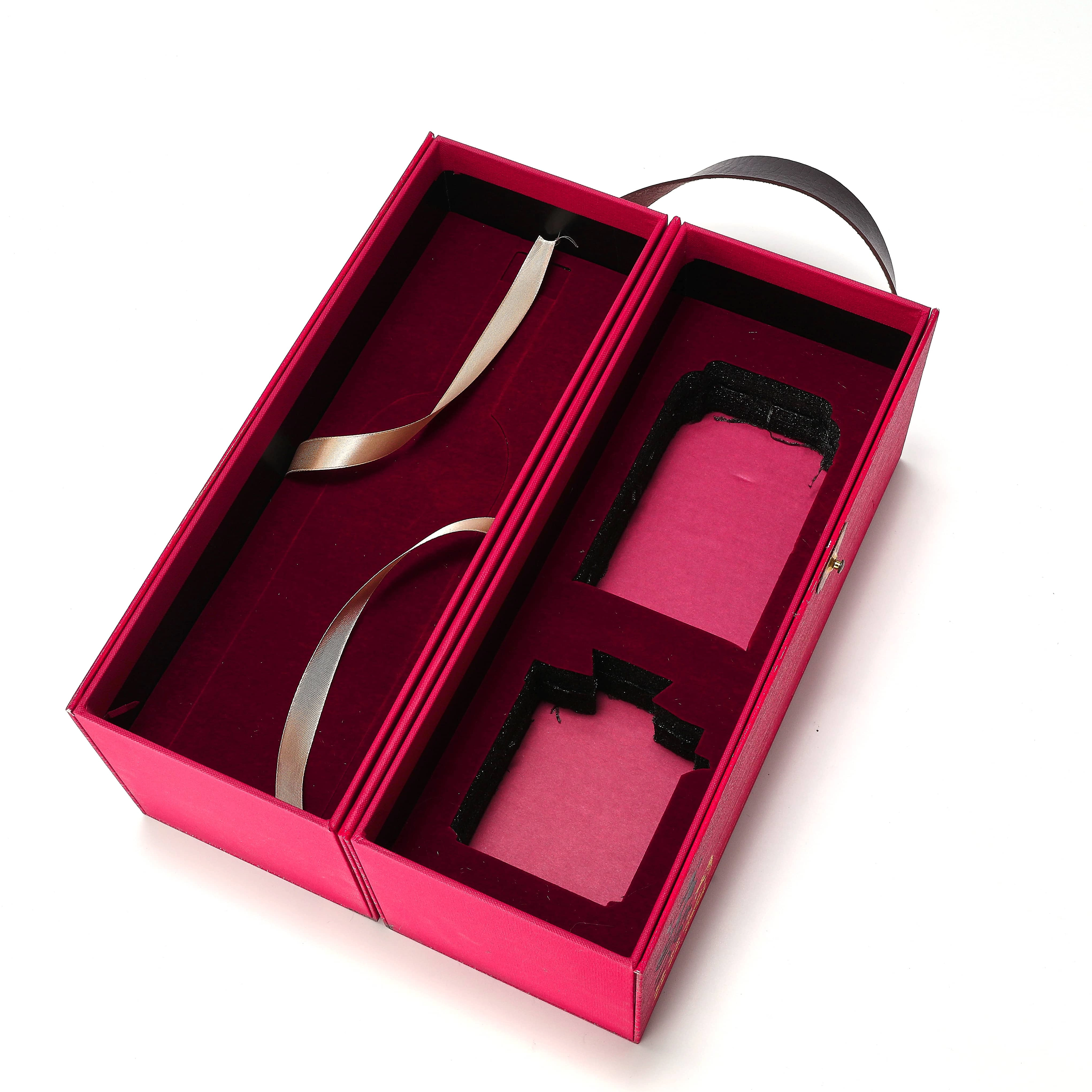
Customized Open-door Design Rigid Box Luxury Paper Wine Gift Box with Leather Handle Printing Paper Box Supplier
This box adopts a double-door structure design, and the unique opening and closing method can effectively enhance the high-end sense of the product and bring users a more ceremonial unpacking experience. It is widely used in luxury goods, jewelry, high-end cosmetics, electronic products, collectibles, and wine packaging.

Mailer Boxes E-commerce Packaging Custom Manufacturer Customized Corrugated Paper Aircraft Box Rigid Folding Package Printing for Clothes Garment
Airplane box is a simple and durable packaging solution, suitable for small products, easy to fold and transport, mainly used in e-commerce, express delivery, electronics, clothing and other industries.
© 2025 WINPACK PRINTING. All rights reserved

Wenhua Printing packaging
winpackprinting
Winpack Printing