




How a Custom Packaging Manufacturer Handles Color Matching and PMS
- Understanding color fundamentals in packaging
- Why color matters for packaging
- How humans and devices perceive color
- Common color metrics and tolerances
- Technical workflow for accurate color matching
- 1. Capture the color intent
- 2. Establish the production method (spot vs process)
- 3. Proofing and soft-proof vs. hard-proof
- Working with Pantone (PMS) and color systems
- What PMS means for packaging
- Spot colors vs. process simulations
- Practical PMS limitations
- Measurement, standards, and quality control
- Instruments and measurement protocols
- Typical QC workflow I implement
- Comparison of common color-matching methods
- Practical considerations and case studies
- Substrate and finishing effects
- Managing multi-site production
- Real-world example
- Our capabilities: Winpack’s approach to color control and production
- Company profile and production assets
- How Winpack manages color matching
- Products and competitive advantages
- FAQ
- 1. What is the difference between Pantone (PMS) and CMYK color matching?
- 2. How close can a printer realistically match my brand color?
- 3. Do coatings and laminations affect color?
- 4. Can you match colors across multiple production sites?
- 5. What instruments do you use for color verification?
- 6. What should I provide to get an accurate quote for color matching?
- Contact and next steps
As a custom packaging manufacturer based in Guangdong serving global brands, I know that color is more than appearance — it is brand equity, regulatory compliance, and customer expectation. In this article I walk through the complete color-matching journey I use with clients: defining color intent, converting brand specs into printable recipes, verifying with instruments and standards, and controlling production to hold acceptable Delta E tolerances. I reference industry standards (Pantone, ICC, ISO) and practical QC methods so you can evaluate suppliers and set realistic requirements for your packaging projects.
Understanding color fundamentals in packaging
Why color matters for packaging
Color is one of the strongest brand identifiers — studies show consumers often recognize brands by color alone. For functional packaging (pharma, food), color can also indicate product type, warnings, or regulatory cues. As a custom packaging manufacturer, I treat color as a specification that must be measured and controlled across design, proofing, and press runs.
How humans and devices perceive color
Human perception depends on viewing conditions (light source, viewing angle) and context. Devices (monitors, printers) reproduce color through different color spaces. To bridge the gap we use color management systems (ICC profiles) and instruments (spectrophotometers) that measure spectral reflectance rather than subjective visual matches. The International Color Consortium provides foundational guidance on ICC workflows (ICC overview).
Common color metrics and tolerances
Delta E (ΔE), especially the CIEDE2000 formulation, is the standard metric for color difference. Common practical thresholds I apply are:
- ΔE00 < 1: essentially imperceptible
- ΔE00 1–2: perceptible to trained observers but usually acceptable for high-end brand colors
- ΔE00 2–3: acceptable for many consumer packaging items
- ΔE00 > 3–5: requires review and potential reproach
Sources: standards and explanations including CIEDE2000 are summarized at Wikipedia - Color difference and reinforced in printing standards such as ISO 12647.
Technical workflow for accurate color matching
1. Capture the color intent
Begin by obtaining an authoritative color reference from the brand: a physical swatch, a Pantone formula, or a spectral file. If the brand provides a Pantone number, we consider whether it is a spot color (PMS solid ink) or a simulated color to be produced via CMYK or extended gamut. I always request either a physical sample (swatch or printed sample) or a digital spectral file (.txt/.csv reflectance) when available.
2. Establish the production method (spot vs process)
Choose between these options based on brand priority, budget, and substrate:
- Spot (PMS): best for exact brand logos with a single or few colors; uses dedicated ink and yields high fidelity on many substrates.
- Process (CMYK or expanded gamut): cost-effective for full-color images; color may shift by substrate and press.
3. Proofing and soft-proof vs. hard-proof
I require a hard proof for final approval when color accuracy is critical — either an approved contract proof (G7-certified or similar) or a press-side proof printed on the actual substrate. Soft-proofs on calibrated monitors are useful earlier in the process but cannot substitute for a physical proof. The ICC and ISO ecosystems guide profile creation used to generate reliable proofs (ISO 12647).
Working with Pantone (PMS) and color systems
What PMS means for packaging
Pantone’s Matching System (PMS) is widely used to specify spot colors; the Pantone system gives an agreed reference for designers, printers, and brand owners. See Pantone’s official resource for brand color management at Pantone. When a brand requests a Pantone color, we evaluate printing method and substrate because ink appearance changes with material whiteness, finish, and varnish.
Spot colors vs. process simulations
Spot colors provide the highest fidelity for logos and corporate colors, but they increase setup time and cost. Process simulations (CMYK or 7-color extended gamut) can approximate Pantone colors — accuracy depends on the substrate and press profile. For critical colors I recommend either spot inks or a prior press trial with spectrophotometric verification.
Practical PMS limitations
Not every Pantone swatch can be exactly reproduced on every substrate. Metallics, fluorescents, and very dark shades may require special inks or coatings. For food-contact packaging, ink selection must also consider compliance (e.g., migration barriers) — consult regulatory bodies such as the U.S. FDA if applicable.
Measurement, standards, and quality control
Instruments and measurement protocols
I use spectrophotometers for spectral measurement (reflectance curves) and densitometers for process control. Spectrophotometers allow ΔE calculations using CIEDE2000 and produce LAB values that are portable across labs. For press runs we measure both initial sheet checks and periodic in-line samples to monitor drift.
Typical QC workflow I implement
- Prepress: convert brand color into press profile using ICC profiles for chosen substrate.
- Proofing: generate contract proof and a press proof on stock; measure target and proof with spectrophotometer.
- Press start: print first sheets, measure target patches; adjust inks to hit ΔE targets.
- In-run control: sample every specified number of sheets; take corrective action if ΔE exceeds threshold.
- Final QA: record last-run measurements and include a color report in the job documentation.
Comparison of common color-matching methods
| Method | Typical ΔE00 achievable | Strengths | Limitations |
|---|---|---|---|
| Visual match (expert eye) | Variable (2–5) | Quick, low cost for preliminary checks | Subjective, affected by lighting and observer |
| Spectrophotometer (spectral) | <1–2 | Objective, reproducible, supports ΔE00 | Requires calibration and correct geometry |
| Densitometer | 2–4 (process control) | Industry standard for press control, fast | Measures density not full colorimetric data |
| ICC soft-proofing | Depends on monitor/profile (1–3) | Useful early-stage checks and conversions | Monitor calibration essential; not a physical proof |
Sources: ICC overview (color.org), ISO 12647 guidance (iso.org).
Practical considerations and case studies
Substrate and finishing effects
Paper whiteness, coating (matte/gloss), varnish, cold foiling, and lamination all change perceived color. For example, a gloss varnish typically increases chroma and deepens color, which can make a proof printed on uncoated stock appear lighter than a finished product. I always test the final substrate and finish during proofing.
Managing multi-site production
When production occurs across multiple factories or countries, I standardize ICC profiles, provide spectral target files, and require a first-article color report before bulk production. This approach reduces shipping of physical proofs and allows remote color approvals based on measured values.
Real-world example
Recently a cosmetics client required a precise brand red on a high-gloss laminated folding carton. We evaluated three options: a spot Pantone red, a simulated CMYK with expanded gamut, and CMYK plus a varnish. Through spectrophotometric tests and a press trial using our Heidelberg press, we held ΔE00 at 1.3 using a customized Pantone ink and specific varnish settings — a result that met the client's visual and brand requirements.
Our capabilities: Winpack’s approach to color control and production
Company profile and production assets
In 2016, Guangdong Winpack Printing Technology Development Co., Ltd. was officially established as a professional paper box printing manufacturer specializing in designing, proofing, printing, and producing a wide range of packaging and printed materials. Our services include customized production of stickers, labels, paper bags, gift boxes, beauty boxes, pizza boxes, books, brochures, flyers, etc. Winpack caters to diverse industries, including cosmetics, food, healthcare, pharmaceuticals, and electronics.
Our 15,000-square-meter factory is equipped with state-of-the-art technology. We utilize an advanced screen plate-making system and top-tier machinery such as the Heidelberg printing machine, high-speed paper cutter, Lithrone GL-40A machine, and anti-counterfeiting inkjet printer to ensure superior quality and efficiency.
How Winpack manages color matching
At Winpack, we integrate the technical workflow above into our standard operating procedures. Key elements include:
- Prepress color calibration and ICC profile management tied to each substrate and finish.
- Spectrophotometric proofing and press checks using calibrated instruments, with ΔE00 targets agreed in the job ticket.
- Dedicated trials for metallics, fluorescents, and special inks — and secure storage of matched ink recipes for repeat orders.
- Industry-grade presses (Heidelberg, Lithrone GL-40A) that support tight registration and consistent ink laydown, combined with our anti-counterfeiting inkjet capability for security-sensitive sectors.
Our vision is to become the world's leading custom paper box packaging manufacturer. We focus on repeatable quality, transparent communication, and documented color reports so brands can scale with confidence.
Products and competitive advantages
Winpack’s product range includes custom gable boxes, custom gift boxes, custom display boxes, custom rigid boxes, custom folding boxes, custom paper tubes boxes, custom window boxes, custom special-shape boxes, custom pillow boxes, custom take out boxes. Our competitive strengths are:
- Integrated design-to-production chain that shortens iteration cycles.
- Advanced equipment and plate-making systems that support precise color separation.
- Experienced color technicians who manage ICC profiles and spectral targets for repeatability.
- ISO-aligned processes for press calibration and quality documentation.
To evaluate our capabilities or request samples, visit https://www.winpackprinting.com/ or contact us by email at [email protected].
FAQ
1. What is the difference between Pantone (PMS) and CMYK color matching?
Pantone/PMS refers to standardized spot colors reproduced with specific inks, giving higher fidelity for single colors. CMYK mixes four process inks and is best for full-color images. Some Pantone colors cannot be exactly matched in CMYK — we either print the spot ink or simulate it and measure ΔE to ensure acceptability.
2. How close can a printer realistically match my brand color?
With spectrophotometric control and suitable inks, we typically achieve ΔE00 under 2 for critical brand colors on coated stocks using spot inks. For process simulations and challenging substrates, ΔE may be 2–3; the acceptable target should be agreed before production.
3. Do coatings and laminations affect color?
Yes. Varnishes and laminations change gloss and perceived color. Always proof on the final substrate and finish. We perform press trials including the intended lamination or varnish to measure final results.
4. Can you match colors across multiple production sites?
Yes — by standardizing ICC profiles, providing spectral target files, and requiring first-article color reports. Centralized recipe management and documentation ensure repeatability across sites.
5. What instruments do you use for color verification?
We use spectrophotometers to measure spectral reflectance and calculate ΔE00, and densitometers for press control. Instruments are calibrated daily to ensure measurement accuracy.
6. What should I provide to get an accurate quote for color matching?
Provide a Pantone number or physical swatch, specify the substrate and finish, share target tolerances (ΔE target), and indicate whether the product will be printed as spot ink or process. If possible, provide previous color reports or spectral files.
Contact and next steps
If color fidelity is critical for your packaging, I recommend starting with a design-to-proof conversation. At Winpack we can run small-scale press trials, provide measured color reports, and archive matched recipes for future runs. To request a quote or schedule a sample, visit https://www.winpackprinting.com/ or email Shirley at [email protected]. I’ll personally review your color requirements and recommend the most reliable path to consistent, repeatable results.
Why choose Winpack as your custom sticker bags manufacturer
The latest trends for custom boxes in us 2026 | Winpack Ultimate Insights
Custom Mailer Boxes: Best Practices for Shipping
Custom baby keepsake box Manufacturers and Suppliers in us
About Us
What are your lead times?
Production typically takes 12-16 days, and 16-21 days for larger volume orders. Shipping times will depend on the shipping channel you choose.
OEM Services
What quality control measures do you have in place?
We implement strict quality control throughout our production process, including:
ISO-certified quality management systems
pressSIGN color management for consistent printing quality
ERP production tracking for precision and efficiency
Rigorous inspections at every stage of production
Rigid Magetic Boxes
How long does it usually take from design confirmation to delivery?
The lead time is usually 15-25 days, depending on the production of the order
Special Shape Boxes
What are the wholesale pricing options for bulk orders?
We offer competitive wholesale prices for bulk orders. Please contact our sales team for more details
About Printing Craftsmanship
How does UV printing work?
UV printing uses ultraviolet light to cure ink instantly, resulting in vibrant colors, water resistance, and high durability. It is commonly used for packaging, signage, and promotional items.
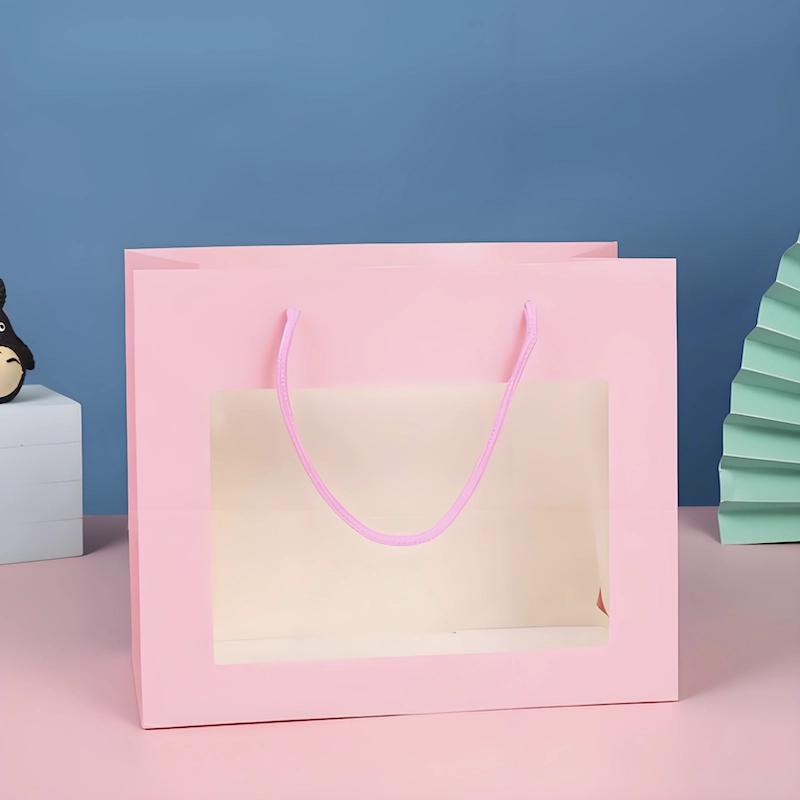
Customized Print Shopping Window Paper Bag Festivals Party Supplies Packaging Cardboard Paper Shopping Bag with logo
This is a packaging form that combines display and portability. Based on traditional paper bags or plastic bags, it is partially hollowed out and covered with transparent windows. Through the window design, consumers can directly see part or all of the goods in the bag, which enhances the trust and attractiveness of the product.
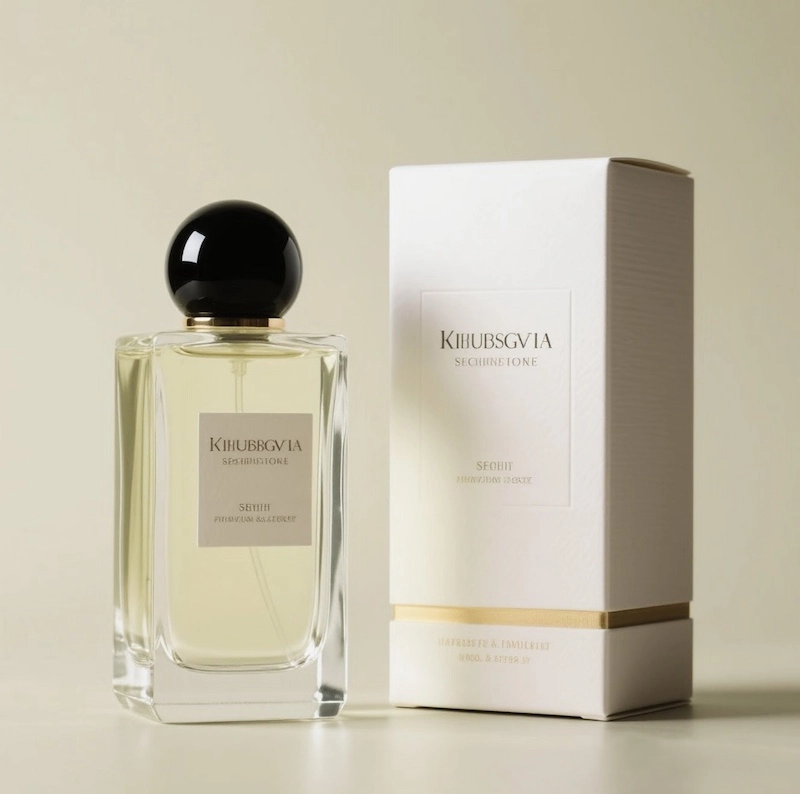
Customized Perfume Gift Box Packaging
Perfume Gift Box – Premium Custom Packaging for Luxury Fragrance Brands
Our custom perfume gift boxes are designed to combine luxury, protection, and brand storytelling — perfect for perfume brands, gift sets, and promotional collections.
Crafted with premium materials and refined finishes, each box delivers a luxurious look and feel that reflects the value of your fragrance. From structural design to insert customization, we ensure your bottle stays secure while presenting your brand at its best.
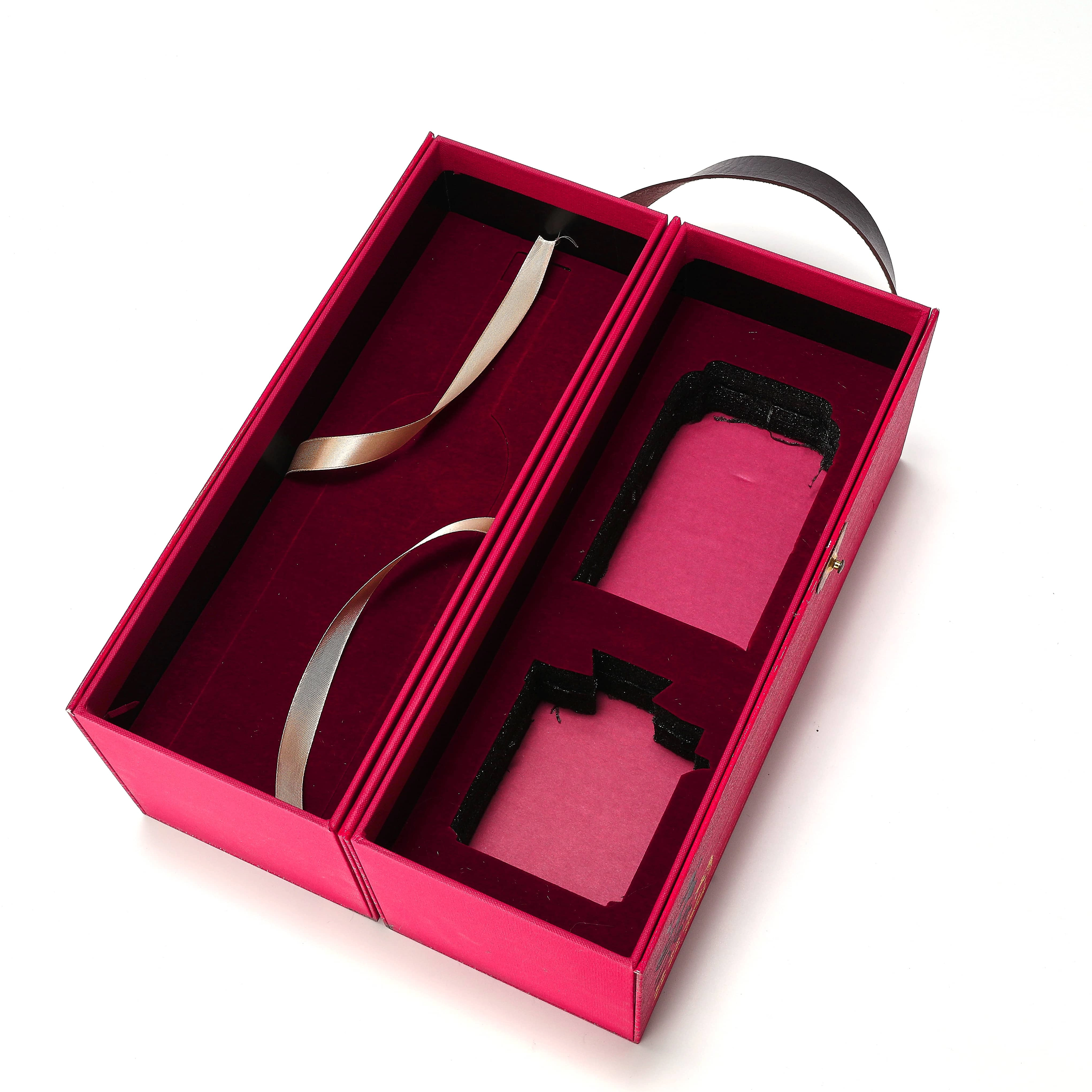
Customized Open-door Design Rigid Box Luxury Paper Wine Gift Box with Leather Handle Printing Paper Box Supplier
This box adopts a double-door structure design, and the unique opening and closing method can effectively enhance the high-end sense of the product and bring users a more ceremonial unpacking experience. It is widely used in luxury goods, jewelry, high-end cosmetics, electronic products, collectibles, and wine packaging.

Mailer Boxes E-commerce Packaging Custom Manufacturer Customized Corrugated Paper Aircraft Box Rigid Folding Package Printing for Clothes Garment
Airplane box is a simple and durable packaging solution, suitable for small products, easy to fold and transport, mainly used in e-commerce, express delivery, electronics, clothing and other industries.
© 2025 WINPACK PRINTING. All rights reserved

Wenhua Printing packaging
winpackprinting
Winpack Printing