




The latest trends for custom boxes in us 2026 | Winpack Ultimate Insights
- Introduction: Why custom boxes matter in the US market for 2026
- Custom boxes are central to modern brand strategy
- Market drivers and buyer intent behind searching 'custom boxes'
- Understanding why businesses search for custom boxes
- Top trends shaping custom boxes in the US for 2026
- 1. Sustainable and recycled materials dominate specification sheets
- 2. Digital and short‑run printing enable personalization
- 3. E‑commerce optimized structural design reduces damage and cost
- 4. Unboxing and brand experience drive High Quality finishing choices
- 5. Smart packaging and augmented reality (AR) features add engagement
- 6. Anti‑counterfeit and security printing gain traction
- 7. Regulatory compliance and recyclability labeling
- 8. Supply chain localization and lead‑time optimization
- 9. Cost control via engineering and material tradeoffs
- 10. Data‑driven packaging decisions
- Material and design comparison for common custom box choices
- Selecting materials based on application and priorities
- How custom box manufacturers should adapt in 2026
- Operational and technology investments to stay competitive
- Winpack's capabilities for US brands
- Practical checklist for choosing the right custom boxes supplier
- Key buyer questions to evaluate potential suppliers
- Cost vs. value: making ROI decisions for custom boxes
- Focus on total cost of ownership, not unit price
- Implementation roadmap for brands (0–90 days)
- Step‑by‑step actions to deploy new custom boxes
- Conclusion: What brands should do now about custom boxes
- Take a strategic, test‑and‑scale approach
- Frequently Asked Questions
Introduction: Why custom boxes matter in the US market for 2026
Custom boxes are central to modern brand strategy
Custom boxes influence purchase decisions, protect products in transit, and shape unboxing experiences. For US brands in 2026, investing in custom packaging is not a luxury — it's a competitive necessity. This article covers the actionable trends shaping custom boxes, helping packaging buyers, brand managers, and ecommerce teams choose the right custom packaging solutions to increase conversion, lower returns, and build brand loyalty.
Market drivers and buyer intent behind searching 'custom boxes'
Understanding why businesses search for custom boxes
When buyers search for custom boxes, they typically want cost-effective packaging that aligns with brand identity, meets regulatory and sustainability standards, and performs well in ecommerce logistics. Demand is driven by direct‑to‑consumer (D2C) growth, sustainability requirements from retailers and consumers, and the need for faster, smaller production runs enabled by digital printing.
Top trends shaping custom boxes in the US for 2026
1. Sustainable and recycled materials dominate specification sheets
Brands continue to prioritize recyclable, compostable, and recycled-content materials for custom boxes. Consumer preference and retailer requirements push brands to select materials that reduce lifecycle impact. Kraft, recycled paperboard, and easily recyclable folding cartons are commonly specified by businesses seeking eco‑friendly custom packaging.
2. Digital and short‑run printing enable personalization
Digital printing technologies allow brands to economically produce short runs and variable-data printing for campaigns, regional customization, and limited editions. This capability reduces inventory risk and increases responsiveness — particularly valuable for seasonal products and subscription services.
3. E‑commerce optimized structural design reduces damage and cost
Ecommerce continues to demand custom boxes designed for shipping efficiency. Protective designs that minimize void fill, nestable shapes for pallet efficiency, and right‑sized packaging reduce transit damage and shipping costs — a priority for high‑return categories such as electronics and cosmetics.
4. Unboxing and brand experience drive High Quality finishing choices
Unboxing remains an important touchpoint. Brands invest in High Quality inner prints, soft‑touch coatings, embossing, and custom inserts to create memorable experiences. These investments are balanced against cost by using High Quality finishes selectively — for hero SKUs or gift packaging.
5. Smart packaging and augmented reality (AR) features add engagement
Integration of QR codes, NFC, and AR overlays on custom boxes enhances product storytelling, provides authentication, and links customers to content or loyalty programs. Smart packaging increases perceived value and enables post‑purchase engagement strategies.
6. Anti‑counterfeit and security printing gain traction
Pharmaceuticals, cosmetics, and electronics increasingly require anti‑counterfeit features in custom boxes. Techniques such as secure inks, invisible UV marks, serialized QR codes, and tamper‑evident closures help brands protect revenue and comply with regulatory pressures.
7. Regulatory compliance and recyclability labeling
Brands must navigate labeling requirements and recycling claims in the US. Clear label communication on custom boxes — e.g., recyclability instructions and material disclosures — reduces consumer confusion and helps retailers accept packaging through compliance programs.
8. Supply chain localization and lead‑time optimization
Recent global disruptions have led many brands to localize packaging suppliers or seek flexible suppliers with reliable lead times. Proximity to US distribution centers and scalable production are prioritized when selecting a custom box manufacturer.
9. Cost control via engineering and material tradeoffs
Packaging engineers are focused on balancing material cost with performance. Hybrid solutions — such as using recycled corrugated for outer cartons and high‑quality folding cartons for inner presentation — help brands control costs while preserving customer experience.
10. Data‑driven packaging decisions
Brands increasingly use return data, damage rates, and dimensional weight costs to guide custom box design. Packaging audits and test shipments inform material choices and right‑sizing strategies to minimize total landed cost.
Material and design comparison for common custom box choices
Selecting materials based on application and priorities
The table below compares common materials for custom boxes to help brands decide based on ecommerce suitability, print quality, recyclability, and cost.
| Material | Ecommerce Suitability | Print & Brand Quality | Recyclability | Cost |
|---|---|---|---|---|
| Corrugated (single‑wall) | High — strong protection for shipping | Moderate — good for kraft/spot prints | Widely recyclable | Low‑Moderate |
| Folding carton (paperboard) | Moderate — best for boxed goods/protection with inserts | High — excellent print fidelity | Recyclable when clean | Moderate |
| Kraft boxes | Moderate — eco aesthetic, decent protection | Moderate — suits natural‑brand visuals | High — recyclable and often made from recycled fiber | Low‑Moderate |
| Rigid/Setup boxes | Low — High Quality gifting rather than mass shipping | Very High — High Quality look and finishes | Depends — extra components can complicate recycling | High |
| Recycled or post‑consumer fiber board | Moderate — improving strength with new tech | Moderate — good when paired with smart finishing | High — sustainable option | Moderate |
How custom box manufacturers should adapt in 2026
Operational and technology investments to stay competitive
Manufacturers must invest in flexible printing (digital/UV), automated finishing, and quality control systems that support variable data and anti‑counterfeit features. Near‑real‑time communication with customers on lead times and proofing reduces errors and strengthens partnerships.
Winpack's capabilities for US brands
As a manufacturer experienced with full‑service custom packaging, Winpack leverages advanced plate‑making systems and high‑quality presses (including Heidelberg and Lithrone equipment) to deliver custom boxes that combine High Quality print quality with efficient production. Winpack’s 15,000 m² factory and diverse service portfolio — from beauty boxes to food packaging — position it to support brands that need sustainable options, anti‑counterfeit printing, and short‑run digital capabilities.
Practical checklist for choosing the right custom boxes supplier
Key buyer questions to evaluate potential suppliers
Use this checklist to vet custom box manufacturers: lead times and capacity, quality control and color consistency, digital printing and variable data capabilities, sustainability certifications and material sourcing, anti‑counterfeit technologies, logistics and proximity to US distribution, pricing transparency, and sample/prototyping services.
Cost vs. value: making ROI decisions for custom boxes
Focus on total cost of ownership, not unit price
Evaluate custom boxes based on damage rates, dimensional weight, customer retention from better unboxing, and marketing lift from High Quality packaging. Often a marginally higher box cost results in lower returns and higher lifetime customer value — particularly in subscription and High Quality categories.
Implementation roadmap for brands (0–90 days)
Step‑by‑step actions to deploy new custom boxes
0–30 days: Audit current packaging performance and define priorities (sustainability, cost, experience). 30–60 days: Prototype designs and run protected test shipments. 60–90 days: Finalize supplier agreements, set reorder cadence, and monitor first production for quality and damage metrics.
Conclusion: What brands should do now about custom boxes
Take a strategic, test‑and‑scale approach
For US brands into 2026, custom boxes should be treated as a strategic asset. Prioritize sustainable materials, ecommerce optimization, and digital printing capabilities that support personalization. Work with manufacturers that provide clear compliance guidance, short‑run flexibility, and reliable lead times. Suppliers like Winpack that combine advanced equipment and a broad product portfolio can help brands execute quickly while maintaining high print quality and regulatory compliance.
Sources:
- Smithers — Packaging Market Reports and Trend Analyses
- Grand View Research — Packaging Market Insights
- Statista — E‑commerce and Packaging Consumption Trends
- U.S. Environmental Protection Agency (EPA) — Paper and Paperboard Recycling Data
- Packaging Digest and Packaging World — Industry trend reporting
Company note — Winpack
In 2016, Guangdong Winpack Printing Technology Development Co., Ltd. was established as a professional paper box printing manufacturer providing design, proofing, printing, and production. Winpack’s services include customized stickers, labels, paper bags, gift boxes, beauty boxes, pizza boxes, books, brochures, and more. With a 15,000 m² factory and equipment like Heidelberg presses and Lithrone GL‑40A machines, Winpack aims to be a leading custom paper box packaging manufacturer.
Frequently Asked Questions
What is the most sustainable material for custom boxes?Recycled paperboard and kraft with high post‑consumer content are generally the most sustainable choices because they use less new fiber and are widely recyclable. Consider the full supply chain — inks, coatings, and added laminates can affect recyclability.
How can I reduce shipping costs with custom boxes?Right‑sizing boxes to reduce dimensional weight, using protective inserts that allow snug fits, and selecting nestable designs can lower shipping fees and damage rates.
Are digital printed custom boxes durable enough for ecommerce?Yes. Modern digital printing with UV and protective coatings produces durable prints suitable for shipping. For extra protection, combine digital printing with laminate or varnish where necessary.
What anti‑counterfeit options are available for custom boxes?Options include serialized QR codes, tamper‑evident seals, invisible UV inks, and secure holographic features. The right choice depends on product risk and required verification methods.
How long does it take to get a custom box production run?Lead times vary by complexity and supplier capacity. With digital short runs, turnaround can be significantly faster than traditional offset. Ask your supplier for clear lead times, prototyping schedules, and expedited options.
What certifications should I request from a custom box manufacturer?Ask for material sourcing documentation, FSC or PEFC certifications if applicable, quality control processes, and information about inks and coatings used to ensure recyclability and compliance.
The B2B Buyer’s Guide to custom paper gift bags
Branding Strategies Using Custom Mailer Boxes
Best professional cardboard box maker manufacturers and supplier brands
Custom Candy Gift Boxes
About Printing Craftsmanship
What are the advantages of embossing?
Enhances the visual and tactile appeal of printed products.
Creates a premium and professional look.
Improves brand recognition with distinct textures.
Increases durability as the embossed design remains intact over time.
What is screen printing used for?
Screen printing is ideal for printing on a variety of surfaces, including:
Fabric (t-shirts, tote bags)
Plastic (bottles, packaging)
Paper (posters, packaging)
Metal and glass (signs, promotional products)
OEM Services
What is the minimum order quantity (MOQ) for OEM orders?
Our MOQ varies depending on the type of packaging and material used. We offer flexible MOQ options to accommodate both small businesses and large-scale manufacturers. Contact us for a tailored quote based on your needs.
How long does the production process take?
Production time depends on order quantity, complexity, and customization. Generally, the process takes 7-20 days after design confirmation and sample approval. We strive for fast turnaround times while maintaining high-quality standards.
Special Shape Boxes
Can I print on the inside of the box?
Yes, you can print any effect you want on the inside.
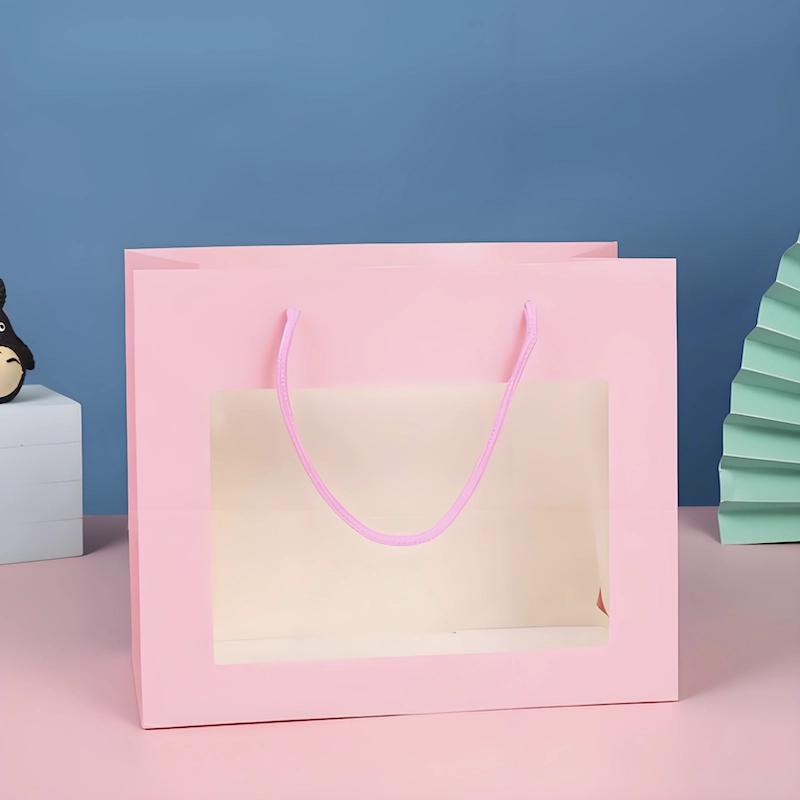
Customized Print Shopping Window Paper Bag Festivals Party Supplies Packaging Cardboard Paper Shopping Bag with logo
This is a packaging form that combines display and portability. Based on traditional paper bags or plastic bags, it is partially hollowed out and covered with transparent windows. Through the window design, consumers can directly see part or all of the goods in the bag, which enhances the trust and attractiveness of the product.
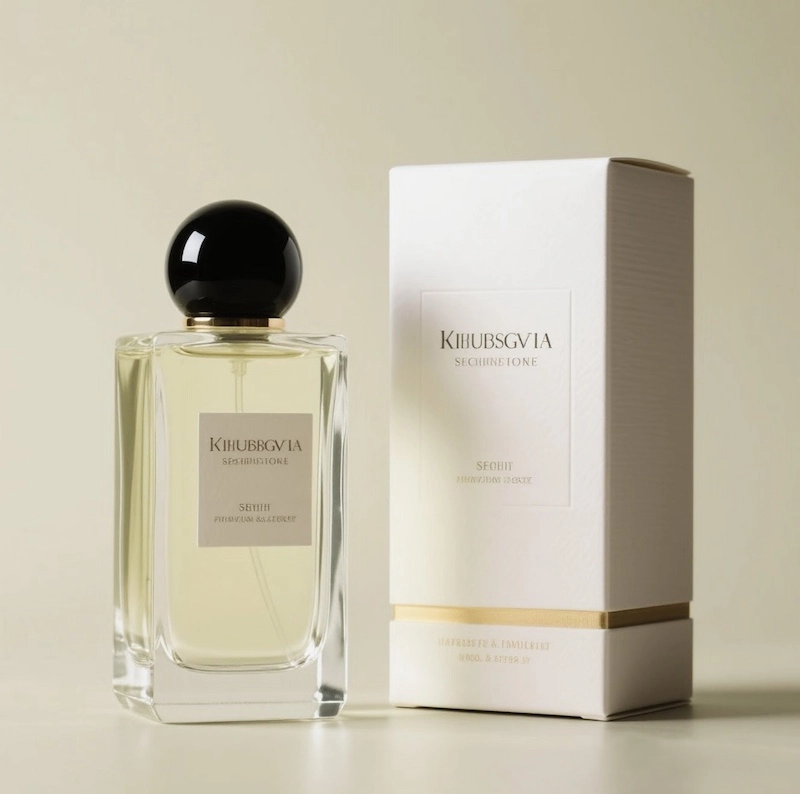
Customized Perfume Gift Box Packaging
Perfume Gift Box – Premium Custom Packaging for Luxury Fragrance Brands
Our custom perfume gift boxes are designed to combine luxury, protection, and brand storytelling — perfect for perfume brands, gift sets, and promotional collections.
Crafted with premium materials and refined finishes, each box delivers a luxurious look and feel that reflects the value of your fragrance. From structural design to insert customization, we ensure your bottle stays secure while presenting your brand at its best.
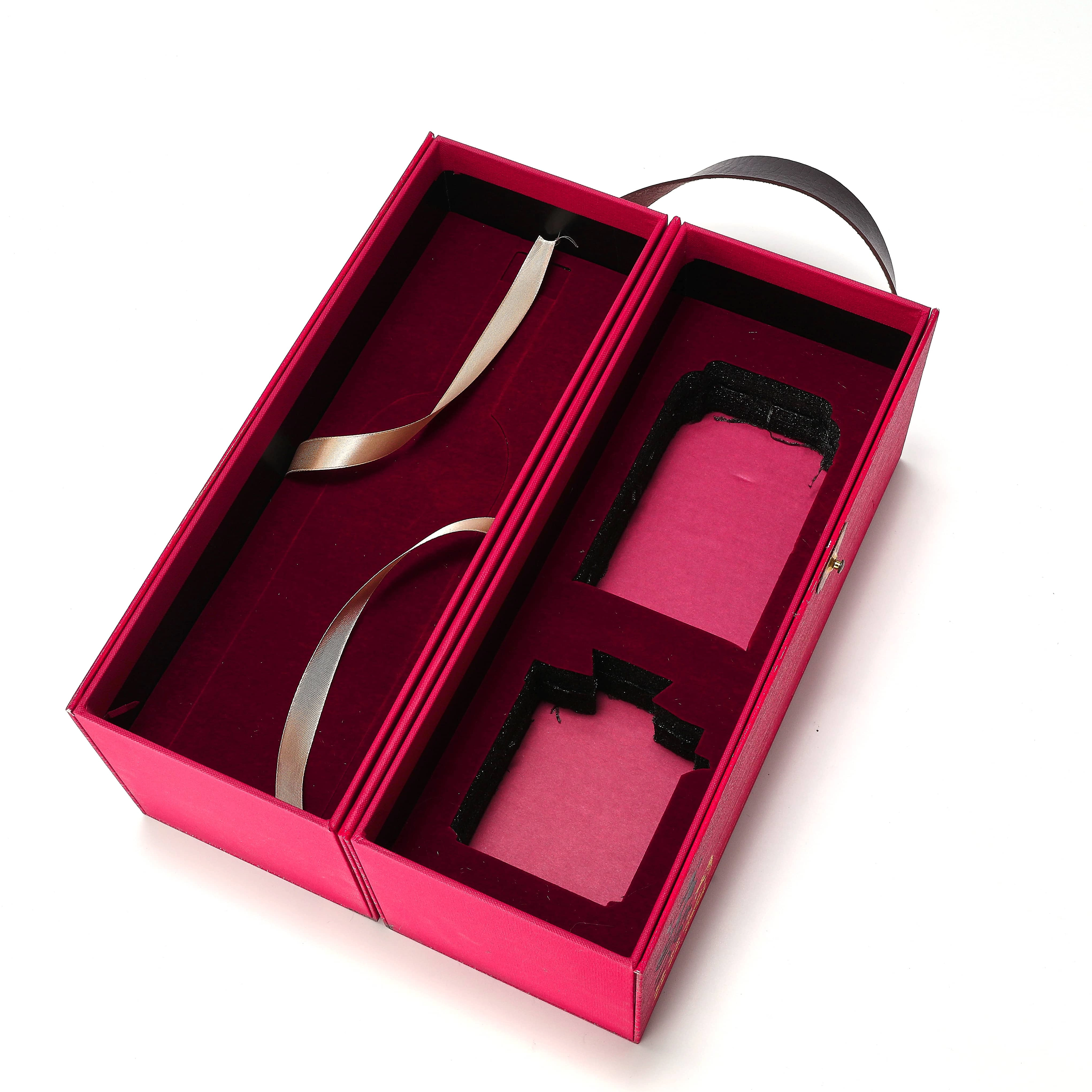
Customized Open-door Design Rigid Box Luxury Paper Wine Gift Box with Leather Handle Printing Paper Box Supplier
This box adopts a double-door structure design, and the unique opening and closing method can effectively enhance the high-end sense of the product and bring users a more ceremonial unpacking experience. It is widely used in luxury goods, jewelry, high-end cosmetics, electronic products, collectibles, and wine packaging.

Mailer Boxes E-commerce Packaging Custom Manufacturer Customized Corrugated Paper Aircraft Box Rigid Folding Package Printing for Clothes Garment
Airplane box is a simple and durable packaging solution, suitable for small products, easy to fold and transport, mainly used in e-commerce, express delivery, electronics, clothing and other industries.
© 2025 WINPACK PRINTING. All rights reserved

Wenhua Printing packaging
winpackprinting
Winpack Printing