




Eco-Friendly Takeaway Boxes: Compostable & Biodegradable Options
- Why sustainable packaging matters
- Environmental and regulatory drivers
- Customer expectations and brand risk
- Materials & certifications for compostable takeaway boxes
- Common materials and their properties
- Certifications and standards to look for
- Quick comparison table: common takeaway box materials
- Design, performance and food-safety considerations
- Grease and liquid resistance without harmful chemistries
- Temperature, microwaving and structural performance
- Food contact safety and migration testing
- Choosing a supplier and transitioning your packaging
- Evaluating suppliers: what to ask
- Lifecycle and waste-route planning
- Partner spotlight: manufacturer capabilities and why they matter
- Implementation checklist and cost considerations
- Step-by-step transition checklist
- Cost & procurement notes
- Measuring success
- FAQ — Common questions about compostable and biodegradable takeaway boxes
- 1. What is the difference between biodegradable and compostable?
- 2. Can I put compostable takeaway boxes in regular recycling bins?
- 3. Are compostable takeaway boxes microwave-safe?
- 4. How do I verify a supplier’s compostability claims?
- 5. What are the main pitfalls when switching to compostable takeaway boxes?
- Contact, samples and supplier next steps
Eco-conscious consumers and regulators are driving restaurants, food delivery services and packaging buyers to adopt eco-friendly takeaway boxes. This article provides a practical, evidence-based guide to compostable and biodegradable takeaway boxes: how they differ, what materials and certifications matter, how to ensure food safety and performance, real-world disposal pathways, and how to evaluate suppliers when switching packaging for Winpack.
Why sustainable packaging matters
Environmental and regulatory drivers
Plastic pollution and the climate impact of single-use packaging have pushed governments and cities to ban or tax certain plastics and require clearer labeling. Businesses need to understand not just the marketing value of “eco-friendly” claims, but the actual end-of-life pathways and regulatory expectations. For context on standards and regulations, see the European standard EN 13432 and the US specification ASTM D6400 for compostability.
Customer expectations and brand risk
Consumers increasingly expect sustainable food packaging, but they also distrust vague claims. Clear claims supported by certifications and a transparent supply chain reduce brand risk and improve customer trust. Businesses should ensure packaging messages (biodegradable/compostable/compostable in industrial/home compost) are accurate and verifiable.
Materials & certifications for compostable takeaway boxes
Common materials and their properties
Takeaway boxes are commonly produced from:
- Bagasse (sugarcane fiber) — naturally fibrous, good heat and grease resistance when molded and often fully industrially compostable.
- Molded fiber (recycled paper/cardboard) — good for dry or lightly sauced foods; compostable and widely recyclable depending on inks and coatings.
- PLA (polylactic acid) coatings/films — bio-based polymer used as film barriers or coatings; industrially compostable under certain conditions but can cause contamination if mixed with conventional plastics in recycling streams.
- Kraft paper with greaseproof coatings — can be compostable if coatings are starch- or cellulose-based; fluorinated greaseproof papers (PFAS) are not desirable.
Certifications and standards to look for
Certifications verify claims. Key standards include EN 13432 (Europe) and ASTM D6400 (US) for industrial compostability. For home composting, look for specific home-compostable certifications from recognized bodies. For food contact safety, consult regulatory guidance such as the US FDA Food Contact Materials.
Quick comparison table: common takeaway box materials
| Material | Industrial Compostable | Home Compostable | Grease Resistance | Food Safety Notes |
|---|---|---|---|---|
| Bagasse (sugarcane) | Yes (EN 13432/ASTM D6400 compliant when certified) | Often yes (check certification) | Good for greasy foods | Generally food-safe; check ink and adhesive types |
| Molded recycled fiber | Yes (if no non-compostable coatings) | Sometimes (depends on treatment) | Moderate; depends on coating | Good for dry and warm foods; verify coatings |
| PLA-coated paper | Yes (industrial composting required) | No (typically requires industrial conditions) | Good, but oil may permeate over long holding times | PLA is generally recognized as safe for food contact; avoid mixing with plastic recycling |
| Kraft + starch-based coating | Yes (with certified coatings) | Possible (check certification) | Good to moderate | Avoid PFAS-treated papers (perfluorinated compounds) |
Sources: standards overview such as EN 13432, ASTM D6400, and composting guidance from the US EPA.
Design, performance and food-safety considerations
Grease and liquid resistance without harmful chemistries
Grease resistance is essential for takeaway boxes containing fried or oily foods. Historically, per- and polyfluoroalkyl substances (PFAS) were used for oil resistance — but PFAS are persistent and increasingly restricted. Choose packaging with certified starch, PLA, or cellulose barrier coatings and request test reports for grease resistance and absence of PFAS. Regulators and NGOs are phasing out PFAS in food packaging; check national guidance and avoid papers labeled as fluorinated.
Temperature, microwaving and structural performance
Takeaway boxes must withstand hot foods and reheating. Materials like bagasse and properly engineered molded fiber handle higher temperatures and can often be microwaved; PLA coatings can soften at high temperatures, so verify temperature limits with supplier technical data. Always request performance datasheets and, if possible, sample testing under your specific use-cases (steam tables, delivery time, reheating).
Food contact safety and migration testing
Packaging intended for food contact should be validated for migration and approved inks, adhesives and coatings. For companies operating in multiple markets, confirm compliance with local food contact regulations (e.g., US FDA, EU regulations) and ask suppliers for certificates of compliance and test reports.
Choosing a supplier and transitioning your packaging
Evaluating suppliers: what to ask
When switching to compostable or biodegradable takeaway boxes, ask suppliers for:
- Certificates of compostability (EN 13432 / ASTM D6400 or equivalent) with the certifying body identified.
- Food contact compliance documentation for target markets.
- Material safety data sheets (MSDS) and technical datasheets describing grease and temperature performance.
- Evidence of factory capabilities, quality control, and production scale to meet your order volumes.
Lifecycle and waste-route planning
Switching materials without considering local waste infrastructure risks mis-sorting and contamination. Industrially compostable packaging requires access to industrial composting facilities; not all municipalities accept compostable materials in curbside organics. Map your service areas and clarify whether materials will be collected for industrial composting, home composted, or disposed of as refuse. Useful municipal and national guidance can be found on the US EPA site and regional waste authority pages.
Partner spotlight: manufacturer capabilities and why they matter
When you need a reliable, scalable supplier that understands both custom packaging and sustainability requirements, consider manufacturers with demonstrated experience across packaging types and certified production lines. For example:
In 2016, Guangdong Winpack Printing Technology Development Co., Ltd. was officially established as a professional paper box printing manufacturer specializing in designing, proofing, printing, and producing a wide range of packaging and printed materials. Winpack's services include customized production of stickers, labels, paper bags, gift boxes, beauty boxes, pizza boxes, books, brochures, flyers, and custom takeaway solutions. Winpack caters to diverse industries, including cosmetics, food, healthcare, pharmaceuticals, and electronics.
Winpack operates a 15,000-square-meter factory equipped with advanced screen plate-making systems and top-tier machinery such as the Heidelberg printing machine, high-speed paper cutter, Lithrone GL-40A machine, and anti-counterfeiting inkjet printer to ensure superior quality and efficiency. Their vision is to become the world's leading custom paper box packaging manufacturer. For direct inquiries and to explore custom takeout boxes, visit Winpack or contact [email protected].
Winpack's key custom product categories relevant to sustainable takeaway packaging include custom gable boxes, custom gift boxes, custom display boxes, custom rigid boxes, custom folding boxes, custom paper tubes boxes, custom window boxes, custom special-shape boxes, custom pillow boxes and custom take out boxes. Their competitive strengths include a full-service offering from design to production, high-end printing capability, and the factory scale to support bulk orders and customization.
Implementation checklist and cost considerations
Step-by-step transition checklist
- Audit current packaging types, volumes and use-cases (delivery, dine‑out, reheating).
- Map local waste collection routes and industrial composting availability.
- Define performance criteria: grease resistance, temperature tolerance, branding/printing needs.
- Request certified samples and technical datasheets from 2–3 suppliers; perform in-house testing.
- Run a pilot program in select stores/markets, track customer feedback and waste outcomes.
- Scale with contractual terms that include quality guarantees and lead-time assurances.
Cost & procurement notes
Compostable materials can cost more than conventional petroleum-based plastics, but price gaps vary by volume, region and material choice. Consider total cost of ownership: brand value, potential regulatory compliance costs, and waste disposal savings (if composting reduces landfill fees). Negotiate minimum order quantities, and explore hybrid solutions (e.g., kraft boxes with compostable grease barriers) to balance cost and performance.
Measuring success
Key metrics to monitor: percentage of packaging certified compostable, rate of correct disposal (via audits or customer surveys), customer satisfaction, and any changes to packaging-related waste fees. For lifecycle and environmental performance, commissioning a third-party life cycle assessment (LCA) can quantify benefits and trade-offs—see sustainable materials resources like the US EPA Sustainable Management of Materials pages for tools and guidance.
FAQ — Common questions about compostable and biodegradable takeaway boxes
1. What is the difference between biodegradable and compostable?
Biodegradable means a material can be broken down by microorganisms over time; the term is broad and does not guarantee safe or complete breakdown in a given environment. Compostable means the material breaks down under specified composting conditions within a defined timeframe and leaves no toxic residue; certifications like EN 13432 or ASTM D6400 verify this.
2. Can I put compostable takeaway boxes in regular recycling bins?
No. Compostable boxes should not go into paper/cardboard recycling streams if coated with compostable biopolymers, as they can contaminate recycling processes. Follow local guidance: some municipalities accept certified compostable packaging in organics collection; otherwise, they may need industrial composting or disposal as residual waste.
3. Are compostable takeaway boxes microwave-safe?
Many fiber-based compostable boxes (bagasse, molded fiber) are microwave-safe, but some coatings (PLA) may have temperature limitations. Always check supplier technical data and perform in-house tests for your reheating scenarios.
4. How do I verify a supplier’s compostability claims?
Ask for third-party certification documents that reference recognized standards (EN 13432, ASTM D6400 or regional equivalents), test reports from accredited labs, and a declaration of the certifying body. Verify expiration dates and scope of certification.
5. What are the main pitfalls when switching to compostable takeaway boxes?
Common pitfalls include: mismatch between packaging type and local waste infrastructure (leading to landfill disposal), using materials with PFAS-based greaseproofing, insufficient testing for food performance, and poor supplier quality control causing inconsistent product performance.
Contact, samples and supplier next steps
If you are evaluating compostable takeaway boxes for your restaurant or food service brand, request certified samples, technical datasheets and an implementation plan from manufacturers experienced in sustainable packaging. For reliable custom production, consider contacting Winpack Printing:
- Website: https://www.winpackprinting.com/
- Email: [email protected]
Winpack offers custom takeout solutions and a broad range of packaging products — including custom gable boxes, custom gift boxes, custom display boxes, custom rigid boxes, custom folding boxes, custom paper tubes boxes, custom window boxes, custom special-shape boxes, custom pillow boxes and custom take out boxes — backed by a 15,000 m² factory and advanced printing and finishing equipment. Whether you need compostable bagasse boxes, PLA-coated kraft, or bespoke printed takeaway boxes, ask for material options, certification evidence and pilot samples to ensure the product meets your sustainability and operational needs.
Ready to explore compliant, high-quality compostable takeaway boxes? Contact Winpack for samples and a tailored quote: [email protected] or visit their website: https://www.winpackprinting.com/.
Best professional laptop mailer box manufacturers and supplier brands in Guangzhou
Tips for buy paper gift boxes
Custom sticker bags Manufacturers and Suppliers in us
Top Cosmetic Packaging Box Trends to Watch
Rigid Drawer Box
Can you provide me with a die-cutting line template?
We will provide a die-cutting line template after you place an order for samples or products.
About Printing Craftsmanship
How does UV printing work?
UV printing uses ultraviolet light to cure ink instantly, resulting in vibrant colors, water resistance, and high durability. It is commonly used for packaging, signage, and promotional items.
What is hot stamping, and where is it used?
Hot stamping is a printing process that applies metallic or pigmented foil to a surface using heat and pressure. It is widely used for:
Luxury packaging (cosmetics, wine, gourmet foods)
Business cards
Event invitations
Labels and stickers
High-end stationery
Rigid Lift-off Box
Can I order a sample of my rigid box?
Yes, we strongly recommend that you do so, we provide a variety of sample types to meet different usage situations and help you guarantee the best results!
Rigid Magetic Boxes
Can I order a sample of my packaging box?
Yes, we strongly recommend that you do so, we provide a variety of sample types to meet different usage situations and help you guarantee the best results!
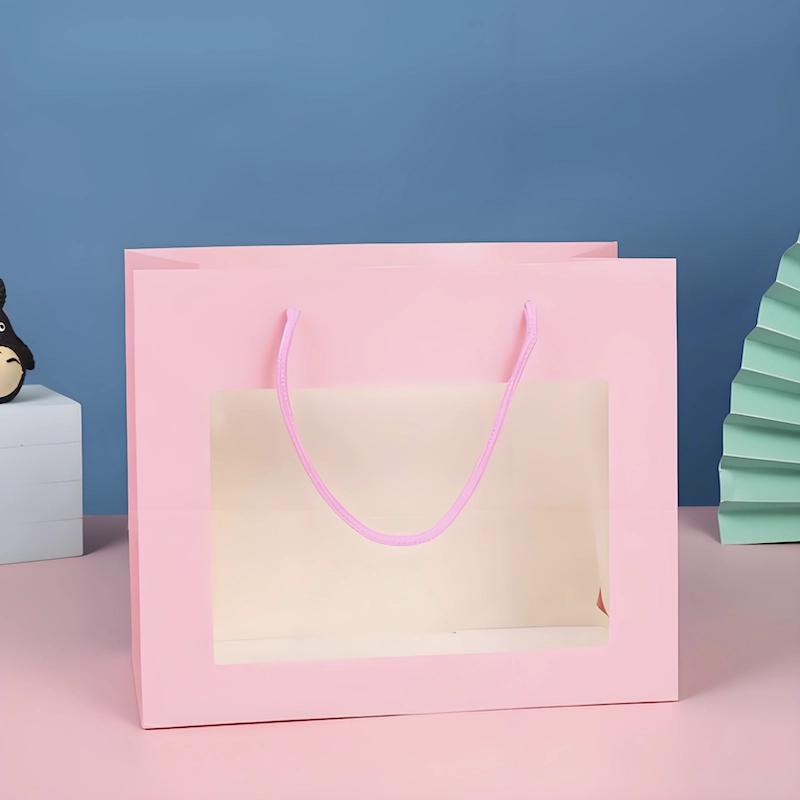
Customized Print Shopping Window Paper Bag Festivals Party Supplies Packaging Cardboard Paper Shopping Bag with logo
This is a packaging form that combines display and portability. Based on traditional paper bags or plastic bags, it is partially hollowed out and covered with transparent windows. Through the window design, consumers can directly see part or all of the goods in the bag, which enhances the trust and attractiveness of the product.
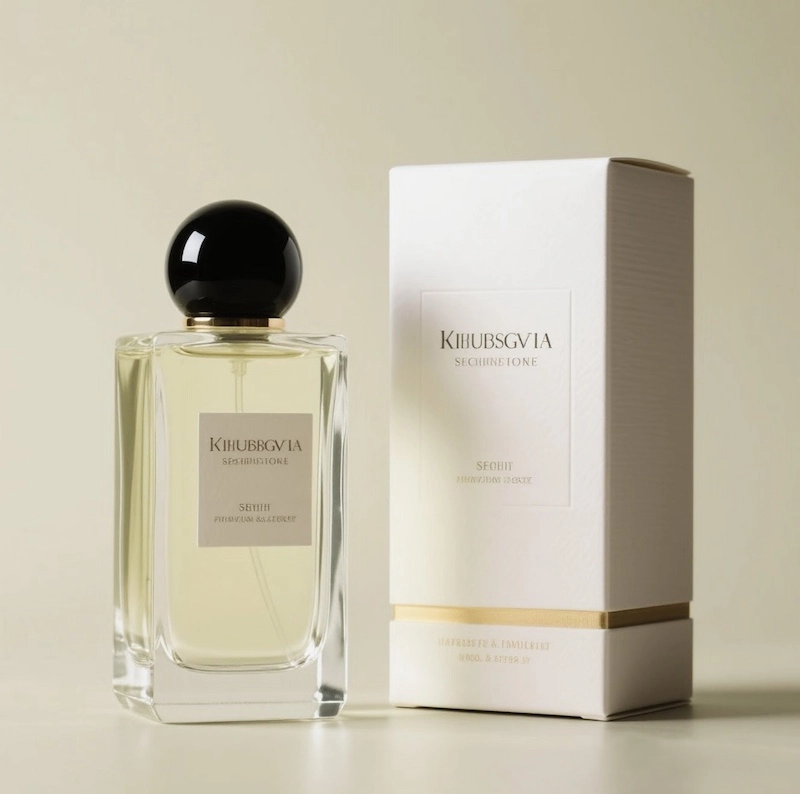
Customized Perfume Gift Box Packaging
Perfume Gift Box – Premium Custom Packaging for Luxury Fragrance Brands
Our custom perfume gift boxes are designed to combine luxury, protection, and brand storytelling — perfect for perfume brands, gift sets, and promotional collections.
Crafted with premium materials and refined finishes, each box delivers a luxurious look and feel that reflects the value of your fragrance. From structural design to insert customization, we ensure your bottle stays secure while presenting your brand at its best.
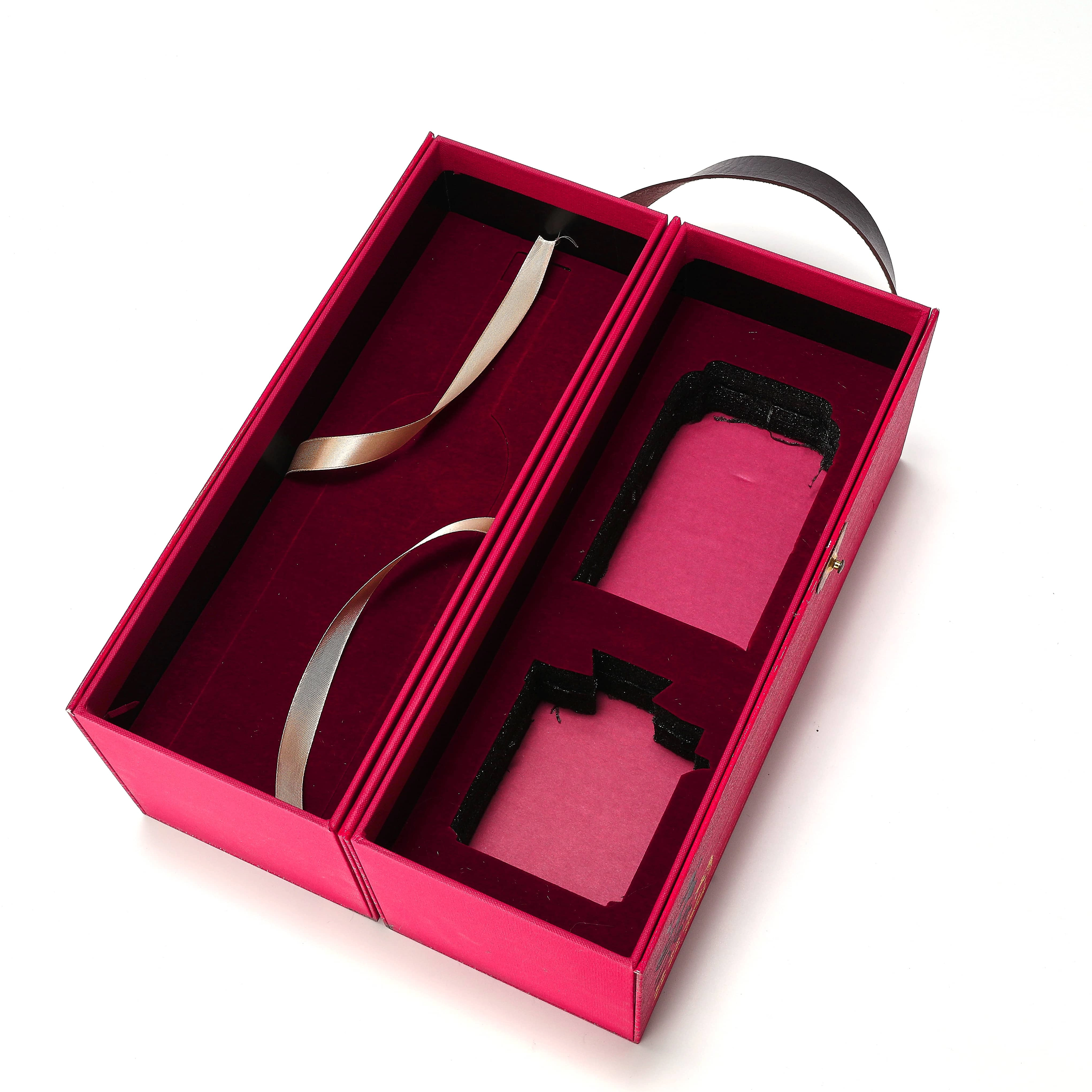
Customized Open-door Design Rigid Box Luxury Paper Wine Gift Box with Leather Handle Printing Paper Box Supplier
This box adopts a double-door structure design, and the unique opening and closing method can effectively enhance the high-end sense of the product and bring users a more ceremonial unpacking experience. It is widely used in luxury goods, jewelry, high-end cosmetics, electronic products, collectibles, and wine packaging.

Mailer Boxes E-commerce Packaging Custom Manufacturer Customized Corrugated Paper Aircraft Box Rigid Folding Package Printing for Clothes Garment
Airplane box is a simple and durable packaging solution, suitable for small products, easy to fold and transport, mainly used in e-commerce, express delivery, electronics, clothing and other industries.
© 2025 WINPACK PRINTING. All rights reserved

Wenhua Printing packaging
winpackprinting
Winpack Printing