




Eco-Friendly Custom Food Packaging: Compostable Options
- Why compostable packaging matters for food brands
- Environmental and regulatory drivers
- Market and consumer expectations
- Real-world limitations to consider
- Compostable materials for custom food packaging
- Common materials and their properties
- Material comparison
- Coatings, inks and food-contact safety
- Design, certification and end-of-life considerations
- Certification standards to require
- Design for real-world disposal
- End-of-life logistics and verifying claims
- Performance trade-offs, cost and lifecycle thinking
- Trade-offs in performance and cost
- Life-cycle perspective and carbon considerations
- Practical procurement checklist for brands
- Choosing a supplier: production, quality and a real-world example
- Key supplier capabilities to verify
- Manufacturing technologies that matter
- Case study: Winpack — supplier profile and advantages
- Implementation roadmap for brands
- Step-by-step pilot plan
- Metrics to measure success
- Common pitfalls and how to avoid them
- Frequently Asked Questions (FAQ)
- 1. What is the difference between compostable and biodegradable?
- 2. Can compostable custom food packaging go in regular recycling bins?
- 3. Are compostable materials safe for direct food contact?
- 4. Do compostable packages require special inks or coatings?
- 5. How do I know if my local composting facility accepts specific compostable packaging?
- 6. Is compostable packaging better than recyclable packaging?
- Contact and next steps
Custom food packaging that is compostable offers brands a path to reduce plastic waste, communicate sustainability to customers, and comply with emerging regulations. This article provides a practical, evidence-based guide to compostable materials, certification standards, design and food-safety considerations, performance trade-offs, and how to choose a reliable manufacturer for custom food-grade packaging.
Why compostable packaging matters for food brands
Environmental and regulatory drivers
Municipal bans on single-use plastics, Extended Producer Responsibility (EPR) schemes, and rising consumer demand for sustainable packaging are driving food brands to seek compostable options. Organizations such as the Ellen MacArthur Foundation promote circular-economy approaches that prioritize reusability and organic recovery whenever appropriate. Compostable packaging can reduce the volume of non-recyclable plastics entering waste streams when managed correctly.
Market and consumer expectations
Surveys show consumers increasingly prefer products with sustainable packaging, particularly for food where perceptions of freshness and naturalness matter. However, claims like biodegradable or compostable can confuse buyers unless they are backed by certification and clear disposal guidance. Clear labeling and education on compostable custom food packaging are essential to avoid greenwashing and ensure proper end-of-life handling.
Real-world limitations to consider
Compostability requires appropriate industrial or home composting conditions—temperature, oxygen, and time. Without the right infrastructure, some compostable items may not break down in landfills or litter. See the overview of composting processes on Wikipedia for foundational context.
Compostable materials for custom food packaging
Common materials and their properties
Below are widely used compostable materials for custom food packaging: polylactic acid (PLA), polyhydroxyalkanoates (PHA), molded fiber (bagasse and pulp), and compostable paperboard with certified barriers. Each has trade-offs in heat resistance, grease resistance, cost, and industrial-home compostability.
Material comparison
The following table summarizes key attributes and certification pathways for common compostable materials used in food packaging.
| Material | Typical certifications | Best uses | Limitations |
|---|---|---|---|
| PLA (polylactic acid) | ASTM D6400 / EN 13432; BPI certified items (BPI list) | Cold cups, clear lids, clamshells for cold foods | Poor high-heat resistance; may deform at hot-fill temperatures |
| PHA (polyhydroxyalkanoates) | ASTM D6400 / EN 13432; increasing industrial certifications | Hot-fill containers, films with better heat/oil resistance | Higher cost; emerging supply chain |
| Bagasse / molded fiber | EN 13432 / home compostable certifications depending on additive | Hot trays, takeaway containers, plates | Grease resistance varies; often needs compostable coating for oily foods |
| Compostable coated paperboard | EN 13432 / ASTM variants depending on coating | Pizza boxes, bakery boxes, cups with certified barrier | Coating performance varies; must ensure certified barrier for food contact |
Sources: industry certification resources such as the Biodegradable Products Institute (BPI), and material overviews like PLA and PHA on Wikipedia.
Coatings, inks and food-contact safety
For food contact, coatings and inks must be food-safe and compatible with compostability goals. Options include compostable starch-based or PLA-based coatings and certified compostable inks. Verify third-party testing for food migration and certification bodies recognized within your market (e.g., BPI in North America or TÜV Austria OK Compost in Europe).
Design, certification and end-of-life considerations
Certification standards to require
Ask suppliers for proof of certification to recognized standards: ASTM D6400 (U.S., legacy standard), EN 13432 (EU standard for industrial composting), and third-party program listings such as BPI or TÜV OK Compost. These certify biodegradation, disintegration, and low ecotoxicity under specified conditions.
Design for real-world disposal
Design packaging and labeling to guide consumers: clearly state industrial composting required or home compostable where applicable, include disposal icons, and region-specific instructions. Avoid multi-material laminates that combine compostable and non-compostable layers unless they are fully certified together; mixed materials often confuse sorting and compromise compostability.
End-of-life logistics and verifying claims
Work with waste-management partners to confirm local composting facilities accept your packaging. If municipal composting is unavailable, back-of-house programs (e.g., collection from retailers or cloud-kitchen partners) can ensure materials reach the correct stream. Use certifications and batch test results to substantiate marketing claims and avoid regulatory scrutiny.
Performance trade-offs, cost and lifecycle thinking
Trade-offs in performance and cost
Compostable materials can be more expensive than conventional plastics. For example, PLA often costs more than PET but provides a clear, recyclable-like look for cold items. PHA offers superior heat and oil resistance but at a higher material cost. Molded fiber is cost-competitive for hot trays but may require upgraded coatings for greasy foods.
Life-cycle perspective and carbon considerations
Lifecycle assessments (LCAs) vary by feedstock, production location, and end-of-life scenario. Biobased materials can lower fossil carbon content, but their environmental advantage depends on sustainable feedstock sourcing and actual composting rates. Organizations like the Ellen MacArthur Foundation emphasize that the most circular outcome is reuse; compostable packaging plays a role where reuse is infeasible.
Practical procurement checklist for brands
When sourcing custom food packaging, require:
- Third-party compostability certifications and test reports
- Food-contact safety documentation and migration testing
- Sample runs and performance testing (heat, grease, sealing)
- Clear labeling templates for end-of-life instructions
- Evidence of supplier quality systems and production capacity
Choosing a supplier: production, quality and a real-world example
Key supplier capabilities to verify
Select suppliers with experience in custom food packaging production, quality control (e.g., ISO standards), printing expertise for food-grade inks, and the capacity to manage certifications. Ask for production lead times, minimum order quantities, and whether the supplier can manage artwork, dielines, and barrier testing.
Manufacturing technologies that matter
Quality printing and converting equipment ensures consistency in barrier application and print registration for custom brand packaging. Technologies such as Heidelberg offset presses, high-speed cutters, and digital anti-counterfeiting printers improve finish and security for High Quality food products.
Case study: Winpack — supplier profile and advantages
In 2016, Guangdong Winpack Printing Technology Development Co., Ltd. was officially established as a professional paper box printing manufacturer specializing in designing, proofing, printing, and producing a wide range of packaging and printed materials. Winpack provides customized production of stickers, labels, paper bags, gift boxes, beauty boxes, pizza boxes, books, brochures, flyers, and more. The company serves diverse industries including cosmetics, food, healthcare, pharmaceuticals, and electronics.
Winpack operates a 15,000-square-meter factory equipped with advanced technologies: an advanced screen plate-making system, Heidelberg printing machines, high-speed paper cutters, a Lithrone GL-40A machine, and an anti-counterfeiting inkjet printer to ensure consistent quality and efficiency. This technical base supports complex jobs like custom food packaging that require precise print, food-safe coatings, and specialized dielines.
Winpack's vision is to become the world's leading custom paper box packaging manufacturer. Their product range for custom food packaging includes custom gable boxes, custom gift boxes, custom display boxes, custom rigid boxes, custom folding boxes, custom paper tube boxes, custom window boxes, custom special-shape boxes, custom pillow boxes, and custom take-out boxes. This breadth allows food brands to consolidate packaging SKUs with a single trusted supplier for both retail and foodservice formats.
Contact and procurement details: Winpack website: https://www.winpackprinting.com/. For inquiries: [email protected].
Implementation roadmap for brands
Step-by-step pilot plan
- Identify SKUs most suitable for compostable conversion (short shelf-life items, single-use takeout, cold products).
- Request material samples and certified test reports from suppliers (e.g., compostability, migration tests).
- Run shelf and performance testing (heat, grease, seal integrity).
- Pilot with limited geography where municipal composting exists; gather consumer feedback and track disposal rates.
- Scale with clear labeling, staff training, and local waste-partner agreements.
Metrics to measure success
Track: percentage of packaging that reaches composting streams, reduction in fossil plastic use, customer feedback on perceived quality, and total cost per unit including collection logistics. These metrics help determine if compostable options meet both sustainability and commercial goals.
Common pitfalls and how to avoid them
Many brands face issues from mismatched material selection (e.g., using PLA for hot foods), lack of local compost infrastructure, or ambiguous labeling. Avoid these pitfalls by matching material properties to product requirements, verifying local compost acceptance, and using certified claims backed by documentation.
Frequently Asked Questions (FAQ)
1. What is the difference between compostable and biodegradable?
Biodegradable is a broad term meaning a material can be broken down by microbes over time. Compostable is stricter: the material must break down under defined composting conditions within a specific time and leave no ecotoxic residue. Look for third-party certification (e.g., EN 13432, ASTM D6400, BPI) to substantiate compostable claims.
2. Can compostable custom food packaging go in regular recycling bins?
No. Compostable packaging typically should not go into conventional recycling streams because it can contaminate mechanical recycling processes. Instead, it should be diverted to industrial or home composting systems as specified by certification and local waste-management guidelines.
3. Are compostable materials safe for direct food contact?
Yes, when a supplier provides food-contact test results and certifications. Ensure the packaging has migration testing and adheres to local food-contact regulations (for example, consult the FDA for U.S. requirements).
4. Do compostable packages require special inks or coatings?
Often yes. To retain compostability, inks and coatings should also be certified compostable or tested to be compatible with the material. Ask suppliers for third-party verification that all components of the finished package meet compostability standards.
5. How do I know if my local composting facility accepts specific compostable packaging?
Contact local composting facilities or municipal waste authorities with the supplier's certification details and product specifications. Some facilities accept only certain materials; verification prior to launch prevents contamination and non-compliance.
6. Is compostable packaging better than recyclable packaging?
Not always—both approaches have contexts where they perform best. Recyclable packaging is preferable when reliable recycling systems exist. Compostable packaging is beneficial when products are contaminated with food residue or in single-use scenarios where recycling is infeasible. A lifecycle analysis can guide the right choice for each SKU.
Contact and next steps
If you are exploring compostable custom food packaging for Winpack, start with a supplier that can provide certified materials, robust printing, and flexible custom runs. For reliable manufacturing with strong printing capabilities and a broad product range, consider partnering with Winpack. Visit https://www.winpackprinting.com/ or email [email protected] to request samples, certifications, and a quote for custom gable boxes, gift boxes, display boxes, rigid boxes, folding boxes, paper tube boxes, window boxes, special-shape boxes, pillow boxes, and take-out boxes. Our team can help match materials and designs to regulatory and operational needs.
Ready to pilot compostable custom food packaging? Contact Winpack at [email protected] to discuss product-specific recommendations, certification evidence, and production timelines.
How to Design Custom Jewellery Packaging Paper Boxes
Best custom birthday box manufacturers and supplier brands
Graphic Design Tips for Custom Pizza Box Branding
Protective Design: Structural Strength for Custom Mailer Boxes
Special Shape Boxes
Can I get a sample before placing an official order?
Yes, we provide samples to our customers. Please contact our sales team to inquire about sample availability and pricing.
About Us
Are you a manufacturer?
Yes, we are manufacturer, and we have over decade experience in this field.
Can I get a sample?
Yes, currently sample free for reference, only need to pay the delivery charge. Customized sample charge sample fee and delivery cost.
Folding Boxes
Can you provide me with a die-cutting line template?
We will provide a die-cutting line template after you place an order for samples or products.
Rigid Drawer Box
Can you provide me with a die-cutting line template?
We will provide a die-cutting line template after you place an order for samples or products.
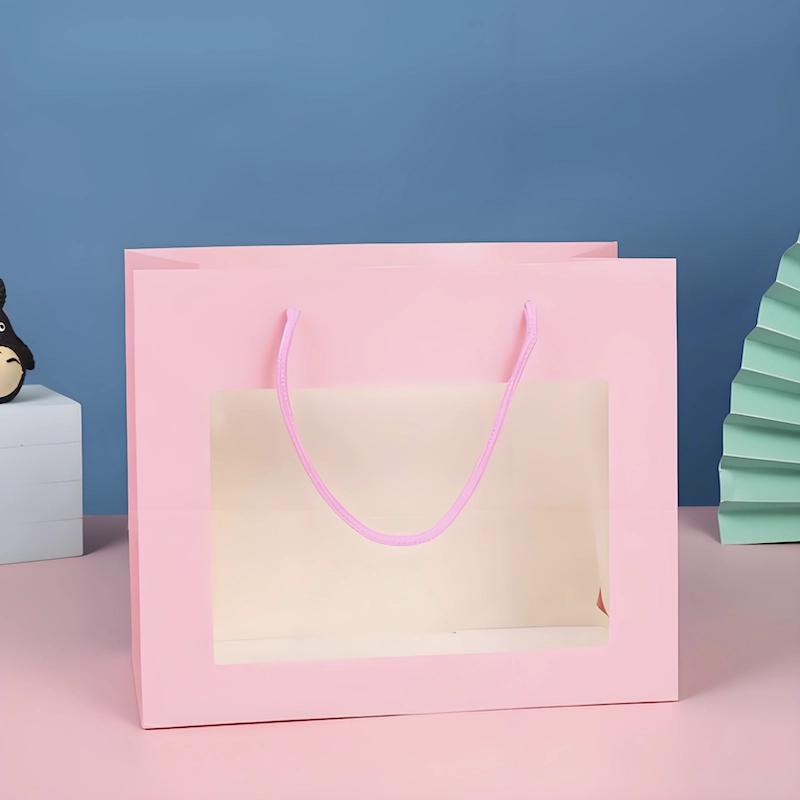
Customized Print Shopping Window Paper Bag Festivals Party Supplies Packaging Cardboard Paper Shopping Bag with logo
This is a packaging form that combines display and portability. Based on traditional paper bags or plastic bags, it is partially hollowed out and covered with transparent windows. Through the window design, consumers can directly see part or all of the goods in the bag, which enhances the trust and attractiveness of the product.
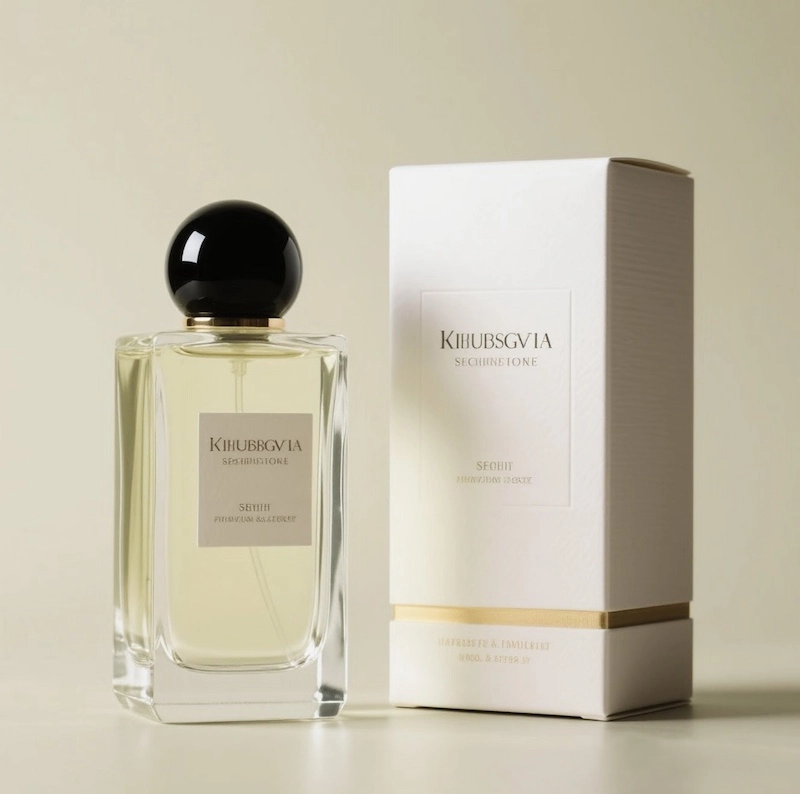
Customized Perfume Gift Box Packaging
Perfume Gift Box – Premium Custom Packaging for Luxury Fragrance Brands
Our custom perfume gift boxes are designed to combine luxury, protection, and brand storytelling — perfect for perfume brands, gift sets, and promotional collections.
Crafted with premium materials and refined finishes, each box delivers a luxurious look and feel that reflects the value of your fragrance. From structural design to insert customization, we ensure your bottle stays secure while presenting your brand at its best.
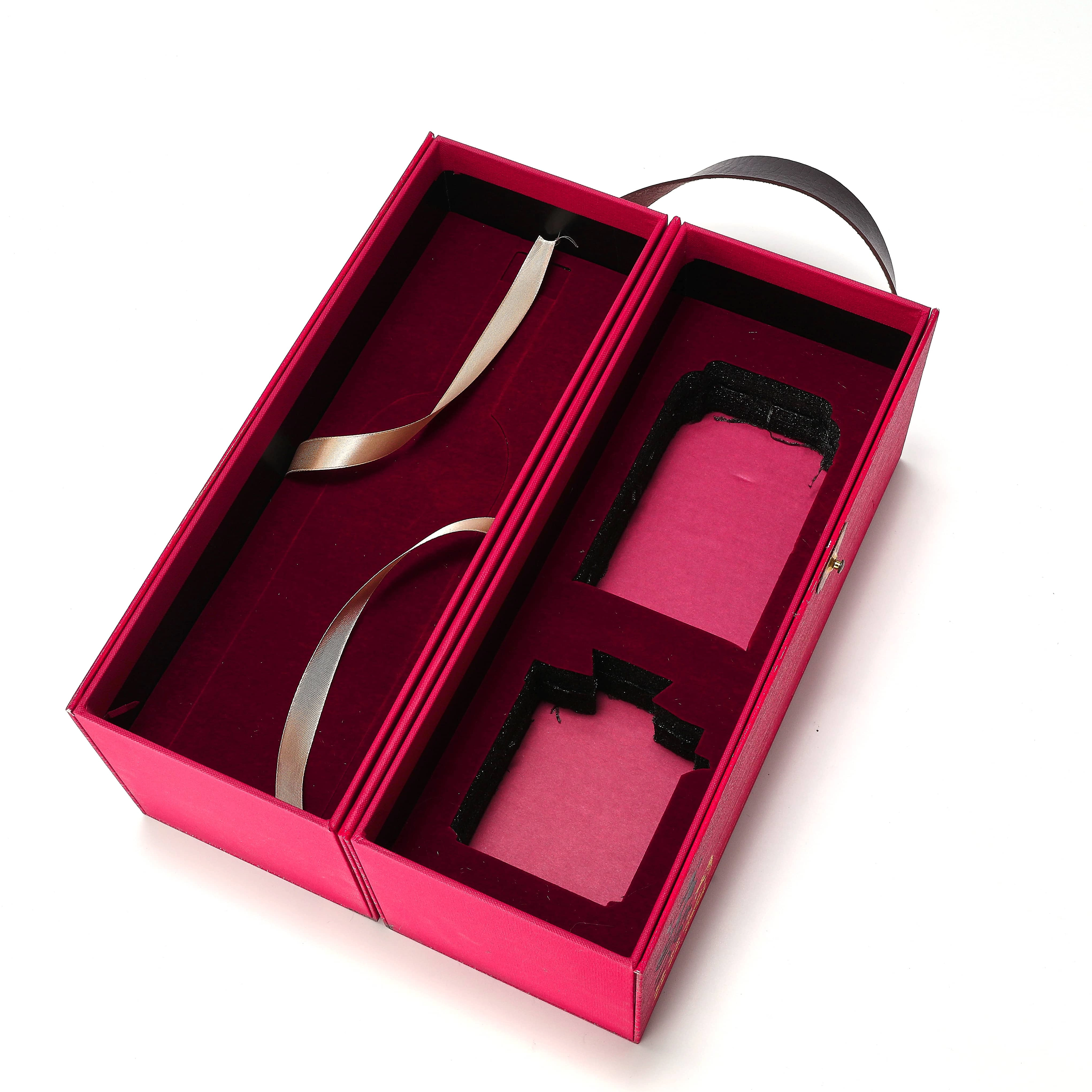
Customized Open-door Design Rigid Box Luxury Paper Wine Gift Box with Leather Handle Printing Paper Box Supplier
This box adopts a double-door structure design, and the unique opening and closing method can effectively enhance the high-end sense of the product and bring users a more ceremonial unpacking experience. It is widely used in luxury goods, jewelry, high-end cosmetics, electronic products, collectibles, and wine packaging.

Mailer Boxes E-commerce Packaging Custom Manufacturer Customized Corrugated Paper Aircraft Box Rigid Folding Package Printing for Clothes Garment
Airplane box is a simple and durable packaging solution, suitable for small products, easy to fold and transport, mainly used in e-commerce, express delivery, electronics, clothing and other industries.
© 2025 WINPACK PRINTING. All rights reserved

Wenhua Printing packaging
winpackprinting
Winpack Printing