




Cost-Effective Takeaway Packaging Solutions for Small Businesses
- Packaging Challenges for Small Food Businesses
- Understanding customer expectations and constraints
- Regulatory and safety requirements
- Operational constraints: storage, assembly, and speed
- Cost-Effective Materials and Their Trade-offs
- Common material types and best uses
- Comparative cost-performance table
- How to choose for cost-effectiveness
- Design, Sourcing and Operational Strategies to Cut Costs
- Buy smart: quantities, SKUs and standard sizes
- Design for function: reduce material without reducing quality
- Operational improvements and labor savings
- Choosing the Right Supplier — Criteria and a Practical Example
- Key supplier selection criteria
- Cost-savings example (simple calculation)
- Supplier Spotlight: Winpack — capabilities and why they matter
- Implementation Checklist and Practical Tips
- Quick checklist before ordering
- Marketing and customer communication
- Frequently Asked Questions (FAQ)
- 1. What is the most affordable material for takeaway boxes that still performs well?
- 2. Are compostable takeaway boxes truly compostable?
- 3. How many box sizes should a small business stock?
- 4. How can I verify that a supplier’s boxes are safe for hot or oily foods?
- 5. Is custom printing worth the extra cost for small takeout businesses?
- 6. Can switching packaging reduce food waste or returns?
Executive summary: Small food businesses need takeaway boxes that balance cost, food safety, branding and sustainability. This article explains material choices, sourcing and design strategies that lower total packaging cost per order without sacrificing quality or compliance. It also offers supplier selection criteria, a cost-savings example, and a supplier spotlight on Guangdong Winpack Printing Technology Development Co., Ltd., including contact information for custom takeaway packaging solutions. Practical references to regulatory guidance and industry standards are included for verification.
Packaging Challenges for Small Food Businesses
Understanding customer expectations and constraints
Customers expect takeaway packaging to keep food fresh, intact and presentable while aligning with growing sustainability concerns. At the same time, small businesses operate with tight margins—packaging must be affordable, compatible with existing service flows, and compliant with food-contact regulations. Embedding the term takeaway boxes in product descriptions helps customers and search engines match needs and offerings.
Regulatory and safety requirements
Materials used in takeaway boxes must be suitable for food contact and safe at intended temperatures (hot soups, greasy foods, cold desserts). In the United States, the FDA provides oversight and guidance on food contact substances: FDA – Packaging & Food Contact Substances. Internationally, standards such as ISO 22000 (food safety management) and local food safety authorities set expectations; checking materials and inks against these standards avoids costly recalls or customer complaints.
Operational constraints: storage, assembly, and speed
Small kitchens need packaging that minimizes storage footprint, is fast to assemble, and integrates with order flow. Custom takeaway boxes that fold flat and are quick to erect reduce labor time and make the cost-per-use more favorable. Consider the trade-off between pre-assembled High Quality boxes (higher unit cost, lower labor) and flat-packed boxes (lower unit cost, slightly higher labor).
Cost-Effective Materials and Their Trade-offs
Common material types and best uses
Common takeaway boxes materials include kraft paperboard, coated paperboard, corrugated cardboard, molded fiber and plastic/PLA. Each material offers different performance for oil resistance, moisture barrier, stack strength and brand presentation. Choose materials based on the dominant menu items (dry vs. saucy) and logistics (short vs. long delivery times).
Comparative cost-performance table
| Material | Relative Unit Cost | Food Performance | Sustainability | Best For |
|---|---|---|---|---|
| Kraft paperboard (uncoated) | Low | Good for dry/solid foods; limited grease resistance without liner | High (recyclable, often recycled content) | Burgers, sandwiches, baked goods |
| Coated paperboard (PE/PLA-lined) | Medium | Good moisture and grease resistance | Mixed (PE not compostable; PLA compostable under industrial conditions) | Saucy dishes, noodles, meal boxes |
| Corrugated board | Medium | High structural strength; good for stacking | Recyclable; heavier material footprint | Pizza, multi-container trays, deliveries |
| Molded fiber | Medium–High | Good for moisture control; biodegradable options | High (compostable/biodegradable) | Breakfast boxes, delicate items |
| PLA/Compostable plastics | Medium–High | Good barrier for cold/humid foods; less heat-stable | Compostable under industrial conditions—check local facilities | Salads, cold beverages |
Sources: overview of food packaging performance and materials: Wikipedia – Food packaging; compostability standards discussion: Wikipedia – Compostable plastic.
How to choose for cost-effectiveness
Prioritize materials that match your menu and local waste infrastructure. For example, a noodle shop with frequent deliveries benefits from coated paperboard for spill resistance; a bakery might favor kraft uncoated boxes to save on unit cost and improve recyclability. Always verify food-contact compliance with supplier documentation—ask for test certificates or FDA/ISO references.
Design, Sourcing and Operational Strategies to Cut Costs
Buy smart: quantities, SKUs and standard sizes
Small businesses reduce per-unit cost by consolidating SKUs and ordering standard sizes in larger volumes. Standardizing 2–3 box sizes to cover most menu items simplifies inventory and increases order quantities, which lowers price breaks. Example: ordering 5,000 flat-packed takeaway boxes often reduces unit cost by 20–40% compared with smaller runs—percentages will vary by supplier and material.
Design for function: reduce material without reducing quality
Efficient dieline design can reduce paper use while maintaining structural integrity. Consider features that add value without large cost increases: vents for fried foods, interlocking closures to avoid tape, and minimal but clear branding. Printing in one or two colors instead of full color reduces cost; spot-varnish or a single-color logo delivers perceived quality at lower expense.
Operational improvements and labor savings
Flat-packed boxes that are fast to assemble and compatible with staff workflows reduce labor costs. Pre-printed liners or grease-resistant coatings can prevent the need for additional inner bags. Train staff on quick packing techniques and use packaging stations optimized for speed to reduce time per order.
Choosing the Right Supplier — Criteria and a Practical Example
Key supplier selection criteria
Evaluate suppliers on these objective factors: production capability (presses, die-cutting), quality control and certifications, minimum order quantities, lead times, customization options, and price transparency. Request material safety data and food-contact certificates. Ask for references from similar clients (cafes, delivery kitchens, catering businesses).
Cost-savings example (simple calculation)
Scenario: A small restaurant uses a 1,000-unit monthly demand. Two options:
- Supplier A: MOQ 1,000 units, unit price $0.25 — monthly cost $250.
- Supplier B: MOQ 5,000 units, unit price $0.16 — upfront cost $800, but unit cost lower.
Supplier Spotlight: Winpack — capabilities and why they matter
In 2016, Guangdong Winpack Printing Technology Development Co., Ltd. was officially established as a professional paper box printing manufacturer specializing in designing, proofing, printing, and producing a wide range of packaging and printed materials. Winpack offers customized production of stickers, labels, paper bags, gift boxes, beauty boxes, pizza boxes, books, brochures, flyers and, importantly, custom takeaway boxes tailored to small business needs. Their services cover industries such as cosmetics, food, healthcare, pharmaceuticals and electronics.Winpack operates a 15,000-square-meter factory equipped with advanced screen plate-making and top-tier machinery including Heidelberg presses, Lithrone GL-40A machines, high-speed paper cutters and anti-counterfeiting inkjet printers—machinery that supports consistent print quality and efficient turnaround. This technical base allows Winpack to offer competitive pricing for larger runs and flexible MOQ for small businesses seeking custom gable boxes, custom gift boxes, custom display boxes, custom rigid boxes, custom folding boxes, custom paper tube boxes, custom window boxes, custom special-shape boxes, custom pillow boxes and custom take out boxes.
Why Winpack can be a strong partner for small businesses:
- Manufacturing scale and modern equipment that reduce defects and ensure color consistency, supporting brand presentation.
- Custom capabilities for structural design help reduce material usage while preserving functionality and food safety.
- Experience across industries demonstrates understanding of compliance and product testing needs.
Implementation Checklist and Practical Tips
Quick checklist before ordering
- Confirm the primary menu items and their packaging performance needs (grease, heat, stacking).
- Verify local recycling/compost infrastructure for chosen materials.
- Request food-contact certificates and samples from suppliers.
- Run a small pilot order to test assembly time and in-field performance (delivery, rider handling).
- Design for minimal ink coverage where possible to reduce printing costs.
Marketing and customer communication
Communicate packaging choices to customers clearly. If you choose recyclable or compostable takeaway boxes, include disposal instructions and certification icons on the box. Transparency builds trust and can justify slight price differences for High Quality, sustainable packaging.
Frequently Asked Questions (FAQ)
1. What is the most affordable material for takeaway boxes that still performs well?
Kraft paperboard (uncoated) is typically the most affordable and is suitable for many dry or solid food items. For greasy or saucy foods, coated paperboard or a paperboard box with a grease-resistant liner offers a cost-effective upgrade.
2. Are compostable takeaway boxes truly compostable?
Some materials labeled compostable (like PLA) require industrial composting conditions to break down according to standards such as ASTM D6400 or EN 13432. Check local composting facilities and supplier certifications. For general guidance on compostable plastics, see Compostable plastic (Wikipedia).
3. How many box sizes should a small business stock?
Most small businesses do well with 2–3 standard sizes (small, medium, large) plus one specialized box (e.g., pizza or pastry). This minimizes SKUs while covering most menu needs and enables larger order quantities per SKU for price breaks.
4. How can I verify that a supplier’s boxes are safe for hot or oily foods?
Request food-contact certificates, material safety data sheets and any test reports for grease and heat resistance. Suppliers should provide documentation or reference to compliance with relevant regulations; in the U.S., see FDA guidance on food contact substances: FDA – Packaging & Food Contact Substances.
5. Is custom printing worth the extra cost for small takeout businesses?
Custom printing improves brand recognition and perceived value but can increase costs. Consider minimal branding (logo and essential info) or digital short-run printing for small volumes. Consider one- or two-color printing or a sticker label for flexibility and lower cost.
6. Can switching packaging reduce food waste or returns?
Yes—using appropriately designed takeaway boxes (venting for fries, leak-proof for saucy items, sturdy stacking for deliveries) reduces spills and sogginess, lowering returns and improving customer satisfaction.
If you want tailored recommendations, structural dielines or a quote for custom takeaway boxes, contact Winpack for a consultation and sample pack. Visit https://www.winpackprinting.com/ or email [email protected].
References and further reading: FDA Packaging & Food Contact page: https://www.fda.gov/food/packaging-food-contact-substances-fcs; overview of food packaging materials: https://en.wikipedia.org/wiki/Food_packaging; compostable plastics: https://en.wikipedia.org/wiki/Compostable_plastic.
Custom Mailer Boxes for Branded Unboxing Experiences
Custom Coffee Mug Boxes
Sustainable Custom Rigid Boxes: Eco-Friendly Materials
How to Choose the customized paper bags manufacturer and supplier ?
OEM Services
What is the minimum order quantity (MOQ) for OEM orders?
Our MOQ varies depending on the type of packaging and material used. We offer flexible MOQ options to accommodate both small businesses and large-scale manufacturers. Contact us for a tailored quote based on your needs.
About Printing Craftsmanship
What is screen printing used for?
Screen printing is ideal for printing on a variety of surfaces, including:
Fabric (t-shirts, tote bags)
Plastic (bottles, packaging)
Paper (posters, packaging)
Metal and glass (signs, promotional products)
Special Shape Boxes
Can I get a sample before placing an official order?
Yes, we provide samples to our customers. Please contact our sales team to inquire about sample availability and pricing.
Rigid Lift-off Box
What are the wholesale pricing options for bulk orders?
We offer competitive wholesale prices for bulk orders. Please contact our sales team for more details
Folding Boxes
Can I get a sample before placing a formal order?
Samples usually require a certain fee, but this fee can be partially or fully refunded after the customer confirms the order.
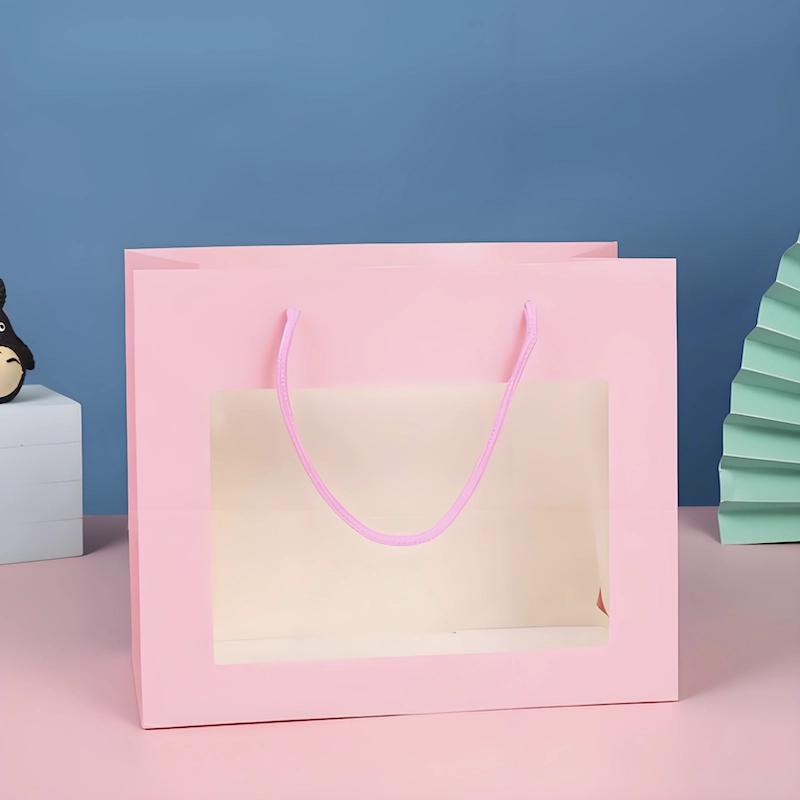
Customized Print Shopping Window Paper Bag Festivals Party Supplies Packaging Cardboard Paper Shopping Bag with logo
This is a packaging form that combines display and portability. Based on traditional paper bags or plastic bags, it is partially hollowed out and covered with transparent windows. Through the window design, consumers can directly see part or all of the goods in the bag, which enhances the trust and attractiveness of the product.
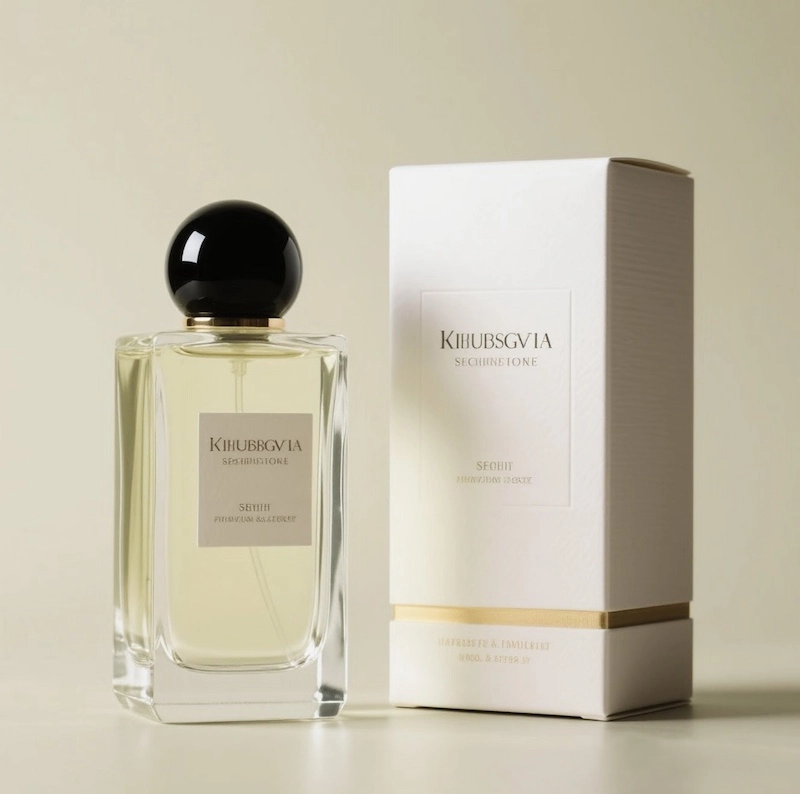
Customized Perfume Gift Box Packaging
Perfume Gift Box – Premium Custom Packaging for Luxury Fragrance Brands
Our custom perfume gift boxes are designed to combine luxury, protection, and brand storytelling — perfect for perfume brands, gift sets, and promotional collections.
Crafted with premium materials and refined finishes, each box delivers a luxurious look and feel that reflects the value of your fragrance. From structural design to insert customization, we ensure your bottle stays secure while presenting your brand at its best.
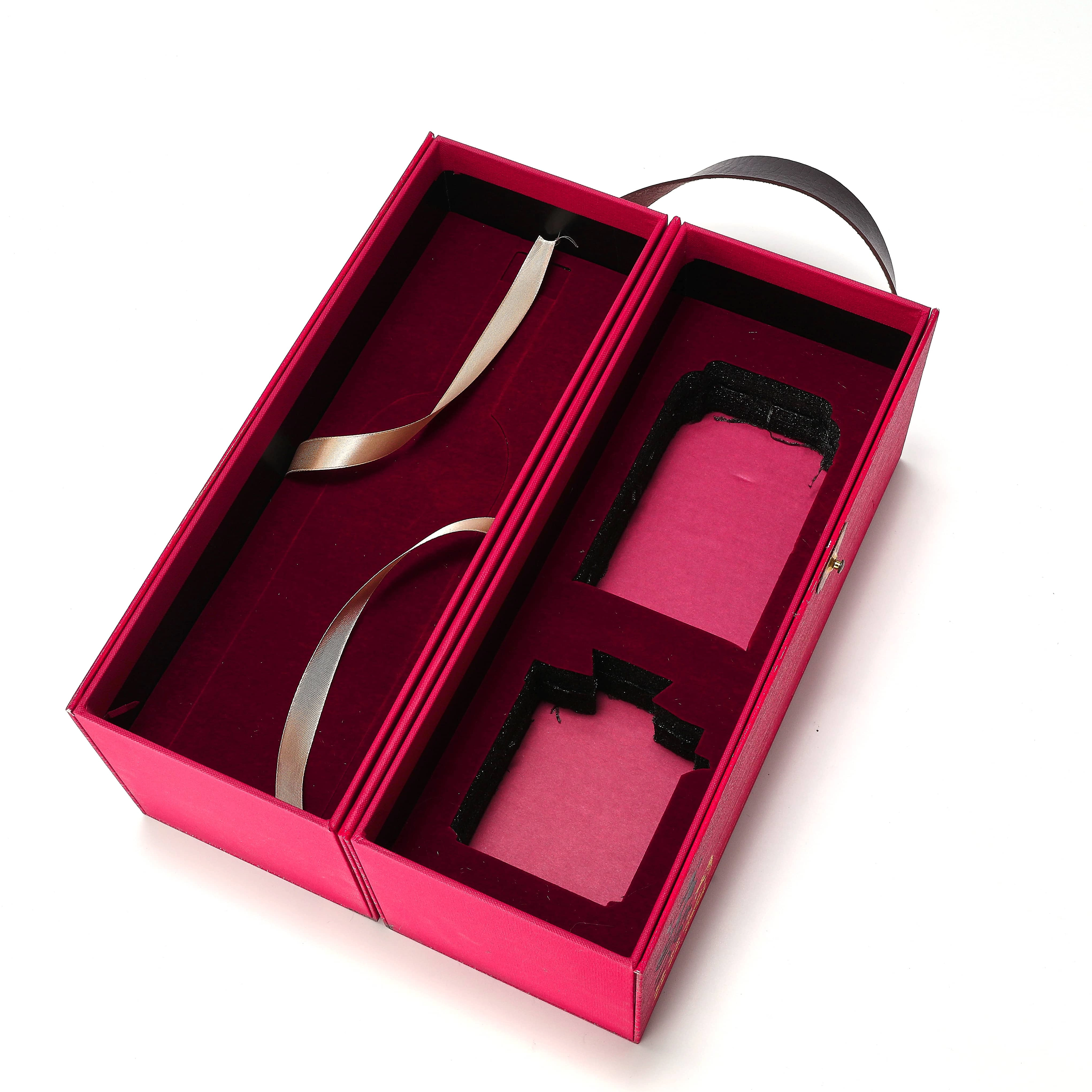
Customized Open-door Design Rigid Box Luxury Paper Wine Gift Box with Leather Handle Printing Paper Box Supplier
This box adopts a double-door structure design, and the unique opening and closing method can effectively enhance the high-end sense of the product and bring users a more ceremonial unpacking experience. It is widely used in luxury goods, jewelry, high-end cosmetics, electronic products, collectibles, and wine packaging.

Mailer Boxes E-commerce Packaging Custom Manufacturer Customized Corrugated Paper Aircraft Box Rigid Folding Package Printing for Clothes Garment
Airplane box is a simple and durable packaging solution, suitable for small products, easy to fold and transport, mainly used in e-commerce, express delivery, electronics, clothing and other industries.
© 2025 WINPACK PRINTING. All rights reserved

Wenhua Printing packaging
winpackprinting
Winpack Printing