




Custom Mailer Box Printing Methods: Offset vs Digital
- Why choosing the right printing method matters for custom mailer box success
- Understanding the role of printing in custom mailer box performance
- Core differences between offset and digital printing for custom mailer boxes
- Comparison table: Offset vs Digital for custom mailer box printing
- When to choose offset for your custom mailer box
- When to choose digital for your custom mailer box
- Cost estimation methodology and practical rules of thumb
- Color management, proofs, and quality control for mailer boxes
- Finishing, die-cutting, and post-press considerations
- Sustainability and waste considerations for mailer box printing
- Scenario-based recommendations
- Case studies and real-world validation
- About Winpack: A partner for custom mailer box production
- How to brief your packaging supplier (practical checklist)
- Final recommendations
- FAQ — Custom mailer box printing: offset vs digital
- 1. What is the typical break-even quantity between digital and offset for mailer boxes?
- 2. Can digital printing match Pantone spot colors?
- 3. Are there substrate limits for digital printing on mailer boxes?
- 4. How does finishing (lamination, foil) impact the choice of printing method?
- 5. What lead times should I expect for offset vs digital?
- 6. Can I mix methods for the same SKU?
- Contact & get a quote
- References
Why choosing the right printing method matters for custom mailer box success
Understanding the role of printing in custom mailer box performance
Custom mailer box design goes beyond aesthetics. Printing method affects color accuracy, tactile finish, lead time, cost per unit, and even the environmental footprint. For e-commerce brands, subscription services, and direct-to-consumer sellers, the mailer box is the first physical interaction with the customer — its printed surface influences perceived value, unboxing experience, and brand recall. This article provides a practical, vendor-neutral comparison of offset and digital printing for custom mailer box projects and gives actionable recommendations to help packaging managers, brand owners, and procurement teams choose the right approach.
Core differences between offset and digital printing for custom mailer boxes
Offset (lithographic) printing uses plates to transfer ink to a blanket then to the substrate; it excels at consistent color across long runs and broad substrate compatibility. Digital printing transfers toner or liquid electrophotographic/inkjet drops directly to the substrate, removing plate setup and enabling variable data and short runs. Both methods can deliver high-quality results for custom mailer box applications, but each has trade-offs in setup cost, per-unit cost curve, color management, substrate handling, and finish options.
Comparison table: Offset vs Digital for custom mailer box printing
| Characteristic | Offset Printing | Digital Printing |
|---|---|---|
| Best run length | Medium to very large runs (typically optimal above several thousand units) | Short to medium runs (from single units up to several thousand) |
| Setup cost | Higher (plate making, press make-ready) | Lower (no plates; faster setup) |
| Cost per unit | Lower at higher volumes; amortizes setup cost | Higher for very large runs but economical for small/variable runs |
| Color accuracy & Pantone matching | Excellent for Pantone/spot color matches and color consistency | Very good with modern presses; spot color matching may be limited but improving (some digital presses support expanded gamut) |
| Substrate flexibility | Very flexible — broad range of coated/uncoated cardboards and specialty papers | Dependent on press: many support coated/uncoated and some require pre-treatment for certain stocks |
| Variable data/Personalization | Not practical for per-unit personalization | Native capability — ideal for variable codes, names, or regionalized artwork |
| Turnaround time | Longer for small jobs due to make-ready; efficient for long runs | Shorter — quick proofs and fast production for small orders |
| Finish & coatings | Wide finishing options (varnish, UV, aqueous, foil stamping with better integration) | Many finishing options supported; some high-end effects may need hybrid/allied processes |
| Typical break-even guidance | Becomes more cost-effective as quantities increase (often above hundreds to thousands depending on job) | More cost-effective for short runs; break-even varies, commonly in low hundreds to a few thousand units |
Data and ranges based on industry manufacturer guidance and printing economics analyses (see references).
When to choose offset for your custom mailer box
Choose offset when your project requires:
- Very consistent color across a long run — important for strict brand identity and Pantone spot matching.
- Lower cost per unit at higher quantities (pack sizes for retail or bulk fulfillment).
- Use of specialty substrates or heavy board stocks not easily handled on some digital presses.
- Integration with advanced finishing like complex foil stamping or multi-stage coatings where register control is crucial.
Example: A cosmetics brand ordering 50,000 mailer boxes with precise spot colors and a soft-touch coating will generally be best served by offset printing due to unit cost and finishing integration.
When to choose digital for your custom mailer box
Choose digital when your project requires:
- Short runs, frequent design changes, or pilot launches where fast turnarounds matter.
- Variable data or personalized packaging campaigns (names, QR-codes tied to individual customers).
- Lower initial investment and less waste from make-ready and plate changes.
- Rapid prototyping and proofing to validate design before committing to a larger offset run.
Example: A DTC startup testing four seasonal artwork variants in runs of 500–2,000 units per variant will likely find digital printing more flexible and cost-effective.
Cost estimation methodology and practical rules of thumb
Estimating cost requires combining fixed setup costs with per-unit variable costs. A simplified approach:
- Capture fixed costs: plate making and make-ready for offset; minimal setup for digital.
- Estimate per-unit ink and substrate cost (both printing types) and finishing costs (lamination, varnish, die-cutting, gluing).
- Calculate total cost for projected quantity and compute unit price. Compare scenarios.
In practice, digital's lack of plate cost means small runs almost always favor digital; offset becomes more economical as volume grows. The 'break-even' quantity depends on design complexity, number of printing colors, and finishing choices — ask your packager for a side-by-side estimate that isolates setup vs per-unit components.
Color management, proofs, and quality control for mailer boxes
Accurate color is a common source of disappointment. Controls to request from your packaging supplier or partner:
- Contract proofing (SWOP/GRACoL) and a digital or press proof for approval before mass production.
- Color profile specifications (ICC profiles), and a defined tolerance for color variation.
- Check for dot gain on uncoated boards and request test prints on the actual stock whenever possible.
- For spot colors, confirm whether a digital press can reproduce the requested Pantone; if not, consider offset or an expanded-gamut solution.
Well-implemented prepress and proofing reduce rework and align expectations between design, production, and brand stakeholders.
Finishing, die-cutting, and post-press considerations
Printing is one step — finishing defines the final look and protection. For mailer boxes, consider:
- Lamination (matte/satin/gloss) or aqueous coatings for durability during shipping.
- Spot UV or soft-touch coatings for perceptible luxury.
- Foil stamping and embossing for High Quality accents (commonly paired with offset workflows).
- Die-cut precision and folding/grain direction of board to ensure structural integrity.
Some effects may require hybrid workflows: printed digitally, then sent through offset or specialty finishing lines — factor in logistics and costs when requesting complex treatments.
Sustainability and waste considerations for mailer box printing
Both offset and digital methods can be optimized for sustainability:
- Digital reduces waste for short runs by eliminating make-ready and plates.
- Offset presses can be tuned for ink efficiency and integrated with environmentally certified papers.
- Choose recycled or FSC-certified board, water-based or vegetable inks, and recyclable coatings when possible.
Ask suppliers for environmental declarations or certifications and assess the full lifecycle impact of coatings and adhesives.
Scenario-based recommendations
To illustrate:
- High-volume retail launch (50k+ boxes): Offset for unit cost and color consistency.
- Limited edition or seasonal runs (500–5,000 units): Digital for speed and design flexibility.
- Personalized subscription boxes: Digital for variable data capability.
- Pilot launch to validate market interest: Digital to reduce capital tied in inventory.
Case studies and real-world validation
Manufacturers and brand owners often use a hybrid approach: digital for test and short runs, then offset for scaled production once specifications and demand are validated. This staged approach reduces risk and delivers the best of both technologies.
About Winpack: A partner for custom mailer box production
In 2016, Guangdong Winpack Printing Technology Development Co., Ltd. was officially established as a professional paper box printing manufacturer specializing in designing, proofing, printing, and producing a wide range of packaging and printed materials. Our services include customized production of stickers, labels, paper bags, gift boxes, beauty boxes, pizza boxes, books, brochures, flyers, etc. Winpack caters to diverse industries, including cosmetics, food, healthcare, pharmaceuticals, and electronics.
Our 15,000-square-meter factory is equipped with state-of-the-art technology. We utilize an advanced screen plate-making system and top-tier machinery such as the Heidelberg printing machine, high-speed paper cutter, Lithrone GL-40A machine, and anti-counterfeiting inkjet printer to ensure superior quality and efficiency. Our vision is to become the world's leading custom paper box packaging manufacturer.
Winpack is experienced producing a wide range of custom packaging solutions, including custom gable boxes, custom gift boxes, custom display boxes, custom rigid boxes, custom folding boxes, custom paper tubes boxes, custom window boxes, custom special-shape boxes, custom pillow boxes, and custom take out boxes. Our competitive strengths include a vertically integrated production line (design to delivery), advanced equipment that supports both high-quality offset and digital workflows, and industry experience across regulated sectors like pharmaceuticals and cosmetics — enabling strict color control, anti-counterfeiting options, and GMP-level production when required. Learn more at https://www.winpackprinting.com/.
How to brief your packaging supplier (practical checklist)
Provide the following to get accurate quotes and avoid misunderstandings:
- Artwork files (CMYK or Pantone specified, vector PDF preferred) and dielines at 100% scale.
- Target quantity, requested lead time, and any phased delivery schedule.
- Substrate specification (board weight, coated/uncoated, FSC/recycled requirement).
- Finishing expectations (lamination, varnish, spot UV, foil, embossing).
- Color tolerances and whether spot color matching is mandatory.
- Variable data requirements if personalization is needed.
Final recommendations
There is no single 'best' printing method for all custom mailer boxes. Use digital for speed, personalization, and economical short runs. Use offset for color consistency, specialty inks, and large-volume cost efficiency. When in doubt, request a hybrid production strategy: prototype and small-quantity validations via digital, then scale successful SKUs to offset. Always ask for substrate proofs and detailed cost breakdowns that separate setup from per-unit costs.
FAQ — Custom mailer box printing: offset vs digital
1. What is the typical break-even quantity between digital and offset for mailer boxes?
Break-even varies by job complexity, number of colors, finishing, and supplier rates. As a practical rule, digital is usually more economical for short runs (up to a few thousand units), while offset becomes more cost-effective at higher volumes. Exact break-even points require a side-by-side quote from your supplier; a small trial job will clarify unit costs for your specific configuration.
2. Can digital printing match Pantone spot colors?
Modern digital presses can simulate many Pantone colors using extended gamut profiles, but exact spot color matching is still more reliably achieved with offset where dedicated spot inks are used. If exact brand spot color is critical, request a printed sample on your actual board stock before approval.
3. Are there substrate limits for digital printing on mailer boxes?
Some digital presses require specific coatings or treatments for heavy board stocks. Many manufacturers have invested in presses that handle coated and uncoated boards up to standard carton thicknesses, but confirm capabilities and request a test run on your chosen stock.
4. How does finishing (lamination, foil) impact the choice of printing method?
Finishing can be performed after either printing method. However, some complex foil or embossing operations are more easily coordinated within an offset workflow due to established press alignments and production sequencing. If heavy specialty finishing is essential, discuss integrated offset-based workflows with your supplier.
5. What lead times should I expect for offset vs digital?
Digital jobs often have faster lead times (days to 1–2 weeks depending on complexity and finishing). Offset jobs require plate making and press setup, which can add time to small runs but become efficient for long, continuous runs. Always confirm current production schedules with your manufacturer.
6. Can I mix methods for the same SKU?
Yes. A common strategy is to print short test runs or seasonal variants digitally, and use offset for the main stable SKU. Be aware that matching color exactly between the two methods can be challenging; plan for a color-matching process if you mix methods for the same SKU.
Contact & get a quote
Need help choosing between offset and digital for your custom mailer box project? Contact Winpack for an integrated proposal: design, prototyping, printing, and finishing. Visit https://www.winpackprinting.com/ to request samples, technical specifications, or a customized quote. Our team can provide cost comparisons, proofs on your chosen board, and turnkey production solutions.
References
- Heidelberg – Offset Printing Overview. Heidelberg. Accessed 2025-12-02. https://www.heidelberg.com/
- HP – Digital Packaging Solutions (HP Indigo). HP. Accessed 2025-12-02. https://www.hp.com/
- Printing Impressions — Articles and industry analysis on digital vs. offset economics. Accessed 2025-12-02. https://www.piworld.com/
- HowStuffWorks — How Offset Printing Works. HowStuffWorks. Accessed 2025-12-02. https://people.howstuffworks.com/offset-printing.htm
- Winpack Printing official website. Guangdong Winpack Printing Technology Development Co., Ltd. Accessed 2025-12-02. https://www.winpackprinting.com/
How Custom Pizza Boxes Improve Customer Unboxing and Boost Brand Value
How to Customize Paper Lunch Boxes for Your Brand or Event: A Practical Guide
Custom Coffee Mug Boxes
Why choose Winpack as your custom pizza box manufacturer
Rigid Magetic Boxes
Can I print on the inside of the box?
Yes, you can print any effect you want on the inside.
How long does it usually take from design confirmation to delivery?
The lead time is usually 15-25 days, depending on the production of the order
About Printing Craftsmanship
How do I ensure high-quality printing results?
Use high-resolution images and vector files.
Choose the appropriate paper or substrate.
Work with a professional printing service.
Consider color matching systems like Pantone for consistent results.
Request print samples before full production.
OEM Services
What types of packaging products do you offer?
We specialize in a wide range of packaging solutions, including:
Custom labels and stickers
Paper bags and gift boxes
Beauty and cosmetic boxes
Food and beverage packaging
Pharmaceutical and healthcare packaging
Jewelry, electronics, and toy packaging
Luxury and high-end packaging solutions
If you have specific requirements, we can customize products to fit your needs.
Can I request a sample before mass production?
Yes, we provide sample proofing before mass production to ensure that the design, materials, and quality meet your expectations. We encourage testing and approval before proceeding with full-scale manufacturing.
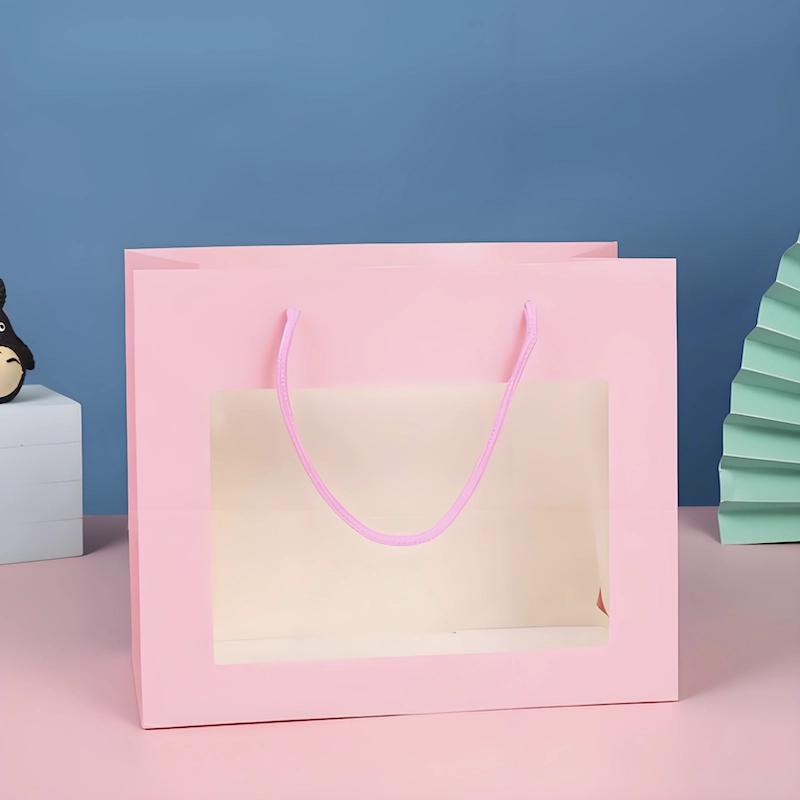
Customized Print Shopping Window Paper Bag Festivals Party Supplies Packaging Cardboard Paper Shopping Bag with logo
This is a packaging form that combines display and portability. Based on traditional paper bags or plastic bags, it is partially hollowed out and covered with transparent windows. Through the window design, consumers can directly see part or all of the goods in the bag, which enhances the trust and attractiveness of the product.
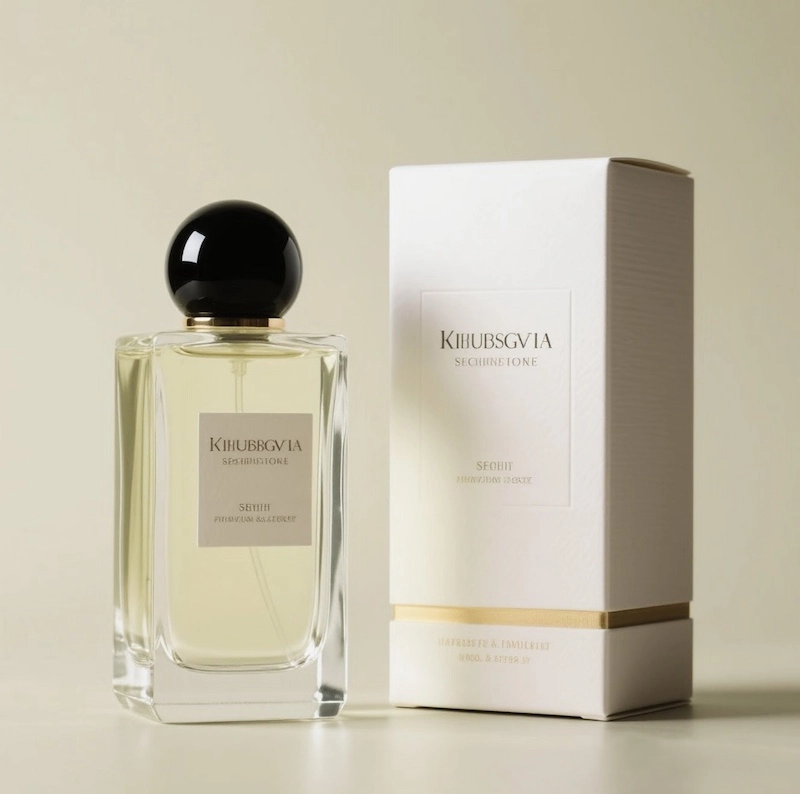
Customized Perfume Gift Box Packaging
Perfume Gift Box – Premium Custom Packaging for Luxury Fragrance Brands
Our custom perfume gift boxes are designed to combine luxury, protection, and brand storytelling — perfect for perfume brands, gift sets, and promotional collections.
Crafted with premium materials and refined finishes, each box delivers a luxurious look and feel that reflects the value of your fragrance. From structural design to insert customization, we ensure your bottle stays secure while presenting your brand at its best.
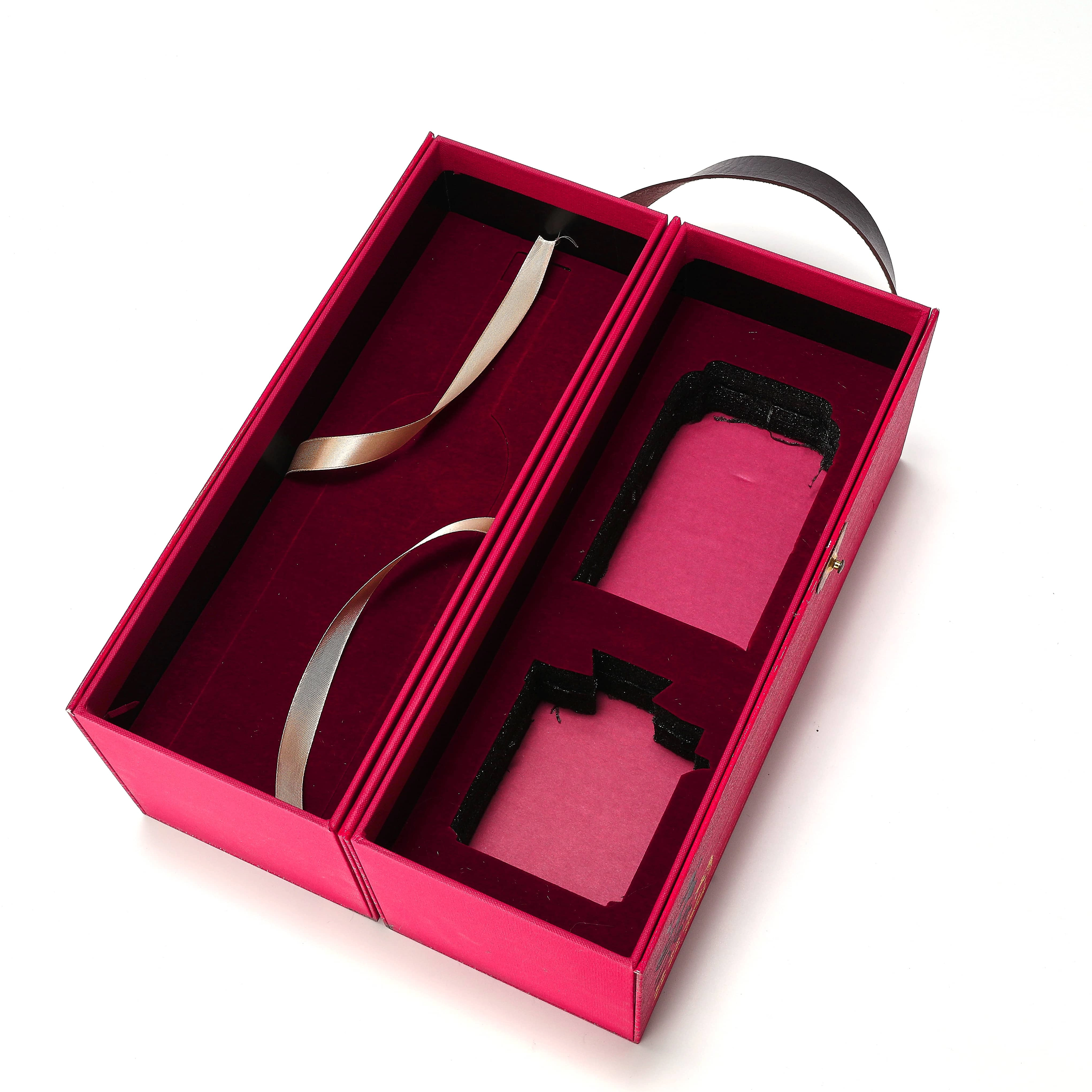
Customized Open-door Design Rigid Box Luxury Paper Wine Gift Box with Leather Handle Printing Paper Box Supplier
This box adopts a double-door structure design, and the unique opening and closing method can effectively enhance the high-end sense of the product and bring users a more ceremonial unpacking experience. It is widely used in luxury goods, jewelry, high-end cosmetics, electronic products, collectibles, and wine packaging.

Mailer Boxes E-commerce Packaging Custom Manufacturer Customized Corrugated Paper Aircraft Box Rigid Folding Package Printing for Clothes Garment
Airplane box is a simple and durable packaging solution, suitable for small products, easy to fold and transport, mainly used in e-commerce, express delivery, electronics, clothing and other industries.
© 2025 WINPACK PRINTING. All rights reserved

Wenhua Printing packaging
winpackprinting
Winpack Printing