




Custom Mailer Box Templates and Dielines for Designers
- Designing for Delight: Practical Templates for Mailer Packaging
- Why custom mailer box templates matter for designers
- Understanding dielines: anatomy and best practices for a custom mailer box
- Standard mailer box templates and sizes (practical guide)
- How to create a print-ready dieline in Illustrator and Inkscape
- Structural considerations: strength, material, and shipping performance for custom mailer boxes
- Finishing options and artwork considerations for a standout custom mailer box
- Templates, dielines and brand consistency: workflow for agencies and designers
- Winpack: Manufacturer capabilities for custom mailer box production
- Comparing production options: digital vs. offset vs. flexo for custom mailer box
- Checklist: ready-to-send dieline handoff to manufacturer
- FAQ — Custom Mailer Box Templates and Dielines
- 1. What is the difference between a dieline and a template?
- 2. How much bleed and safe area should I include for a mailer box?
- 3. Can I use Pantone colors on corrugated mailer boxes?
- 4. What’s the minimum order quantity (MOQ) for custom mailer boxes?
- 5. How do I ensure my dieline won’t be misinterpreted by the factory?
- 6. Do I need to test my packaging for transit?
- Contact and product viewing
- References
Designing for Delight: Practical Templates for Mailer Packaging
Why custom mailer box templates matter for designers
Designers working on ecommerce packaging must balance aesthetics, brand experience, and manufacturability. A well-prepared custom mailer box template and dieline is the bridge between creative intent and production reality. It reduces proof cycles, prevents costly die adjustments, and ensures structural integrity during shipping. Whether you’re packaging apparel, cosmetics, or electronics, investing time in a correct dieline saves money and helps deliver a consistent unboxing experience.
Understanding dielines: anatomy and best practices for a custom mailer box
A dieline is a vector guide used by printers and manufacturers to cut, score, and fold a box. For a custom mailer box, a clear dieline typically contains at least three distinct layers: cut line (solid), score/crease line (dashed), and glue tabs (labelled). Best practices include:
- Use vector paths for all dieline elements; avoid rasterized lines.
- Keep dieline hairlines on a separate named layer called DIELINE or CUT/FOLD and lock it before exporting.
- Set dieline stroke to 0.25 pt hairline (or manufacturer spec) and use a spot color named DIELINE set to overprint to prevent knockout.
- Include clear labels for orientation (top/bottom), glue flaps, and window cutouts; annotate tolerances if necessary.
- Provide a template with bleed (commonly 3–5 mm) and a safe text zone (commonly 5–10 mm from cut).
Standard mailer box templates and sizes (practical guide)
While custom sizes are common, many designers start from standard templates to estimate material usage and shipping costs. Below is a pragmatic comparison of common mailer box sizes and typical applications.
| Template Name | Internal Dimensions (mm) | Typical Use | Recommended Board |
|---|---|---|---|
| Small Mailer | 150 x 100 x 40 | Jewelry, small cosmetics, samples | Single-wall E-flute or 300–350 gsm SBS |
| Medium Mailer | 250 x 180 x 60 | Apparel accessories, books | Corrugated B-flute / 350–450 gsm SBS |
| Large Mailer | 350 x 250 x 100 | Multiple apparel items, boxed products | Corrugated C-flute / double-wall as needed |
Notes: board recommendations are general; choose based on item fragility, shipping distance, and carrier stacking requirements. For fragile items, add internal inserts or void-fill.
How to create a print-ready dieline in Illustrator and Inkscape
Designers commonly use Adobe Illustrator and Inkscape. The following step-by-step workflow ensures print-ready deliverables:
- Create a new document using the physical dieline size + bleed (3–5 mm).
- Import or draw the vector dieline on a locked layer named DIELINE. Use a spot color named DIELINE set to overprint.
- Place artwork on a separate layer and ensure no essential element crosses the safe zone (5–10 mm from cut).
- Convert fonts to outlines or supply fonts alongside files and include a PDF proof.
- Set color mode to CMYK for process printing; specify Pantone spot colors when required for brand accuracy.
- For varnishes, embossing, or foil, create additional layers named VARNISH, EMBOSS, or FOIL with spot colors and clear instructions.
- Preflight the file: check embedded images resolution (300 dpi recommended), fonts, linked assets, and total ink coverage (TAC ≤ 300–320% for most presses).
- Export a print-ready PDF/X-1a or PDF/X-4 with crop marks and bleed; include the dieline as a non-printing plate or set as overprint for the manufacturer to use.
Structural considerations: strength, material, and shipping performance for custom mailer boxes
A designer must think structurally, not just visually. Key considerations:
- Corrugated flute type (E, B, C) affects cushioning and printability: E-flute is thinner and prints well; C-flute provides stronger stacking strength.
- Edge crush test (ECT) and burst strength correlate with stacking and puncture resistance. For heavy shipments choose higher ECT / double-wall options.
- Board caliper (microns or gsm) impacts flap rigidity and fold accuracy—discuss with your manufacturer for tolerances.
- Consider carrier size and dimensional weight: oversized packaging can increase postage costs.
- Test with ISTA protocols for fragile or high-value items to validate packaging choices (see references).
Finishing options and artwork considerations for a standout custom mailer box
Finishing choices greatly affect perceived value and production constraints. Common options include:
- Coatings: aqueous, UV, or soft-touch lamination. Each has different durability and cost: UV provides high gloss and scratch resistance; soft-touch gives High Quality tactile feel.
- Foil stamping and spot UV: enhance logos or panels but require accurate registration and extra dies.
- Embossing/debossing: needs die and careful artwork margin to avoid misregistration.
- Die-cut windows: allow product visibility but may require a transparent film and additional glue/sealing steps.
- Printing methods: digital (short-run, variable data), offset (consistent color, cost-effective for medium/large runs), flexo (best for corrugated, long runs).
Always discuss finishing tolerances and minimum order quantities (MOQs) with the manufacturer early in the project.
Templates, dielines and brand consistency: workflow for agencies and designers
To maintain brand consistency across SKUs and campaigns, implement a standardized workflow:
- Maintain a central library of approved dielines and color profiles (CMYK + Pantone references).
- Use version-controlled artwork files and name dielines clearly (e.g., Mailer_250x180x60_v02.ai).
- Create master templates with locked dieline layers and editable artwork zones to prevent accidental changes to folds or glue tabs.
- Run a print and structural proof cycle: digital soft proof → physical prototype → pre-production run sample.
Winpack: Manufacturer capabilities for custom mailer box production
In 2016, Guangdong Winpack Printing Technology Development Co., Ltd. was officially established as a professional paper box printing manufacturer specializing in designing, proofing, printing, and producing a wide range of packaging and printed materials. Winpack offers customized production of stickers, labels, paper bags, gift boxes, beauty boxes, pizza boxes, books, brochures, flyers, and more. The company serves diverse industries including cosmetics, food, healthcare, pharmaceuticals, and electronics.
Winpack operates a 15,000-square-meter factory equipped with advanced technology such as a screen plate-making system, Heidelberg printing machines, high-speed paper cutters, a Lithrone GL-40A machine, and anti-counterfeiting inkjet printers. These assets enable high-quality printing, precise die cutting, and efficient short- to long-run production. Winpack's stated vision is to become the world's leading custom paper box packaging manufacturer.
Key product strengths and core offerings relevant to designers and brands creating custom mailer boxes include:
- Custom gable boxes
- Custom gift boxes
- Custom display boxes
- Custom rigid boxes
- Custom folding boxes
- Custom paper tube boxes
- Custom window boxes
- Custom special-shape boxes
- Custom pillow boxes
- Custom take out boxes
Winpack’s competitive advantages lie in its integrated production line, access to high-end printing presses, anti-counterfeit printing capability, and broad product range, which enable consistent quality across custom mailer box projects. Visit https://www.winpackprinting.com/ for product catalogs, technical inquiries, and sample requests.
Comparing production options: digital vs. offset vs. flexo for custom mailer box
Choosing the right printing technology depends on run size, turnaround, and finish. The table below summarizes typical trade-offs.
| Method | Best For | Cost per Unit | Turnaround | Color Accuracy & Finish |
|---|---|---|---|---|
| Digital | Short runs, variable data, prototypes | Higher at scale | Fast | Good; limited special effects |
| Offset | Medium to large runs, high color fidelity | Lower with volume | Moderate | Excellent; supports spot varnishes |
| Flexo | Long runs on corrugated, continuous patterns | Lowest at scale | Moderate | Good; best for corrugated board |
Checklist: ready-to-send dieline handoff to manufacturer
Before handing off to your manufacturer, ensure your package includes the following:
- Vector dieline on locked layer (spot color named DIELINE, overprint enabled)
- PDF proof with dieline visible and artwork flattened (for quick review)
- Fonts outlined or font files included
- Images at 300 dpi and in CMYK (or specified color space)
- Bleed included (3–5 mm) and safe text zones indicated
- Assembly instructions or exploded view for complex inserts
- Material specs: board type, gsm/caliper, flute type, and coatings
- Finishing requirements: varnish, foil, emboss, windows (with dielines for each)
- Quantity, lead time, and shipping requirements (incoterms if relevant)
FAQ — Custom Mailer Box Templates and Dielines
1. What is the difference between a dieline and a template?
A dieline is the exact cutting, creasing, and folding guide used by a manufacturer. A template often refers to a combined working file that includes the dieline plus artwork layers, color guides, and finishing notes—essentially a design-ready package.
2. How much bleed and safe area should I include for a mailer box?
Standard practice is 3–5 mm bleed and a safe area of 5–10 mm from the cut edge for any critical text or logos. Exact tolerances depend on the manufacturer; confirm during preflight.
3. Can I use Pantone colors on corrugated mailer boxes?
Yes, spot (Pantone) colors can be used, but color matching on corrugated boards differs from coated offset paper. Discuss substrate and press type with your manufacturer and request a printed swatch or press proof for accurate matching.
4. What’s the minimum order quantity (MOQ) for custom mailer boxes?
MOQs vary by material and finishing. Digital short runs can be as low as a few hundred units, while certain finishing operations or custom dies may impose higher MOQs. Ask your supplier about options for prototypes and pilot runs.
5. How do I ensure my dieline won’t be misinterpreted by the factory?
Include clearly labeled layers (DIELINE, ARTWORK, VARNISH), provide a PDF visual proof, call out glue areas and orientation, and include assembly instructions or a photograph of a physical mock-up. Open two-way communication during proofing to clarify tolerances.
6. Do I need to test my packaging for transit?
For fragile or high-value products, yes. Use ISTA test protocols or a manufacturer-led drop and vibration test to validate your packaging design before a full production run.
Contact and product viewing
If you need custom mailer box templates, structural consultation, or to request samples, contact Guangdong Winpack Printing Technology Development Co., Ltd. through their website: https://www.winpackprinting.com/. For designers seeking quick quotes, share your dieline (AI, PDF/X) and a production brief including material preferences and run quantities.
References
- International Safe Transit Association (ISTA) — Testing Protocols. https://ista.org/ (accessed 2025-12-10)
- Wikipedia — Corrugated fiberboard. https://en.wikipedia.org/wiki/Corrugated_fiberboard (accessed 2025-12-10)
- Pantone — Color Guides & Best Practices. https://www.pantone.com/ (accessed 2025-12-11)
- Packaging School — Basics of Corrugated Board and Flutes. https://packagingschool.com/ (accessed 2025-12-09)
- Heidelberg — Printing Technology Overview. https://www.heidelberg.com/global/en/home.jsp (accessed 2025-12-08)
Choosing a Custom Food Packaging Supplier Checklist
Best Printing Methods for Custom Pizza Boxes
Food packaging paper box printing techniques explained
Cost Breakdown: How Much Do Custom Rigid Boxes Cost
Rigid Magetic Boxes
What are the wholesale pricing options for bulk orders?
We offer competitive wholesale prices for bulk orders. Please contact our sales team for more details
Rigid Drawer Box
What are the wholesale pricing options for bulk orders?
We offer competitive wholesale prices for bulk orders. Please contact our sales team for more details
Rigid Lift-off Box
Can I print on the inside of the box?
Yes, you can print any effect you want on the inside.
About Us
Do you inspect the finished products?
Yes, each step of production and finished product will be carried out inspection
Special Shape Boxes
How long does it usually take from design confirmation to delivery?
The lead time is usually 15-25 days, depending on the production of the order
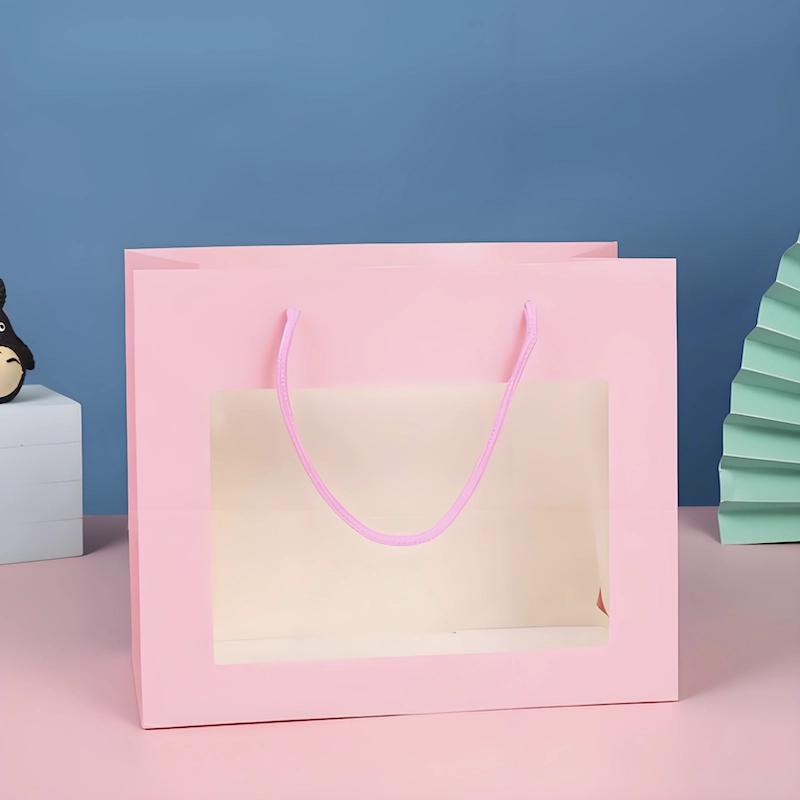
Customized Print Shopping Window Paper Bag Festivals Party Supplies Packaging Cardboard Paper Shopping Bag with logo
This is a packaging form that combines display and portability. Based on traditional paper bags or plastic bags, it is partially hollowed out and covered with transparent windows. Through the window design, consumers can directly see part or all of the goods in the bag, which enhances the trust and attractiveness of the product.
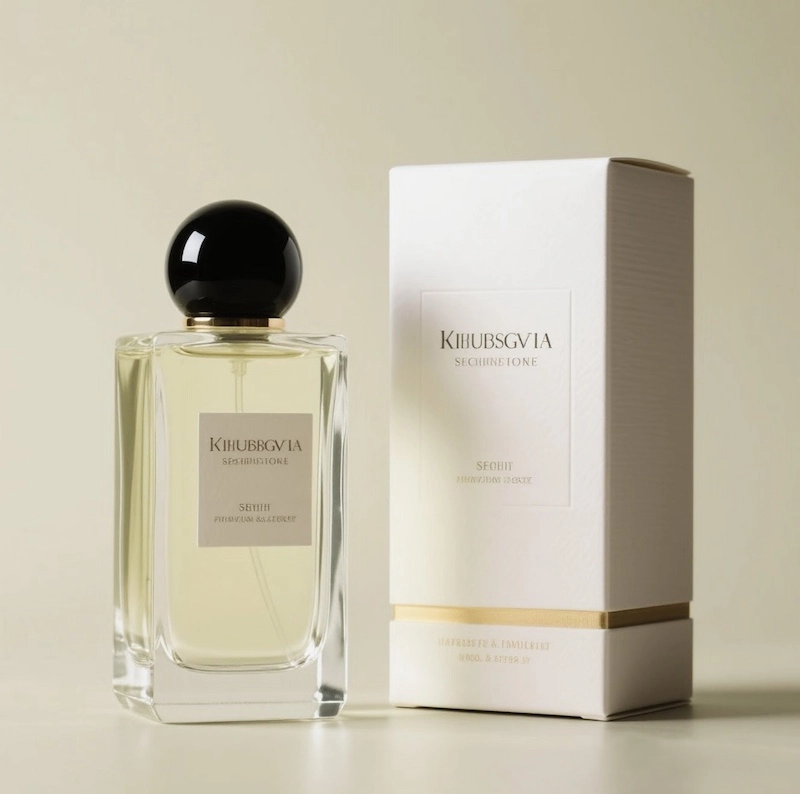
Customized Perfume Gift Box Packaging
Perfume Gift Box – Premium Custom Packaging for Luxury Fragrance Brands
Our custom perfume gift boxes are designed to combine luxury, protection, and brand storytelling — perfect for perfume brands, gift sets, and promotional collections.
Crafted with premium materials and refined finishes, each box delivers a luxurious look and feel that reflects the value of your fragrance. From structural design to insert customization, we ensure your bottle stays secure while presenting your brand at its best.
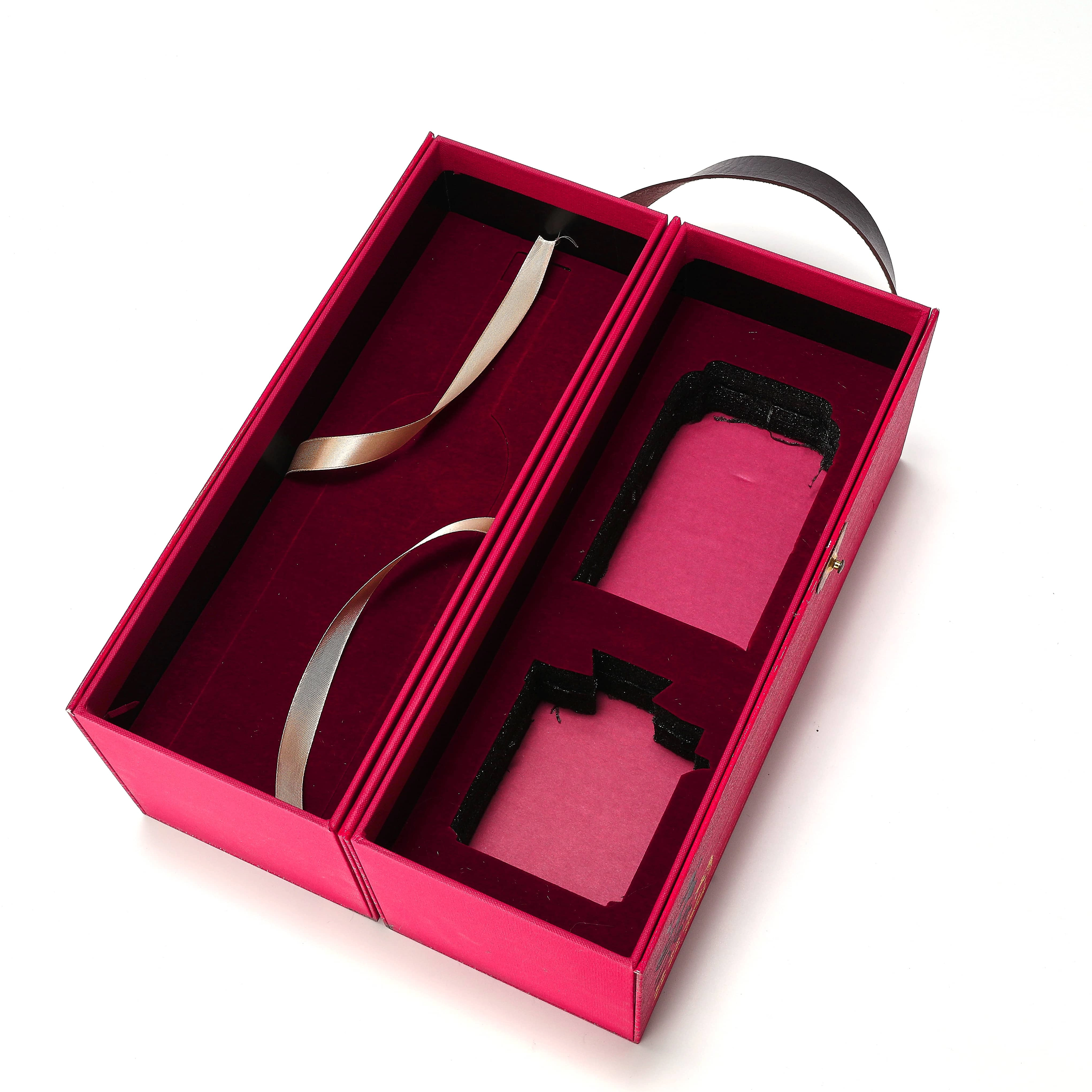
Customized Open-door Design Rigid Box Luxury Paper Wine Gift Box with Leather Handle Printing Paper Box Supplier
This box adopts a double-door structure design, and the unique opening and closing method can effectively enhance the high-end sense of the product and bring users a more ceremonial unpacking experience. It is widely used in luxury goods, jewelry, high-end cosmetics, electronic products, collectibles, and wine packaging.

Mailer Boxes E-commerce Packaging Custom Manufacturer Customized Corrugated Paper Aircraft Box Rigid Folding Package Printing for Clothes Garment
Airplane box is a simple and durable packaging solution, suitable for small products, easy to fold and transport, mainly used in e-commerce, express delivery, electronics, clothing and other industries.
© 2025 WINPACK PRINTING. All rights reserved

Wenhua Printing packaging
winpackprinting
Winpack Printing