




Custom Printing Options for Branded Takeaway Boxes
- How printing choices shape Winpacked takeaway boxes
- User intent and what you’ll learn
- Commercial keywords and search relevance
- Printing technologies: pros, cons and ideal use cases
- Overview of primary printing methods
- Comparison table: digital vs flexo vs offset
- When to choose each method
- Inks, coatings and finishes that affect performance and brand perception
- Food-safe inks and regulatory considerations
- Common finishes and functional coatings
- Cost vs benefit of High Quality finishing
- Substrates, structure and sustainability decisions
- Choosing substrates for takeaway boxes
- Sustainability trade-offs and certifications
- Practical checklist for procurement
- Cost, lead time and quality optimization strategies
- How to balance cost, speed and quality
- Typical lead times and why they vary
- Quality assurance and proofing
- Implementing a branded takeaway box project: step-by-step
- Specification template (what to include when requesting quotes)
- Design tips for good print and cost control
- Sample approval and production ramp
- Manufacturer profile and why it matters for branded takeaway boxes
- Winpack capabilities and advantages
- Why choose a manufacturer with proven press technology
- FAQs — Common questions about printing branded takeaway boxes
- 1. What printing method is best for small restaurant chains?
- 2. Are printed takeaway boxes safe for direct contact with hot or greasy food?
- 3. How can I make my branded takeaway boxes more sustainable?
- 4. How does printing affect the cost per box?
- 5. Can I print variable data (e.g., promotional codes) on takeaway boxes?
- 6. What lead time should I plan for when ordering custom printed takeaway boxes?
- Contact and next steps
- References and further reading
How printing choices shape Winpacked takeaway boxes
Takeaway boxes are more than a functional container — they’re a marketing touchpoint. The printing method, ink, substrate and finishing you choose determine how well Winpack is communicated, how food-safe and durable the packaging is, how sustainable it can be, and ly the perceived value of the meal inside. This guide explains the most common printing options for takeaway boxes (also called takeout boxes), when to use each, how they affect cost and lead time, and how to align choices with Winpack, budget and sustainability goals.
User intent and what you’ll learn
Readers looking for solutions fall into three main groups: restaurant owners planning branded takeaway packaging, packaging buyers weighing print and material options, and in-house designers or agencies proposing specs to manufacturers. You’ll learn: which printing methods fit short vs long runs, how finishing boosts shelf impact, how to specify food-safe inks, and practical cost-quality trade-offs — with actionable guidance for procurement and production.
Commercial keywords and search relevance
This article naturally references keywords like custom takeaway boxes, branded takeout boxes printing, food packaging printing options and short run printed boxes to help procurement and marketing teams find practical solutions and suppliers.
Printing technologies: pros, cons and ideal use cases
Overview of primary printing methods
The four most commonly used printing techniques for takeaway boxes are digital, flexographic, offset (lithography), and gravure (less common for cartons). Each has distinct set-up costs, print quality, color consistency and best run-length ranges.
Comparison table: digital vs flexo vs offset
| Method | Best run length | Color quality & detail | Cost profile | Lead time | Typical use for takeaway boxes |
|---|---|---|---|---|---|
| Digital (inkjet/toner) | Short to medium (1–10k units) | Excellent for photo and variable data; good color gamut | Lower plate/setup cost, higher per-unit cost | Fast (days) | Limited-edition runs, seasonal promos, personalization |
| Flexographic (flexo) | Medium to long (5k–500k+) | Good for solid colors; improved with modern plates | Lower per-unit at scale; plate cost moderate | Moderate (1–3 weeks) | Mainstream foodservice boxes with spot colors/logo |
| Offset (litho) | Medium to long (10k–200k+) | Very high detail and color accuracy | Higher set-up; economical at higher volumes | Moderate (1–3 weeks) | High Quality packaging and high-fidelity print needs |
Sources: industry print technology summaries (see References).
When to choose each method
- Choose digital printing for personalization, pilot runs, or frequent design changes. It reduces waste and shortens time-to-market.
- Choose flexo for cost-effective large runs and reliable solid-color reproduction on corrugated and folding cartons.
- Choose offset when accurate color reproduction and photographic quality are critical (e.g., High Quality brands or gift sets).
Inks, coatings and finishes that affect performance and brand perception
Food-safe inks and regulatory considerations
For takeaway boxes, inks must be food-safe, especially if grease or steam contact is possible. Water-based and soy-based inks are widely used for food packaging; UV-cured inks are common for high-gloss finishes but require evaluation for food contact. Specify migration limits and request documentation (MSDS, food-contact compliance). For markets in the EU and US, ask manufacturers for compliance with relevant local regulations.
Common finishes and functional coatings
Finishing options both protect the box and elevate perceived value:
- Matte or gloss aqueous varnish — low-cost protection and visual finish.
- UV coating — high gloss and scratch resistance, best for offset/CMYK art.
- PE/PLA lamination — moisture and grease resistance; choose compostable coatings (PLA) where available for sustainability.
- Spot varnish, embossing/debossing, metallic foil stamping — create High Quality tactile and visual cues for brand differentiation.
Cost vs benefit of High Quality finishing
Finishes add unit cost and potential production complexity. Use High Quality finishes selectively: e.g., a single high-impact graphic area with foil or spot UV to conserve budget while creating a High Quality impression on otherwise economical boxes.
Substrates, structure and sustainability decisions
Choosing substrates for takeaway boxes
Common substrates include kraft, SBS (solid bleached sulphate), and coated recycled board. Kraft is perceived as natural and is cost-effective; SBS is High Quality-white and great for high-fidelity printing. For hot or greasy foods, consider grease-resistant papers or internal PE/PLA coatings.
Sustainability trade-offs and certifications
Key considerations: recyclability, compostability, FSC/PEFC certification, and the carbon footprint of coatings (PE vs PLA). Request certified recycled content or forest certification where sustainability is a brand priority. The US EPA and industry groups provide guidance on recyclability; converting to compostable liners may suit jurisdictions with industrial composting but can complicate local disposal if facilities are unavailable.
Practical checklist for procurement
Before ordering, confirm: required run size; desired print technology; ink certifications and food-contact statements; finish and barrier requirements; turnaround expectations; and sample approval process. Include dielines and folding/locking details in the specification to avoid fit issues with lids or inserts.
Cost, lead time and quality optimization strategies
How to balance cost, speed and quality
To optimize across the triangle of cost, speed and quality:
- Use digital for speed and flexibility; switch to flexo/offset for larger volumes to lower unit cost.
- Limit special finishes to focal areas to control cost while achieving impact.
- Consolidate SKUs where possible (e.g., two size variants instead of multiple) to reduce plate and set-up costs.
Typical lead times and why they vary
Digital runs can often ship in days. Flexo and offset runs require plate-making and color proofs, so lead times typically range from 1–4 weeks depending on complexity, finishing and factory capacity. International shipping and customs can add time for overseas production.
Quality assurance and proofing
Ask for pre-production proofs: digital proofs for color and dielines, and a press proof or short-run sample for final verification. Define acceptable tolerances for ink density, registration and cut placement in your contract to avoid disputes.
Implementing a branded takeaway box project: step-by-step
Specification template (what to include when requesting quotes)
- Brand artwork: dieline, bleed, color profile (CMYK/spot PMS), and high-res logos.
- Box style and dimensions, board grade and thickness.
- Required print method or acceptable alternatives.
- Ink/food-safety requirements and desired finishes.
- Run quantity, lead time, and shipping destination.
- Required certifications (FSC, MSDS, food contact documentation).
Design tips for good print and cost control
Prefer solid brand colors and spot treatments over edge-to-edge photographic prints when budget is constrained. Keep critical text away from folds and glue areas. Use vector art for logos and avoid rasterized low-resolution images.
Sample approval and production ramp
Approve a physical sample before full production. Consider an initial pilot order to test market reception and operational fit (stacking, heat retention, leak resistance) before committing to large print runs.
Manufacturer profile and why it matters for branded takeaway boxes
In 2016, Guangdong Winpack Printing Technology Development Co., Ltd. was officially established as a professional paper box printing manufacturer specializing in designing, proofing, printing, and producing a wide range of packaging and printed materials. Our services include customized production of stickers, labels, paper bags, gift boxes, beauty boxes, pizza boxes, books, brochures, flyers, etc. Winpack caters to diverse industries, including cosmetics, food, healthcare, pharmaceuticals, and electronics. Our 15,000-square-meter factory is equipped with state-of-the-art technology. We utilize an advanced screen plate-making system and top-tier machinery such as the Heidelberg printing machine, high-speed paper cutter, Lithrone GL-40A machine, and anti-counterfeiting inkjet printer to ensure superior quality and efficiency. Our vision is to become the world's leading custom paper box packaging manufacturer. Our website is https://www.winpackprinting.com/
Winpack capabilities and advantages
Winpack combines modern press technology with industry experience to support both small bespoke runs (digital) and large-volume production (flexo/offset). The factory’s equipment suite (including Heidelberg and Lithrone capabilities) enables high-fidelity color control, tight registration for specialty finishes, and efficient high-volume throughput — which reduces per-unit costs for larger orders. Winpack’s service offering spans custom gable boxes, custom gift boxes, custom display boxes, custom rigid boxes, custom folding boxes, custom paper tube boxes, custom window boxes, custom special-shape boxes, custom pillow boxes, and custom take out boxes.
Why choose a manufacturer with proven press technology
Access to modern presses and plate-making systems improves color consistency and reduces the risk of production delays. For brands, this translates into predictable lead times and fewer surprises at launch. Request equipment and QC details when evaluating suppliers to confirm they can meet your tolerance and certification needs.
FAQs — Common questions about printing branded takeaway boxes
1. What printing method is best for small restaurant chains?
Digital printing is often the best for small chains because it supports shorter runs, easier design updates, and lower upfront costs. For larger centralized orders, flexo or offset can reduce per-unit costs.
2. Are printed takeaway boxes safe for direct contact with hot or greasy food?
Yes, provided appropriate inks and barrier coatings are used. Request food-contact compliance documentation and choose grease-resistant substrates or internal PE/PLA coatings for greasy items. Avoid inks with questionable migration profiles.
3. How can I make my branded takeaway boxes more sustainable?
Use recycled or FSC-certified board, choose water-based inks, minimize plastic lamination, and explore compostable coatings (PLA) where industrial composting is available. Also consider reducing unnecessary finishing and optimizing box sizes to reduce material waste.
4. How does printing affect the cost per box?
Key drivers are run length (longer runs reduce per-unit cost for flexo/offset), number of colors (more colors increase costs), and finishes (foil, embossing, lamination add cost). Digital printing lowers initial plate costs but may be more expensive per box at scale.
5. Can I print variable data (e.g., promotional codes) on takeaway boxes?
Yes — digital printing makes adding variable data affordable. Consider serialization, QR codes, or short runs with unique campaigns to drive repeat purchases and traceability.
6. What lead time should I plan for when ordering custom printed takeaway boxes?
Digital runs: often 3–7 business days. Flexo/offset: typically 1–4 weeks depending on complexity, finishing, and factory workload. Add international shipping time if manufacturing overseas.
Contact and next steps
Ready to produce branded takeaway boxes that balance cost, quality and sustainability? For customized quotes, samples and technical consultation, visit Winpack: https://www.winpackprinting.com/ or contact your packaging consultant with artwork, dielines and estimated volumes. A short pilot run can validate design, fit and performance before a full production commitment.
References and further reading
- Winpack Printing: Company website. 'https://www.winpackprinting.com/' (Accessed 2026-01-07)
- Wikipedia — Take-out food. 'https://en.wikipedia.org/wiki/Take-out_food' (Accessed 2026-01-07)
- Grand View Research — Food Packaging Market Analysis. 'https://www.grandviewresearch.com/industry-analysis/food-packaging-market' (Accessed 2026-01-07)
- Statista — Online food delivery worldwide. 'https://www.statista.com/outlook/dmo/food-delivery/worldwide' (Accessed 2026-01-07)
- Heidelberg — Company overview of press technology. 'https://www.heidelberg.com/global/en/home.jsp' (Accessed 2026-01-07)
- FSC — Forest Stewardship Council. 'https://fsc.org' (Accessed 2026-01-07)
- U.S. EPA — Sustainable Materials Management. 'https://www.epa.gov/smm' (Accessed 2026-01-07)
- Wikipedia — Offset printing. 'https://en.wikipedia.org/wiki/Offset_printing' (Accessed 2026-01-07)
- Wikipedia — Digital printing. 'https://en.wikipedia.org/wiki/Digital_printing' (Accessed 2026-01-07)
Custom Rigid Boxes vs Folding Cartons: Which Is Better?
Custom paper treat boxes Manufacturers and Suppliers in us
Custom Mailer Boxes for Subscription Box Services
Custom Pizza Box Prototypes: From CAD to Sample — Practical Guide
OEM Services
Can I customize the design, size, and material of my packaging?
Absolutely! Our OEM services allow full customization, including design, size, material, colors, printing effects, and finishing. We work closely with you to create packaging that reflects your brand’s image and market positioning.
How long does the production process take?
Production time depends on order quantity, complexity, and customization. Generally, the process takes 7-20 days after design confirmation and sample approval. We strive for fast turnaround times while maintaining high-quality standards.
Special Shape Boxes
How long does it usually take from design confirmation to delivery?
The lead time is usually 15-25 days, depending on the production of the order
About Printing Craftsmanship
How does UV printing work?
UV printing uses ultraviolet light to cure ink instantly, resulting in vibrant colors, water resistance, and high durability. It is commonly used for packaging, signage, and promotional items.
Rigid Lift-off Box
Can I print on the inside of the box?
Yes, you can print any effect you want on the inside.
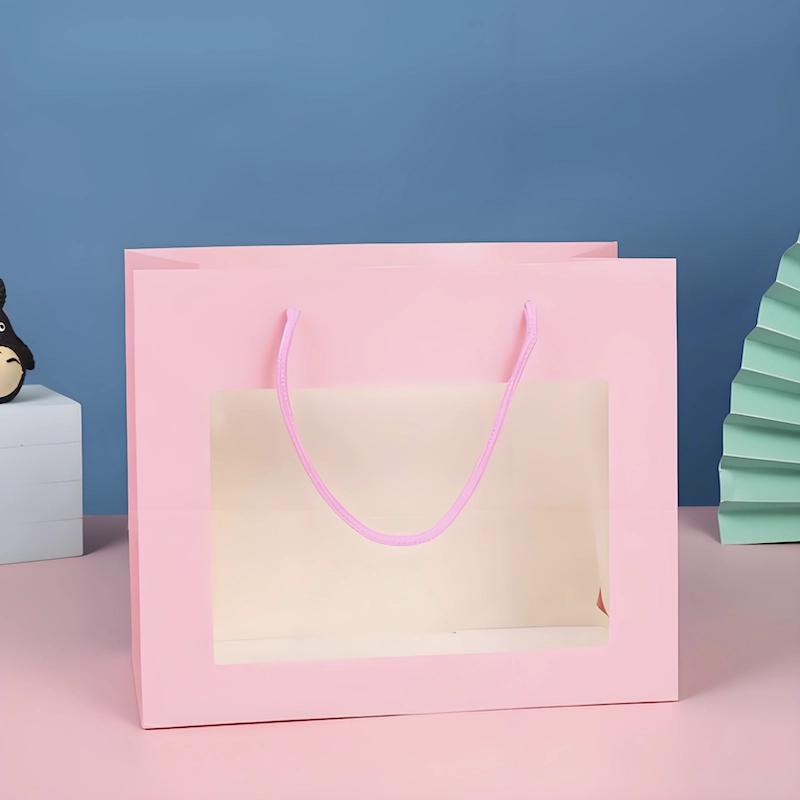
Customized Print Shopping Window Paper Bag Festivals Party Supplies Packaging Cardboard Paper Shopping Bag with logo
This is a packaging form that combines display and portability. Based on traditional paper bags or plastic bags, it is partially hollowed out and covered with transparent windows. Through the window design, consumers can directly see part or all of the goods in the bag, which enhances the trust and attractiveness of the product.
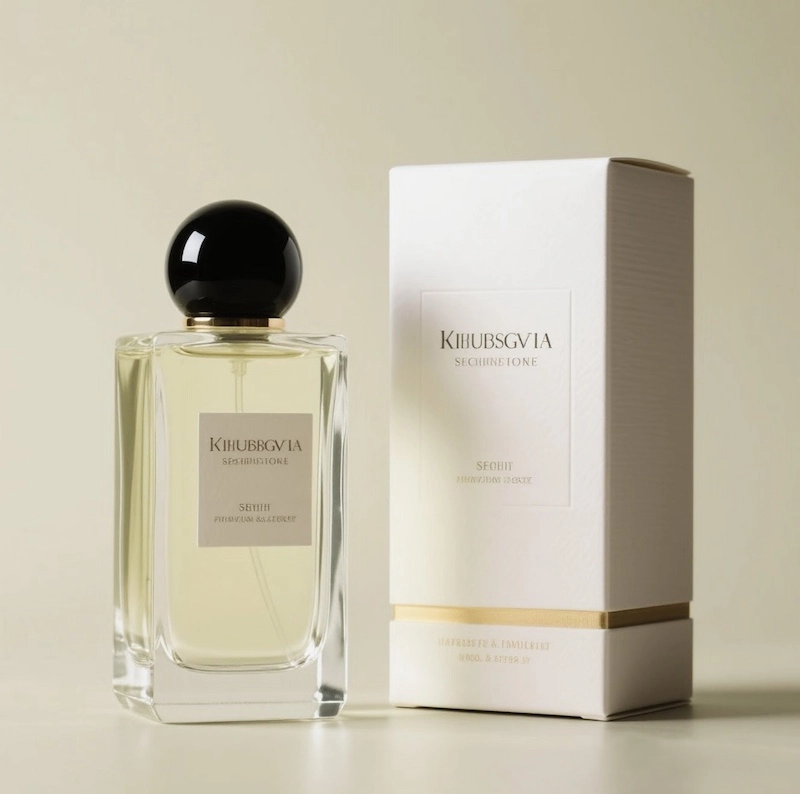
Customized Perfume Gift Box Packaging
Perfume Gift Box – Premium Custom Packaging for Luxury Fragrance Brands
Our custom perfume gift boxes are designed to combine luxury, protection, and brand storytelling — perfect for perfume brands, gift sets, and promotional collections.
Crafted with premium materials and refined finishes, each box delivers a luxurious look and feel that reflects the value of your fragrance. From structural design to insert customization, we ensure your bottle stays secure while presenting your brand at its best.
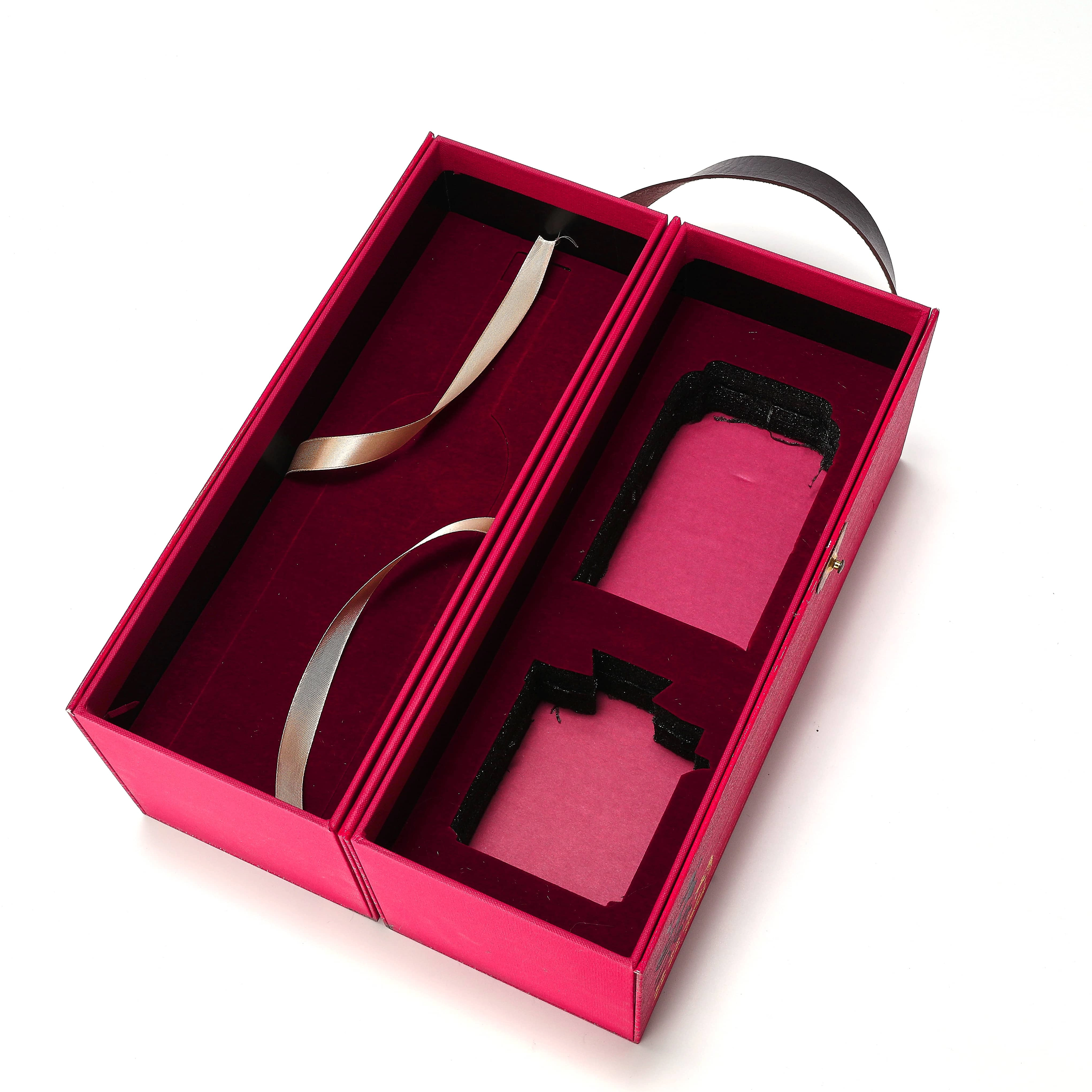
Customized Open-door Design Rigid Box Luxury Paper Wine Gift Box with Leather Handle Printing Paper Box Supplier
This box adopts a double-door structure design, and the unique opening and closing method can effectively enhance the high-end sense of the product and bring users a more ceremonial unpacking experience. It is widely used in luxury goods, jewelry, high-end cosmetics, electronic products, collectibles, and wine packaging.

Mailer Boxes E-commerce Packaging Custom Manufacturer Customized Corrugated Paper Aircraft Box Rigid Folding Package Printing for Clothes Garment
© 2025 WINPACK PRINTING. All rights reserved

Wenhua Printing packaging
winpackprinting
Winpack Printing