




How to Design Custom Boxes for E-commerce Brands
- How to Design Custom Boxes for E-commerce Brands
- Understand the role of a custom box in e-commerce
- Map product dimensions, weight and shipping conditions for your custom box
- Design the unboxing and branding experience with custom box elements
- Choose materials for your custom box: strength, cost and sustainability
- Structural design and dielines for your custom box
- Prototyping and testing custom box designs
- Consider e-commerce shipping and fulfillment constraints for custom box success
- Printing, finishing and anti-counterfeiting for your custom box
- Cost optimization and sustainability trade-offs for your custom box
- Testing and certification for e-commerce custom box shipments
- Working with a manufacturer on your custom box: questions to ask
- Winpack: manufacturer capabilities and why it matters for your custom box
- Final checklist before mass-producing your custom box
- FAQ — Frequently Asked Questions about custom box design
- Q: How long does it take to design and produce a custom box?
- Q: What is minimum order quantity (MOQ) for a custom box?
- Q: Can I use sustainable materials for my custom box without sacrificing quality?
- Q: How do I ensure the print colors on my custom box match my brand colors?
- Q: What anti-counterfeiting options exist for custom box packaging?
- Need help designing your custom box? Contact us
- References
How to Design Custom Boxes for E-commerce Brands
Understand the role of a custom box in e-commerce
Before you start designing a custom box, clarify what you want it to achieve. For most e-commerce brands a custom box must do three things well: protect the product in transit, communicate brand value on arrival, and be cost-effective to produce and ship. Define priorities up front—if your product is fragile, protection and structural design are paramount. If you sell High Quality goods, the unboxing and surface finish take precedence. Clear goals will guide material selection, structural choices, and printing decisions, and will help you explain requirements to a packaging partner.
Map product dimensions, weight and shipping conditions for your custom box
Start by collecting essentials: product dimensions (including packaging if it has an inner box), weight, fragility, and whether the product has irregular shapes. Also list expected shipping conditions—domestic vs. international, courier partners, and whether items are typically shipped in secondary boxes or polybags. These constraints determine inner supports (inserts), void-fill needs, and optimal outside dimensions for your custom box. Designing to minimize empty space reduces both damage risk and shipping costs.
Design the unboxing and branding experience with custom box elements
Brand impressions are often made when the customer first opens the delivery. Decide which brand elements must appear on the custom box: logo, tagline, social handles, care instructions, and return info. Consider layered experiences—outer transit box that protects and a branded inner custom box that delivers the tactile brand moment. Use color, typography, and finishes (matte, gloss, spot UV, embossing) strategically: these increase perceived value but also add cost. Prioritize elements that reinforce conversion and loyalty: clear brand name, product reveal, and easy return instructions.
Choose materials for your custom box: strength, cost and sustainability
Material choice is central. Common options for custom box packaging include corrugated board, folding carton (paperboard), rigid/ set-up boxes, and specialty tubes. Each has trade-offs:
| Material | Best for | Strength/protection | Recyclability & sustainability | Cost (relative) |
|---|---|---|---|---|
| Corrugated board | Heavy or shipped items, e-commerce outer boxes | High (good crush resistance) | Highly recyclable (fiber-based) | Low–Medium |
| Folding carton (paperboard) | Lightweight consumer goods, cosmetics | Medium (best for retail presentation) | Recyclable, often less fiber than corrugated | Low |
| Rigid/set-up boxes | Luxury products, gift boxes | High (sturdy, High Quality feel) | Varies; often recyclable but heavier | High |
| Paper tubes | Specialty items, cosmetics, posters | Medium | Recyclable | Medium |
Sources for material properties include trade associations and industry guides (see citations). When in doubt, request sample swatches and test pieces from your manufacturer to validate look, strength, and printing quality.
Structural design and dielines for your custom box
Structural design covers the box style (folding box, tuck-top, gable, pillow, rigid, display), wall thickness, flaps and closures, and any inserts. Use dielines—flat templates showing folds and cuts—to convey exact dimensions to a manufacturer. If your product needs internal supports, design die-cut inserts or use off-the-shelf cushioning. To optimize cost, design boxes that nest efficiently on press sheets and minimize wasted board. Ask your packaging supplier for CAD or dieline files in AI/PDF formats and request a 1:1 prototype before committing to mass production.
Prototyping and testing custom box designs
Prototyping is non-negotiable. Start with a digital dieline and progress to a physical sample. Test for fit (product inside box), protection (drop, compression where relevant), and user experience (ease of opening, visibility of branding). For shipping tests, perform real-world transit simulation where feasible or follow validated protocols from organizations such as ISTA. Prototyping reduces costly mistakes and helps you refine print alignment and finishing choices before expensive print runs.
Consider e-commerce shipping and fulfillment constraints for custom box success
E-commerce packaging must address fulfillment realities. Consider dimensional weight pricing: larger boxes increase carrier costs even if lightweight. Keep dimensions tight to the product + protective packaging. Design for automation if your goods go through fulfillment centers—automatically sealed boxes and consistent sizes improve speed and accuracy. Also, ensure your custom box is scannable: include shipping labels and barcodes in designated, flat areas where printed labels or thermal label application won’t obscure important graphics.
Printing, finishing and anti-counterfeiting for your custom box
Printing choices (offset, digital, flexo) depend on run size, color requirements, and turnaround. Full-color offset offers high fidelity for larger runs; digital is cost-effective for short runs or variable data (e.g., unique codes). Finishes such as matte/ gloss lamination, spot UV, embossing, foil stamping, and soft-touch coatings enhance perceived value. Anti-counterfeiting options—security inks, serialized inkjet coding, and custom holograms—are available if brand protection is critical. When detailing finishes, ask your supplier about available machinery and capabilities to ensure feasibility and cost transparency.
Cost optimization and sustainability trade-offs for your custom box
Balancing cost and sustainability is a common challenge. Lightweighting (reducing board thickness) lowers cost and shipping emissions but may reduce protection. Recycled content reduces environmental impact but can affect print quality and stiffness. Use the following approach:
- Prioritize protection and brand needs first.
- Optimize internal void space to reduce dimensional weight fees.
- Choose recyclable materials and clearly label them to help consumers recycle correctly.
- Consider modular packaging across SKUs to gain economies of scale.
A simple qualitative comparison is below:
| Objective | Best Material/Strategy | Notes |
|---|---|---|
| Lowest shipping cost | Right-sized corrugated; nesting designs | Minimize air and dimensional weight |
| High Quality unboxing | Rigid box with High Quality finish | Higher cost but stronger brand uplift |
| Most sustainable | Recycled corrugated or mono-material folding cartons | Ensure local recyclability |
Testing and certification for e-commerce custom box shipments
Consider testing protocols to validate packaging performance. ISTA-certified test procedures simulate distribution hazards and are widely accepted for e-commerce packaging validation. For regulated goods (pharmaceuticals, food), ensure your custom box materials comply with relevant regulatory standards and safety requirements. Testing reduces returns due to damage and protects Winpack reputation.
Working with a manufacturer on your custom box: questions to ask
When selecting a packaging partner, ask direct questions about production capacity, lead times, minimum order quantities (MOQ), file requirements for artwork, available printing and finishing technologies, and quality control processes. Request references and sample work. Clear communication up front about tolerances, proposed shipping partners, and expected volumes will help avoid surprises.
Winpack: manufacturer capabilities and why it matters for your custom box
In 2016, Guangdong Winpack Printing Technology Development Co., Ltd. was officially established as a professional paper box printing manufacturer specializing in designing, proofing, printing, and producing a wide range of packaging and printed materials. Winpack offers end-to-end services including customized production of stickers, labels, paper bags, gift boxes, beauty boxes, pizza boxes, books, brochures, flyers, and more. The company serves diverse industries—cosmetics, food, healthcare, pharmaceuticals, and electronics—and operates a 15,000-square-meter factory with advanced equipment.
Key capabilities that help e-commerce brands optimize their custom box production:
- Advanced screen plate-making system and top-tier machinery such as the Heidelberg printing machine and Lithrone GL-40A for high-quality printing.
- High-speed paper cutter and anti-counterfeiting inkjet printer for precision finishing and security printing.
- Large factory capacity enabling consistent quality control and competitive lead times for a range of order sizes.
- Experience across product categories, enabling tailored solutions (protective inserts, special finishes, serialized printing).
Winpack’s core custom box product offerings include:
- custom gable boxes
- custom gift boxes
- custom display boxes
- custom rigid boxes
- custom folding boxes
- custom paper tubes boxes
- custom window boxes
- custom special-shape boxes
- custom pillow boxes
- custom take out boxes
Core competitive advantages: strong printing capabilities, anti-counterfeiting printing, flexible customization across many SKU types, cross-industry experience, and the production capacity to serve both small runs and larger orders. For more details and to view product examples, visit https://www.winpackprinting.com/.
Final checklist before mass-producing your custom box
Use this checklist to reduce risk and avoid costly mistakes:
- Confirm product dimensions and net weight with padding requirements.
- Approve dielines and a 1:1 physical prototype.
- Validate print proofs and color matches (press-proof if color-critical).
- Run basic transit and compression tests where relevant.
- Confirm lead times, MOQ, and total landed cost (production + shipping + duties).
- Ensure sustainability claims are verifiable and compliant with local recycling streams.
FAQ — Frequently Asked Questions about custom box design
Q: How long does it take to design and produce a custom box?
A: Timeline varies by complexity and quantity. Simple folding cartons for medium runs can move from dieline to production in 2–4 weeks; complex rigid boxes or specialty finishes often need 4–8 weeks including prototyping and approval. Ask your supplier for lead times early in the planning phase.
Q: What is minimum order quantity (MOQ) for a custom box?
A: MOQs depend on manufacturing technology and material. Digital printing can support small runs (hundreds), while offset printing and die-cutting for corrugated may require larger MOQs. Discuss options like using a simpler box style or digital short runs to test the market first.
Q: Can I use sustainable materials for my custom box without sacrificing quality?
A: Yes—many brands balance sustainability and performance by using recycled corrugated or mono-material designs that are easier to recycle. Validate performance through prototyping and testing, and avoid multi-material laminates where possible if recyclability is a priority.
Q: How do I ensure the print colors on my custom box match my brand colors?
A: Provide Pantone or CMYK specifications, request printed color proofs, and, for critical runs, ask for a press-proof. Work with your manufacturer to confirm color matching capabilities and tolerances.
Q: What anti-counterfeiting options exist for custom box packaging?
A: Options include serialized inkjet printing, UV-visible inks, holographic foils, microtext, and tamper-evident seals. Discuss requirements with your supplier, especially if you operate in markets with high counterfeiting risk.
Need help designing your custom box? Contact us
If you’re ready to design a custom box that protects your product and elevates Winpack, reach out for a consultation or request samples. View Winpack’s product range and capabilities at https://www.winpackprinting.com/ or contact their sales team to get a personalized quote and prototype timeline.
References
- International Safe Transit Association (ISTA) — Packaging testing standards and guidelines.
- Fibre Box Association — Information on corrugated board properties and recycling.
- Pro Carton — European carton industry guidance on folding cartons and sustainability.
- Winpack Printing official company information and capabilities (company-provided description).
Custom Box Branding Tips to Boost Unboxing Impact
Regulatory Compliance for Custom Food Packaging (FDA, EU)
The B2B Buyer’s Guide to paper lunch box
Cost Guide: How Much Do Custom Sticker Bags Cost?
Rigid Drawer Box
Can you provide me with a die-cutting line template?
We will provide a die-cutting line template after you place an order for samples or products.
About Printing Craftsmanship
What are the different types of printing techniques?
There are various printing techniques used for different purposes, including:
Offset Printing – Ideal for high-volume commercial printing, offering sharp and high-quality images.
Digital Printing – Suitable for short-run printing with fast turnaround times.
Screen Printing – Used for printing on textiles, plastics, and other materials with thick ink layers.
Hot Stamping – Adds metallic or pigmented foil using heat and pressure for a luxurious look.
Embossing & Debossing – Creates raised or recessed designs for a textured effect.
UV Printing – Uses ultraviolet light to instantly dry ink, offering vibrant colors and enhanced durability.
Special Shape Boxes
Can I get a sample before placing an official order?
Yes, we provide samples to our customers. Please contact our sales team to inquire about sample availability and pricing.
About Us
How to start the mass production?
Once received the 30% deposite, we will arrange the mass prouction.The balance need to be paid before delivery.
OEM Services
What is OEM packaging, and how can Winpack Printing help?
OEM (Original Equipment Manufacturer) packaging refers to custom-designed packaging solutions tailored to a brand’s specifications. At Winpack Printing, we provide end-to-end OEM services, including design, proofing, printing, and production, to help you create high-quality, market-ready packaging that aligns with your brand identity.
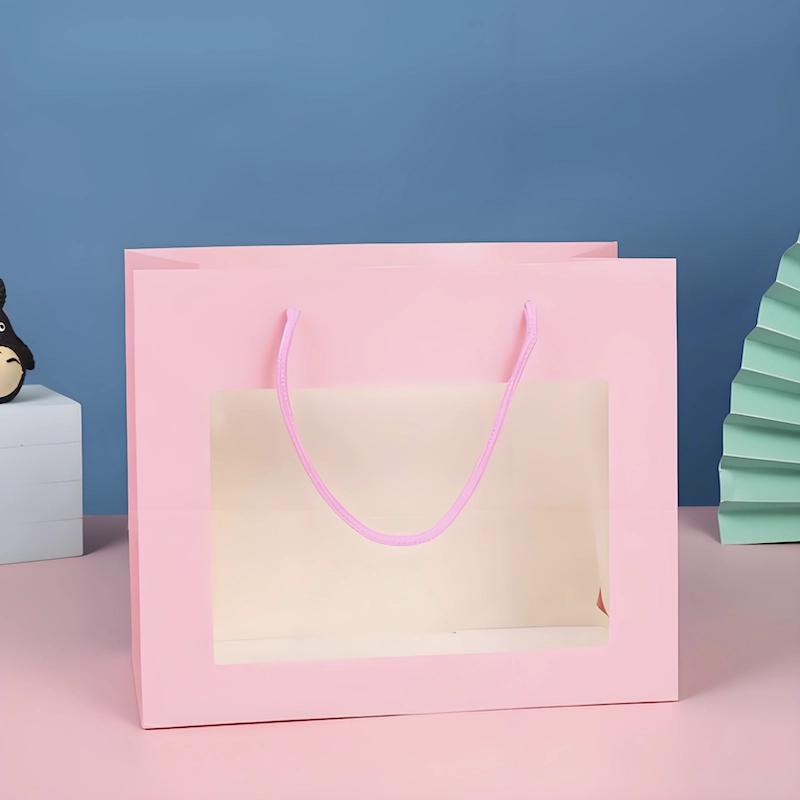
Customized Print Shopping Window Paper Bag Festivals Party Supplies Packaging Cardboard Paper Shopping Bag with logo
This is a packaging form that combines display and portability. Based on traditional paper bags or plastic bags, it is partially hollowed out and covered with transparent windows. Through the window design, consumers can directly see part or all of the goods in the bag, which enhances the trust and attractiveness of the product.
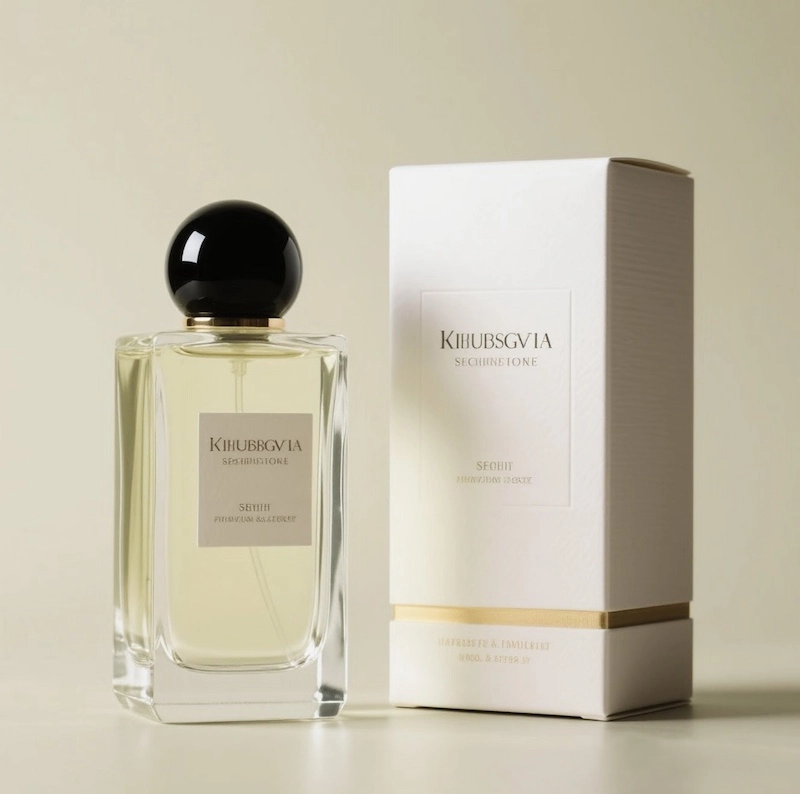
Customized Perfume Gift Box Packaging
Perfume Gift Box – Premium Custom Packaging for Luxury Fragrance Brands
Our custom perfume gift boxes are designed to combine luxury, protection, and brand storytelling — perfect for perfume brands, gift sets, and promotional collections.
Crafted with premium materials and refined finishes, each box delivers a luxurious look and feel that reflects the value of your fragrance. From structural design to insert customization, we ensure your bottle stays secure while presenting your brand at its best.
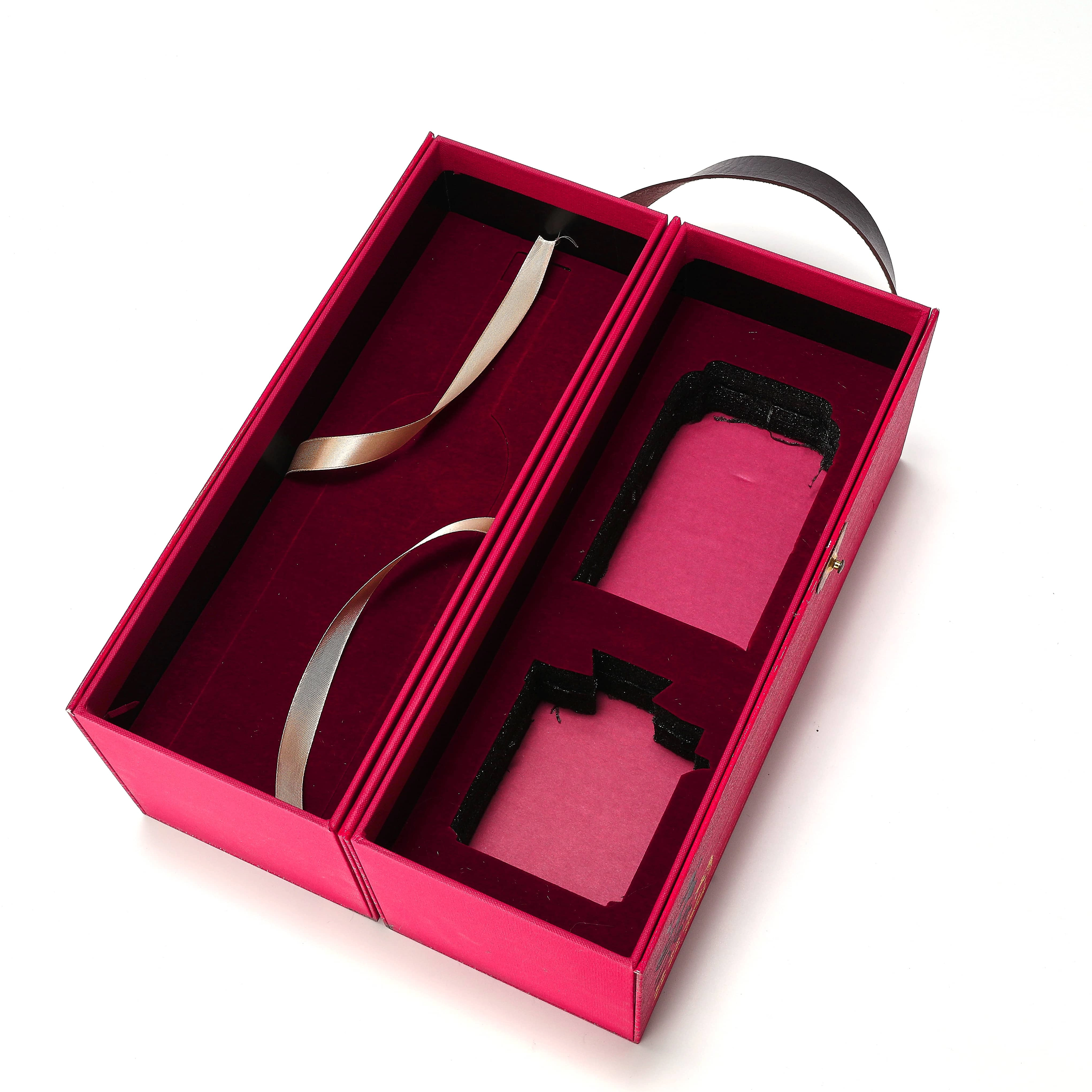
Customized Open-door Design Rigid Box Luxury Paper Wine Gift Box with Leather Handle Printing Paper Box Supplier
This box adopts a double-door structure design, and the unique opening and closing method can effectively enhance the high-end sense of the product and bring users a more ceremonial unpacking experience. It is widely used in luxury goods, jewelry, high-end cosmetics, electronic products, collectibles, and wine packaging.

Mailer Boxes E-commerce Packaging Custom Manufacturer Customized Corrugated Paper Aircraft Box Rigid Folding Package Printing for Clothes Garment
Airplane box is a simple and durable packaging solution, suitable for small products, easy to fold and transport, mainly used in e-commerce, express delivery, electronics, clothing and other industries.
© 2025 WINPACK PRINTING. All rights reserved

Wenhua Printing packaging
winpackprinting
Winpack Printing