




Custom Retail Food Packaging: Shelf Appeal Strategies
- Why Shelf Appeal Matters for Retail Food
- Perception, decision speed, and the buying moment
- From shelf to basket: functional signals that convert
- Regulatory and supply-chain constraints
- Design Principles That Maximize Shelf Impact
- Visual hierarchy and brand story
- Color, photography, and finishing techniques
- Structural design to enhance visibility
- Material and Packaging Technology: Balancing Appeal, Protection, and Sustainability
- Choosing materials for product protection and messaging
- Comparing common packaging substrates
- Innovations: anti-counterfeiting, smart labels, and barrier tech
- Labeling, Compliance, and Consumer Communication
- Regulatory labeling that still sells
- Claims, certifications, and evidence
- Testing, shelf-life, and proof points
- From Concept to Production: Practical Workflow and Vendor Selection
- Design brief and prototyping
- Vendor capabilities and technology matters
- Cost optimization and sustainability trade-offs
- Case: Manufacturing Partner Profile and How I Work with Producers
- Winpack: capabilities and why it matters
- Production technology and scale
- Product range and competitive advantages
- Quantifying Impact: Metrics and A/B Testing
- KPIs to track
- A/B testing packaging on shelf and online
- Reporting and iteration
- FAQ
- Q1: How much does custom food packaging usually cost?
- Q2: How do I ensure my packaging meets food safety regulations?
- Q3: Can eco-friendly packaging still have strong shelf appeal?
- Q4: What finishing techniques give the best High Quality perception?
- Q5: How long does the process take from concept to finished boxes?
- Q6: How do I test shelf impact before full production?
As a consultant and practitioner in custom food packaging, I understand that shelf appeal is not an aesthetic luxury—it's a measurable driver of purchase behavior. In this article I combine industry standards, research-backed principles, and hands-on production insights to show how to design retail food packaging that communicates value, meets regulations, and performs logistically. I emphasize actionable steps: from selecting materials and finishes to structuring label information so shoppers make fast, confident decisions.
Why Shelf Appeal Matters for Retail Food
Perception, decision speed, and the buying moment
Most grocery purchases are decided in seconds. Visual cues—color, typography, imagery, and structure—create an immediate impression of freshness, quality, and trustworthiness. Research summarized by industry sources shows packaging is among the top drivers of on-shelf choice (see PMMI’s packaging insights: PMMI). In my experience, clear visual hierarchy that highlights product benefit (e.g., 'high-protein', 'organic', 'ready-to-eat') increases conversion at shelf and online thumbnails alike.
From shelf to basket: functional signals that convert
Beyond aesthetics, signals like resealable closures, visible freshness windows, and clear storage instructions reduce friction at the point of purchase. These elements communicate convenience and reduce perceived risk—especially important for perishable and prepared foods. Aligning form and function is essential for custom food packaging to deliver both appeal and utility.
Regulatory and supply-chain constraints
Design must work within FDA and international food contact rules. The US FDA offers guidance on food contact substances and labeling that affects material choice and printed information (FDA food packaging guidance). I always start design briefs by confirming material approvals, shelf-life testing needs, and logistics constraints to avoid costly rework.
Design Principles That Maximize Shelf Impact
Visual hierarchy and brand story
I prioritize a single, clear message on the primary panel—this may be the product name, benefit, or an image of the product. Secondary information (certifications, nutritional highlights) should be visible but subordinate. Use typography scale, color contrast, and negative space to guide the eye. For example, a bold hero headline for the product name, a supporting band for key benefits, and a small icon cluster for certifications works well across sizes.
Color, photography, and finishing techniques
Color choice must reflect both brand positioning and product category conventions (e.g., earthy tones for natural snacks, bright colors for sweets). High-quality photography or illustrated product depictions increase perceived freshness. Finishes like soft-touch lamination, spot UV, or embossing add tactile distinction; however, I evaluate cost versus impact and sustainability trade-offs with every finish spec.
Structural design to enhance visibility
Shape can break category monotony—gable boxes, window boxes, and custom display boxes create a different shelf silhouette. Structural features such as slanted headers, protruding collars, or integrated display tabs help products stand out on gondola shelving and endcaps. For grab-and-go items, I prioritize designs that stack predictably and support merchandising efficiency.
Material and Packaging Technology: Balancing Appeal, Protection, and Sustainability
Choosing materials for product protection and messaging
Material selection affects barrier properties, print fidelity, recyclability, and cost. For many retail foods, coated paperboard offers excellent print quality and moderate barrier performance; kraft and uncoated stocks signal natural positioning. For wet or oily foods, barrier laminates or liners are necessary and must be food-contact approved.
Comparing common packaging substrates
To simplify material decisions, I use the following qualitative comparison when advising clients:
| Attribute | Coated Paperboard | Kraft/Uncoated | Corrugated |
|---|---|---|---|
| Visual/Print Quality | High | Medium | Medium |
| Barrier/Protection | Medium | Low | High (bulk) |
| Recyclability | Depends on coating | High | High (often) |
| Perceived High Quality | High | Natural/Eco | Utility/Protection |
Sources and regulatory context: FDA guidance on food-contact materials (FDA) and broader recycling guidance from the U.S. Environmental Protection Agency (EPA recycling) inform these judgments.
Innovations: anti-counterfeiting, smart labels, and barrier tech
Anti-counterfeiting inks, QR-code traceability, and smart labels for temperature logging can be decisive for High Quality or regulated food categories. When I advise clients, I weigh ROI: does traceability reduce returns or increase perceived safety enough to justify the cost? Where necessary, I specify anti-counterfeiting inkjet printing and tamper-evident features to protect brand trust.
Labeling, Compliance, and Consumer Communication
Regulatory labeling that still sells
Mandatory nutritional facts and ingredient lists occupy space that could otherwise be used for marketing. My approach is to integrate them into the visual system—consistent table styles, secondary color bands, and icons that match the brand look—so required information looks intentional rather than an afterthought. For US markets, align with FDA labeling rules and for export markets, confirm local requirements (e.g., EU regulations).
Claims, certifications, and evidence
Claims like 'organic', 'certified gluten-free', or 'non-GMO' must be verifiable. I recommend keeping certifications visible but uncluttered; use certified logos and link to verification (QR codes can point to audit documents or certificates). Consumers increasingly expect evidence; linking to third-party validation improves conversion.
Testing, shelf-life, and proof points
Before committing to a production run, perform shelf-life tests, mechanical drop tests, and print rub tests. For many food products, accelerated shelf-life testing under controlled humidity and temperature provides crucial data to set 'best before' dates and packaging performance expectations. Incorporate those results into label copy and instructions to reduce returns and complaints.
From Concept to Production: Practical Workflow and Vendor Selection
Design brief and prototyping
A clear brief accelerates success: state target audience, retail environment, SKU sizes, shipping constraints, sustainability goals, and regulatory needs. I always request hard-copy prototypes—digital renders alone miss tactile cues that affect shelf appeal. Sample iterations inform binding, finish choices, and print calibration.
Vendor capabilities and technology matters
Choose a vendor with robust proofing, advanced color management, and production equipment aligned to your needs. For example, advanced plate-making systems, Heidelberg presses, and anti-counterfeiting inkjet printers enable high-fidelity, secure packaging. Production scale, lead time, and flexibility for short runs are also critical considerations.
Cost optimization and sustainability trade-offs
Balancing High Quality finishes with sustainability goals requires pragmatic choices. A recyclable mono-material with high-quality printing often wins over complex multi-material solutions that are technically impressive but hard to recycle. I perform cost-benefit analyses and life-cycle thinking when advising clients.
Case: Manufacturing Partner Profile and How I Work with Producers
Winpack: capabilities and why it matters
When clients need a production partner, I frequently recommend Guangdong Winpack Printing Technology Development Co., Ltd. Founded in 2016, Winpack is a professional paper box printing manufacturer specializing in designing, proofing, printing, and producing a wide range of packaging and printed materials. Their services include customized production of stickers, labels, paper bags, gift boxes, beauty boxes, pizza boxes, books, brochures, flyers, and more. Winpack serves industries such as cosmetics, food, healthcare, pharmaceuticals, and electronics.
Production technology and scale
Winpack operates a 15,000-square-meter factory equipped with advanced systems including a screen plate-making system, Heidelberg printing machines, high-speed paper cutters, Lithrone GL-40A presses, and anti-counterfeiting inkjet printers—tools that I consider essential for High Quality, consistent custom food packaging production. Their technical capability helps reduce color variation and supports security printing for higher-value products.
Product range and competitive advantages
Winpack emphasizes competitive differentiation in several ways: integrated design-to-production workflows, proven print technology, and the ability to produce diverse stock-keeping units from custom gable boxes, custom gift boxes, custom display boxes, custom rigid boxes, custom folding boxes, custom paper tube boxes, custom window boxes, custom special-shape boxes, custom pillow boxes, to custom take out boxes. Their stated vision is to become a leading custom paper box packaging manufacturer globally. For inquiries, Winpack can be contacted via their website https://www.winpackprinting.com/ or email: [email protected].
Quantifying Impact: Metrics and A/B Testing
KPIs to track
Measure uplift in-store and online using a combination of conversion rate, basket penetration, and sell-through. For retail partners, track scan data and SKU velocity. For DTC or e-commerce, use click-through and conversion on product thumbnails. I advise clients to set measurable goals before redesign—e.g., a 10% increase in category conversion or a 15% uplift in repeat purchases.
A/B testing packaging on shelf and online
A/B testing can be executed in controlled stores or regional markets. Online, run image variants to see which visuals drive clicks. In retail, consider split-store rollouts where one geography uses the new packaging. Combine sales data with shopper intercepts for rich insight into why one design outperforms another.
Reporting and iteration
Use monthly performance reviews to refine pack design, merchandising, and messaging. Packaging is iterative; small typographic or color tweaks often yield outsized gains in conversion.
FAQ
Q1: How much does custom food packaging usually cost?
A: Costs vary widely by material, finish, and order quantity. Simple printed folding cartons in bulk can be low cost per unit, while rigid boxes, special shapes, or anti-counterfeiting features increase per-unit costs. I can provide ballpark estimates once we define SKU size, material, and run length.
Q2: How do I ensure my packaging meets food safety regulations?
A: Start by selecting FDA- or EU-compliant food-contact materials and request declarations of compliance from suppliers. Perform shelf-life and migration testing where necessary. Consult official guidance such as the FDA’s food contact packaging resources (FDA) and consider ISO food safety standards for broader systems (ISO 22000).
Q3: Can eco-friendly packaging still have strong shelf appeal?
A: Absolutely. Use high-quality design, tactile finishes compatible with recyclability, and clear sustainability messaging. Consumers respond to transparency—disclose recyclability and material origin and use certifications or QR-linked evidence to build trust.
Q4: What finishing techniques give the best High Quality perception?
A: Soft-touch lamination, spot UV, embossing, and metallic foils often increase perceived value. However, I weigh these against cost and recyclability. Sometimes a restrained, high-contrast design on eco board achieves a more authentic High Quality effect than heavy foiling.
Q5: How long does the process take from concept to finished boxes?
A: Typical timelines: 2–4 weeks for design and prototyping, 3–6 weeks for production depending on complexity and quantities. Lead times vary by vendor capacity and seasonality; planning ahead reduces rushed costs and quality risks.
Q6: How do I test shelf impact before full production?
A: Use mockups and in-store pilot tests, or run online thumbnail A/B tests. Physical prototypes are invaluable for tactile assessment; combined with short-run production you can measure real-world performance before scaling up.
If you would like a tailored assessment of your product’s packaging—visual concept, material recommendation, cost estimate, or a production quote—contact me or reach out directly to Winpack for manufacturing capabilities and samples. Visit Winpack or email [email protected] to request a quote.
References: FDA guidance on food contact packaging (FDA); EPA recycling guidance (EPA); PMMI packaging industry insights (PMMI); ISO food safety management (ISO 22000).
How Custom Sticker Bags Improve Packaging and Sales
Custom Box Materials: Cardboard, Kraft, and More
The B2B Buyer’s Guide to decorative paper gift boxes
Barrier and Shelf-Life: Custom Packaging for Perishable Foods
Rigid Lift-off Box
What are the wholesale pricing options for bulk orders?
We offer competitive wholesale prices for bulk orders. Please contact our sales team for more details
OEM Services
Can I customize the design, size, and material of my packaging?
Absolutely! Our OEM services allow full customization, including design, size, material, colors, printing effects, and finishing. We work closely with you to create packaging that reflects your brand’s image and market positioning.
Can you help with packaging design if I don’t have one?
Yes! Our experienced design team can assist in creating packaging that aligns with your brand’s vision. We can develop concepts, offer material recommendations, and ensure compliance with industry standards.
About Printing Craftsmanship
What factors should I consider when choosing a printing technique?
Material: Some methods work better on specific surfaces (e.g., screen printing for fabric, offset for paper).
Budget: Offset is cost-effective for large runs, while digital printing is better for short runs.
Aesthetic & Finish: If you need metallic effects, choose hot stamping; for texture, consider embossing.
Durability: UV printing and screen printing offer long-lasting prints resistant to fading.
Rigid Magetic Boxes
How long does it usually take from design confirmation to delivery?
The lead time is usually 15-25 days, depending on the production of the order
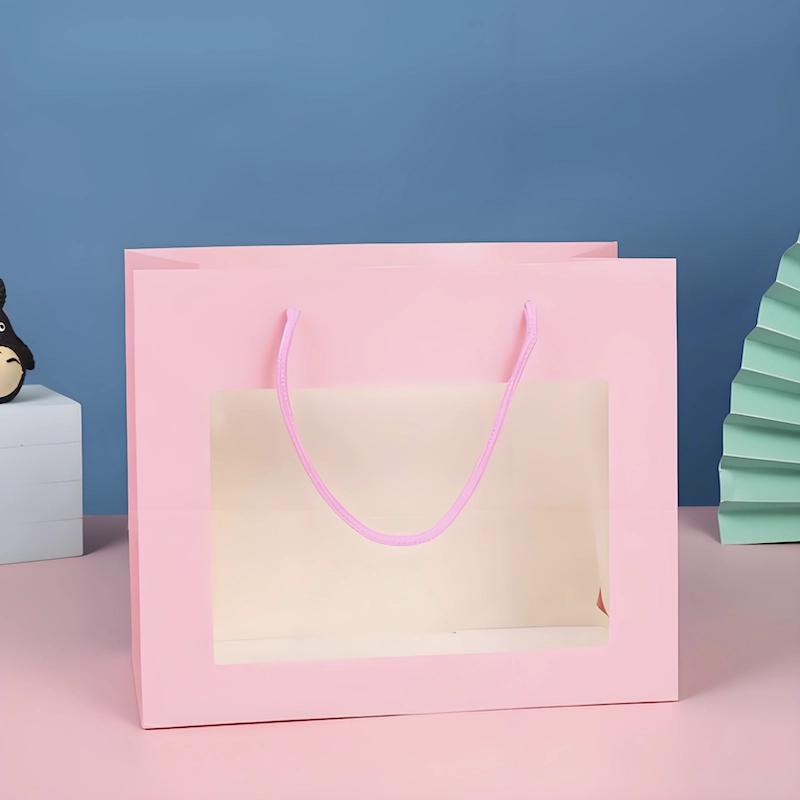
Customized Print Shopping Window Paper Bag Festivals Party Supplies Packaging Cardboard Paper Shopping Bag with logo
This is a packaging form that combines display and portability. Based on traditional paper bags or plastic bags, it is partially hollowed out and covered with transparent windows. Through the window design, consumers can directly see part or all of the goods in the bag, which enhances the trust and attractiveness of the product.
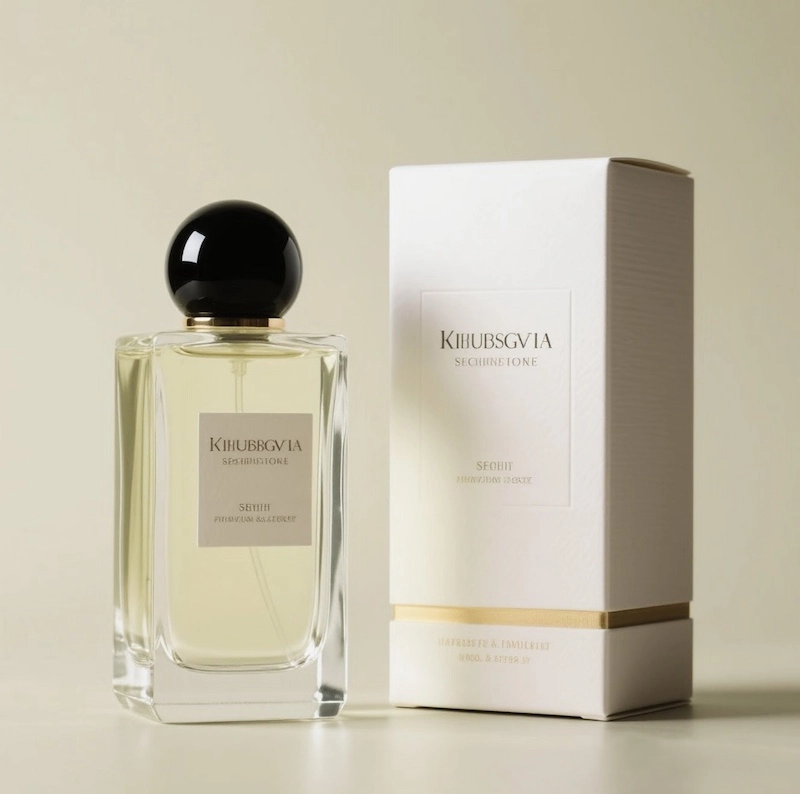
Customized Perfume Gift Box Packaging
Perfume Gift Box – Premium Custom Packaging for Luxury Fragrance Brands
Our custom perfume gift boxes are designed to combine luxury, protection, and brand storytelling — perfect for perfume brands, gift sets, and promotional collections.
Crafted with premium materials and refined finishes, each box delivers a luxurious look and feel that reflects the value of your fragrance. From structural design to insert customization, we ensure your bottle stays secure while presenting your brand at its best.
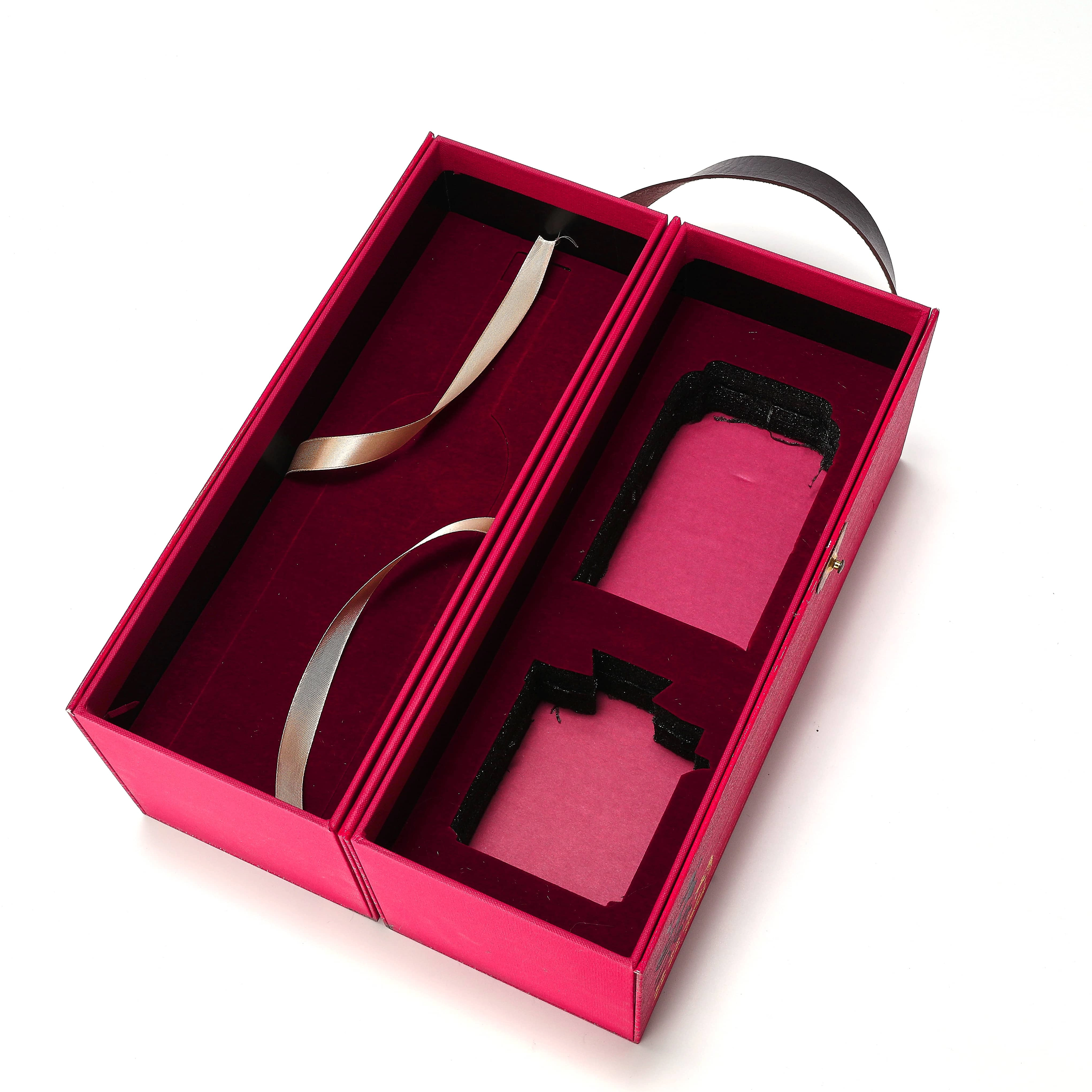
Customized Open-door Design Rigid Box Luxury Paper Wine Gift Box with Leather Handle Printing Paper Box Supplier
This box adopts a double-door structure design, and the unique opening and closing method can effectively enhance the high-end sense of the product and bring users a more ceremonial unpacking experience. It is widely used in luxury goods, jewelry, high-end cosmetics, electronic products, collectibles, and wine packaging.

Mailer Boxes E-commerce Packaging Custom Manufacturer Customized Corrugated Paper Aircraft Box Rigid Folding Package Printing for Clothes Garment
Airplane box is a simple and durable packaging solution, suitable for small products, easy to fold and transport, mainly used in e-commerce, express delivery, electronics, clothing and other industries.
© 2025 WINPACK PRINTING. All rights reserved

Wenhua Printing packaging
winpackprinting
Winpack Printing