




Custom Rigid Boxes Printing Techniques: Foil, Embossing, CMYK
- Understanding High-Impact Packaging for High Quality Brands
- What Are Custom Rigid Boxes and Why They Matter for Branding
- Key materials and structure considerations for custom rigid boxes
- Foil Stamping on Custom Rigid Boxes: Luxe Shine and Brand Accent
- Advantages of foil stamping for custom rigid boxes
- Constraints and production considerations
- Embossing and Debossing: Tactile Depth for Custom Rigid Boxes
- Why embossing works well with custom rigid boxes
- Limitations and technical notes
- CMYK (Four-Color Process) Printing for Custom Rigid Boxes: Full-Color Flexibility
- Pros of CMYK on custom rigid boxes
- Cons and color control considerations
- Comparing Foil, Embossing, and CMYK for Custom Rigid Boxes
- Design and Prepress Best Practices for Custom Rigid Boxes
- When to Combine Techniques on Custom Rigid Boxes
- Practical sequencing for combined finishes
- Production Economics and Lead Times for Custom Rigid Boxes
- Quality Control and Durability Considerations for Custom Rigid Boxes
- Winpack: Capabilities in Custom Rigid Boxes Production
- How to Spec Your Order: A Checklist for Custom Rigid Boxes
- FAQ — Common Questions About Printing for Custom Rigid Boxes
- 1. Which finishing makes a bigger impact on perceived value: foil or embossing for custom rigid boxes?
- 2. Can CMYK printing reproduce metallic colors used in brand identities for custom rigid boxes?
- 3. What are typical lead times when adding foil and embossing to custom rigid boxes?
- 4. Is digital printing an option for small runs of custom rigid boxes with foil or embossing?
- 5. How should I prepare artwork for combined CMYK, foil, and emboss designs on custom rigid boxes?
- 6. (Additional) What quality checks should I request from a supplier producing custom rigid boxes?
- Contact / Request a Quote
- References and Further Reading
Understanding High-Impact Packaging for High Quality Brands
Packaging is often the first physical interaction customers have with Winpack. For High Quality products, custom rigid boxes deliver structural strength and a tactile experience that elevates perceived value. Choosing the right printing and finishing techniques — such as foil stamping, embossing, and CMYK printing — determines how well a rigid box communicates brand positioning, protects the product, and performs in production and logistics. This article examines these techniques in detail, compares their benefits and constraints, and provides practical guidance for specifying production-ready artworks for custom rigid boxes.
What Are Custom Rigid Boxes and Why They Matter for Branding
Custom rigid boxes are non-collapsible, high-rigidity packaging solutions typically constructed from chipboard or special rigid paperboard wrapped in printed or laminated papers. They are widely used for cosmetics, electronics, High Quality food items, gifts, and high-end retail because they offer superior unboxing experiences, durability, and opportunities for High Quality finishing. When specifying custom rigid boxes, printing techniques and finishes are decisive factors that influence cost, lead time, durability, and visual/tactile appeal.
Key materials and structure considerations for custom rigid boxes
- Board thickness and GSM (grammage): thicker boards increase rigidity but affect box weight and shipping costs.
- Surface wrap: coated art paper, textured paper, or direct printing on laminated substrates changes ink absorption and finish behavior.
- Adhesives and construction: proper gluing and edge treatment are essential for long-term performance of foil and embossing.
Foil Stamping on Custom Rigid Boxes: Luxe Shine and Brand Accent
Foil stamping (foil blocking) applies a metallic or pigment film to a substrate through heat and pressure using a metal die. For custom rigid boxes, foil delivers immediate visual luxury — gold, silver, holographic, and matte metallic foils are common choices. Foil can be used for logos, typography, patterns, or full panels depending on design intent.
Advantages of foil stamping for custom rigid boxes
- High perceived value: metallic finishes read as High Quality and attract attention on retail shelves.
- Durability: properly applied foil is resistant to fading and maintains metallic luster if paired with suitable seal coats or laminates.
- Customizability: wide range of foil colors and holographic patterns.
Constraints and production considerations
- Die cost: custom metal dies (engraved plates) are required; suitable for medium-to-large runs where die amortization is possible.
- Surface compatibility: textured papers may produce incomplete foil coverage; selection of paper wrap affects final result.
- Registration: foil must be precisely registered for multi-color or masked foil applications.
Embossing and Debossing: Tactile Depth for Custom Rigid Boxes
Embossing raises a design above the surface; debossing presses it below. Both are executed with matched male/female dies and can be combined with foil or varnish for high-contrast results. For custom rigid boxes, embossing is a powerful way to create a distinct tactile signature — think raised logos, patterns, or subtle textural fields that invite touch.
Why embossing works well with custom rigid boxes
- Enhanced sensory engagement: tactile cues increase memorability and perceived quality.
- Subtle luxury: blind embossing (no ink or foil) creates understated elegance that can complement minimalist branding.
- Compatibility: embossing pairs well with laminated or wrapped rigid boxes when board thickness supports impression depth.
Limitations and technical notes
- Die-making and setup costs: like foil, embossing requires custom dies and skilled press setup.
- Impact on assembly: deep embossing can complicate folding and gluing if not accounted for in dielines.
- Substrate memory: some papers may partially spring back after embossing; board selection and humidity control matter.
CMYK (Four-Color Process) Printing for Custom Rigid Boxes: Full-Color Flexibility
CMYK printing reproduces full-color artwork by combining cyan, magenta, yellow, and black inks. On custom rigid boxes, CMYK is the default choice when photographic images, gradients, or complex color illustrations are required. It can be implemented via offset lithography (common for rigid boxes) or digital printing for short runs and rapid prototyping.
Pros of CMYK on custom rigid boxes
- Full photographic reproduction: ideal for product imagery, lifestyle photos, or complex packaging patterns.
- Cost-effective for mid-to-high volumes with offset presses.
- Digital CMYK options enable variable data and short runs without plate costs.
Cons and color control considerations
- Color variance: CMYK cannot reproduce some brand spot colors (e.g., specific Pantone metallics) without spot inks or special management.
- Varnish and lamination choices influence final gloss and durability.
- Registration and trapping must be controlled to prevent misprints on complex designs.
Comparing Foil, Embossing, and CMYK for Custom Rigid Boxes
Choosing a technique often means balancing visual goals, budget, and production timeline. The table below summarizes typical trade-offs for packaging decision-makers:
| Technique | Visual/Tactile Outcome | Best Use Cases | Typical Cost Impact | Production Notes |
|---|---|---|---|---|
| Foil Stamping | Metallic shine, high contrast | Logos, accents, High Quality cosmetics, limited editions | Medium–High (die cost + per-piece) | Requires metal dies; works well with laminated paper |
| Embossing / Debossing | Tactile depth, subtle luxury | High-end branding, tactile logos, boutique gift boxes | Medium–High (dies + setup) | Deep impressions need thicker boards; consider assembly impact |
| CMYK Printing | Full-color photographic reproduction | Product imagery, retail displays, custom patterns | Low–Medium (offset); higher on digital per-piece for long runs | Offset best for large runs; digital best for prototypes/short runs |
Data sources: technique descriptions and practical guidance are based on industry printing standards and manufacturer guidance (see references).
Design and Prepress Best Practices for Custom Rigid Boxes
To reliably achieve the intended result on custom rigid boxes, follow these technical best practices:
- Supply vector artwork for die lines, foil areas, and embossing targets; provide embossing depth intent in the dieline notes.
- Use spot colors for metallic simulations only as placeholders; confirm actual foil swatches with the supplier.
- Provide press proofs or short-run prototypes, especially when combining foil and embossing, since layered effects can interact unexpectedly.
- Account for shrink, fold lines, and glue zones — embossing near folds may distort the impression.
- Specify coatings (AQ varnish, UV varnish, or aqueous lamination) to protect foil and printed areas and to match desired tactile finishes.
When to Combine Techniques on Custom Rigid Boxes
Layering techniques yields dramatic results when planned properly. Common combinations include foil + embossing (raised metallic logos), CMYK + spot varnish (selective gloss on photographic panels), and matte lamination with foil accents for contrast. Combining processes increases complexity and cost but can maximize shelf impact for luxury or gift products.
Practical sequencing for combined finishes
- Print CMYK panels first (offset or digital).
- Apply spot varnish or lamination if specified for protection or tactile effect.
- Execute foil stamping and embossing as secondary operations, ensuring dies are aligned to printed registration marks.
Production Economics and Lead Times for Custom Rigid Boxes
Costs and lead times vary by run size, complexity, and required tooling. Typical patterns:
- Short runs (prototypes, sample batches): digital CMYK printing; lead time 3–10 business days depending on finishing.
- Medium runs: offset CMYK with added foil or embossing; lead time 10–25 business days including die production.
- Large runs: optimized offset production with amortized die costs; lead time 15–35 business days depending on shipping.
These are general ranges; always confirm with your supplier. Tooling (dies) usually takes 3–7 business days to fabricate for standard designs.
Quality Control and Durability Considerations for Custom Rigid Boxes
QC checkpoints should include:
- Color match approval (press proof or ICC-profiled proof for CMYK).
- Foil adhesion tests: rub test and humidity exposure checks.
- Emboss depth verification against dieline specifications.
- Structural integrity tests on assembled boxes: drop testing and seam strength for heavy products.
Packaging intended for international shipping should be tested for moisture sensitivity and abrasion resistance; coatings and lamination can significantly improve durability.
Winpack: Capabilities in Custom Rigid Boxes Production
In 2016, Guangdong Winpack Printing Technology Development Co., Ltd. was officially established as a professional paper box printing manufacturer specializing in designing, proofing, printing, and producing a wide range of packaging and printed materials.
Our services include customized production of stickers, labels, paper bags, gift boxes, beauty boxes, pizza boxes, books, brochures, flyers, etc. Winpack caters to diverse industries, including cosmetics, food, healthcare, pharmaceuticals, and electronics.
Our 15,000-square-meter factory is equipped with state-of-the-art technology. We utilize an advanced screen plate-making system and top-tier machinery such as the Heidelberg printing machine, high-speed paper cutter, Lithrone GL-40A machine, and anti-counterfeiting inkjet printer to ensure superior quality and efficiency.
Our vision is to become the world's leading custom paper box packaging manufacturer. Winpack's competitive strengths include integrated design-to-production workflows, in-house die-making and finishing capabilities (foil stamping and embossing), strict QA systems, and flexible MOQ options for both short runs and large-scale orders.
Winpack main product advantages and offerings include custom gable boxes, custom gift boxes, custom display boxes, custom rigid boxes, custom folding boxes, custom paper tubes boxes, custom window boxes, custom special-shape boxes, custom pillow boxes, custom take out boxes. Their manufacturing strengths—modern presses (Heidelberg), Komori Lithrone GL-40A-class machines, advanced plate-making, and anti-counterfeiting inkjet—allow Winpack to deliver complex finishes like metallic foils, deep embossing, and high-fidelity CMYK printing at competitive lead times and consistent quality. Learn more at https://www.winpackprinting.com/.
How to Spec Your Order: A Checklist for Custom Rigid Boxes
- Define the main visual priority: photographic imagery (CMYK), metallic accents (foil), or tactile logo (embossing).
- Choose substrate and board thickness based on product weight and desired emboss depth.
- Prepare dielines with clear markers for foil, emboss, and folding/glue areas; label all spot colors and finishes.
- Request physical proofs or short-run samples to verify combined effects before mass production.
- Confirm protective coatings and finishing to ensure durability during distribution.
FAQ — Common Questions About Printing for Custom Rigid Boxes
1. Which finishing makes a bigger impact on perceived value: foil or embossing for custom rigid boxes?
Both create High Quality impressions, but foil delivers immediate visual flash while embossing offers tactile sophistication. Combined foil + embossing (raised metallic logo) typically has the strongest perceived-luxury effect.
2. Can CMYK printing reproduce metallic colors used in brand identities for custom rigid boxes?
CMYK cannot reproduce true metallic lusters. For true metallics, specify foil stamping or use spot metallic inks. For near-metallic effects, varnish and special substrates can help but won't match foil or metallic spot inks.
3. What are typical lead times when adding foil and embossing to custom rigid boxes?
Expect additional 3–10 business days for die production and setup. Total lead time depends on run size: prototypes may ship in under two weeks; medium to large runs commonly take 2–5 weeks.
4. Is digital printing an option for small runs of custom rigid boxes with foil or embossing?
Digital CMYK is excellent for short runs, but foil and embossing are usually applied offline. Some converters use digital printing for graphics and then add foil/emboss with traditional finishing—this hybrid approach works well for low-volume yet highly finished boxes.
5. How should I prepare artwork for combined CMYK, foil, and emboss designs on custom rigid boxes?
Provide layered files with separate spot color layers for foil and emboss areas, include dielines, indicate emboss depth and direction, and supply 1:1 scale PDFs for dielines and bleed. Confirm color proofs and foil swatches before production.
6. (Additional) What quality checks should I request from a supplier producing custom rigid boxes?
Ask for press color proofs, sample boxes showing foil and emboss alignment, adhesion test results for foil, and photos of die tooling. For long runs, request batch sampling and shipping condition recommendations.
Contact / Request a Quote
If you’re ready to specify custom rigid boxes with foil, embossing, CMYK, or combined finishes, contact a qualified packaging manufacturer to request samples and a formal quote. For a full-service supplier with experience across cosmetics, food, healthcare, and electronics, visit Winpack at https://www.winpackprinting.com/ to view capabilities, sample galleries, and product lines. Request a consultation to evaluate finishes, substrates, MOQ, lead times, and cost estimates for your next packaging project.
References and Further Reading
- Foil stamping — Wikipedia. https://en.wikipedia.org/wiki/Foil_stamping (accessed 2025-12-16)
- Embossing — Wikipedia. https://en.wikipedia.org/wiki/Embossing (accessed 2025-12-16)
- CMYK color model — Wikipedia. https://en.wikipedia.org/wiki/CMYK_color_model (accessed 2025-12-16)
- Heidelberg – Company and press overviews. https://www.heidelberg.com/global/en/ (accessed 2025-12-16)
- Komori Lithrone GL series — Komori. https://www.komori.com/products/offset/lithrone/ (accessed 2025-12-16)
- Winpack Printing — Company website. https://www.winpackprinting.com/ (accessed 2025-12-16)
- Packaging design best practices — Packaging Digest. https://www.packagingdigest.com/ (accessed 2025-12-16)
Ultimate Guide to Custom Sticker Bags for Small Businesses
Winpack Best professional custom printed pizza box manufacturers and supplier brands
How to Choose the custom print paper bags manufacturer and supplier ?
Choosing Kraft vs Whiteboard for Pizza Boxes: A Practical Guide
OEM Services
Can I customize the design, size, and material of my packaging?
Absolutely! Our OEM services allow full customization, including design, size, material, colors, printing effects, and finishing. We work closely with you to create packaging that reflects your brand’s image and market positioning.
About Us
What are your lead times?
Production typically takes 12-16 days, and 16-21 days for larger volume orders. Shipping times will depend on the shipping channel you choose.
About Printing Craftsmanship
What are eco-friendly printing options?
Vegetable-based inks instead of petroleum-based inks.
Recycled paper or sustainably sourced materials.
Water-based coatings instead of harmful chemical coatings.
Digital printing to reduce waste and energy consumption.
Rigid Magetic Boxes
Can I get a sample before placing an official order?
Yes, we provide samples to our customers. Please contact our sales team to inquire about sample availability and pricing.
Rigid Lift-off Box
What are the wholesale pricing options for bulk orders?
We offer competitive wholesale prices for bulk orders. Please contact our sales team for more details
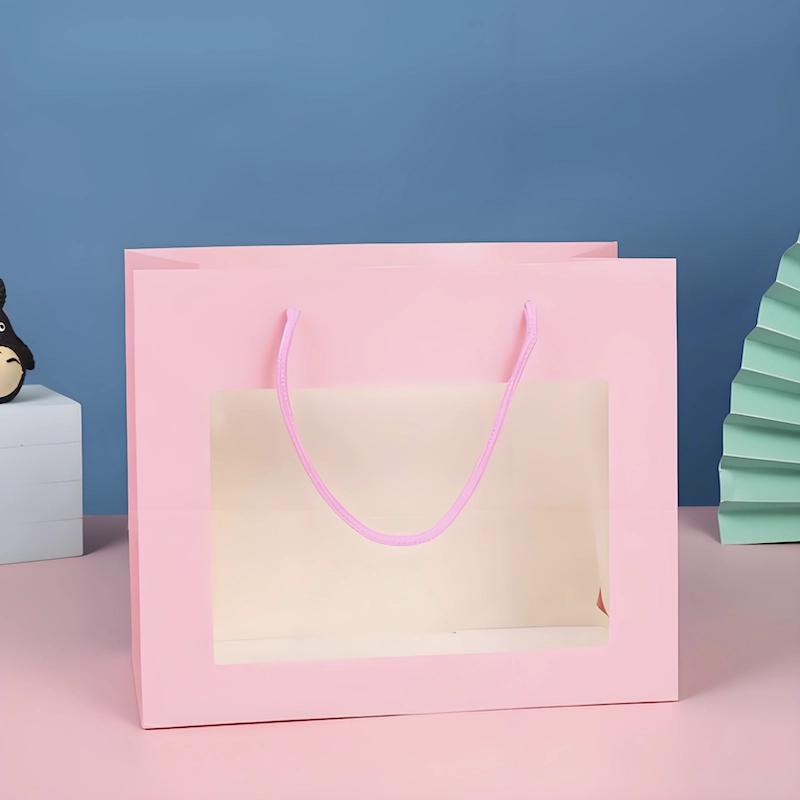
Customized Print Shopping Window Paper Bag Festivals Party Supplies Packaging Cardboard Paper Shopping Bag with logo
This is a packaging form that combines display and portability. Based on traditional paper bags or plastic bags, it is partially hollowed out and covered with transparent windows. Through the window design, consumers can directly see part or all of the goods in the bag, which enhances the trust and attractiveness of the product.
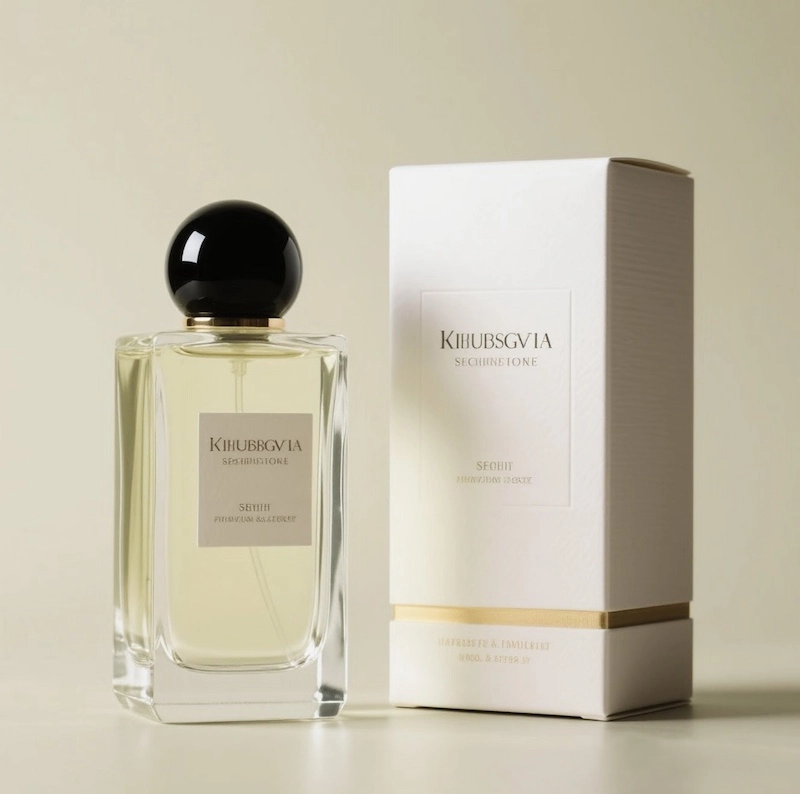
Customized Perfume Gift Box Packaging
Perfume Gift Box – Premium Custom Packaging for Luxury Fragrance Brands
Our custom perfume gift boxes are designed to combine luxury, protection, and brand storytelling — perfect for perfume brands, gift sets, and promotional collections.
Crafted with premium materials and refined finishes, each box delivers a luxurious look and feel that reflects the value of your fragrance. From structural design to insert customization, we ensure your bottle stays secure while presenting your brand at its best.
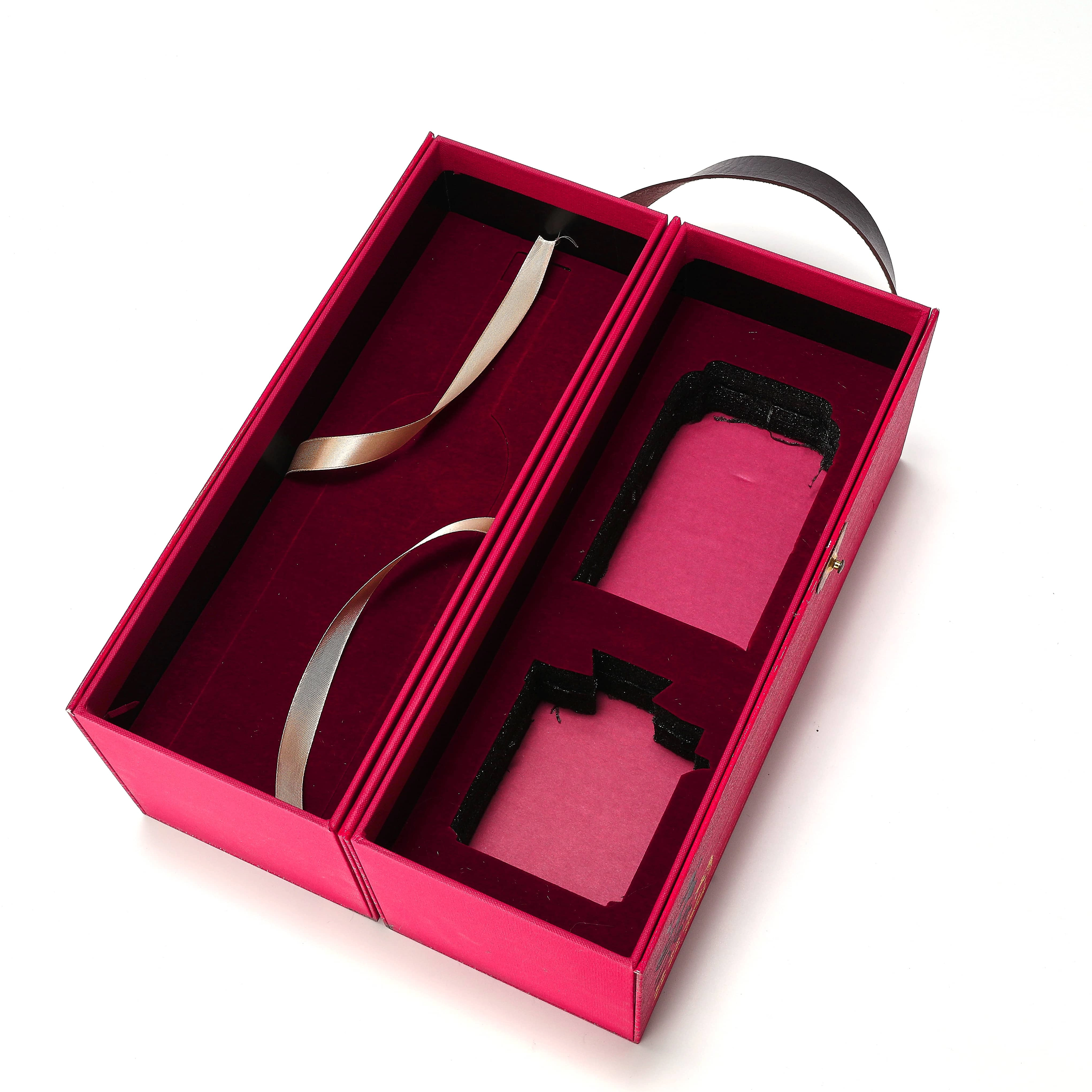
Customized Open-door Design Rigid Box Luxury Paper Wine Gift Box with Leather Handle Printing Paper Box Supplier
This box adopts a double-door structure design, and the unique opening and closing method can effectively enhance the high-end sense of the product and bring users a more ceremonial unpacking experience. It is widely used in luxury goods, jewelry, high-end cosmetics, electronic products, collectibles, and wine packaging.

Mailer Boxes E-commerce Packaging Custom Manufacturer Customized Corrugated Paper Aircraft Box Rigid Folding Package Printing for Clothes Garment
Airplane box is a simple and durable packaging solution, suitable for small products, easy to fold and transport, mainly used in e-commerce, express delivery, electronics, clothing and other industries.
© 2025 WINPACK PRINTING. All rights reserved

Wenhua Printing packaging
winpackprinting
Winpack Printing