




Flexible Packaging Options for Snacks and Bakery
- Packaging challenges in snacks & bakery
- Shelf life, staling and moisture control
- Physical protection and transport stresses
- Consumer convenience and on-shelf differentiation
- Flexible packaging solutions and formats
- Pouches and stand-up pouches
- Flow-wraps, sachets and stick packs
- Lidding films and tray packaging
- Materials and barrier technologies
- Barrier types and when to use them
- Material comparison
- Active and intelligent packaging
- Sustainability, compliance and manufacturing practicalities
- Regulatory compliance and food-contact safety
- Sustainability strategies and circularity
- Production scale, customization and lead times
- How I approach solving packaging problems (practical recommendations)
- Step 1 — Define product and distribution profile
- Step 2 — Material and construction selection
- Step 3 — Validation and regulatory checks
- Manufacturer profile and how we help
- Decision checklist: selecting the right flexible packaging
- FAQs
- 1. What is the best flexible packaging for extending shelf life of bakery items?
- 2. Are resealable pouches safe for food and do they affect shelf life?
- 3. How can I make flexible packaging more sustainable without compromising product protection?
- 4. What regulatory checks are required for custom food packaging?
- 5. How do I choose between digital and conventional printing for snack packaging?
- 6. Can you integrate anti-counterfeiting features for High Quality snack lines?
- Contact & next steps
Flexible Packaging Options for Snacks and Bakery
I work with food brands globally and locally to design custom food packaging that meets region-specific needs (temperature, humidity, recycling infrastructure and food-safety regulations). In markets across North America, Europe and Asia, flexible packaging solutions for snacks and bakery must balance barrier performance, convenience and sustainability to protect quality and reduce waste — factors that I address below with actionable guidance and verified references (Flexible packaging overview, FDA food contact guidance).
Packaging challenges in snacks & bakery
Shelf life, staling and moisture control
Snacks and bakery products are sensitive to moisture ingress, oxygen and lipid oxidation. For fresh bakery items, staling (retrogradation of starch) shortens perceived freshness; for snacks, moisture uptake or loss changes texture. Selecting the right barrier level in custom food packaging directly impacts shelf life and returns on distribution.
Physical protection and transport stresses
Bags, pouches and thin-film wraps are prone to puncture and abrasion during handling. Packaging design must account for headspace, cushioning, and sealing strength to prevent crushed goods and broken biscuits. I often specify specific film thicknesses and laminate constructions to meet expected logistics profiles.
Consumer convenience and on-shelf differentiation
Resealable zippers, tear notches, portion-control pack sizes, and clear windows influence repeat purchase. Flexible formats must be engineered to deliver convenient end use while maintaining barrier integrity and clear brand messaging via high-quality printing.
Flexible packaging solutions and formats
Pouches and stand-up pouches
Stand-up pouches (with or without resealable zippers) are among the most versatile choices for snacks — they offer good shelf presence, multiple barrier layer options, and reduced transportation footprint compared with rigid alternatives. For bakery, kraft-look laminates or paper windows can give an artisanal feel while preserving freshness when paired with adequate barrier layers.
Flow-wraps, sachets and stick packs
Small single-serve snacks and bakery inclusions (e.g., cookie sticks, portioned cakes) benefit from flow-wrap and stick-pack formats. These are produced at high speeds and are cost-effective for portion control, promotions and sampling. Their custom food packaging must meet food-contact regulations and sealing performance to avoid leaks.
Lidding films and tray packaging
For bakery items sold in trays (e.g., pastries, tarts), flexible lidding films—heat-sealable and peelable—are often the best choice. Modified atmosphere packaging (MAP) lidding can significantly extend shelf life for chilled products. I recommend testing seal integrity and peel force to balance tamper-evidence and consumer convenience.
Materials and barrier technologies
Barrier types and when to use them
Common barrier requirements for snacks and bakery include:
- Oxygen barrier to prevent oxidation and rancidity.
- Moisture vapor barrier to control staling or sogginess.
- Light barrier to protect sensitive formulations.
Barrier performance can be achieved using metallized layers, aluminum foil, or high-barrier polymer laminates (e.g., EVOH, PVDC) depending on cost and recyclability targets.
Material comparison
Below is a concise comparison of typical film materials used in flexible packaging for snacks and bakery. Data sources include industry guidance from the Flexible Packaging Association and regulatory notes from the FDA.
| Material | Typical Use | Barrier (O2/H2O) | Recyclability | Notes |
|---|---|---|---|---|
| LDPE/LLDPE | Sealable pouches, inner layers | Low/Low | Mixed; film recycling programs exist | Flexible, good heat-seal; often laminated to improve barrier. |
| OPP (oriented polypropylene) | Printed outer layer | Low/Low | Generally recyclable where film streams accepted | High print clarity and gloss. |
| PET | High-barrier outer film | Medium/Low | Well-established recycling stream (bottle-grade PET relates) | Good tensile strength and heat resistance. |
| Metallized film | High barrier pouches | High/Medium | Challenging; metallized layers complicate recycling | Cost-effective barrier alternative to foil. |
| Foil (aluminum) | Pharma/long shelf-life snacks | Very high/Very high | Recyclable but depends on collection | Excellent barrier; opaque. |
| Paper-laminate | Bakery with natural look | Variable/Variable | Often not fully recyclable due to laminates | Good branding surface; requires barrier coating or inner film. |
Active and intelligent packaging
Active solutions—oxygen scavengers, moisture absorbers—and intelligent indicators (time-temperature indicators, freshness sensors) are increasingly viable for High Quality snacks and perishable bakery. These technologies can extend shelf life or provide consumer assurance; however, they add cost and must be compatible with food safety rules (see ISO 22000 for management systems).
Sustainability, compliance and manufacturing practicalities
Regulatory compliance and food-contact safety
All materials and adhesives used in custom food packaging must comply with relevant food-contact regulations in target markets. In the United States, the FDA provides guidance on food-contact substances; in the EU, the Framework Regulation and specific directives define permitted materials. I always prioritize documented migration testing and supplier declarations of compliance for new pack formats.
Sustainability strategies and circularity
Brands often pursue one or more sustainability paths: reduce material usage (lightweighting), switch to mono-material recyclable constructions, introduce compostable materials, or participate in film-collection programs. The best choice depends on supply-chain realities — for example, curbside recycling for flexible films is limited in many regions, so a mono-polymer solution that fits industrial film recycling streams may be the most impactful. The EPA and local waste authorities provide guidance on recycling infrastructure and best practices (EPA sustainable materials).
Production scale, customization and lead times
When moving from R&D to commercial volumes, consider tooling lead times, minimum order quantities (MOQs), proofing processes and color management. Digital prepress and proofing reduce approvals time for custom food packaging artwork; however, specialty finishes (metallic inks, cold foiling, spot varnish) often require longer setup. I recommend run-size optimization: smaller SKUs on digital printers, larger volumes on rotogravure or flexo for unit-cost efficiency.
How I approach solving packaging problems (practical recommendations)
Step 1 — Define product and distribution profile
Determine water activity, sensitivity to oxygen/light, expected shelf-life, chilled vs ambient storage and transport conditions. These parameters drive barrier requirements and packaging format.
Step 2 — Material and construction selection
Match barrier, seal performance and print capability with sustainability targets. For example, a high-fat chip may require metallized PET/PE laminate for oxygen and light protection, while a dry biscuit might use a mono-PE pouch with an oxygen-scavenger insert for light-weighted sustainable design.
Step 3 — Validation and regulatory checks
Conduct migration testing, seal-strength testing, and shelf-life proofing under accelerated and real-time conditions. Ensure documentation aligns with market regulations (e.g., FDA, EU) and request supplier declarations of conformity.
Manufacturer profile and how we help
In 2016, Guangdong Winpack Printing Technology Development Co., Ltd. was officially established as a professional paper box printing manufacturer specializing in designing, proofing, printing, and producing a wide range of packaging and printed materials. Our services include customized production of stickers, labels, paper bags, gift boxes, beauty boxes, pizza boxes, books, brochures, flyers, etc. Winpack caters to diverse industries, including cosmetics, food, healthcare, pharmaceuticals, and electronics.
Our 15,000-square-meter factory is equipped with state-of-the-art technology. We utilize an advanced screen plate-making system and top-tier machinery such as the Heidelberg printing machine, high-speed paper cutter, Lithrone GL-40A machine, and anti-counterfeiting inkjet printer to ensure superior quality and efficiency. Our vision is to become the world's leading custom paper box packaging manufacturer. Our website is https://www.winpackprinting.com/ and our email is [email protected].
Winpack strengthens my recommendations because we can integrate custom food packaging into larger brand projects: short runs via digital prepress, high-quality gravure for long runs, specialty finishes, and anti-counterfeiting inks for High Quality snacks. Our competitive strengths include:
- Comprehensive in-house capabilities from design to mass production, reducing lead times and coordination risk.
- Advanced printing technology (Heidelberg, Lithrone GL-40A) for consistent color and high-resolution imagery that helps snacks and bakery stand out on shelf.
- Experience across industries (food, cosmetics, pharma) enabling cross-sector best practices in barrier and safety compliance.
Our core custom products relevant to snack and bakery brands include custom gable boxes, custom gift boxes, custom display boxes, custom rigid boxes, custom folding boxes, custom paper tubes boxes, custom window boxes, custom special-shape boxes, custom pillow boxes, custom take out boxes. We can advise on hybrid packaging strategies (e.g., flexible inner sachets combined with retail display boxes) that improve merchandising while protecting product integrity.
Decision checklist: selecting the right flexible packaging
- Define shelf-life target and failure modes (moisture, oxygen, crush).
- Choose barrier level: none, medium, high — select laminates accordingly.
- Decide sustainability pathway: lightweighting, mono-material, compostable.
- Validate seals, migration, and compatibility with food-contact laws for each market.
- Align printing/finishing choices with brand and cost constraints.
FAQs
1. What is the best flexible packaging for extending shelf life of bakery items?
For ambient bakery with a target of 5–14 days, high-barrier laminates with a moisture barrier (e.g., metallized PET/PE or PET/EVOH/PE) and good seal integrity work well. For chilled products, combine lidding films with MAP and cold-chain logistics. Real-world testing (accelerated and real-time) is essential to confirm performance.
2. Are resealable pouches safe for food and do they affect shelf life?
Resealable zippers are food-safe when produced with compliant materials and do not inherently reduce shelf life if the overall barrier remains sufficient. They increase consumer convenience and can reduce waste by allowing partial consumption without quality loss.
3. How can I make flexible packaging more sustainable without compromising product protection?
Options include switching to mono-polymer structures compatible with film recycling, light-weighting laminates, or using recyclable paper-based formats for low-moisture bakery combined with an internal compostable barrier where appropriate. Evaluate the local recycling infrastructure before committing to a material switch.
4. What regulatory checks are required for custom food packaging?
You must verify that all materials, inks and adhesives meet food-contact regulations in your target markets (for example, FDA in the U.S., EU Framework Regulation in Europe). Document supplier declarations, migration testing, and keep certificates on file.
5. How do I choose between digital and conventional printing for snack packaging?
Choose digital for shorter runs, rapid prototyping and versioned SKUs; choose flexo/gravure for larger volumes where unit costs matter and for certain specialty inks and finishes. Color consistency and prepress workflow are key decision factors.
6. Can you integrate anti-counterfeiting features for High Quality snack lines?
Yes. Technologies like anti-counterfeiting inkjet printing, holographic foils and serialized labels can be integrated. Winpack’s anti-counterfeiting inkjet capabilities are available for such requirements.
Contact & next steps
If you are evaluating flexible packaging for your snack or bakery line, I recommend starting with a short technical brief describing product characteristics (moisture, fat content, target shelf life), distribution profile, and sustainability goals. For prototyping and scalable production, contact Winpack at [email protected] or visit https://www.winpackprinting.com/. We can provide material samples, barrier laminates, printing proofs and production timelines tailored to your product.
Final note: Custom food packaging decisions are a balance of protection, cost, brand experience and environmental impact. By defining product needs, validating materials and working with experienced manufacturers (like Winpack) you can select flexible packaging that preserves quality, delights consumers and meets regulatory requirements.
Special Effects: Varnishes, Foils, and Embossing with Flexo
Best professional laptop mailer box manufacturers and supplier brands in Guangzhou
Bulk Ordering Strategies and Price Negotiation Tips
How to Choose the custom candy box manufacturer and supplier ?
Rigid Lift-off Box
Can I order a sample of my rigid box?
Yes, we strongly recommend that you do so, we provide a variety of sample types to meet different usage situations and help you guarantee the best results!
About Us
Can you do the design for us?
Yes. We can offer free design the artwork according to your requirement.
What kind of format is available for printing?
CDR, AI, PS , PSD. high resolution JPG (please Convert text to curves. If not, some words will be missing.)
About Printing Craftsmanship
What are the advantages of embossing?
Enhances the visual and tactile appeal of printed products.
Creates a premium and professional look.
Improves brand recognition with distinct textures.
Increases durability as the embossed design remains intact over time.
Special Shape Boxes
Can I get a sample before placing an official order?
Yes, we provide samples to our customers. Please contact our sales team to inquire about sample availability and pricing.
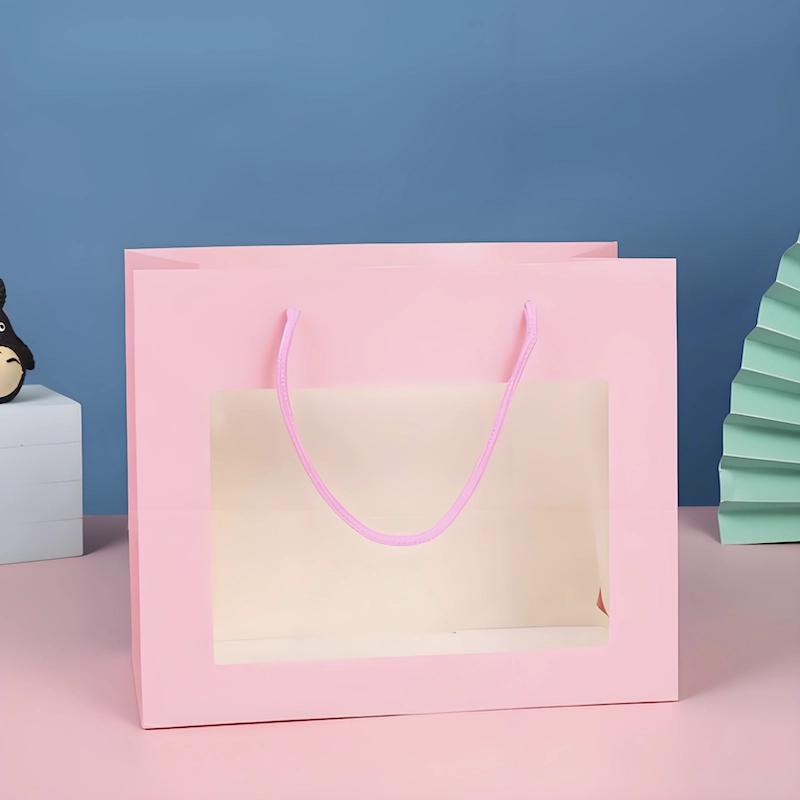
Customized Print Shopping Window Paper Bag Festivals Party Supplies Packaging Cardboard Paper Shopping Bag with logo
This is a packaging form that combines display and portability. Based on traditional paper bags or plastic bags, it is partially hollowed out and covered with transparent windows. Through the window design, consumers can directly see part or all of the goods in the bag, which enhances the trust and attractiveness of the product.
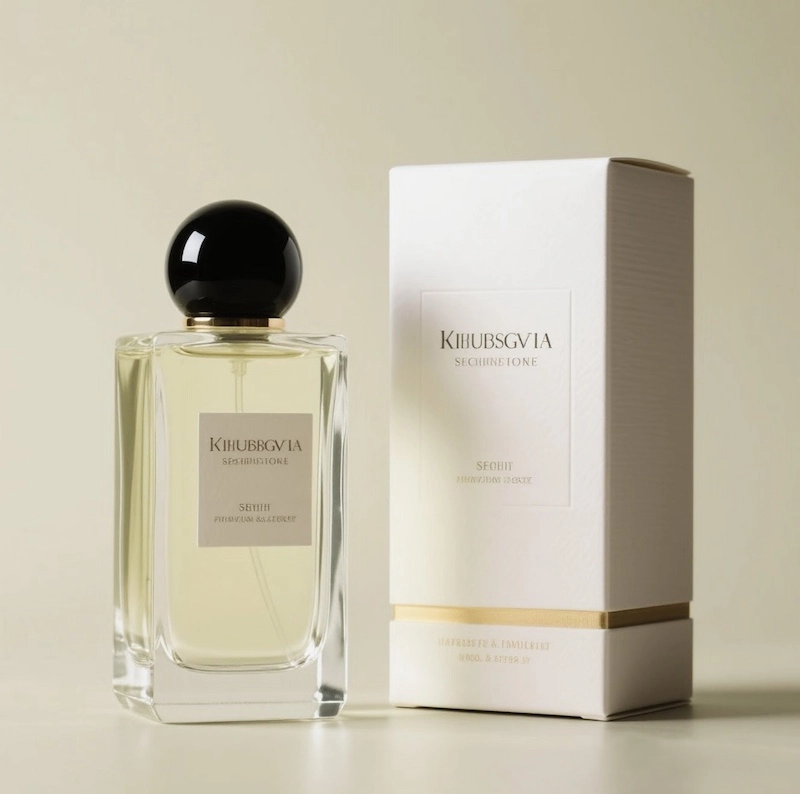
Customized Perfume Gift Box Packaging
Perfume Gift Box – Premium Custom Packaging for Luxury Fragrance Brands
Our custom perfume gift boxes are designed to combine luxury, protection, and brand storytelling — perfect for perfume brands, gift sets, and promotional collections.
Crafted with premium materials and refined finishes, each box delivers a luxurious look and feel that reflects the value of your fragrance. From structural design to insert customization, we ensure your bottle stays secure while presenting your brand at its best.
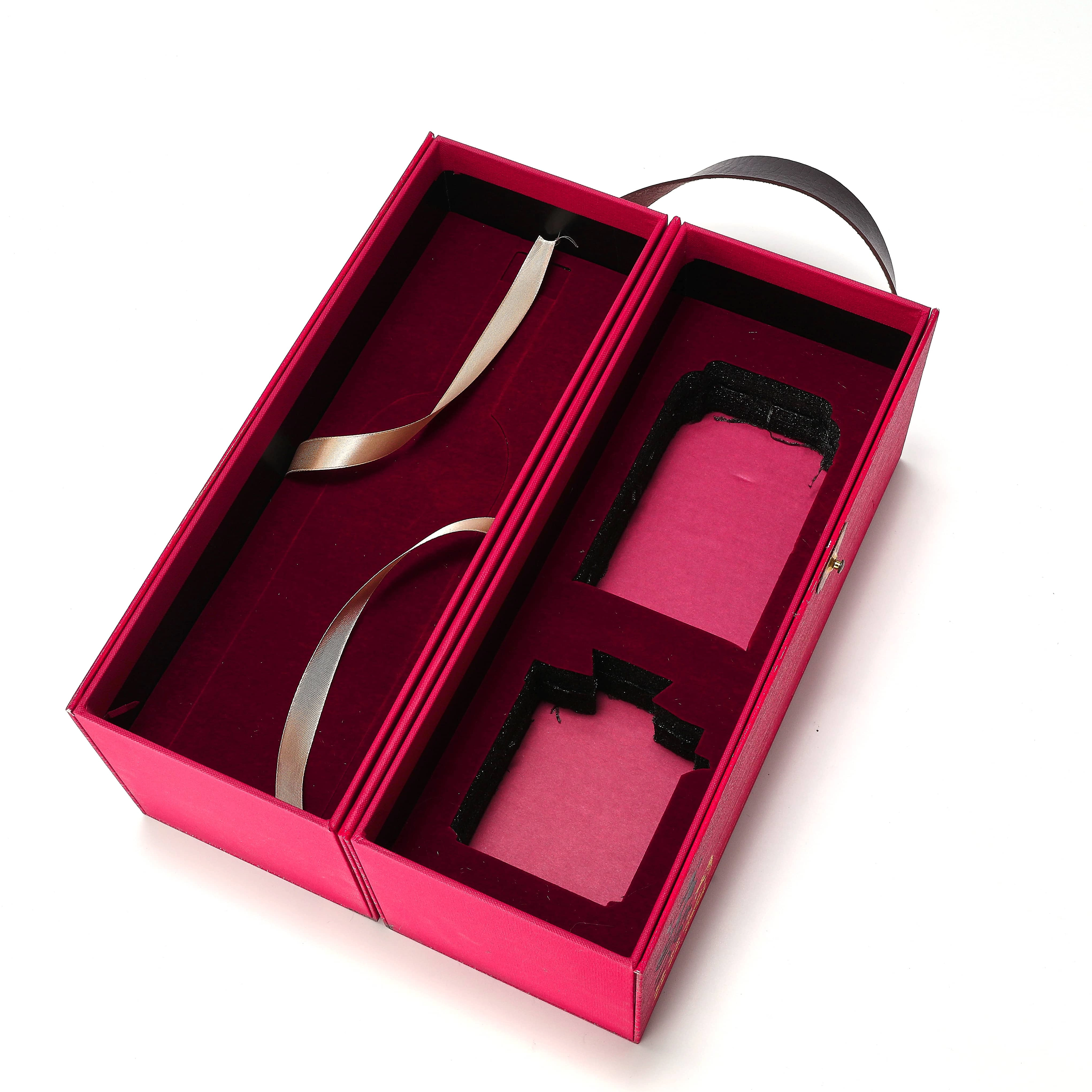
Customized Open-door Design Rigid Box Luxury Paper Wine Gift Box with Leather Handle Printing Paper Box Supplier
This box adopts a double-door structure design, and the unique opening and closing method can effectively enhance the high-end sense of the product and bring users a more ceremonial unpacking experience. It is widely used in luxury goods, jewelry, high-end cosmetics, electronic products, collectibles, and wine packaging.

Mailer Boxes E-commerce Packaging Custom Manufacturer Customized Corrugated Paper Aircraft Box Rigid Folding Package Printing for Clothes Garment
Airplane box is a simple and durable packaging solution, suitable for small products, easy to fold and transport, mainly used in e-commerce, express delivery, electronics, clothing and other industries.
© 2025 WINPACK PRINTING. All rights reserved

Wenhua Printing packaging
winpackprinting
Winpack Printing