




Protective Design: Reducing Damage with Mailer Box Structures
- Why packaging fails: common causes and consequences
- Transit impacts and compression
- Environmental factors: moisture, temperature, and time
- Poor fit, voids and inadequate cushioning
- Design principles for protective mailer boxes
- Material selection: paperboard, corrugated, and rigid options
- Structural features that absorb and distribute energy
- Cushioning strategy: internal vs external protection
- Testing, standards and practical validation
- Key tests and metrics to validate mailer box performance
- Design of experiments: pilot runs and A/B testing
- Standards and regulations
- Implementation, costs and supplier collaboration
- Cost-benefit analysis: quantifying savings
- Working with manufacturers: from concept to scalable production
- Operational integration: packing lines and fulfillment
- Manufacturer profile and practical next steps
- Working with a proven custom packaging partner
- Factory capability and technology
- Product range and competitive strengths
- FAQ — Frequently asked questions
- 1. What makes a mailer box ‘protective’?
- 2. How do I determine whether to use single-wall or double-wall corrugated?
- 3. How should I test a new mailer box design?
- 4. Will better protection always increase packaging cost?
- 5. How can I balance sustainability with protective design?
- 6. How do I choose a manufacturer to produce protective mailer boxes?
- Next steps and contact
Summary: Mailer boxes are the frontline defense between your product and the hazards of supply chains. Protective design — combining the right materials, structural features, internal supports, and validated testing — reduces damage, lowers returns and chargebacks, and improves customer experience. This guide explains why damage happens, what design levers work, how to test and quantify protection, and how to implement solutions at scale for e-commerce, retail and B2B shipments.
Why packaging fails: common causes and consequences
Transit impacts and compression
Most damage occurs because packages experience impacts, drops, vibration and compressive loads during handling, sortation and stacking. Repeated small shocks can cause abrasion or micro-failures while single large impacts can crush or puncture products. Compressive failure of a box is a major cause of damage in stacked pallets.
Standards and test protocols classify these hazards; for example, the International Safe Transit Association (ISTA) provides test procedures that simulate real-world distribution environments (ISTA).
Environmental factors: moisture, temperature, and time
Humidity and moisture degrade paper-based packaging strength and cushioning performance. Temperature changes can affect adhesives, inks and some product materials. Exposure to moisture during transit can reduce corrugated board strength by up to 50% in severe conditions, accelerating failure under load (Corrugated fiberboard — Wikipedia).
Poor fit, voids and inadequate cushioning
Products that shift inside a box transmit impact forces directly rather than being decoupled by cushioning. Choosing the correct tray, partition, or void-fill system and ensuring a snug inner fit is often the simplest way to reduce damage. The right mailer box structure integrates internal protection to reduce the need for loose packing material, improving sustainability and unboxing experience.
Design principles for protective mailer boxes
Material selection: paperboard, corrugated, and rigid options
Mailer boxes are typically made from paperboard (folding cartons), single-wall or double-wall corrugated fiberboard, or rigid set-up boxes. Selection depends on product fragility, weight and the distribution environment. Key metrics include edge crush test (ECT) and board caliper (thickness):
| Material | Typical ECT or strength | Best use |
|---|---|---|
| Single-wall corrugated | 32–44 ECT (typical) | Light-medium duty e-commerce mailers, cost-sensitive shipments |
| Double-wall corrugated | 44–70 ECT (typical) | Heavier items, long-distance or palletized distribution |
| Folding carton (paperboard) | Lower stacking strength (depends on caliper) | Retail-ready packaging, protected inner product or local delivery |
| Rigid set-up box | High perceived quality; strength depends on construction | Luxury items where presentation and moderate protection are needed |
Sources: corrugated fiberboard properties and common ECT references (Wikipedia), packaging engineering practice.
Structural features that absorb and distribute energy
Good mailer box design uses flaps, reinforced corners, integrated partitions, and engineered crush zones to control deformation paths. Examples include:
- Double-locking bottoms for stacking stability.
- Cross-bracing inner partitions to keep products separated and immobilized.
- Integrated die-cut inserts and bulkheads that reduce material movement and improve shock absorption.
These structural additions often add little cost compared to the savings from fewer returns and damaged-goods claims.
Cushioning strategy: internal vs external protection
Choose between integrated cushioning (foam inserts, molded pulp trays, paper pads) and loose-fill systems. Integrated cushioning optimized with CAD reduces packing time and ensures consistent protection, while loose-fill can adapt to variable SKUs. For sustainable options, consider molded pulp or recycled kraft paper over plastic bubble or foam where possible.
Testing, standards and practical validation
Key tests and metrics to validate mailer box performance
Laboratory testing mimics distribution hazards and should be used to validate design choices. Important tests include:
- Compression (box compression test, BCT) — measures stacking strength.
- Drop and impact tests — simulate handling drops from typical heights.
- Vibration testing — evaluates product stability over time and transport vibration.
Use recognized test protocols such as those from ISTA (ISTA) and consider certification for high-volume or high-risk SKUs. Testing provides quantifiable metrics (e.g., acceptable drop height without damage, reduction in failure rate) that can be used in supplier agreements.
Design of experiments: pilot runs and A/B testing
Before rolling out a new mailer box, run pilot shipments and A/B test existing vs redesigned packaging. Track return rates, customer-reported damage, and inspect returned items to identify failure modes. This operational data is crucial for calculating ROI (see next section) and making iterative improvements.
Standards and regulations
Packaging for specific industries (pharmaceuticals, food, hazardous materials) must meet additional regulatory requirements. For general distribution safety and performance testing, consult ISTA standards and packaging references (ISTA), and for material properties see documentation on corrugated fiberboard (Wikipedia).
Implementation, costs and supplier collaboration
Cost-benefit analysis: quantifying savings
Protective design has upfront costs (higher-grade board, die-cut inserts, design time) but reduces variable costs tied to damage: returns processing, replacements, customer refunds, and brand reputation loss. A simple ROI approach:
- Measure current damage rate and average cost per damage incident (replacement + logistics + handling).
- Estimate reduction in damage rate after design change (pilot/A-B test results).
- Compare incremental packaging cost per unit vs expected savings.
Example table (illustrative):
| Metric | Current | After protective design |
|---|---|---|
| Damage rate | 3.5% | 0.9% |
| Avg cost per damage | $45 | $45 |
| Packaging cost per unit | $0.90 | $1.40 |
| Net savings per 10,000 units | — | ~$9,600 (illustrative) |
Note: values above are illustrative. Use your operational data or pilot test outcomes for accurate ROI.
Working with manufacturers: from concept to scalable production
Partnering with an experienced manufacturer helps translate design concepts into production-ready dielines, tools and efficient supply agreements. Key collaboration steps:
- Share product dimensions, weight, fragility profile and expected distribution environment.
- Agree on prototyping iterations and testing responsibilities.
- Plan for order quantities, lead times, and contingencies for seasonal demand.
Operational integration: packing lines and fulfillment
Designs should consider packing speed and automation. Integrated inserts that are quick to place or customizable mailer boxes sized to specific SKUs reduce pack time and error rates. If packaging requires manual insert placement, include time-and-motion in ROI calculations.
Manufacturer profile and practical next steps
Working with a proven custom packaging partner
In 2016, Guangdong Winpack Printing Technology Development Co., Ltd. was officially established as a professional paper box printing manufacturer specializing in designing, proofing, printing, and producing a wide range of packaging and printed materials. Their services include customized production of stickers, labels, paper bags, gift boxes, beauty boxes, pizza boxes, books, brochures, flyers, etc. Winpack caters to diverse industries, including cosmetics, food, healthcare, pharmaceuticals, and electronics.
Factory capability and technology
Winpack operates a 15,000-square-meter factory equipped with state-of-the-art technology. They utilize an advanced screen plate-making system and top-tier machinery such as the Heidelberg printing machine, high-speed paper cutter, Lithrone GL-40A machine, and anti-counterfeiting inkjet printer to ensure superior quality and efficiency. Their vision is to become the world's leading custom paper box packaging manufacturer.
Product range and competitive strengths
Winpack provides tailored protective solutions across a wide product range including custom gable boxes, custom gift boxes, custom display boxes, custom rigid boxes, custom folding boxes, custom paper tubes boxes, custom window boxes, custom special-shape boxes, custom pillow boxes, and custom take out boxes. Key differentiators include:
- Integrated design-to-production workflow that shortens development cycles.
- Advanced printing and finishing options that combine protection with brand presentation.
- Ability to produce both decorative and functional elements (inserts, partitions, anti-counterfeiting inks).
Contact and website: https://www.winpackprinting.com/, email: [email protected]
FAQ — Frequently asked questions
1. What makes a mailer box ‘protective’?
A protective mailer box combines the appropriate material strength (corrugated or rigid board), internal support (inserts, partitions, cushioning), and structural design (reinforced flaps, locking closures) validated by tests (compression, drop, vibration) to reduce the likelihood of product damage during distribution.
2. How do I determine whether to use single-wall or double-wall corrugated?
Assess item weight, fragility, palletization and distance in the supply chain. Single-wall is often sufficient for small, non-fragile goods and short domestic routes. Double-wall is recommended for heavier items, long hauls or when pallet stacking is expected. Use BCT and ECT metrics as decision inputs; see corrugated properties (Wikipedia).
3. How should I test a new mailer box design?
Start with ISTA-guided tests: compression (BCT), drop tests, and vibration. Run pilot shipments to collect real-world data. A/B testing against your current packaging and tracking damage rates and costs yields the most actionable validation (ISTA).
4. Will better protection always increase packaging cost?
Not necessarily. Some protective features (better fit, optimized inserts) can increase unit packaging costs slightly but reduce damage-related expenses substantially. The net effect is often positive when you account for replacements, returns processing, and customer lifetime value.
5. How can I balance sustainability with protective design?
Sustainability and protection can coexist: use recycled kraft corrugated, molded pulp inserts, and right-size boxes to reduce voids. Designing for recyclability, minimizing plastics, and using materials with high post-consumer recycled content lowers environmental impact while maintaining protection.
6. How do I choose a manufacturer to produce protective mailer boxes?
Choose a manufacturer with proven design expertise, testing capability, and appropriate production technology. Evaluate sample prototypes, ask for production quality references, and ensure they can meet your lead times and certifications. Companies like Winpack (see above) support end-to-end custom solutions from proofing to printing and production.
Next steps and contact
To reduce damage with mailer boxes, start with a risk assessment of your SKUs, run a prototype and testing program (ISTA or equivalent), and measure pilot shipment results. If you need a manufacturing partner to design and produce protective, branded mailer boxes at scale, consider contacting Winpack for custom solutions tailored to cosmetics, food, pharmaceuticals, electronics and more.
Explore product options or request a quote at https://www.winpackprinting.com/ or email [email protected] for technical consultation and samples. Protect your shipments, reduce returns, and improve customer satisfaction with thoughtfully engineered mailer boxes.
Best professional custom print paper bags manufacturers and supplier brands in Guangzhou
Top 10 custom paper box Manufacturers and Supplier Brands
Eco-Friendly Custom Mailer Boxes: Materials and Certifications
Top 10 window box packaging Manufacturers and Supplier Brands
Special Shape Boxes
How long does it usually take from design confirmation to delivery?
The lead time is usually 15-25 days, depending on the production of the order
What are the wholesale pricing options for bulk orders?
We offer competitive wholesale prices for bulk orders. Please contact our sales team for more details
Rigid Lift-off Box
What are the wholesale pricing options for bulk orders?
We offer competitive wholesale prices for bulk orders. Please contact our sales team for more details
How long does it usually take from design confirmation to delivery?
The lead time is usually 15-25 days, depending on the production of the order
About Printing Craftsmanship
What are the advantages of embossing?
Enhances the visual and tactile appeal of printed products.
Creates a premium and professional look.
Improves brand recognition with distinct textures.
Increases durability as the embossed design remains intact over time.
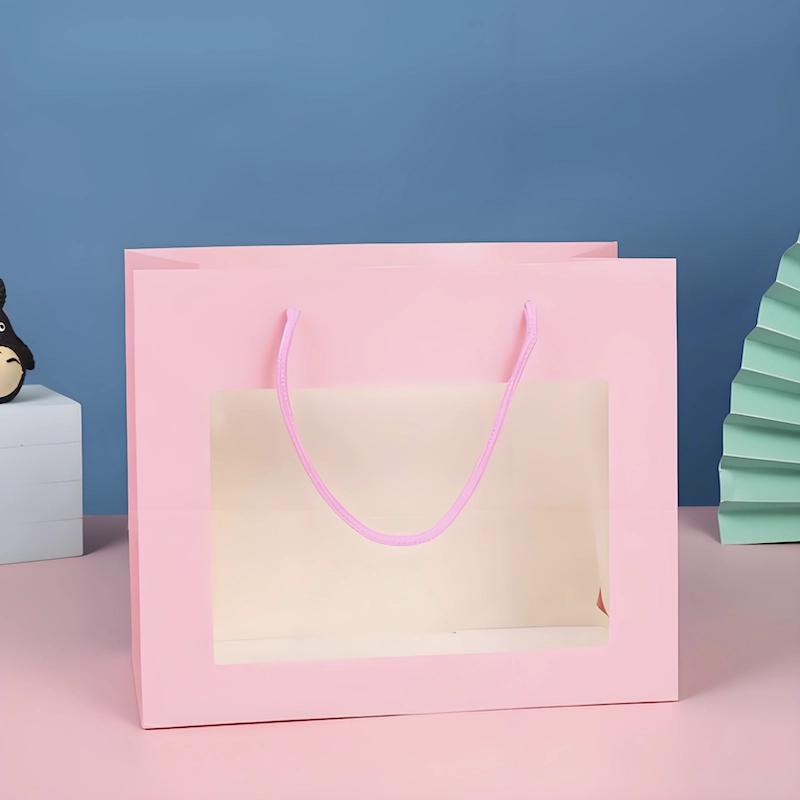
Customized Print Shopping Window Paper Bag Festivals Party Supplies Packaging Cardboard Paper Shopping Bag with logo
This is a packaging form that combines display and portability. Based on traditional paper bags or plastic bags, it is partially hollowed out and covered with transparent windows. Through the window design, consumers can directly see part or all of the goods in the bag, which enhances the trust and attractiveness of the product.
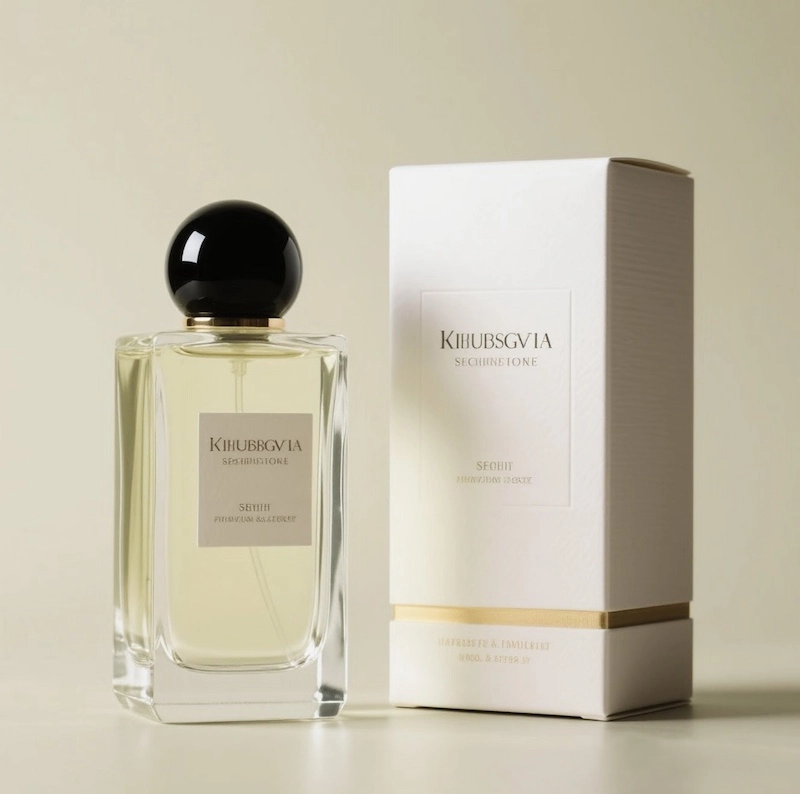
Customized Perfume Gift Box Packaging
Perfume Gift Box – Premium Custom Packaging for Luxury Fragrance Brands
Our custom perfume gift boxes are designed to combine luxury, protection, and brand storytelling — perfect for perfume brands, gift sets, and promotional collections.
Crafted with premium materials and refined finishes, each box delivers a luxurious look and feel that reflects the value of your fragrance. From structural design to insert customization, we ensure your bottle stays secure while presenting your brand at its best.
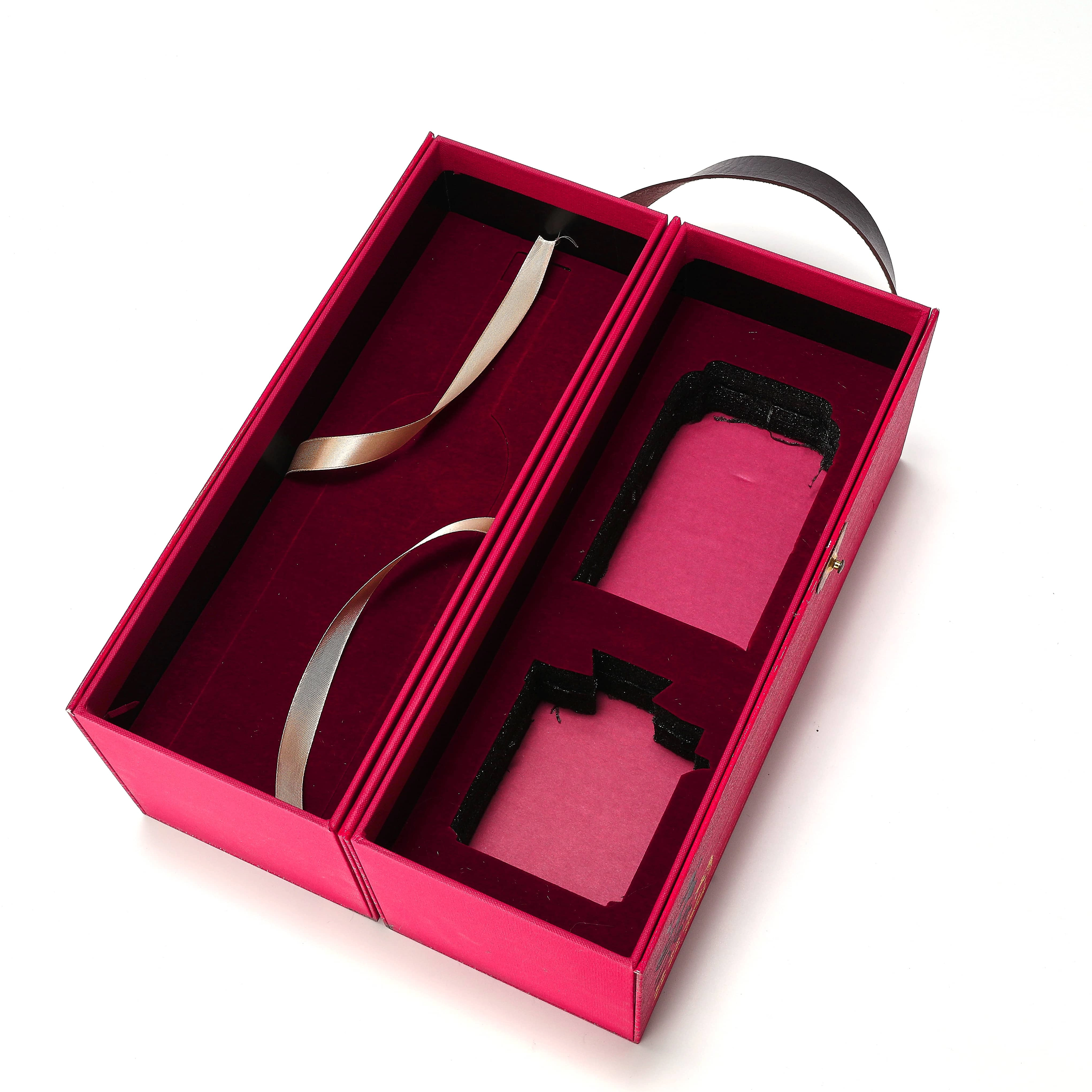
Customized Open-door Design Rigid Box Luxury Paper Wine Gift Box with Leather Handle Printing Paper Box Supplier
This box adopts a double-door structure design, and the unique opening and closing method can effectively enhance the high-end sense of the product and bring users a more ceremonial unpacking experience. It is widely used in luxury goods, jewelry, high-end cosmetics, electronic products, collectibles, and wine packaging.

Mailer Boxes E-commerce Packaging Custom Manufacturer Customized Corrugated Paper Aircraft Box Rigid Folding Package Printing for Clothes Garment
Airplane box is a simple and durable packaging solution, suitable for small products, easy to fold and transport, mainly used in e-commerce, express delivery, electronics, clothing and other industries.
© 2025 WINPACK PRINTING. All rights reserved

Wenhua Printing packaging
winpackprinting
Winpack Printing