




From Prototype to Production: The Custom Packaging Manufacturer Workflow
- Understanding packaging project requirements
- Define product, use-case and regulatory constraints
- Establish KPIs: cost, lead time, runs and sustainability
- Customer journey mapping and shelf impact
- Design and prototyping
- Structural design: dielines, materials and tests
- Prototyping: digital mockups to functional samples
- User testing and fit checks
- Pre-press, proofs and regulatory compliance
- Artwork preparation and color management
- Proof types: soft proof, contract proof, press proof
- Regulatory and safety documentation
- From press to fulfillment: production, QA and logistics
- Printing technologies: choosing the right method
- Finishing and embellishments
- Quality assurance and acceptance criteria
- Scaling production and supply chain considerations
- Tooling, lead times and MOQs
- Sourcing and materials risk management
- Fulfillment and packaging for transit
- Measuring success and continuous improvement
- Post-production reviews and scorecards
- Sustainability metrics and circularity
- Technology and automation
- Case example: Technology choices and outcomes
- Winpack: capabilities and why I recommend them
- Frequently Asked Questions (FAQ)
- 1. How long does it take to go from prototype to production?
- 2. What determines whether I should use digital or offset printing?
- 3. How can I be sure colors will match my brand on the final box?
- 4. What quality checks should I require from my packaging supplier?
- 5. How do I reduce the risk of delays and defects?
- 6. Can sustainable materials increase my costs?
- Contact and next steps
From Prototype to Production: The Custom Packaging Manufacturer Workflow
As a custom packaging manufacturer and consultant, I’ve guided hundreds of brands from a sketch on a napkin to pallets of finished boxes. This article summarizes a reliable, standards-aware workflow that reduces risk, controls cost, and preserves brand intent. I focus on decision points where choices materially affect quality, cost, timing and regulatory compliance—so you can move confidently from prototype to production.
Understanding packaging project requirements
Define product, use-case and regulatory constraints
The first thing I ask is simple: what will the package do? Will it protect fragile electronics in transit, present luxury cosmetics on retail shelves, or deliver hot food? Answers determine material, structure, barrier requirements and finishing. For regulated industries (food, pharma, medical devices) early reference to authorities matters—see FDA packaging guidance for food contact materials (FDA) and ISO standards for medical packaging such as ISO 11607 (ISO 11607).
Establish KPIs: cost, lead time, runs and sustainability
I require clarity on target unit cost, minimum order quantity (MOQ), lead time tolerance, and sustainability goals (recyclability, FSC-certified fiber, recycled content). These KPIs determine whether digital short runs or offset/flexo long runs are appropriate. Transparency here prevents late-stage scope creep.
Customer journey mapping and shelf impact
Packaging must meet functional needs and brand expression. I map the end-user touchpoints—unboxing, shelf, e-commerce shipping—to prioritize structure, print effects, and unboxing experience. For shelf-facing items, dieline and artwork fidelity become critical; for e-commerce, crush-resistance and postage optimization gain priority.
Design and prototyping
Structural design: dielines, materials and tests
Structural design starts with a dieline and material selection. I create a vector dieline with clear bleed, fold, and glue areas, and then select board grade (SBS, CCNB, recycled), GSM, and internal fluting if corrugated. I run simple strength calculations and, when needed, transit simulation tests with an ISTA protocol (ISTA). For barrier or food contact requirements I cross-check with FDA and relevant ISO standards.
Prototyping: digital mockups to functional samples
Prototyping has phases: digital mockup (3D render for visual verification), flat proofing (color checking), and physical prototype (cut, fold, glue). I prefer producing a functional prototype that matches the intended material and finishing—nothing reveals structural issues faster than a physical mock-up under real-use conditions.
User testing and fit checks
Before prepress I recommend fit checks with actual products, as well as quick user tests for unboxing and shelf appearance. This step often surfaces unanticipated friction points (e.g., an inner tray that’s hard to remove) and avoids costly retooling during production.
Pre-press, proofs and regulatory compliance
Artwork preparation and color management
Artwork should be set in CMYK or spot colors with appropriate color profiles (e.g., FOGRA/GRACoL), correct trapping, and vectorized dielines. I always request PDF/X-4 or equivalent print-ready files and generate high-res soft proofs. For critical brand colors, press-side color proofs or contract proofs are essential to match expectations.
Proof types: soft proof, contract proof, press proof
There are three common proofing stages: soft proofs for layout and copy, contract proofs for color verification, and press proofs (or short-run proofs) to validate physical finishing and substrate interactions. Each step reduces risk; for luxury packaging I insist on a contract proof before any die-cut tooling is produced.
Regulatory and safety documentation
For food, pharma or cosmetics packaging, compile declarations of compliance, material safety sheets, and test reports. I recommend ISO 9001-aligned document control for traceability; learn more at the ISO site (ISO 9001).
From press to fulfillment: production, QA and logistics
Printing technologies: choosing the right method
Printing choice hinges on run length, color complexity, and finishes. Below I compare common methods to guide your decision.
| Printing Method | Best for | Setup Cost | Unit Cost | Turnaround | Typical Run Length |
|---|---|---|---|---|---|
| Offset (Lithography) | High-quality color, long runs | High (plates) | Low for large runs | Medium | 5,000+ |
| Digital (Inkjet/laser) | Short runs, customization/variable data | Low | Higher per unit (small runs) | Fast | 1–5,000 |
| Flexo | Corrugated, flexible packaging, long runs | Medium | Low for long runs | Medium | 10,000+ |
Sources and further reading on printing techniques: Offset, Digital.
Finishing and embellishments
Finishing steps—varnish, aqueous coating, lamination, embossing, foil stamping and die-cutting—affect tactile appeal and durability. I always validate finishes on the target board because gloss levels and ink absorption vary with substrate. For anti-counterfeiting or serialization, incorporate inks or variable data printing where necessary.
Quality assurance and acceptance criteria
Define acceptance criteria in advance: allowable color delta (ΔE), structural tolerances, adhesion tests, and batch sampling plans. For transit-sensitive products, I recommend an ISTA-certified test protocol. Keep records for traceability and to support continuous improvement.
Scaling production and supply chain considerations
Tooling, lead times and MOQs
Tooling (die boards, cutting dies, embossing dies) represents upfront cost—expect longer lead times for custom tooling. Negotiate MOQs that match your inventory strategy; short-run digital options can reduce inventory but increase per-unit cost. I help clients model total landed cost across scenarios to make informed trade-offs.
Sourcing and materials risk management
Secure alternate suppliers for critical materials (board grades, specialty inks) and factor shipping lead times into reorder points. In my practice I maintain a risk matrix for single-source items and a two-tier approval process for changing materials mid-run.
Fulfillment and packaging for transit
Consider how packaging will be packed, palletized and shipped. Optimize box formats to maximize pallet utilization and reduce freight cost. For e-commerce, consider right-sizing to avoid dimensional weight penalties.
Measuring success and continuous improvement
Post-production reviews and scorecards
After the first production run I perform a post-mortem: quality metrics, cost variance, delivery performance and customer feedback. This informs process improvements—whether in prepress checks, subcontractor selection, or material specs.
Sustainability metrics and circularity
I track recycled content, recyclability, and carbon intensity where possible. Certifications such as FSC or chain-of-custody documentation are often necessary for B2B customers and can be used in marketing claims (verify third-party certification before public claim).
Technology and automation
ERP integration with production scheduling, automated quality inspection (camera-based color and defect detection), and digital proofs speed up iterations. Larger manufacturers that invest in automation typically achieve better on-time performance and lower defect rates over time.
Case example: Technology choices and outcomes
When a cosmetics brand approached me with a high-gloss boxed set and strict color tolerance, we chose lithographic printing with offset UV coating and foil stamping. The initial tooling cost was higher but the unit cost and color fidelity at scale delivered better margin and a superior shelf presence. For a small-batch artisanal food client, digital printed pillow boxes allowed personalization and low MOQ with same-week turnaround.
Winpack: capabilities and why I recommend them
In 2016, Guangdong Winpack Printing Technology Development Co., Ltd. was officially established as a professional paper box printing manufacturer specializing in designing, proofing, printing, and producing a wide range of packaging and printed materials. Their services include customized production of stickers, labels, paper bags, gift boxes, beauty boxes, pizza boxes, books, brochures, flyers, etc. Winpack caters to diverse industries, including cosmetics, food, healthcare, pharmaceuticals, and electronics.
Their 15,000-square-meter factory is equipped with state-of-the-art technology. They utilize an advanced screen plate-making system and top-tier machinery such as the Heidelberg printing machine, high-speed paper cutter, Lithrone GL-40A machine, and anti-counterfeiting inkjet printer to ensure superior quality and efficiency. Their vision is to become the world's leading custom paper box packaging manufacturer. Visit their website at https://www.winpackprinting.com/ or contact Shirley at [email protected].
Winpack’s core product strengths include custom gable boxes, custom gift boxes, custom display boxes, custom rigid boxes, custom folding boxes, custom paper tubes boxes, custom window boxes, custom special-shape boxes, custom pillow boxes, and custom take out boxes. Their competitive differentiators are a combination of modern equipment, vertical integration (design, proofing, printing, finishing), and experience across regulated industries—enabling them to handle complex packaging that requires tight color control and regulatory documentation.
Frequently Asked Questions (FAQ)
1. How long does it take to go from prototype to production?
Typical timelines vary: a simple prototype to production run can take 4–6 weeks if tooling already exists. Custom tooling or long-run setups often take 6–12 weeks. Expedited digital short runs can be delivered in as little as 3–7 days for small quantities.
2. What determines whether I should use digital or offset printing?
Use digital for short runs, variable data and fast turnaround. Choose offset for high-volume runs that need consistent color and cost-effective per-unit pricing. Refer to the printing comparison table above and consult your manufacturer for run-specific estimates.
3. How can I be sure colors will match my brand on the final box?
Use color standards (Pantone or defined CMYK values), request contract proofs and, if necessary, press-side proofs. Define acceptable color delta (ΔE) and include this in the acceptance criteria before production starts.
4. What quality checks should I require from my packaging supplier?
Request incoming material certificates, first-article inspection reports, batch sampling results, color proof records, and transit test results if applicable. For regulated products, include compliance documentation (MSDS, food contact declarations, test reports).
5. How do I reduce the risk of delays and defects?
Lock down specs early, approve dielines and proofs, allow time for tooling, source critical materials with lead-time buffers, and set clear acceptance criteria. A pilot short-run production can validate the process before full-scale runs.
6. Can sustainable materials increase my costs?
Sustainable substrates sometimes carry a High Quality, but they can be offset by reduced packaging weight, marketing High Qualitys, and regulatory or retailer requirements. Model total cost of ownership (material + freight + disposal) to make decisions.
Contact and next steps
If you’re ready to move a prototype into repeatable production or want a feasibility review of your packaging concept, I recommend speaking with a manufacturing partner who has full design-to-production capabilities. For reliable custom paper box manufacturing, technical proofing, and scalable production, consider contacting Winpack: https://www.winpackprinting.com/ or email Shirley at [email protected]. I can also review your brief and provide a production-readiness checklist and cost model—reach out and let’s get your packaging production-ready.
References: Packaging overview (Wikipedia), printing processes (Offset, Digital), quality standards (ISO 9001), transit testing (ISTA), and regulatory guidance (FDA).
Custom Sticker Bags vs. Labels: Which Is Better?
How Digital Printing Flexible Packaging Reduces Lead Time
Typical Production Timelines and Bottlenecks at a Custom Packaging Manufacturer
How to Choose the custom paper gift bags manufacturer and supplier ?
Special Shape Boxes
Can I get a sample before placing an official order?
Yes, we provide samples to our customers. Please contact our sales team to inquire about sample availability and pricing.
OEM Services
What is OEM packaging, and how can Winpack Printing help?
OEM (Original Equipment Manufacturer) packaging refers to custom-designed packaging solutions tailored to a brand’s specifications. At Winpack Printing, we provide end-to-end OEM services, including design, proofing, printing, and production, to help you create high-quality, market-ready packaging that aligns with your brand identity.
How long does the production process take?
Production time depends on order quantity, complexity, and customization. Generally, the process takes 7-20 days after design confirmation and sample approval. We strive for fast turnaround times while maintaining high-quality standards.
How do I get a quote for my OEM order?
To receive a custom quote, simply contact us with your packaging requirements, including:
Product type and dimensions
Material preferences
Design specifications
Order quantity
Any special requests
Our team will assess your needs and provide a competitive quote tailored to your project.
Folding Boxes
Can I get a sample before placing a formal order?
Samples usually require a certain fee, but this fee can be partially or fully refunded after the customer confirms the order.
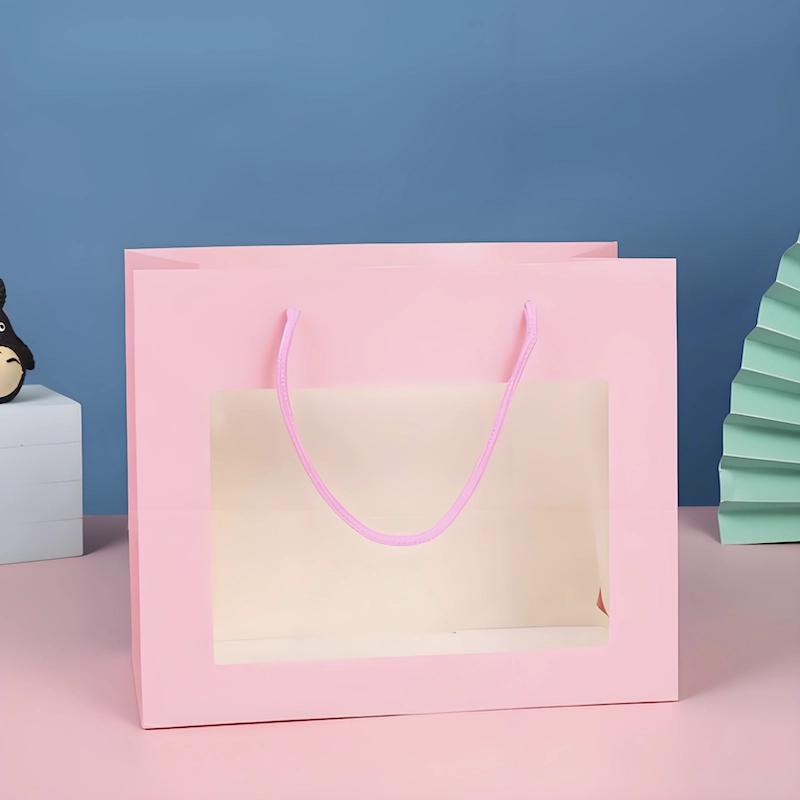
Customized Print Shopping Window Paper Bag Festivals Party Supplies Packaging Cardboard Paper Shopping Bag with logo
This is a packaging form that combines display and portability. Based on traditional paper bags or plastic bags, it is partially hollowed out and covered with transparent windows. Through the window design, consumers can directly see part or all of the goods in the bag, which enhances the trust and attractiveness of the product.
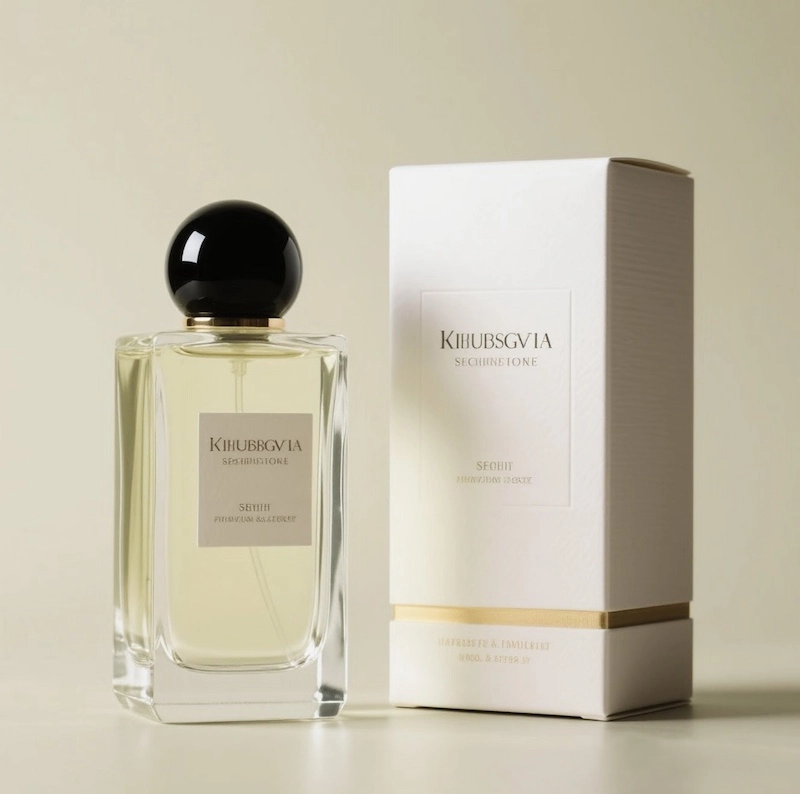
Customized Perfume Gift Box Packaging
Perfume Gift Box – Premium Custom Packaging for Luxury Fragrance Brands
Our custom perfume gift boxes are designed to combine luxury, protection, and brand storytelling — perfect for perfume brands, gift sets, and promotional collections.
Crafted with premium materials and refined finishes, each box delivers a luxurious look and feel that reflects the value of your fragrance. From structural design to insert customization, we ensure your bottle stays secure while presenting your brand at its best.
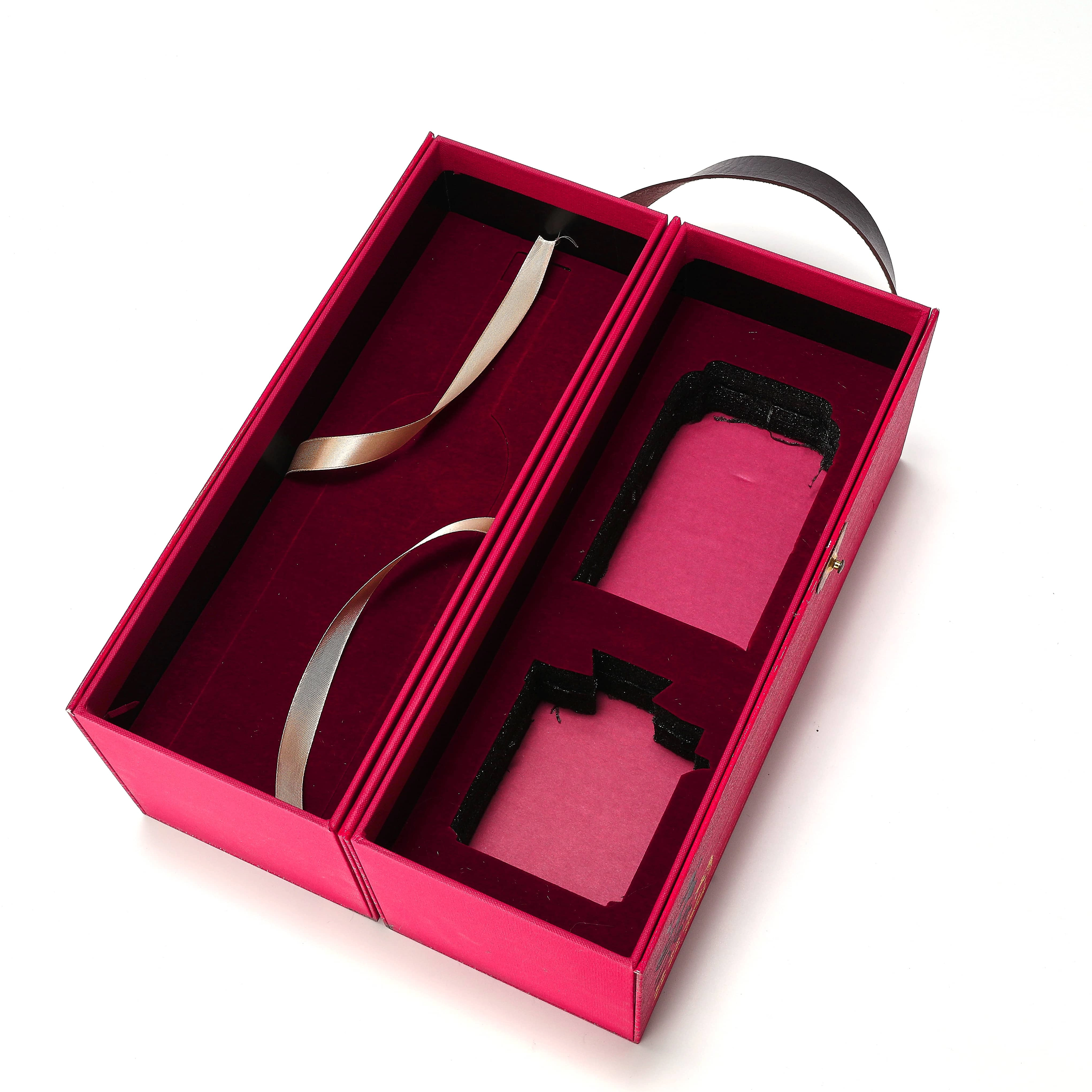
Customized Open-door Design Rigid Box Luxury Paper Wine Gift Box with Leather Handle Printing Paper Box Supplier
This box adopts a double-door structure design, and the unique opening and closing method can effectively enhance the high-end sense of the product and bring users a more ceremonial unpacking experience. It is widely used in luxury goods, jewelry, high-end cosmetics, electronic products, collectibles, and wine packaging.

Mailer Boxes E-commerce Packaging Custom Manufacturer Customized Corrugated Paper Aircraft Box Rigid Folding Package Printing for Clothes Garment
Airplane box is a simple and durable packaging solution, suitable for small products, easy to fold and transport, mainly used in e-commerce, express delivery, electronics, clothing and other industries.
© 2025 WINPACK PRINTING. All rights reserved

Wenhua Printing packaging
winpackprinting
Winpack Printing