




Scalability: Transitioning from Prototype to Full Flexo Production
- Scaling Packaging Production: From Lab Sample to High-Volume Press Runs
- Understanding the scale-up challenge
- Key metrics to measure before scaling
- Aligning business and technical objectives
- Prepress and Plate Strategy for Reliable Flexo Reproduction
- Choosing plate type and platemaking workflow
- Screen rulings, dot gain, and tonal reproduction
- Proofing and validation at prototype stage
- Pressroom Decisions: Equipment, Inks, and Workflow
- Selecting the right press for scale
- Ink systems and curing technologies
- Makeready, registration, and automation
- Quality Assurance, Cost Modeling, and Supply Chain
- Quality control systems for consistent output
- Cost modeling: When does flexo scale pay off?
- Supply chain and inventory strategies
- Operational Readiness and People
- Training and standardized work
- Maintenance, uptime, and lifecycle planning
- Continuous improvement and feedback loops
- Case Study: Bringing Flexo Scalability to Market — Winpack Example
- Company background and capabilities
- Why Winpack is relevant for scaling flexo production
- Products and differentiation
- Implementation Roadmap: From Pilot to Full-Scale Flexo
- Step-by-step checklist
- Common pitfalls and mitigation
- KPIs to track post-scale
- Frequently Asked Questions (FAQ)
- 1. What is the typical break-even run length for moving from prototype to flexo production?
- 2. How do I ensure color consistency when scaling flexo jobs?
- 3. Are UV inks always better for high-speed flexo?
- 4. How long do flexo plates typically last in production?
- 5. What investments reduce makeready time the most?
- 6. How does substrate variability affect scale-up?
- References and Further Reading
Scaling Packaging Production: From Lab Sample to High-Volume Press Runs
Understanding the scale-up challenge
Moving a packaging design from a prototype to full-scale flexographic printing is not merely increasing quantities — it is a systemic change in process controls, tooling, materials procurement, and quality assurance. The goal is to maintain or improve print fidelity, color consistency, and functionality while reducing unit cost and lead time. This requires concerted work across prepress, pressroom, finishing, and supply chain partners.
Key metrics to measure before scaling
Before you commit to a flexo production scale-up, establish baseline metrics on prototype runs: color delta (ΔE), print repeatability, makeready time, plate life, ink consumption per A-side, spoilage rate, and per-unit labor. These numbers will guide investment decisions (e.g., new plates, sleeves, or a higher-speed press) and allow you to quantify ROI.
Aligning business and technical objectives
Scalability involves trade-offs: speed vs. finish, flexibility vs. capital expenditure, and lead time vs. inventory. Define the customer's tolerance for variation (cosmetic vs. functional packaging), acceptable unit cost, and desired turnaround. With those commercial boundary conditions, the technical team can choose the right flexographic approach.
Prepress and Plate Strategy for Reliable Flexo Reproduction
Choosing plate type and platemaking workflow
Plate selection (photopolymer, elastomeric sleeves, or high-durability plates) directly affects image fidelity, plate life, and makeready. For short runs, lower-cost photopolymer plates may suffice. For sustained production, invest in higher-durability plates or sleeve systems to reduce repeat makereadies. Standardize your platemaking with robust RIP (raster image processor) settings and consistent exposure/processing recipes to reduce variability.
Screen rulings, dot gain, and tonal reproduction
Flexographic printing uses a range of anilox line counts; match the anilox LPI (lines per inch) and transfer volume to your halftone screen ruling and desired dot gain. Control tone through proper screening methods (FM or hybrid screening) and predictable dot gain compensation in prepress. Accurate ICC profiles and press characterization are critical for reproducible color across runs.
Proofing and validation at prototype stage
Include production-equivalent proofing as part of prototyping: digital press proofs often do not reflect real ink laydown and substrate interactions. Use contract proofs, press-verified proofs, or short-run trials on the actual substrate to validate color and trapping strategies prior to scaling.
Pressroom Decisions: Equipment, Inks, and Workflow
Selecting the right press for scale
Press selection should be driven by targeted run length, substrate, and finishing needs. Considerations include web width, maximum speed, repeat length, in-line varnish/coating capabilities, and registration stability. High-speed flexo presses increase throughput but require tighter controls (substrate tensioning, temperature) to maintain print quality.
Ink systems and curing technologies
Water-based, UV, and EB inks each have pros and cons. UV inks often provide faster cure, higher gloss, and better adhesion on certain substrates, reducing drying-related spoilage on high-speed lines. However, they require investment in UV curing systems and compatible substrate coatings. Select ink chemistries that match regulatory needs (e.g., food contact compliance) and production volumes to optimize cost per linear meter.
Makeready, registration, and automation
Reducing makeready time is central to cost-per-unit reduction. Modern flexo presses with automated plate loading, camera registration, and pre-register systems can drastically cut non-productive time. Implement job recipes in your MIS (management information system) to recall press settings, anilox codes, and drying profiles for repeat jobs.
Quality Assurance, Cost Modeling, and Supply Chain
Quality control systems for consistent output
Implement inline inspection (camera systems), color measurement (spectrophotometers), and SPC (statistical process control) to detect drift early. Define acceptable ΔE tolerances and create escalation protocols when measurements exceed thresholds. Keep detailed production logs to identify trends and root causes.
Cost modeling: When does flexo scale pay off?
Build a cost model including fixed costs (press depreciation, plate equipment, curing systems), variable costs (substrate, ink, plates per run, labor), and spoilage. Compare unit costs at different volumes to find your break-even run length where investment in higher-tier equipment becomes cost-effective. The table below contrasts typical parameters between prototype and full flexo production.
| Parameter | Prototype Flexo | Full Production Flexo |
|---|---|---|
| Run length | 100–5,000 units | 10,000–1,000,000+ units |
| Press speed | Low–medium (50–200 m/min) | High (200–500+ m/min) |
| Plate cost per job | Lower (cheaper plates) | Higher (durable plates/sleeves) |
| Makeready time | Longer (manual adjustments) | Shorter (automation) |
| Unit cost | Higher | Lower (economies of scale) |
| Quality stability | Variable | High (process controls) |
Supply chain and inventory strategies
As volumes grow, secure reliable substrate supplies and plate-making consumables. Implement safety stock strategies for critical items but avoid overstocking based on accurate forecast collaboration with customers. Consider vendor-managed inventory (VMI) or consignment for high-turn substrates to shorten lead times and reduce working capital.
Operational Readiness and People
Training and standardized work
Scaling requires consistent operator skills. Develop documented standard operating procedures (SOPs), train teams on critical-to-quality parameters, and run capability studies for key processes (registration, drying, cutting). Cross-train staff so that fluctuations in demand don’t cause bottlenecks.
Maintenance, uptime, and lifecycle planning
Introduce predictive maintenance for critical equipment (presses, dryers, cutters). Track MTBF/MTTR (mean time between failures/mean time to repair) and set KPIs for uptime. Planned maintenance windows minimize unplanned downtime that can derail large runs.
Continuous improvement and feedback loops
Use production data to drive Kaizen initiatives: reduce spoilage, optimize ink usage, or speed up finishing. Regularly review customer feedback and complaint trends to make systemic corrections rather than one-off fixes.
Case Study: Bringing Flexo Scalability to Market — Winpack Example
Company background and capabilities
In 2016, Guangdong Winpack Printing Technology Development Co., Ltd. was officially established as a professional paper box printing manufacturer specializing in designing, proofing, printing, and producing a wide range of packaging and printed materials. Winpack’s 15,000-square-meter factory is equipped with advanced screen plate-making systems and high-end machines such as Heidelberg presses, Lithrone GL-40A, high-speed paper cutters, and anti-counterfeiting inkjet printers. Their service scope includes customized production of stickers, labels, paper bags, gift boxes, beauty boxes, pizza boxes, books, brochures, and flyers.
Why Winpack is relevant for scaling flexo production
Winpack serves diverse industries (cosmetics, food, healthcare, pharmaceuticals, electronics) where repeatability, regulatory compliance, and brand appearance are critical. Their technical stack (high-end presses, plate-making, anti-counterfeiting inkjet) and in-house design-to-production workflow make them a compelling partner when transitioning from prototype to full flexo production. Key competitive advantages include:
- End-to-end capability: design, proofing, plate-making, printing, and finishing under one roof, which reduces lead times and improves accountability.
- Advanced equipment that supports higher-speed production and better quality control, enabling effective scale-up.
- Industry focus and portfolio: deep experience with sectors that demand strict color and regulatory control (cosmetics, pharmaceuticals).
Products and differentiation
Winpack specializes in a broad assortment of custom boxes: custom gable boxes, custom gift boxes, custom display boxes, custom rigid boxes, custom folding boxes, custom paper tubes, custom window boxes, custom special-shape boxes, custom pillow boxes, and custom take-out boxes. These product lines highlight Winpack’s ability to move from bespoke prototypes into repeatable production with strong finishing capabilities and anti-counterfeit features where required.
Visit Winpack: https://www.winpackprinting.com/
Implementation Roadmap: From Pilot to Full-Scale Flexo
Step-by-step checklist
- Document prototype metrics (ΔE, spoilage, makeready, plate life).
- Conduct short-run validation on production-equivalent equipment and substrate.
- Choose final plate/anilox/ink combination based on validated trials.
- Estimate costs and determine break-even run length for investment in automation or higher-tier plates.
- Implement SOPs, recipes, and training for repeatability.
- Deploy inline QC, SPC charts, and escalation protocols.
- Scale incrementally: increase run-size in stages while monitoring KPIs.
Common pitfalls and mitigation
Common errors include underestimating substrate variability, ignoring curing compatibility, and skipping production-equivalent proofing. Mitigations include tighter supplier specs, cross-department sign-offs before scale, and staged ramp-up with clear go/no-go decisions.
KPIs to track post-scale
Key metrics are unit cost, first-pass yield, ΔE stability, average makeready time, press uptime, and on-time delivery. Monitor these weekly during ramp-up and monthly once stable.
Frequently Asked Questions (FAQ)
1. What is the typical break-even run length for moving from prototype to flexo production?
Break-even depends on equipment, substrate, and plate costs. Generally, runs above ~10,000 units justify investment in higher-durability plates and greater automation, but short-run economics are improving with modern plate technology and more efficient presses. Use a tailored cost model to determine your specific threshold.
2. How do I ensure color consistency when scaling flexo jobs?
Develop an ICC-based color management workflow, characterize your press with spectrophotometer data, use stable ink formulations, and implement inline color measurement with SP C controls and clear ΔE targets.
3. Are UV inks always better for high-speed flexo?
UV inks cure quickly and can reduce spoilage and improve surface properties, but they require compatible substrates and proper curing equipment. Regulatory and cost considerations (e.g., food contact restrictions) may limit their use in some applications.
4. How long do flexo plates typically last in production?
Plate life varies by material, press conditions, and job complexity. Durable photopolymer plates or sleeve systems can last tens of thousands to hundreds of thousands of impressions in controlled environments; lower-cost plates used for prototypes may wear out much sooner.
5. What investments reduce makeready time the most?
Automated plate loading, camera-based pre-registration, and equipment that supports job recipe recall produce the largest reductions in makeready. Training and SOPs also reduce time by ensuring consistent operator actions.
6. How does substrate variability affect scale-up?
Substrate differences in porosity, caliper, surface energy, and moisture affect ink absorption, dot gain, and registration. Locking down substrate specs and qualifying multiple suppliers reduces risk when scaling.
For project inquiries, proofing samples, or to evaluate production capabilities for custom packaging, contact Winpack: https://www.winpackprinting.com/. Request a consultation to review prototypes, discuss press options, and get a tailored cost model for scaling your flexographic production.
References and Further Reading
- Flexography — Wikipedia. https://en.wikipedia.org/wiki/Flexography (accessed 2026-01-02).
- Grand View Research, Flexographic Printing Market Size, Share & Trends — market overview and growth projections. https://www.grandviewresearch.com/industry-analysis/flexographic-printing-market (accessed 2026-01-02).
- Smithers (Pira) — Reports on global packaging printing and flexo technology trends. https://www.smithers.com/ (accessed 2026-01-02).
- ISO standards on printing process control and color management — International Organization for Standardization. https://www.iso.org/ (accessed 2026-01-02).
- Winpack Printing official website — company capabilities and product offerings. https://www.winpackprinting.com/ (accessed 2026-01-02).
Top custom gift boxes with logo Manufacturers and Suppliers in China
Resealable vs. Heat Seal: Best Custom Sticker Bag Closures
The latest trends for paper birthday cake box
Cost Breakdown: Custom Sticker Bags Pricing Guide
About Us
How long does shipping take?
Air freight options range from 7-21 days, while ocean freight options range from 26-71 days. If you need some units expedited earlier, consider splitting your shipment between air and ocean!
Do you inspect the finished products?
Yes, each step of production and finished product will be carried out inspection
OEM Services
What types of packaging products do you offer?
We specialize in a wide range of packaging solutions, including:
Custom labels and stickers
Paper bags and gift boxes
Beauty and cosmetic boxes
Food and beverage packaging
Pharmaceutical and healthcare packaging
Jewelry, electronics, and toy packaging
Luxury and high-end packaging solutions
If you have specific requirements, we can customize products to fit your needs.
About Printing Craftsmanship
What are the different types of printing techniques?
There are various printing techniques used for different purposes, including:
Offset Printing – Ideal for high-volume commercial printing, offering sharp and high-quality images.
Digital Printing – Suitable for short-run printing with fast turnaround times.
Screen Printing – Used for printing on textiles, plastics, and other materials with thick ink layers.
Hot Stamping – Adds metallic or pigmented foil using heat and pressure for a luxurious look.
Embossing & Debossing – Creates raised or recessed designs for a textured effect.
UV Printing – Uses ultraviolet light to instantly dry ink, offering vibrant colors and enhanced durability.
Special Shape Boxes
How long does it usually take from design confirmation to delivery?
The lead time is usually 15-25 days, depending on the production of the order
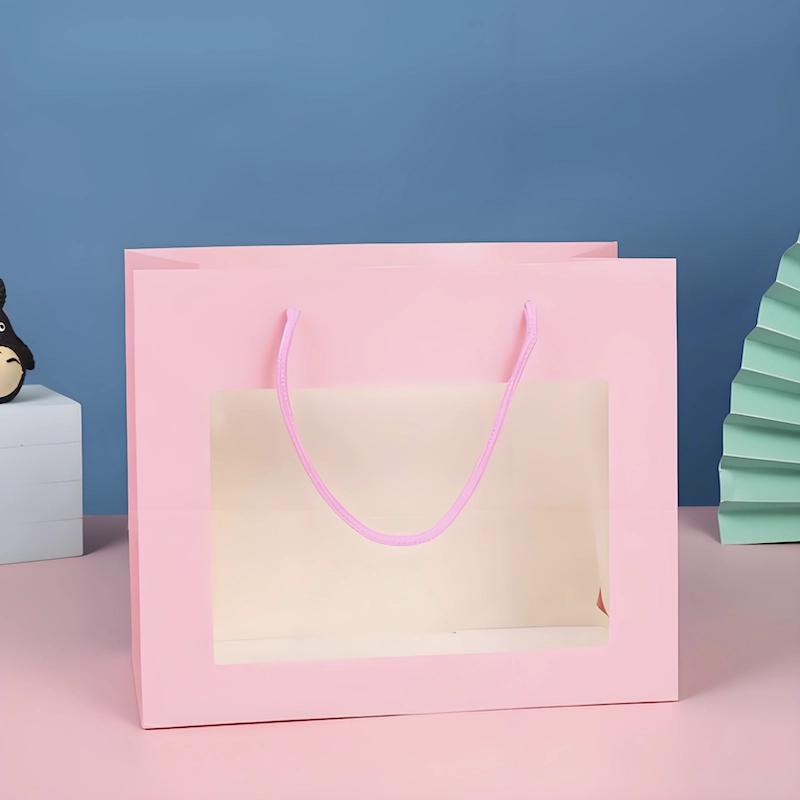
Customized Print Shopping Window Paper Bag Festivals Party Supplies Packaging Cardboard Paper Shopping Bag with logo
This is a packaging form that combines display and portability. Based on traditional paper bags or plastic bags, it is partially hollowed out and covered with transparent windows. Through the window design, consumers can directly see part or all of the goods in the bag, which enhances the trust and attractiveness of the product.

Customized Perfume Gift Box Packaging
Perfume Gift Box – Premium Custom Packaging for Luxury Fragrance Brands
Our custom perfume gift boxes are designed to combine luxury, protection, and brand storytelling — perfect for perfume brands, gift sets, and promotional collections.
Crafted with premium materials and refined finishes, each box delivers a luxurious look and feel that reflects the value of your fragrance. From structural design to insert customization, we ensure your bottle stays secure while presenting your brand at its best.
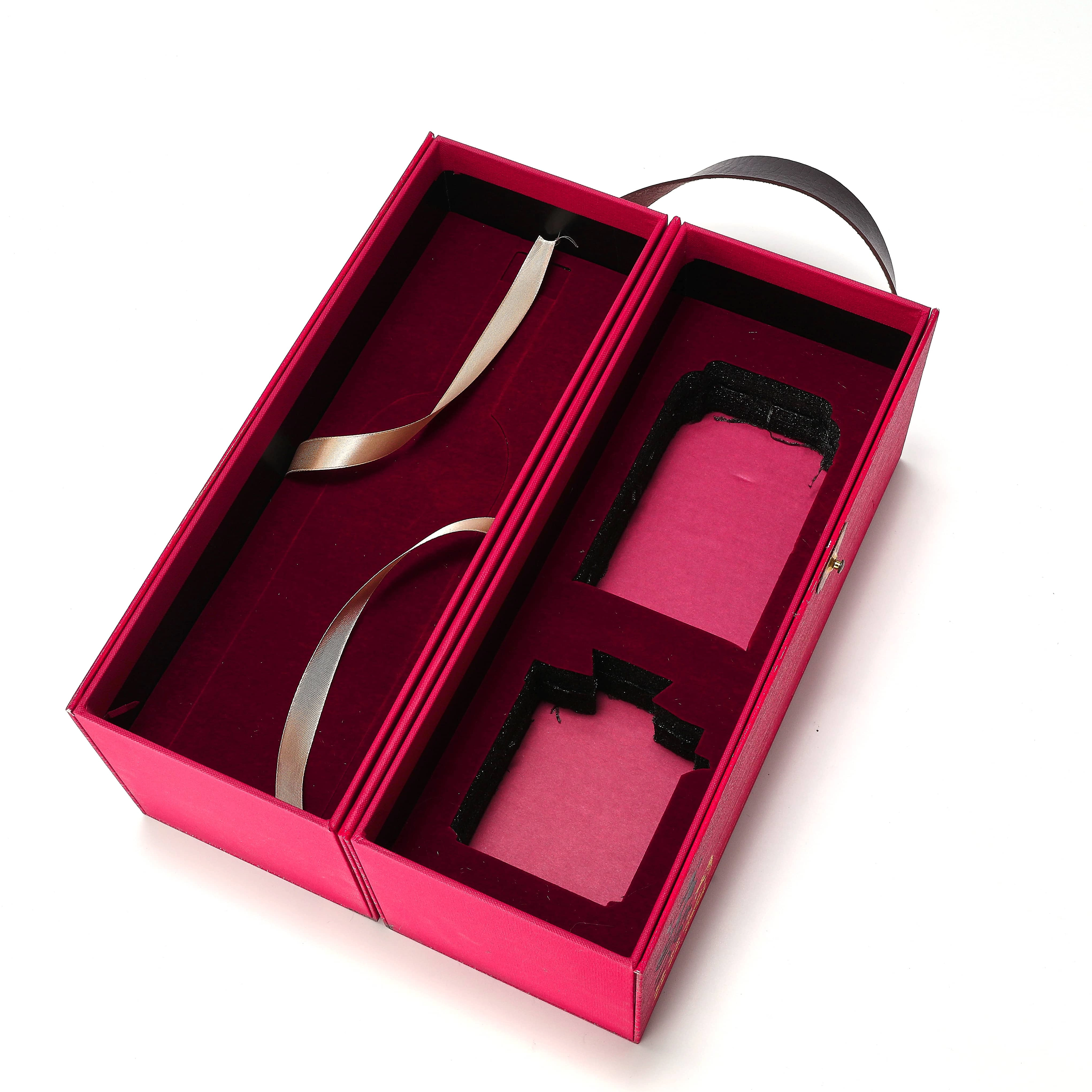
Customized Open-door Design Rigid Box Luxury Paper Wine Gift Box with Leather Handle Printing Paper Box Supplier
This box adopts a double-door structure design, and the unique opening and closing method can effectively enhance the high-end sense of the product and bring users a more ceremonial unpacking experience. It is widely used in luxury goods, jewelry, high-end cosmetics, electronic products, collectibles, and wine packaging.

Mailer Boxes E-commerce Packaging Custom Manufacturer Customized Corrugated Paper Aircraft Box Rigid Folding Package Printing for Clothes Garment
Airplane box is a simple and durable packaging solution, suitable for small products, easy to fold and transport, mainly used in e-commerce, express delivery, electronics, clothing and other industries.
© 2025 WINPACK PRINTING. All rights reserved

Wenhua Printing packaging
winpackprinting
Winpack Printing