




Sustainable Options for Digital Printing Flexible Packaging
- Why sustainability is now a business and design imperative
- Environmental footprint and the role of flexible packaging
- Regulatory and market drivers
- Consumer expectations and brand value
- Sustainable materials compatible with digital printing
- Mono-material PE/PP films (recyclable flexible structures)
- Compostable and biobased films
- Metalized and barrier alternatives
- Material comparison
- Digital printing technologies and sustainability benefits
- Inkjet vs electrophotographic (digital toner) technologies
- Eco-inks, varnishes and low-migration options
- Waste reduction through digital workflows
- Implementation strategy: designing for circularity with digital printing flexible packaging
- Design for recycling (D4R) best practices
- Testing, certification and supply chain alignment
- Pilot projects and KPIs
- Industry collaboration and standards
- How Winpack's capabilities support sustainable digital printing flexible packaging
- Practical checklist to start a sustainable digital printing flexible packaging project
- FAQ
- 1. Is digital printing suitable for food-contact flexible packaging?
- 2. Can digital printing flexible packaging be recycled?
- 3. How much more does sustainable material cost compared with traditional laminates?
- 4. What digital printing process minimizes environmental impact?
- 5. How do I ensure my packaging complies with regional recycling rules?
- 6. Where can I get help implementing these changes?
I help brands and packaging teams navigate sustainable choices for digital printing flexible packaging by combining practical design-for-recycling principles, material selection, and process choices that reduce waste and deliver high-fidelity print at scale. In this article I summarize proven material options, digital printing technologies, regulatory and circularity considerations, and an implementation road map you can apply to pilot and scale sustainable flexible packaging for food, cosmetics, and consumer goods. All recommendations are based on industry standards and authoritative sources to support traceability and compliance.
Why sustainability is now a business and design imperative
Environmental footprint and the role of flexible packaging
Flexible packaging is widely used because it reduces transportation weight and material use compared with rigid formats, yet its sustainability performance depends on material choice, recyclability and end-of-life systems. For context, authoritative overviews on flexible packaging and its lifecycle implications can be found on the Flexible Packaging Association site and the general overview on flexible packaging on Wikipedia.
Regulatory and market drivers
Regulatory pressure (EU Packaging and Packaging Waste rules, extended producer responsibility schemes) and retailer/brand commitments to circularity mean packaging decisions must factor recyclability, recycled content and chemical safety. See the European Commission guidance on packaging and packaging waste for details: European Commission - Packaging. Certification and environmental management systems such as ISO 14001 provide frameworks to control environmental impacts: ISO 14001.
Consumer expectations and brand value
Consumers increasingly expect packaging to be recyclable or compostable and to carry clear information. My work shows that clear communication, coupled with tangible sustainability actions (e.g., recycled content, mono-material design), increases consumer trust and reduces return friction.
Sustainable materials compatible with digital printing
Mono-material PE/PP films (recyclable flexible structures)
Mono-polyolefin structures—primarily polyethylene (PE) and polypropylene (PP)—are the current best practice for designing flexible packaging that can enter existing mechanical recycling streams. When designed correctly (no mixed polymers, compatible adhesives, and single-polymer seals), these films deliver good barrier performance and are compatible with many digital printing workflows including water-based and UV inkjet systems. The Flexible Packaging Association and regional recycling studies show mono-polyolefin approaches improve recyclability compared with multilayer laminates: Flexible Packaging Association.
Compostable and biobased films
Compostable films (PLA, PBAT blends, and other certified compostable polymers) can be appropriate for some short-lifecycle products (single-serve food, certain fresh produce applications) when local industrial composting infrastructure exists. Note that home compostability is rare and certification (e.g., EN 13432) and correct consumer instructions are essential. The Ellen MacArthur Foundation and compostability standards explain the limitations and appropriate use cases: Ellen MacArthur Foundation.
Metalized and barrier alternatives
Metalized films offer high barrier performance but can reduce recyclability unless used within a mono-material metallized process or via soluble/deposited coatings compatible with recycling. Recent developments in non-metal barrier coatings (water-based and silicon oxide) have improved compatibility with recycling streams but require validation. When using metalized options with digital printing flexible packaging, consider downstream sorting and recycling impacts.
Material comparison
| Material | Recyclability | Digital print compatibility | Typical cost impact |
|---|---|---|---|
| Mono PE/PP film | High (where polyolefin streams exist) | High (inks and primers available for inkjet/toner) | Neutral to +10% |
| Compostable PLA/PBAT | Low for mechanical recycling; designed for composting | Medium (surface treatments needed) | +10% to +30% |
| Metalized PET | Low (mixed-material) | High (excellent surface for print) | +5% to +20% |
| Barrier-coated mono films | Medium to High (depends on coating) | Medium | +5% to +15% |
Notes: cost impacts are indicative and depend on volumes, region and supply chain. Use lifecycle and recyclability testing to validate choices; see ISO and industry guidance for test methods.
Digital printing technologies and sustainability benefits
Inkjet vs electrophotographic (digital toner) technologies
Modern inkjet (piezo or thermal) and digital electrophotographic printing have distinct sustainability profiles. Inkjet can minimize make-ready waste and supports variable data printing for on-demand runs — reducing overproduction and obsolete inventory. Electrophotographic systems (digital toner) can produce durable prints with good coverage but may use more energy in some setups. For a technical primer on digital printing processes, see Digital printing overview.
Eco-inks, varnishes and low-migration options
I recommend using low-migration inks for food-contact flexible packaging and water-based or UV-curable inks with appropriate compliance documentation. Regulatory expectations for food contact materials vary; consult the US FDA guidance on packaging/food contact substances and local authorities when designing primary food packaging: FDA - Packaging & Food Contact Substances.
Waste reduction through digital workflows
Digital printing enables just-in-time production and short runs that can dramatically reduce obsolete printed packaging. In many pilots I’ve run, shifting from flexo for short runs to digital printing flexible packaging reduced make-ready waste by 60–90% depending on press configuration and job nesting. Digital also enables personalization and batch-level customization without new plates, further improving material efficiency.
Implementation strategy: designing for circularity with digital printing flexible packaging
Design for recycling (D4R) best practices
D4R means selecting mono-materials, compatible adhesives, and inks that do not compromise recycling streams. Use clear on-pack recycling instructions and consider labeling standards such as the How2Recycle or regional equivalents. Independent guidelines and standardization efforts are available from packaging associations and NGOs; adopt these as part of your product rollout.
Testing, certification and supply chain alignment
Before scaling, validate materials and print systems through recyclability and migration testing. Work with recyclers and material suppliers to confirm that chosen laminates and inks are compatible with local infrastructure. Use certifications (FSC for paper elements, compostability standards when applicable) and include environmental management systems such as ISO 14001 to demonstrate continuous improvement: ISO 14001.
Pilot projects and KPIs
Start with controlled pilots to measure KPIs such as material weight reduction, recycled content percentage, rate of successful recycling (in pilot geography), print quality acceptance, cost per unit, and lead time. Track carbon footprint impacts using recognized methods or third-party LCA providers. Align KPIs with corporate sustainability commitments and reporting cycles.
Industry collaboration and standards
Collaboration across the value chain (brands, converters, film suppliers, ink manufacturers, reclaimers) is essential. Industry groups and standards bodies accelerate reproducible results; refer to Flexible Packaging Association resources and circular economy guidance from the Ellen MacArthur Foundation for collaborative frameworks: Flexible Packaging Association | Ellen MacArthur Foundation.
How Winpack's capabilities support sustainable digital printing flexible packaging
In 2016, Guangdong Winpack Printing Technology Development Co., Ltd. was officially established as a professional paper box printing manufacturer specializing in designing, proofing, printing, and producing a wide range of packaging and printed materials. Our services include customized production of stickers, labels, paper bags, gift boxes, beauty boxes, pizza boxes, books, brochures, flyers, etc. Winpack caters to diverse industries, including cosmetics, food, healthcare, pharmaceuticals, and electronics. Our 15,000-square-meter factory is equipped with state-of-the-art technology. We utilize an advanced screen plate-making system and top-tier machinery such as the Heidelberg printing machine, high-speed paper cutter, Lithrone GL-40A machine, and anti-counterfeiting inkjet printer to ensure superior quality and efficiency. Our vision is to become the world's leading custom paper box packaging manufacturer. Our website is https://www.winpackprinting.com/ our email: [email protected].
I work with converters like Winpack to bridge the gap between sustainable material science and reliable production. Winpack's production scale, advanced equipment (e.g., Heidelberg press, Lithrone GL-40A), and anti-counterfeiting inkjet capabilities make them well suited to pilot digital printing flexible packaging initiatives—especially for brands that need high print fidelity, variable data and short-run responsiveness while exploring mono-material and recyclable solutions. Their product range (custom gable boxes, custom gift boxes, custom display boxes, custom rigid boxes, custom folding boxes, custom paper tubes boxes, custom window boxes, custom special-shape boxes, custom pillow boxes, custom take out boxes) and their cross-industry experience (cosmetics, food, healthcare, pharmaceuticals, electronics) help integrate sustainable choices across SKUs and packaging types.
Winpack's competitive edge lies in:
- Integrated capabilities: from design and proofing to high-speed production, enabling rapid iteration and reduced sampling waste.
- Advanced printing technology: supporting variable data, anti-counterfeiting solutions and high-resolution digital printing compatible with low-migration inks.
- Scale and quality control: 15,000 m2 factory footprint with rigorous quality systems to maintain consistency when migrating to sustainable substrates.
Practical checklist to start a sustainable digital printing flexible packaging project
- Define sustainability goals (recyclability, recycled content, carbon reduction).
- Select materials aligned with local recycling infrastructure (prefer mono PE/PP where possible).
- Specify low-migration inks and compatible primers for food-contact applications; obtain regulatory documentation.
- Run pilots with trusted converters and test recyclability with local reclaimers.
- Measure KPIs (waste reduction, defect rate, cost delta, recycling success) and iterate.
FAQ
1. Is digital printing suitable for food-contact flexible packaging?
Yes—digital printing can be suitable provided you use certified low-migration inks, appropriate barrier layers, and validated materials. Regulatory guidance such as the US FDA's food contact materials information should be consulted and your converter should provide declarations of compliance for inks and substrates. See FDA guidance here: FDA - Packaging & Food Contact Substances.
2. Can digital printing flexible packaging be recycled?
Yes, when you choose recyclable mono-material structures (e.g., mono PE or PP) and compatible adhesives/inks. The key is designing for the recycling stream present in the product's market and validating performance with local reclaimers.
3. How much more does sustainable material cost compared with traditional laminates?
Costs vary by material and volume. As a rule of thumb, mono-material or barrier-coated mono-material solutions may range from cost-neutral to +15% compared with complex laminates; compostable materials often cost more (+10% to +30%). Pilot runs and supplier negotiation frequently identify cost efficiencies over time.
4. What digital printing process minimizes environmental impact?
Inkjet digital printing often minimizes waste through reduced make-ready and supports on-demand production, lowering obsolescence. The environmental profile depends on inks, energy use, and press efficiency. Conduct a lifecycle or carbon assessment for meaningful comparisons.
5. How do I ensure my packaging complies with regional recycling rules?
Engage with local recyclers early, use recognized design-for-recycling guidelines, and validate through trials. Certifications and adherence to standards (e.g., ISO 14001) help demonstrate compliance and continuous improvement.
6. Where can I get help implementing these changes?
Work with converters experienced in sustainable substrates and digital printing. Companies like Winpack (see https://www.winpackprinting.com/) can support pilots and scaled production, offering technical expertise, high-quality presses and a wide product range to test sustainable formats across SKUs.
If you'd like to discuss a pilot or see sample capabilities, contact Winpack at [email protected] or visit https://www.winpackprinting.com/. I can also help you evaluate material choices, design-for-recycling, and a pilot roadmap for digital printing flexible packaging that aligns with Winpack and regulatory requirements.
How to Choose the custom logo gift boxes manufacturer and supplier ?
Affordable Custom Pizza Box Options for Small Restaurants
Packaging Trends: Custom Sticker Bags in 2025
Sustainable Packaging Certifications for Mailer Boxes
Special Shape Boxes
What are the wholesale pricing options for bulk orders?
We offer competitive wholesale prices for bulk orders. Please contact our sales team for more details
Rigid Lift-off Box
Can I print on the inside of the box?
Yes, you can print any effect you want on the inside.
About Printing Craftsmanship
What are the advantages of embossing?
Enhances the visual and tactile appeal of printed products.
Creates a premium and professional look.
Improves brand recognition with distinct textures.
Increases durability as the embossed design remains intact over time.
What is the best printing technique for business cards?
It depends on the desired effect:
Hot stamping for a premium metallic finish.
Embossing for a raised, tactile design.
Spot UV for glossy highlights on specific areas.
Digital printing for quick, affordable, and full-color printing.
About Us
What kind of format is available for printing?
CDR, AI, PS , PSD. high resolution JPG (please Convert text to curves. If not, some words will be missing.)
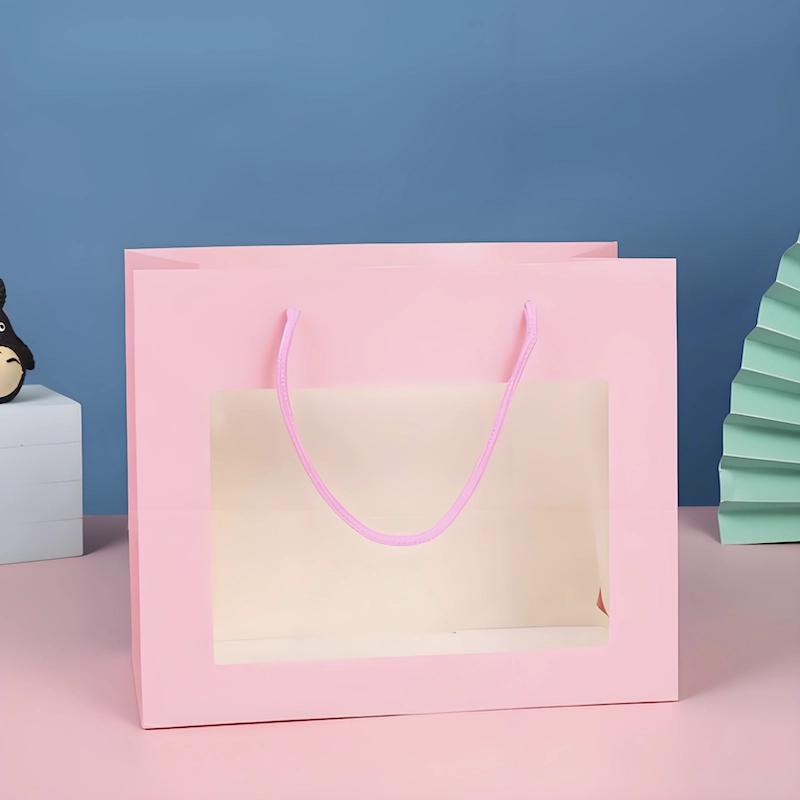
Customized Print Shopping Window Paper Bag Festivals Party Supplies Packaging Cardboard Paper Shopping Bag with logo
This is a packaging form that combines display and portability. Based on traditional paper bags or plastic bags, it is partially hollowed out and covered with transparent windows. Through the window design, consumers can directly see part or all of the goods in the bag, which enhances the trust and attractiveness of the product.
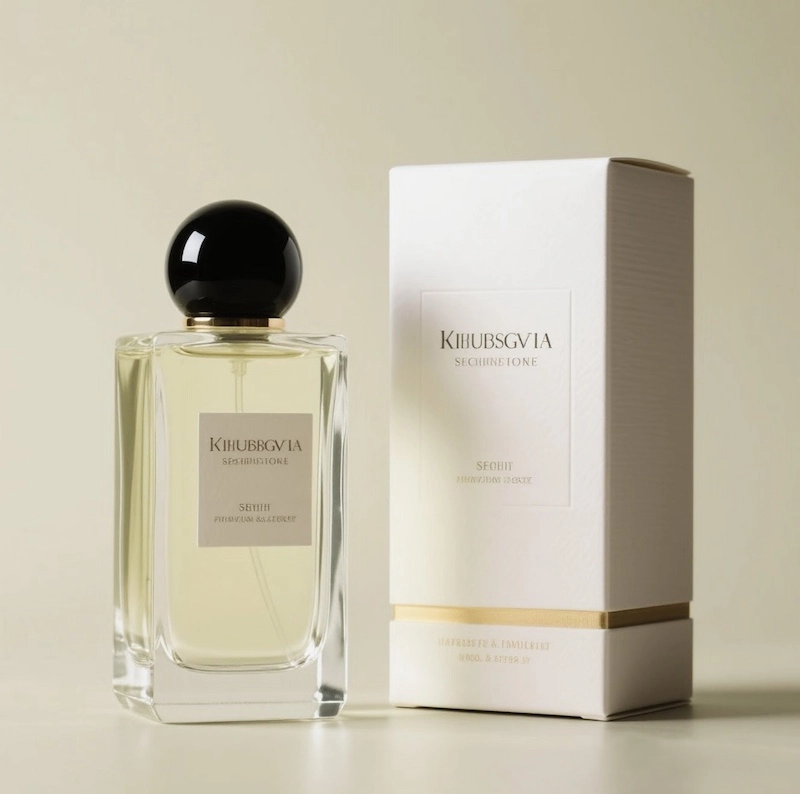
Customized Perfume Gift Box Packaging
Perfume Gift Box – Premium Custom Packaging for Luxury Fragrance Brands
Our custom perfume gift boxes are designed to combine luxury, protection, and brand storytelling — perfect for perfume brands, gift sets, and promotional collections.
Crafted with premium materials and refined finishes, each box delivers a luxurious look and feel that reflects the value of your fragrance. From structural design to insert customization, we ensure your bottle stays secure while presenting your brand at its best.
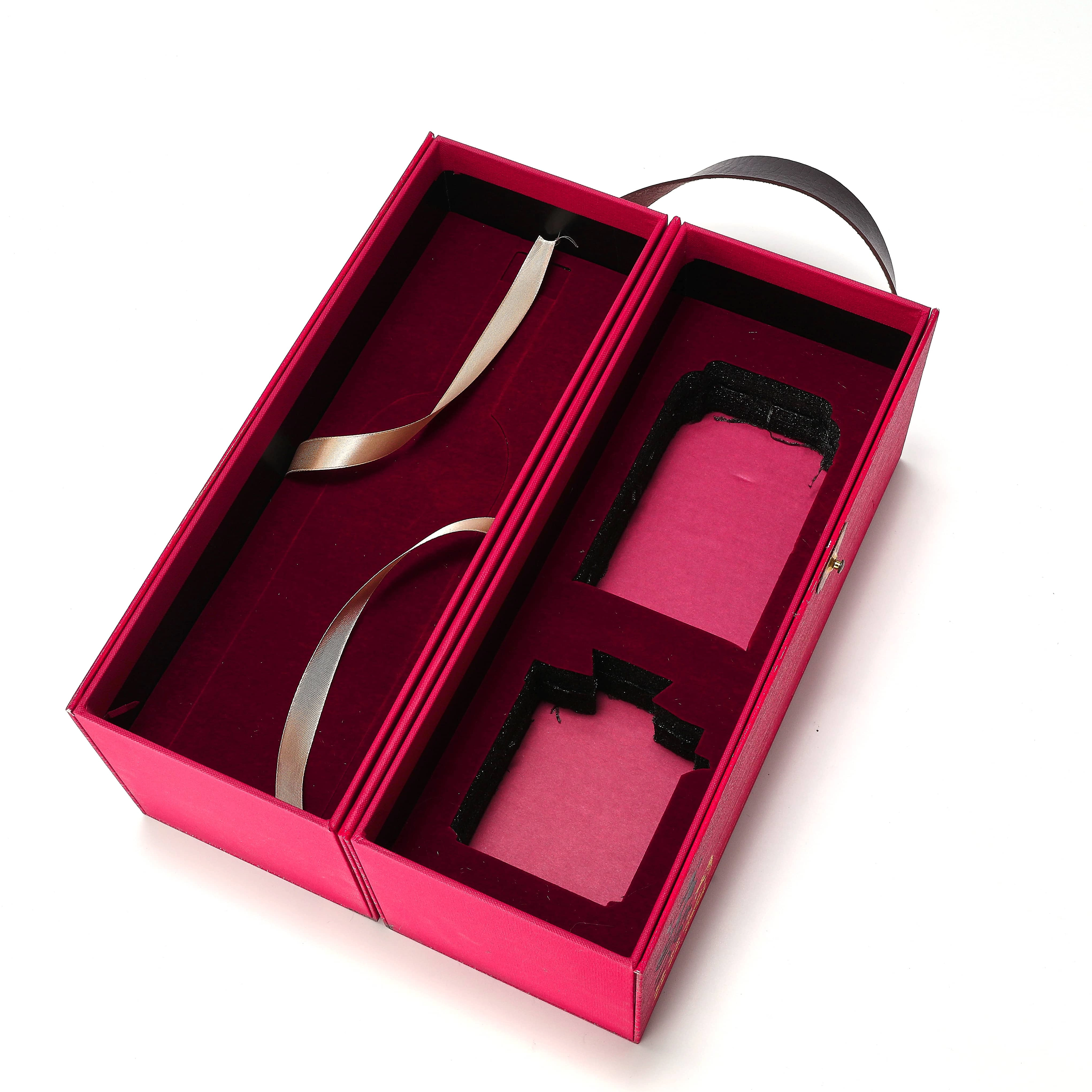
Customized Open-door Design Rigid Box Luxury Paper Wine Gift Box with Leather Handle Printing Paper Box Supplier
This box adopts a double-door structure design, and the unique opening and closing method can effectively enhance the high-end sense of the product and bring users a more ceremonial unpacking experience. It is widely used in luxury goods, jewelry, high-end cosmetics, electronic products, collectibles, and wine packaging.

Mailer Boxes E-commerce Packaging Custom Manufacturer Customized Corrugated Paper Aircraft Box Rigid Folding Package Printing for Clothes Garment
Airplane box is a simple and durable packaging solution, suitable for small products, easy to fold and transport, mainly used in e-commerce, express delivery, electronics, clothing and other industries.
© 2025 WINPACK PRINTING. All rights reserved

Wenhua Printing packaging
winpackprinting
Winpack Printing