




What is Anti-Scratch Lamination?
This simple yet effective production step adds a protective layer to packaging, making it scratch-resistant and ensuring products remain fresh over time. For packaging designers and manufacturers, it is an invaluable resource for making packaging more durable and attractive.
Anti-scratch lamination ensures your packaging stays clean and reduces damage during transit, offering long-term protection. As well as securing your materials, it enhances your brand image and boosts consumer satisfaction.
This paper will discuss the functionality of anti-scratch lamination, its main advantages and why it is an essential tool for companies looking to create memorable, long-lasting packaging.
- Anti-Scratch Lamination: The Fundamentals
- Definition and Purpose
- Importance in Packaging
- The main characteristics and advantages of Anti-Scratch Lamination
- Anti-scratch Lamination Types
- Anti-scratch (scratch resistant) films.
- Surface Finishing
- Anti-scratch Lamination Uses
- Retail Packaging
- E-commerce Packaging
- Sustainable Packaging
- Conclusion
Anti-Scratch Lamination: The Fundamentals
Definition and Purpose
Anti-scratch lamination, also known as abrasion-resistant lamination, is a transparent, hard-wearing protective coating for printed materials that protects against scratches, scuffs and wear, and hides fingerprints. It has a hardened surface, making it highly resistant to scratches. This lamination increases the lifespan and appearance of packaging, business cards, brochures, and so on, ensuring they remain in good condition even after being handled many times.
This protective film serves as a barrier to protect the paper, minimising the need for reprinting and replacement, which saves time and money.
Importance in Packaging
Visual appeal and durability are important in packaging to ensure consumer satisfaction. Anti-scratch lamination is critical in preserving the integrity and appearance of packaging, whether retail boxes, luxury paper bags, e-commerce packages or luxury items. It helps avoid daily wear and tear and environmental damage, preserving the appearance and design of the product and improving customer experience and brand image.
The main characteristics and advantages of Anti-Scratch Lamination
- Durability And Resistance To Scratches And Scuffs
Anti-scratch lamination provides a durable coating that is resistant to scratches, scuffs and moisture. This means that the packaging will not break even after extensive handling, saving the need for replacement and prolonging the life of the products inside.
- Aesthetic enhancement
Laminated packaging provides a high-end look. Glossy finishes make colours appear brighter, whereas matt finishes provide products with a sophisticated, glare-free appearance that attracts attention and increases their popularity.
- Brand Impact and Consumer Appeal
Brand perception is boosted by durable, attractive packaging. It enhances the unboxing experience, making products appear professional and creating consumer trust and loyalty.
- Cost Effectiveness and Sustainability
Anti-scratch lamination reduces the need for reprinting, saving money. It enables brands to deliver sustainability and durability with eco-friendly products such as recyclable films, satisfying the needs of environmentally conscious consumers.
Anti-scratch Lamination Types
Anti-scratch (scratch resistant) films.
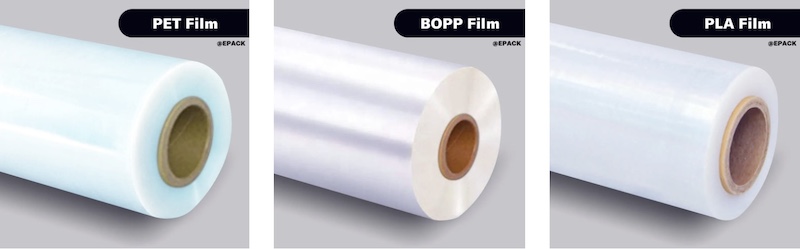
The most common films used in anti-scratch lamination are:
- Polyester films (PET): Known for their durability and clarity, they are ideal for long-term protection.
- Polypropylene films (PP): Light and flexible; can be used on different substrates.
- Polylactic acid (PLA): A biodegradable, environmentally-friendly substitute for conventional plastic films.
- Special coatings: Anti-graffiti or moisture-resistant finishes can be added for extra protection.
These materials guarantee long-term results, maintaining the quality of the product and providing additional protection.
Surface Finishing
Anti-scratch films are available in two main surface finishes: glossy laminate and matte laminate. These finishes have different visual and tactile characteristics to meet the requirements of various types of packaging.
Glossy Laminate
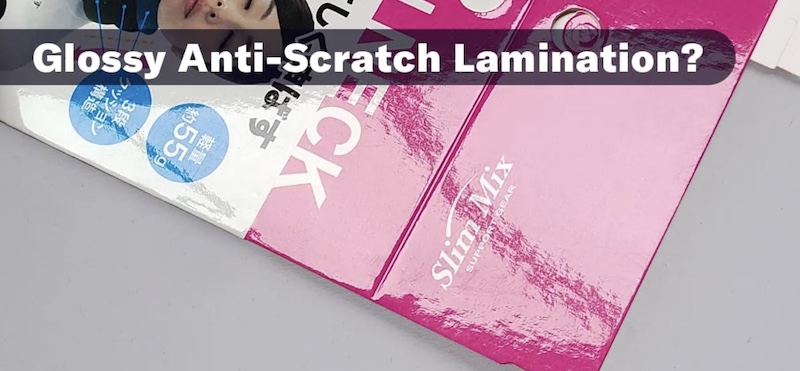
Visual features:
- High gloss: This creates a smooth, reflective surface that intensifies the vibrancy of colours, giving it a mirror-like appearance.
- Bright colours: Colours are more vivid and rich due to the reflective nature of the surface.
- High clarity: Provides high levels of transparency for clear, sharp printed designs.
Tactile features:
- Smooth texture: The surface is extremely smooth to the touch with a cool, smooth feel.
- Fingerprint prone: Fingerprints, smudges and oil marks are more visible on the glossy surface.
Matte laminate
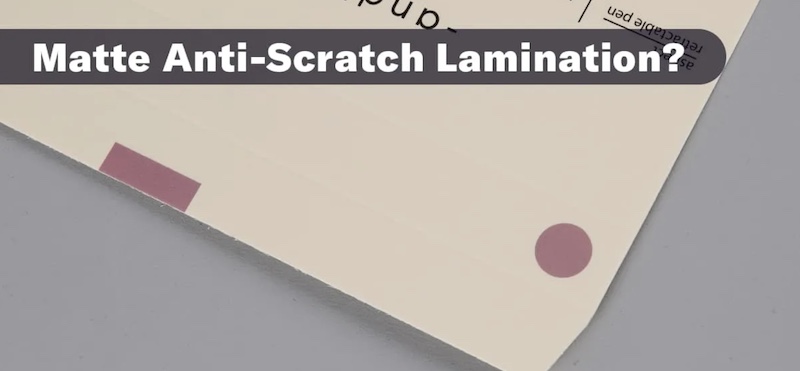
Visual features:
- Low gloss: The surface has a soft, light gloss with less light refraction for a simple, classy look.
- Soft colours: Colours are less vivid and more subtle, providing a sophisticated, non-reflective finish.
- Glare reduction: Matte lamination reduces glare and therefore enhances visual comfort in direct lighting.
Tactile features:
- Slightly textured: The surface feels smooth and soft to the touch.
- Fingerprint-resistant: matte surfaces hide fingerprints and oil spots, are low-maintenance, and are ideal for high-traffic products.
Anti-scratch Lamination Uses
Anti-scratch lamination has transformed packaging design in various industries, including food and beauty, by combining functionality and aesthetic appeal. The main areas in which this lamination technology has a significant impact are:
Retail Packaging
Anti-scratch lamination is important for maintaining the integrity of packaging in high-traffic retail settings. It helps products withstand frequent handling, scratches, smudges and fingerprints, making them more durable and attractive.
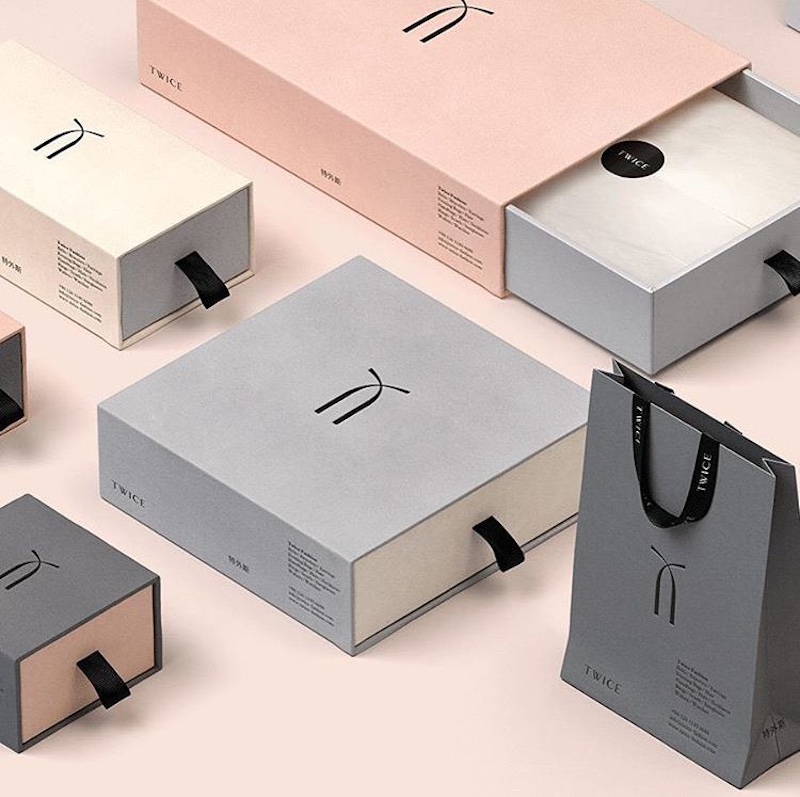
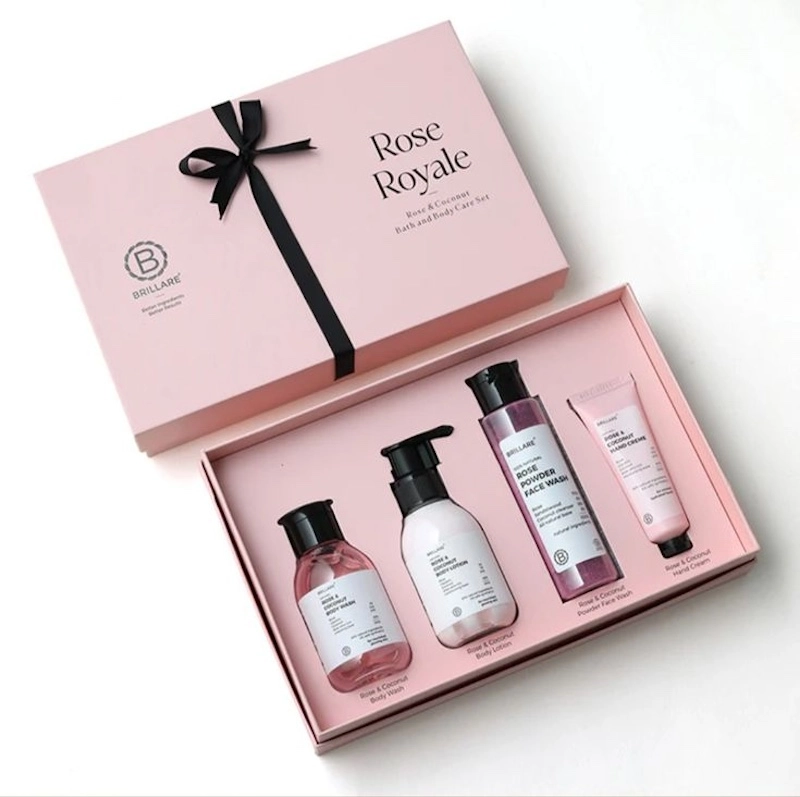
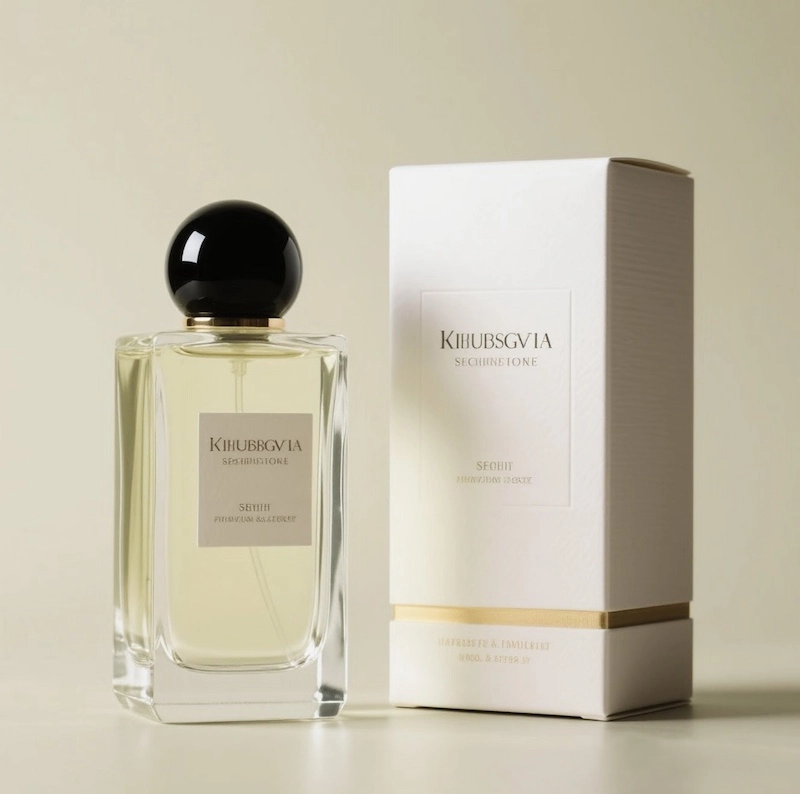
Since first impressions are important in the retail industry, lamination provides products with a high-quality finish, making them stand out on the shelves. The glossy or matte finish creates an eye-catching look and supports a high-end brand image, particularly for cosmetics and luxury products.
E-commerce Packaging
Shipping and handling present particular challenges in e-commerce packaging. Anti-scratch lamination ensures that packages arrive looking as good as new, enhancing the perceived quality of the product inside. This protection is important for making a good first impression, which is a crucial element in the current competitive online market.
Mattes are becoming increasingly popular among e-commerce brands as a way of communicating sophistication, and subscription box services also rely on lamination to create a better unboxing experience, turning every delivery into a special occasion.
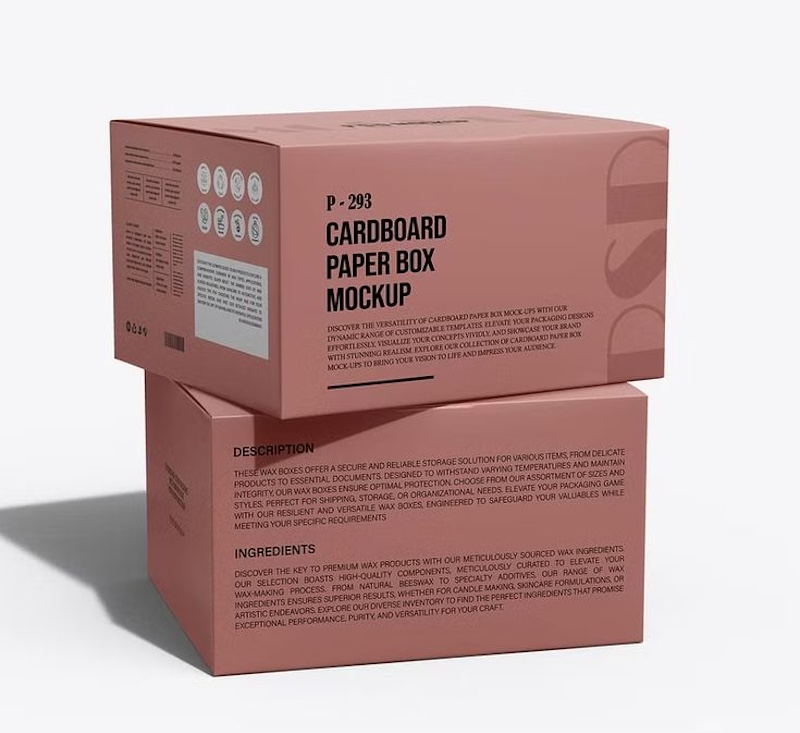
Sustainable Packaging
With the increasing significance of sustainability among consumers, anti-scratch lamination is evolving to meet eco-friendly requirements. Lamination processes now use recyclable and biodegradable substrates, offering a long-lasting, environmentally friendly option.
Bio-based resins in lamination also contribute to sustainability by minimising environmental impact while preserving the high performance and durability associated with high-quality packaging.
Conclusion
In terms of protective packaging, anti-scratch lamination is a leader in the industry. It prevents scratches and abrasions thanks to its smooth surface, which stops elements getting caught up. In fact, this anti-scratch lamination offers more than just protection. It drastically enhances the shelf appeal of products, giving them a high-end, finished appearance. It is available in a wide variety of forms, each designed for a specific purpose, such as safeguarding delicate electronics or enhancing luxury packaging.
Selecting the right lamination is crucial. Its anti-graffiti and scratch protection features are the best examples of its versatility and practicality. When starting your packaging design process, consider the benefits of anti-scratch lamination. Stay ahead of the game and ensure your products stand out. Choose the right lamination and make your packaging stand out. Find out more and get started on your projects.
Folding Boxes
How long does it usually take from design confirmation to delivery?
Answer: The delivery time of folding boxes is usually 15-25 days, depending on the production of the order
About Us
What are your lead times?
Production typically takes 12-16 days, and 16-21 days for larger volume orders. Shipping times will depend on the shipping channel you choose.
How long does shipping take?
Air freight options range from 7-21 days, while ocean freight options range from 26-71 days. If you need some units expedited earlier, consider splitting your shipment between air and ocean!
About Printing Craftsmanship
What is screen printing used for?
Screen printing is ideal for printing on a variety of surfaces, including:
Fabric (t-shirts, tote bags)
Plastic (bottles, packaging)
Paper (posters, packaging)
Metal and glass (signs, promotional products)
OEM Services
What is the minimum order quantity (MOQ) for OEM orders?
Our MOQ varies depending on the type of packaging and material used. We offer flexible MOQ options to accommodate both small businesses and large-scale manufacturers. Contact us for a tailored quote based on your needs.

Start Your Packaging Journey Today
Discover Our Curated Collection of Bespoke Packaging Cases & Tailored System Solutions
© 2025 WINPACK PRINTING. All rights reserved

Wenhua Printing packaging
winpackprinting
Winpack Printing