




UV Printing vs Offset Printing for Cosmetic Packaging: Which Is the Better Choice for Your Brand?
As beauty brands increasingly compete through packaging differentiation—especially in e-commerce and social media-driven markets—the need to understand the strengths and limitations of each printing method becomes more critical than ever. UV printing and offset printing are two of the most widely used technologies in cosmetic packaging production, yet they operate on fundamentally different principles and are suited for different applications.
This article provides a comprehensive comparison between UV printing and offset printing, exploring how each method performs in cosmetic packaging, and helping brands determine which option best aligns with their product, budget, and market strategy.
- Understanding UV Printing
- Understanding Offset Printing
- Key Differences Between UV Printing and Offset Printing
- Color Performance and Visual Impact
- Surface Finish and Texture
- Color Performance and Visual Impact
- Surface Finish and Texture
- Sustainability Considerations
- Which Printing Method Is Better for Cosmetic Packaging?
- Conclusion
Understanding UV Printing
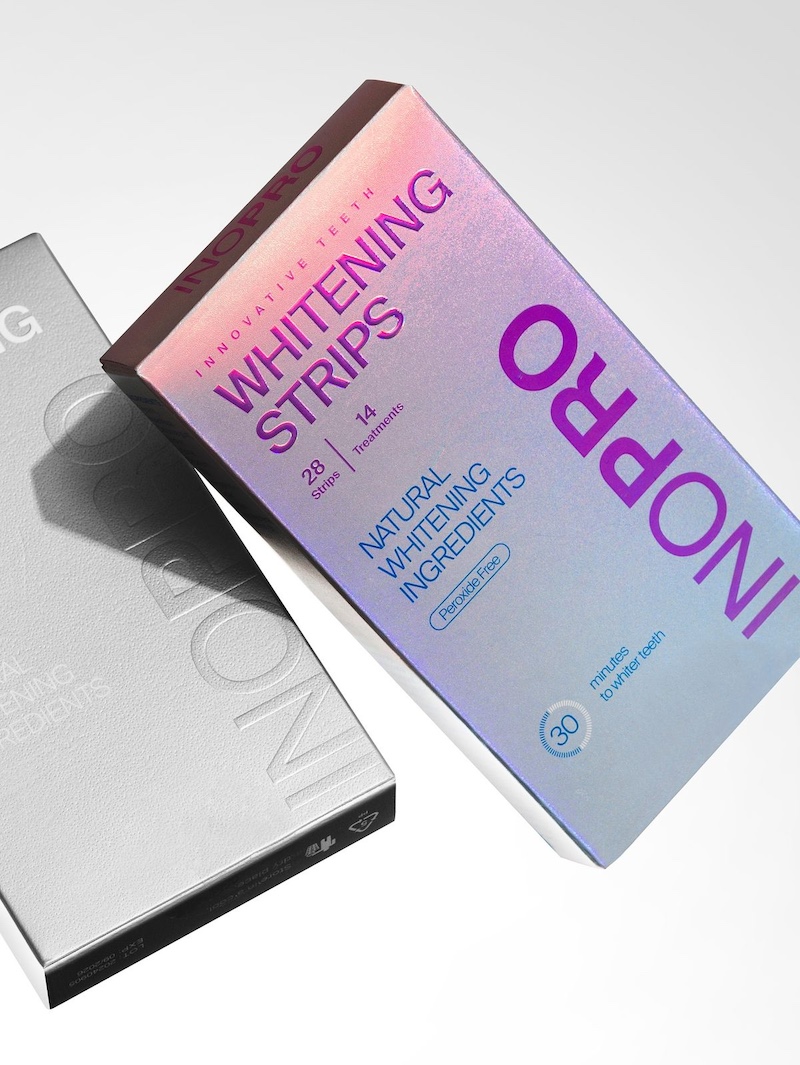
UV printing is a modern digital printing process that uses ultraviolet light to instantly cure or dry ink as it is applied to the substrate. Unlike traditional printing methods where ink absorbs into the paper, UV printing deposits ink on the surface and hardens it immediately under UV exposure, creating a vibrant, slightly raised finish.
Because the ink sits on top of the material rather than being absorbed, UV printing produces sharp, high-contrast images with excellent color saturation, making it particularly effective for designs that require bold visual impact or intricate detailing.
In cosmetic packaging, UV printing is often used for:
- Short-run packaging production
- Custom or personalized packaging
- Prototyping and sampling
- Special design elements such as logos or highlights
One of the most attractive advantages of UV printing is its ability to print on a wide range of materials, including coated paperboard, plastics, and specialty substrates, without requiring extensive prepress setup.
Understanding Offset Printing
Offset printing, also known as offset lithography, is a traditional and highly refined printing method that transfers ink from a plate to a rubber blanket and then onto the paperboard surface. This indirect printing process allows for extremely consistent and high-quality image reproduction, particularly in large-scale production runs.
Unlike UV printing, offset printing relies on ink absorption into the paperboard surface, which results in smooth gradients, precise color transitions, and accurate Pantone matching. It is widely regarded as the industry standard for high-volume cosmetic packaging.
Offset printing is commonly used for:
- Mass production of cosmetic boxes
- High-end retail packaging
- Complex multi-color designs
- Brand-consistent packaging across large quantities
Because of its efficiency at scale, offset printing becomes more cost-effective as production volume increases.
Key Differences Between UV Printing and Offset Printing
While both printing methods can produce high-quality cosmetic packaging, they differ significantly in process, cost, scalability, and visual effect.
| Factor | UV Printing | Offset Printing |
|---|---|---|
| Printing Method | Digital, direct surface curing | Plate-based indirect printing |
| Setup Time | Minimal | Requires plate setup |
| Best Volume | Small to medium runs | Medium to large runs |
| Color Quality | High contrast, vibrant | Precise, consistent, accurate |
| Material Compatibility | Wide (including non-paper) | Best on paperboard |
| Cost Efficiency | Better for low quantities | Better for high volumes |
| Turnaround Time | Fast | Longer setup, faster in bulk |
| Customization | Highly flexible | Limited flexibility |
Color Performance and Visual Impact
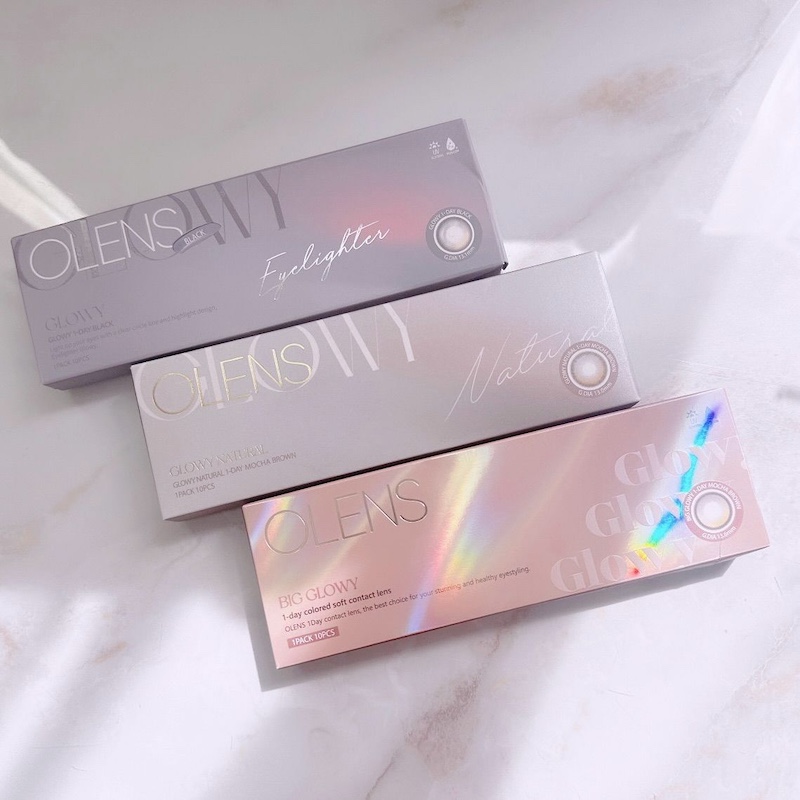
In cosmetic packaging, color accuracy and visual appeal are critical because they directly influence consumer perception and brand recognition. Offset printing excels in delivering consistent color reproduction, especially when strict brand guidelines and Pantone color matching are required. This makes it ideal for established cosmetic brands that need uniform packaging across multiple production batches and global markets.
UV printing, on the other hand, produces more vibrant and high-contrast colors due to the way ink sits on the surface. This can create a visually striking effect that stands out in retail displays or online imagery, although it may not always achieve the same level of color consistency as offset printing across very large runs.
Surface Finish and Texture
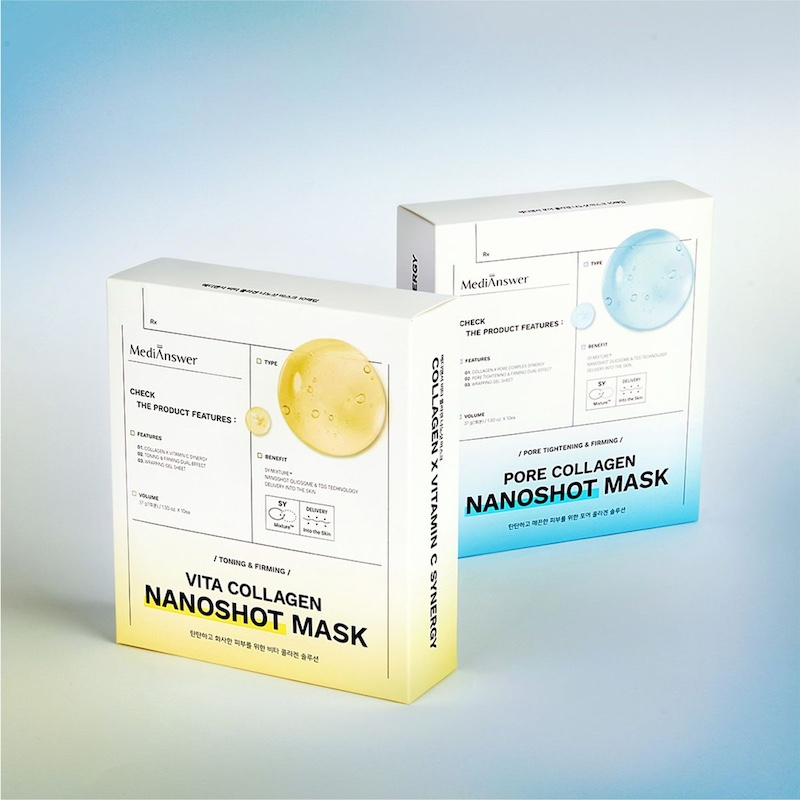
One of the most noticeable differences between UV printing and offset printing lies in the surface finish. UV printing often creates a slightly raised texture, which can add a tactile dimension to packaging and enhance the perception of detail. This makes it particularly suitable for highlighting logos, patterns, or design accents.
Offset printing produces a flatter, smoother finish, which serves as an ideal base for additional surface treatments such as:
- Soft-touch lamination
- Matte or gloss lamination
- Spot UV coating
- Foil stamping
- Embossing and debossing
For luxury cosmetic packaging, offset printing combined with advanced finishing techniques often delivers a more refined and sophisticated result.
Color Performance and Visual Impact
In cosmetic packaging, color accuracy and visual appeal are critical because they directly influence consumer perception and brand recognition. Offset printing excels in delivering consistent color reproduction, especially when strict brand guidelines and Pantone color matching are required. This makes it ideal for established cosmetic brands that need uniform packaging across multiple production batches and global markets.
UV printing, on the other hand, produces more vibrant and high-contrast colors due to the way ink sits on the surface. This can create a visually striking effect that stands out in retail displays or online imagery, although it may not always achieve the same level of color consistency as offset printing across very large runs.
Surface Finish and Texture
One of the most noticeable differences between UV printing and offset printing lies in the surface finish. UV printing often creates a slightly raised texture, which can add a tactile dimension to packaging and enhance the perception of detail. This makes it particularly suitable for highlighting logos, patterns, or design accents.
Offset printing produces a flatter, smoother finish, which serves as an ideal base for additional surface treatments such as:
- Soft-touch lamination
- Matte or gloss lamination
- Spot UV coating
- Foil stamping
- Embossing and debossing
For luxury cosmetic packaging, offset printing combined with advanced finishing techniques often delivers a more refined and sophisticated result.
Sustainability Considerations
Sustainability is becoming increasingly important in cosmetic packaging, and printing methods can impact environmental performance.
UV printing uses instant curing technology, which reduces drying time and may lower energy consumption in certain contexts. However, ink formulations and material compatibility must be considered.
Offset printing has evolved with eco-friendly inks, water-based coatings, and improved waste management processes, making it a viable option for sustainable packaging when managed properly.
Which Printing Method Is Better for Cosmetic Packaging?
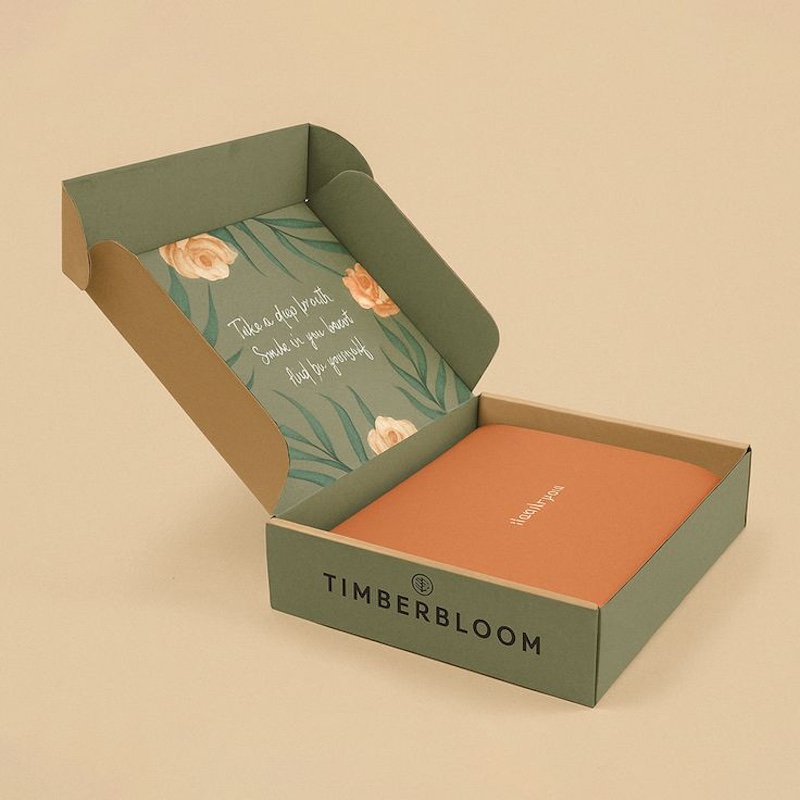
There is no single answer to whether UV printing or offset printing is better; the right choice depends on specific project requirements.
UV printing is ideal for:
- Short production runs
- Customized packaging
- Rapid prototyping
- High-impact visual designs
Offset printing is ideal for:
- Large-scale production
- Consistent brand color reproduction
- Premium cosmetic packaging
- Complex multi-color designs
For many cosmetic brands, the optimal solution may involve combining both methods, using UV printing for samples and short runs while relying on offset printing for mass production.
Conclusion
UV printing and offset printing each offer distinct advantages for cosmetic packaging, and the decision between them should be guided by production scale, design requirements, and brand positioning. UV printing provides flexibility, speed, and vibrant surface effects that are well suited for small batches and creative applications, while offset printing delivers unmatched consistency, precision, and cost efficiency for large-scale, high-end packaging production.
As the cosmetic industry continues to evolve with new product launches, shorter production cycles, and increasing demand for customization, understanding these printing technologies allows brands to make informed decisions that enhance packaging quality and strengthen market competitiveness.

About Printing Craftsmanship
What is screen printing used for?
Screen printing is ideal for printing on a variety of surfaces, including:
Fabric (t-shirts, tote bags)
Plastic (bottles, packaging)
Paper (posters, packaging)
Metal and glass (signs, promotional products)
What is the difference between offset and digital printing?
Offset Printing: Best for large-volume production, offering high-quality prints at a lower cost per unit.
Digital Printing: Suitable for short runs, allowing quick setup, customization, and fast printing.
About Us
Can you do the design for us?
Yes. We can offer free design the artwork according to your requirement.
Rigid Lift-off Box
What are the wholesale pricing options for bulk orders?
We offer competitive wholesale prices for bulk orders. Please contact our sales team for more details
OEM Services
How long does the production process take?
Production time depends on order quantity, complexity, and customization. Generally, the process takes 7-20 days after design confirmation and sample approval. We strive for fast turnaround times while maintaining high-quality standards.

Start Your Packaging Journey Today
Discover Our Curated Collection of Bespoke Packaging Cases & Tailored System Solutions
© 2025 WINPACK PRINTING. All rights reserved

Wenhua Printing packaging
winpackprinting
Winpack Printing