




What is Varnish for Packaging & Print?
In the packaging and printing industry, varnish is a common finishing method used to provide an additional protective layer and enhance the appearance of printed materials.
It is a transparent liquid sprayed onto the surface of printed materials to provide a protective coating against external elements such as dust, dirt and moisture.
Varnish can also enhance the tensile strength of paper-based packaging, thereby increasing its resistance to shipping and handling.
With a variety of types of varnish, each with their own characteristics and advantages, varnish is a flexible and indispensable tool for designers and printers looking to improve the quality and longevity of their work.
Types of varnish
When choosing the right varnish for your packaging, it is important to understand the different types available on the market.
All varnishes have their own characteristics, which can affect the appearance, feel and protection level of your package.
The most commonly used varnishes in packaging are as follows:
-- Gloss varnish
Gloss varnish is popular among packaging designers due to its ability to produce a high-gloss finish that enhances the overall appearance of the packaging.
It is usually applied to the entire surface of the packaging or selectively to certain areas to accentuate design features.
Its smooth surface can enhance the vibrancy of colours, making the packaging look high-end and luxurious.
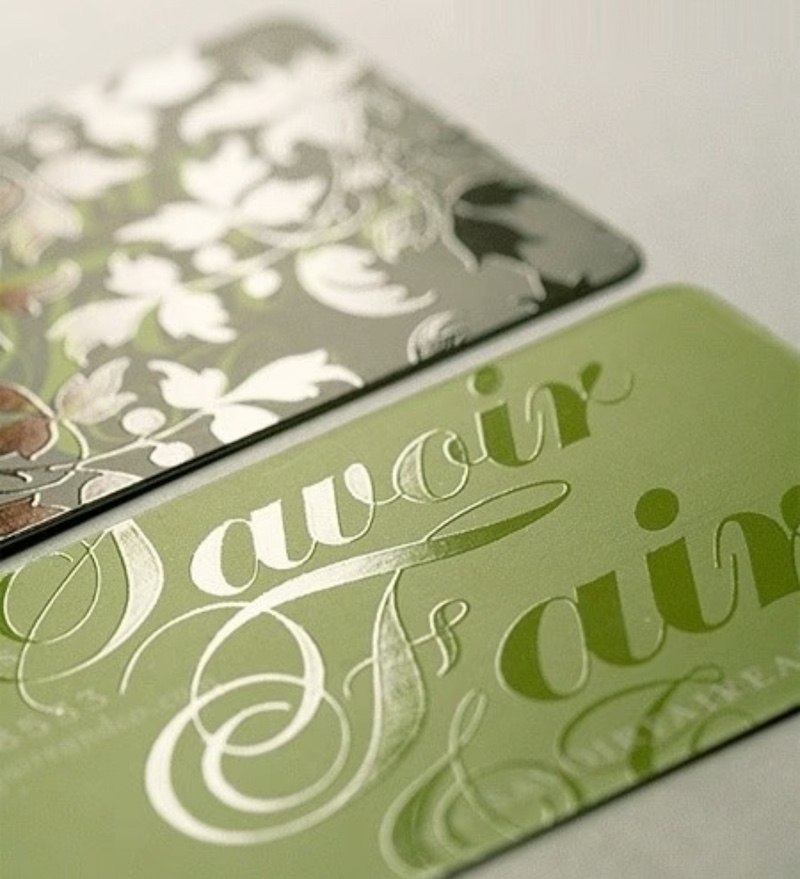
One benefit of applying gloss varnish is that it helps ensure the packaging does not get damaged, e.g. by scratches or scuffs.
This is particularly important for packaging that will be used regularly or transported long distances.
The varnish forms a protective coating that prolongs the lifespan of the packaging, ensuring it looks fantastic throughout its entire use.
Gloss varnish is a highly versatile product that can be used on a wide variety of materials, including paperboard, plastic, and metal.
It can be used in various packaging processes, including for food and beverage packaging, cosmetics, and electronics.
However, the disadvantage of gloss varnish is that it can produce undesirable reflections or glare, which can make it difficult to read text or see images on the packaging.
This makes it an unsuitable choice for packaging that needs to be readable or visible in bright light.
-- Matte varnish
An alternative to gloss varnish, matte varnish provides a non-reflective finish to packaging, making it appear more understated and subdued.
It is an excellent choice for designs that require a more muted appearance. Matte varnish also provides a protective coating, making the packaging less prone to scratches, smudges and other forms of damage.
One advantage of using matte varnish is that it can be used to create contrast and depth in packaging designs.
It is compatible with other finishes, including gloss or spot varnish, to create visual interest and emphasise certain design features.
It is also possible to apply matte varnish to create a textured effect.
Another benefit of matte varnish is that it minimises glare and reflections, which can be useful when the packaging will be seen in different lighting conditions.
-- Soft-touch/satin varnish
Also known as velvet or suede varnish, this speciality varnish gives surfaces a luxurious feel.
It is widely used by packaging designers who want to make their packaging feel high-end and create a memorable unboxing experience for customers.
High-end cosmetics, fragrances and fashion products frequently feature soft-touch varnish, and the packaging plays a vital role in the overall brand experience.
The tactile feel that soft-touch varnish provides is one of its most important advantages, since it stimulates the consumer's senses.
Its smooth texture provides a pleasant and memorable unboxing experience that can have a lasting impact on consumers.
This is particularly important for luxury brands that want to create a sense of exclusivity and sophistication.
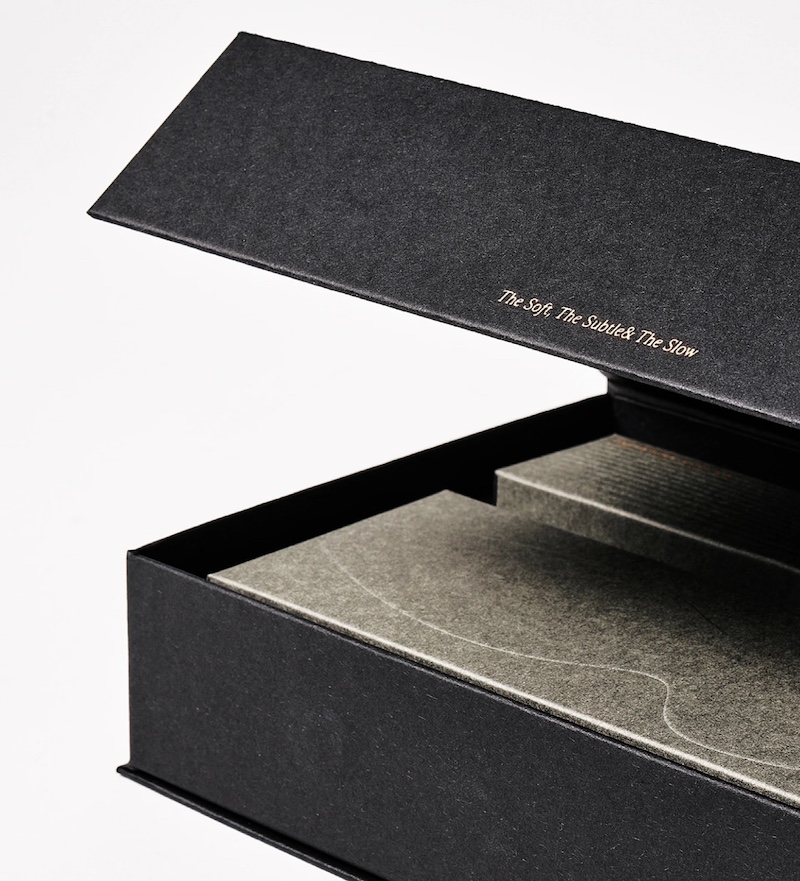
Soft-touch varnish can be used on a variety of materials, including paperboard, plastic and metal, making it a versatile option for many packaging applications.
It can also be applied in various colours, both neutral and bright, giving packaging designers the opportunity to create unique and eye-catching designs.
As well as having aesthetic value, soft-touch varnish offers a protective coating to enhance the packaging's resistance to scratches and other forms of damage.
It can also enhance packaging strength and rigidity, thereby increasing its durability.
However, the disadvantage of soft-touch varnish is that it may be more expensive than other types of varnish, which may be an issue for certain packaging designers.
It may also be more difficult to apply uniformly, which can result in variations in the finish.
For example, matte varnish is commonly used on consumer electronics packaging to minimise glare and make the product more visible in store displays.
Matte varnish is also flexible and can be applied to a wide range of substrates, including paperboard, plastic, and metal.
It can be used for various packaging applications, including food and beverage packaging, cosmetic packaging, and luxury goods packaging.
However, there is a downside to matte varnish: it can be easily scuffed and may not be as durable as gloss varnish.
Matte varnish may also be more difficult to apply evenly, making it more costly.
The varnishing process
Applying varnish to packaging involves several steps to ensure a smooth and even finish.
First, the desired design is printed onto the packaging material. Once dry, the ink is varnished using a printing press or varnishing machine.
Depending on the type of varnish used, it is applied to the surface of the printed material using a roller or spray nozzle.
The varnish is then cured, typically using heat or UV light. This makes the varnish hard and forms a protective coating on the packaging material, increasing its durability and longevity.
The end result is an aesthetically pleasing product that provides environmental protection against water, scratches and smudges.
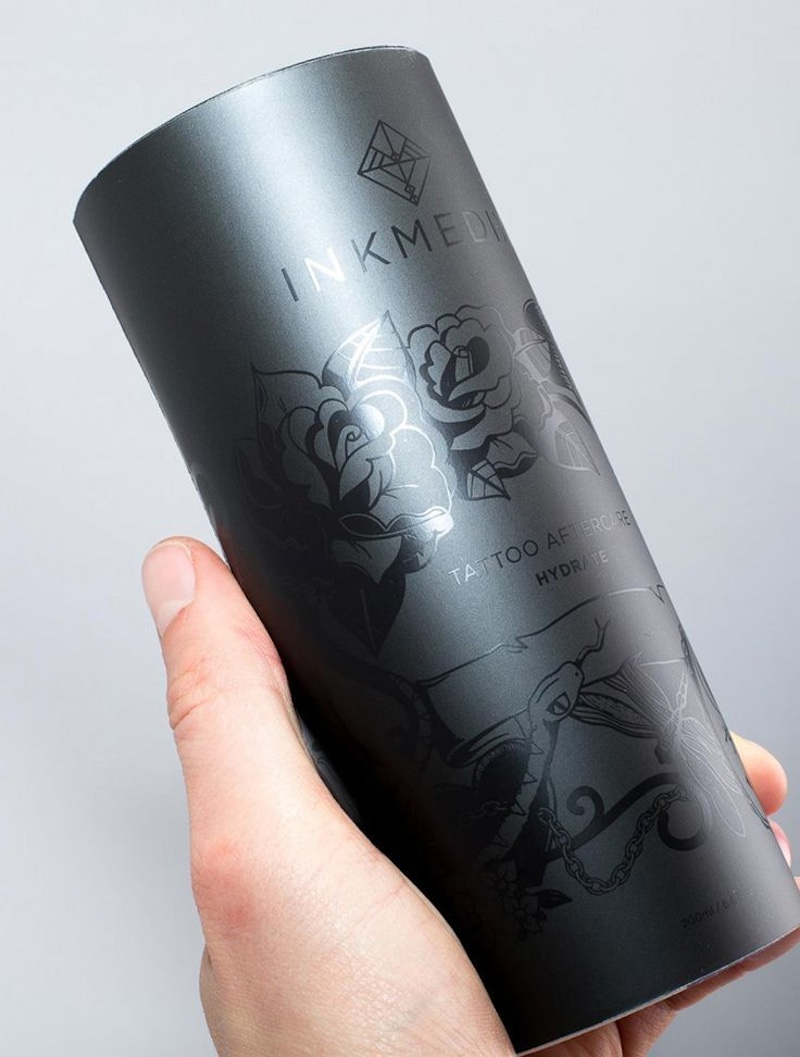
The merits and demerits of varnish
-- Advantages
- Longevity: Varnish provides an extra layer of protection for printed materials and packaging, making them more resistant to wear and tear, scratches, and other damage. This keeps the packaging in good condition throughout its lifetime.
- Environmental resistance: Varnish is resistant to water and other environmental factors, so it can be used for packaging that might be exposed to water or other weather conditions.
- Economical: Varnish is a high-quality finish that is relatively inexpensive compared to other types of finish, making it a cost-effective choice for businesses looking to enhance their packaging.
- Applicability: Varnish can be used on a wide variety of substrates, including paper, cardboard, plastic and metal. This makes it suitable for a variety of packaging materials. This flexibility enables designers to create attractive, tailor-made packaging solutions.
-- Disadvantages
- Restricted finishes: Although varnish offers a variety of finishes, including glossy, matte and soft-touch, it is not as versatile as lamination and other finishes.
- Prolonged drying period: Varnish takes longer to dry than other finishing alternatives, such as UV coating. This can reduce production rates and lead times.
- Difficulties with repairs: Once applied, varnish cannot be repaired or corrected. However, the packaging can be redone in case of any errors in the application process.
- It is not applicable to all applications: Varnish is not suitable for all types of packaging or printing. For example, it may not be suitable for packaging that requires a high degree of flexibility or stretch.
Varnish usage
When using varnish for packaging and printing, a few factors need to be considered.
One of the most significant is compatibility with other printing and finishing methods. Certain types of varnish can be incompatible with certain inks or printing methods, so it is best to check compatibility before use.
When it comes to the use of varnish in packaging, sustainability is a very important aspect that should not be ignored.
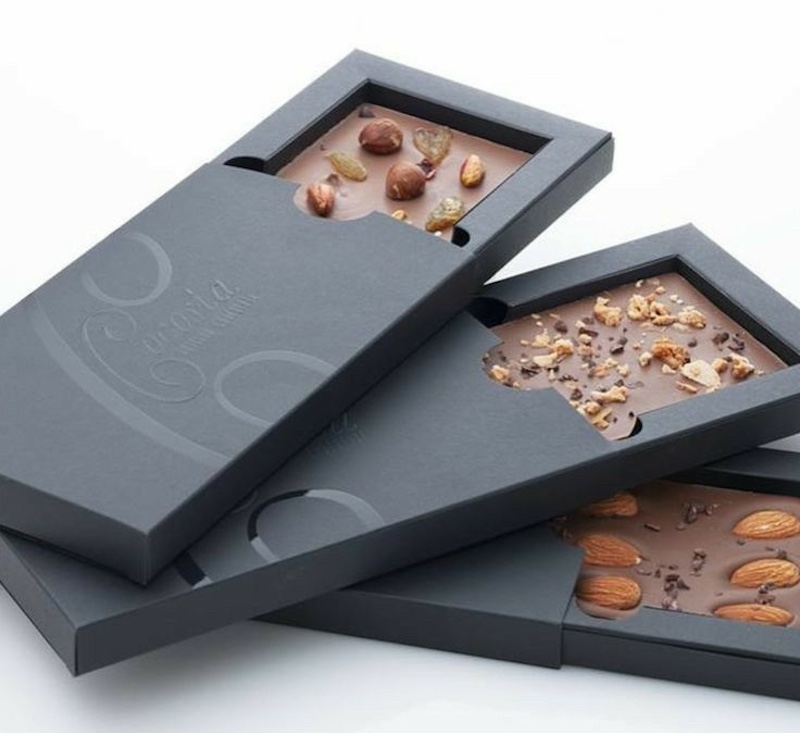
Sustainable varnish reflections
As consumers become more environmentally aware, brands are seeking ways to minimise their environmental impact and satisfy consumer demand.
The following are some considerations regarding the sustainability of using varnish on packaging:
- Use eco-friendly varnishes: Some varnishes are produced using greener and biodegradable materials, which are better for the environment. Look for certified varnishes, such as those from the Forest Stewardship Council (FSC), or use plant-based materials.
- Reduce the amount of varnish used: it is not always necessary to apply varnish to the entire surface of the packaging. Consider spot varnishing, where only particular spots are varnished, reducing the amount of varnish used and the environmental impact.
- Use recycled materials: Paper-based packaging can be varnished. Using recycled materials to package goods saves the need to use new materials and contributes to saving natural resources.
- Don't over-package: Not only does over-packaging waste resources, it also requires more varnish to cover the product. Minimalist packaging designs can be used to reduce the need for excessive varnishing and other finishing techniques.
- Proper disposal: Disposing of varnish can damage the environment. Make sure that it is disposed of correctly and do not pour it into the environment.
- Consider alternative finishing methods: Although varnish is the most common way of finishing packaging, water-based finishes or laminates can offer the same benefits with a reduced environmental impact.
The environmental impact of using varnish should be considered, and steps should be taken to minimise negative effects.
More sustainable packaging solutions can be developed by utilising eco-friendly varnishes, reducing their use, using recycled materials, avoiding excessive packaging, disposing of varnish properly and looking into alternative finishing methods. This will address the needs of consumers and the environment.
In summary, varnish is a universal and essential tool in the packaging and printing industry, providing an additional protective layer and enhancing the visual appeal of printed materials.
There are various types of varnish, each with their own characteristics and advantages.
The benefits of using varnish in packaging and printing include durability and longevity, resistance to water and other environmental factors, affordability compared to other finishing methods, and flexibility of use.
However, the possible drawbacks should also be considered, including the need for proper handling and storage to prevent contamination, compatibility with other printing and finishing techniques, and possible health risks related to the application and use of varnish.
If you take the time to consider it properly and take the necessary safety precautions, it can be a cost-efficient and flexible finishing solution for a wide range of packaging and printing needs.

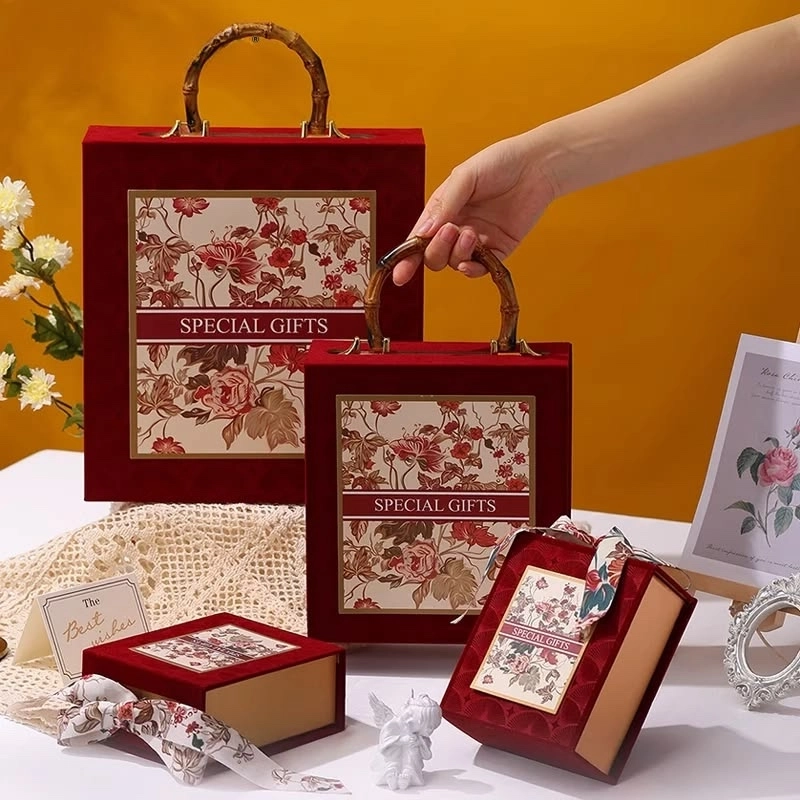
OEM Services
What is OEM packaging, and how can Winpack Printing help?
OEM (Original Equipment Manufacturer) packaging refers to custom-designed packaging solutions tailored to a brand’s specifications. At Winpack Printing, we provide end-to-end OEM services, including design, proofing, printing, and production, to help you create high-quality, market-ready packaging that aligns with your brand identity.
Rigid Magetic Boxes
Can I get a sample before placing an official order?
Yes, we provide samples to our customers. Please contact our sales team to inquire about sample availability and pricing.
Can I order a sample of my packaging box?
Yes, we strongly recommend that you do so, we provide a variety of sample types to meet different usage situations and help you guarantee the best results!
About Us
How soon we can get a sample?
Usually,reference sample within 2 days. Customized sample need 5-7days.
About Printing Craftsmanship
What is the best printing technique for business cards?
It depends on the desired effect:
Hot stamping for a premium metallic finish.
Embossing for a raised, tactile design.
Spot UV for glossy highlights on specific areas.
Digital printing for quick, affordable, and full-color printing.


Start Your Packaging Journey Today
Discover Our Curated Collection of Bespoke Packaging Cases & Tailored System Solutions
© 2025 WINPACK PRINTING. All rights reserved

Wenhua Printing packaging
winpackprinting
Winpack Printing