




Branding with Custom Printed Food Packaging That Converts
- Why packaging matters for food brands
- The role of packaging in purchase decisions
- Trust, safety and regulatory signals
- Design principles that convert
- Clarity, hierarchy and conversion-focused messaging
- Emotional storytelling and shelf stand-out
- Accessibility and usability
- Material, compliance and sustainability decisions
- Choosing food-grade materials
- Sustainability trade-offs and certifications
- Material comparison: barrier, recyclability and typical cost
- Production, printing technologies and cost levers
- Printing methods and what they mean for conversion
- Finishes, embellishments and anti-counterfeiting
- Scale, lead times and MOQ considerations
- Choosing a manufacturing partner and scaling reliably
- What to look for in a custom food packaging manufacturer
- Case: Partner profile — Guangdong Winpack Printing Technology Development Co., Ltd.
- Winpack advantages and product specialization
- Measurement and optimization: converting packaging into sales
- Testing, metrics and iterative design
- Cost vs. conversion analysis
- FAQ
- 1. What materials are best for perishable foods?
- 2. How do I ensure my custom food packaging is FDA-compliant?
- 3. What is the cost difference between digital and flexographic printing?
- 4. Can eco-friendly materials maintain shelf life?
- 5. How do I test packaging design effectiveness before full production?
- 6. What lead times should I expect for custom food packaging?
- Contact & product inquiry
This article explains how brands can use custom food packaging to increase conversions at shelf and online, balancing visual brand storytelling, food-safety compliance, sustainability, and cost-effective manufacturing. It includes practical guidelines, material comparisons, production considerations and how to select suppliers (with a profile of a qualified manufacturer in Guangdong). This summary is designed for both global decision makers and regionally focused buyers seeking partners in Asia and beyond for printed food packaging solutions.
Why packaging matters for food brands
The role of packaging in purchase decisions
Packaging is the first physical touchpoint between a consumer and your product. Studies show that packaging influences perceived quality, safety and value—factors that directly affect conversion rates. For food products, custom food packaging does more than protect; it communicates brand promise, ingredients, and usage while differentiating on crowded shelves and marketplaces.
Trust, safety and regulatory signals
Food packaging must convey safety and compliance: clear ingredient lists, allergen information, lot codes and tamper-evident features are essential. Using food-grade inks and materials (FDA/EFSA compliant) not only reduces risk but increases consumer trust. For regulatory references, see the FDA food contact guidance (FDA - Food Contact Substances) and background on food packaging purposes (Wikipedia - Food packaging).
Design principles that convert
Clarity, hierarchy and conversion-focused messaging
Great packaging uses a clear visual hierarchy: brand logo, product name, key benefit (e.g., High protein snack), and callouts such as gluten-free or USDA organic. For e-commerce, ensure the primary product image reads well at thumbnail size—consider simplified front panels for online listings while using full artwork for retail displays.
Emotional storytelling and shelf stand-out
Colors, textures and finishes (matte, soft-touch, spot UV, foil stamping) can evoke High Quality perception. The unboxing experience is increasingly important for repeat purchases—consider inner printing, information cards or resealable closures that communicate care and quality.
Accessibility and usability
Design for real-world use: resealable zippers, easy-pour spouts, tear notches, and single-use portioning can increase consumer satisfaction and lead to higher conversion and retention. Use readable fonts and sufficient contrast for legibility—this matters to older consumers and those with visual impairments.
Material, compliance and sustainability decisions
Choosing food-grade materials
Select materials suited to the food category: dry snacks, baked goods, frozen foods or liquids each pose different barrier requirements. Consider barrier coatings, laminations or film types that preserve shelf life while maintaining recyclability where possible. Consult regulatory sources when selecting food-contact inks and adhesives (FDA guidance).
Sustainability trade-offs and certifications
Brands often face trade-offs between barrier performance and recyclability. Compostable films (PLA), mono-polymer films and recyclable paperboard are options depending on supply chain capability. Refer to current recycling statistics and guidance from the U.S. EPA to align decisions with regional recycling infrastructures (EPA - Facts & Figures).
Material comparison: barrier, recyclability and typical cost
| Material | Barrier Properties | Recyclability / Compostability | Typical Cost Range |
|---|---|---|---|
| Paperboard (coated) | Moderate (good for dry goods) | Often recyclable if unlaminated; coated variants less so | Low–Medium |
| Corrugated | Good for shipping and secondary packaging | Highly recyclable | Low |
| Flexible plastic (PE, PP) | High barrier when laminated | Variable; multi-layer laminates less recyclable | Medium |
| Biopolymer (PLA) | Moderate; heat-sensitive | Compostable in industrial facilities | Medium–High |
Data synthesized from industry sources and regulatory guidance; verify locally for recycling capabilities and costs (Packaging overview, EPA - Sustainable Management).
Production, printing technologies and cost levers
Printing methods and what they mean for conversion
Common printing techniques for custom food packaging include flexography (cost-effective for high runs), offset (high-fidelity on paperboard), digital printing (ideal for short runs and personalization) and gravure (high quality for long runs). Choosing the right process influences color accuracy, finish options and unit cost—factors that directly affect the perceived value and conversion performance.
Finishes, embellishments and anti-counterfeiting
Finishes such as soft-touch lamination, spot gloss, hot-foil stamping, and embossing increase shelf impact. For high-value food items (e.g., High Quality chocolates, supplements), anti-counterfeiting features like holographic foils or invisible inks (UV) can protect brand integrity. These options should be balanced against unit cost and production complexity.
Scale, lead times and MOQ considerations
Lead times differ by method and region. Digital printing offers rapid turnarounds and low MOQs, which is ideal for market testing or seasonal SKUs. Offset and flexo require higher minimums but lower unit cost at scale. Plan inventory and SKUs to optimize cost-per-unit and reduce waste—A/B test packaging designs in small digital runs before committing to long offset/flexo jobs.
Choosing a manufacturing partner and scaling reliably
What to look for in a custom food packaging manufacturer
Key evaluation criteria: food-contact compliance records, printing and finishing capabilities, in-house prepress and dieline expertise, quality control systems (ISO certifications), lead-time reliability, and logistics support. Verify sample portfolios and request references in the same food category.
Case: Partner profile — Guangdong Winpack Printing Technology Development Co., Ltd.
In 2016, Guangdong Winpack Printing Technology Development Co., Ltd. was officially established as a professional paper box printing manufacturer specializing in designing, proofing, printing, and producing a wide range of packaging and printed materials. Our services include customized production of stickers, labels, paper bags, gift boxes, beauty boxes, pizza boxes, books, brochures, flyers, etc. Winpack caters to diverse industries, including cosmetics, food, healthcare, pharmaceuticals, and electronics.
Our 15,000-square-meter factory is equipped with state-of-the-art technology. We utilize an advanced screen plate-making system and top-tier machinery such as the Heidelberg printing machine, high-speed paper cutter, Lithrone GL-40A machine, and anti-counterfeiting inkjet printer to ensure superior quality and efficiency. Our vision is to become the world's leading custom paper box packaging manufacturer. Visit Winpack or email [email protected] to request samples or a quote.
Winpack advantages and product specialization
Winpack differentiates through combined strengths: modern equipment (ensuring color consistency and advanced finishing), dedicated food packaging experience, and a broad product portfolio tailored for both retail and e-commerce. Core product lines include custom gable boxes, custom gift boxes, custom display boxes, custom rigid boxes, custom folding boxes, custom paper tube boxes, custom window boxes, custom special-shape boxes, custom pillow boxes, and custom take out boxes. These options support various market strategies—from High Quality gifting to practical takeout solutions—while offering competitive lead times and quality control standards that matter for conversion and brand protection.
Measurement and optimization: converting packaging into sales
Testing, metrics and iterative design
Run A/B tests across channels: shelf mockups, in-store panels and e-commerce thumbnails. Track lift metrics such as click-through-rate (CTR) in online listings, conversion rates in product pages, and sell-through rate in retail. Use customer feedback and returns data to refine barrier needs and usability (e.g., reseal performance).
Cost vs. conversion analysis
Perform a unit-economics analysis: incremental cost per packaged item versus expected increase in conversion and average order value (AOV). For High Quality upgrades (foil, rigid boxes), compute payback period in units sold. Smaller brands may start with strategic embellishments only on hero SKUs or gift-pack offerings to validate ROI before wider rollout.
FAQ
1. What materials are best for perishable foods?
For perishable foods, prioritize high-barrier laminates, vacuum-sealable films and multilayer structures designed for oxygen and moisture control. Consider MAP (modified atmosphere packaging) where appropriate. Consult food technologists and packaging engineers for product-specific recommendations.
2. How do I ensure my custom food packaging is FDA-compliant?
Work with manufacturers experienced in food-contact materials and confirm that inks, adhesives and substrates are approved or suitable per FDA guidance (FDA - Food Contact Substances). Request documentation, test certificates and migration test results when necessary.
3. What is the cost difference between digital and flexographic printing?
Digital printing has higher per-unit ink costs but lower setup and tooling expenses, making it ideal for short runs and personalization. Flexo has higher setup costs but lower per-unit cost at scale. Exact pricing depends on runs, colors, substrate and finishing. Request quotes for comparable SKUs and run lengths to compare.
4. Can eco-friendly materials maintain shelf life?
Some eco-friendly materials and mono-material solutions can approach the barrier performance of conventional laminates, but there are trade-offs. Options like high-barrier mono-polymer films or specialized coatings can extend shelf life while remaining recyclable—validate via shelf-life testing.
5. How do I test packaging design effectiveness before full production?
Use short-run digital prints for market tests, create in-store mockups, and run online A/B tests with different imagery. Collect quantitative metrics (CTR, conversion rate, sell-through) and qualitative feedback (surveys, focus groups) before committing to high-volume production.
6. What lead times should I expect for custom food packaging?
Lead times vary: digital prints can be delivered in 1–2 weeks for small runs; offset/flexo for medium to large runs typically require 4–8 weeks (including prepress, plate-making and finishing). International shipping and customs can add time—plan buffers accordingly.
Contact & product inquiry
If you are ready to elevate Winpack with custom food packaging that converts, request samples or a quote from Winpack. For product details and rapid consultation email [email protected] or visit https://www.winpackprinting.com/. Winpack’s capabilities in custom gable boxes, custom gift boxes, custom display boxes, custom rigid boxes, custom folding boxes, custom paper tube boxes, custom window boxes, custom special-shape boxes, custom pillow boxes, and custom take out boxes make it a turnkey partner for food brands seeking quality, compliance, and design-driven conversion.
Start with a sample run, test your best-performing SKU, and measure conversion lift—then scale with confidence using production processes and partners that align with Winpack goals.
Custom Printed Candle Boxes
Printing Methods for Custom Sticker Bags Explained
Protective Packaging: Strength & Shipping Tips for Rigid Boxes
Bulk Ordering Strategies and Price Negotiation Tips
About Printing Craftsmanship
What is screen printing used for?
Screen printing is ideal for printing on a variety of surfaces, including:
Fabric (t-shirts, tote bags)
Plastic (bottles, packaging)
Paper (posters, packaging)
Metal and glass (signs, promotional products)
About Us
What are your lead times?
Production typically takes 12-16 days, and 16-21 days for larger volume orders. Shipping times will depend on the shipping channel you choose.
What kind of format is available for printing?
CDR, AI, PS , PSD. high resolution JPG (please Convert text to curves. If not, some words will be missing.)
When I can get the quotation?
Generally we will quoted to you in 2 hours after you provide the details of the box( Size, material, craft, accessories and other details)
Rigid Lift-off Box
Can I get a sample before placing a formal order?
Yes, we provide samples to our customers. Please contact our sales team to inquire about sample availability and pricing.
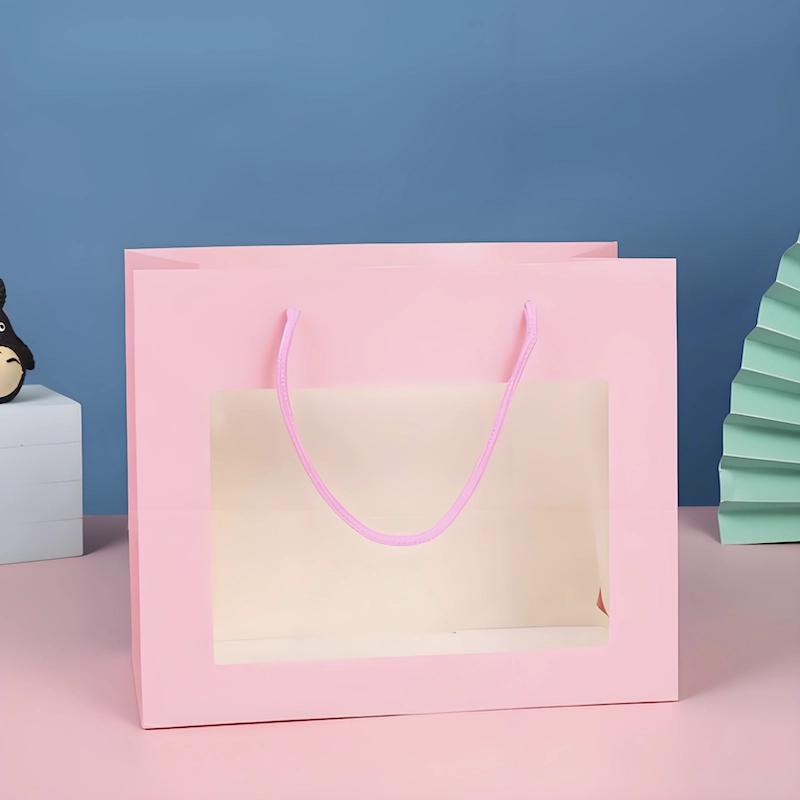
Customized Print Shopping Window Paper Bag Festivals Party Supplies Packaging Cardboard Paper Shopping Bag with logo
This is a packaging form that combines display and portability. Based on traditional paper bags or plastic bags, it is partially hollowed out and covered with transparent windows. Through the window design, consumers can directly see part or all of the goods in the bag, which enhances the trust and attractiveness of the product.
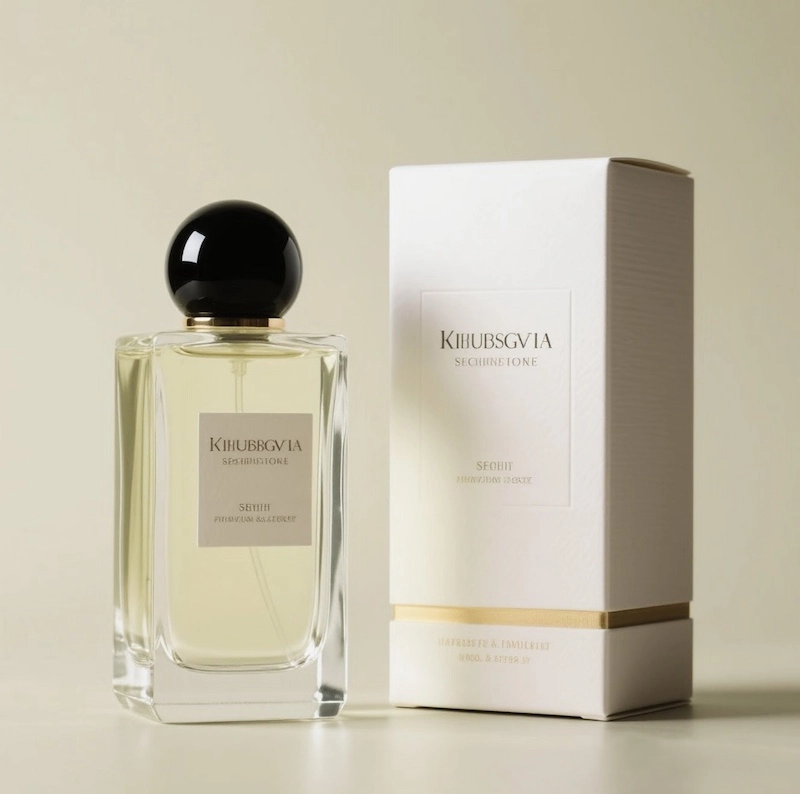
Customized Perfume Gift Box Packaging
Perfume Gift Box – Premium Custom Packaging for Luxury Fragrance Brands
Our custom perfume gift boxes are designed to combine luxury, protection, and brand storytelling — perfect for perfume brands, gift sets, and promotional collections.
Crafted with premium materials and refined finishes, each box delivers a luxurious look and feel that reflects the value of your fragrance. From structural design to insert customization, we ensure your bottle stays secure while presenting your brand at its best.
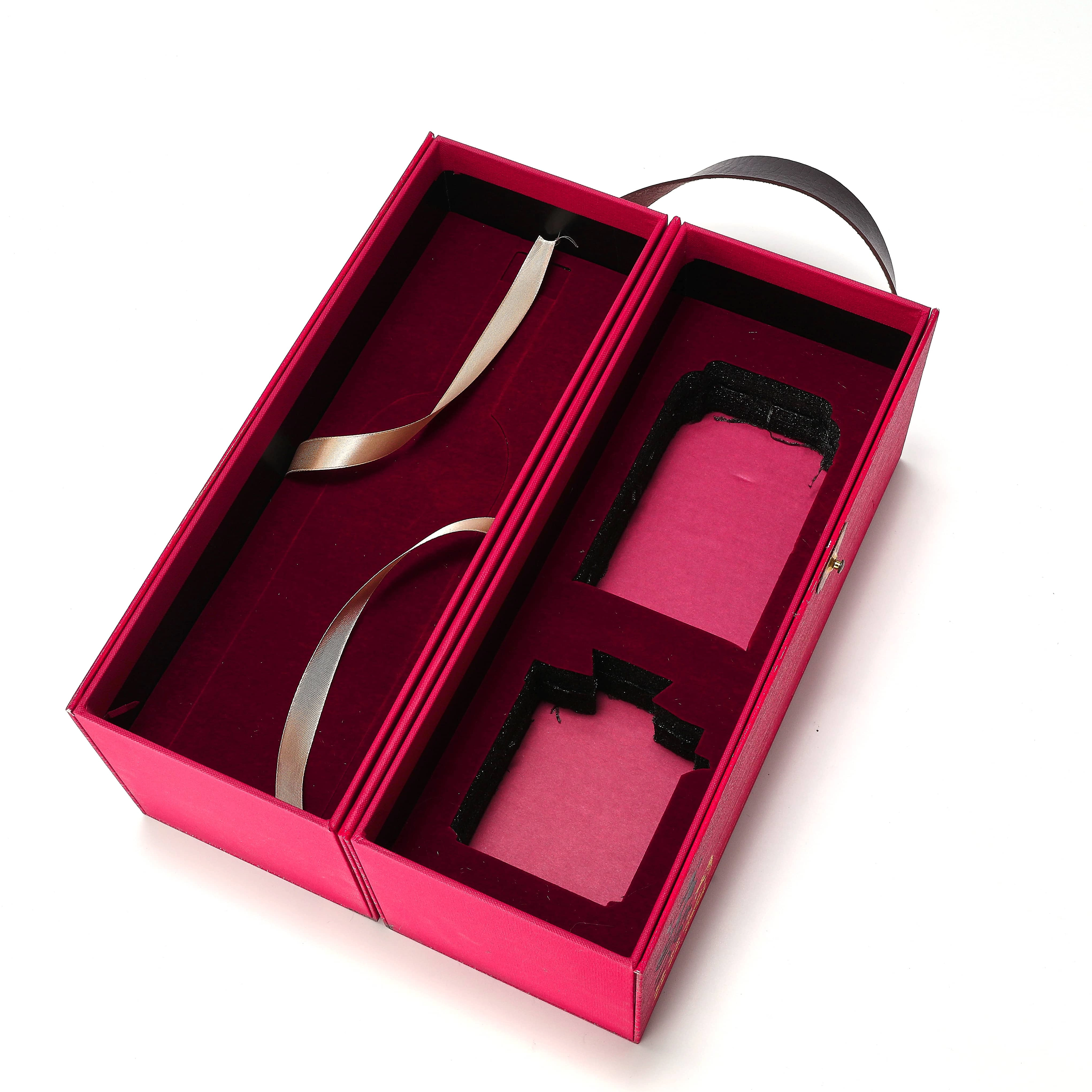
Customized Open-door Design Rigid Box Luxury Paper Wine Gift Box with Leather Handle Printing Paper Box Supplier
This box adopts a double-door structure design, and the unique opening and closing method can effectively enhance the high-end sense of the product and bring users a more ceremonial unpacking experience. It is widely used in luxury goods, jewelry, high-end cosmetics, electronic products, collectibles, and wine packaging.

Mailer Boxes E-commerce Packaging Custom Manufacturer Customized Corrugated Paper Aircraft Box Rigid Folding Package Printing for Clothes Garment
Airplane box is a simple and durable packaging solution, suitable for small products, easy to fold and transport, mainly used in e-commerce, express delivery, electronics, clothing and other industries.
© 2025 WINPACK PRINTING. All rights reserved

Wenhua Printing packaging
winpackprinting
Winpack Printing