




Color Management and PMS Matching in Flexographic Printing
- Optimizing Color Consistency in Flexo: Why Color Management Matters
- What makes color control in flexographic printing unique?
- Business impact: color failures cost time and margin
- Core Concepts: PMS, Spot vs. Process, and ICC Workflows
- Spot (PMS) vs. process color (CMYK/CMAK)
- ICC profiles and color-managed workflows
- Practical Press Controls: From Anilox to Screening
- Anilox selection and ink transfer
- Screening, dot shape, and plate technology
- Substrate, Varnish, and Environmental Effects
- How substrates change color appearance
- Varnish, lamination, and final appearance
- Measurement, Tolerances, and Quality Control
- Instruments and metrics: spectrophotometers and Delta E
- Defining tolerances and approval workflows
- Comparisons and Decision Matrix
- Spot vs. Process decision factors
- Typical quality targets (industry guidance)
- Troubleshooting Common PMS Matching Problems
- Problem: Solid spot looks dull vs. swatch
- Problem: Halftone colors appear shifted or muddy
- Implementing a Robust Color Workflow for Packaging Production
- Process steps for consistent PMS results
- Automation and Industry 4.0 advantages
- Winpack — Packaging Partner Capabilities and Why It Matters
- About Winpack and manufacturing strengths
- Services, industries and product strengths
- Competitive differentiators
- Frequently Asked Questions (FAQ)
- 1. Can every PMS color be matched in flexographic printing?
- 2. What is an acceptable Delta E for brand colors on packaging?
- 3. Should I use spot inks or extended gamut on my packaging job?
- 4. How do substrates affect PMS matching?
- 5. What routine steps reduce make-ready time and improve color accuracy?
- Contact & Next Steps
- References and Further Reading
Optimizing Color Consistency in Flexo: Why Color Management Matters
What makes color control in flexographic printing unique?
Flexographic printing (flexographic printing) is widely used for packaging due to its speed, substrate flexibility, and cost-effectiveness. However, unlike lithography, flexo’s characteristics — such as compressible plates, variable ink transfer, anilox cell volumes, and diverse substrates — create specific color management challenges. Effective color management reduces waste, shortens make-ready time, and ensures repeatable results across runs and plants.
Business impact: color failures cost time and margin
Color mismatch increases rework, delays time-to-market, and risks brand compliance. For brand owners and packaging suppliers, predictable PMS matching (Pantone Matching System) is essential for corporate identity. Implementing robust color workflows is therefore a commercial imperative for converters and custom packaging manufacturers working across cosmetics, food, pharmaceuticals, and electronics.
Core Concepts: PMS, Spot vs. Process, and ICC Workflows
Spot (PMS) vs. process color (CMYK/CMAK)
Spot (PMS) inks are pre-mixed inks intended to reproduce a specific color consistently. Process color uses separations (commonly CMYK; for flexo, CMYK plus additional colors such as orange, green, violet, or white/varnish) to simulate many colors via halftone screening. Choose spot inks when exact brand color is non-negotiable; choose process or extended gamut when cost and flexibility dominate.
ICC profiles and color-managed workflows
ICC profiles describe how devices (press, scanner, proofing system) reproduce color. For flexo, specific press/ink/substrate profiles (often following ISO 12647-6 guidelines for flexography) let designers soft-proof and anticipate deviations. Integrating ICC-based soft proofing into prepress reduces surprises at press and improves first-pass color accuracy.
Practical Press Controls: From Anilox to Screening
Anilox selection and ink transfer
Anilox rolls control ink volume. Higher cell volume increases ink laydown (useful for strong spot inks or heavy solids), while lower volume yields finer halftones and less dot gain. Typical anilox selection is driven by target LPI (lines per inch), screening method, and substrate absorbency. Properly matched anilox reduces TVI (tone value increase) and helps closer PMS matches.
Screening, dot shape, and plate technology
Amplitude-modulated (AM) vs. frequency-modulated (FM) screening and plate technology (digital flexo plates, flat-top dot plates) all affect perceived color. FM screening can reduce moiré and render smoother gradients, but requires precise anilox and stable press conditions. Flat-top dots deliver better highlight stability and more predictable color when compared to traditional round dots.
Substrate, Varnish, and Environmental Effects
How substrates change color appearance
Paperboard, coated vs. uncoated, films (PET, BOPP), and corrugated each interact with inks differently. Coated boards reflect more light and yield higher chroma; uncoated substrates absorb ink, causing duller appearance and increased dot gain. Films may require primer or white underprint for opacity. Anticipate delta E shifts when moving between substrate families.
Varnish, lamination, and final appearance
Varnish (aqueous, UV, or varnish coatings) and lamination dramatically alter gloss and perceived color. High-gloss varnishes increase apparent saturation and contrast; matte coatings reduce shine and can mute color. Plan PMS specs with the intended finish in mind and measure final samples under the intended packaging finish.
Measurement, Tolerances, and Quality Control
Instruments and metrics: spectrophotometers and Delta E
Spectrophotometers measure color objectively. Delta E (commonly ΔE2000) quantifies perceptual difference; a ΔE ≤ 2 is often acceptable for packaging, but brand owners may demand tighter tolerances (ΔE ≤ 1) for High Quality products. Regular instrument calibration and standardized viewing conditions (D50 lighting, 2° observer where relevant) are necessary for repeatable readings. (See references: X-Rite, ISO).
Defining tolerances and approval workflows
Set clear tolerances for solids, tints, and gray balance in specifications. Use press checks with standardized targets: patches for solids, G7 or ISO-based neutral print density curves for gray balance, and PMS lab values for spot colors. Digital proofs should be accompanied by physical contract proofs for critical color approval on the intended substrate.
Comparisons and Decision Matrix
Spot vs. Process decision factors
| Factor | Spot (PMS) | Process/Extended Gamut |
|---|---|---|
| Color accuracy | High (exact brand match) | Good (some spot colors difficult) |
| Cost per run | Higher for multiple spots | Lower for many colors in CMYK/CMYKOGV |
| Print speed/complexity | May require extra stations | Efficient for full-color images |
| Best for | Brand solids, metallics, fluorescents | Photo-realistic images, cost-sensitive runs |
Typical quality targets (industry guidance)
| Metric | Typical Acceptable Range | Source / Note |
|---|---|---|
| ΔE00 (spot solids) | ≤ 1–2 | Brand/tier dependent; High Quality <1 |
| TVI (tone value increase) | Depends on substrate; 10–30% common | Control with anilox + plate selection |
| Gray balance | Within visual tolerance; G7 aligned where applicable | Improves cross-press consistency |
Troubleshooting Common PMS Matching Problems
Problem: Solid spot looks dull vs. swatch
Causes: Under-ink laydown, insufficient anilox volume for solids, wrong ink formulation, substrate absorption, or satin/matte varnish. Fixes: Increase anilox volume for solids, switch to a denser spot ink, add a white underprint on clear films, or adjust press speeds and nip settings to optimize transfer.
Problem: Halftone colors appear shifted or muddy
Causes: Incorrect screening, excessive TVI, or plate dot gain. Fixes: Use flat-top dot plates, refine screening strategy (AM vs FM), recalibrate anilox-to-plate pairing, and reduce press mechanical variability.
Implementing a Robust Color Workflow for Packaging Production
Process steps for consistent PMS results
- Define color specs: PMS lab values, ΔE tolerances, and substrate/finish requirements.
- Prepress: create ICC profiles and soft proofs; include target dot percentages and plate curves.
- Press setup: correct anilox selection, plate type, ink formulation, and drying/UV settings.
- Measurement & approval: spectrophotometer readings, press checks, and signed approval samples.
- Documentation & feedback: maintain job records for reproducibility (anilox, plates, proofs, press settings).
Automation and Industry 4.0 advantages
Modern presses with inline spectrophotometers and closed-loop color control reduce human variability and improve first-time-right rates. Implementing digital job recipes and press automation shortens make-ready, conserves ink, and improves overall sustainability by reducing spoilage.
Winpack — Packaging Partner Capabilities and Why It Matters
About Winpack and manufacturing strengths
In 2016, Guangdong Winpack Printing Technology Development Co., Ltd. was officially established as a professional paper box printing manufacturer specializing in designing, proofing, printing, and producing a wide range of packaging and printed materials. Winpack’s 15,000-square-meter factory integrates advanced plate-making systems and high-end equipment such as Heidelberg presses, Lithrone GL-40A machines, high-speed paper cutters, and anti-counterfeiting inkjet printers to ensure consistent quality and fast turnaround. Website: https://www.winpackprinting.com/
Services, industries and product strengths
Winpack provides customized production of stickers, labels, paper bags, gift boxes, beauty boxes, pizza boxes, books, brochures, and flyers. Key packaging products include custom gable boxes, custom gift boxes, custom display boxes, custom rigid boxes, custom folding boxes, custom paper tube boxes, custom window boxes, custom special-shape boxes, custom pillow boxes, and custom take-out boxes. Serving cosmetics, food, healthcare, pharmaceuticals, and electronics, Winpack emphasizes color accuracy, proofing discipline, and industry-standard QC to meet strict brand requirements.
Competitive differentiators
Winpack’s differentiators include a comprehensive plate-making system for precise dot reproduction, adoption of both conventional and digital presses for flexibility, anti-counterfeiting printing capability for pharmaceuticals and high-value goods, and a vertically integrated workflow that reduces lead time. For clients demanding tight PMS tolerances, Winpack documents job settings (anilox volumes, ink formulations, press parameters) to ensure reproducibility across runs and plants.
Frequently Asked Questions (FAQ)
1. Can every PMS color be matched in flexographic printing?
Most PMS colors can be closely approximated, but extremely bright fluorescents and some metallics may be difficult. Exact matches may require a custom spot ink, metallic ink, or special process like cold foil or metallic coating.
2. What is an acceptable Delta E for brand colors on packaging?
Acceptable ΔE depends on brand requirements. A typical target for packaging is ΔE00 ≤ 2; High Quality brands may require ≤ 1. Always specify tolerance in the print contract.
3. Should I use spot inks or extended gamut on my packaging job?
Use spot inks when exact brand colors or special inks (metallics, fluorescents) are required. Use extended gamut or CMYK when photographic imagery and cost efficiency are priorities. Hybrid workflows are common: key brand solids as spots + process for images.
4. How do substrates affect PMS matching?
Substrates change apparent color via absorption, surface reflectance, and texture. Coated boards typically produce more saturated colors, while uncoated or kraft boards mute them. Always proof and measure on the intended substrate.
5. What routine steps reduce make-ready time and improve color accuracy?
Maintain a documented job recipe (anilox, plate, ink), use calibrated spectrophotometers, preflight with ICC profiles, and employ inline color control or closed-loop adjustments where available. Standardize lighting for approvals and keep a library of approved proofs.
Contact & Next Steps
For consultation or to request samples and quotes for custom packaging with tight PMS control, contact Winpack: visit www.winpackprinting.com or inquire directly for custom gable boxes, custom gift boxes, custom display boxes, custom rigid boxes, custom folding boxes, custom paper tube boxes, custom window boxes, custom special-shape boxes, custom pillow boxes, and custom take-out boxes. Winpack’s production capabilities and color management workflows can be tailored to meet brand-specific PMS matching needs.
References and Further Reading
- Flexography — Wikipedia. https://en.wikipedia.org/wiki/Flexography (accessed 2025-01-03)
- X-Rite: Understanding Delta E and Color Difference. https://www.xrite.com/blog/understanding-delta-e (accessed 2025-01-03)
- IDEAlliance: G7 Method. https://www.idealliance.org/g7/ (accessed 2025-01-03)
- ISO 12647-6:2012 — Graphic technology — Process control for the production of halftone color separations, proof and production prints — Part 6: Flexography. https://www.iso.org/standard/53754. (accessed 2025-01-03)
- Pantone Color Matching System — official: https://www.pantone.com/ (accessed 2025-01-03)
- Flexographic Technical Association (FTA): Resources on press control and anilox selection. https://flexography.org/ (accessed 2025-01-03)
Cost Comparison: Custom Mailer Boxes vs Standard Packaging
Best professional custom sticker rolls manufacturers and supplier brands
How to Customize Paper Lunch Boxes for Your Brand or Event: A Practical Guide
The Rise of Paper Lunch Boxes in Restaurants and Cafes: Practical Guide for Operators
About Printing Craftsmanship
How does UV printing work?
UV printing uses ultraviolet light to cure ink instantly, resulting in vibrant colors, water resistance, and high durability. It is commonly used for packaging, signage, and promotional items.
What are the advantages of embossing?
Enhances the visual and tactile appeal of printed products.
Creates a premium and professional look.
Improves brand recognition with distinct textures.
Increases durability as the embossed design remains intact over time.
Rigid Magetic Boxes
Can I print on the inside of the box?
Yes, you can print any effect you want on the inside.
About Us
Are you a manufacturer?
Yes, we are manufacturer, and we have over decade experience in this field.
OEM Services
How long does the production process take?
Production time depends on order quantity, complexity, and customization. Generally, the process takes 7-20 days after design confirmation and sample approval. We strive for fast turnaround times while maintaining high-quality standards.
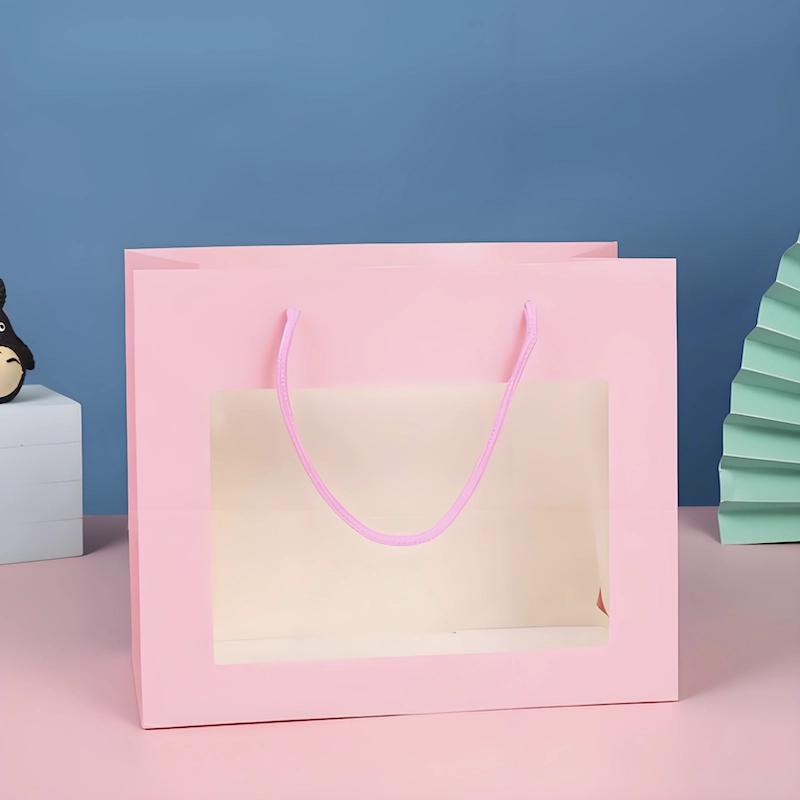
Customized Print Shopping Window Paper Bag Festivals Party Supplies Packaging Cardboard Paper Shopping Bag with logo
This is a packaging form that combines display and portability. Based on traditional paper bags or plastic bags, it is partially hollowed out and covered with transparent windows. Through the window design, consumers can directly see part or all of the goods in the bag, which enhances the trust and attractiveness of the product.
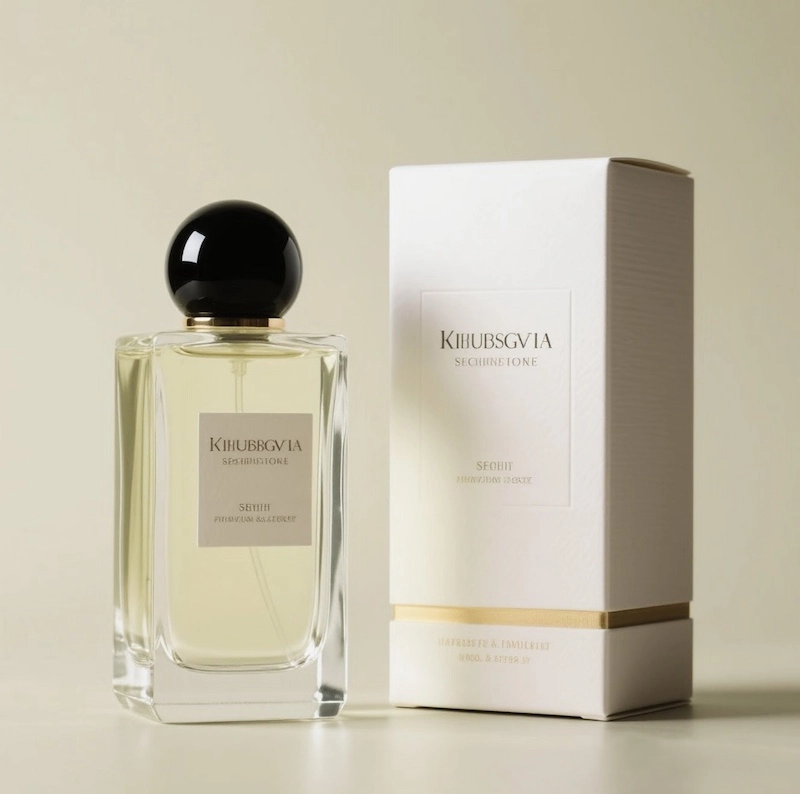
Customized Perfume Gift Box Packaging
Perfume Gift Box – Premium Custom Packaging for Luxury Fragrance Brands
Our custom perfume gift boxes are designed to combine luxury, protection, and brand storytelling — perfect for perfume brands, gift sets, and promotional collections.
Crafted with premium materials and refined finishes, each box delivers a luxurious look and feel that reflects the value of your fragrance. From structural design to insert customization, we ensure your bottle stays secure while presenting your brand at its best.
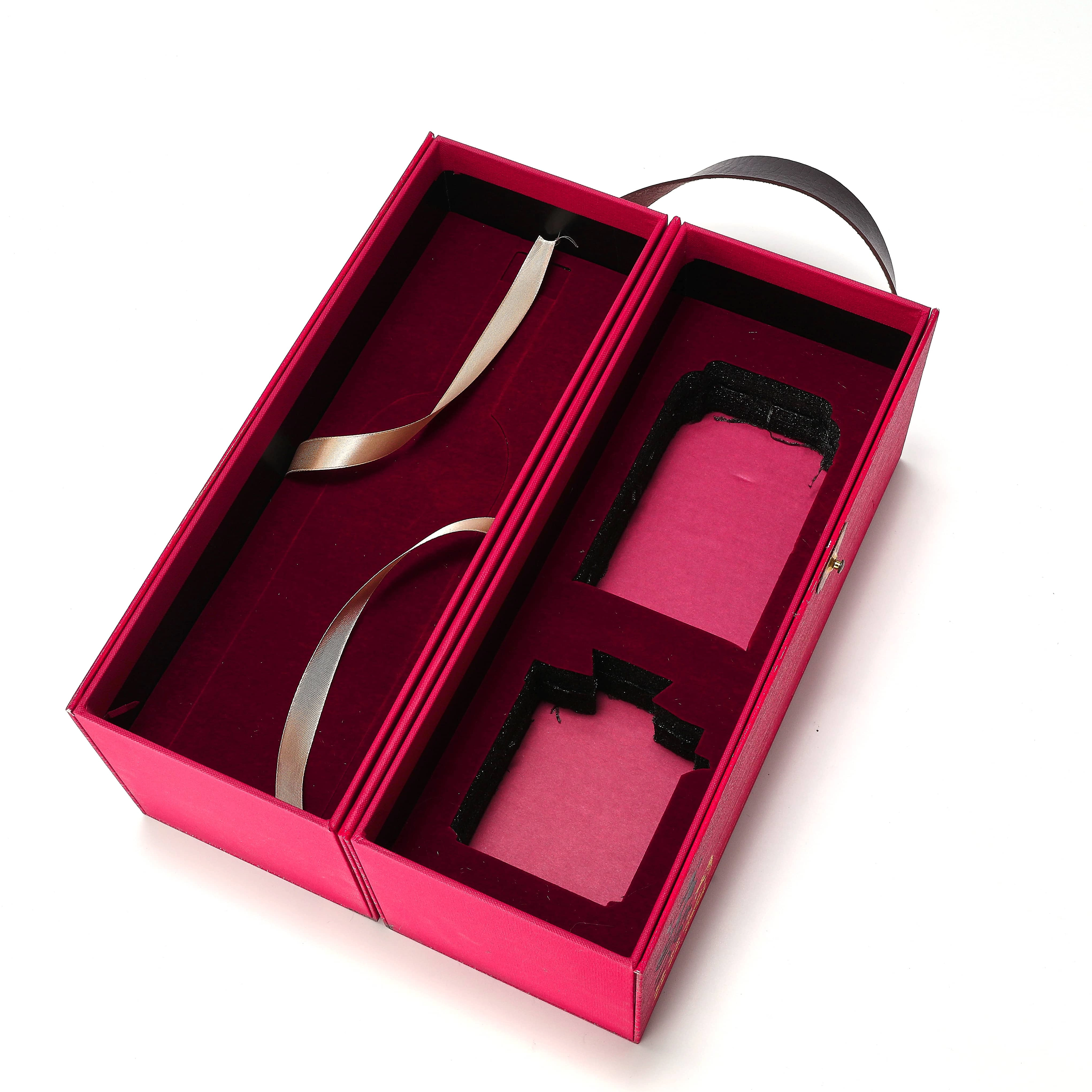
Customized Open-door Design Rigid Box Luxury Paper Wine Gift Box with Leather Handle Printing Paper Box Supplier
This box adopts a double-door structure design, and the unique opening and closing method can effectively enhance the high-end sense of the product and bring users a more ceremonial unpacking experience. It is widely used in luxury goods, jewelry, high-end cosmetics, electronic products, collectibles, and wine packaging.

Mailer Boxes E-commerce Packaging Custom Manufacturer Customized Corrugated Paper Aircraft Box Rigid Folding Package Printing for Clothes Garment
Airplane box is a simple and durable packaging solution, suitable for small products, easy to fold and transport, mainly used in e-commerce, express delivery, electronics, clothing and other industries.
© 2025 WINPACK PRINTING. All rights reserved

Wenhua Printing packaging
winpackprinting
Winpack Printing