




Compostable vs Recyclable Food Packaging Explained
- Why packaging choices matter for food brands
- Consumer expectations and brand risk
- Supply chain and operational impacts
- Regulation and food safety
- Compostable vs recyclable: definitions, standards, and what they mean in practice
- Definitions and common misunderstandings
- Relevant standards and certification
- What standards mean in the real world
- Material comparison and lifecycle considerations
- Comparative table: compostable vs recyclable packaging
- Materials, suitability, and environmental trade-offs
- Life cycle and carbon implications
- Practical guidance for selecting and implementing sustainable custom food packaging
- Step 1 — Map local infrastructure and consumer habits
- Step 2 — Choose materials to match disposal pathways
- Step 3 — Design for collection and contamination reduction
- Implementation, verification, and communicating claims
- Testing, certification, and supply chain verification
- Labeling best practices
- Monitoring performance and continuous improvement
- Case study, company capabilities, and how I help brands implement change
- Typical project workflow I use
- Why reliable manufacturing partners matter
- About Winpack and how we support sustainable custom food packaging
- Frequently Asked Questions (FAQ)
- Q1: Is compostable packaging always better than recyclable packaging?
- Q2: Can PLA or other bioplastics be recycled with conventional plastics?
- Q3: How should I label packaging to avoid confusing consumers?
- Q4: Are grease-resistant paperboards recyclable or compostable?
- Q5: What steps can I take to pilot a packaging switch with minimal risk?
- Q6: How do regulatory agencies view compostable claims?
As someone who has advised food brands and designed custom food packaging for a wide range of categories, I often see confusion between the terms compostable and recyclable. Both aim to reduce environmental harm, but they serve different circular pathways and rely on distinct infrastructure and standards. In this article I walk through definitions, standards, material performance, lifecycle considerations, and pragmatic guidance so you can choose packaging that meets regulatory requirements, customer expectations, and logistical realities.
Why packaging choices matter for food brands
Consumer expectations and brand risk
Customers increasingly expect food packaging to be sustainable, but the term is vague. Misleading claims or unsupported labels create reputational risk and regulatory scrutiny. As I craft custom food packaging solutions, I always start by mapping what consumers actually do at end-of-life: do they compost, recycle, or landfill? Understanding behavior reduces greenwashing risk and improves trust.
Supply chain and operational impacts
Packaging choice affects sourcing, production equipment, inventory, and waste handling in your kitchens or retail locations. Compostable trays may require different inks or adhesives; recyclable designs must avoid multi-layer laminates that limit processing. I evaluate operational constraints to ensure the chosen custom food packaging is practical, not just aspirational.
Regulation and food safety
Food-contact compliance is mandatory. The US FDA and equivalent agencies worldwide regulate food contact materials; some compostable polymers are approved, others are not. Before selecting packaging, I verify materials meet food contact standards and any local composting or recycling claims.
Compostable vs recyclable: definitions, standards, and what they mean in practice
Definitions and common misunderstandings
Compostable packaging is designed to biodegrade under specified conditions into carbon dioxide, water, inorganic compounds, and biomass within a set timeframe and without leaving harmful residues. Recyclable packaging is processed into new material feedstocks through existing mechanical or chemical recycling systems. These are different end-of-life pathways — compostable does not automatically mean recyclable, and vice versa.
Relevant standards and certification
To substantiate claims, look for standards such as EN 13432 (Europe) and ASTM D6400 (US) for compostability. For recyclability, industry guidance and resin codes like the Resin Identification Code are commonly referenced, and local municipal recycling acceptance determines real recyclability. Regulatory bodies such as the FDA provide food-contact guidance.
What standards mean in the real world
Compostable certification often specifies industrial composting conditions (high temperature, specific residence time). Home compostability is a separate, stricter criterion. A product certified to ASTM D6400 or EN 13432 may require municipal industrial composting and will not break down in a residential bin or in regular recycling streams. Recyclable items may be technically recyclable but not accepted locally due to contamination, economic factors, or sorting limitations — see EPA recycling insights EPA: Recycling Basics.
Material comparison and lifecycle considerations
Comparative table: compostable vs recyclable packaging
| Characteristic | Compostable | Recyclable |
|---|---|---|
| Primary end-of-life | Industrial or home composting (depending on certification) | Material recovery/reprocessing into new products |
| Standards | EN 13432, ASTM D6400, OK Compost | Resin codes (1–7), local recycling program standards |
| Food safety considerations | Must be food-contact safe; inks/adhesives must meet compostability criteria | Must avoid contaminants and multi-material laminates to be recyclable |
| Infrastructure dependency | High for industrial composting; variable for home composting | High — depends on local collection, sorting, and market demand |
| Contamination sensitivity | Food residues are tolerated in compost streams but can hinder recycling | High — grease and food waste often cause materials to be rejected |
| Typical materials | PLA, cellulose-based papers, bagasse, molded fiber | Cardboard/paper, PET, HDPE, aluminum |
Materials, suitability, and environmental trade-offs
Here are common materials and my assessment for custom food packaging:
| Material | Common use | Compostable? | Recyclable? |
|---|---|---|---|
| Paper/cardboard (uncoated) | Gable boxes, folding boxes, pizza boxes | Yes (if no plastic/contaminating coatings) | Yes, widely accepted where uncontaminated |
| Molded fiber (bagasse) | Take-out bowls, trays | Yes (industrial and sometimes home) | No (not typically recycled) |
| PLA (polylactic acid) | Lids, clamshells | Yes (industrial composting) | No (contaminates recycling streams) |
| Multi-layer laminates | Barrier pouches | Generally no | Generally no (difficult to recycle) |
| PET/HDPE | Bottles, some trays | No | Yes (if collected and clean) |
Sources: EN 13432 and ASTM D6400 summaries (EN 13432, ASTM D6400) and EPA recycling guidance (EPA).
Life cycle and carbon implications
Sustainability isn't just about end-of-life. A packaging item’s environmental impact depends on raw materials, manufacturing energy, transport, reusability, and end-of-life processing. Life cycle assessments (LCAs) often show that lightweight recyclable containers (e.g., PET) can have lower carbon footprints for some applications than heavier compostable counterparts once collection and processing are considered. I recommend conducting an LCA for high-volume SKUs or relying on reputable third-party LCA studies when planning packaging shifts; see reviews on packaging LCA in the literature for more detail (ScienceDirect topic overview).
Practical guidance for selecting and implementing sustainable custom food packaging
Step 1 — Map local infrastructure and consumer habits
Begin by surveying local municipal composting and recycling programs where your product will be sold. If your target geography lacks industrial composting, labeling packaging as compostable (unless home-compostable) risks confusing consumers. I create a matrix for clients showing which SKUs are recyclable/composable by market to guide material choices for each distribution region.
Step 2 — Choose materials to match disposal pathways
If customers typically toss packaging in general waste, then a switch to recyclable materials combined with improved logistics (e.g., take-back) may achieve better outcomes than a compostable option that cannot be processed locally. For high-fat or soiled food, compostable molded fiber often performs better at end-of-life than contaminated paper in recycling streams.
Step 3 — Design for collection and contamination reduction
Design features to help proper disposal: clear labeling, single-material construction where possible, and minimization of coatings and adhesives that hinder composting or recycling. Clear on-pack disposal guidance — for example, Industrial composting where accepted — otherwise dispose in general waste — reduces mis-sorting.
Implementation, verification, and communicating claims
Testing, certification, and supply chain verification
Before making public claims, I require third-party certification or laboratory testing for compostability (e.g., EN 13432, ASTM D6400) or verification from recycling councils for recyclability claims. Maintain documentation in case of audits — certifications should be current and cover the specific material formulation, adhesives, and inks.
Labeling best practices
Follow guidance from agencies and organizations to avoid vague language. Use specific icons and statements like Industrially compostable — certified to EN 13432 or Widely recyclable where facilities exist. For claims guidance, consult resources such as the ISO or local enforcement agencies.
Monitoring performance and continuous improvement
Track returns, customer inquiries, and diversion rates. If you find high contamination of recycling streams, consider switching to fully compostable systems supported by take-back or partnering with local composting facilities. Iteratively refine custom food packaging specifications based on real-world data.
Case study, company capabilities, and how I help brands implement change
Typical project workflow I use
I start with a packaging audit (materials, volumes, supply chain), then run an options analysis comparing cost, carbon, and diversion rates. Next I prototype custom food packaging samples (printing, coatings, structural design), test for food safety and certifications, and pilot with selected retail or foodservice partners. Finally I support scale-up, documentation, and on-pack communications.
Why reliable manufacturing partners matter
You need a supplier who understands both printing technologies and material science. For example, choosing the right press, plate-making system, and inks matters for food safety and compostability certification. Working with experienced manufacturers reduces the risk of incompatibilities that can invalidate compostable or recyclable claims.
About Winpack and how we support sustainable custom food packaging
In 2016, Guangdong Winpack Printing Technology Development Co., Ltd. was officially established as a professional paper box printing manufacturer specializing in designing, proofing, printing, and producing a wide range of packaging and printed materials. Our services include customized production of stickers, labels, paper bags, gift boxes, beauty boxes, pizza boxes, books, brochures, flyers, etc. Winpack caters to diverse industries, including cosmetics, food, healthcare, pharmaceuticals, and electronics.
Our 15,000-square-meter factory is equipped with state-of-the-art technology. We utilize an advanced screen plate-making system and top-tier machinery such as the Heidelberg printing machine, high-speed paper cutter, Lithrone GL-40A machine, and anti-counterfeiting inkjet printer to ensure superior quality and efficiency. Our vision is to become the world's leading custom paper box packaging manufacturer.
For brands seeking custom food packaging solutions — whether custom gable boxes, custom gift boxes, custom display boxes, custom rigid boxes, custom folding boxes, custom paper tubes boxes, custom window boxes, custom special-shape boxes, custom pillow boxes, or custom take out boxes — Winpack provides end-to-end capabilities from design to certification-ready production. Learn more at https://www.winpackprinting.com/ or contact [email protected] to discuss your SKU-level requirements and pilot projects.
Frequently Asked Questions (FAQ)
Q1: Is compostable packaging always better than recyclable packaging?
A1: Not necessarily. Better depends on local infrastructure, the type of food (greasy vs dry), and lifecycle impacts. Compostable packaging can be preferable where industrial composting exists and contamination of recycling streams is a concern; recyclable options may be lower-impact where robust recycling systems exist.
Q2: Can PLA or other bioplastics be recycled with conventional plastics?
A2: Typically no. PLA and many bioplastics can contaminate PET or other recycling streams. They require separate industrial composting or dedicated recycling processes. Always check local sorting capabilities before specifying PLA for custom food packaging.
Q3: How should I label packaging to avoid confusing consumers?
A3: Use precise, verifiable statements such as Industrially compostable — certified to EN 13432 or Recyclable where facilities exist (check local program). Avoid vague words like eco-friendly without substantiation. Include disposal icons and short guidance on the pack.
Q4: Are grease-resistant paperboards recyclable or compostable?
A4: It depends on the treatment. Some grease-resistant barriers are compostable and certified; others rely on chemical or polymer coatings that hinder compostability and recycling. Work with suppliers to specify barrier treatments that align with your intended disposal pathway.
Q5: What steps can I take to pilot a packaging switch with minimal risk?
A5: Run a small-market pilot, collect disposal data, test for food-contact safety and certification, and prepare contingency plans if waste systems reject the new material. Communicate clearly with customers and retailers during the pilot.
Q6: How do regulatory agencies view compostable claims?
A6: Agencies expect clear, verifiable claims backed by third-party certification and appropriate labeling. Avoid implying home compostability if you only have industrial composting certification. Check guidance from relevant regulators such as the FDA or local authorities for advertising and labeling rules.
If you’d like help auditing current packaging, running an LCA, or prototyping custom food packaging that aligns with compostability or recyclability objectives, contact me or get in touch with Winpack for reliable manufacturing and certification support. Visit https://www.winpackprinting.com/ or email [email protected] to request samples, technical specs, and pricing. I’m available to advise on material selection, testing pathways, and pilot deployment tailored to your markets.
Digital Printing Flexible Packaging: Benefits for Brand Owners
How to Choose the paper jewelry box manufacturer and supplier ?
Best professional custom candy gift box manufacturers and supplier brands in Guangzhou
Cost-Effective Takeaway Packaging Solutions for Small Businesses
About Us
How to start the mass production?
Once received the 30% deposite, we will arrange the mass prouction.The balance need to be paid before delivery.
When I can get the quotation?
Generally we will quoted to you in 2 hours after you provide the details of the box( Size, material, craft, accessories and other details)
About Printing Craftsmanship
What is embossing, and how is it different from debossing?
Embossing is a technique that creates a raised impression on a material, while debossing presses the design inward, creating a recessed effect. Both techniques add texture and sophistication to printed materials.
Folding Boxes
Can you provide me with a die-cutting line template?
We will provide a die-cutting line template after you place an order for samples or products.
OEM Services
Do you ship internationally?
Yes, we have a well-established global supply chain and offer international shipping services. Whether you need local or worldwide delivery, we ensure reliable logistics support.

Customized Print Shopping Window Paper Bag Festivals Party Supplies Packaging Cardboard Paper Shopping Bag with logo
This is a packaging form that combines display and portability. Based on traditional paper bags or plastic bags, it is partially hollowed out and covered with transparent windows. Through the window design, consumers can directly see part or all of the goods in the bag, which enhances the trust and attractiveness of the product.
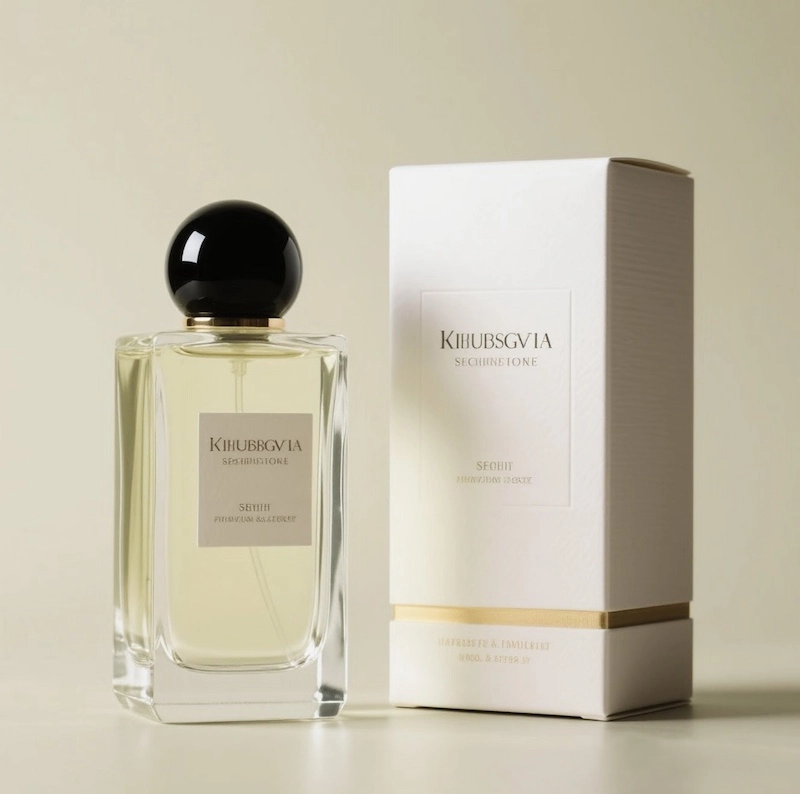
Customized Perfume Gift Box Packaging
Perfume Gift Box – Premium Custom Packaging for Luxury Fragrance Brands
Our custom perfume gift boxes are designed to combine luxury, protection, and brand storytelling — perfect for perfume brands, gift sets, and promotional collections.
Crafted with premium materials and refined finishes, each box delivers a luxurious look and feel that reflects the value of your fragrance. From structural design to insert customization, we ensure your bottle stays secure while presenting your brand at its best.
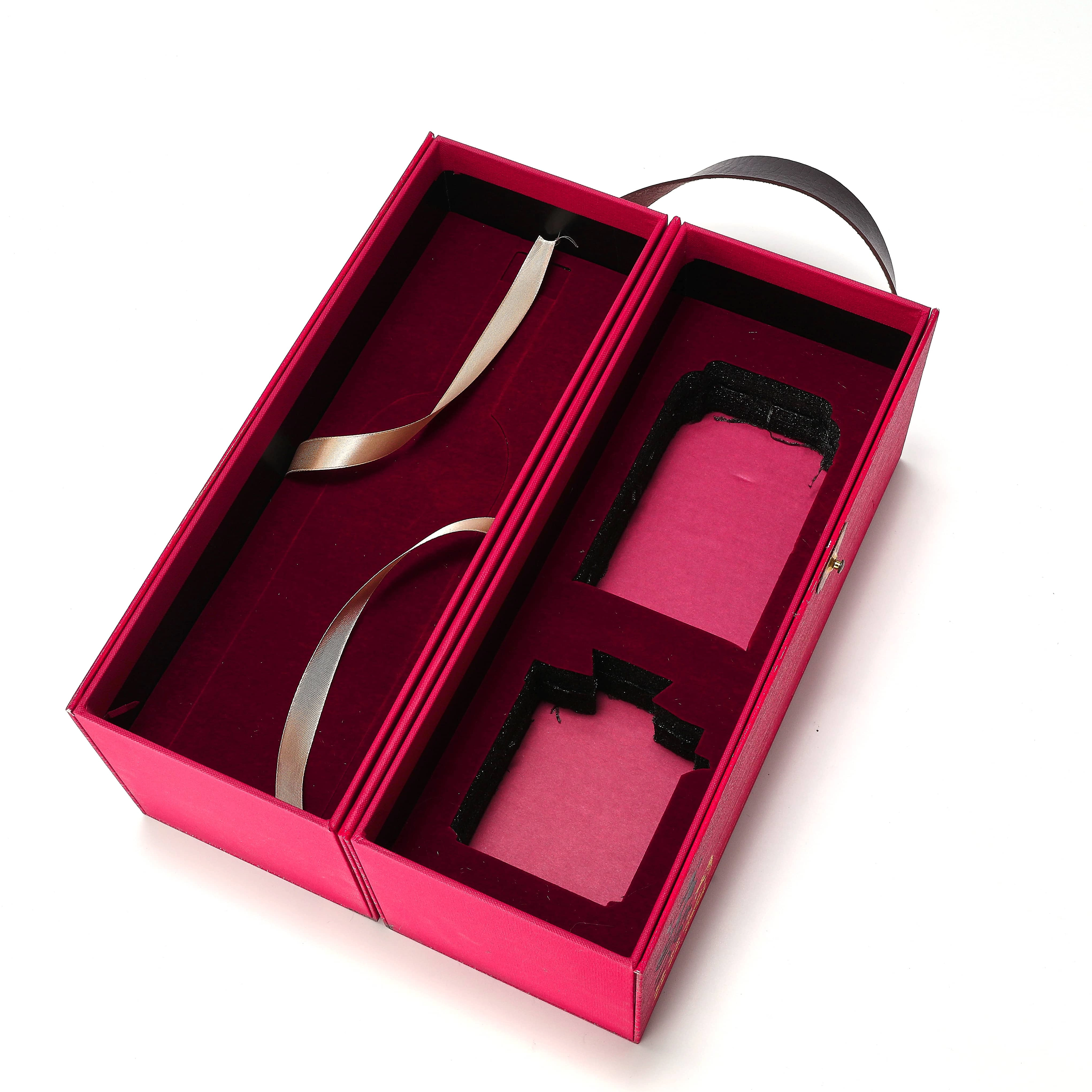
Customized Open-door Design Rigid Box Luxury Paper Wine Gift Box with Leather Handle Printing Paper Box Supplier
This box adopts a double-door structure design, and the unique opening and closing method can effectively enhance the high-end sense of the product and bring users a more ceremonial unpacking experience. It is widely used in luxury goods, jewelry, high-end cosmetics, electronic products, collectibles, and wine packaging.

Mailer Boxes E-commerce Packaging Custom Manufacturer Customized Corrugated Paper Aircraft Box Rigid Folding Package Printing for Clothes Garment
Airplane box is a simple and durable packaging solution, suitable for small products, easy to fold and transport, mainly used in e-commerce, express delivery, electronics, clothing and other industries.
© 2025 WINPACK PRINTING. All rights reserved

Wenhua Printing packaging
winpackprinting
Winpack Printing