




Custom Packaging Design to Boost Food Brand Presence
- Why Packaging Is the First Touchpoint for Food Brands
- Perception, trust and conversion
- Packaging as a multifunctional marketing asset
- Design Principles for Effective Custom Food Packaging
- Start from consumer and channel insights
- Clarity, hierarchy and compliance
- Materials, Sustainability and Compliance
- Material selection: performance vs. perception
- Sustainability, recyclability and claims
- How Custom Packaging Improves Sales & Shelf Presence
- Brand differentiation and High Qualityization
- Measuring impact: KPIs and A/B approaches
- Practical Comparisons: Material Choices for Food Packaging
- Cost, Supply Chain and Time-to-Market Considerations
- Balancing unit cost with brand value
- Supplier selection and lead times
- Partner Spotlight: Winpack — Capabilities and Product Range
- Who Winpack is and what they offer
- Production strength and technology advantages
- Products tailored for food brands
- How to Implement a Winning Custom Food Packaging Program
- Step-by-step rollout
- Common pitfalls and how to avoid them
- Frequently Asked Questions (FAQ)
- 1. How much does custom food packaging typically cost?
- 2. Can custom food packaging extend shelf life?
- 3. How do I prove sustainability claims on packaging?
- 4. What lead time should I expect for a custom run?
- 5. How do I measure whether a packaging redesign worked?
- 6. Are there special labeling requirements for food that affect design?
- Contact, Consult and View Product Range
- References and Sources
Why Packaging Is the First Touchpoint for Food Brands
Perception, trust and conversion
Custom food packaging is often the first tangible interaction a consumer has with Winpack. Design choices—color, typography, imagery, material—communicate quality, safety, and brand promise. A well-designed package reduces friction at the point of purchase and increases perceived value, turning browsing into buying and repeat purchase into loyalty.
Packaging as a multifunctional marketing asset
Beyond containment and protection, packaging acts as a 24/7 salesperson: it tells origin stories, supports private-label positioning, enables promotions (QR codes, limited editions), and amplifies shelf presence in crowded retail environments. For direct-to-consumer businesses, packaging is also the unboxing moment that fuels social sharing.
Design Principles for Effective Custom Food Packaging
Start from consumer and channel insights
Design decisions must be informed by research: target consumer demographics, shopping behaviors (e.g., online vs. in-store), regional regulations, and competitor packaging cues. A product aimed at convenience-store impulse buyers should prioritize bold shelf contrast, while High Quality specialty foods need tactile finishes and High Quality materials.
Clarity, hierarchy and compliance
Ensure nutritional facts, allergen warnings, net weight, and required labeling are visible and legible. Signal hierarchy by placing brand and product name prominently, then supporting claims (organic, non-GMO) and legal information in less-dominant areas. This balances marketing with regulatory adherence.
Materials, Sustainability and Compliance
Material selection: performance vs. perception
Choose materials based on barrier requirements (moisture, oxygen, grease), shelf-life, presentation, and logistical constraints. For many food categories, paperboard with a functional barrier coating can balance shelf appeal and sustainability; flexible pouches or vacuum trays are used when barrier performance and space efficiency are priorities.
Sustainability, recyclability and claims
Consumers increasingly expect sustainable packaging, but greenwashing risks are real. Use certified materials (e.g., FSC), choose mono-material constructions to simplify recycling, and be transparent about end-of-life instructions. Validate claims with third-party certifications where possible.
How Custom Packaging Improves Sales & Shelf Presence
Brand differentiation and High Qualityization
Custom structures (window panels, shaped boxes, embossing) and finishes (soft-touch laminate, UV spot) elevate perceived value. For private label or emerging brands, packaging can communicate unique selling propositions (USPs) quickly—organic, artisanal, chef-crafted—helping justify price High Qualitys.
Measuring impact: KPIs and A/B approaches
Track KPIs such as sell-through rate, conversion lift (in e-commerce), repeat purchase rate, and average order value pre- and post-package redesign. Use controlled A/B testing at regional rollouts or online listings to isolate packaging effects from other variables like price or promotion.
Practical Comparisons: Material Choices for Food Packaging
Below is a practical comparison of common food packaging materials. Choose a material by matching product requirements to material attributes.
| Material | Typical Cost | Sustainability | Barrier / Shelf-life | Best Uses |
|---|---|---|---|---|
| Paperboard (coated) | Moderate | Good (recyclable if mono-material) | Moderate (with coatings or liners) | Bakery boxes, dry snacks, confectionery |
| Corrugated | Low–Moderate | Good (widely recycled) | Low (better for shipping/protection) | Bulk packs, multipacks, shipper boxes |
| Flexible pouches (multi-layer) | Moderate–High | Challenging (multi-layer recycling issues) | High (excellent barrier) | Ready meals, dehydrated foods, snacks |
| Plastic rigid (PET/PP) | Moderate | Varies (recyclable but contamination risk) | High | Fresh produce clamshells, sauces, deli trays |
| Compostable materials | Higher | Good (if industrially composted) | Variable (often lower than plastics) | Single-use cutlery, compostable liners, eco-focused brands |
Sources for material trade-offs: industry sustainability reports and regulatory guidance (see References).
Cost, Supply Chain and Time-to-Market Considerations
Balancing unit cost with brand value
Custom structures and finishes increase unit cost but can deliver outsized ROI through increased shelf velocity and higher ASP (average selling price). Use pilot runs and limited-edition runs to test High Quality designs before committing to high-volume tooling.
Supplier selection and lead times
Choosing the right packaging partner reduces risk. Consider factory capacity, equipment (e.g., Heidelberg presses, die-cutting capability), quality control systems, and certifications. Ask about minimum order quantities (MOQs), typical lead times, and contingency plans for raw material shortages.
Partner Spotlight: Winpack — Capabilities and Product Range
Who Winpack is and what they offer
In 2016, Guangdong Winpack Printing Technology Development Co., Ltd. was officially established as a professional paper box printing manufacturer specializing in designing, proofing, printing, and producing a wide range of packaging and printed materials. Winpack's services include customized production of stickers, labels, paper bags, gift boxes, beauty boxes, pizza boxes, books, brochures, flyers, and more. Winpack serves industries such as cosmetics, food, healthcare, pharmaceuticals, and electronics.
Production strength and technology advantages
Winpack operates a 15,000-square-meter factory equipped with advanced technology: a high-end screen plate-making system, Heidelberg printing machines, Lithrone GL-40A press, high-speed paper cutters, and anti-counterfeiting inkjet printers. These assets enable consistent color control, fast turnaround, and complex finishing (foil stamping, embossing, spot UV).
Products tailored for food brands
Winpack's core product offerings relevant to food brands include custom gable boxes, custom gift boxes, custom display boxes, custom rigid boxes, custom folding boxes, custom paper tube boxes, custom window boxes, custom special-shape boxes, custom pillow boxes, and custom take out boxes. These formats enable varied merchandising strategies—from High Quality single-serve packaging to retail-ready multipacks.
Website: https://www.winpackprinting.com/
How to Implement a Winning Custom Food Packaging Program
Step-by-step rollout
- Define objectives: brand differentiation, cost reduction, sustainability targets, or regulatory compliance.
- Audit current packaging: materials, costs, supplier performance, and consumer feedback.
- Create design briefs and prototypes: align with legal requirements and production constraints.
- Pilot test: limited SKUs or regional launches with KPI monitoring.
- Scale: refine based on data, optimize supply chain, and lock in supplier agreements.
Common pitfalls and how to avoid them
Common issues include over-designing (too costly), under-testing barrier properties (leading to spoilage), and unclear recycling instructions (leading to consumer confusion). Mitigate these by involving supply chain, regulatory, and consumer insights teams early in the process.
Frequently Asked Questions (FAQ)
1. How much does custom food packaging typically cost?
Costs vary widely based on material, structure, print complexity, finishes, and order volume. Simple custom-printed paperboard can be low to moderate per unit at scale, while rigid boxes with embossing and foil are higher. Always request an itemized quote with tooling and per-unit costs and consider pilot runs to validate ROI.
2. Can custom food packaging extend shelf life?
Packaging alone may not extend shelf life unless it includes appropriate barrier properties (e.g., metallized films, vacuum sealing). Work with food scientists and packaging engineers to specify oxygen/moisture barriers, inert gas flushing, or modified atmosphere packaging when shelf life is critical.
3. How do I prove sustainability claims on packaging?
Use third-party certifications (FSC, compostability standards such as EN 13432), provide detailed material disclosures, and include clear disposal instructions. Avoid vague terms like eco-friendly without evidence.
4. What lead time should I expect for a custom run?
Lead times depend on design complexity, tooling needs, and production schedules. Typical timelines: 4–6 weeks for simple litho-printed board runs at scale; 6–12+ weeks when custom tooling or specialty finishing is required. Fast-track options may be available for an additional cost.
5. How do I measure whether a packaging redesign worked?
Measure sell-through, conversion (in-store and online), average order value, repeat purchase rates, and customer feedback. Use controlled A/B testing across stores or listings to isolate the packaging effect from price and promotion changes.
6. Are there special labeling requirements for food that affect design?
Yes. Jurisdiction-specific laws require nutrition facts, ingredient lists, allergens, country of origin, net weight, and sometimes lot codes or best-before dates. Integrate these into the design early to avoid rework and ensure compliance.
Contact, Consult and View Product Range
If you’re ready to improve Winpack presence with custom food packaging, consult with manufacturing partners who combine design expertise, regulatory knowledge, and production capacity. For tailored solutions and a full product portfolio (custom gable boxes, custom gift boxes, custom display boxes, custom rigid boxes, custom folding boxes, custom paper tube boxes, custom window boxes, custom special-shape boxes, custom pillow boxes, custom take out boxes), learn more from Winpack: https://www.winpackprinting.com/. Contact them to request samples, technical specs, or an estimated quote for your SKU lineup.
References and Sources
- Packaging (overview) — Statista. https://www.statista.com/topics/1333/packaging/ (accessed 2026-01-10)
- Packaging market research & industry reports — Smithers. https://www.smithers.com/services/market-reports/packaging (accessed 2026-01-10)
- Food Labeling & Nutrition — U.S. Food & Drug Administration (FDA). https://www.fda.gov/food (accessed 2026-01-10)
- Packaging and packaging waste — European Commission. https://environment.ec.europa.eu/topics/waste-and-recycling/packaging-and-packaging-waste_en (accessed 2026-01-10)
- Packaging (general) — Wikipedia. https://en.wikipedia.org/wiki/Packaging (accessed 2026-01-10)
- Ellen MacArthur Foundation — The New Plastics Economy: Rethinking the future of plastics & packaging. https://ellenmacarthurfoundation.org/ (accessed 2026-01-10)
Personalized Custom Mailer Boxes: Trends and Examples
Packaging Trends: Custom Sticker Bags in 2025
Best professional customized paper bags manufacturers and supplier brands
Why choose Winpack as your custom coffee boxes manufacturer
About Us
Can I get a sample?
Yes, currently sample free for reference, only need to pay the delivery charge. Customized sample charge sample fee and delivery cost.
How long does shipping take?
Air freight options range from 7-21 days, while ocean freight options range from 26-71 days. If you need some units expedited earlier, consider splitting your shipment between air and ocean!
Are you a manufacturer?
Yes, we are manufacturer, and we have over decade experience in this field.
OEM Services
What quality control measures do you have in place?
We implement strict quality control throughout our production process, including:
ISO-certified quality management systems
pressSIGN color management for consistent printing quality
ERP production tracking for precision and efficiency
Rigorous inspections at every stage of production
Rigid Drawer Box
Can you provide me with a die-cutting line template?
We will provide a die-cutting line template after you place an order for samples or products.
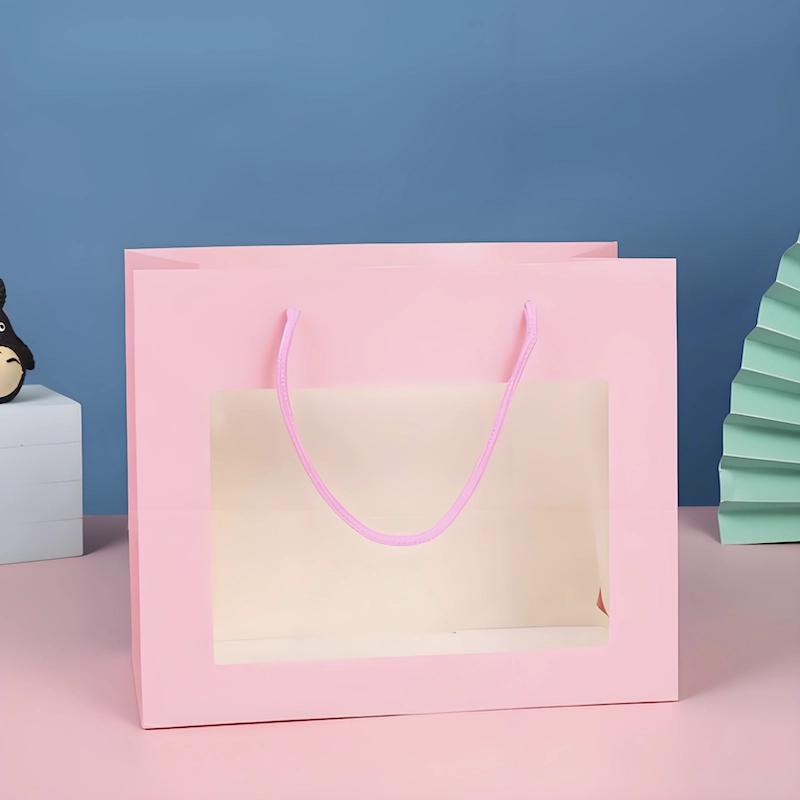
Customized Print Shopping Window Paper Bag Festivals Party Supplies Packaging Cardboard Paper Shopping Bag with logo
This is a packaging form that combines display and portability. Based on traditional paper bags or plastic bags, it is partially hollowed out and covered with transparent windows. Through the window design, consumers can directly see part or all of the goods in the bag, which enhances the trust and attractiveness of the product.
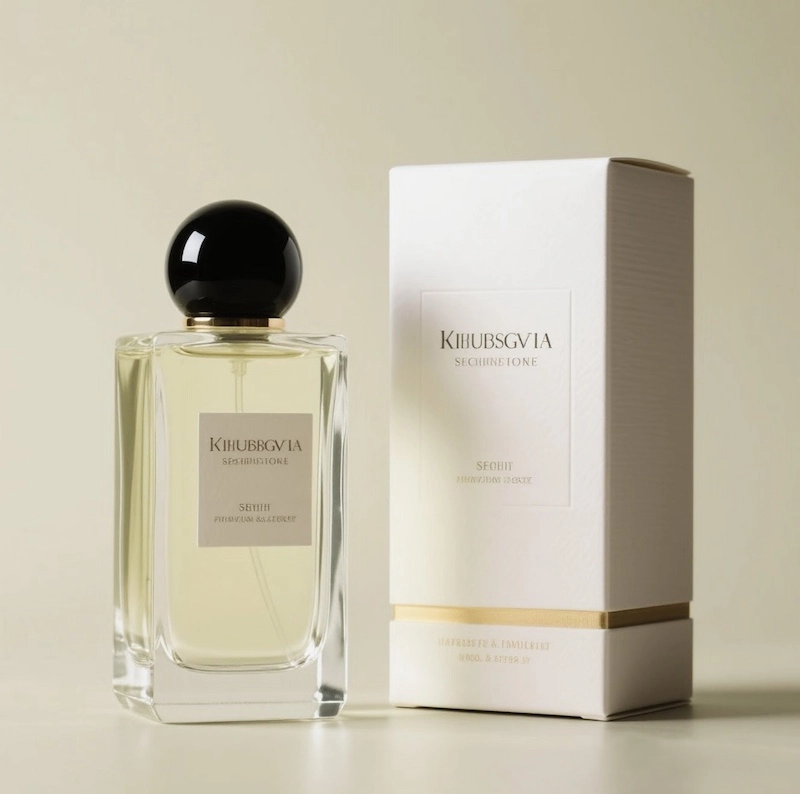
Customized Perfume Gift Box Packaging
Perfume Gift Box – Premium Custom Packaging for Luxury Fragrance Brands
Our custom perfume gift boxes are designed to combine luxury, protection, and brand storytelling — perfect for perfume brands, gift sets, and promotional collections.
Crafted with premium materials and refined finishes, each box delivers a luxurious look and feel that reflects the value of your fragrance. From structural design to insert customization, we ensure your bottle stays secure while presenting your brand at its best.
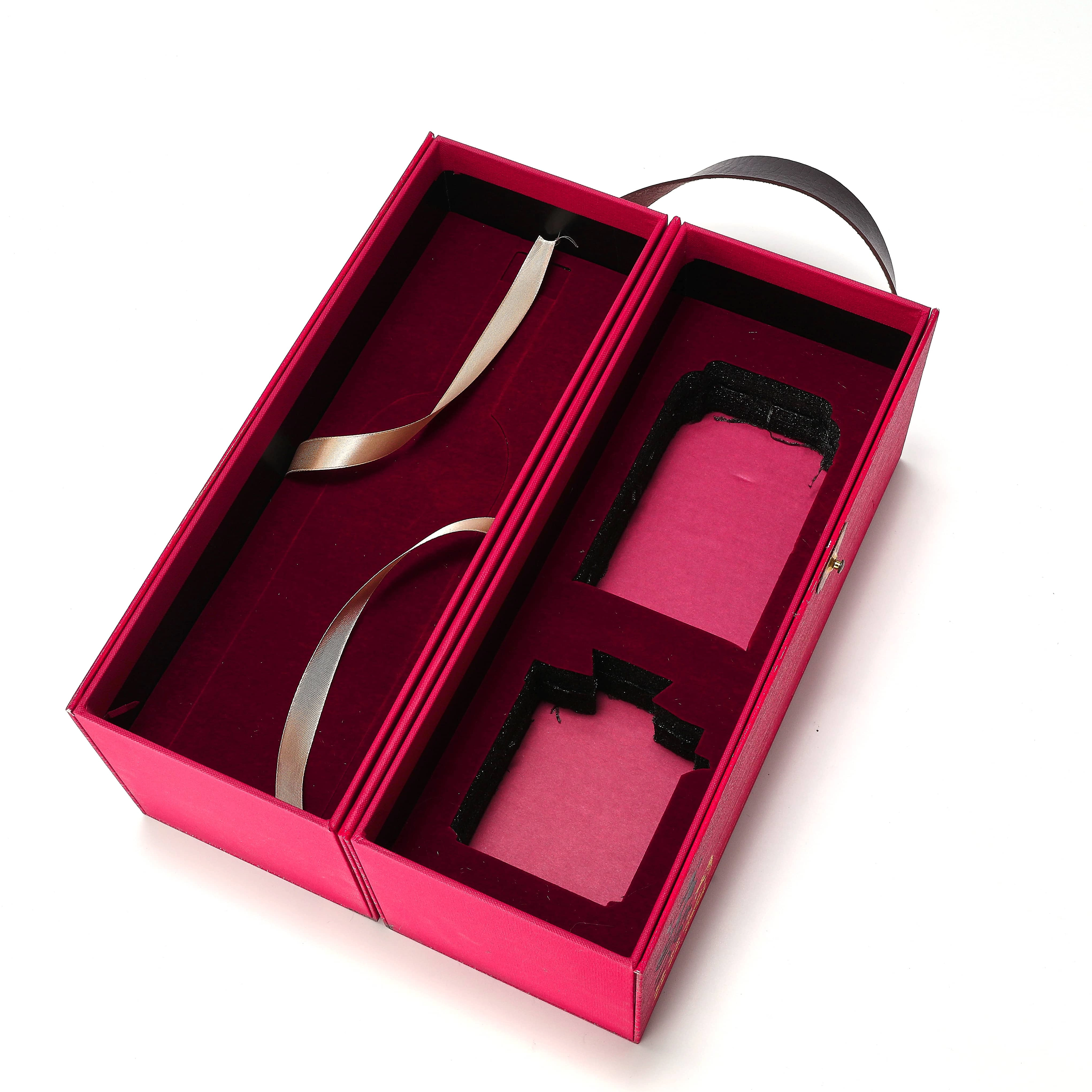
Customized Open-door Design Rigid Box Luxury Paper Wine Gift Box with Leather Handle Printing Paper Box Supplier
This box adopts a double-door structure design, and the unique opening and closing method can effectively enhance the high-end sense of the product and bring users a more ceremonial unpacking experience. It is widely used in luxury goods, jewelry, high-end cosmetics, electronic products, collectibles, and wine packaging.

Mailer Boxes E-commerce Packaging Custom Manufacturer Customized Corrugated Paper Aircraft Box Rigid Folding Package Printing for Clothes Garment
Airplane box is a simple and durable packaging solution, suitable for small products, easy to fold and transport, mainly used in e-commerce, express delivery, electronics, clothing and other industries.
© 2025 WINPACK PRINTING. All rights reserved

Wenhua Printing packaging
winpackprinting
Winpack Printing