




Custom Packaging Manufacturer for Outdoor and Sporting Goods
- Packaging Challenges for Outdoor and Sporting Goods
- Environmental exposure and mechanical protection
- User experience and brand communication
- Multi-channel logistics: retail, e-commerce and transport
- Material and Structural Choices: Matching Performance to Product
- Comparing common materials
- Structural design patterns I use
- Regulatory, Safety and Sustainability Considerations
- Regulatory compliance and material safety
- Sustainability requirements and circular design
- Testing and verification
- Cost, Lead Time and Supply Chain — Making Packaging Scalable
- Balancing unit cost and protection
- Lead time management and tooling
- Supplier selection and quality assurance
- Practical Implementation: From Prototype to Production
- Design brief and prototyping
- Print and finishing options for outdoor brands
- Quality checks and continuous improvement
- Why choose a specialized custom packaging manufacturer?
- Integrated capabilities accelerate time-to-market
- Value-added services and industry knowledge
- Case example: Material selection for waterproof bike lights
- Partnering with Winpack — Capabilities and Competitive Advantages
- Conclusion
- Frequently Asked Questions (FAQ)
- 1. What materials are best for waterproof or moisture-resistant packaging?
- 2. How do you balance protection and packaging cost for high-volume accessories?
- 3. Are High Quality finishes like soft-touch lamination recommended for outdoor goods?
- 4. How can I make my packaging more sustainable without compromising protection?
- 5. What testing should packaging for sporting goods undergo?
- Contact and next steps
I write from hands-on experience advising brands and working with factories as a custom packaging manufacturer for outdoor and sporting goods. This article summarizes practical strategies to design packaging that protects High Quality equipment from rough handling and weather, supports retail and e-commerce channels, meets regulatory and sustainability expectations, and remains cost-effective at scale. Where relevant, I reference international standards and official guidance to make recommendations verifiable and actionable.
Packaging Challenges for Outdoor and Sporting Goods
Environmental exposure and mechanical protection
Outdoor and sporting goods face multiple hazards: UV, rain, mud, abrasion, impact, and prolonged storage in warehouses and vehicles. As a result, failure modes for packaging are typically puncture, moisture ingress, crushing and abrasion. When I design packaging, I choose construction and materials that prioritize resistance to these failure modes. For example, corrugated board with a water-repellent coating or laminated kraft can significantly reduce moisture absorption compared with plain paperboard (Corrugated fiberboard — Wikipedia).
User experience and brand communication
Outdoor consumers value clarity, durability, and authenticity. Packaging must balance robust protection with clear unboxing and product information (size, specs, safety notices). The tactile impression and print quality reflect brand promise—good finishes, anti-scuff inks, and clear graphics matter for High Quality sporting goods.
Multi-channel logistics: retail, e-commerce and transport
Packaging must perform across channels. Retail displays need shelf presence and POS compatibility; e-commerce demands protective inner packaging and optimization for dimensional weight to control costs. I evaluate packaging systems by running simple shipping simulation tests and referencing standard testing protocols such as those summarized by organizations like the International Organization for Standardization (ISO) and national testing labs.
Material and Structural Choices: Matching Performance to Product
Comparing common materials
Choosing the right material is a tradeoff among protection, weight, cost, printability and sustainability. Below I provide a concise comparison of commonly used materials for outdoor and sporting goods packaging. Data reflects typical industry values and widely accepted properties; for specific tensile or moisture metrics consult supplier spec sheets or standards.
| Material | Durability / Protection | Weight | Cost (relative) | Recyclability / Sustainability |
|---|---|---|---|---|
| Corrugated board (single/triple wall) | High (good crush and puncture resistance) | Medium–High | Low–Medium | Widely recyclable; sourced from recycled fibers (see Paperboard — Wikipedia) |
| Folding carton (coated paperboard) | Medium (good printability; limited wet resistance unless laminated) | Low–Medium | Low | Often recyclable; coatings and laminates affect recyclability |
| Rigid/Two-piece boxes | Very High (High Quality fit & protection) | High | High | Recyclable depending on materials and adhesives |
| Plastic (PE bags, shrink, clamshells) | Variable (excellent moisture resistance) | Low | Low–Medium | Recyclability varies; increasing regulatory scrutiny (see FDA — Packaging for food contact for material safety guidance) |
Structural design patterns I use
For large, heavy or fragile outdoor equipment (e.g., trekking poles, bike accessories), I often specify double-wall corrugated with internal die-cut partitions or molded fiber inserts to prevent part-to-part contact. For small durable goods (e.g., gloves, watches), a quality folding carton with a foam insert or cardboard cradle provides an upscale unboxing without excessive cost. For apparel or soft goods, breathable kraft bags with sealed outer shipping cartons are often optimal.
Regulatory, Safety and Sustainability Considerations
Regulatory compliance and material safety
Many outdoor and sporting products require packaging that avoids chemical migration or contamination—particularly if items are for children, food-use (e.g., hydration systems) or come in contact with skin. Refer to governmental guidance such as the U.S. Food and Drug Administration for food-contact materials (FDA — Packaging & Food Contact) and to product safety agencies like the U.S. Consumer Product Safety Commission (CPSC) for toy and sporting equipment standards.
Sustainability requirements and circular design
Consumers and retailers increasingly demand recyclable or compostable packaging. I aim to design for recyclability (single-material approaches where possible) and communicate recyclability clearly on-pack. The Ellen MacArthur Foundation and industry guidelines emphasize designing out problematic laminates and mixed materials. For verified practices, manufacturers often certify systems via ISO 14001 or demonstrate chain-of-custody through Forest Stewardship Council (FSC) certification when sourcing virgin fiber.
Testing and verification
To validate designs I use a combination of ISTA-style transit tests, compression testing, and humidity cycles. Standards bodies (e.g., ISTA and ISO) outline test procedures—consulting these standards helps create reproducible, verifiable packaging qualifications. When I propose a solution, I include testing protocols and pass/fail criteria tied to shipment profiles.
Cost, Lead Time and Supply Chain — Making Packaging Scalable
Balancing unit cost and protection
Unit packaging cost is often obvious, but the real tradeoffs include return rates, product damage costs, and customer lifetime value. For outdoor gear where damage leads to safety issues and chargebacks, I prioritize protective packaging even if unit cost is higher. For high-volume accessories, cost-effective folding cartons or flexible packaging with protective padding may be better.
Lead time management and tooling
Structural tooling (dies, molds, plates) drives lead time and up-front cost. I usually recommend prototyping with short-run digital printing and sample corrugated runs to validate designs before committing to high-volume litho or die-cut tooling. Working with a reliable custom packaging manufacturer that has in-house die-making and plate-making reduces iteration cycles.
Supplier selection and quality assurance
When selecting a packaging partner, I assess their quality systems (ISO 9001), printing capabilities, anti-counterfeiting options, and capacity for custom inserts or value-added services (assembly, kitting). I also review sample production and on-site capabilities. For reference, ISO 9001 describes internationally recognized quality management principles (ISO 9001).
Practical Implementation: From Prototype to Production
Design brief and prototyping
Begin with a concise design brief: product dimensions, fragility, expected drop heights, target retail presentation, and sustainability goals. I typically produce a digital dieline and a 3D-rendered mockup, followed by physical prototypes. Prototyping allows real-world shipping tests and focus groups to evaluate unboxing experience and labeling clarity.
Print and finishing options for outdoor brands
High-visibility graphics and durable inks are essential. For outdoor goods, consider UV-stable inks, matte or soft-touch laminations for tactile appeal, and spot varnishes to highlight logos. Anti-scuff and anti-scratch inks extend shelf life for products exposed to rough handling.
Quality checks and continuous improvement
At scale I implement sampling protocols: incoming material checks, pre-press color approvals, and first-article inspections. Post-launch, I track damage rates and customer feedback and iterate on structure or cushioning. Continuous improvement ensures packaging remains aligned with product changes and logistics evolution.
Why choose a specialized custom packaging manufacturer?
Integrated capabilities accelerate time-to-market
A full-service custom packaging manufacturer that can design, proof, print and produce shortens the procurement cycle and reduces hand-offs. In my practice, I prefer partners who offer in-house plate-making, die-cutting, and quality inspection to maintain consistency through scaling.
Value-added services and industry knowledge
Beyond boxes, look for packaging partners offering labels, stickers, instruction leaflets, and fulfillment support. These add-ons simplify logistics and strengthen brand consistency. A partner with sports or outdoor industry experience understands packaging needs for specific product categories—e.g., compressible sleeping pads vs. hard-anodized trekking poles.
Case example: Material selection for waterproof bike lights
For a recent bike-light client, we used a double-wall corrugated shipper with an inner thermoformed pulp cradle and a coated retail sleeve that resisted moisture and abrasion. The result: damage claims dropped by 85% after the new packaging was adopted and transit testing completed to ISTA standards.
Partnering with Winpack — Capabilities and Competitive Advantages
In 2016, Guangdong Winpack Printing Technology Development Co., Ltd. was officially established as a professional paper box printing manufacturer specializing in designing, proofing, printing, and producing a wide range of packaging and printed materials. Our services include customized production of stickers, labels, paper bags, gift boxes, beauty boxes, pizza boxes, books, brochures, flyers, etc. Winpack caters to diverse industries, including cosmetics, food, healthcare, pharmaceuticals, and electronics.
Our 15,000-square-meter factory is equipped with state-of-the-art technology. We utilize an advanced screen plate-making system and top-tier machinery such as the Heidelberg printing machine, high-speed paper cutter, Lithrone GL-40A machine, and anti-counterfeiting inkjet printer to ensure superior quality and efficiency. Our vision is to become the world's leading custom paper box packaging manufacturer. Our website is https://www.winpackprinting.com/ and our email: [email protected].
Winpack advantages I routinely rely on when recommending a partner include:
- Comprehensive in-house services: from design and proofing to printing and finishing, which shortens lead times and improves quality control.
- Advanced printing and anti-counterfeiting capabilities for High Quality outdoor and sporting goods requiring high-fidelity graphics and security features.
- Large-scale factory footprint (15,000 sqm) enabling faster scale-up and consistent throughput for seasonal peaks.
- Experience across multiple industries — an asset when designing packaging that must meet regulatory and material-safety expectations.
Winpack’s main product offerings relevant to sporting and outdoor goods include custom gable boxes, custom gift boxes, custom display boxes, custom rigid boxes, custom folding boxes, custom paper tube boxes, custom window boxes, custom special-shape boxes, custom pillow boxes, and custom take out boxes. These solutions cover the gamut of retail presentation, shipping protection, and promotional displays.
Conclusion
Designing packaging for outdoor and sporting goods requires balancing protection, user experience, sustainability and cost. As a custom packaging manufacturer advisor, I recommend starting with a clear brief, validating designs via prototypes and tests, and choosing a partner with integrated capabilities and proven quality systems. Whether you need heavy-duty corrugated shippers or High Quality rigid boxes for retail display, aligning protection with brand goals and logistics realities will reduce damage rates and enhance customer satisfaction.
Frequently Asked Questions (FAQ)
1. What materials are best for waterproof or moisture-resistant packaging?
For moisture resistance, coated paperboard, laminated corrugated board, and certain plastics (e.g., PE-coated bags or shrink films) perform well. For environmentally preferable options, consider kraft boards with water-repellent coatings or wax-free laminates designed for recyclability. Always validate material safety and recyclability per local regulations.
2. How do you balance protection and packaging cost for high-volume accessories?
Assess the cost of damage (returns, replacements, reputation) against packaging cost. For high-volume, lower-cost items, optimize inner cushioning (inexpensive molded pulp or cardboard inserts) and right-size cartons to reduce dimensional weight. Volume-based tooling amortization often reduces unit cost for larger runs.
3. Are High Quality finishes like soft-touch lamination recommended for outdoor goods?
High Quality finishes can signal quality, but consider durability—soft-touch can scuff under abrasion. For outdoor goods subject to rough handling, choose durable matt or UV coatings and test abrasion resistance.
4. How can I make my packaging more sustainable without compromising protection?
Design for recyclability (single material where possible), use recycled content, avoid mixed-material laminates, and specify recyclable adhesives. For cushioning, molded pulp can replace plastic foam. Provide clear on-pack recycling instructions to help end-users dispose correctly.
5. What testing should packaging for sporting goods undergo?
Key tests include ISTA transit simulations (drops, vibration), compression tests for stacking, puncture resistance tests, and humidity/temperature cycling if products face environmental exposure. Use third-party labs or accredited in-house testing to document compliance.
Contact and next steps
If you want a production-ready solution, I recommend starting with a technical brief and prototype run. For manufacturers and brands seeking a reliable supplier, Winpack offers end-to-end capabilities: design, proofing, printing and production. Visit https://www.winpackprinting.com/ or email [email protected] to request samples and a customized quote.
References and further reading: ISO quality management overview (iso.org), FDA guidance on packaging and food contact (fda.gov), corrugated board overview (Wikipedia), and paperboard properties (Wikipedia).
Choosing a Flexographic Printing Partner: RFP Checklist
Eco-Friendly Custom Rigid Boxes: Sustainable Material Options
The latest trends for custom pizza box printing
Customize Pizza Boxes
About Us
How long does shipping take?
Air freight options range from 7-21 days, while ocean freight options range from 26-71 days. If you need some units expedited earlier, consider splitting your shipment between air and ocean!
Rigid Drawer Box
What are the wholesale pricing options for bulk orders?
We offer competitive wholesale prices for bulk orders. Please contact our sales team for more details
Can you provide me with a die-cutting line template?
We will provide a die-cutting line template after you place an order for samples or products.
About Printing Craftsmanship
What are eco-friendly printing options?
Vegetable-based inks instead of petroleum-based inks.
Recycled paper or sustainably sourced materials.
Water-based coatings instead of harmful chemical coatings.
Digital printing to reduce waste and energy consumption.
Rigid Magetic Boxes
Can I print on the inside of the box?
Yes, you can print any effect you want on the inside.
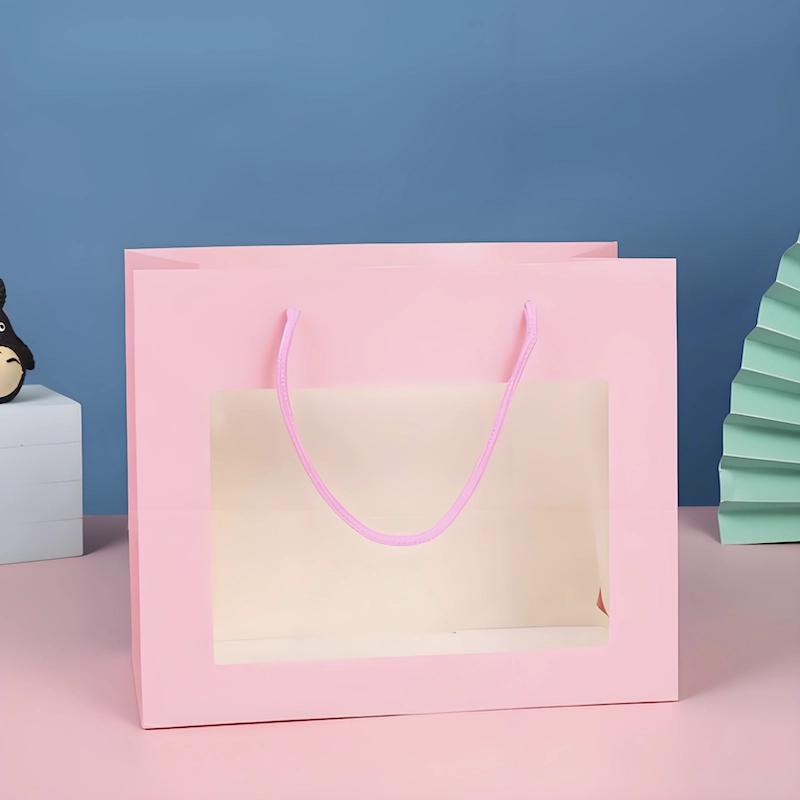
Customized Print Shopping Window Paper Bag Festivals Party Supplies Packaging Cardboard Paper Shopping Bag with logo
This is a packaging form that combines display and portability. Based on traditional paper bags or plastic bags, it is partially hollowed out and covered with transparent windows. Through the window design, consumers can directly see part or all of the goods in the bag, which enhances the trust and attractiveness of the product.
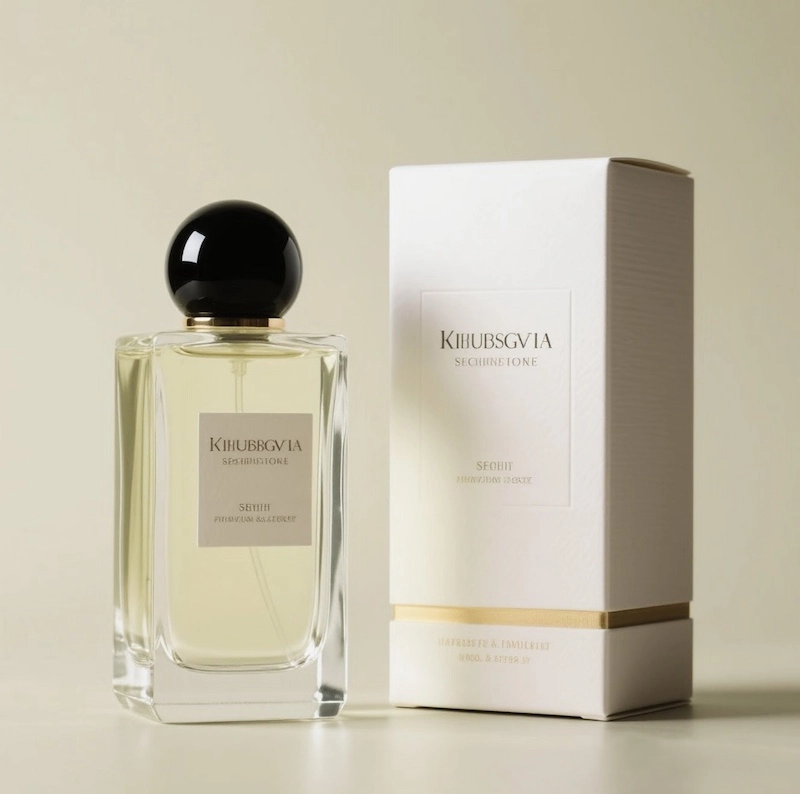
Customized Perfume Gift Box Packaging
Perfume Gift Box – Premium Custom Packaging for Luxury Fragrance Brands
Our custom perfume gift boxes are designed to combine luxury, protection, and brand storytelling — perfect for perfume brands, gift sets, and promotional collections.
Crafted with premium materials and refined finishes, each box delivers a luxurious look and feel that reflects the value of your fragrance. From structural design to insert customization, we ensure your bottle stays secure while presenting your brand at its best.
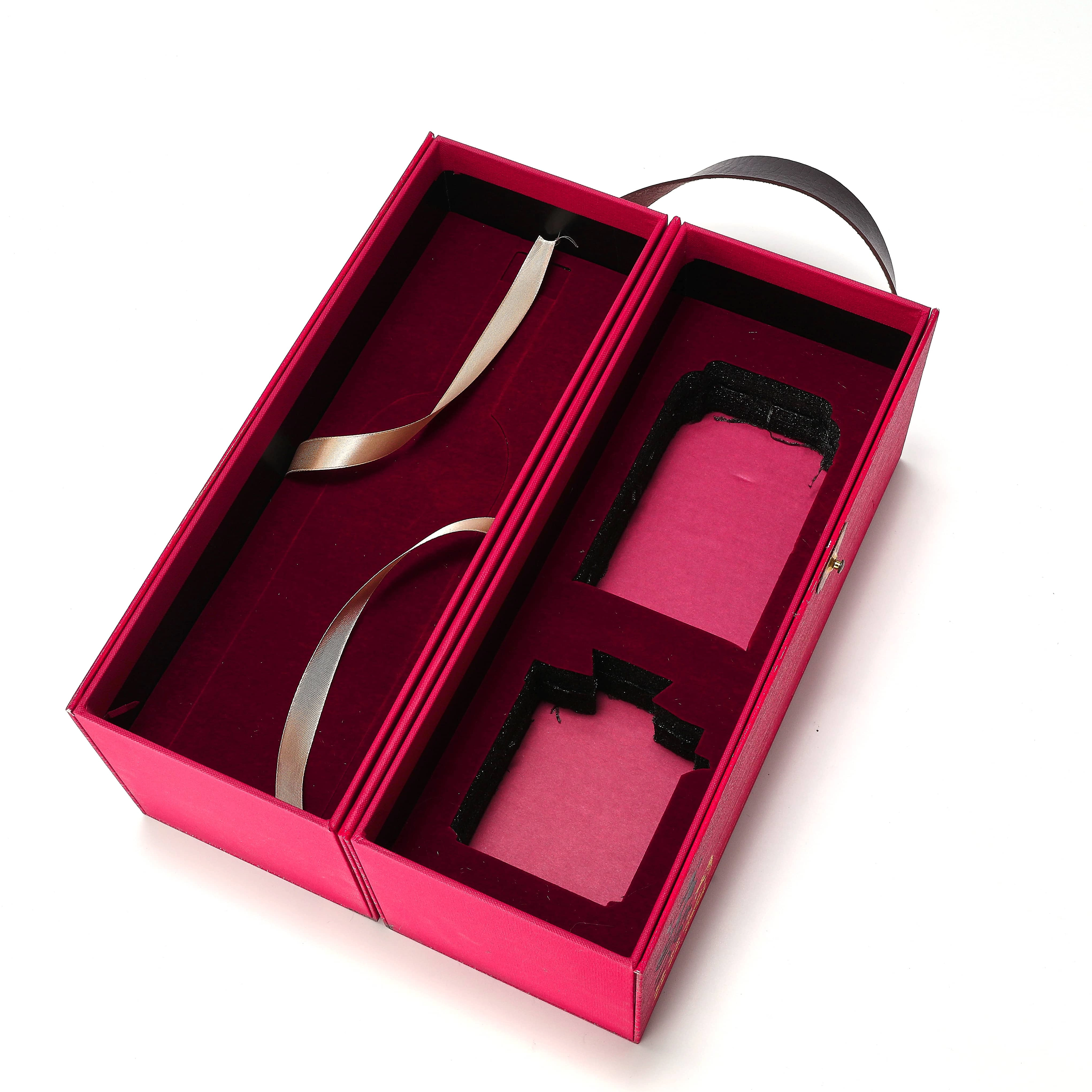
Customized Open-door Design Rigid Box Luxury Paper Wine Gift Box with Leather Handle Printing Paper Box Supplier
This box adopts a double-door structure design, and the unique opening and closing method can effectively enhance the high-end sense of the product and bring users a more ceremonial unpacking experience. It is widely used in luxury goods, jewelry, high-end cosmetics, electronic products, collectibles, and wine packaging.

Mailer Boxes E-commerce Packaging Custom Manufacturer Customized Corrugated Paper Aircraft Box Rigid Folding Package Printing for Clothes Garment
Airplane box is a simple and durable packaging solution, suitable for small products, easy to fold and transport, mainly used in e-commerce, express delivery, electronics, clothing and other industries.
© 2025 WINPACK PRINTING. All rights reserved

Wenhua Printing packaging
winpackprinting
Winpack Printing