




Eco-Friendly Materials for Custom Takeout Boxes
- Why choosing eco-friendly materials for takeout packaging matters
- How end-user and regulatory expectations shape material choice for custom takeout boxes
- Common eco-friendly materials for custom takeout boxes and practical pros/cons
- Key takeaways when comparing materials for custom takeout boxes
- Barrier options and printing considerations for food safety and branding
- Practical guidance:
- Cost, lead times, and supply chain considerations for ordering custom takeout boxes
- Actions to control cost and risk
- How to verify environmental claims for custom takeout boxes
- Practical specification checklist for ordering custom takeout boxes
- Material performance at a glance — recommended pairings for common foods
- Working with manufacturers: what to require from your custom takeout boxes supplier
- Case example: manufacturer capabilities you can expect
- About Guangdong Winpack Printing Technology Development Co., Ltd. — a partner for eco-friendly custom takeout boxes
- Why choose Winpack for custom takeout boxes
- Implementation roadmap: how to switch to eco-friendly custom takeout boxes in 6 steps
- FAQs
- 1. Are compostable custom takeout boxes always better than recyclable ones?
- 2. Can I print full-color, high-resolution graphics on compostable custom takeout boxes?
- 3. How do I know if a compostable claim is legitimate?
- 4. Are PLA-lined boxes recyclable with regular paper recycling?
- 5. What is the best eco-friendly choice for oily or saucy dishes?
- 6. How should I label custom takeout boxes to reduce contamination and improve diversion?
- Contact and next steps
- References
Why choosing eco-friendly materials for takeout packaging matters
custom takeout boxes are at the intersection of foodservice convenience, brand experience, and environmental impact. Restaurants, cloud kitchens, and food brands must balance food safety, thermal and grease resistance, print quality, and cost — while increasingly meeting customer and regulatory demands for sustainability. This article explains the eco-friendly material options, their trade-offs, certifications to request, and practical steps to specify truly sustainable custom takeout boxes that perform in real-world use.
How end-user and regulatory expectations shape material choice for custom takeout boxes
Consumers now expect visible sustainability signals (recycled content, compostability, minimal plastics) and regulators are tightening rules around single-use plastics and labeling. For food operators, choosing the right material for custom takeout boxes is both a risk-management and brand-differentiation decision. The correct material preserves food quality (heat retention, grease resistance), minimizes contamination risks, and aligns with local waste infrastructure so the box is actually recycled or composted after use.
Common eco-friendly materials for custom takeout boxes and practical pros/cons
Below is a concise, usable comparison of the most frequently used eco-friendly substrates for custom takeout boxes. Use this to match functional needs (microwaveable, greasy foods, hot liquids) with disposal pathways and cost considerations.
| Material | Compostable? | Recyclable? | Heat/grease resistance | Microwave-safe | Cost (relative) | Best uses / notes |
|---|---|---|---|---|---|---|
| Uncoated kraft paperboard | Yes (industrial composting for heavy-grease items) | Yes (in paper stream if not heavily soiled) | Moderate; needs greaseproofing for oily foods | Yes | Low–Medium | Great for dry foods, sandwiches; low ink bleed; widely recyclable |
| Bagasse (sugarcane fiber molded pulp) | Yes (industrial composting) | No (fiber recycling limited) | High heat and grease resistance | Often yes (verify with supplier) | Medium | Excellent for hot, greasy dishes; renewable feedstock |
| PLA (polylactic acid) lined paperboard | Industrial compostable (with certified PLA) | No (contaminates conventional paper recycling) | Good grease resistance but softens at high temps | Limited (may deform at high heat) | Medium–High | Useful for clear windows and moisture barriers if compostable stream exists |
| PE-free greaseproof coatings (water-based) | Depends on formulation (some are compostable) | More easily recyclable than PE-lined if labeled and accepted | Good grease resistance | Generally yes | Medium | Good balance of recyclability and grease resistance if certified |
| Recycled paperboard (post-consumer) | No (not compostable due to processing additives) | Yes (recyclable in paper stream) | Moderate; coating may be needed | Yes | Low–Medium | Strong circularity benefits; best for dry or moderately wet foods |
| Molded pulp (recycled fiber) | Yes (biodegradable) | Limited (fiber recycling varies) | Good to moderate | Often not ideal for liquids | Medium | Good for trays, inserts; limited printing options |
Sources and standards to check: ASTM D6400 / EN 13432 for compostability, local municipal recycling guidelines, and supplier documentation for recycled content and chemical additives.
Key takeaways when comparing materials for custom takeout boxes
- Match material to waste infrastructure: certified compostable boxes are only a true environmental win when local industrial composting exists.
- Avoid mixing PLA-lined materials with paper recycling streams — this contaminates pulp recycling.
- Bagasse and molded pulp offer strong biodegradability and thermal resistance, making them excellent for hot or greasy foods.
- Recycled paperboard reduces virgin fiber use and performs well for many applications where heavy grease or liquids are not dominant.
Barrier options and printing considerations for food safety and branding
Branding is a major part of choosing custom takeout boxes. Customers expect high-quality printing and clear sustainability claims. However, coatings and inks affect recyclability and compostability.
Practical guidance:
- Choose water-based or soy-based inks certified for food contact and low migration.
- Prefer PE-free greaseproof coatings or certified compostable coatings where composting infrastructure exists.
- If you need a window, consider cellulose-based compostable windows instead of conventional PET.
- Ask your manufacturer for technical data sheets (TDS), safety data sheets (SDS), and certificates (e.g., BPI, OK Compost INDUSTRIAL, FSC, PEFC).
Cost, lead times, and supply chain considerations for ordering custom takeout boxes
Switching to eco-friendly materials often carries short-term cost and lead-time implications. Here’s how to manage them:
Actions to control cost and risk
- Order larger minimums to reduce per-unit cost; plan promotions to consume inventory responsibly.
- Standardize two or three SKUs to consolidate tooling and printing plates if you offer multiple sizes.
- Validate local waste infrastructure before committing to compostable substrates — incorrect disposal options reduce circularity and may increase PR risk.
- Request supplier audits and sample runs to test grease resistance, stackability, and print quality under kitchen conditions.
How to verify environmental claims for custom takeout boxes
Labels are only credible when backed by third-party certification and technical documentation. Ask for and verify:
- Compostability certificates: BPI (US), OK Compost INDUSTRIAL (TÜV Austria), or equivalent (confirm test report numbers and expiry dates).
- Recycled content documentation: % post-consumer recycled content and chain-of-custody (FSC Recycled or SCS).
- Food-contact compliance: EU 10/2011, FDA 21 CFR where applicable, and migration test reports for inks/coatings.
- Environmental Product Declarations (EPDs) or LCA summaries if available for quantitative impact comparisons.
Practical specification checklist for ordering custom takeout boxes
Use this internal checklist to ensure performance and compliance:
- Expected food types (dry, greasy, liquid, hot) and required temperature retention.
- Required certifications (compostable, recycled content, food-contact proof).
- Preferred disposal pathway (recycle, industrial compost, home compost) and confirmation with local waste authorities.
- Printing requirements: full color, spot color, inks type, window placement.
- Quantities, lead times, and cost per unit targets.
- Testing plan: grease resistance test, stacking/transport simulation, microwave test.
Material performance at a glance — recommended pairings for common foods
| Food type | Recommended material for custom takeout boxes | Why |
|---|---|---|
| Dry sandwiches, pastries | Uncoated or lightly coated recycled paperboard | Good printability, recyclable, cost-effective |
| Fried foods, oily dishes | Bagasse or kraft with PE-free greaseproof coating | Superior grease resistance and thermal stability |
| Soups, gravies, oily curries | Molded pulp tray plus separate compostable paperboard lid or sealed compostable bowl | Reduces leakage and allows proper containment |
| Cold food with visibility required | Paperboard with cellulose window (compostable) | Meets consumer desire to see food while keeping compostability |
Working with manufacturers: what to require from your custom takeout boxes supplier
When you engage a packaging manufacturer for custom takeout boxes, ensure they provide:
- Material certificates, migration tests, and compostability test reports.
- Sample test runs under realistic kitchen conditions.
- Clear statements on minimum order quantities (MOQs), lead times, and available print technologies.
- Traceability for recycled content and access to COAs (Certificates of Analysis) for inks and coatings.
Case example: manufacturer capabilities you can expect
In practice, a full-service supplier should support design-for-recyclability or compostability, offer multiple substrate options (including bagasse, PLA-lined paperboard, and recycled paperboard), and deliver consistent print quality and food safety compliance.
About Guangdong Winpack Printing Technology Development Co., Ltd. — a partner for eco-friendly custom takeout boxes
In 2016, Guangdong Winpack Printing Technology Development Co., Ltd. was officially established as a professional paper box printing manufacturer specializing in designing, proofing, printing, and producing a wide range of packaging and printed materials. Winpack provides customized production of stickers, labels, paper bags, gift boxes, beauty boxes, pizza boxes, books, brochures, flyers, and more. Winpack serves diverse industries including cosmetics, food, healthcare, pharmaceuticals, and electronics.
Winpack operates a 15,000-square-meter factory equipped with advanced systems such as a screen plate-making system and high-end machinery (Heidelberg printing machines, high-speed paper cutters, Komori Lithrone GL-40A, and anti-counterfeiting inkjet printers) to ensure superior quality and efficiency. Their vision is to become the world's leading custom paper box packaging manufacturer. Website: https://www.winpackprinting.com/.
Why choose Winpack for custom takeout boxes
- Comprehensive customization: custom gable boxes, custom gift boxes, custom display boxes, custom rigid boxes, custom folding boxes, custom paper tubes, custom window boxes, custom special-shape boxes, custom pillow boxes, and custom take out boxes.
- Technical strength: modern printing and finishing equipment ensures color fidelity and durable food-safe coatings.
- Industry experience: proven supply to food and cosmetics brands with attention to regulatory and sustainability requirements.
If you plan to migrate to eco-friendly custom takeout boxes (bagasse, compostable-lined board, or recycled paperboard), Winpack can assist with material selection, print proofs, and compliance documentation to help you meet both brand and sustainability goals.
Implementation roadmap: how to switch to eco-friendly custom takeout boxes in 6 steps
- Audit: Review current packaging SKUs, volumes, and primary failure modes (leakage, heat loss, sogginess).
- Map waste streams: Confirm whether recycling or industrial composting exists in your core markets.
- Specify: Choose target materials (e.g., 100% recycled board for dry foods, bagasse for hot/greasy items) and required certifications.
- Prototype and test: Run kitchen tests (grease test, stacking, transit) and consumer feedback sessions.
- Scale: Place first production order with defined MOQs, implement SKU rationalization, and monitor returns/complaints.
- Communicate: Label disposal instructions clearly on boxes and educate staff and customers.
FAQs
1. Are compostable custom takeout boxes always better than recyclable ones?
Not always. Compostable boxes are beneficial when reliable industrial composting exists. If composting infrastructure is absent and compostable boxes end up in landfill, recyclable paperboard with recycled content may offer a better environmental outcome. Always match material choice to local waste management capabilities.
2. Can I print full-color, high-resolution graphics on compostable custom takeout boxes?
Yes. Many suppliers offer water-based or soy-based inks compatible with compostable substrates. Ensure the ink system is certified for food contact and compatible with the compostability or recyclability claims you plan to make.
3. How do I know if a compostable claim is legitimate?
Request third-party certification such as BPI (U.S.), TÜV OK Compost INDUSTRIAL, or EN 13432 compliance. Ask for the test report number and the issuing body. Also verify that local compost facilities accept that certification.
4. Are PLA-lined boxes recyclable with regular paper recycling?
No. PLA and paper recycling should be kept separate because compostable PLA contaminates conventional paper recycling streams. Only use PLA-lined board when you are confident the product will enter a composting stream that accepts PLA.
5. What is the best eco-friendly choice for oily or saucy dishes?
Bagasse or kraft board with a PE-free greaseproof coating are top choices because of their grease resistance and thermal stability. Confirm compostability or recyclability claims with your supplier and local waste authorities.
6. How should I label custom takeout boxes to reduce contamination and improve diversion?
Clearly state: “Please recycle” or “Industrial compost only” with the relevant certification logo (BPI, OK Compost). Add simple icons showing whether lids and windows are compostable or recyclable and instruct consumers to empty food residues where required.
Contact and next steps
If you’re ready to design or test eco-friendly custom takeout boxes, request material samples and a printing/technical data package from a qualified supplier. For full-service support — from design to manufacturing — consider partnering with Guangdong Winpack Printing Technology Development Co., Ltd. Visit https://www.winpackprinting.com/ to view capabilities or request a quote for custom take out boxes and related packaging solutions.
References
- Ellen MacArthur Foundation, The New Plastics Economy: Rethinking the future of plastics, 2016. https://www.ellenmacarthurfoundation.org/publications/the-new-plastics-economy-rethinking-the-future-of-plastics (accessed 2025-11-01)
- European Bioplastics, Market Data, overview of bioplastic applications and compostability considerations. https://www.european-bioplastics.org/market/ (accessed 2025-05-10)
- European Commission, Standards and labels for compostable packaging (EN 13432) — guidance on industrial compostability. https://ec.europa.eu/environment/waste/compost/standards.htm (accessed 2025-04-20)
- Sustainable Packaging Coalition (GreenBlue), resources on compostability and recycling streams. https://sustainablepackaging.org/ (accessed 2025-03-15)
- Carbon Trust, Packaging: Where to start with carbon reduction — practical approaches for selecting materials and reducing lifecycle carbon. https://www.carbontrust.com/resources/guides/packaging/ (accessed 2025-02-12)
- BPI (Biodegradable Products Institute), searchable list of certified compostable products and certification details. https://bpiworld.org/ (accessed 2025-06-01)
Wholesale custom perfume box manufacturer and supplier
What are the application scenarios of personalized paper shopping bags?
The B2B Buyer’s Guide to cosmetic packaging paper box
Unboxing Experience: Design Rigid Boxes That Wow
About Us
What is the minimum order quantity for packaging?
1000 units. The MOQ is based on every unique box (e.g. size, design).
What kind of format is available for printing?
CDR, AI, PS , PSD. high resolution JPG (please Convert text to curves. If not, some words will be missing.)
OEM Services
What is OEM packaging, and how can Winpack Printing help?
OEM (Original Equipment Manufacturer) packaging refers to custom-designed packaging solutions tailored to a brand’s specifications. At Winpack Printing, we provide end-to-end OEM services, including design, proofing, printing, and production, to help you create high-quality, market-ready packaging that aligns with your brand identity.
About Printing Craftsmanship
What is embossing, and how is it different from debossing?
Embossing is a technique that creates a raised impression on a material, while debossing presses the design inward, creating a recessed effect. Both techniques add texture and sophistication to printed materials.
What is the difference between offset and digital printing?
Offset Printing: Best for large-volume production, offering high-quality prints at a lower cost per unit.
Digital Printing: Suitable for short runs, allowing quick setup, customization, and fast printing.
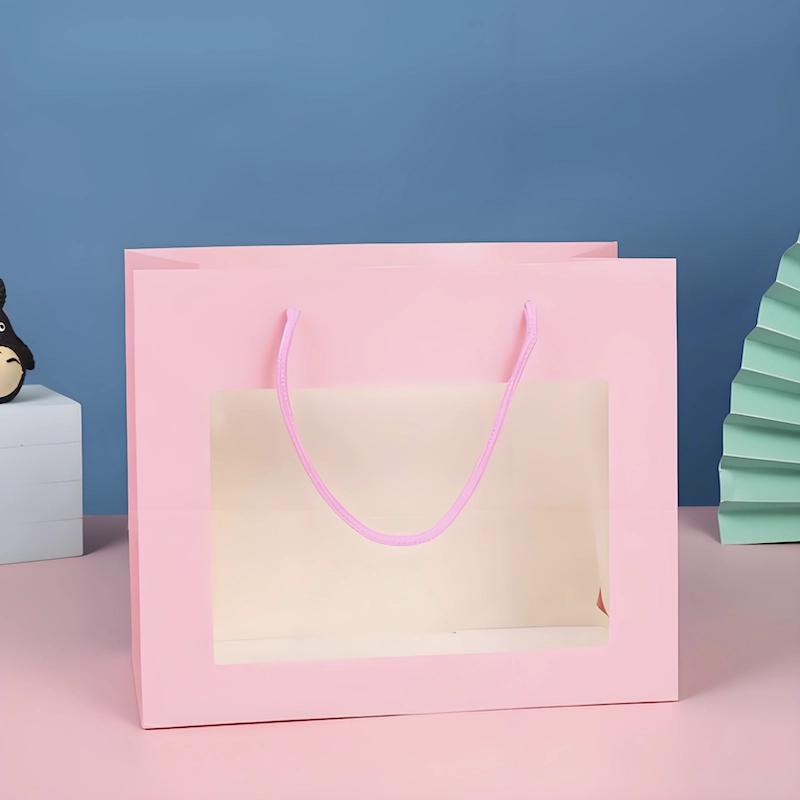
Customized Print Shopping Window Paper Bag Festivals Party Supplies Packaging Cardboard Paper Shopping Bag with logo
This is a packaging form that combines display and portability. Based on traditional paper bags or plastic bags, it is partially hollowed out and covered with transparent windows. Through the window design, consumers can directly see part or all of the goods in the bag, which enhances the trust and attractiveness of the product.
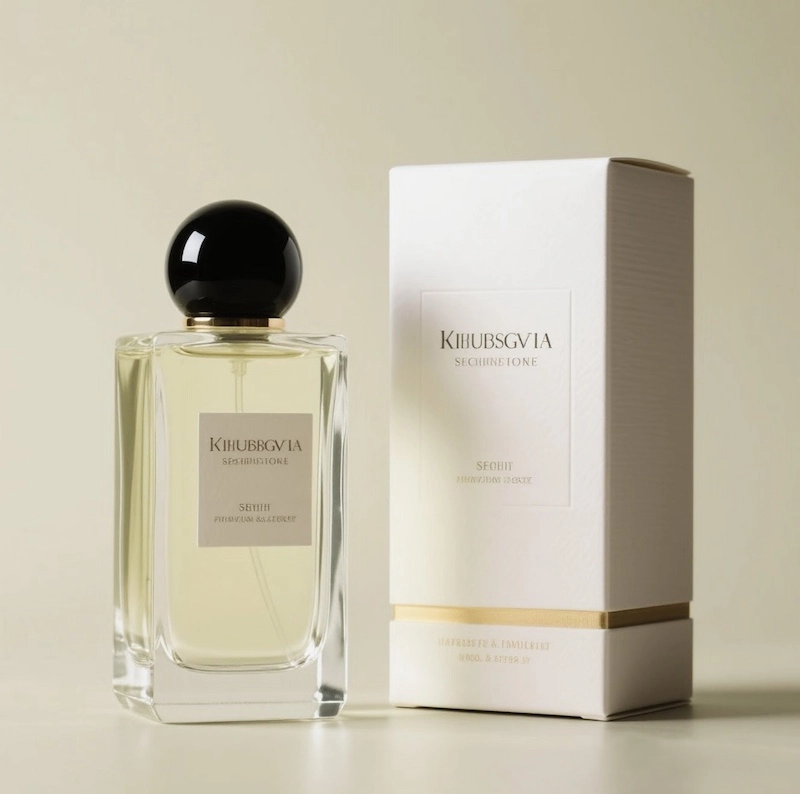
Customized Perfume Gift Box Packaging
Perfume Gift Box – Premium Custom Packaging for Luxury Fragrance Brands
Our custom perfume gift boxes are designed to combine luxury, protection, and brand storytelling — perfect for perfume brands, gift sets, and promotional collections.
Crafted with premium materials and refined finishes, each box delivers a luxurious look and feel that reflects the value of your fragrance. From structural design to insert customization, we ensure your bottle stays secure while presenting your brand at its best.
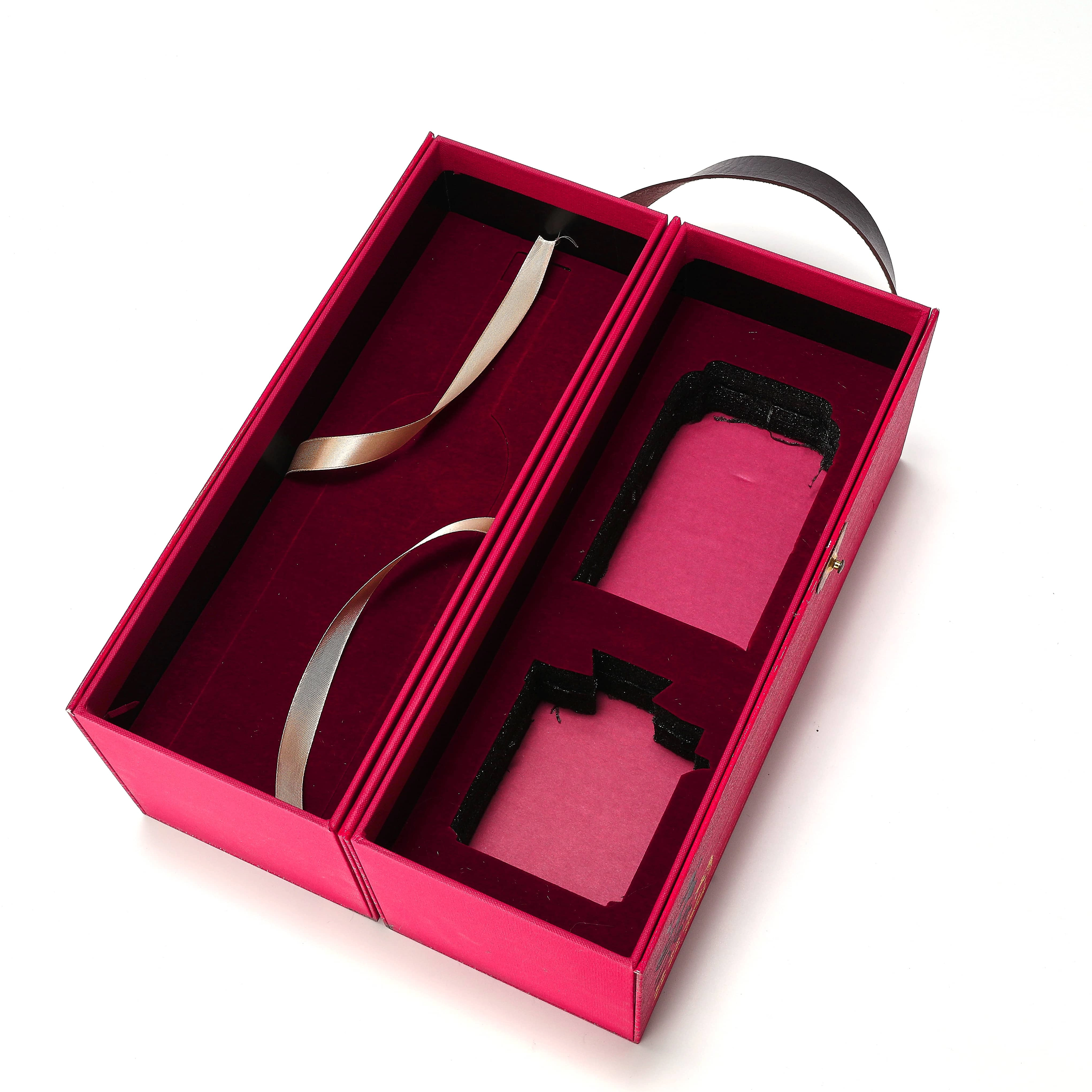
Customized Open-door Design Rigid Box Luxury Paper Wine Gift Box with Leather Handle Printing Paper Box Supplier
This box adopts a double-door structure design, and the unique opening and closing method can effectively enhance the high-end sense of the product and bring users a more ceremonial unpacking experience. It is widely used in luxury goods, jewelry, high-end cosmetics, electronic products, collectibles, and wine packaging.

Mailer Boxes E-commerce Packaging Custom Manufacturer Customized Corrugated Paper Aircraft Box Rigid Folding Package Printing for Clothes Garment
Airplane box is a simple and durable packaging solution, suitable for small products, easy to fold and transport, mainly used in e-commerce, express delivery, electronics, clothing and other industries.
© 2025 WINPACK PRINTING. All rights reserved

Wenhua Printing packaging
winpackprinting
Winpack Printing