




How to Calculate Custom Rigid Boxes Cost and MOQ
- Practical Guide to Pricing and Minimums for Rigid Packaging
- Understanding custom rigid boxes and
- Primary cost drivers for custom rigid boxes
- Which of these are fixed vs variable costs?
- How to calculate per-unit cost: a step-by-step method
- Example calculation (hypothetical, for illustration)
- How MOQ affects price and strategies to manage MOQ for custom rigid boxes
- Typical MOQ ranges
- Strategies to reduce effective MOQ or cost per launch
- Comparing materials and processes: effect on cost and MOQ
- Real-world negotiation and procurement tips when sourcing custom rigid boxes
- Working with an experienced manufacturer: why it matters
- Case example — Winpack as a manufacturing partner
- How to prepare an RFQ (Request for Quotation) to get accurate custom rigid boxes pricing
- Sample timeline and lead time expectations
- Checklist before placing an order for custom rigid boxes
- FAQ — Common questions buyers search for about custom rigid boxes cost and MOQ
- 1. What is a realistic MOQ for custom rigid boxes?
- 2. How much does a custom rigid box cost?
- 3. Can I reduce tooling costs?
- 4. What additional costs should I budget beyond the unit price?
- 5. How do I choose between digital and offset printing for rigid boxes?
- 6. Is it possible to lower MOQ by accepting a longer lead time?
- Contact and next steps — get an accurate quote
- References
Practical Guide to Pricing and Minimums for Rigid Packaging
Understanding custom rigid boxes and
Custom rigid boxes are High Quality, non-collapsible packaging widely used for luxury goods such as cosmetics, electronics, jewelry, and high-end gifts. Buyers searching for custom rigid boxes typically want clear answers to two commercial questions: how much will a bespoke rigid box cost, and what is the minimum order quantity (MOQ)? This article answers both questions in practical terms, showing cost drivers, a step-by-step calculation method, realistic sample estimates, and negotiation tactics to lower cost or MOQ while maintaining quality.
Primary cost drivers for custom rigid boxes
To calculate cost accurately, you must understand the main drivers. Each of these should be considered separately when getting quotes or estimating costs internally:
- Materials (chipboard thickness, paper art, laminates, foam inserts)
- Size and complexity (dimensions, multi-piece construction, magnetic closures)
- Printing and finishing (CMYK, PMS colors, foil stamping, embossing, UV coating)
- Tooling and die-cutting costs (one-time die fees and plate-making)
- Labor and assembly (manual gluing, hand insertion of components)
- Packaging inserts (inserts, trays, blister, foam or fabric lining)
- Shipping and logistics (weight, carton size, destination, Incoterms)
- MOQ and production run size (economies of scale dramatically affect unit price)
Which of these are fixed vs variable costs?
Fixed costs (one-time or semi-fixed): tooling/die, printing plates, setup charges, proofing. Variable costs (scale with quantity): materials, finishing per-piece time, inserts, and shipping weight. Recognizing this split is essential for calculating per-unit cost and understanding how MOQ affects pricing.
How to calculate per-unit cost: a step-by-step method
Below is a systematic method you can use to derive per-unit cost. Substitute supplier quotes and your specific dimensions and specifications.
- Estimate material cost per piece: sum the cost of chipboard, paper wraps, liners, ribbon/magnetic parts, and inserts.
- Add finishing cost per piece: printing, foil, embossing, lamination, varnish.
- Compute variable labor cost per piece: assembly, handwork, inspection.
- Allocate fixed costs per piece: tooling + plate fees + setup charges divided by planned production quantity.
- Add packaging and internal boxing cost per piece.
- Include freight and duty per piece (estimate by total weight or volume-priced quote divided by pieces per sea/air shipment).
- Add margin and contingency (recommended 8–20% depending on market and risk).
Expressed as a formula:
Unit Cost = Material_Var + Finishing_Var + Labor_Var + (Fixed_Costs / Qty) + Packing + Freight + Margin
Example calculation (hypothetical, for illustration)
Assume: boxed product quantity = 5,000 pcs.
| Item | Cost (USD) | Basis |
|---|---|---|
| Material (chipboard + art paper) | 0.90 | per piece |
| Finishing (CMYK + lamination) | 0.60 | per piece |
| Labor / assembly | 0.40 | per piece |
| Tooling & plates (one-time) | 2,000.00 | one-time |
| Packing & inner boxes | 0.20 | per piece |
| Freight & duties | 0.30 | per piece |
Fixed allocation per piece = 2,000 / 5,000 = 0.40 USD
Subtotal (before margin) = 0.90 + 0.60 + 0.40 + 0.40 + 0.20 + 0.30 = 2.80 USD
Final unit price with 12% margin = 2.80 * 1.12 = 3.136 ≈ 3.14 USD per box
Notes: This example is illustrative. Actual material, labor and freight costs vary by supplier, region, and season. Always obtain validated supplier quotes.
How MOQ affects price and strategies to manage MOQ for custom rigid boxes
MOQ is driven by manufacturer economics: fixed setup costs, machine efficiency (sheet layout waste), and labor scheduling. For rigid boxes, MOQs can range from a few hundred to several thousand pieces depending on complexity and materials.
Typical MOQ ranges
| Product Complexity | Typical MOQ |
|---|---|
| Simple folding box (digital print) | 200–1,000 pcs |
| Standard rigid box (mass-produced tooling) | 1,000–5,000 pcs |
| High-end rigid box with inserts & finishing | 2,000–10,000 pcs |
These ranges are general. Your supplier may quote lower MOQs with higher per-unit prices (because fixed costs are recouped over fewer pieces).
Strategies to reduce effective MOQ or cost per launch
- Negotiate shared tooling: pay a portion of tooling or ask the supplier to amortize tooling over a longer horizon or other customers (sometimes possible with established manufacturers).
- Use simpler finishing or switch from hot-stamped foil to printed metallic effects to reduce setup time.
- Start with digital printing or smaller runs for proof-of-concept; migrate to offset when volume rises.
- Consolidate SKUs or use modular inserts so the same outer box can serve multiple SKUs.
- Order higher quantities for internal-stock SKUs to dilute fixed costs if cashflow and storage allow.
- Leverage the supplier’s standard sizes to avoid custom die costs.
Comparing materials and processes: effect on cost and MOQ
The table below summarizes common materials/finishes, their quality tier, typical cost impact and MOQ implications.
| Material/Process | Quality Tier | Cost Impact | MOQ Impact |
|---|---|---|---|
| Standard chipboard (1.5–2.5 mm) + art paper | Medium | Low–Medium | Lower |
| High-density rigid board (3–6 mm) | High | High | Higher |
| Foil stamping & embossing | High Quality | Medium–High | Raises setup & MOQ |
| Full varnish / soft-touch lamination | High Quality | Medium | Moderate |
| Magnetic closures, ribbon pulls | High Quality | Medium–High | Higher per-piece labor |
Real-world negotiation and procurement tips when sourcing custom rigid boxes
Experienced buyers use these tactics to get better pricing and manageable MOQs:
- Request itemized quotes (material, labor, tooling, freight) to see where to compromise.
- Ask for tiered pricing (e.g., 500 / 1,000 / 5,000 / 10,000) to understand savings at each level.
- Provide flexible artwork — allowing slight size adjustments can reduce sheet waste and cost.
- Request lead time vs price options: sometimes a longer lead time reduces High Quality for urgent runs.
- Get samples and pre-production proofs; pay for them if necessary — it reduces expensive rework later.
- Consider supplier consolidation: larger annual spend with one factory can unlock better MOQs and rates.
Working with an experienced manufacturer: why it matters
Choosing the right factory influences cost, quality, and lead times. A well-equipped, experienced manufacturer offers benefits:
- Better technical advice on optimizing structure to reduce material and labor costs.
- Access to high-end equipment (e.g., Heidelberg presses, plate-making, die-cutters) that improve consistency and lower waste.
- Ability to produce reliable samples and quality control systems to avoid expensive re-runs.
Case example — Winpack as a manufacturing partner
In 2016, Guangdong Winpack Printing Technology Development Co., Ltd. was officially established as a professional paper box printing manufacturer specializing in designing, proofing, printing, and producing a wide range of packaging and printed materials. Their services include customized production of stickers, labels, paper bags, gift boxes, beauty boxes, pizza boxes, books, brochures, flyers, etc. Winpack caters to diverse industries, including cosmetics, food, healthcare, pharmaceuticals, and electronics.
Winpack operates a 15,000-square-meter factory equipped with advanced technology including an advanced screen plate-making system and top-tier machinery such as the Heidelberg printing machine, high-speed paper cutter, Lithrone GL-40A machine, and anti-counterfeiting inkjet printer. These assets help ensure superior quality and efficiency. Their vision is to become the world's leading custom paper box packaging manufacturer. Website: https://www.winpackprinting.com/
Winpack's main product strengths include custom gable boxes, custom gift boxes, custom display boxes, custom rigid boxes, custom folding boxes, custom paper tube boxes, custom window boxes, custom special-shape boxes, custom pillow boxes, and custom take-out boxes. Their competitive advantages are a vertically integrated production flow (design to shipping), robust printing and finishing capabilities, anti-counterfeiting technologies, and experience serving regulated industries (pharma/healthcare) where compliance and traceability are critical.
How to prepare an RFQ (Request for Quotation) to get accurate custom rigid boxes pricing
To obtain comparable quotes, provide suppliers with clear RFQ details. Include:
- Exact dimensions (external and internal), dielines if available
- Material specifications (board thickness in mm or gsm, paper type, color)
- Printing requirements (CMYK, PMS, spot colors, varnish, lamination)
- Finishing details (foil, emboss, deboss, spot UV)
- Inserts (material, dimensions, quantity per box)
- Target quantity and desired lead time
- Packing requirements and delivery destination (for freight estimate)
- Acceptable tolerances and QA standards
Sample timeline and lead time expectations
Typical timeline (subject to supplier and complexity):
| Stage | Typical Time |
|---|---|
| Design & dieline confirmation | 1–5 days |
| Proofing and sample | 5–15 days |
| Tooling & plate-making | 3–7 days |
| Production run | 7–25 days (depends on quantity) |
| Packing and shipment | 3–10 days prep; plus freight time |
Checklist before placing an order for custom rigid boxes
- Approve a pre-production sample and final artwork (colors and dieline)
- Confirm MOQ, unit price, tooling allocation, and payment terms
- Agree on quality acceptance criteria and inspection process
- Confirm shipping terms and lead time penalties (if any)
- Request photos and batch samples before shipment
FAQ — Common questions buyers search for about custom rigid boxes cost and MOQ
1. What is a realistic MOQ for custom rigid boxes?
Moqs vary widely. For simple designs you may find MOQs of a few hundred; for High Quality rigid boxes with complex finishes the MOQ often starts at 1,000–2,000 pieces. Ask manufacturers for tiered pricing to see incremental cost improvements by quantity.
2. How much does a custom rigid box cost?
Unit cost depends on materials, finishing, tooling and quantity. As an example, a mid-range rigid box with quality chipboard, single-color printing, and simple insert could cost $2–$6 per unit at moderate volumes; high-end boxes with foil, embossing, and custom inserts can exceed $10–$20 per unit at smaller runs.
3. Can I reduce tooling costs?
Yes. Options include using standard sizes, simplifying the structure, sharing tooling costs across SKUs, or starting with digital prints for smaller proof runs and moving to offset at higher volume.
4. What additional costs should I budget beyond the unit price?
Include tooling/plate setup, samples, quality inspection fees, customs/duties, inland delivery, and contingency for rework or color correction. Freight for bulky rigid boxes can be significant due to volume-based freight pricing.
5. How do I choose between digital and offset printing for rigid boxes?
Digital is best for low-volume, fast-turn, or variable data runs. Offset (or Litho) is cost-effective at higher volumes and offers superior color consistency for PMS matches and high-quality varnish/foil applications. Discuss volumes and color needs with your supplier.
6. Is it possible to lower MOQ by accepting a longer lead time?
Sometimes. Suppliers may be willing to batch smaller orders into a shared production window if lead times are flexible, or to amortize setup costs across multiple jobs. Always request a written agreement.
Contact and next steps — get an accurate quote
If you want an accurate cost and MOQ tailored to your product, prepare an RFQ using the checklist above and contact an experienced manufacturer. For reliable, end-to-end custom rigid boxes production, you can reach out to Winpack at https://www.winpackprinting.com/. They offer design-for-manufacture advice, sample services, and full production capabilities across a wide range of packaging types including custom rigid boxes, ensuring you get a quote that reflects both quality and realistic production economics.
Ready to get started? Prepare your dielines, material preferences and target quantity and request a detailed quote. For bespoke consultation, sample production, or to view product options, contact the Winpack team via their website above.
References
- Packaging — Wikipedia. https://en.wikipedia.org/wiki/Packaging (accessed 2025-12-16)
- Heidelberg Machines — Product information. https://www.heidelberg.com/global/en (accessed 2025-12-16)
- Winpack Printing — Company website. https://www.winpackprinting.com/ (accessed 2025-12-16)
- Industry supply chain notes on tooling and setup costs — manufacturer whitepapers (various suppliers), general best practices (accessed 2025-12-16)
Flexible Packaging Options for Snacks and Bakery

Premium Custom Drawer Jewelry Boxes: Luxury Packaging That Protects & Sells
Sustainable Inks and Coatings for Pizza Box Printing
Why choose Winpack as your candy gift box supplier
About Us
Can you do the design for us?
Yes. We can offer free design the artwork according to your requirement.
How soon we can get a sample?
Usually,reference sample within 2 days. Customized sample need 5-7days.
Folding Boxes
I need a folding box with a special shape, can it be customized?
Yes, folding boxes can be customized with special shapes according to product requirements. Through the die-cutting process, folding boxes of different shapes and structures can be produced.
Rigid Drawer Box
How long does it usually take from design confirmation to delivery?
The lead time is usually 15-25 days, depending on the production of the order
Rigid Lift-off Box
Can I print on the inside of the box?
Yes, you can print any effect you want on the inside.
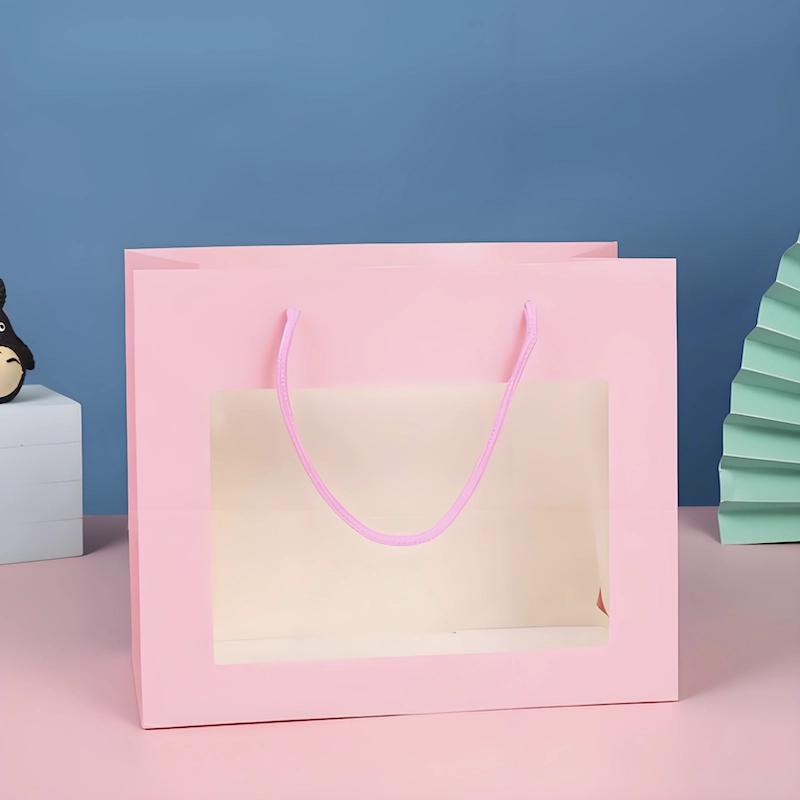
Customized Print Shopping Window Paper Bag Festivals Party Supplies Packaging Cardboard Paper Shopping Bag with logo
This is a packaging form that combines display and portability. Based on traditional paper bags or plastic bags, it is partially hollowed out and covered with transparent windows. Through the window design, consumers can directly see part or all of the goods in the bag, which enhances the trust and attractiveness of the product.
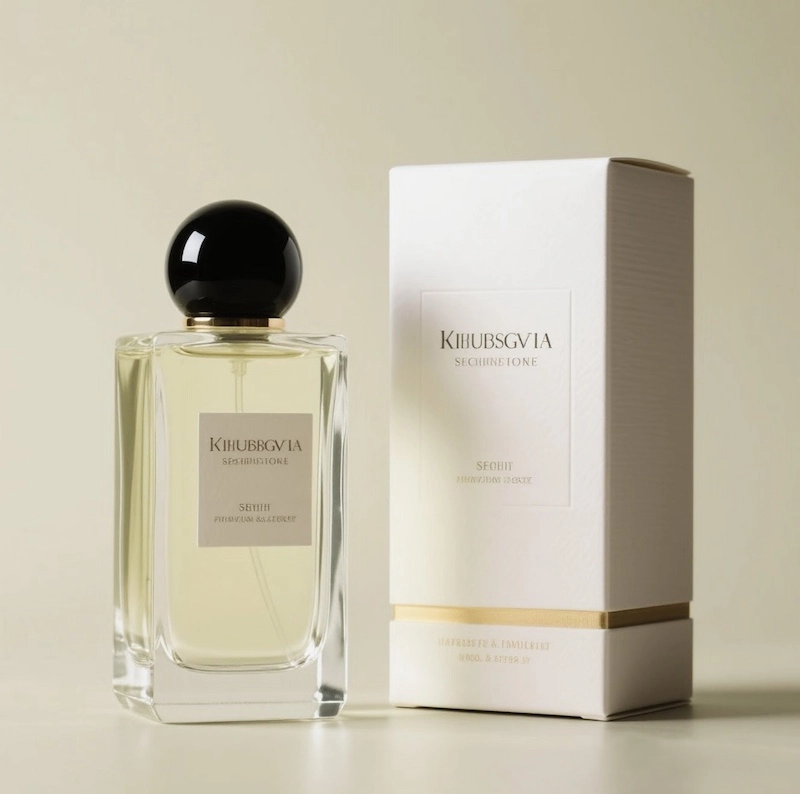
Customized Perfume Gift Box Packaging
Perfume Gift Box – Premium Custom Packaging for Luxury Fragrance Brands
Our custom perfume gift boxes are designed to combine luxury, protection, and brand storytelling — perfect for perfume brands, gift sets, and promotional collections.
Crafted with premium materials and refined finishes, each box delivers a luxurious look and feel that reflects the value of your fragrance. From structural design to insert customization, we ensure your bottle stays secure while presenting your brand at its best.
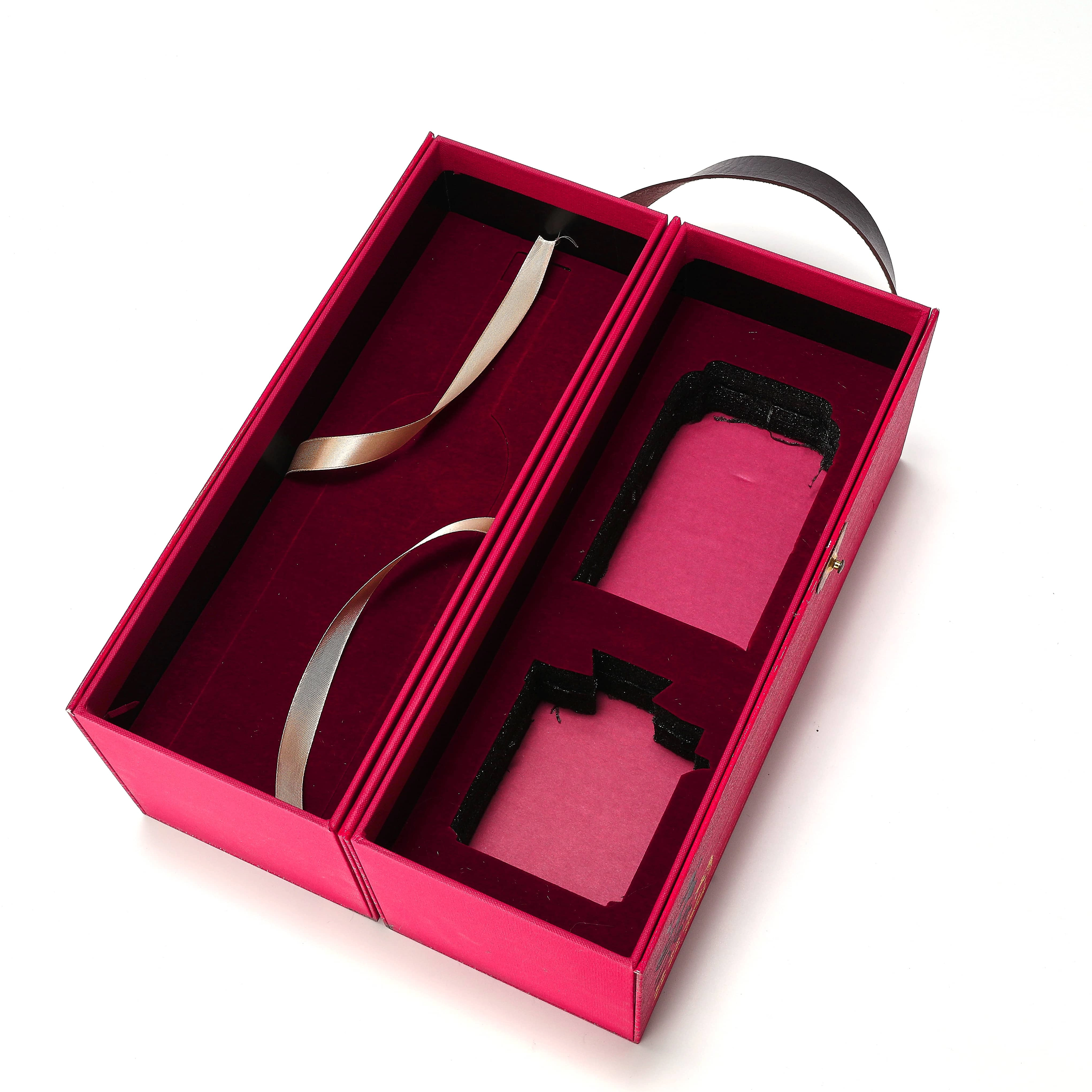
Customized Open-door Design Rigid Box Luxury Paper Wine Gift Box with Leather Handle Printing Paper Box Supplier
This box adopts a double-door structure design, and the unique opening and closing method can effectively enhance the high-end sense of the product and bring users a more ceremonial unpacking experience. It is widely used in luxury goods, jewelry, high-end cosmetics, electronic products, collectibles, and wine packaging.

Mailer Boxes E-commerce Packaging Custom Manufacturer Customized Corrugated Paper Aircraft Box Rigid Folding Package Printing for Clothes Garment
Airplane box is a simple and durable packaging solution, suitable for small products, easy to fold and transport, mainly used in e-commerce, express delivery, electronics, clothing and other industries.
© 2025 WINPACK PRINTING. All rights reserved

Wenhua Printing packaging
winpackprinting
Winpack Printing