




Personalized Food Boxes: Branding and Unboxing Tips
- Why Packaging Matters for Food Brands
- Packaging as protection, preservation, and persuasion
- Standards and safety you must consider
- Designing Custom Food Packaging that Balances Brand and Function
- Choosing the right substrate: paperboard, corrugated, or hybrid
- Food-safety coatings, inks, and adhesives
- Practical checklist before finalizing dielines
- Branding, Printing Techniques and the Unboxing Experience
- Make branding consistent across touchpoints
- Printing technologies: flexo, offset, digital — when to use each
- Designing for unboxing and social sharing
- Material and Sustainability Trade-offs (with Data Comparison)
- Choosing sustainable options without compromising safety
- Comparing common substrates and coatings
- Cost vs. impact: how to model ROI
- From Prototype to Production: Workflow, Testing, and Quality Control
- Rapid prototyping and structural validation
- Quality control and traceability
- Lead times, MOQ and scalability
- Case Study: Creating a Memorable Unboxing for a Perishable Snack Brand
- Project brief and constraints
- Solution highlights
- Partnering with a Manufacturer: What to Ask and Expect
- Key questions for potential suppliers
- Example: Why I recommend working with experienced converters
- Winpack: capabilities and why it matters for food brands
- Frequently Asked Questions (FAQ)
- 1. What is the difference between food-safe and food-grade packaging?
- 2. Can custom food boxes be fully recyclable if they have windows or liners?
- 3. How do I balance an attractive unboxing with sustainability?
- 4. What printing method is best for variable personalization like customer names or messages?
- 5. How should I test packaging before full production?
- 6. What regulatory standards should I check for international distribution?
- Contact / Next Steps
I write from years of advising food brands and packaging manufacturers about how custom food packaging can be both a functional barrier and a powerful brand touchpoint. In this article I summarize best practices for designing personalized food boxes, outline food-safety and regulatory constraints, compare materials and printing approaches, and provide step-by-step recommendations to optimize unboxing for social sharing, repeat purchases, and reduced returns. Wherever possible I reference standards and authoritative sources to support recommendations so you can verify technical claims.
Why Packaging Matters for Food Brands
Packaging as protection, preservation, and persuasion
Custom food packaging must perform three core roles: protect the product (barrier against moisture/oxygen/contamination), preserve quality and shelf life, and persuade the customer at first glance. Neglect any of these functions and a box that looks great on Instagram can still lead to spoilage, regulatory rejection, or customer complaints. I always begin projects with a prioritized list of functional requirements (temperature tolerance, barrier needs, fragility) before moving to branding elements.
Standards and safety you must consider
Food-contact materials are regulated. In the US, the FDA provides guidance on packaging materials and food-contact substances (FDA: Packaging & Food Contact Substances). Internationally, food-safety management systems such as ISO 22000 govern supply-chain hygiene and traceability. For general background on food packaging science and functions, see the Wikipedia summary (Food packaging — Wikipedia).
Designing Custom Food Packaging that Balances Brand and Function
Choosing the right substrate: paperboard, corrugated, or hybrid
Material choice drives cost, printability, and barrier performance. For many retail-ready snack boxes and takeout containers, paperboard or folding cartons provide excellent print surface and are recyclable. Corrugated fiberboard (flute types) is better for heavier or multi-unit shipments; corrugated is covered in detail on the Wikipedia page (Corrugated fibreboard — Wikipedia). If you need moisture or oxygen barriers, consider laminated or coated paperboard with food-grade barrier films, or specialty grease-resistant boards for oily foods.
Food-safety coatings, inks, and adhesives
Always specify food-grade varnishes, inks, and adhesives for direct food contact or ensure an internal liner separates food from printed surfaces. The FDA page above lists considerations for food-contact substances. For high-moisture or fatty foods, grease-resistant (GR) boards or fluorine-free greaseproof coatings can prevent oil migration. Ask suppliers for migration test data or third-party certification when in doubt.
Practical checklist before finalizing dielines
- Confirm maximum product dimensions and weight including packaging tolerances.
- Define barrier requirements: moisture, oxygen, light, grease.
- Decide on window placement and film type (if needed) and whether it impacts recyclability.
- Specify tamper-evident or resealable features if required.
- Plan for labeling or traceability marks (lot, best-by) as mandated locally.
Branding, Printing Techniques and the Unboxing Experience
Make branding consistent across touchpoints
I recommend a brand toolkit that includes color values (Pantone/CMYK), logo safe areas, typography rules, and packaging use-cases. Consistency across primary packaging (the box itself), secondary packaging (mailers, fill materials), and inserts increases perceived value. Custom food packaging is not just a box: it’s a continuity of brand voice from purchase to consumption.
Printing technologies: flexo, offset, digital — when to use each
Choose printing based on run length, color fidelity, and budget. Offset (lithography) offers high image quality for medium-to-large runs and is standard for many folding cartons. Flexographic printing is cost-effective for high-speed corrugated runs. Digital printing is ideal for low-volume personalization, variable data (e.g., unique codes), or rapid prototyping. I often advise brands to prototype in digital for market tests, then switch to offset/flexo for scale.
Designing for unboxing and social sharing
Unboxing moments convert customers into brand advocates. To optimize for shareability: use a clear visual hierarchy (logo, compelling hero image, tagline), tactile finishes (soft-touch matte, spot UV for contrast), smart reveals (a printed story or custom tissue inside), and functional surprises (recipes, discount codes, or collectible cards). However, balance the experience with sustainability: avoid unnecessary plastics and excessive inserts that customers will immediately discard.
Material and Sustainability Trade-offs (with Data Comparison)
Choosing sustainable options without compromising safety
Sustainability is often a top-level brand promise. Sustainable choices must still meet food safety and barrier requirements. Recyclable paperboard is a strong baseline for many products; compostable liners are an option for certain categories but require careful validation against food-contact regulations. If you claim 'compostable' or 'recyclable' on pack, ensure compliance with regional standards to avoid greenwashing.
Comparing common substrates and coatings
| Substrate / Coating | Barrier Performance | Print Quality | Sustainability Notes |
|---|---|---|---|
| Solid bleached sulphate (SBS) paperboard | Moderate (good for dry goods) | Excellent (smooth surface) | Widely recyclable; FSC options available |
| Coated recycled paperboard (CRB) | Moderate (varies with coating) | Good | Lower virgin fiber; may have recycling limitations if laminated |
| Corrugated (flute B/C/E) | High for shipping protection | Good (less smooth) | Highly recyclable; ideal for heavier items |
| PLA / compostable film liners | Variable (moisture barrier OK; oxygen barrier limited) | Depends on lamination | Compostable in industrial facilities; local infrastructure-dependent |
Sources: technical summaries of substrates and recycling guidance from packaging literature and material datasheets; general context on recyclability and food packaging: Wikipedia.
Cost vs. impact: how to model ROI
When evaluating High Quality finishes or personalized printing, calculate incremental cost per unit versus expected lift in conversion, average order value, and repeat purchase rate. I advise running an A/B test with a small market segment using digital printing (personalized) vs. standard packaging to measure social shares, coupon redemptions, and repeat order frequency.
From Prototype to Production: Workflow, Testing, and Quality Control
Rapid prototyping and structural validation
Create a physical prototype early. Structural issues (improper tuck, insufficient wall strength, or window placement that weakens corners) are hard to identify on-screen. Use an initial run of 50–200 units to test fit, assembly time, and shelf presence. For materials that will contact food directly, request migration and compositional testing reports from your supplier.
Quality control and traceability
Implement incoming material checks, in-line inspections (registration, color, glue points), and final acceptance sampling. Track lot numbers and material certificates to support recalls if necessary. For food-safety alignment, integrate your packaging supplier into your HACCP or ISO 22000 plan so that packaging is treated as a critical control point.
Lead times, MOQ and scalability
Understand lead times for plates, coatings, and specialty inks. Typical offset/flexo lead times for a new dieline may range from 3–6 weeks depending on complexity; digital can be as fast as a few days. MOQ varies by technology—digital has low MOQ, offset/flexo requires higher volumes to amortize setup. Ask suppliers for a breakdown of setup costs so you can model different order quantities.
Case Study: Creating a Memorable Unboxing for a Perishable Snack Brand
Project brief and constraints
Client: small snack maker launching a subscription box containing brittle snacks and a sachet of sauce. Constraints: perishable, oily product; needed a High Quality look within a limited budget; wanted social-media-friendly unboxing.
Solution highlights
- Substrate: SBS paperboard with an internal grease-resistant lining to prevent oil migration.
- Printing: digital short run for personalized messages to subscribers, later moving to offset for scale.
- Unboxing touches: printed inner flap with a 3-step tasting guide, a perforated recipe card, and a seeded-paper 'thank you' card for sustainability messaging.
- Results: increased referral purchases and a measurable uplift in 30-day repeat rate compared with prior packaging.
Partnering with a Manufacturer: What to Ask and Expect
Key questions for potential suppliers
- Can you provide material certificates and food-contact migration test reports?
- What printing technologies do you operate (digital, offset, flexo) and what are the typical lead times?
- Do you offer prototyping, tooling, and dieline services in-house?
- What quality-control systems do you maintain (e.g., ISO certifications)?
Example: Why I recommend working with experienced converters
Experienced converters reduce risk. They understand plate-making, ink chemistry, coating interactions, and practical assembly constraints. They can advise on cost-effective compromises—such as where to prioritize full-bleed printing versus where a simple logo will suffice.
Winpack: capabilities and why it matters for food brands
In 2016, Guangdong Winpack Printing Technology Development Co., Ltd. was officially established as a professional paper box printing manufacturer specializing in designing, proofing, printing, and producing a wide range of packaging and printed materials. Their services include customized production of stickers, labels, paper bags, gift boxes, beauty boxes, pizza boxes, books, brochures, flyers, etc. Winpack caters to diverse industries, including cosmetics, food, healthcare, pharmaceuticals, and electronics.
Why this matters: when you choose a partner with end-to-end capabilities you minimize hand-offs, reduce lead-time risk, and get better alignment between design intent and final production. Winpack's 15,000-square-meter factory is equipped with advanced plate-making systems and top-tier machinery such as the Heidelberg printing machine, high-speed paper cutter, Lithrone GL-40A machine, and anti-counterfeiting inkjet printer to ensure superior quality and efficiency. Their mix of equipment supports digital personalization for low runs and high-quality offset/flexo production for scale.
Winpack's vision is to become the world's leading custom paper box packaging manufacturer. Their core competencies include producing custom gable boxes, custom gift boxes, custom display boxes, custom rigid boxes, custom folding boxes, custom paper tubes boxes, custom window boxes, custom special-shape boxes, custom pillow boxes, and custom take out boxes. These product lines are relevant for food brands seeking both retail presence and direct-to-consumer packaging solutions.
To discuss custom food packaging solutions or request samples, visit https://www.winpackprinting.com/ or email [email protected].
Frequently Asked Questions (FAQ)
1. What is the difference between food-safe and food-grade packaging?
Food-safe generally means a material or finished product does not contaminate food under expected use; food-grade typically refers to materials that meet specific regulatory or testing standards for direct contact. Always request material certificates and migration tests from your supplier.
2. Can custom food boxes be fully recyclable if they have windows or liners?
Windows and laminated liners can complicate recycling. If the window is a poly film, the box may be lower-quality for curbside recycling unless the film is easily separable. Compostable liners require appropriate industrial composting infrastructure. Design for the intended waste stream and clearly label disposal instructions.
3. How do I balance an attractive unboxing with sustainability?
Prioritize reusable or recyclable materials, minimize single-use plastics, and use printed messaging or multi-functional inserts (e.g., a card that also serves as a recipe). Use tactile finishes sparingly and prefer water-based varnishes where feasible.
4. What printing method is best for variable personalization like customer names or messages?
Digital printing excels at variable data and short runs with quick turnarounds. For personalization at scale, digital is cost-effective up to a point; beyond that, hybrid workflows (digital personalization on offset-printed stock) can balance cost and quality.
5. How should I test packaging before full production?
Run a prototype batch to evaluate fit, assembly, barrier performance, and unboxing. Conduct migration and shelf-life testing as needed, perform drop/shock tests for shipping, and trial packaging in a small market segment to assess consumer response.
6. What regulatory standards should I check for international distribution?
Check local food-contact regulations for each market. For the US, FDA guidance applies; for many international buyers, ISO 22000 complements food safety systems. Also review labeling laws and claims (recyclable/compostable) for each country.
Contact / Next Steps
If you're ready to prototype or scale your custom food packaging, I recommend preparing a one-page brief with product specs (dimensions, weight, shelf life expectations), regulatory markets, desired run sizes, and a sample of your current artwork or brand guideline. For turnkey solutions and manufacturing capability, you can reach out to Winpack via their website https://www.winpackprinting.com/ or email [email protected] to request quotes, samples, and lead-time estimates.
In summary: effective personalized food boxes combine certified food-safe materials, a design that fits operational realities, and branding choices that enhance the customer relationship without creating disposal friction. By testing with prototypes, using the right printing technologies, and partnering with an experienced manufacturer, you can create custom food packaging that protects your product while driving brand growth.
Sustainable Flexographic Inks and Eco-Friendly Packaging Options
How Custom Sticker Bags Boost Brand Recognition Online
Sustainable Custom Rigid Boxes: Eco-Friendly Materials
Resealable vs. Heat Seal: Best Custom Sticker Bag Closures
About Us
How to start the mass production?
Once received the 30% deposite, we will arrange the mass prouction.The balance need to be paid before delivery.
OEM Services
What types of packaging products do you offer?
We specialize in a wide range of packaging solutions, including:
Custom labels and stickers
Paper bags and gift boxes
Beauty and cosmetic boxes
Food and beverage packaging
Pharmaceutical and healthcare packaging
Jewelry, electronics, and toy packaging
Luxury and high-end packaging solutions
If you have specific requirements, we can customize products to fit your needs.
Special Shape Boxes
Can I get a sample before placing an official order?
Yes, we provide samples to our customers. Please contact our sales team to inquire about sample availability and pricing.
Rigid Magetic Boxes
How long does it usually take from design confirmation to delivery?
The lead time is usually 15-25 days, depending on the production of the order
About Printing Craftsmanship
What are the advantages of embossing?
Enhances the visual and tactile appeal of printed products.
Creates a premium and professional look.
Improves brand recognition with distinct textures.
Increases durability as the embossed design remains intact over time.
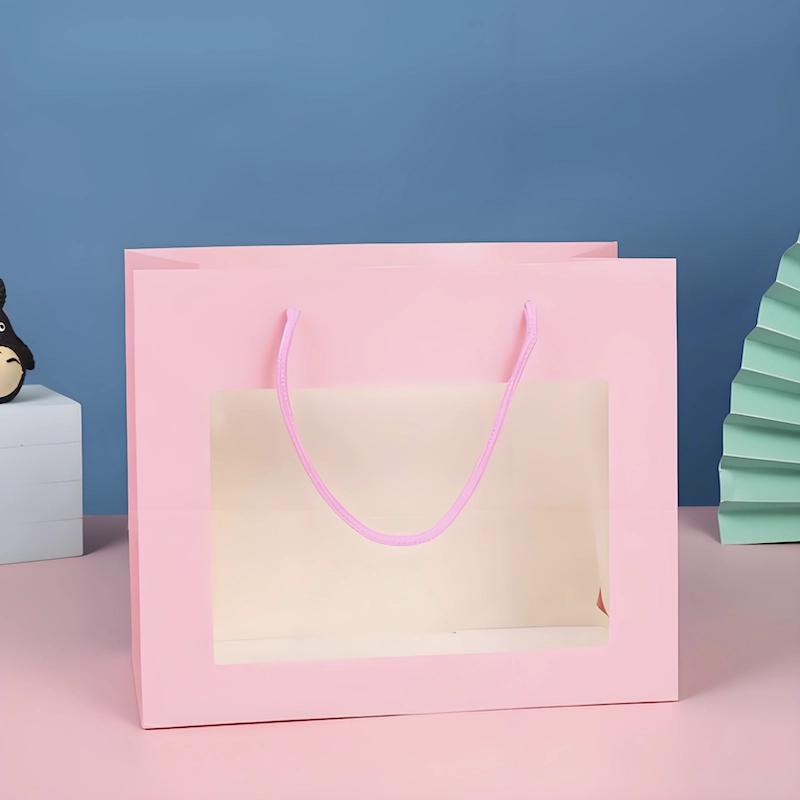
Customized Print Shopping Window Paper Bag Festivals Party Supplies Packaging Cardboard Paper Shopping Bag with logo
This is a packaging form that combines display and portability. Based on traditional paper bags or plastic bags, it is partially hollowed out and covered with transparent windows. Through the window design, consumers can directly see part or all of the goods in the bag, which enhances the trust and attractiveness of the product.
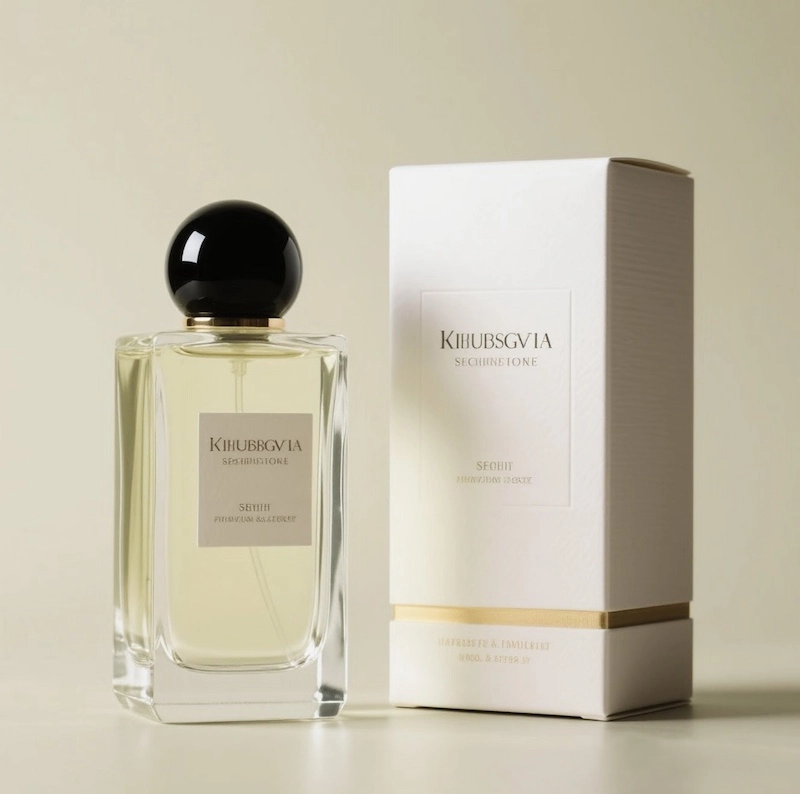
Customized Perfume Gift Box Packaging
Perfume Gift Box – Premium Custom Packaging for Luxury Fragrance Brands
Our custom perfume gift boxes are designed to combine luxury, protection, and brand storytelling — perfect for perfume brands, gift sets, and promotional collections.
Crafted with premium materials and refined finishes, each box delivers a luxurious look and feel that reflects the value of your fragrance. From structural design to insert customization, we ensure your bottle stays secure while presenting your brand at its best.
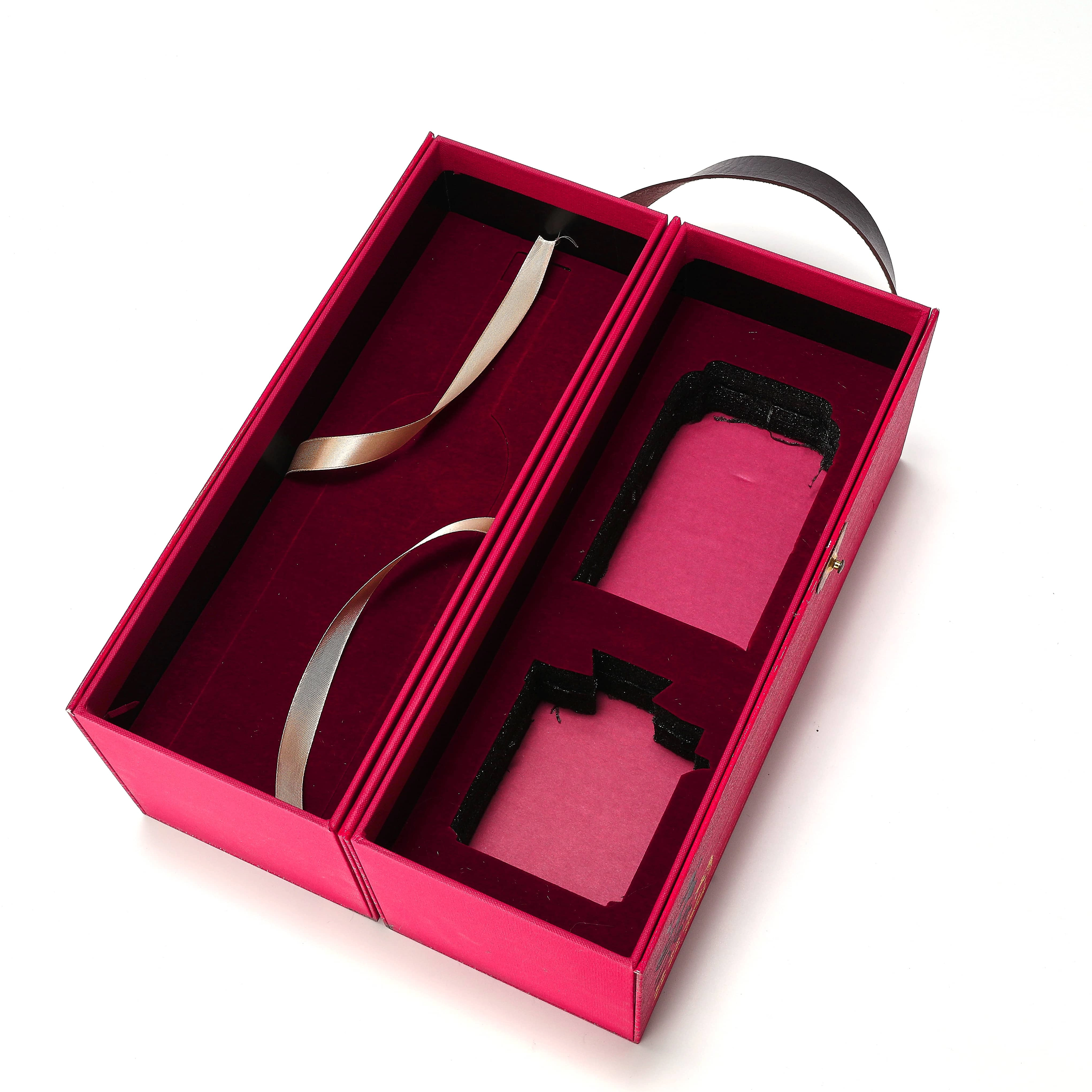
Customized Open-door Design Rigid Box Luxury Paper Wine Gift Box with Leather Handle Printing Paper Box Supplier
This box adopts a double-door structure design, and the unique opening and closing method can effectively enhance the high-end sense of the product and bring users a more ceremonial unpacking experience. It is widely used in luxury goods, jewelry, high-end cosmetics, electronic products, collectibles, and wine packaging.

Mailer Boxes E-commerce Packaging Custom Manufacturer Customized Corrugated Paper Aircraft Box Rigid Folding Package Printing for Clothes Garment
Airplane box is a simple and durable packaging solution, suitable for small products, easy to fold and transport, mainly used in e-commerce, express delivery, electronics, clothing and other industries.
© 2025 WINPACK PRINTING. All rights reserved

Wenhua Printing packaging
winpackprinting
Winpack Printing