




How to Reduce Shipping Costs with Custom Mailer Boxes
- Packaging Strategy to Lower Carrier Fees
- Understanding how carriers charge for packages and why a custom mailer box matters
- How dimensional weight and carrier rules affect your costs (use custom mailer box to control DIM)
- What dimensional weight (DIM) is and how to calculate it for a custom mailer box
- Design for right-sizing: how a custom mailer box reduces both DIM and material cost
- Right-sizing principles when specifying a custom mailer box
- Material choices and construction: balance protection and weight for a better custom mailer box
- Selecting board grade and construction to minimize weight and maintain protection
- Protective strategies that save space and weight for your custom mailer box
- Alternatives to bulky cushioning when designing a custom mailer box
- Compare package outcomes: DIM weight vs actual weight examples using common mailer sizes
- Sample calculations show why using a custom mailer box helps
- Operational tactics: pack stations, automation, and carrier selection for custom mailer box shipping
- How process improvements amplify savings from custom mailer boxes
- When flat-rate vs dimensional billing: decide which shipments should use custom mailer box solutions
- Choosing between carrier flat-rate, negotiated rates, and custom mailer boxes
- Sustainability and shipping cost reduction: why lightweight custom mailer boxes help both
- Using recycled materials and lighter constructions to reduce both carbon and carrier fees
- Partnering with a packaging manufacturer: why choose an experienced supplier for custom mailer box production
- How a capable manufacturer accelerates cost savings and quality for your custom mailer box
- Winpack: Manufacturer capabilities that support shipping-cost optimization
- In 2016, Guangdong Winpack Printing Technology Development Co., Ltd. was officially established as a professional paper box printing manufacturer specializing in designing, proofing, printing, and producing a wide range of packaging and printed materials.
- Measuring ROI: how to validate the savings from your custom mailer box program
- Simple metrics and tests to prove savings and avoid unintended costs
- FAQ — Common questions about reducing shipping costs with a custom mailer box
- 1. How much can I realistically save by switching to a custom mailer box?
- 2. When should I not use a custom mailer box?
- 3. How do I balance protection and weight when designing a custom mailer box?
- 4. Can branded printing on a custom mailer box affect cost savings?
- 5. How many box sizes should I stock to optimize costs?
- 6. How fast can I prototype and test a custom mailer box with a manufacturer?
- References
Packaging Strategy to Lower Carrier Fees
Understanding how carriers charge for packages and why a custom mailer box matters
Shipping cost is not just a function of mass — carriers often bill on billable weight, which is the greater of actual weight and dimensional (DIM) weight. For high-volume e-commerce sellers and B2B shippers, optimizing packaging with a custom mailer box directly reduces DIM weight and material waste, both of which lower per-order shipping spend. This article gives step-by-step, verifiable tactics that packaging and operations teams can implement to cut shipping costs without increasing product damage risk.
How dimensional weight and carrier rules affect your costs (use custom mailer box to control DIM)
What dimensional weight (DIM) is and how to calculate it for a custom mailer box
Dimensional weight is a standard method carriers use to price bulky but lightweight packages. The formula differs by carrier and by domestic vs international shipment. For most major carriers (FedEx, UPS), the domestic DIM divisor is commonly 139, though this can change in special services and zones. The generic calculation is:
DIM weight (lb) = (Length × Width × Height) / DIM divisor
Example: a 12 × 9 × 6 in mailer has a volume of 648 cubic inches. With a 139 divisor, DIM weight = 648 / 139 ≈ 4.66 lb, rounded per carrier rules (usually up). If the product plus packaging actual weight is 3.0 lb, the carrier charges for 4.66 lb. Designing a custom mailer box that reduces internal void and external cube can lower the DIM weight and therefore shipping charges.
Design for right-sizing: how a custom mailer box reduces both DIM and material cost
Right-sizing principles when specifying a custom mailer box
Right-sizing means matching the box internal dimensions to the product (including minimal protective material) so the external cube is as small as practical. Steps:
- Measure your product with its protective layer (bubble, kraft paper, molded inserts).
- Design the inner cavity to fit snugly — avoid 2–3 voids that increase DIM weight.
- Use multi-SKU modular inner inserts so the same outer mailer box fits multiple SKUs with minimal wasted volume.
- Choose low-bulk cushioning (e.g., molded pulp or custom die-cut cardboard inserts) over bulky air pillows when possible.
Right-sizing is often the single biggest lever to reduce shipping cost, especially for lightweight, irregularly shaped goods.
Material choices and construction: balance protection and weight for a better custom mailer box
Selecting board grade and construction to minimize weight and maintain protection
Corrugated board comes in various flute profiles (A, B, C, E, F). For a custom mailer box, using a thinner flute (e.g., E or F) can reduce box thickness and internal volume while still protecting many consumer goods. Consider:
- Single-wall E-flute for compact retail goods — lower cubic size and good printability;
- Double-wall for heavier or fragile items where protection is more important;
- Die-cut inserts (cardboard, pulp) that immobilize products without adding excessive volume;
- Printed or branded lightweight mailers replacing secondary packing when possible.
These choices allow you to lower the cubic envelope while preserving product safety — the result is lower billable weight and fewer returns.
Protective strategies that save space and weight for your custom mailer box
Alternatives to bulky cushioning when designing a custom mailer box
Bulky void-fill (large airbags, loose fill) increases DIM without improving protection per unit of volume. Use space-efficient protective strategies:
- Form-fit cardboard or pulp trays molded to product shape;
- Corrugated partitions for flat or multiple-item shipments;
- HPDE sleeves or thin-film protective wraps where scratch protection suffices;
- Vacuum-formed inserts for electronics or cosmetics where close immobilization prevents shock transfer.
These approaches typically reduce package external volume by 10%–30% compared to generic padded envelopes or oversized boxes, thus lowering DIM-based charges.
Compare package outcomes: DIM weight vs actual weight examples using common mailer sizes
Sample calculations show why using a custom mailer box helps
| Package dimensions (L×W×H, in) | Volume (cu in) | Actual weight (lb) | DIM weight (divisor 139, lb) | Billable weight (lb) |
|---|---|---|---|---|
| 12 × 9 × 6 | 648 | 3.0 | 648 / 139 = 4.66 | 4.66 |
| 10 × 8 × 4 (right-sized custom mailer) | 320 | 3.2 | 320 / 139 = 2.30 | 3.2 (actual weight is greater) |
| 14 × 10 × 8 (oversized generic box) | 1120 | 3.5 | 1120 / 139 = 8.06 | 8.06 |
Source for DIM divisor guidance: FedEx/UPS published dimensional weight rules (see references). The table illustrates how reducing external volume with a custom mailer box can move a shipment from DIM-charged to actual weight charged — often a major cost saver.
Operational tactics: pack stations, automation, and carrier selection for custom mailer box shipping
How process improvements amplify savings from custom mailer boxes
Packaging design is only half the story. Operational best practices deliver the savings in practice:
- Implement pack stations with multiple right-sized box SKUs to reduce manual trial-and-error packing time.
- Use box-making machinery or standardized FTL-cut blanks from a supplier to reduce variability and waste.
- Negotiate DIM-aware contracts with carriers or seek volumetric discounts for consistent, optimized cubes.
- Invest in shipping software that compares carrier rates including DIM, surcharges, and zones in real time.
These steps ensure your custom mailer box design translates into lower invoices.
When flat-rate vs dimensional billing: decide which shipments should use custom mailer box solutions
Choosing between carrier flat-rate, negotiated rates, and custom mailer boxes
Carriers sometimes offer flat-rate options (e.g., USPS Priority Mail Flat Rate) where the shipment cost is fixed regardless of weight up to a limit. For very heavy but small items, flat-rate boxes can be cheaper. Conversely, for lightweight but voluminous items, a custom mailer box that reduces DIM weight almost always beats flat-rate options. Evaluate each SKU using simple break-even math: compare flat-rate price vs expected DIM-charged price and choose the most cost-effective packaging and carrier option.
Sustainability and shipping cost reduction: why lightweight custom mailer boxes help both
Using recycled materials and lighter constructions to reduce both carbon and carrier fees
Smaller cube and lower weight reduce carrier fuel costs and your carbon footprint. Many brands find that investing in recyclable corrugated or molded pulp inserts not only reduces shipping spend but also improves brand perception. Sustainability certifications and clear material labeling can make customers more accepting of minimalist packaging, enabling further right-sizing.
Partnering with a packaging manufacturer: why choose an experienced supplier for custom mailer box production
How a capable manufacturer accelerates cost savings and quality for your custom mailer box
Working with a packaging partner who understands the interplay between structural design, print, and manufacturing tolerances is critical. You need a supplier who can:
- Rapidly prototype dielines and mock-ups to test fit and protection;
- Recommend optimal board grades and inserts that minimize cube and weight;
- Scale production with consistent tolerances and quality control.
Winpack: Manufacturer capabilities that support shipping-cost optimization
In 2016, Guangdong Winpack Printing Technology Development Co., Ltd. was officially established as a professional paper box printing manufacturer specializing in designing, proofing, printing, and producing a wide range of packaging and printed materials.
Our services include customized production of stickers, labels, paper bags, gift boxes, beauty boxes, pizza boxes, books, brochures, flyers, etc. Winpack caters to diverse industries, including cosmetics, food, healthcare, pharmaceuticals, and electronics. Our 15,000-square-meter factory is equipped with state-of-the-art technology. We utilize an advanced screen plate-making system and top-tier machinery such as the Heidelberg printing machine, high-speed paper cutter, Lithrone GL-40A machine, and anti-counterfeiting inkjet printer to ensure superior quality and efficiency. Our vision is to become the world's leading custom paper box packaging manufacturer. Our website is https://www.winpackprinting.com/
Winpack advantages summary — why partnering with them reduces your shipping costs:
- Technical strength: modern equipment (Heidelberg, Lithrone GL-40A) ensures precise cuts and tight tolerances, enabling right-sized mailer boxes.
- Product range: custom gable boxes, custom gift boxes, custom display boxes, custom rigid boxes, custom folding boxes, custom paper tubes boxes, custom window boxes, custom special-shape boxes, custom pillow boxes, custom take out boxes — versatility lets them design the most cube-efficient solution per SKU.
- Industry credibility: manufacturing experience across cosmetics, food, pharma and electronics ensures packaging meets protective and regulatory needs.
- One-stop service: design, proofing, printing and production mean fewer iterations and faster time-to-shelf, reducing the cost of delays and rework.
Working with a capable supplier like Winpack lets you prototype and validate right-sized, lightweight solutions that deliver measurable shipping savings.
Measuring ROI: how to validate the savings from your custom mailer box program
Simple metrics and tests to prove savings and avoid unintended costs
Run a pilot and track:
- Average billable weight per SKU before vs after packaging change;
- Units per box and per pallet (warehouse efficiency); increased units/pallet reduces freight per unit for LTL/parcel consolidation;
- Return rate and damage claims (any packaging savings must not increase damage costs);
- Packaging material cost per unit vs shipping savings: calculate payback period on custom tooling or die costs.
Example KPI: If right-sizing reduces average billable weight by 1.5 lb for 10,000 monthly shipments and your average carrier price per billed pound is $0.90, monthly savings ≈ 10,000 × 1.5 × $0.90 = $13,500, minus any packaging cost increase. This is a straightforward way to justify investment in custom mailer boxes and production tooling.
FAQ — Common questions about reducing shipping costs with a custom mailer box
1. How much can I realistically save by switching to a custom mailer box?
Savings vary by product profile. For lightweight, bulky items where DIM > actual weight, savings can be 10%–40% on shipping per unit. Savings depend on shipment volume, DIM differentials, and any increase in packaging cost. Pilot testing and a simple ROI model will give exact numbers.
2. When should I not use a custom mailer box?
If your product is consistently heavy relative to its volume (actual weight greater than DIM weight), switching to flat-rate carriers or heavy-duty boxes might be more cost-effective. Also, for very low-volume SKUs, tooling or minimum order charges may outweigh the savings.
3. How do I balance protection and weight when designing a custom mailer box?
Use product drop-test data and historical damage rates to determine required protection. Often, a snug custom insert and corrugated structure are enough. Avoid over-engineered cushioning that increases cube without adding protective value.
4. Can branded printing on a custom mailer box affect cost savings?
Printed mailers can be slightly more expensive per unit than plain boxes, but branding often reduces the need for secondary printed materials and improves perceived value. When print increases customer retention or average order value, it can more than pay for itself.
5. How many box sizes should I stock to optimize costs?
Start with a small set of modular sizes (e.g., compact, medium, large) tailored to your top 80% SKUs. Use modular inserts to cover variance. The right number balances inventory cost vs shipping savings — often 4–6 sizes suffice for many merchants.
6. How fast can I prototype and test a custom mailer box with a manufacturer?
With a partner who offers rapid prototyping, you can go from dieline to prototype within 1–2 weeks. Volume tooling and production lead times vary by order size and current demand; discuss timelines with your supplier early in the project.
Ready to lower shipping costs with optimized packaging? Contact Winpack for design, prototyping, and scalable production of right-sized custom mailer box solutions that balance protection, brand, and cost. Visit https://www.winpackprinting.com/ to request a quote or consultation.
References
- FedEx Shipping: Dimensional Weight. FedEx. https://www.fedex.com/en-us/shipping/packaging. (Accessed December 9, 2025).
- UPS: How Dimensional Weight Is Calculated. UPS. https://www.ups.com/us/en/help-center/packaging-and-supplies/dimensional-weight.page (Accessed December 9, 2025).
- USPS: Priority Mail and Flat Rate: size and weight rules. USPS. https://www.usps.com/ship/priority-mail.htm (Accessed December 9, 2025).
- Packaging Industry Guide — corrugated board types and flute comparisons. Corrugated Packaging Council / industry resources. https://www.corrugated.org/ (Accessed December 9, 2025).
- Winpack official site — Guangdong Winpack Printing Technology Development Co., Ltd. https://www.winpackprinting.com/ (Accessed December 9, 2025).
Custom paper treat boxes Manufacturers and Suppliers in us
How Custom Sticker Bags Boost Brand Recognition Online
The latest trends for custom boxes for small businesses in us 2026 | Winpack Ultimate Insights
Wholesale custom cardboard box manufacturer and supplier
About Printing Craftsmanship
What is embossing, and how is it different from debossing?
Embossing is a technique that creates a raised impression on a material, while debossing presses the design inward, creating a recessed effect. Both techniques add texture and sophistication to printed materials.
What is screen printing used for?
Screen printing is ideal for printing on a variety of surfaces, including:
Fabric (t-shirts, tote bags)
Plastic (bottles, packaging)
Paper (posters, packaging)
Metal and glass (signs, promotional products)
About Us
Can you do the design for us?
Yes. We can offer free design the artwork according to your requirement.
Rigid Lift-off Box
Can I get a sample before placing a formal order?
Yes, we provide samples to our customers. Please contact our sales team to inquire about sample availability and pricing.
Rigid Magetic Boxes
How long does it usually take from design confirmation to delivery?
The lead time is usually 15-25 days, depending on the production of the order
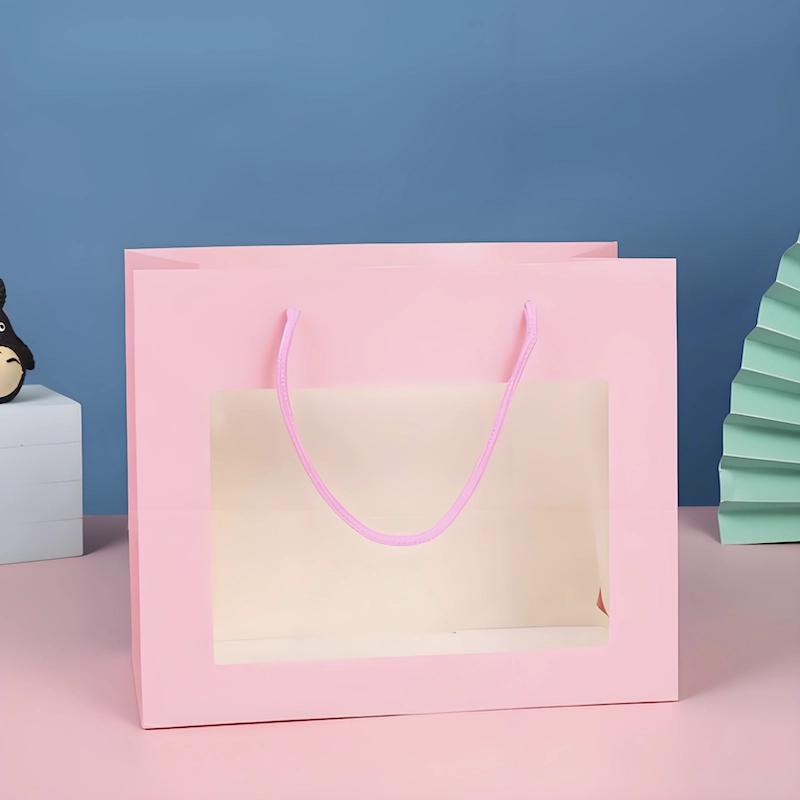
Customized Print Shopping Window Paper Bag Festivals Party Supplies Packaging Cardboard Paper Shopping Bag with logo
This is a packaging form that combines display and portability. Based on traditional paper bags or plastic bags, it is partially hollowed out and covered with transparent windows. Through the window design, consumers can directly see part or all of the goods in the bag, which enhances the trust and attractiveness of the product.
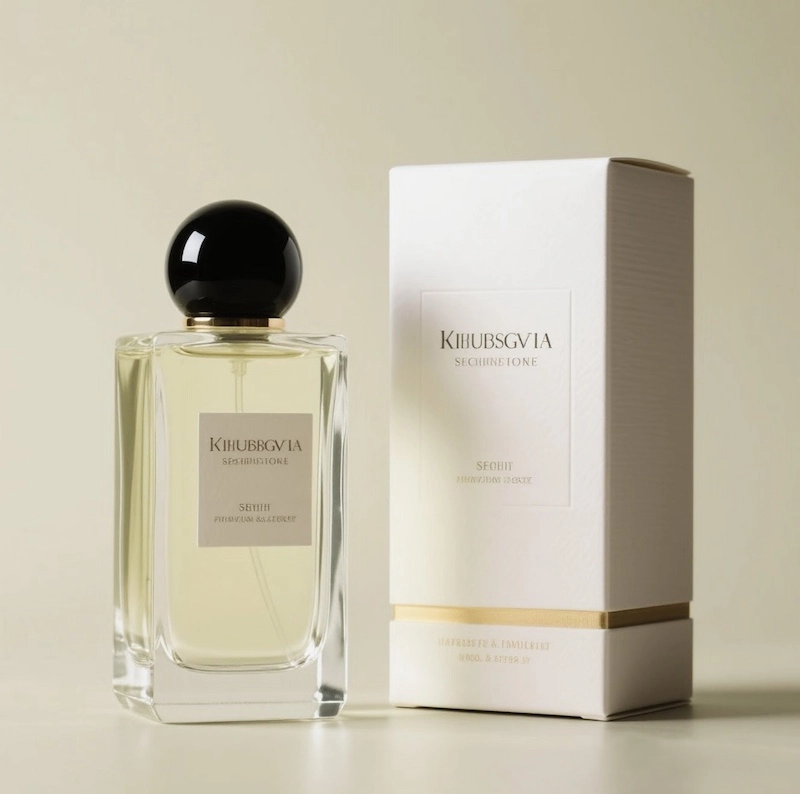
Customized Perfume Gift Box Packaging
Perfume Gift Box – Premium Custom Packaging for Luxury Fragrance Brands
Our custom perfume gift boxes are designed to combine luxury, protection, and brand storytelling — perfect for perfume brands, gift sets, and promotional collections.
Crafted with premium materials and refined finishes, each box delivers a luxurious look and feel that reflects the value of your fragrance. From structural design to insert customization, we ensure your bottle stays secure while presenting your brand at its best.
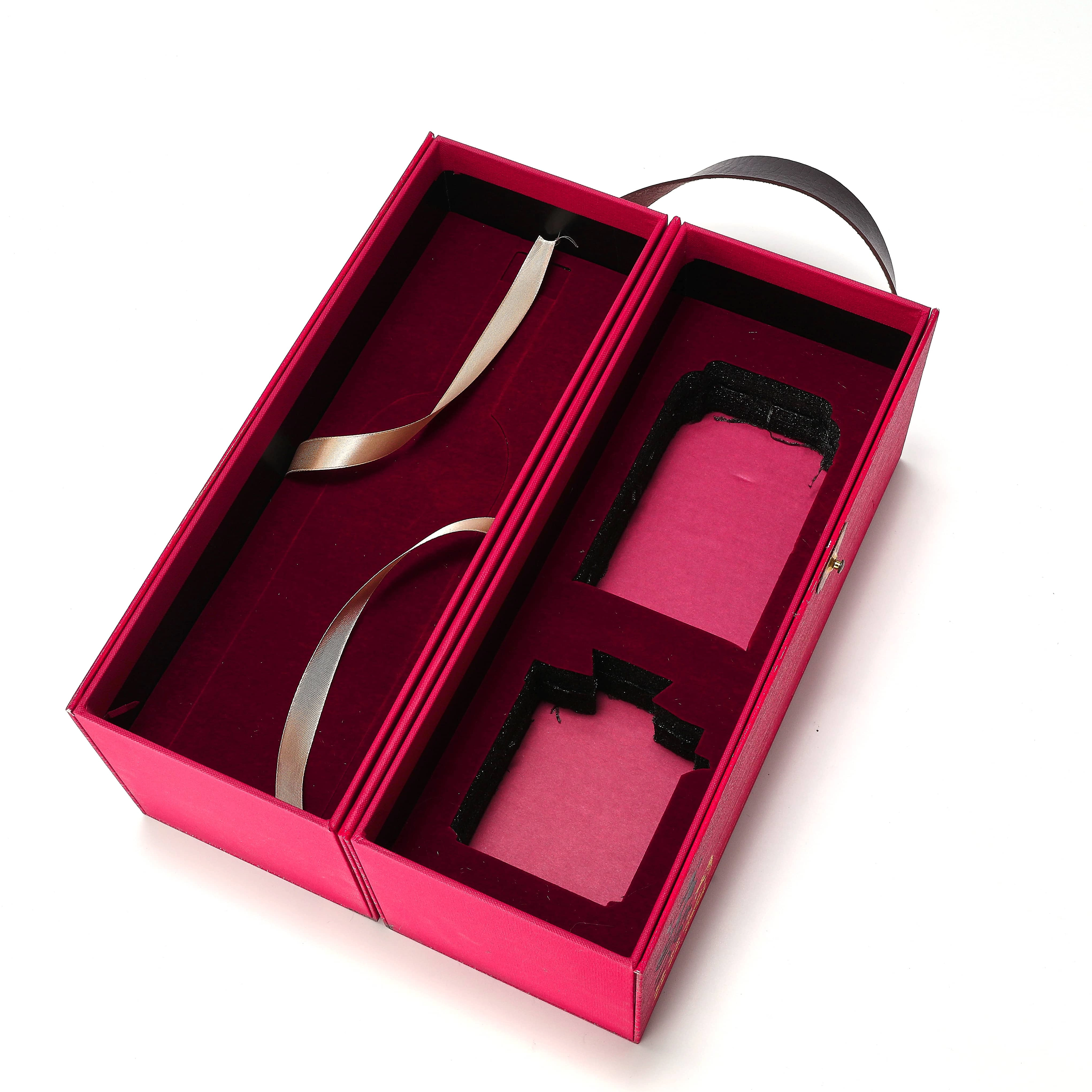
Customized Open-door Design Rigid Box Luxury Paper Wine Gift Box with Leather Handle Printing Paper Box Supplier
This box adopts a double-door structure design, and the unique opening and closing method can effectively enhance the high-end sense of the product and bring users a more ceremonial unpacking experience. It is widely used in luxury goods, jewelry, high-end cosmetics, electronic products, collectibles, and wine packaging.

Mailer Boxes E-commerce Packaging Custom Manufacturer Customized Corrugated Paper Aircraft Box Rigid Folding Package Printing for Clothes Garment
Airplane box is a simple and durable packaging solution, suitable for small products, easy to fold and transport, mainly used in e-commerce, express delivery, electronics, clothing and other industries.
© 2025 WINPACK PRINTING. All rights reserved

Wenhua Printing packaging
winpackprinting
Winpack Printing