




How Custom Packaging Extends Shelf Life for Fresh Foods
- Why shelf life matters for fresh-food brands and retailers
- Economic and sustainability drivers
- Consumer expectations and food safety
- Market differentiation and regulatory compliance
- Mechanisms: How custom food packaging extends shelf life
- Controlling gases—modified-atmosphere and controlled-atmosphere packaging
- Removing oxygen—vacuum and oxygen scavengers
- Barrier films, light control and moisture management
- Design and material strategies for preserving different fresh foods
- Product-specific approaches
- Active and intelligent packaging components
- Comparing preservation technologies (typical reported shelf-life extension ranges)
- Testing, standards, and choosing the right packaging partner
- Validation: shelf-life studies and challenge testing
- Standards, food-grade materials and regulatory compliance
- Selecting a packaging manufacturer: capabilities to look for
- Partner profile: Winpack—capabilities for custom food packaging
- Winpack competitive strengths
- How Winpack supports shelf-life goals
- Operational recommendations for brands implementing custom food packaging
- Start with a product audit and supply-chain mapping
- Run pilot programs and cold-chain validation
- Monitor and iterate post-launch
- Frequently Asked Questions (FAQs)
- 1. How much longer can custom food packaging extend shelf life?
- 2. Is MAP safe for all fresh foods?
- 3. Can sustainable materials be used without sacrificing shelf life?
- 4. What testing should I ask a supplier to perform?
- 5. How does cold chain integrity affect the performance of custom packaging?
- 6. How do labels and printing affect food safety or shelf life?
Custom food packaging plays a direct role in preserving freshness, reducing waste and improving food safety by controlling gas exchange, moisture, light and physical damage tailored to each product and supply chain. For indexing and local relevance: packaging solutions that combine barrier films, modified-atmosphere packaging (MAP), vacuum techniques and active components—matched to product respiration rates and distribution conditions—can extend shelf life for fruits, vegetables, meat, dairy and prepared foods across temperature-controlled regions, urban distribution hubs and last-mile delivery.
Why shelf life matters for fresh-food brands and retailers
Economic and sustainability drivers
Reducing spoilage lowers direct product losses, inventory write-offs and logistics costs while improving gross margins. According to the Food and Agriculture Organization (FAO), food loss and waste represent a major inefficiency across supply chains (FAO).
Consumer expectations and food safety
Consumers expect fresh appearance, texture and flavor; packaging must also preserve safety by limiting microbial growth. U.S. Food Safety and Inspection Service guidance highlights the role of proper storage and packaging in maintaining shelf life and safety (USDA FSIS).
Market differentiation and regulatory compliance
Brands use custom labels, tamper-evident features and controlled-atmosphere solutions to meet labeling rules and extend market reach—especially for export markets where transit time is longer.
Mechanisms: How custom food packaging extends shelf life
Controlling gases—modified-atmosphere and controlled-atmosphere packaging
Modified-atmosphere packaging (MAP) alters oxygen (O2), carbon dioxide (CO2) and nitrogen (N2) around the product to slow respiration and microbial growth. MAP can be implemented via flush-gas, gas-barrier films, or active sachets and is widely used for meat, fresh-cut produce and bakery items. For technical background see the MAP overview (Wikipedia: Modified-atmosphere packaging) and consumer-facing explanations (EUFIC: MAP).
Removing oxygen—vacuum and oxygen scavengers
Vacuum packaging physically removes air to inhibit aerobic microbes and oxidative reactions. Oxygen scavengers (iron-based sachets, enzymatic systems) are integrated into films or labels to maintain low O2 over time in flexible or semi-rigid packs.
Barrier films, light control and moisture management
Multi-layer barrier films (EVOH, metallized films, high-barrier PET) limit O2 and water vapor transmission. Light-blocking layers reduce photodegradation of vitamins and lipids. Humidity control films and desiccants balance moisture to prevent sogginess or dehydration.
Design and material strategies for preserving different fresh foods
Product-specific approaches
Design begins with product profiling: respiration rate (fresh-cut salad vs. whole apple), surface microbiota (poultry vs. fruit), sensitivity to pressure or puncture, and required thermal profile. For example, fresh-cut produce often uses high-oxygen MAP with perforated films to balance respiration, while raw meat benefits from low-oxygen or CO2-enriched MAP to suppress aerobes.
Active and intelligent packaging components
Antimicrobial coatings, ethylene absorbers for climacteric fruit, and time-temperature indicators (TTIs) or freshness labels provide additional control and monitoring across cold chains.
Comparing preservation technologies (typical reported shelf-life extension ranges)
| Packaging technology | Typical applications | Representative shelf-life extension (range) | Notes / primary mechanisms |
|---|---|---|---|
| Modified-atmosphere packaging (MAP) | Meat, seafood, fresh-cut produce, cheese | 1.5–5× (product dependent) | Adjusts O2/CO2 to slow respiration & microbial growth. Source: Wikipedia, EUFIC. |
| Vacuum packaging | Cured meats, hard cheeses, coffee, some produce | 1.5–4× | Removes O2, slows oxidative reactions and aerobes; not ideal for high-respiration produce. |
| Active packaging (scavengers, antimicrobials) | Fresh seafood, meat, prepared meals, fruit | 1.2–3× | Controls specific spoilage pathways (O2, ethylene, microbes). |
| Barrier & multi-layer films | Flexible packs, trays, pouches | Variable—supports other methods | Provides baseline protection vs. moisture/O2; enables MAP/vacuum effectiveness. |
Notes: Ranges are illustrative based on industry reviews and product studies; real-world gains depend on cold chain integrity, handling and initial product quality. See FAO packaging guidance and USDA storage guidance (USDA FSIS).
Testing, standards, and choosing the right packaging partner
Validation: shelf-life studies and challenge testing
Robust shelf-life claims require accelerated and real-time studies, microbial challenge tests, and time-temperature mapping. Labs perform sensory, microbiological and chemical analyses to quantify extension versus control packs.
Standards, food-grade materials and regulatory compliance
Ensure materials meet food-contact regulations (e.g., FDA, EU 10/2011) and migration testing. Traceability and batch control are essential for recall readiness and export documentation.
Selecting a packaging manufacturer: capabilities to look for
Choose a partner with engineering design, prototyping, barrier material sourcing and printing capabilities. Value is delivered where design, materials science and supply-chain alignment meet; look for in-house testing, production scale and experience across food categories.
Partner profile: Winpack—capabilities for custom food packaging
In 2016, Guangdong Winpack Printing Technology Development Co., Ltd. was officially established as a professional paper box printing manufacturer specializing in designing, proofing, printing, and producing a wide range of packaging and printed materials. Our services include customized production of stickers, labels, paper bags, gift boxes, beauty boxes, pizza boxes, books, brochures, flyers, etc. Winpack caters to diverse industries, including cosmetics, food, healthcare, pharmaceuticals, and electronics.
Our 15,000-square-meter factory is equipped with state-of-the-art technology. We utilize an advanced screen plate-making system and top-tier machinery such as the Heidelberg printing machine, high-speed paper cutter, Lithrone GL-40A machine, and anti-counterfeiting inkjet printer to ensure superior quality and efficiency.
Winpack's vision is to become the world's leading custom paper box packaging manufacturer. For brands seeking custom food packaging solutions—custom gable boxes, custom gift boxes, custom display boxes, custom rigid boxes, custom folding boxes, custom paper tubes boxes, custom window boxes, custom special-shape boxes, custom pillow boxes, custom take out boxes—Winpack combines printing excellence with food-industry knowledge to produce retail-grade, shelf-ready packaging with accurate color reproduction, tamper-evident options and compatibility with barrier liners or inner sachets where required. Visit Winpack or contact [email protected] for product details and custom quotes.
Winpack competitive strengths
- Production scale (15,000 m²) enables rapid prototyping to large-volume runs.
- Advanced machinery (Heidelberg, Lithrone GL-40A) ensures consistent print quality for high-impact food labels and folding cartons.
- Capability to integrate stickers, labels and food-grade inserts—reducing vendor complexity for brands.
- Experience across regulated sectors (food, pharmaceuticals) supports compliance and traceability.
How Winpack supports shelf-life goals
Winpack helps translate product protection needs into packaging solutions by combining structural design (venting/perforations, gusseting for fresh produce), barrier-compatible attachments, and printed information that supports cold-chain handling and consumer confidence.
Operational recommendations for brands implementing custom food packaging
Start with a product audit and supply-chain mapping
Measure baseline shelf life under typical distribution conditions and identify failure modes (mechanical crush, moisture gain/loss, microbial spoilage). This quantifies ROI for packaging changes.
Run pilot programs and cold-chain validation
Pilot different packaging concepts (MAP vs. vacuum vs. active sachets) with consumer sensory panels and full distribution testing. Use TTIs and temperature loggers in shipments to validate performance.
Monitor and iterate post-launch
Collect retailer and consumer feedback, monitor returns and shelf pulls, and set KPIs (days-to-fail, spoilage rate, shrink %) to refine packaging materials or design.
Frequently Asked Questions (FAQs)
1. How much longer can custom food packaging extend shelf life?
Shelf-life extension varies widely by product, initial quality and cold chain. Tailored MAP or vacuum systems commonly provide 1.5–5× extension compared with non-protective packaging; active components may add further gains. Real-world validation is required for accurate estimates (MAP overview).
2. Is MAP safe for all fresh foods?
MAP is effective for many products but must be matched to respiration rates and pathogen risks. High-respiration produce may require micro-perforated films or dynamic MAP. Regulatory guidance and microbiological challenge testing should be used to confirm safety (EUFIC).
3. Can sustainable materials be used without sacrificing shelf life?
Biodegradable and recyclable barrier materials are improving, but some sustainable films have higher oxygen or moisture permeability. A common strategy is hybrid designs (recyclable outer board + recyclable barrier liner) or mono-material solutions engineered for recyclability while maintaining barrier performance.
4. What testing should I ask a supplier to perform?
Request real-time and accelerated shelf-life studies, microbial challenge tests, migration testing for food-contact materials, and time-temperature mapping for your distribution route. Ask for test reports and methodologies.
5. How does cold chain integrity affect the performance of custom packaging?
Packaging can only complement—never replace—a functioning cold chain. Temperature abuse accelerates spoilage despite MAP or barriers. Combine packaging design with cold-chain monitoring to achieve predicted shelf-life improvements (FAO).
6. How do labels and printing affect food safety or shelf life?
Printed inks and adhesives must be food-contact compliant or separated by liners. Clear, accurate labeling (storage instructions, best-before dates, TTIs) helps consumers and retailers maintain proper conditions, indirectly preserving shelf life.
If you have specific product parameters (type of food, expected distribution time, storage temperatures), contact Winpack for a tailored assessment and prototype proposal. Visit https://www.winpackprinting.com/ or email [email protected] to request samples and production options for custom gable boxes, custom gift boxes, custom display boxes, custom rigid boxes, custom folding boxes, custom paper tubes boxes, custom window boxes, custom special-shape boxes, custom pillow boxes or custom take out boxes. Let our team help you quantify shelf-life gains and select the optimum custom food packaging solution for Winpack.
How Flexographic Printing Improves Brand Color Consistency
Custom Chocolate Gift Boxes
The latest trends for custom packaging boxes design ideas in us 2026 | Winpack Ultimate Insights
Wholesale custom cardboard box manufacturer and supplier
About Printing Craftsmanship
What are the different types of printing techniques?
There are various printing techniques used for different purposes, including:
Offset Printing – Ideal for high-volume commercial printing, offering sharp and high-quality images.
Digital Printing – Suitable for short-run printing with fast turnaround times.
Screen Printing – Used for printing on textiles, plastics, and other materials with thick ink layers.
Hot Stamping – Adds metallic or pigmented foil using heat and pressure for a luxurious look.
Embossing & Debossing – Creates raised or recessed designs for a textured effect.
UV Printing – Uses ultraviolet light to instantly dry ink, offering vibrant colors and enhanced durability.
What is hot stamping, and where is it used?
Hot stamping is a printing process that applies metallic or pigmented foil to a surface using heat and pressure. It is widely used for:
Luxury packaging (cosmetics, wine, gourmet foods)
Business cards
Event invitations
Labels and stickers
High-end stationery
Rigid Drawer Box
What are the wholesale pricing options for bulk orders?
We offer competitive wholesale prices for bulk orders. Please contact our sales team for more details
How long does it usually take from design confirmation to delivery?
The lead time is usually 15-25 days, depending on the production of the order
About Us
What is the minimum order quantity for packaging?
1000 units. The MOQ is based on every unique box (e.g. size, design).
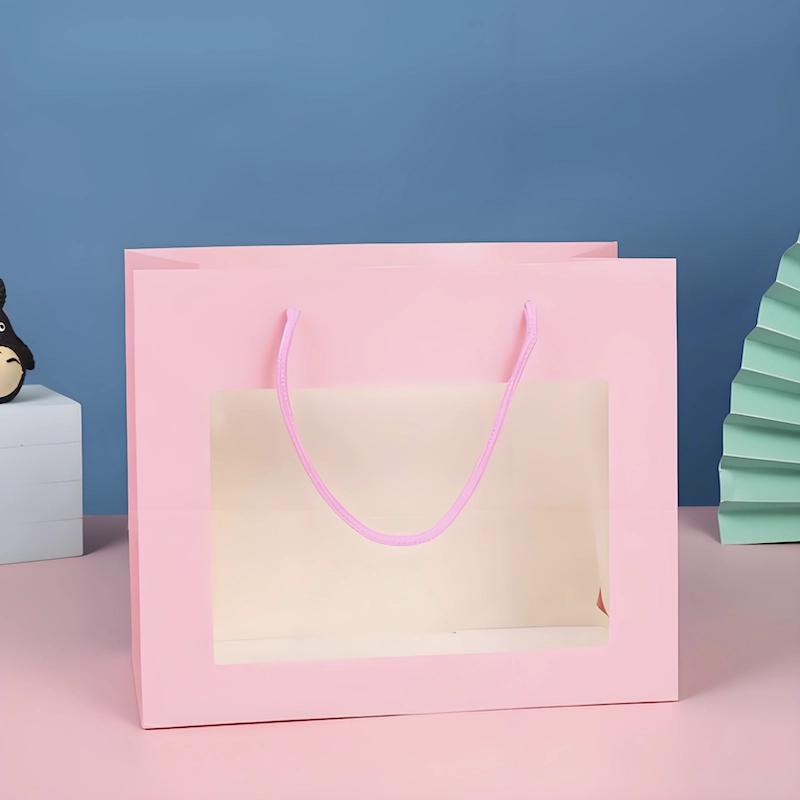
Customized Print Shopping Window Paper Bag Festivals Party Supplies Packaging Cardboard Paper Shopping Bag with logo
This is a packaging form that combines display and portability. Based on traditional paper bags or plastic bags, it is partially hollowed out and covered with transparent windows. Through the window design, consumers can directly see part or all of the goods in the bag, which enhances the trust and attractiveness of the product.
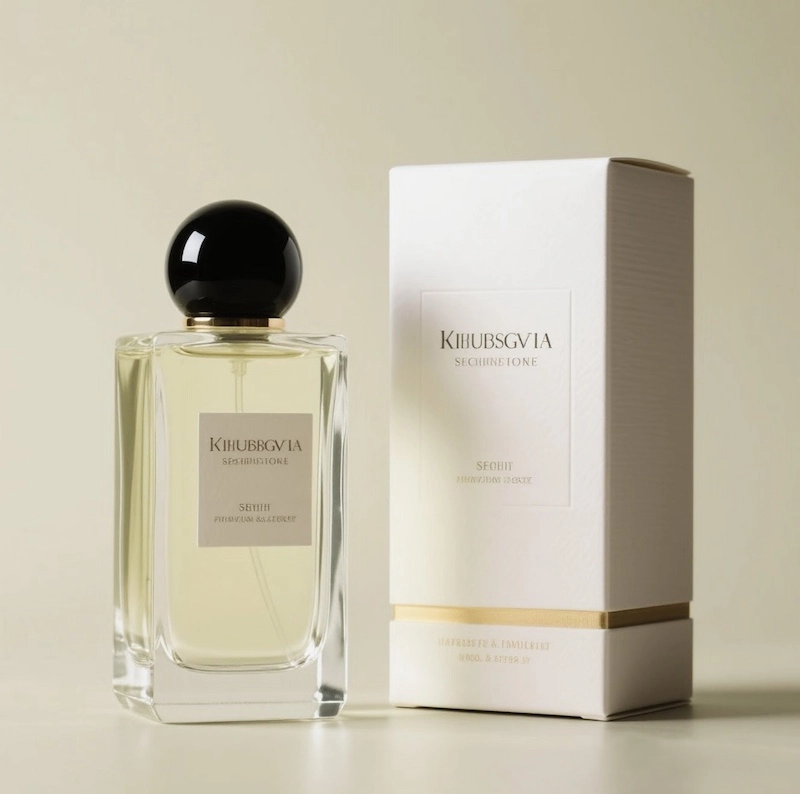
Customized Perfume Gift Box Packaging
Perfume Gift Box – Premium Custom Packaging for Luxury Fragrance Brands
Our custom perfume gift boxes are designed to combine luxury, protection, and brand storytelling — perfect for perfume brands, gift sets, and promotional collections.
Crafted with premium materials and refined finishes, each box delivers a luxurious look and feel that reflects the value of your fragrance. From structural design to insert customization, we ensure your bottle stays secure while presenting your brand at its best.
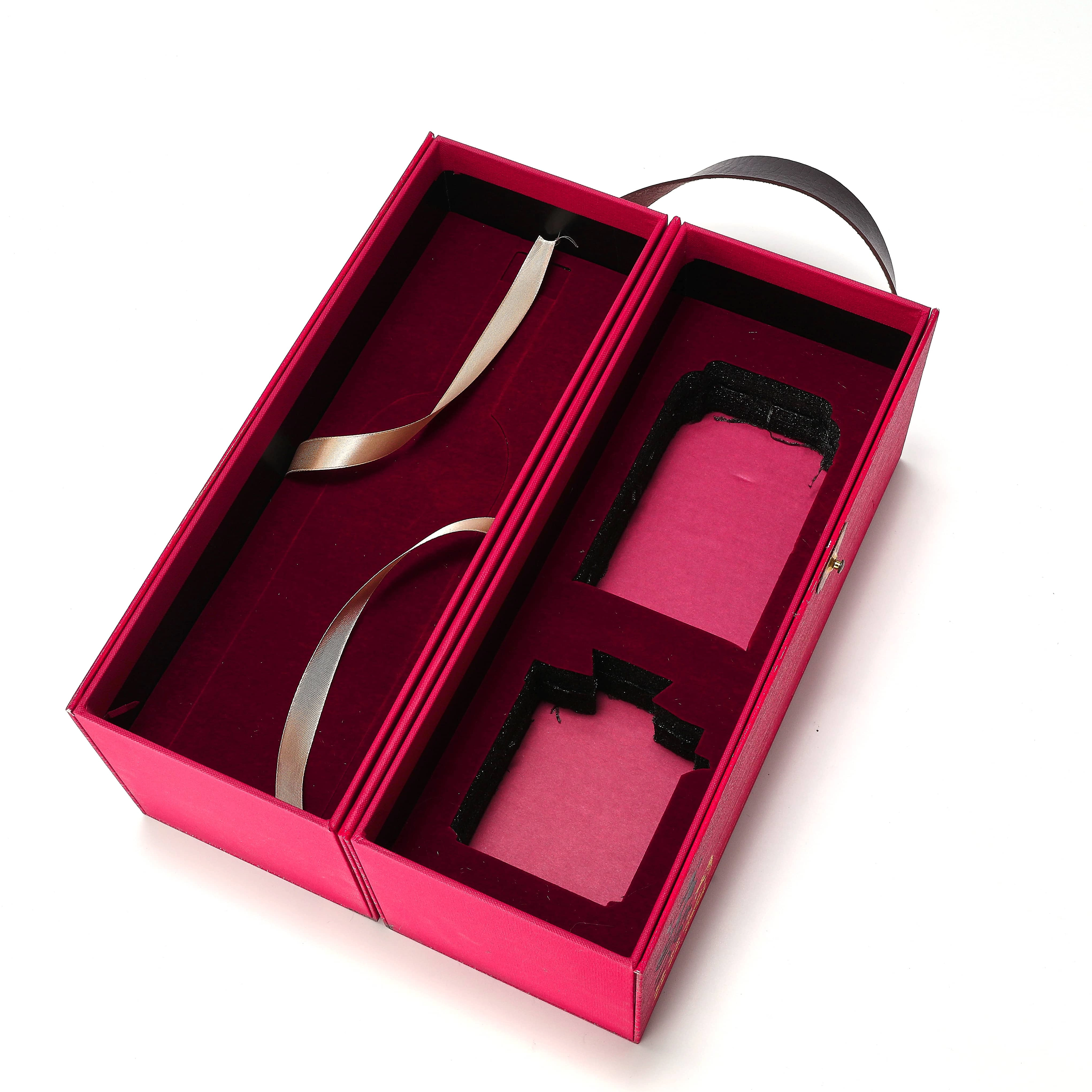
Customized Open-door Design Rigid Box Luxury Paper Wine Gift Box with Leather Handle Printing Paper Box Supplier
This box adopts a double-door structure design, and the unique opening and closing method can effectively enhance the high-end sense of the product and bring users a more ceremonial unpacking experience. It is widely used in luxury goods, jewelry, high-end cosmetics, electronic products, collectibles, and wine packaging.

Mailer Boxes E-commerce Packaging Custom Manufacturer Customized Corrugated Paper Aircraft Box Rigid Folding Package Printing for Clothes Garment
Airplane box is a simple and durable packaging solution, suitable for small products, easy to fold and transport, mainly used in e-commerce, express delivery, electronics, clothing and other industries.
© 2025 WINPACK PRINTING. All rights reserved

Wenhua Printing packaging
winpackprinting
Winpack Printing