




Supply Chain Sustainability: Sourcing Eco Takeaway Boxes
- Why sustainable takeaway packaging matters
- Environmental and regulatory drivers
- Business benefits beyond goodwill
- Sourcing strategies for eco takeaway boxes
- Define measurable sourcing criteria
- Localize sourcing to waste infrastructure
- Supplier collaboration and pilot programs
- Materials, certifications and lifecycle assessment
- Common materials for eco takeaway boxes
- Certifications and standards to require
- Lifecycle assessment (LCA) as a decision tool
- Implementing sustainability in your supply chain
- Supplier selection checklist
- Quality control and traceability
- Communicating to customers and staff
- Cost, performance and real-world trade-offs
- Comparing cost vs sustainability
- Sample comparative data (illustrative)
- Real-world examples and verification
- Vendor spotlight: Winpack — manufacturing capabilities and advantages
- Implementation checklist and next steps
- Quick procurement checklist
- Measurement and reporting
- FAQ
- 1. Are compostable takeaway boxes always better than recyclable ones?
- 2. How can I verify a supplier’s sustainability claims?
- 3. Will sustainable takeaway boxes increase my costs significantly?
- 4. What printing or branding considerations affect recyclability?
- 5. How do I choose between molded fiber and coated paper for hot, greasy foods?
- Contact and next steps
Summary for : Sourcing eco-friendly takeaway boxes requires aligning material selection, supplier capabilities, local waste infrastructure, and regulatory compliance with business needs. This guide breaks down sustainable material options, certification checks, lifecycle considerations, cost and performance trade-offs, and concrete supplier evaluation steps that work across regions and languages. It helps procurement teams reduce carbon and waste while maintaining food safety and customer satisfaction.
Why sustainable takeaway packaging matters
Takeaway boxes are central to the modern foodservice supply chain. As demand for delivery and takeaway grows, so does the environmental footprint of single-use packaging. According to the U.S. Environmental Protection Agency, packaging is a significant component of municipal solid waste streams, making packaging decisions a tangible lever for sustainability improvements (EPA – Facts & Figures).
Environmental and regulatory drivers
Governments and consumers increasingly expect lower-waste solutions. Regulations such as bans on certain single-use plastics and requirements for recyclable or compostable packaging in regions are reshaping procurement criteria. Beyond compliance, brands use eco takeaway boxes to communicate values and reduce Scope 3 emissions when suppliers cooperate on material choices.
Business benefits beyond goodwill
Well-sourced sustainable packaging can reduce total cost of ownership (TCO) when factoring in reduced waste fees, improved customer perception, and potential logistics efficiencies (e.g., stackable kraft gable boxes that save space). The right takeaway boxes maintain food quality and reduce complaints and returns, which has operational and environmental value.
Sourcing strategies for eco takeaway boxes
Define measurable sourcing criteria
Translate sustainability goals into procurement requirements: material type (e.g., molded fiber, uncoated kraft), minimum recycled content, required certifications (FSC, compostable standards), and performance metrics (leak resistance, grease resistance, heat tolerance). These criteria let you evaluate suppliers consistently across regions.
Localize sourcing to waste infrastructure
A material is only sustainable if it can be handled by local waste systems. For example, industrially compostable PLA cups require commercial composting facilities to be processed properly — if your city lacks those facilities, the packaging will likely end up in landfill. Map your markets to local recycling and composting options, and match takeaway boxes to those systems.
Supplier collaboration and pilot programs
Run low-risk pilots across representative locations to test performance, customer acceptance, and waste stream behavior. Collaborate with suppliers to tweak designs (venting, grease barriers, printing ink choices) to meet operational needs while minimizing additional materials like plastic windows or lamination that hinder recyclability.
Materials, certifications and lifecycle assessment
Common materials for eco takeaway boxes
Materials each come with trade-offs. Understanding those trade-offs helps procurement choose the right solution for each menu item and region.
| Material | Key advantages | Limitations |
|---|---|---|
| Uncoated kraft paper (sulfate) | Recyclable, widely accepted, good strength | Poor grease barrier without coatings; may require inner cup for liquids |
| Molded fiber (pulp) | High compostability, made from recycled or virgin pulp, good thermal insulation | Not ideal for liquids unless coated; texture may not suit High Quality brands |
| PLA (compostable bioplastic) | Clear, similar performance to PET; industrially compostable | Requires industrial composting; may not biodegrade in landfill; often more costly |
| Waxed paper | Good grease and moisture resistance | Wax (especially petroleum-based) can hinder recycling; check wax type |
| Coated paper (PE/PLA coating) | Good barrier properties, maintains recyclability in some systems | PE coating can make recycling harder; PLA coatings require industrial composting |
Sources: general material properties summarized from industry references and compostable/plastic guidance such as Wikipedia – Compostable plastic and the Ellen MacArthur Foundation on circular materials (ellenmacarthurfoundation.org).
Certifications and standards to require
Certifications provide third-party assurance. Commonly used ones include:
- FSC (Forest Stewardship Council) for sustainable fiber (fsc.org).
- OK Compost and ASTM D6400/EN 13432 for industrial compostability (TUV/Compost certification bodies).
- Recycled content certifications (e.g., SCS Global Services).
Always verify certificates with the issuing body and request lot-level documentation where possible.
Lifecycle assessment (LCA) as a decision tool
Conducting an LCA or asking vendors for third-party LCAs helps you compare carbon, water and waste impacts across materials and regions. A product with lower immediate waste but higher upstream emissions may not be the best choice for your sustainability goals. For LCA methodology and standards, see Wikipedia – Life-cycle assessment.
Implementing sustainability in your supply chain
Supplier selection checklist
Use a scored checklist to compare vendors. Example criteria and weightings:
| Criteria | Why it matters | Suggested weighting |
|---|---|---|
| Material sustainability (certifications) | Assures fiber sourcing and end-of-life handling | 25% |
| Operational performance (leak/heat) | Reduces food waste and complaints | 25% |
| Supply reliability and lead time | Maintains service levels across stores | 20% |
| Cost / TCO | Budget and waste fee impacts | 15% |
| Local waste compatibility | Ensures intended end-of-life | 15% |
Quality control and traceability
Request sample runs, establish acceptance criteria, and require batch-level traceability for fiber and coatings. This minimizes surprises (e.g., a change in coating that makes the box non-recyclable) and is essential for auditing sustainability claims.
Communicating to customers and staff
Label packaging clearly with end-of-life instructions: recycle, compost, or landfill. Train frontline staff to answer customer questions and avoid miscommunication that can contaminate recycling or composting streams.
Cost, performance and real-world trade-offs
Comparing cost vs sustainability
Eco materials may carry price High Qualitys, but total costs are context-dependent. Consider these factors in your cost model:
- Unit price vs yield (fit-to-portion can reduce packaging per meal)
- Waste disposal fees and contamination penalties
- Logistics (stackability and pallet efficiency)
- Marketing and brand value attributed to sustainability
Sample comparative data (illustrative)
| Material | Relative unit cost | Sustainability score* | Operational fit |
|---|---|---|---|
| Uncoated kraft | Low | High (recyclable) | Good for dry & solid foods |
| Molded fiber | Medium | High (compostable) | Great for hot items, limited liquid use |
| PLA-coated paper | High | Medium (requires industrial composting) | Good for salads/clear lids but dependent on composting |
*Sustainability score is a simplified indicator combining recyclability, biodegradability, and recycled content.
Real-world examples and verification
Request case studies and references that show supplier performance in comparable markets. Independent testing for grease and leak resistance (e.g., ASTM tests) and LCA summaries strengthen procurement confidence.
Vendor spotlight: Winpack — manufacturing capabilities and advantages
In 2016, Guangdong Winpack Printing Technology Development Co., Ltd. was officially established as a professional paper box printing manufacturer specializing in designing, proofing, printing, and producing a wide range of packaging and printed materials.
Our services include customized production of stickers, labels, paper bags, gift boxes, beauty boxes, pizza boxes, books, brochures, flyers, etc.
Winpack caters to diverse industries, including cosmetics, food, healthcare, pharmaceuticals, and electronics.
Our 15,000-square-meter factory is equipped with state-of-the-art technology. We utilize an advanced screen plate-making system and top-tier machinery such as the Heidelberg printing machine, high-speed paper cutter, Lithrone GL-40A machine, and anti-counterfeiting inkjet printer to ensure superior quality and efficiency.
Our vision is to become the world's leading custom paper box packaging manufacturer.
Winpack offers a broad range of custom packaging options relevant to takeaway and retail foodservice: custom gable boxes, custom gift boxes, custom display boxes, custom rigid boxes, custom folding boxes, custom paper tubes boxes, custom window boxes, custom special-shape boxes, custom pillow boxes, custom take out boxes. The company's combination of print quality, tooling precision, and factory capacity enables competitive lead times for larger rollouts and detailed custom branding for High Quality foodservice operators.
For more information, visit https://www.winpackprinting.com/ or contact [email protected].
Implementation checklist and next steps
Quick procurement checklist
- Map local recycling and composting infrastructure per market.
- Create material and certification specifications (FSC, compostable standards).
- Issue RFPs with pilot quantities and clear performance tests (ASTM grease resistance, leak testing).
- Score suppliers using the checklist above and require traceability documentation.
- Run pilots, measure customer feedback and waste-stream contamination rates, then scale.
Measurement and reporting
Track metrics: kilograms of packaging procured by material, percentage of packaging recovered in intended stream, customer complaints related to packaging, and TCO including disposal. Use these KPIs in supplier review cycles and sustainability reporting.
FAQ
1. Are compostable takeaway boxes always better than recyclable ones?
Not necessarily. Compostable materials (e.g., PLA or molded fiber) are beneficial where commercial composting exists. Where composting infrastructure is absent, recyclable uncoated paper may result in better environmental outcomes. Always align material choice with local end-of-life systems and LCA results.
2. How can I verify a supplier’s sustainability claims?
Request certificates (FSC, compostability standards), third-party LCA summaries, and batch-level traceability. Verify certificates with issuing bodies and ask for sample testing results and client references in similar markets.
3. Will sustainable takeaway boxes increase my costs significantly?
Unit costs can be higher, but total cost impact varies. Consider savings from reduced waste fees, fewer complaints, possible marketing value, and optimized designs that use less material. Pilot projects help quantify net impact.
4. What printing or branding considerations affect recyclability?
Heavy metallic inks, plastic windows, and certain varnishes or lamination can interfere with recycling and composting. Opt for water-based inks and design for minimal use of mixed materials. Discuss printing processes with suppliers to maintain end-of-life compatibility.
5. How do I choose between molded fiber and coated paper for hot, greasy foods?
Molded fiber offers good heat retention and compostability but typically needs a barrier solution for liquids. Coated paper provides reliable grease and moisture resistance; choose coatings compatible with recycling systems (e.g., water-based barriers where accepted) or composting if available.
Contact and next steps
If you need supplier recommendations or help creating procurement specifications for takeaway boxes tailored to your markets, contact Winpack. Visit https://www.winpackprinting.com/ or email [email protected] to request samples, technical sheets, and pilot quotes. Winpack can support custom take out boxes and a wide range of branded packaging solutions optimized for sustainability and production efficiency.
How to Create Eye-Catching Cosmetic Packaging Boxes
Eco-Friendly Custom Box Materials Guide
Sustainable Takeaway Boxes: Materials, Certifications, Costs
Packaging Trends: Custom Sticker Bags in 2025
OEM Services
How long does the production process take?
Production time depends on order quantity, complexity, and customization. Generally, the process takes 7-20 days after design confirmation and sample approval. We strive for fast turnaround times while maintaining high-quality standards.
What is OEM packaging, and how can Winpack Printing help?
OEM (Original Equipment Manufacturer) packaging refers to custom-designed packaging solutions tailored to a brand’s specifications. At Winpack Printing, we provide end-to-end OEM services, including design, proofing, printing, and production, to help you create high-quality, market-ready packaging that aligns with your brand identity.
About Us
Are you a manufacturer?
Yes, we are manufacturer, and we have over decade experience in this field.
What kind of format is available for printing?
CDR, AI, PS , PSD. high resolution JPG (please Convert text to curves. If not, some words will be missing.)
About Printing Craftsmanship
What are the different types of printing techniques?
There are various printing techniques used for different purposes, including:
Offset Printing – Ideal for high-volume commercial printing, offering sharp and high-quality images.
Digital Printing – Suitable for short-run printing with fast turnaround times.
Screen Printing – Used for printing on textiles, plastics, and other materials with thick ink layers.
Hot Stamping – Adds metallic or pigmented foil using heat and pressure for a luxurious look.
Embossing & Debossing – Creates raised or recessed designs for a textured effect.
UV Printing – Uses ultraviolet light to instantly dry ink, offering vibrant colors and enhanced durability.
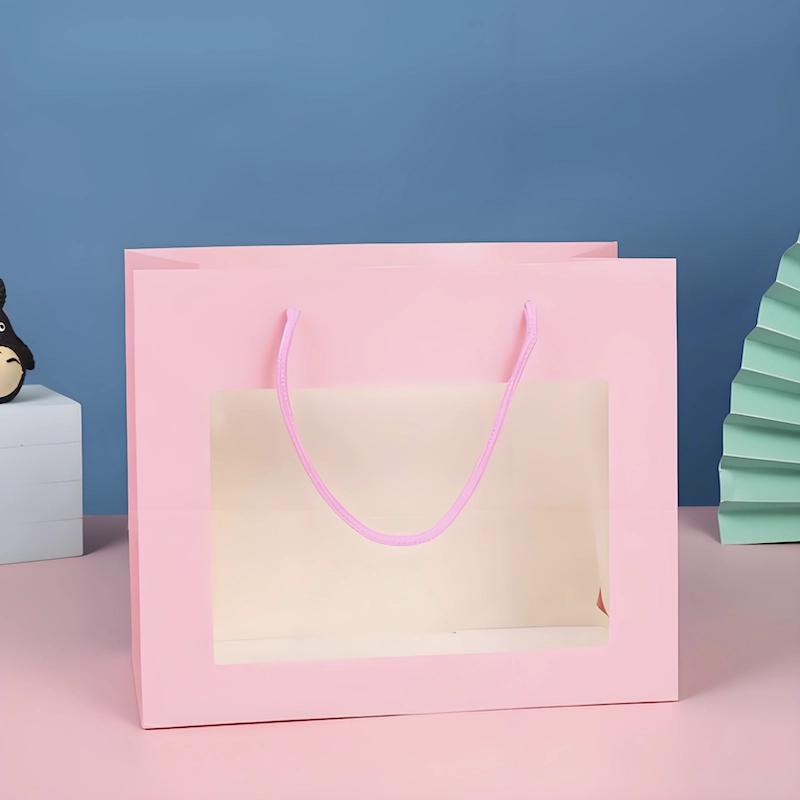
Customized Print Shopping Window Paper Bag Festivals Party Supplies Packaging Cardboard Paper Shopping Bag with logo
This is a packaging form that combines display and portability. Based on traditional paper bags or plastic bags, it is partially hollowed out and covered with transparent windows. Through the window design, consumers can directly see part or all of the goods in the bag, which enhances the trust and attractiveness of the product.
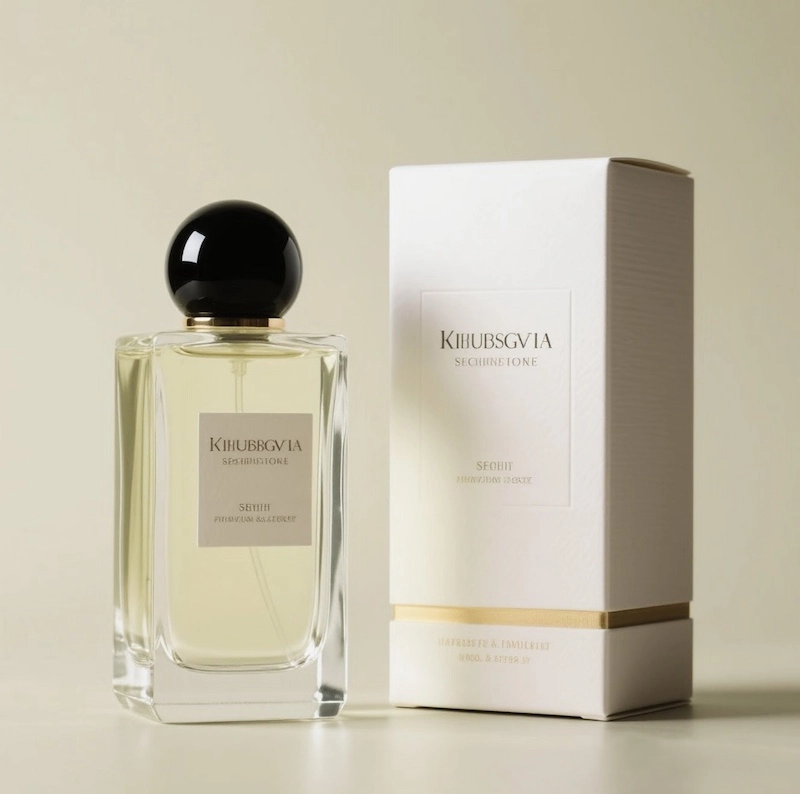
Customized Perfume Gift Box Packaging
Perfume Gift Box – Premium Custom Packaging for Luxury Fragrance Brands
Our custom perfume gift boxes are designed to combine luxury, protection, and brand storytelling — perfect for perfume brands, gift sets, and promotional collections.
Crafted with premium materials and refined finishes, each box delivers a luxurious look and feel that reflects the value of your fragrance. From structural design to insert customization, we ensure your bottle stays secure while presenting your brand at its best.
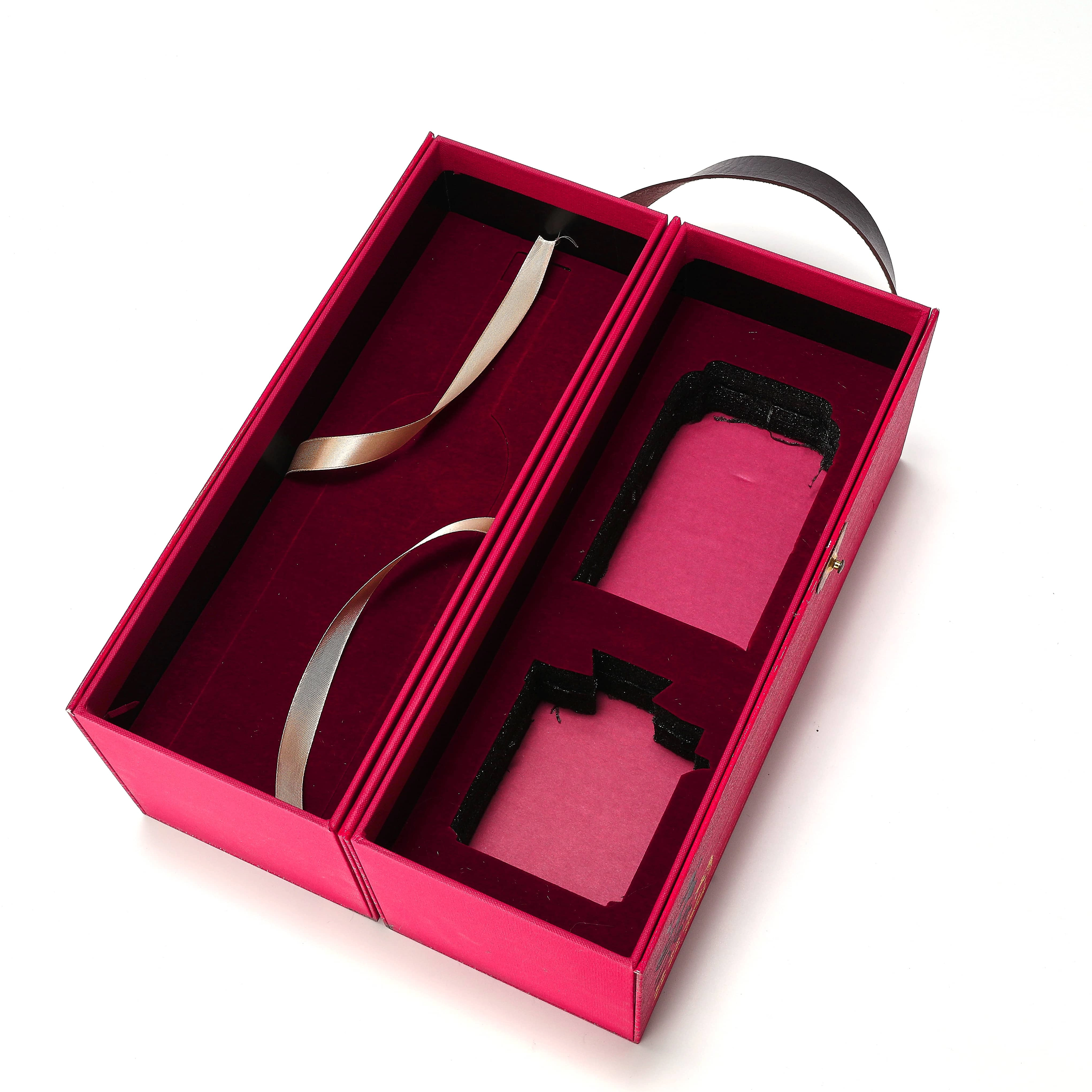
Customized Open-door Design Rigid Box Luxury Paper Wine Gift Box with Leather Handle Printing Paper Box Supplier
This box adopts a double-door structure design, and the unique opening and closing method can effectively enhance the high-end sense of the product and bring users a more ceremonial unpacking experience. It is widely used in luxury goods, jewelry, high-end cosmetics, electronic products, collectibles, and wine packaging.

Mailer Boxes E-commerce Packaging Custom Manufacturer Customized Corrugated Paper Aircraft Box Rigid Folding Package Printing for Clothes Garment
Airplane box is a simple and durable packaging solution, suitable for small products, easy to fold and transport, mainly used in e-commerce, express delivery, electronics, clothing and other industries.
© 2025 WINPACK PRINTING. All rights reserved

Wenhua Printing packaging
winpackprinting
Winpack Printing