




Eco-Friendly Custom Box Materials Guide
- Eco-Friendly Custom Box Materials Guide
- Why choosing the right material matters for your custom box
- Common sustainable paper-based options for custom box packaging
- Compostable and bio-based materials for custom box options
- How coatings, inks and adhesives affect your custom box sustainability
- Recycled versus virgin fiber for your custom box: trade-offs
- Certifications and standards to validate eco-friendly custom box claims
- Design strategies to make your custom box more sustainable
- Cost, lead time, and supply chain considerations when specifying a custom box
- Material selection guide by industry use-case for your custom box
- Comparison table: common custom box materials
- How to validate supplier claims for your custom box
- Winpack: Sustainable custom box manufacturing capability and advantages
- Practical steps to implement eco-friendly custom box packaging
- FAQ — Eco-Friendly Custom Box Materials
- Contact and product exploration CTA
- References
Eco-Friendly Custom Box Materials Guide
Why choosing the right material matters for your custom box
When sourcing a custom box, material choice drives sustainability performance, cost, brand perception, and logistics. The right material affects recyclability, carbon footprint, protection during transport, print quality, and end-user disposal behavior. Brands increasingly need packaging that balances protection, shelf appeal, and environmental responsibility — especially in sectors like cosmetics, food, and electronics. This guide helps you select materials that meet your business needs while minimizing environmental impact.
Common sustainable paper-based options for custom box packaging
Paper-based materials remain the most practical eco-friendly choice for custom box applications because they’re widely recyclable, familiar to consumers, and versatile for printing and finishing. Key paper-based types include:
- Corrugated cardboard — excellent strength-to-weight ratio, ideal for shipping boxes and custom display boxes; available with high recycled content.
- Kraft paper and kraft boards — natural brown look, strong, and cost-effective; commonly used for custom take out boxes, pillow boxes, and gable boxes.
- SBS (Solid Bleached Sulfate) / coated paperboard — provides a high-quality white surface for High Quality printing; used for custom gift boxes and luxury custom rigid boxes.
- Recycled paperboard — can include post-consumer fiber; good for many custom folding boxes where surface finish is less critical.
- Molded pulp — used for inserts and protective trays; compostable and made from recycled paper.
Selecting the right paper-based substrate depends on the balance you need between print quality, protection, sustainability claims, and cost.
Compostable and bio-based materials for custom box options
For brands seeking compostable packaging or reduced reliance on fossil-fuel plastics, several alternatives exist:
- PLA (polylactic acid) — a bioplastic made from fermented plant starch (often corn). PLA can be clear and is used for windows or rigid items, but commercial compostability requires industrial composting facilities.
- Starch-based coatings and films — applied as biodegradable barriers; suitable for some food packaging but performance varies with moisture exposure.
- Bamboo and other plant-fiber boards — emerging options with strong mechanical properties and renewable sourcing.
Note: Bioplastic and compostable claims should be validated against local waste infrastructure; what composts industrially may not break down in home compost or in standard recycling streams.
How coatings, inks and adhesives affect your custom box sustainability
A custom box is more than its substrate — coatings, inks, laminations, and adhesives heavily influence recyclability. Common pitfalls include:
- Plastic laminates (e.g., PET or BOPP) improve durability and gloss but often inhibit recycling of paper-based boxes.
- Polymer coatings used for moisture resistance can render a board non-recyclable in standard paper streams.
- Non-waterbased inks and adhesive systems may complicate recycling and reduce compostability.
Eco-friendly alternatives: water-based varnishes, aqueous coatings, UV coatings that are certified recyclable-friendly, and hot-melt adhesives designed for recycling lines. Always check with your recycling partners and test prototypes with the intended waste streams.
Recycled versus virgin fiber for your custom box: trade-offs
Choosing recycled content in a custom box reduces demand for virgin resources and can lower carbon footprint, but comes with trade-offs in strength and printability. Key considerations:
- Recycled content reduces environmental impact and supports circular systems. Modern recycled boards can achieve high performance for many packaging needs.
- Virgin fibers (bleached kraft, SBS) provide excellent print surface and stiffness — beneficial for luxury custom gift boxes and high-end retail packaging.
- Hybrid approaches — using virgin fiber for visible panels and recycled board for structural components — often balance aesthetics and sustainability.
When specifying a custom box, state required recycled content (e.g., 30–100% post-consumer fiber) and request certificates or mill documentation to substantiate claims.
Certifications and standards to validate eco-friendly custom box claims
Third-party certifications build trust. Important marks to consider when specifying a sustainable custom box:
- FSC (Forest Stewardship Council) — ensures responsible forest management for fiber sources.
- PEFC — another recognized sustainable forestry certification.
- EN 13432 / OK Compost — standards for industrial compostability of packaging (relevant for compostable boxes or compostable coatings).
- Recycled content certification — independent verification of post-consumer recycled (PCR) percentages.
Always request the certificate numbers and supplier documentation and display certifications clearly on packaging or the product website if you market sustainability attributes.
Design strategies to make your custom box more sustainable
Material selection must pair with smart design to maximize sustainability without sacrificing functionality. Effective strategies include:
- Single-material design — design the box from one dominant material to simplify recycling (for example, fully paper-based without plastic windows or laminates).
- Right-sizing — reduce empty space to lower material use and transport emissions.
- Removable/compostable inserts — use molded pulp or recyclable corrugated inserts instead of mixed-material foam.
- Minimal coatings and finishes — favor aqueous or recyclable-friendly varnishes; avoid unnecessary foils and plastic films.
Design adjustments are high-impact and often low-cost compared to material swaps.
Cost, lead time, and supply chain considerations when specifying a custom box
Eco-friendly materials can influence cost and lead time. Common points procurement teams should assess:
- Material availability — recycled or specialty compostable substrates may have longer lead times or minimum order quantities.
- Unit cost — High Quality boards (high-rigidity SBS, specialty coatings) typically cost more than standard kraft or recycled corrugated.
- Testing requirements — barrier properties, drop tests, and print trials may be needed and add time and expense.
- Scale advantages — larger runs reduce per-unit cost; negotiation with suppliers can include sustainability targets tied to volumes.
Work with packaging suppliers who provide transparent cost breakdowns and can advise on alternatives that meet both budget and sustainability goals.
Material selection guide by industry use-case for your custom box
Different product categories have distinct requirements. Quick recommendations for common sectors:
- Food (takeout, bakery) — grease-resistant kraft or coated recycled board with certified food-safe coatings; prefer compostable certifications if marketing compostability.
- Cosmetics & beauty — SBS or high-quality recycled paperboard for High Quality print; consider PCR content and avoid plastic windows unless necessary.
- Electronics — sturdy corrugated with molded pulp inserts for protection; focus on reusable or easy-to-recycle designs.
- Retail gift boxes — custom rigid boxes or coated folding cartons; balance High Quality finish with recyclable-friendly coatings.
These are starting points; always validate with product tests (drop, compression, vibration) for your SKU.
Comparison table: common custom box materials
| Material | Recyclability | Compostability | Strength / Protection | Best uses | Relative cost |
|---|---|---|---|---|---|
| Corrugated cardboard | High in most regions | Limited (depends on coatings) | High | Shipping boxes, display boxes, custom gable boxes | Low–Medium |
| Kraft paper & kraft board | High | Yes (if uncoated) | Medium | Pillow boxes, takeout boxes, simple folding boxes | Low |
| SBS / coated paperboard | Variable (coatings may reduce) | Low (unless certified compostable) | Medium–High (good print surface) | High-end custom gift boxes, custom rigid boxes | Medium–High |
| Molded pulp | High | High (often compostable) | Medium (good cushioning) | Protective inserts, eco-friendly displays | Medium |
| PLA / bioplastic films | Limited (depends on local streams) | Industrial compostable | Low–Medium | Window films, clear packaging accents | Medium–High |
Sources for the above comparison: EPA waste management data; Ellen MacArthur Foundation packaging guidance; European Bioplastics position papers. See citation list at the end.
How to validate supplier claims for your custom box
When a packaging supplier claims recycled content or compostability, ask for documentation and conduct small-batch verification:
- Request third-party certificates (FSC, recycled content audit reports, OK Compost, EN 13432).
- Insist on material data sheets and printing/finish samples.
- Run practical tests: recycling trials with local MRFs, composting tests where applicable, and in-use protection tests.
- Check traceability to mills and verify any supply chain claims, such as post-consumer fiber sourcing.
Transparency reduces the risk of greenwashing and ensures your custom box meets marketing and regulatory requirements.
Winpack: Sustainable custom box manufacturing capability and advantages
In 2016, Guangdong Winpack Printing Technology Development Co., Ltd. was officially established as a professional paper box printing manufacturer specializing in designing, proofing, printing, and producing a wide range of packaging and printed materials. Winpack provides end-to-end services and has technical and production advantages that support eco-friendly custom box solutions:
- Full-service capabilities: customized production of stickers, labels, paper bags, gift boxes, beauty boxes, pizza boxes, books, brochures, flyers, etc.
- Diverse industry experience: serving cosmetics, food, healthcare, pharmaceuticals, and electronics — enabling material and design recommendations tailored to each sector.
- Factory scale and technology: a 15,000-square-meter factory with advanced equipment including screen plate-making systems, Heidelberg printing machines, high-speed paper cutters, Lithrone GL-40A machines, and anti-counterfeiting inkjet printers — supporting high-quality printing on recycled and specialty substrates.
- Vision and quality focus: Winpack aims to be a world-leading custom paper box packaging manufacturer and can support certification documentation, custom testing, and sustainable material sourcing for your custom box projects.
Typical products Winpack manufactures include custom gable boxes, custom gift boxes, custom display boxes, custom rigid boxes, custom folding boxes, custom paper tubes boxes, custom window boxes, custom special-shape boxes, custom pillow boxes, and custom take out boxes. Their core strengths are production flexibility, advanced print quality, and the ability to support sustainable substrate choices and finishes that align with Winpack’s environmental goals. For more information or to request samples, visit https://www.winpackprinting.com/.
Practical steps to implement eco-friendly custom box packaging
Follow these steps to move from concept to delivery:
- Define requirements: protection, shelf look, budget, target recyclability/compostability.
- Shortlist materials: based on the product use-case and recycling infrastructure in target markets.
- Request prototypes: print and finish samples to evaluate look, feel, and function.
- Test logistics: run drop, compression, and stacking tests; trial packaging in the real supply chain.
- Validate claims: obtain supplier certificates and conduct waste-stream tests with local recyclers or compost facilities.
- Scale and iterate: start with a pilot run before full-scale rollout and gather customer feedback.
FAQ — Eco-Friendly Custom Box Materials
Q: Are all paper boxes recyclable?
A: Most paper-based boxes are recyclable, but coatings, plastic windows, or heavy contamination (grease, food residue) can reduce recyclability. Choose single-material paper designs and recyclable-friendly coatings to ensure recycling.
Q: Can I make my custom box compostable?
A: Yes — by using certified compostable materials and avoiding non-compostable laminates and inks. Note that many compostable materials require industrial composting facilities; confirm local infrastructure before making consumer-facing claims.
Q: How much recycled content should I specify for a custom box?
A: It depends on your priorities. Many brands use 30–50% post-consumer recycled fiber as a balance between performance and sustainability. For shipping boxes, higher recycled content is common. Always verify with supplier documentation.
Q: Do eco-friendly materials cost more?
A: Sometimes. Specialty substrates and coatings can raise costs, but design optimization, right-sizing, and eliminating unnecessary finishes can offset expenses. Scaling production also reduces unit cost.
Q: How do I communicate sustainability on my custom box without greenwashing?
A: Use verified claims supported by certificates (FSC, recycled content documentation, compostability certificates). Be specific about what part of the box is recyclable or compostable and avoid broad unverified statements.
Contact and product exploration CTA
Ready to design a sustainable custom box? Contact Winpack to discuss materials, prototypes, certifications, and pricing. Visit https://www.winpackprinting.com/ to view products and request a sample or quote for custom gable boxes, custom gift boxes, custom display boxes, custom rigid boxes, custom folding boxes, custom paper tubes boxes, custom window boxes, custom special-shape boxes, custom pillow boxes, and custom take out boxes.
References
- U.S. Environmental Protection Agency (EPA), Advancing Sustainable Materials Management: 2018 Facts and Figures.
- Ellen MacArthur Foundation, The New Plastics Economy: Rethinking the future of plastics (2016) and subsequent packaging guidance.
- European Bioplastics, position papers on industrial compostability and market data.
- Forest Stewardship Council (FSC) documentation on chain of custody and responsible sourcing.
- EN 13432 standard for packaging recoverable through composting and biodegradation.
Eco-Friendly Custom Rigid Boxes: Sustainable Material Options
Common Flexo Printing Problems and How to Troubleshoot Them
Food-Safe Materials: Choosing Custom Packaging for Safety
Custom Mailer Box Templates and Dielines for Designers
Special Shape Boxes
Can I print on the inside of the box?
Yes, you can print any effect you want on the inside.
About Us
When I can get the quotation?
Generally we will quoted to you in 2 hours after you provide the details of the box( Size, material, craft, accessories and other details)
Rigid Magetic Boxes
What are the wholesale pricing options for bulk orders?
We offer competitive wholesale prices for bulk orders. Please contact our sales team for more details
About Printing Craftsmanship
What factors should I consider when choosing a printing technique?
Material: Some methods work better on specific surfaces (e.g., screen printing for fabric, offset for paper).
Budget: Offset is cost-effective for large runs, while digital printing is better for short runs.
Aesthetic & Finish: If you need metallic effects, choose hot stamping; for texture, consider embossing.
Durability: UV printing and screen printing offer long-lasting prints resistant to fading.
Rigid Lift-off Box
What are the wholesale pricing options for bulk orders?
We offer competitive wholesale prices for bulk orders. Please contact our sales team for more details
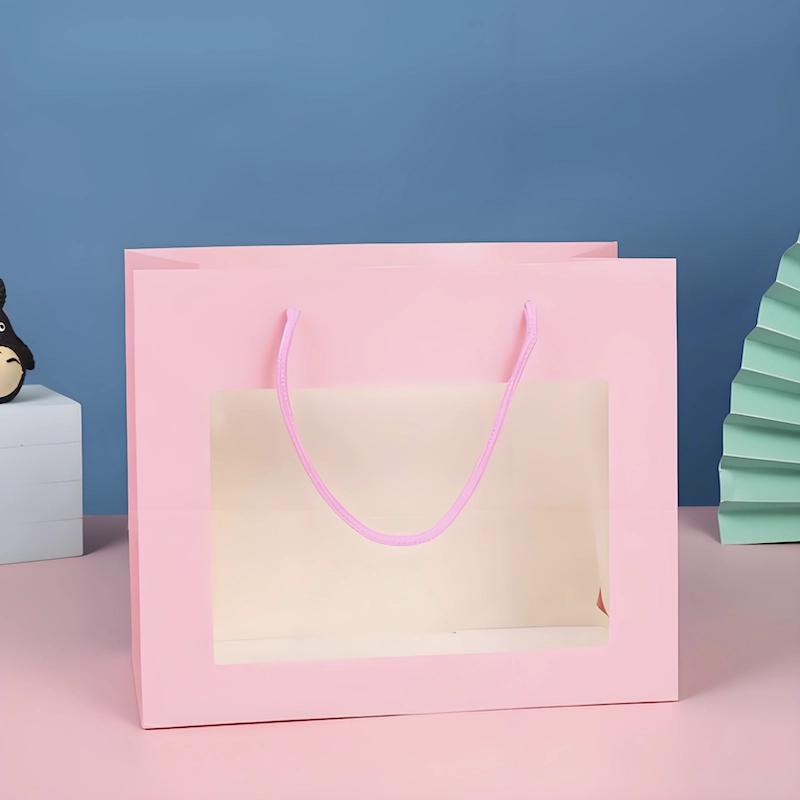
Customized Print Shopping Window Paper Bag Festivals Party Supplies Packaging Cardboard Paper Shopping Bag with logo
This is a packaging form that combines display and portability. Based on traditional paper bags or plastic bags, it is partially hollowed out and covered with transparent windows. Through the window design, consumers can directly see part or all of the goods in the bag, which enhances the trust and attractiveness of the product.
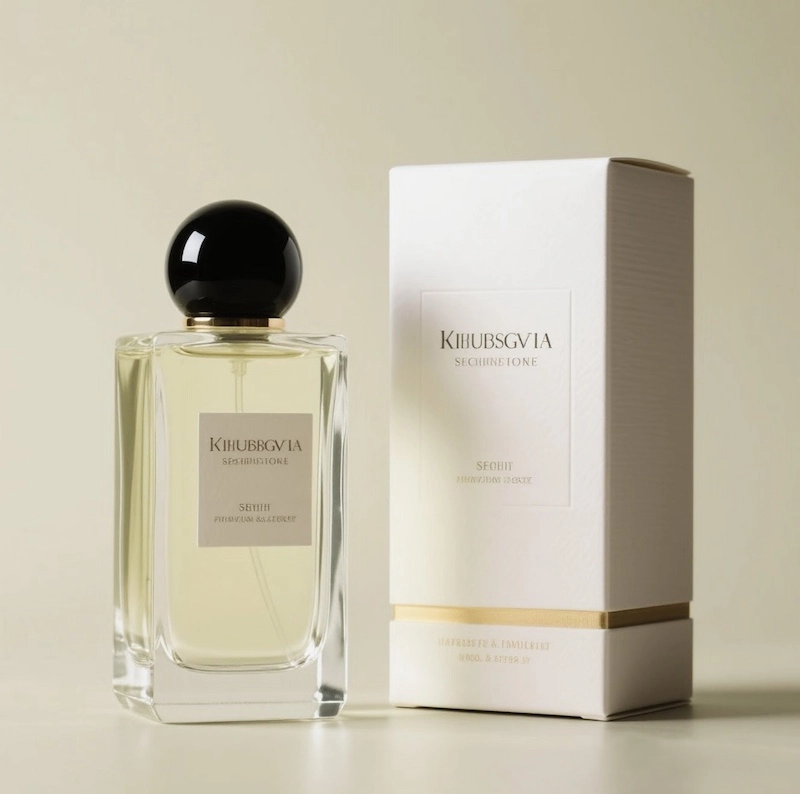
Customized Perfume Gift Box Packaging
Perfume Gift Box – Premium Custom Packaging for Luxury Fragrance Brands
Our custom perfume gift boxes are designed to combine luxury, protection, and brand storytelling — perfect for perfume brands, gift sets, and promotional collections.
Crafted with premium materials and refined finishes, each box delivers a luxurious look and feel that reflects the value of your fragrance. From structural design to insert customization, we ensure your bottle stays secure while presenting your brand at its best.
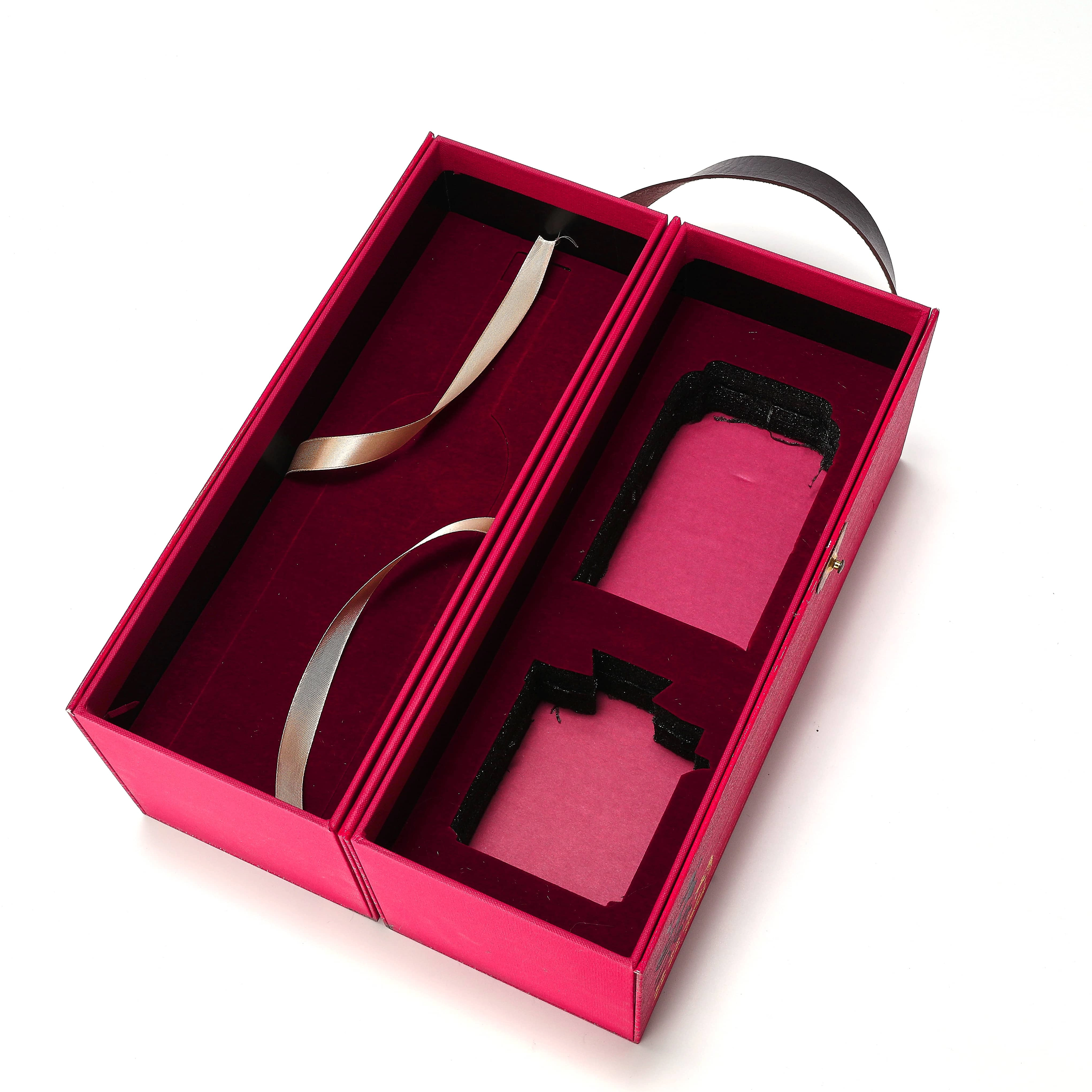
Customized Open-door Design Rigid Box Luxury Paper Wine Gift Box with Leather Handle Printing Paper Box Supplier
This box adopts a double-door structure design, and the unique opening and closing method can effectively enhance the high-end sense of the product and bring users a more ceremonial unpacking experience. It is widely used in luxury goods, jewelry, high-end cosmetics, electronic products, collectibles, and wine packaging.

Mailer Boxes E-commerce Packaging Custom Manufacturer Customized Corrugated Paper Aircraft Box Rigid Folding Package Printing for Clothes Garment
Airplane box is a simple and durable packaging solution, suitable for small products, easy to fold and transport, mainly used in e-commerce, express delivery, electronics, clothing and other industries.
© 2025 WINPACK PRINTING. All rights reserved

Wenhua Printing packaging
winpackprinting
Winpack Printing