




Top Printing Methods for Takeout Box Branding
- How to Choose the Right Printing Method for Your Takeout Packaging
- Why printing method matters for custom takeout boxes
- Overview of the top printing methods for custom takeout boxes
- Offset Lithography: high-quality, cost-efficient for mid-to-high runs
- What offset offers for custom takeout boxes
- Pros, cons and practical advice for offset printing
- Digital Printing: best for short runs and variable designs
- When to choose digital for custom takeout boxes
- Strengths, limitations and cost considerations for digital
- Flexography: efficient for large runs on corrugated and films
- Flexo’s role in custom takeout boxes
- Practical pros and cons of flexo printing
- Screen Printing: heavy ink coverage and specialty effects for custom takeout boxes
- Use cases where screen printing shines
- Considerations when using screen printing
- UV and LED Curing Inks: fast curing, durable finishes for food packaging
- What UV printing brings to custom takeout boxes
- Trade-offs with UV printing
- Specialty Finishes: foil stamping, cold foil, embossing, and coatings
- How specialty finishes elevate custom takeout boxes
- Guidance for selecting finishes
- Comparison table: print methods for custom takeout boxes
- Food safety, inks and regulatory considerations for custom takeout boxes
- Ensuring compliant inks and coatings
- Practical checklist for food-safe printed packaging
- Artwork, color matching and prepress tips for better results
- Preparing artwork to optimize printing for custom takeout boxes
- Common prepress pitfalls and how to avoid them
- Cost-saving strategies without compromising brand impact
- Smart decisions to reduce cost for custom takeout boxes
- Balancing sustainability and budget
- Case studies: selecting a printing method for specific takeout scenarios
- Scenario examples for choosing the right process
- Partner profile: Guangdong Winpack Printing — capabilities for custom takeout boxes
- Winpack overview and specialization in custom takeout boxes
- Facilities, equipment and core strengths for branded packaging
- Winpack product range and advantages for custom takeout boxes
- Final checklist before you print custom takeout boxes
- Key decisions to confirm with your supplier
- FAQ — Frequently Asked Questions about printing custom takeout boxes
- 1. Which printing method is best for small runs of custom takeout boxes?
- 2. Can I get metallic foil on my takeout boxes and which process is preferred?
- 3. Are the inks used for custom takeout boxes food-safe?
- 4. What is the typical lead time for printing custom takeout boxes?
- 5. How can I keep costs down while keeping strong branding on my custom takeout boxes?
- 6. Do I need a dieline and what should it include?
- Contact and next steps — get a quote for your custom takeout boxes
- References
How to Choose the Right Printing Method for Your Takeout Packaging
Why printing method matters for custom takeout boxes
Branding matters on every surface a customer touches—especially custom takeout boxes. The printing method you choose affects color fidelity, tactile finishes, food-safety compliance, minimum order quantities (MOQs), unit cost, and lead time. This section explains the practical consequences of picking the right technique so you can balance aesthetics, budget, and production realities for branded takeout packaging.
Overview of the top printing methods for custom takeout boxes
There are several commonly used printing technologies for custom takeout boxes: offset (lithography), digital (inkjet/toner), flexography, screen printing, UV/LED printing, and specialty finishes such as foil stamping, cold foil, embossing, and spot UV. Each method has strengths and trade-offs depending on box material (kraft, SBS, coated paperboard, corrugated), run length, and desired finish. Below we analyze each method with examples and use-case guidance.
Offset Lithography: high-quality, cost-efficient for mid-to-high runs
What offset offers for custom takeout boxes
Offset lithography (often called sheet-fed offset for paperboard packaging) delivers consistent, high-resolution prints and excellent color control using CMYK and spot inks. It’s ideal for mid-to-high volume orders of custom takeout boxes where color consistency across runs is critical—e.g., restaurant chains, catering brands, and subscription meal services.
Pros, cons and practical advice for offset printing
- Pros: Superior color fidelity, cost-effective at scale, supports PMS/spot colors, wide substrate compatibility.
- Cons: Higher setup costs and longer makeready time; not economical for very small runs.
- Advice: Use offset when you have predictable demand and need consistent brand colors across multiple production runs. Ask your printer about color proofs and Pantone matching for logos on custom takeout boxes.
Digital Printing: best for short runs and variable designs
When to choose digital for custom takeout boxes
Digital printing (inkjet and toner-based) excels in short runs, fast turnarounds, and variable data (different messages, names, QR codes). For restaurants testing new artwork, launching seasonal promotions, or ordering limited editions of custom takeout boxes, digital is often the fastest and most flexible option.
Strengths, limitations and cost considerations for digital
- Pros: No plate cost, economical for low quantities, quick proofing, supports variable printing.
- Cons: Per-unit cost higher at scale, color matching (Pantone) can be less precise than offset, limited special-ink options without additional processes.
- Advice: Use high-quality digital presses (EP or late-generation inkjet) when you require quick iterations or short series of custom takeout boxes. Confirm ink suitability for food-contact or indirect contact scenarios.
Flexography: efficient for large runs on corrugated and films
Flexo’s role in custom takeout boxes
Flexographic printing is widely used for corrugated and flexible packaging because of its high-speed capability and suitability for large-volume production. If your takeout packaging is corrugated or you require large quantities of branded shipping boxes or heavy-duty takeaway carriers, flexo often provides the best cost-per-unit.
Practical pros and cons of flexo printing
- Pros: Excellent for long runs, fast, adaptable to a variety of substrates (including kraft and film), low per-unit cost at scale.
- Cons: Less sharp than high-end offset for fine detail, plate costs and setup mean higher MOQs.
- Advice: Choose flexo when printing directly on corrugated takeout boxes or when ordering very large volumes; invest in correct plate engraving and anilox selection for improved ink laydown and color density.
Screen Printing: heavy ink coverage and specialty effects for custom takeout boxes
Use cases where screen printing shines
Screen printing applies thick ink layers and is excellent for specialty inks (metallics, fluorescent, textured inks) and printing on unconventional substrates. For High Quality single-color logos, tactile varnishes, or bold spot-color branding on custom takeout boxes, screen printing can create striking visual and tactile impact.
Considerations when using screen printing
- Pros: Outstanding opacity on darker substrates, vivid special inks, strong tactile finishes.
- Cons: Slower, less suitable for fine detail or four-color process images, higher labour cost per unit for complex artwork.
- Advice: Use screen printing for High Quality brands seeking textured or metallic effects on custom takeout boxes, perhaps combined with other techniques for full-color imagery.
UV and LED Curing Inks: fast curing, durable finishes for food packaging
What UV printing brings to custom takeout boxes
UV and LED-cured inks cure instantaneously under UV/LED lamps, producing durable, scratch-resistant prints with vivid color. UV inks are especially good when combined with varnishes or coatings (e.g., gloss, satin) and are compatible with many finishing operations like cold foil or spot UV. They reduce drying time and enable immediate finishing and packing—a big advantage for time-sensitive orders.
Trade-offs with UV printing
- Pros: Fast turnaround, high durability, excellent surface gloss and resistance to smudging.
- Cons: Upfront equipment cost and sometimes restrictions on certain substrates or food-safety certifications—confirm with your supplier.
- Advice: Specify food-safe, certified inks for products that will contact food or be used near food. UV printing is often paired with lamination for extra barrier protection on custom takeout boxes.
Specialty Finishes: foil stamping, cold foil, embossing, and coatings
How specialty finishes elevate custom takeout boxes
Finishes such as foil stamping, cold foil, embossing/debossing, matte/gloss lamination, and spot UV create High Quality tactile and visual effects that can elevate perceived product value. For high-end restaurants, gift-style takeout, or promotional packaging, these finishes are a decisive branding tool.
Guidance for selecting finishes
- Foil stamping (hot foil): metallic shine and luxury appearance; best for logos and accents.
- Cold foil: allows metallic effect for four-color designs with more flexibility and often lower cost for short to medium runs.
- Embossing/debossing: tactile depth that enhances brand perception; combine with foil for High Quality effect.
- Lamination & Varnishes: matte lamination conveys High Quality, non-reflective finish; gloss lamination makes colors pop; spot UV highlights selective areas.
- Advice: Budget for added tooling (dies) and test the combination of inks and finishes on the chosen substrate to avoid adhesion or cracking issues on custom takeout boxes.
Comparison table: print methods for custom takeout boxes
| Method | Best for | Quality (detail/color) | MOQ | Turnaround | Cost per unit |
|---|---|---|---|---|---|
| Offset Lithography | Mid–high runs, precise color | Excellent | Medium–High | Moderate | Low at scale |
| Digital Printing | Short runs, variable designs | Very good (depends on press) | Low | Fast | Higher per unit at scale |
| Flexography | Large runs, corrugated | Good | High | Moderate | Low at scale |
| Screen Printing | Special inks, heavy coverage | Good for spot colors | Low–Medium | Slow | Moderate |
| UV/LED Printing | Durable, fast-cure jobs | Excellent | Low–Medium | Fast | Moderate |
Note: Cost, turnaround and MOQ will vary by supplier and specific job parameters. Discuss artwork complexity, substrate choice and finishing with your vendor for accurate quotes.
Food safety, inks and regulatory considerations for custom takeout boxes
Ensuring compliant inks and coatings
When branding custom takeout boxes intended to carry food, ensure inks and coatings are compliant with relevant food-contact regulations—even if the printing is on the outside. Many countries require that inks do not migrate into food; printers often provide indirect food-contact certifications or use barrier coatings and liners to prevent migration. Always ask for Material Safety Data Sheets (MSDS) or declarations of compliance for inks and coatings.
Practical checklist for food-safe printed packaging
- Confirm ink migration testing or supplier declarations for food-contact suitability.
- Use liners, barriers, or inner bags when necessary.
- Choose water-based or food-grade UV inks where appropriate.
- Validate supplier quality control processes and certification (e.g., ISO, BRC Packaging if needed).
Artwork, color matching and prepress tips for better results
Preparing artwork to optimize printing for custom takeout boxes
Follow prepress best practices: supply vector logos, converted CMYK files with embedded ICC profiles, and provide Pantone references for critical brand colors. Plan for bleed (usually 2–3mm depending on box maker), provide dielines for die-cut boxes, and request a press proof or digital contract proof before the full production run to avoid costly color or layout errors.
Common prepress pitfalls and how to avoid them
- Low-resolution images: always supply 300 dpi at final print size.
- Unreadable small text on textured substrates: increase weight or size.
- Underestimating trapping and registration: allow extra for multi-color jobs, especially with close-tolerance design elements on custom takeout boxes.
Cost-saving strategies without compromising brand impact
Smart decisions to reduce cost for custom takeout boxes
Reduce costs by consolidating colors (use 1–2 spot colors where possible), choosing economical substrates without sacrificing structural strength, and batching larger runs to lower unit costs. Consider hybrid approaches—digital for limited-edition prints and offset for the main run; add selective specialty finishes only to focal areas (spot foil or spot UV) to maintain impact while controlling cost.
Balancing sustainability and budget
Eco-friendly substrates (recycled kraft, FSC-certified board) can be compatible with many printing methods. Water-based inks and biodegradable coatings are available—ask about compostable or recyclable options to align your packaging with sustainability goals while ensuring that printing effects remain vibrant on custom takeout boxes.
Case studies: selecting a printing method for specific takeout scenarios
Scenario examples for choosing the right process
Scenario A: A fast-casual chain needs 50,000 identical coated paperboard custom takeout boxes per quarter—choose offset or flexo for cost efficiency and consistent color. Scenario B: A boutique restaurant needs 500 seasonal boxes with specialty metallic accents—use digital for short run plus hot foil or cold foil for metallic branding. Scenario C: A meal-kit startup requires variable names and QR codes on 2,000 boxes—digital variable printing is ideal.
Partner profile: Guangdong Winpack Printing — capabilities for custom takeout boxes
Winpack overview and specialization in custom takeout boxes
In 2016, Guangdong Winpack Printing Technology Development Co., Ltd. was officially established as a professional paper box printing manufacturer specializing in designing, proofing, printing, and producing a wide range of packaging and printed materials. Our services include customized production of stickers, labels, paper bags, gift boxes, beauty boxes, pizza boxes, books, brochures, flyers, etc. Winpack caters to diverse industries, including cosmetics, food, healthcare, pharmaceuticals, and electronics.
Facilities, equipment and core strengths for branded packaging
Winpack operates a 15,000-square-meter factory equipped with state-of-the-art technology. We utilize an advanced screen plate-making system and top-tier machinery such as the Heidelberg printing machine, high-speed paper cutter, Lithrone GL-40A machine, and anti-counterfeiting inkjet printer to ensure superior quality and efficiency. Our vision is to become the world's leading custom paper box packaging manufacturer. More at: https://www.winpackprinting.com/
Winpack product range and advantages for custom takeout boxes
Winpack produces a comprehensive range of packaging including custom gable boxes, custom gift boxes, custom display boxes, custom rigid boxes, custom folding boxes, custom paper tubes boxes, custom window boxes, custom special-shape boxes, custom pillow boxes, custom take out boxes. Their competitive advantages include:
- Advanced machinery ensuring consistent print quality and efficient turnarounds.
- Integrated capabilities from design and proofing through finishing—reducing coordination errors and lead times.
- Experience across industries with an ability to meet food packaging regulations and offer specialty inks/finishes.
- Scalable production suited to both small bespoke runs and large-scale orders.
Final checklist before you print custom takeout boxes
Key decisions to confirm with your supplier
- Confirm final substrate, thickness (GSM or point), and structure of the box.
- Agree on color management: Pantone or process CMYK and request proofs.
- Decide on finishes: lamination, varnish, foil, embossing and where they will be applied.
- Verify food-safety documentation for inks and coatings if boxes will contact food.
- Secure lead times, MOQ, and a detailed quote including tooling and finishing costs.
FAQ — Frequently Asked Questions about printing custom takeout boxes
1. Which printing method is best for small runs of custom takeout boxes?
Digital printing is typically best for small runs due to no plate fees and quick turnarounds. It also enables variable data printing for personalization or QR codes on each box.
2. Can I get metallic foil on my takeout boxes and which process is preferred?
Yes. Hot foil stamping gives a High Quality metallic effect for logos and accents. Cold foil can be used for metallic effects on four-color images, often with lower setup costs for medium runs.
3. Are the inks used for custom takeout boxes food-safe?
Some inks are formulated for indirect food contact and comply with migration limits. Always request MSDS and declarations of compliance from your printer. Using liners or barriers is a common practice to add protection.
4. What is the typical lead time for printing custom takeout boxes?
Lead times vary: digital short runs can ship in days to 1 week; offset/flexo medium-to-large runs typically require 2–4 weeks including tooling and finishing. Specialty finishes may add extra days for tooling and setup.
5. How can I keep costs down while keeping strong branding on my custom takeout boxes?
Reduce the number of spot colors, use selective spot finishes (spot UV or spot foil) instead of full-surface foil, choose economical substrates that still provide the desired feel, and consolidate orders to benefit from lower unit pricing.
6. Do I need a dieline and what should it include?
Yes. A dieline shows where folds, cuts, and glue areas are. It should include bleeds, safe areas for text, and clear layer separation for print vs. structural elements. Provide this to your printer to avoid layout issues.
Contact and next steps — get a quote for your custom takeout boxes
If you’re ready to specify printing for your custom takeout boxes, request samples, press proofs and a quote to compare methods side-by-side. For manufacturing capacity, diverse finishing options and experience serving food and retail brands, consider contacting Winpack at https://www.winpackprinting.com/ to discuss your packaging needs and request samples tailored to your artwork and substrate choices.
References
- Offset printing — Wikipedia. https://en.wikipedia.org/wiki/Offset_printing (accessed 2025-11-28)
- Digital printing — Wikipedia. https://en.wikipedia.org/wiki/Digital_printing (accessed 2025-11-28)
- Flexography — Wikipedia. https://en.wikipedia.org/wiki/Flexography (accessed 2025-11-28)
- Packaging World: Selecting a Printing Process for Packaging — Packaging World (industry guidance). https://www.packworld.com/ (accessed 2025-11-28)
- Food packaging and safety considerations — FDA: Food Code & Packaging (general guidance). https://www.fda.gov/ (accessed 2025-11-28)
The latest trends for custom label roll
The latest trends for custom gift paper bags
Case Studies: Brands Succeeding with Sticker Bags
Wholesale Custom Rigid Boxes: Tips for Bulk Orders
Rigid Lift-off Box
Can I print on the inside of the box?
Yes, you can print any effect you want on the inside.
OEM Services
What quality control measures do you have in place?
We implement strict quality control throughout our production process, including:
ISO-certified quality management systems
pressSIGN color management for consistent printing quality
ERP production tracking for precision and efficiency
Rigorous inspections at every stage of production
Folding Boxes
I need a folding box with a special shape, can it be customized?
Yes, folding boxes can be customized with special shapes according to product requirements. Through the die-cutting process, folding boxes of different shapes and structures can be produced.
About Printing Craftsmanship
How do I ensure high-quality printing results?
Use high-resolution images and vector files.
Choose the appropriate paper or substrate.
Work with a professional printing service.
Consider color matching systems like Pantone for consistent results.
Request print samples before full production.
What is hot stamping, and where is it used?
Hot stamping is a printing process that applies metallic or pigmented foil to a surface using heat and pressure. It is widely used for:
Luxury packaging (cosmetics, wine, gourmet foods)
Business cards
Event invitations
Labels and stickers
High-end stationery
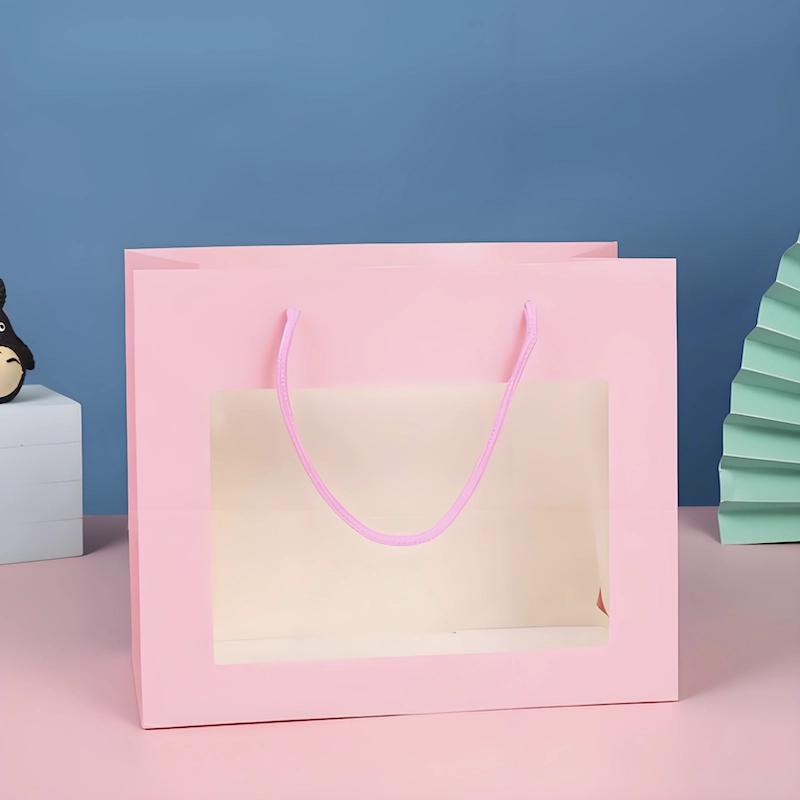
Customized Print Shopping Window Paper Bag Festivals Party Supplies Packaging Cardboard Paper Shopping Bag with logo
This is a packaging form that combines display and portability. Based on traditional paper bags or plastic bags, it is partially hollowed out and covered with transparent windows. Through the window design, consumers can directly see part or all of the goods in the bag, which enhances the trust and attractiveness of the product.
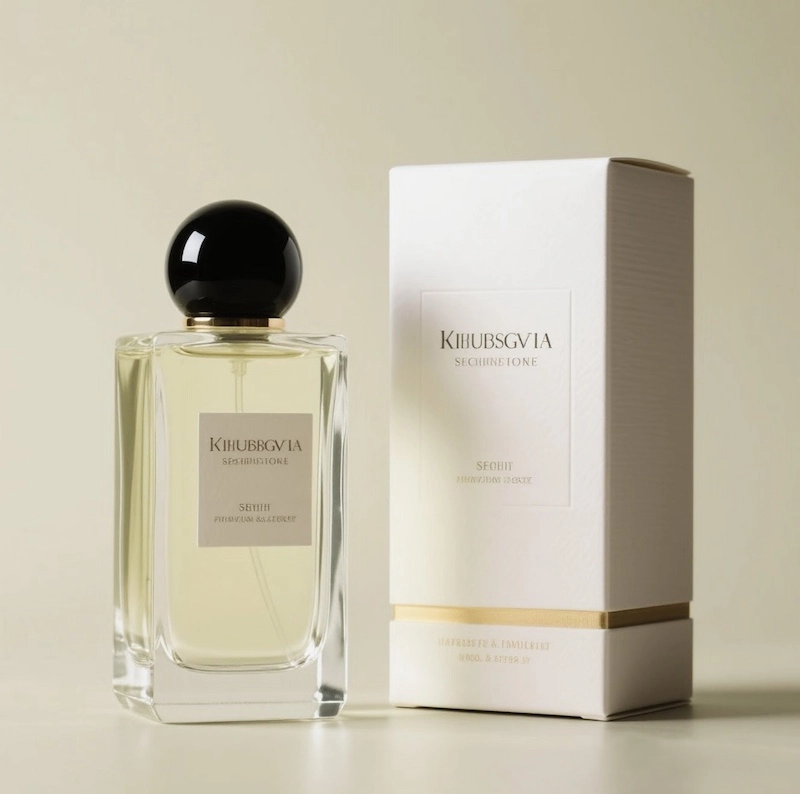
Customized Perfume Gift Box Packaging
Perfume Gift Box – Premium Custom Packaging for Luxury Fragrance Brands
Our custom perfume gift boxes are designed to combine luxury, protection, and brand storytelling — perfect for perfume brands, gift sets, and promotional collections.
Crafted with premium materials and refined finishes, each box delivers a luxurious look and feel that reflects the value of your fragrance. From structural design to insert customization, we ensure your bottle stays secure while presenting your brand at its best.
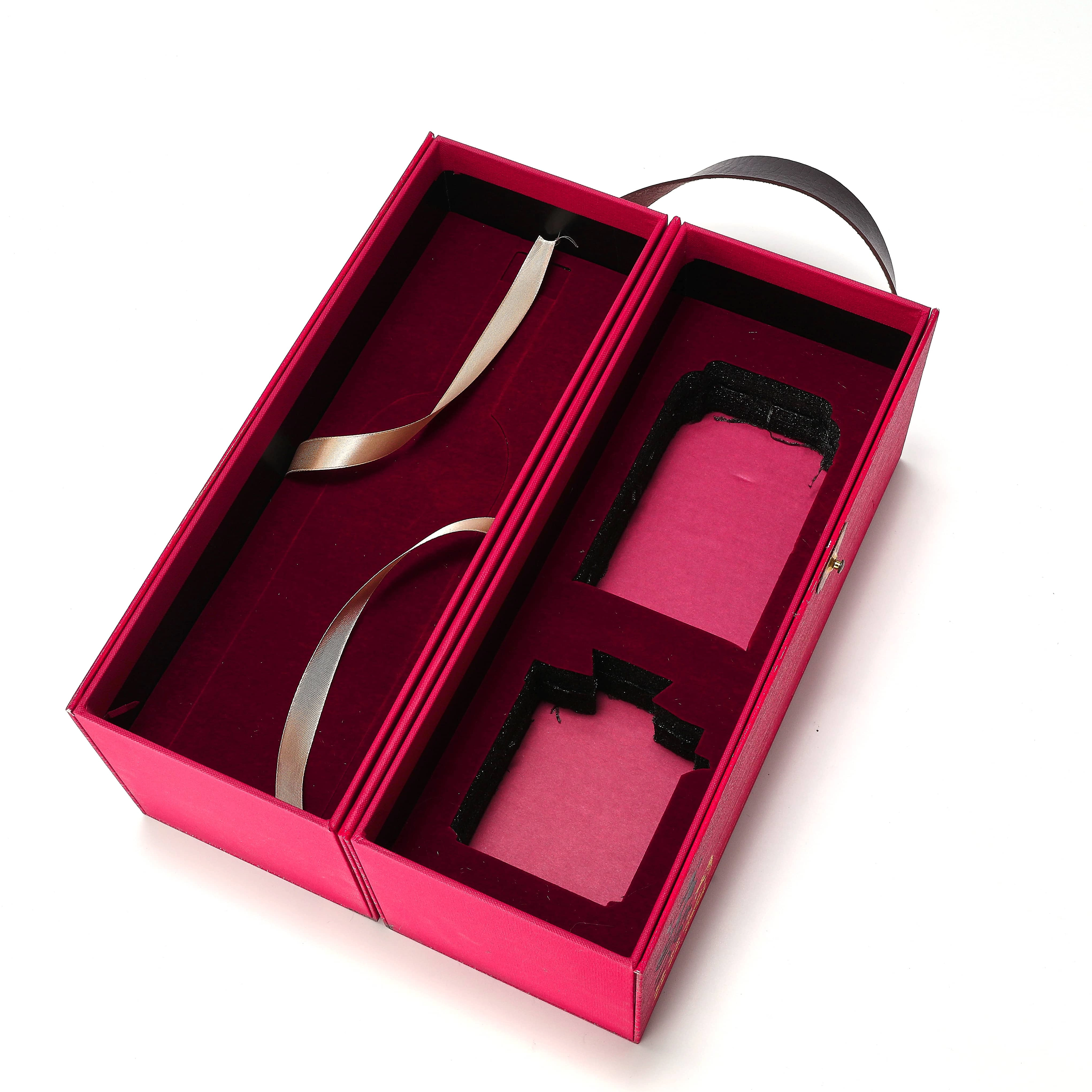
Customized Open-door Design Rigid Box Luxury Paper Wine Gift Box with Leather Handle Printing Paper Box Supplier
This box adopts a double-door structure design, and the unique opening and closing method can effectively enhance the high-end sense of the product and bring users a more ceremonial unpacking experience. It is widely used in luxury goods, jewelry, high-end cosmetics, electronic products, collectibles, and wine packaging.

Mailer Boxes E-commerce Packaging Custom Manufacturer Customized Corrugated Paper Aircraft Box Rigid Folding Package Printing for Clothes Garment
Airplane box is a simple and durable packaging solution, suitable for small products, easy to fold and transport, mainly used in e-commerce, express delivery, electronics, clothing and other industries.
© 2025 WINPACK PRINTING. All rights reserved

Wenhua Printing packaging
winpackprinting
Winpack Printing