




Brand Revitalization Through Packaging: How Heritage Brands Achieve a “Younger” and Premium Transformation
For heritage brands—often referred to as legacy or time-honored brands—the challenge of staying relevant in a rapidly evolving market is both urgent and complex. While these brands benefit from established credibility, cultural value, and long-standing customer trust, they frequently struggle to attract younger consumers or compete with modern premium brands that excel in visual identity and user experience. In this context, packaging redesign and iteration has emerged as one of the most effective and controllable strategies for brand transformation.
Packaging is often the first point of interaction between a product and its consumer, especially in retail and e-commerce environments where attention spans are short and competition is intense. For heritage brands seeking to reposition themselves as both youthful and premium, packaging must evolve beyond outdated aesthetics and communicate a new narrative that aligns with contemporary expectations without losing the essence of the brand’s history.
This article explores how heritage brands can leverage packaging iteration to achieve a successful transformation, balancing tradition with innovation while appealing to modern consumers.
- The Challenge Facing Heritage Brands
- Why Packaging Is the Key to Brand Transformation
- Achieving “Younger” Appeal Through Packaging
- Elevating Brand Perception to Premium
- Balancing Tradition and Modernity
- The Role of Packaging Structure in Brand Upgrade
- Sustainability as a Modern Branding Element
- Case-Inspired Strategies for Packaging Iteration
- Common Mistakes to Avoid
- Conclusion
The Challenge Facing Heritage Brands
Heritage brands often carry decades—or even centuries—of history, which can be both an advantage and a limitation. While their legacy conveys authenticity and trust, their packaging design may appear outdated, overly traditional, or disconnected from current consumer preferences.
Common challenges include:
- Visual designs that feel old-fashioned
- Overly complex or cluttered layouts
- Lack of emotional connection with younger audiences
- Inconsistent branding across product lines
- Limited differentiation in competitive retail spaces
To overcome these challenges, brands must rethink how packaging communicates value and identity.
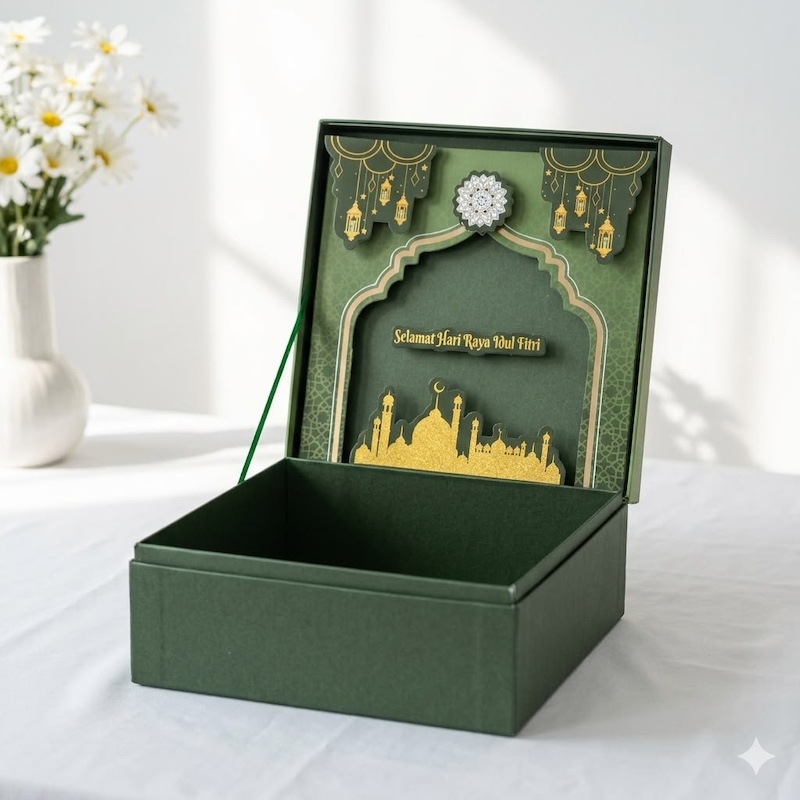
Why Packaging Is the Key to Brand Transformation
Unlike product reformulation or business model changes, packaging redesign offers a relatively fast and cost-effective way to reshape brand perception. It allows brands to:
- Modernize visual identity
- Enhance perceived product value
- Improve shelf visibility
- Create a better unboxing experience
- Align with current design trends
For consumers, packaging often acts as a proxy for product quality. A refined, modern package can instantly reposition a brand as more premium and relevant.
Achieving “Younger” Appeal Through Packaging
Attracting younger consumers requires more than simply changing colors or fonts. It involves understanding evolving aesthetic preferences and cultural trends.
Simplifying Visual Design
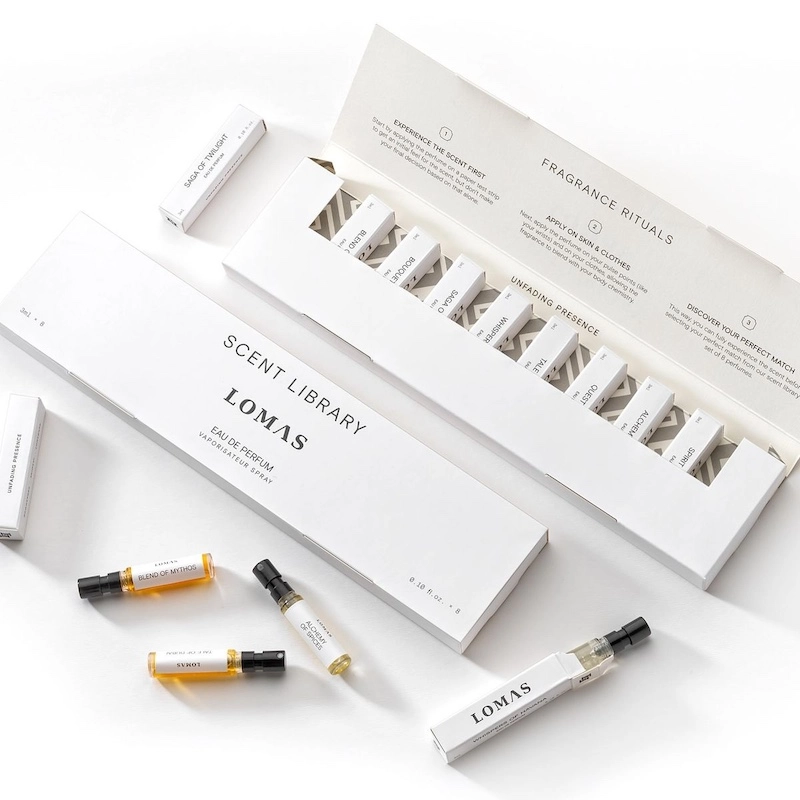
Younger audiences tend to favor clean, minimalist designs over cluttered visuals. Reducing unnecessary elements, simplifying typography, and using balanced layouts can create a more modern look.
Using Contemporary Color Palettes
Muted tones, monochromatic schemes, or bold accent colors can help refresh brand identity. Color plays a significant role in attracting attention and conveying emotion.
Incorporating Storytelling Elements
Younger consumers value authenticity and storytelling. Packaging can include subtle narratives about brand heritage, craftsmanship, or sustainability, presented in a modern format.
Designing for Social Media
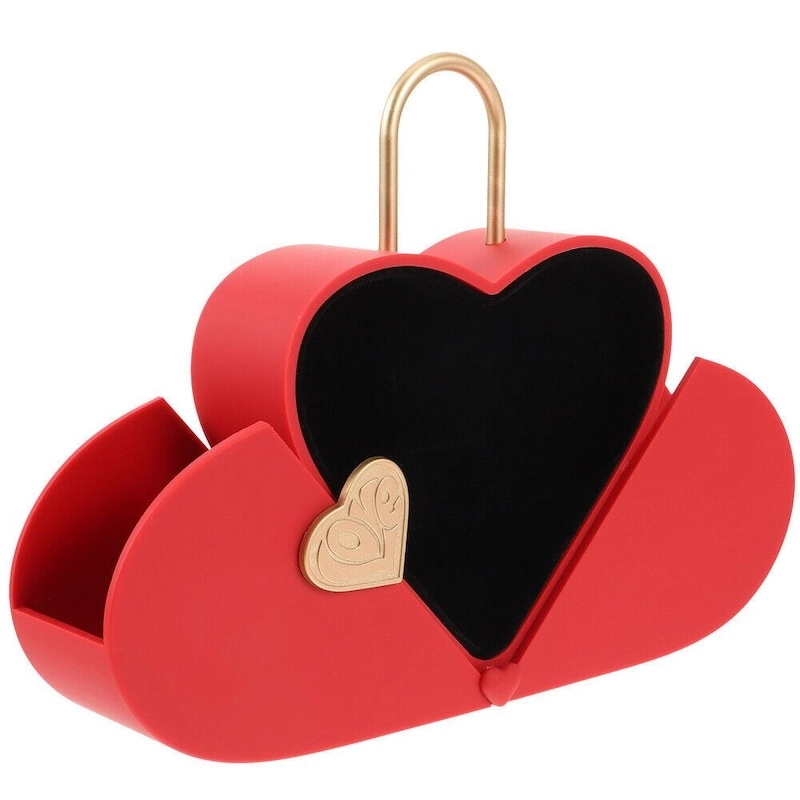
Packaging that is visually appealing and “shareable” increases the likelihood of being featured on social platforms. Unique shapes, textures, or opening mechanisms can enhance shareability.
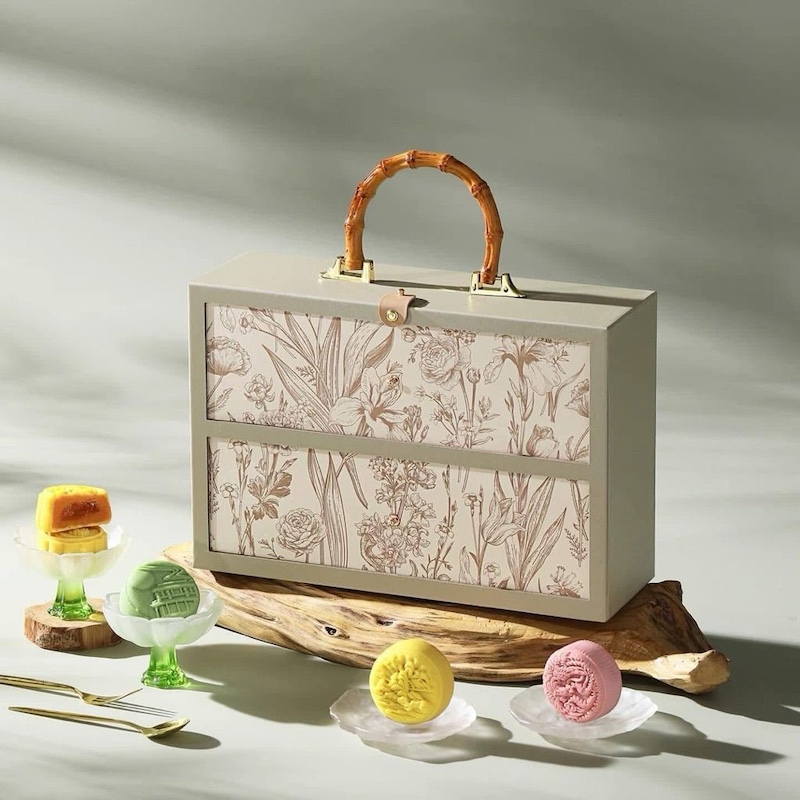
Elevating Brand Perception to Premium
While appealing to younger audiences, heritage brands must also ensure that their packaging communicates higher value and sophistication.
Material Upgrades
Switching from standard materials to higher-quality paperboard, textured finishes, or rigid box structures can significantly elevate perceived value.
Refined Finishing Techniques
Selective use of premium finishes such as:
- Foil stamping
- Embossing
- Soft-touch lamination
can enhance tactile and visual appeal without overwhelming the design.
Structural Innovation
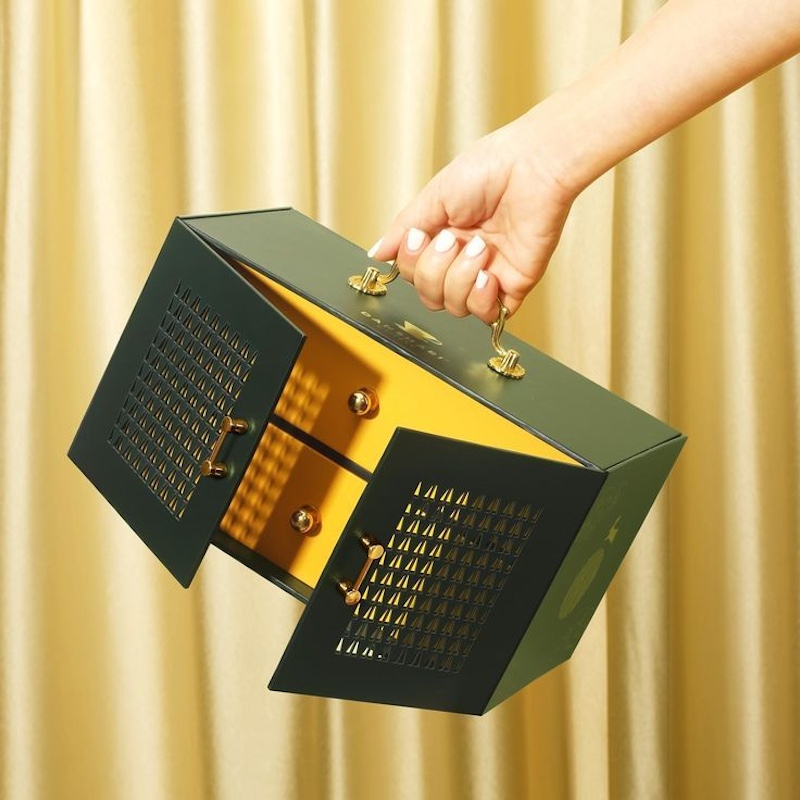
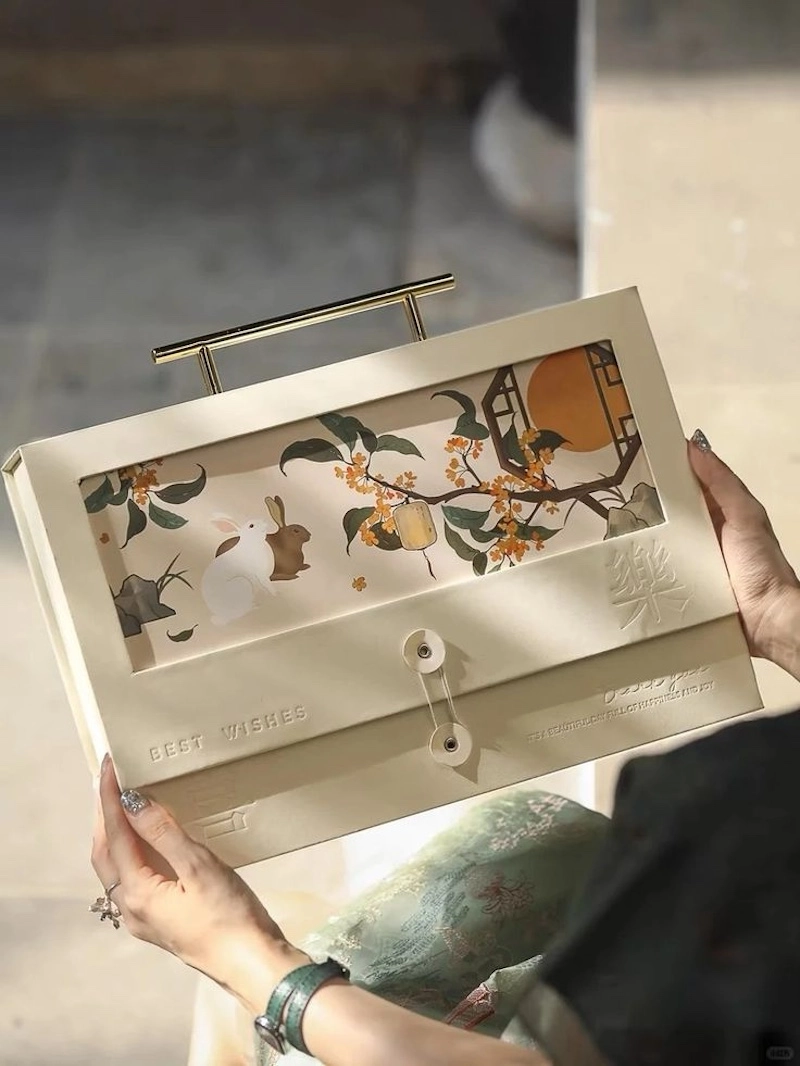
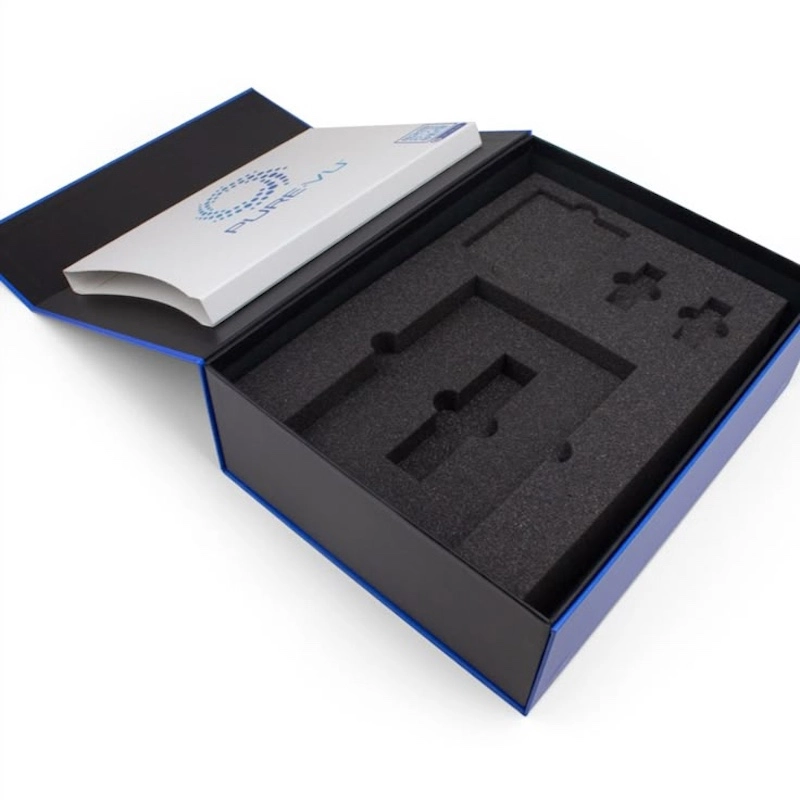
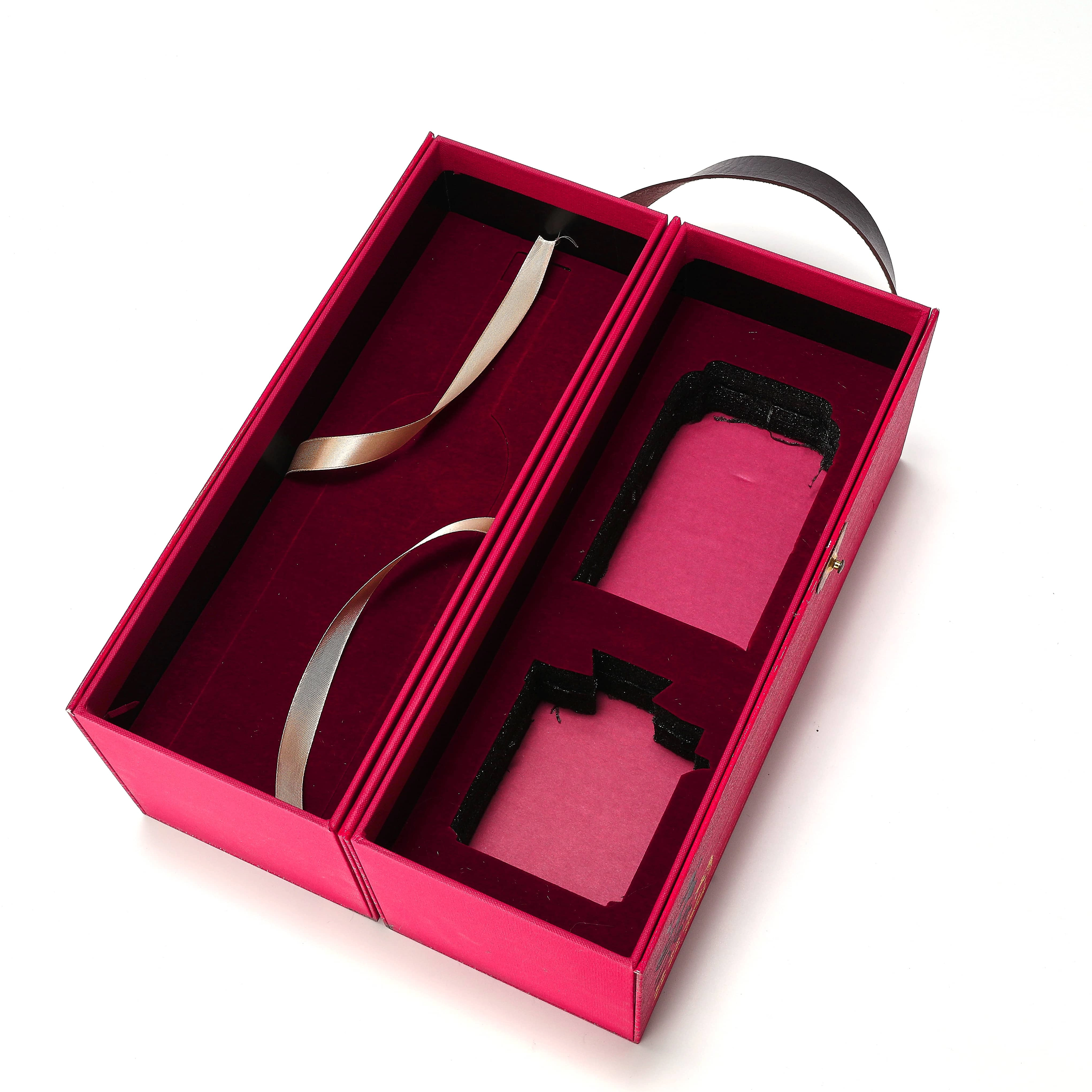
Introducing new box structures, such as magnetic closure boxes or drawer-style packaging, can create a more luxurious experience.
Consistency Across Product Lines
Premium brands maintain consistency in packaging design, ensuring that all products reflect the same level of quality and brand identity.
Balancing Tradition and Modernity
One of the most critical aspects of packaging iteration for heritage brands is maintaining a connection to their legacy while embracing modern design.
Preserving Key Brand Elements
Logos, brand colors, or signature design elements should be retained and refined rather than completely replaced.
Modernizing Without Losing Identity
Updating typography, layout, and materials can refresh the brand while preserving its core identity.
Creating a Bridge Between Generations
Packaging should resonate with both existing loyal customers and new audiences, ensuring continuity and growth.
The Role of Packaging Structure in Brand Upgrade
Beyond visual design, structural changes can significantly impact how a product is perceived.
From Folding Cartons to Rigid Boxes
Upgrading to rigid packaging can instantly signal premium positioning.
Enhanced Functionality
Features such as magnetic closures, inserts, or multi-layer designs improve usability and experience.
Unboxing Experience
A well-designed unboxing experience creates emotional engagement and reinforces brand value.
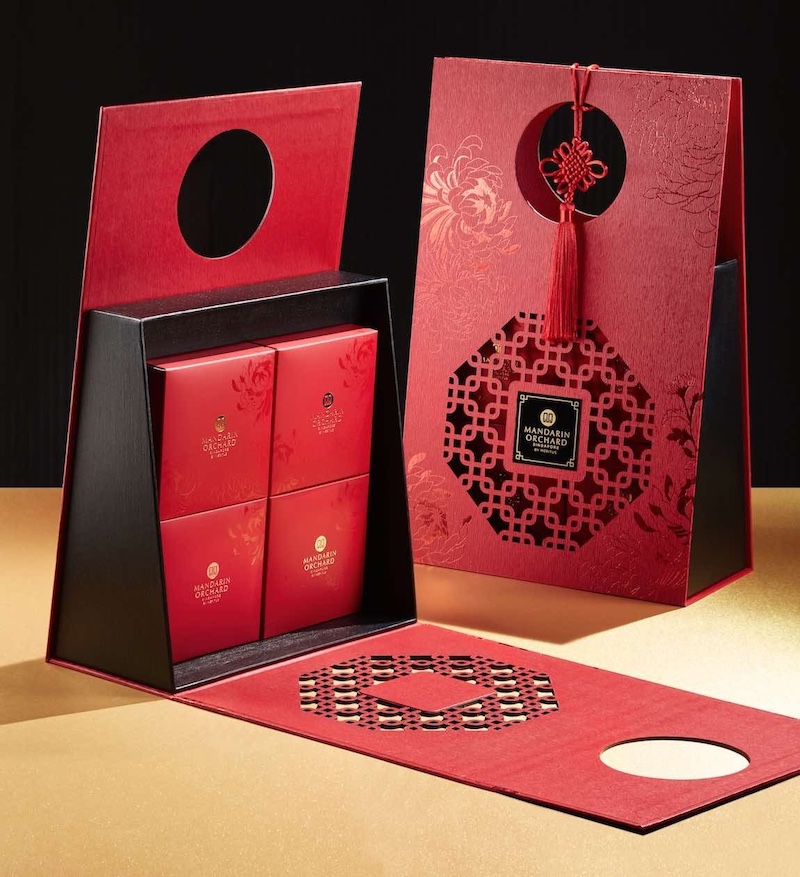
Sustainability as a Modern Branding Element
Sustainability is particularly important for younger consumers. Heritage brands can incorporate eco-friendly packaging to enhance their appeal.
Strategies include:
- Using recyclable materials
- Reducing packaging waste
- Adopting minimalist designs
- Communicating sustainability efforts clearly
Sustainable packaging not only benefits the environment but also strengthens brand credibility.
Case-Inspired Strategies for Packaging Iteration
While each brand is unique, several common strategies have proven effective in packaging transformation:
- Gradual redesign rather than abrupt changes
- Limited-edition packaging to test new concepts
- Collaborations with designers or artists
- Seasonal packaging updates
These approaches allow brands to experiment while managing risk.
Common Mistakes to Avoid
When redesigning packaging, heritage brands should avoid:
- Over-modernization that erases brand identity
- Excessive complexity in design
- Ignoring functionality and usability
- Inconsistent branding across products
A successful redesign requires careful planning and strategic execution.
Conclusion
For heritage brands seeking to remain competitive, packaging iteration offers a powerful pathway to transformation. By modernizing design, upgrading materials, and enhancing user experience, brands can successfully achieve both a youthful appeal and a premium positioning.
The key lies in balancing innovation with tradition, ensuring that the brand’s legacy is preserved while embracing contemporary design principles. When executed effectively, packaging becomes more than a container—it becomes a bridge between the past and the future, connecting generations of consumers and reinforcing brand relevance in an ever-changing market.

Rigid Drawer Box
Can you provide me with a die-cutting line template?
We will provide a die-cutting line template after you place an order for samples or products.
OEM Services
Do you ship internationally?
Yes, we have a well-established global supply chain and offer international shipping services. Whether you need local or worldwide delivery, we ensure reliable logistics support.
What is OEM packaging, and how can Winpack Printing help?
OEM (Original Equipment Manufacturer) packaging refers to custom-designed packaging solutions tailored to a brand’s specifications. At Winpack Printing, we provide end-to-end OEM services, including design, proofing, printing, and production, to help you create high-quality, market-ready packaging that aligns with your brand identity.
About Us
What kind of format is available for printing?
CDR, AI, PS , PSD. high resolution JPG (please Convert text to curves. If not, some words will be missing.)
Can I get a sample?
Yes, currently sample free for reference, only need to pay the delivery charge. Customized sample charge sample fee and delivery cost.

Start Your Packaging Journey Today
Discover Our Curated Collection of Bespoke Packaging Cases & Tailored System Solutions
© 2025 WINPACK PRINTING. All rights reserved

Wenhua Printing packaging
winpackprinting
Winpack Printing