




Integrating Wood and Metal Elements into Paper Packaging: How to Make Luxury Gift Boxes Stand Out
In the premium packaging industry, where brands continuously seek new ways to differentiate themselves, traditional paper-based gift boxes are evolving into multi-material experiences that blend aesthetics, texture, and functionality. While paperboard remains the foundation of most packaging structures due to its versatility and sustainability, the integration of wood and metal elements has emerged as a powerful strategy for elevating perceived value and creating a distinctive brand identity.
For industries such as cosmetics, fragrances, jewelry, and luxury gifting, packaging is not just a protective layer but a critical touchpoint that shapes consumer perception and enhances the unboxing experience. By incorporating natural wood textures or refined metallic accents into paper packaging, brands can create a sensory-rich presentation that stands out in both retail environments and digital unboxing moments.
This article explores how wood and metal elements can be effectively integrated into paper-based gift boxes, the benefits and challenges of this approach, and how brands can leverage these materials to create packaging that is both visually striking and commercially viable.
- Why Combine Wood and Metal with Paper Packaging?
- The Role of Wood Elements in Luxury Packaging
- The Role of Metal Elements in Premium Packaging
- Design Strategies for Multi-Material Packaging
- Balancing Materials
- Maintaining Brand Identity
- Ensuring Structural Compatibility
- Manufacturing Challenges and Solutions
- Cost vs Value: Is It Worth the Investment?
- Enhancing the Unboxing Experience
- Conclusion
Why Combine Wood and Metal with Paper Packaging?
Paper packaging has long been favored for its printability, cost efficiency, and environmental advantages, but in high-end markets, it can sometimes lack the tactile richness and structural uniqueness required to convey true luxury. By introducing wood and metal elements, brands can transform conventional paper packaging into a multi-dimensional experience that engages multiple senses.
The combination of materials allows packaging to communicate:
- Natural authenticity through wood textures
- Precision and durability through metal accents
- A contrast between softness and rigidity
- A balance between sustainability and luxury
This hybrid approach enables brands to differentiate themselves in crowded markets where traditional packaging may no longer capture attention.
The Role of Wood Elements in Luxury Packaging
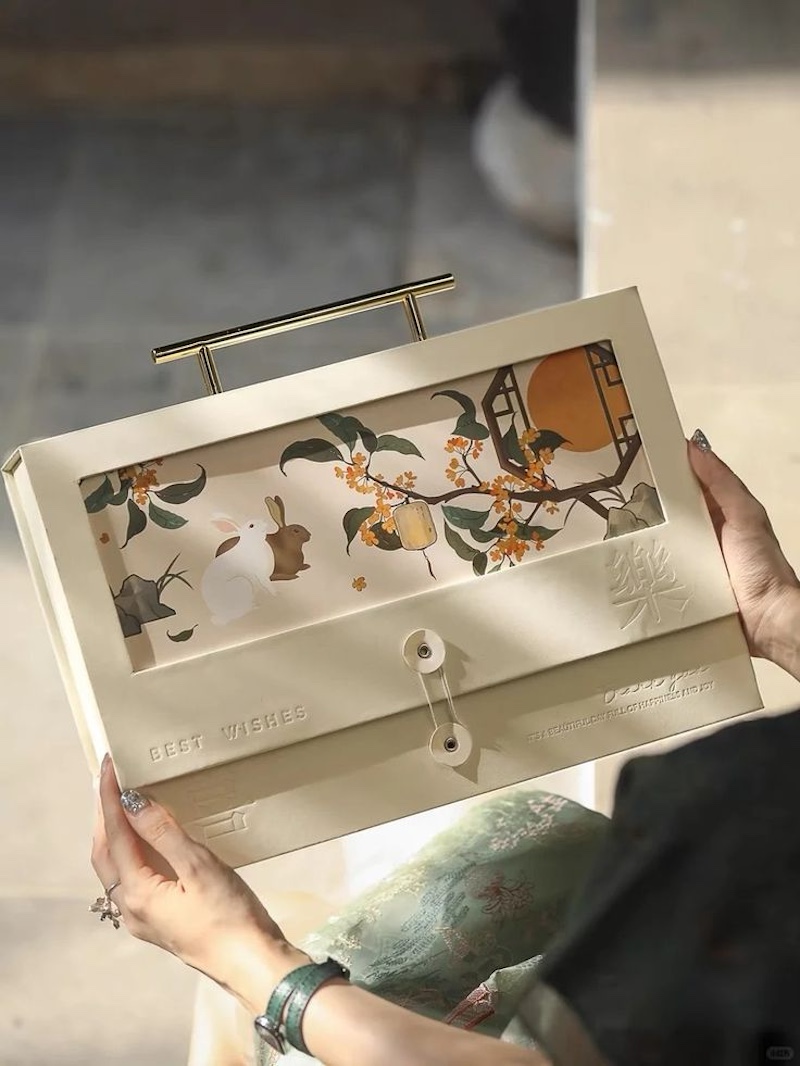
Wood is often associated with craftsmanship, nature, and timeless quality, making it an ideal material for brands that want to convey authenticity and sustainability.
Natural Aesthetic and Emotional Appeal
The organic texture and grain of wood create a warm and tactile experience that cannot be replicated by printed paper alone. When incorporated into packaging, wood elements can evoke a sense of craftsmanship and heritage, which is particularly appealing for premium skincare or organic cosmetic brands.
Applications of Wood in Paper Packaging
Wood elements can be integrated into paper-based gift boxes in several ways:
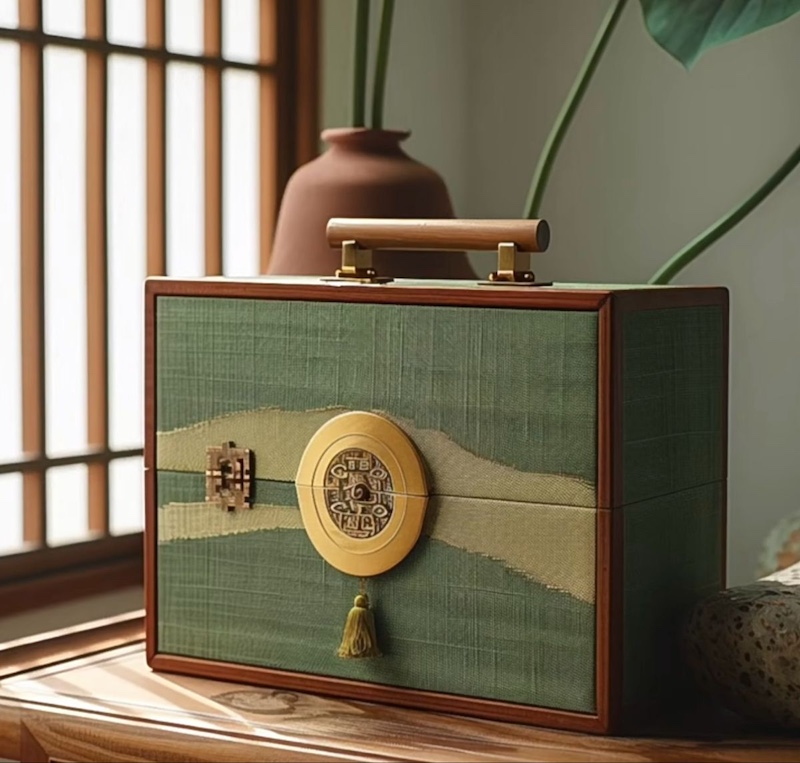
- Wooden lids or panels attached to rigid boxes
- Decorative wooden tags or logos
- Thin veneer layers laminated onto paperboard
- Wooden handles or structural reinforcements
These applications allow brands to maintain a paper-based structure while enhancing visual and tactile appeal.
Sustainability Considerations
When sourced responsibly, wood can align with sustainability goals. Using certified wood or engineered veneers ensures that packaging remains environmentally responsible while delivering a premium look.
The Role of Metal Elements in Premium Packaging
Metal introduces a completely different set of characteristics, emphasizing precision, durability, and modern luxury.
Visual Sophistication and Contrast
Metallic elements such as aluminum, stainless steel, or brass create a striking contrast against paper surfaces. This contrast enhances visual interest and signals high value.
Applications of Metal in Gift Boxes
Metal can be incorporated into paper packaging through:
- Metal nameplates or logos
- Magnetic closures with metal components
- Hinges or structural connectors
- Decorative frames or trims
These elements not only enhance aesthetics but also improve functionality and durability.
Tactile and Functional Benefits
Metal components add weight and solidity to packaging, reinforcing the perception of quality. For example, a magnetic closure with embedded metal parts creates a satisfying opening and closing experience.
Design Strategies for Multi-Material Packaging
Successfully integrating wood and metal into paper packaging requires careful design planning to ensure cohesion and functionality.
Balancing Materials
The key to effective design is balance. Overuse of wood or metal can make packaging feel heavy or overly complex, while subtle integration can enhance elegance.
Designers should consider:
- Proportion of materials
- Placement of accents
- Interaction between textures
Maintaining Brand Identity
Material choices must align with brand positioning. For example:
- Wood elements suit natural or organic brands
- Metal accents align with modern, tech-inspired, or luxury brands
Consistency in design language ensures that packaging reinforces brand identity.
Ensuring Structural Compatibility
Different materials have different physical properties. Wood is rigid and less flexible, while metal can be heavy and conductive. Designers must ensure that these materials integrate seamlessly with paperboard without compromising structural integrity.
Manufacturing Challenges and Solutions
While multi-material packaging offers strong visual impact, it also introduces manufacturing complexity.
Material Integration
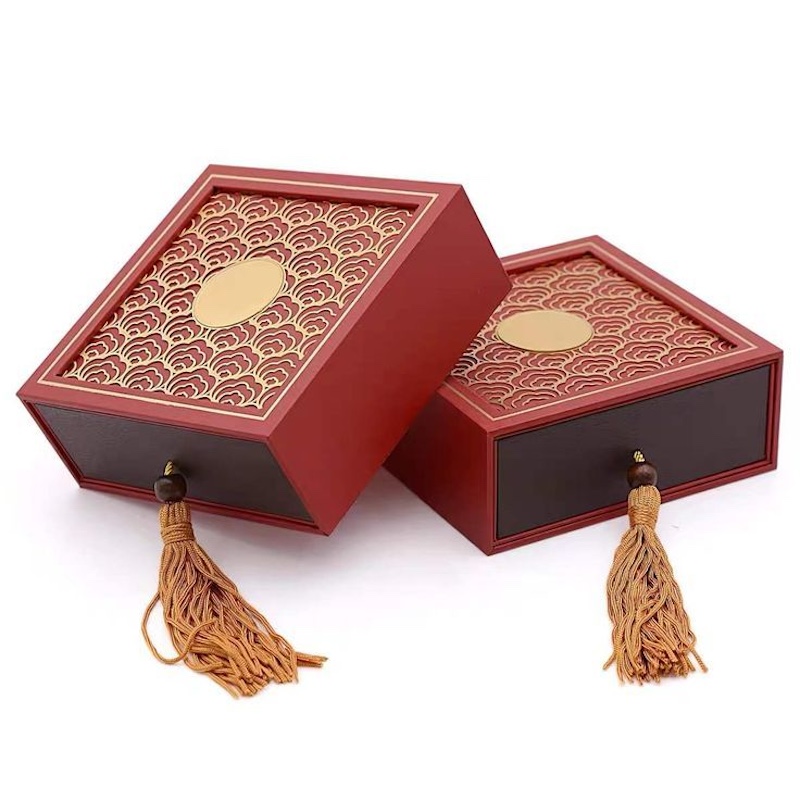
Attaching wood or metal to paperboard requires specialized adhesives or mechanical fastening methods. Poor integration can lead to detachment or structural weakness.
Production Cost
Wood and metal components are more expensive than paper materials, and additional processing steps increase labor and production costs.
Scalability
Complex designs may be difficult to scale for large production runs. Brands must work with experienced manufacturers to optimize production processes.
Cost vs Value: Is It Worth the Investment?
Integrating wood and metal elements increases packaging costs, but it also enhances perceived value. For high-end products, this investment can be justified through:
- Higher retail pricing
- Stronger brand differentiation
- Improved customer experience
- Increased social media visibility
In luxury markets, packaging often plays a direct role in influencing purchasing decisions, making it a valuable investment rather than a cost.
Enhancing the Unboxing Experience
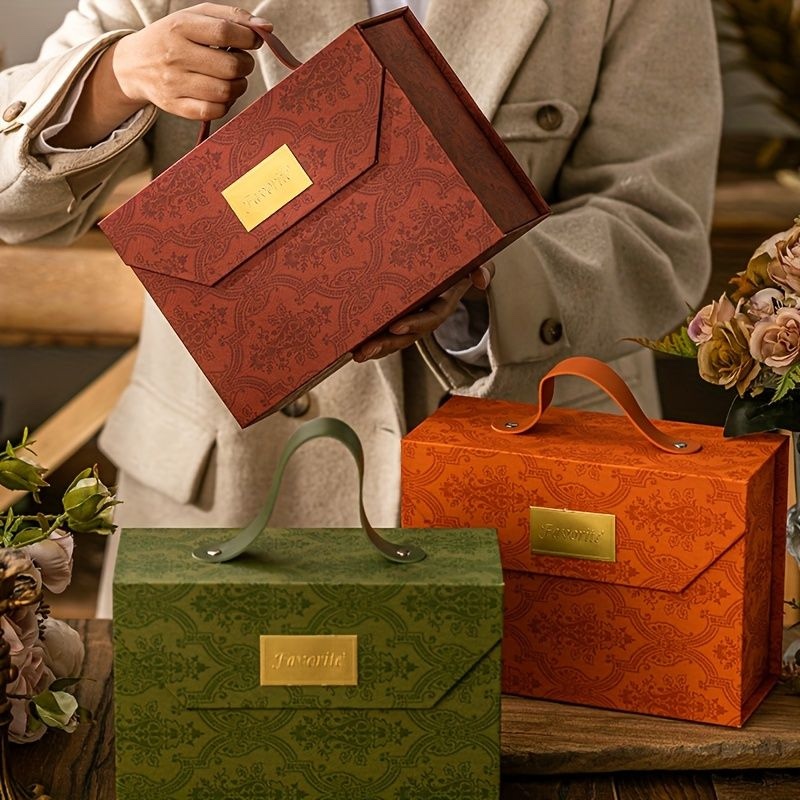
Unboxing has become a critical marketing moment, especially in e-commerce. Multi-material packaging creates a layered experience that engages sight, touch, and even sound.
For example:
- The smooth feel of paper contrasts with the texture of wood
- The weight of metal adds a sense of solidity
- The interaction of different materials creates a memorable experience
These sensory elements encourage customers to share their experiences, increasing brand exposure.
Conclusion
Integrating wood and metal elements into paper-based gift boxes offers a powerful way to elevate packaging design, enhance brand identity, and create memorable customer experiences. While this approach introduces additional complexity and cost, the benefits in terms of differentiation and perceived value can be significant.
For brands aiming to stand out in competitive markets, especially in cosmetics and luxury goods, multi-material packaging provides an opportunity to go beyond traditional design and create packaging that is not only functional but also emotionally engaging.
Because in premium packaging, the combination of materials is not just a design choice—it is a statement of quality, creativity, and brand ambition.
About Printing Craftsmanship
What are eco-friendly printing options?
Vegetable-based inks instead of petroleum-based inks.
Recycled paper or sustainably sourced materials.
Water-based coatings instead of harmful chemical coatings.
Digital printing to reduce waste and energy consumption.
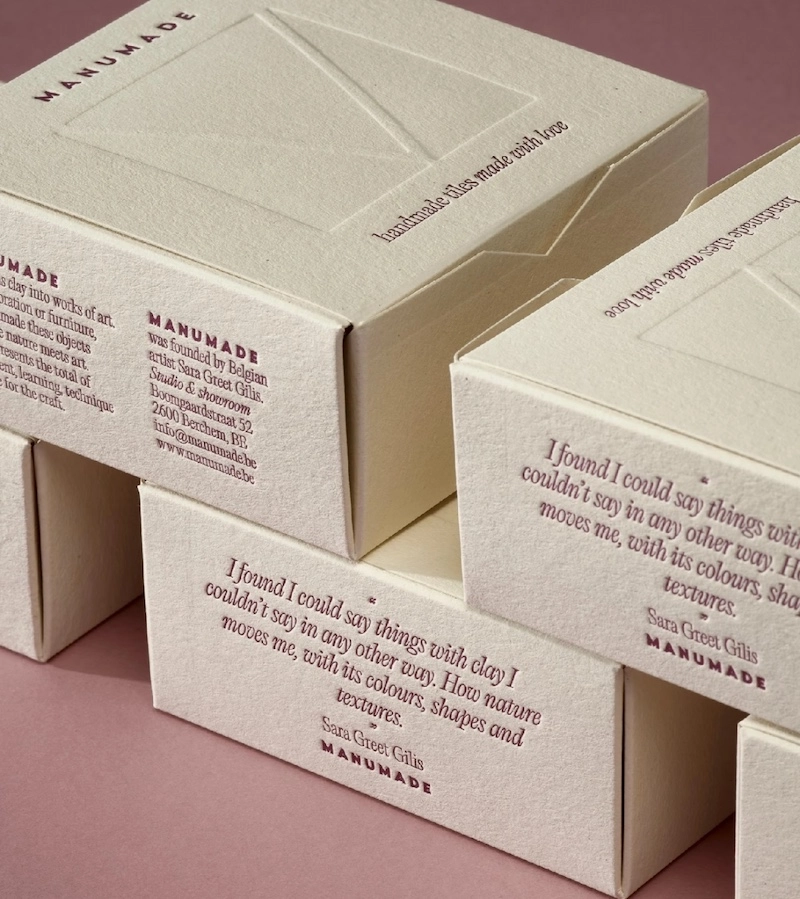
What are the advantages of embossing?
Enhances the visual and tactile appeal of printed products.
Creates a premium and professional look.
Improves brand recognition with distinct textures.
Increases durability as the embossed design remains intact over time.
Folding Boxes
How long does it usually take from design confirmation to delivery?
Answer: The delivery time of folding boxes is usually 15-25 days, depending on the production of the order
Rigid Magetic Boxes
Can I get a sample before placing an official order?
Yes, we provide samples to our customers. Please contact our sales team to inquire about sample availability and pricing.
OEM Services
Can I customize the design, size, and material of my packaging?
Absolutely! Our OEM services allow full customization, including design, size, material, colors, printing effects, and finishing. We work closely with you to create packaging that reflects your brand’s image and market positioning.

Start Your Packaging Journey Today
Discover Our Curated Collection of Bespoke Packaging Cases & Tailored System Solutions
© 2025 WINPACK PRINTING. All rights reserved

Wenhua Printing packaging
winpackprinting
Winpack Printing