




The Rise of Minimalist Packaging: How “Less-Design” Reduces Costs and Enhances Sustainability
In recent years, the global packaging landscape has undergone a significant transformation as brands shift away from excessive, material-heavy designs toward cleaner, more intentional aesthetics. This evolution is driven not only by changing consumer preferences but also by growing environmental awareness and the need for cost efficiency in increasingly competitive markets. Minimalist packaging, often described as “less-design” or reduction-focused packaging, is no longer just a visual trend—it has become a strategic approach that combines sustainability, functionality, and brand positioning.
For industries such as cosmetics, skincare, and personal care, where packaging plays a critical role in influencing purchasing decisions, adopting minimalist packaging requires a delicate balance. Brands must reduce materials and simplify structures without compromising product protection, visual appeal, or perceived value. When executed effectively, minimalist packaging can lower production costs, reduce environmental impact, and strengthen brand identity simultaneously.
This article explores how reduction-driven packaging design works, why it is gaining popularity, and how brands can successfully implement minimalist strategies to achieve both economic and environmental benefits.
- What is Minimalist Packaging Design?
- Why is Minimalist Packaging Rising in Popularity?
- How 'Reduction Design' Lowers Packaging Costs
- Material Reduction
- Simplified Structural Design
- Reduced Printing and Finishing Costs
- Lower Logistics and Shipping Costs
- The Environmental Benefits of Minimalist Packaging
- Maintaining Premium Appeal with Less Design
- Practical Strategies for Implementing Minimalist Packaging
- Challenges of Minimalist Packaging
- The Role of Packaging Manufacturers
- Conclusion
What is Minimalist Packaging Design?
It is an approach that focuses on eliminating unnecessary elements while retaining essential functionality and visual clarity. Rather than relying on complex structures, excessive materials or heavy decoration, it emphasises simplicity, efficiency and purpose.
This approach typically involves:
- Reducing material usage
- Simplifying box structures
- Limiting printing and finishing processes
- Using clean layouts and restrained colour palettes
- Prioritising functionality over decoration
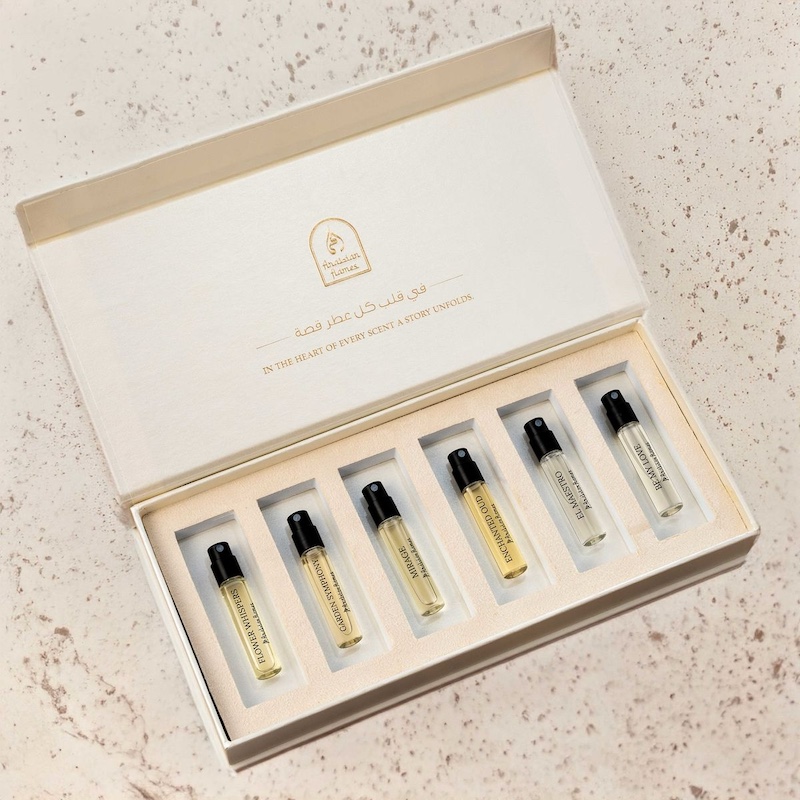
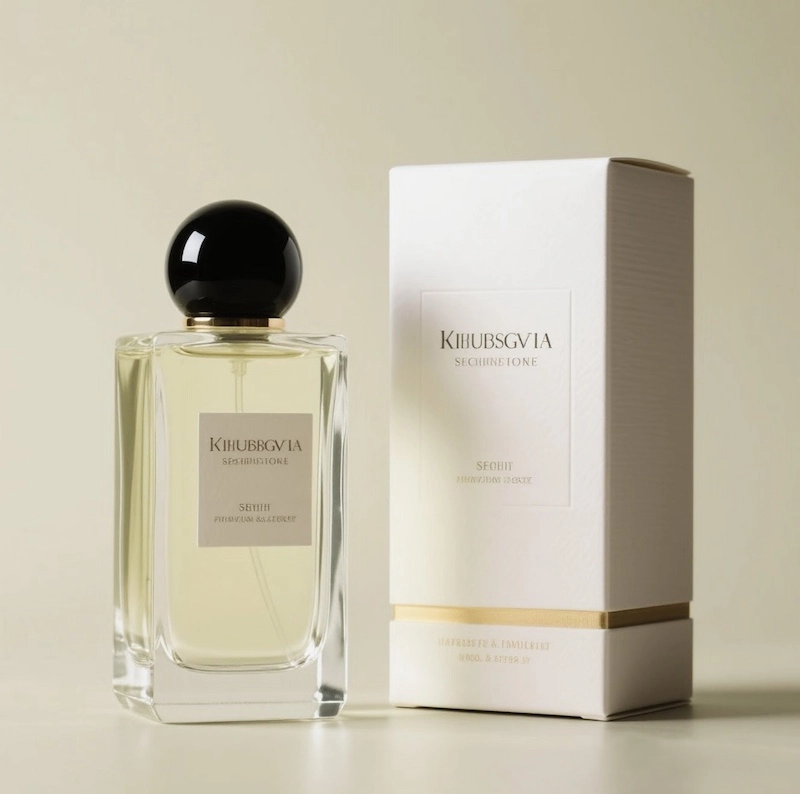
In cosmetic packaging, for example, minimalist design often translates into elegant folding cartons with subtle branding, neutral tones, and carefully chosen finishing techniques that enhance rather than overwhelm the presentation of the product.
Why is Minimalist Packaging Rising in Popularity?
The shift towards minimalist packaging is influenced by several interconnected factors that are reshaping consumer expectations and industry standards.
Consumer Preference for Simplicity
Modern consumers increasingly value authenticity and transparency, and minimalist packaging aligns with these values by presenting products in a clean and honest way. Overly complex or excessive packaging can be perceived as wasteful or misleading, whereas simple designs convey clarity and trust.
Sustainability Awareness
Environmental concerns have prompted brands to rethink their packaging strategies. Reducing material usage lowers resource consumption, carbon footprint and waste generation directly, making minimalist packaging an effective sustainability solution.
Cost Pressure in Competitive Markets
Rising material and logistics costs have made efficiency a priority. By minimising unnecessary components, brands can significantly reduce production and shipping expenses without compromising on quality.
How 'Reduction Design' Lowers Packaging Costs
Minimalist packaging is visually appealing and economically advantageous. Cost savings can be achieved at multiple stages of the packaging process.
Material Reduction
One of the most direct ways to reduce costs is to use less material. Thinner paperboard, smaller box dimensions and simpler structures all contribute to lower raw material expenses.
For instance, optimising the size of the box to fit the product closely can eliminate excess space, reducing both material usage and shipping volume.
Simplified Structural Design
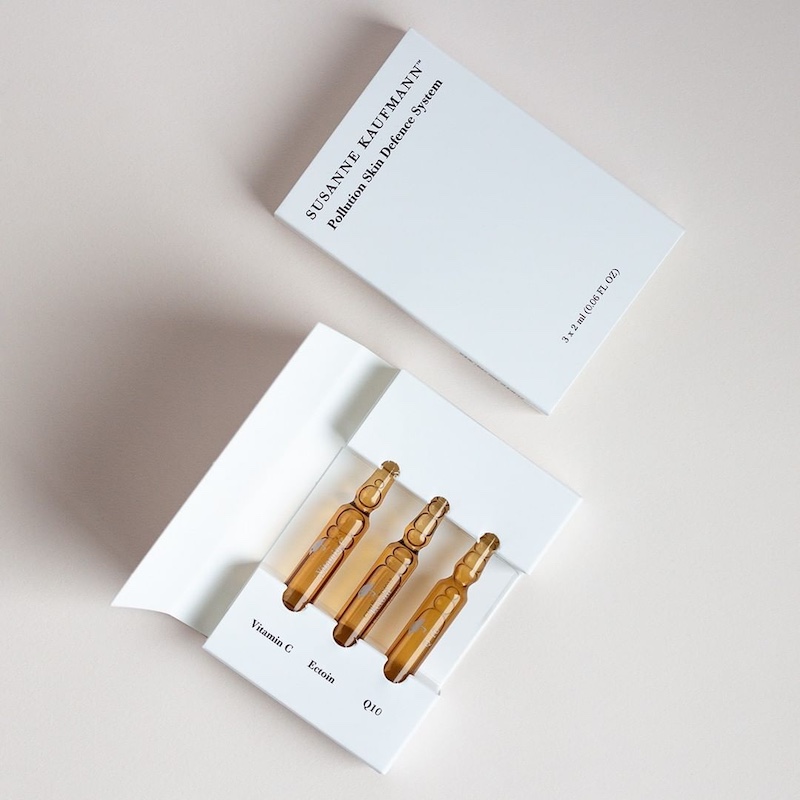
Complex packaging structures often require additional components, such as inserts, magnets or multiple layers, all of which increase production costs. Minimalist designs focus on efficient structures that achieve functionality with fewer parts.
Simplified designs also improve production speed and reduce assembly time, further lowering costs.
Reduced Printing and Finishing Costs
Luxury packaging often involves multiple finishing techniques, such as foil stamping, embossing and spot UV, which increase production expenses. Minimalist packaging typically uses fewer finishing processes, relying instead on clean design and high-quality materials to make an impact.
This reduction in printing complexity can significantly lower overall packaging costs.
Lower Logistics and Shipping Costs
Packaging size and weight directly affect transportation costs. Smaller, lighter packaging reduces shipping fees, improves pallet efficiency and lowers carbon emissions.
In e-commerce, where shipping costs represent a significant expense, minimalist packaging offers clear advantages.
The Environmental Benefits of Minimalist Packaging
As well as reducing costs, minimalist packaging contributes to environmental sustainability in several ways.
Reduced Resource Consumption:
Using fewer materials means fewer natural resources are required for production. This includes paper fibres, water and energy.
Lower Carbon Footprint:
Simplified packaging reduces emissions associated with manufacturing, transportation and disposal.
Improved Recyclability:
Minimalist packaging often avoids complex, multi-material structures, making it easier to recycle. Mono-material designs are particularly beneficial for waste management systems.
Maintaining Premium Appeal with Less Design
A common concern among cosmetic brands is whether reducing packaging elements will diminish the product's perceived value. However, when executed thoughtfully, minimalist packaging can still achieve a premium look.
Focus on Material Quality
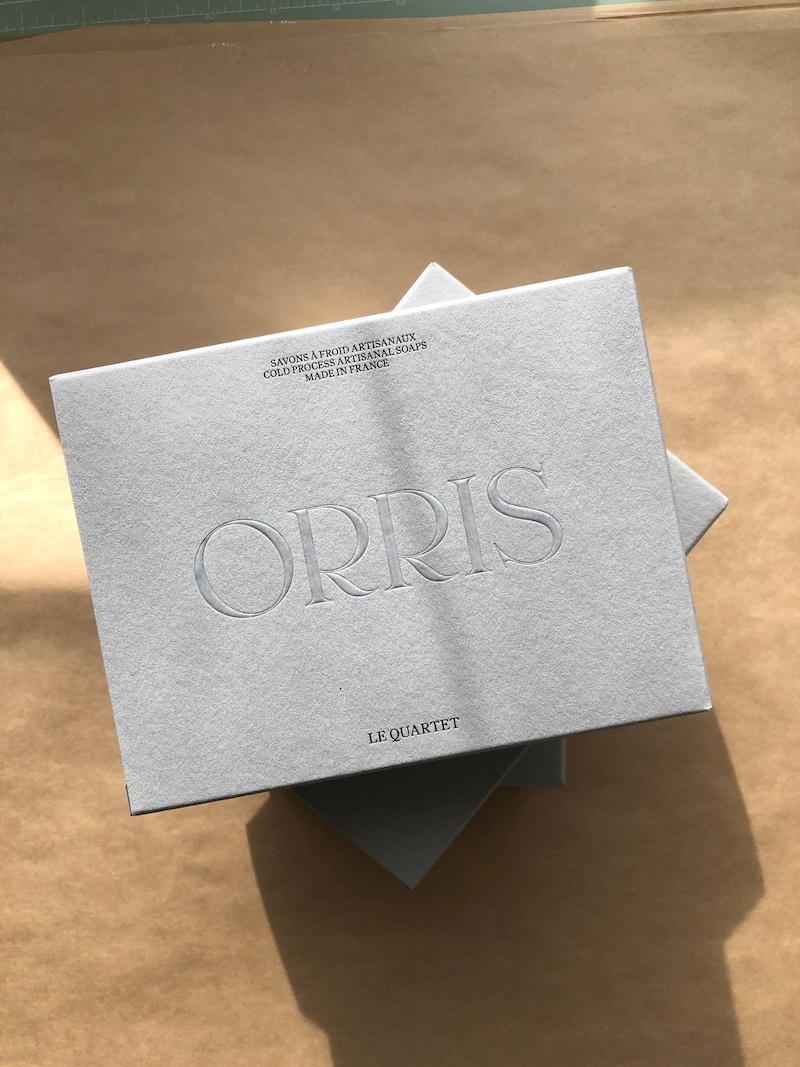
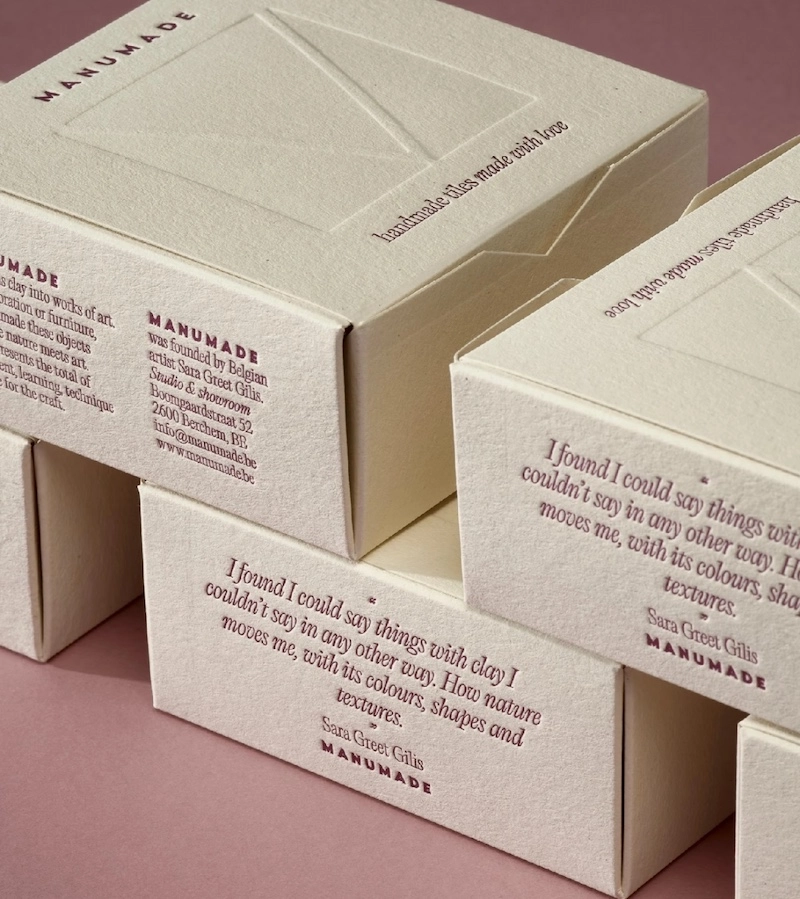
Using high-quality paperboard, such as SBS or textured paper, can create a luxurious feel without the need for excessive decoration.
Precision in Design is Also Key
Clean typography, balanced layouts and subtle branding elements can communicate sophistication and confidence.
Selective Use of Finishes
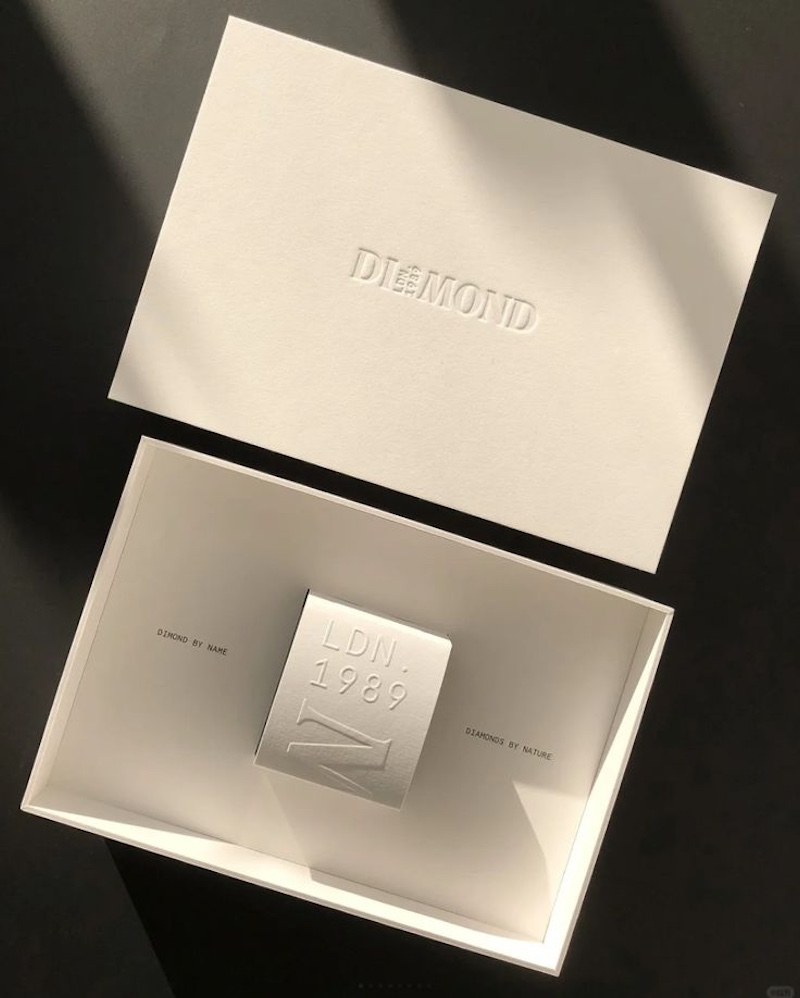
Rather than using multiple finishes, minimalist packaging often uses one or two carefully chosen techniques, such as subtle embossing or soft-touch lamination, to enhance the tactile experience.
Practical Strategies for Implementing Minimalist Packaging
Brands looking to adopt minimalist packaging should consider the following practical approaches.
Right-size Packaging:
Design boxes that closely match the dimensions of the product to eliminate wasted space.
Eliminate Unnecessary Inserts.
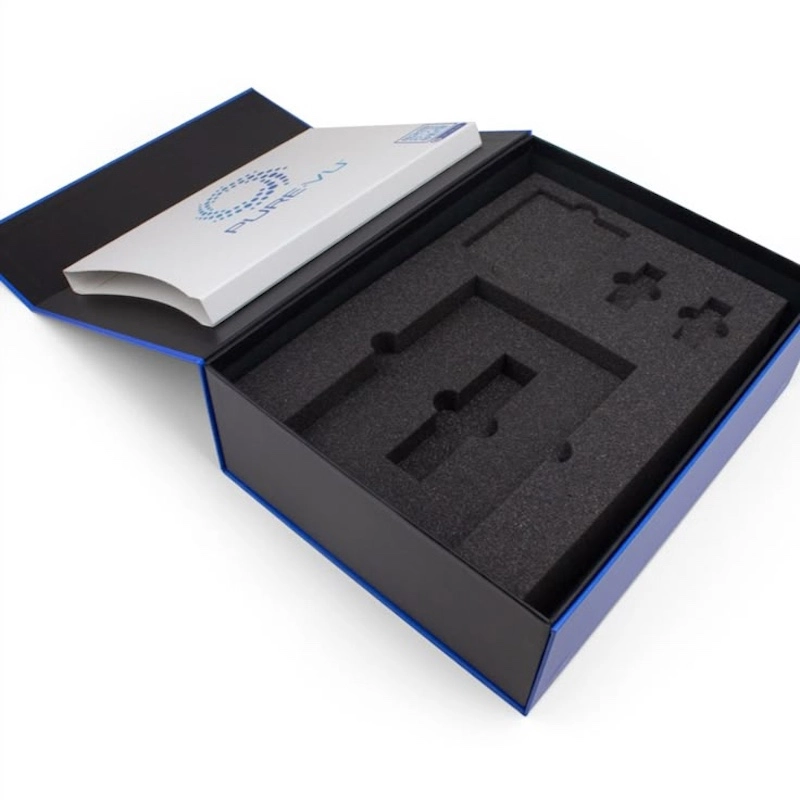
Where possible, replace plastic inserts with paper-based alternatives, or redesign the structure so that it holds products securely without the need for additional components.
Reducing ink Coverage:
Use lighter printing designs or fewer colours to minimise ink usage and simplify production.
Optimise Structural Efficiency.
Choose folding carton designs that require fewer folds and less adhesive.
Challenges of Minimalist Packaging
While minimalist packaging offers many advantages, it also presents certain challenges that brands must address.
Balancing Simplicity and Brand Identity
Reducing design elements must not result in a lack of differentiation. Brands need to ensure that their packaging remains recognisable and distinctive.
Ensuring Product Protection:
Simplifying the structure should not compromise the protective function of the packaging, particularly for fragile cosmetic products.
Consumer Perception:
Some consumers may associate minimal packaging with lower value if it is not executed properly, so design quality is crucial.
The Role of Packaging Manufacturers
Experienced packaging manufacturers play a key role in helping brands implement minimalist designs effectively. They can:
- Optimise structural design for material efficiency
- Recommend suitable paperboard grades
- Suggest cost-effective finishing techniques
- Ensure production quality and consistency
Collaboration between brand designers and manufacturers is essential to achieving cost reductions and high-quality results.
Conclusion
Minimalist packaging is a powerful combination of cost efficiency, sustainability and modern brand aesthetics. By adopting a 'less-is-more' design approach, brands can reduce material usage, simplify production and lower logistics costs, all the while appealing to environmentally conscious consumers.
However, for cosmetic and skincare brands, the challenge lies in achieving simplicity without compromising on quality or brand identity. When executed with precision and strategic intent, minimalist packaging reduces costs and elevates brand perception, proving that less can be more in packaging design.

About Us
How soon we can get a sample?
Usually,reference sample within 2 days. Customized sample need 5-7days.
OEM Services
What quality control measures do you have in place?
We implement strict quality control throughout our production process, including:
ISO-certified quality management systems
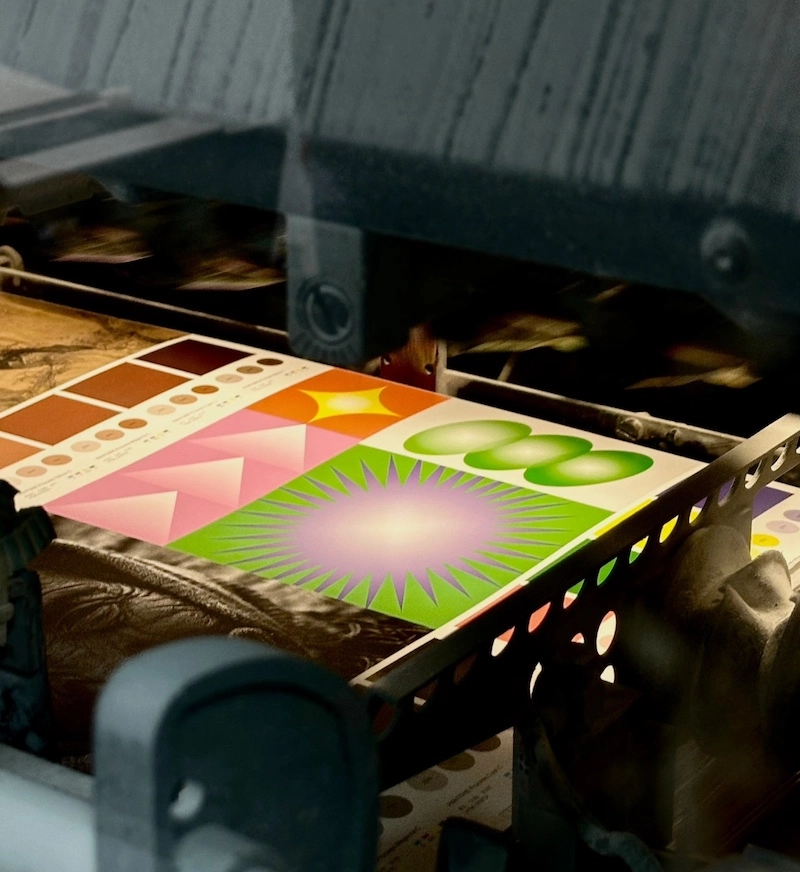
pressSIGN color management for consistent printing quality
ERP production tracking for precision and efficiency
Rigorous inspections at every stage of production
Folding Boxes
How long does it usually take from design confirmation to delivery?
Answer: The delivery time of folding boxes is usually 15-25 days, depending on the production of the order
About Printing Craftsmanship
What are eco-friendly printing options?
Vegetable-based inks instead of petroleum-based inks.
Recycled paper or sustainably sourced materials.
Water-based coatings instead of harmful chemical coatings.
Digital printing to reduce waste and energy consumption.
Rigid Lift-off Box
Can I get a sample before placing a formal order?
Yes, we provide samples to our customers. Please contact our sales team to inquire about sample availability and pricing.

Start Your Packaging Journey Today
Discover Our Curated Collection of Bespoke Packaging Cases & Tailored System Solutions
© 2025 WINPACK PRINTING. All rights reserved

Wenhua Printing packaging
winpackprinting
Winpack Printing