


Die-Cut Mold Development for Custom Shaped Boxes: How to Achieve Unique Packaging Structures for Your Brand
In an increasingly saturated market where products compete not only on quality but also on visual identity and user experience, packaging has become a powerful differentiator that extends far beyond its traditional protective role. For brands in industries such as cosmetics, fragrance, luxury goods, and premium retail, standard box structures are often no longer sufficient to capture attention or communicate uniqueness. This is where custom shaped packaging, also known as die-cut structural design, comes into play.
Irregular or uniquely structured boxes—whether they feature curved edges, multi-layer openings, geometric silhouettes, or interactive mechanisms—require a highly specialized process known as die-cut mold development. Unlike standard folding cartons, these boxes are engineered through precise tooling and structural innovation, combining creative design with manufacturing expertise.
In this article, we will explore how die-cut mold development works, the key steps involved in creating custom shaped boxes, the challenges brands must consider, and how to successfully turn creative packaging ideas into scalable production solutions.
- What Are Custom Shaped Boxes?
- What Is Die-Cut Mold Development?
- Why Unique Packaging Structures Matter for Branding
- The Process of Developing a Die-Cut Mold
- 1. Concept and Structural Design
- 2. Dieline Creation
- 3. Prototype Development
- 4. Die Manufacturing
- 5. Testing and Mass Production
- Key Challenges in Custom Shaped Packaging
- 1. Structural Complexity
- 2. Higher Development Costs
- 3. Production Efficiency
- 4. Shipping and Storage Considerations
- Materials and Their Role in Structural Design
- Design Tips for Successful Custom Shaped Boxes
- Balancing Creativity and Cost
- The Role of Experienced Packaging Manufacturers
- Future Trends in Custom Packaging Structures
- Conclusion
What Are Custom Shaped Boxes?
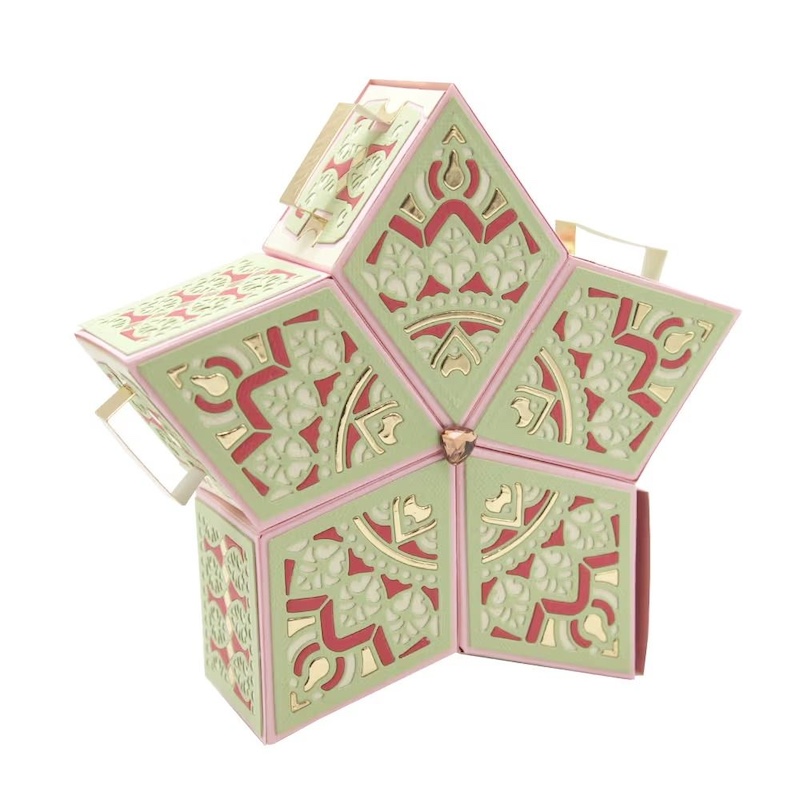
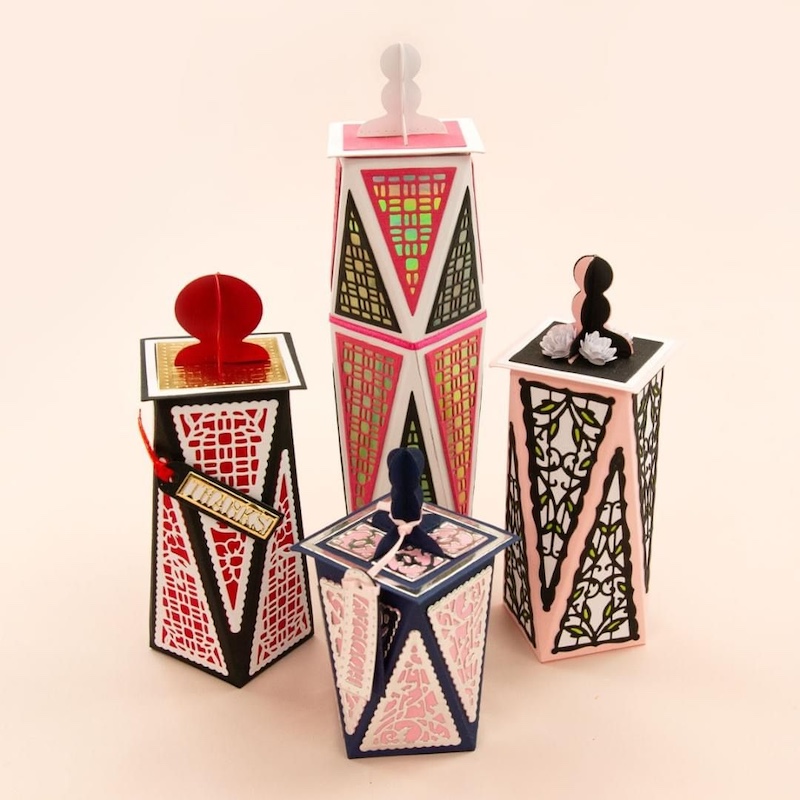
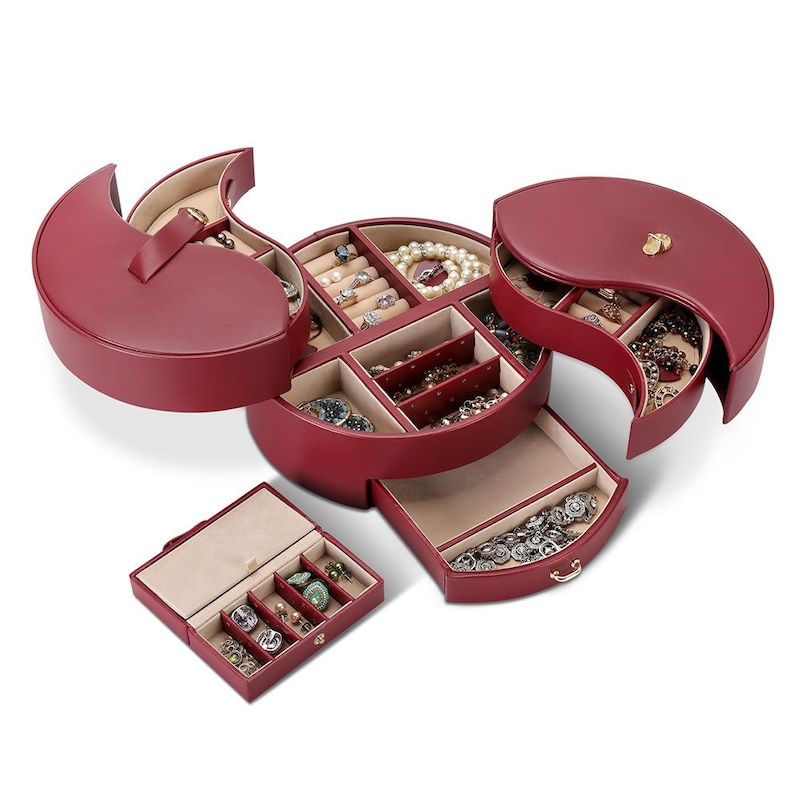
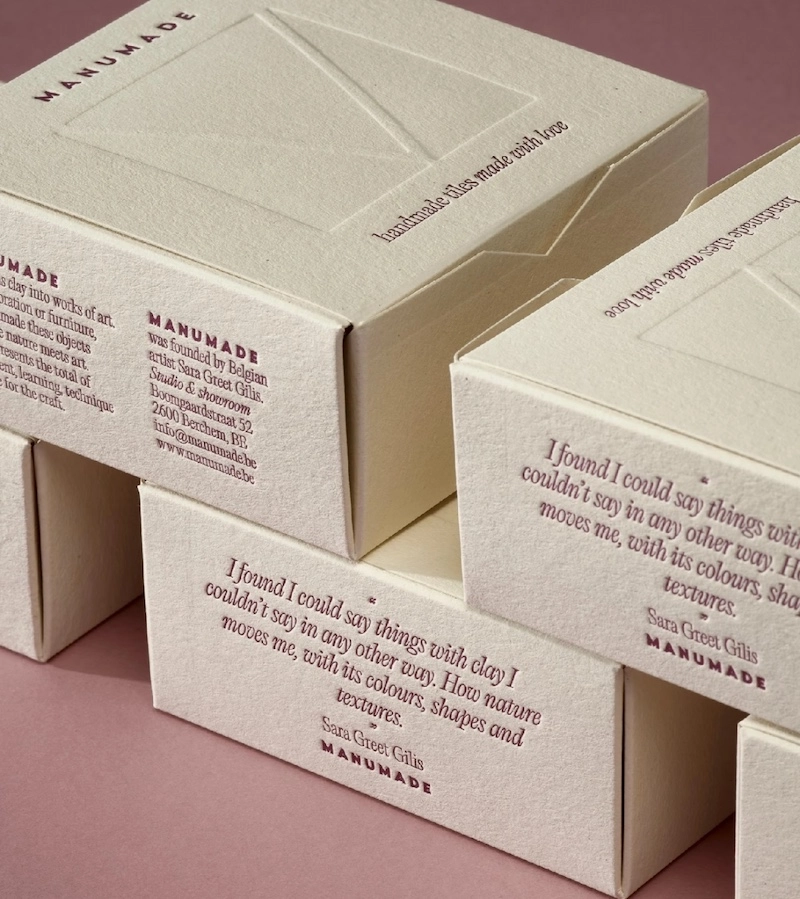
Custom shaped boxes, often referred to as irregular or structural packaging, are packaging solutions that go beyond traditional rectangular or square formats. These boxes are designed with unique forms that reflect brand identity, product characteristics, or marketing storytelling.
Examples include:
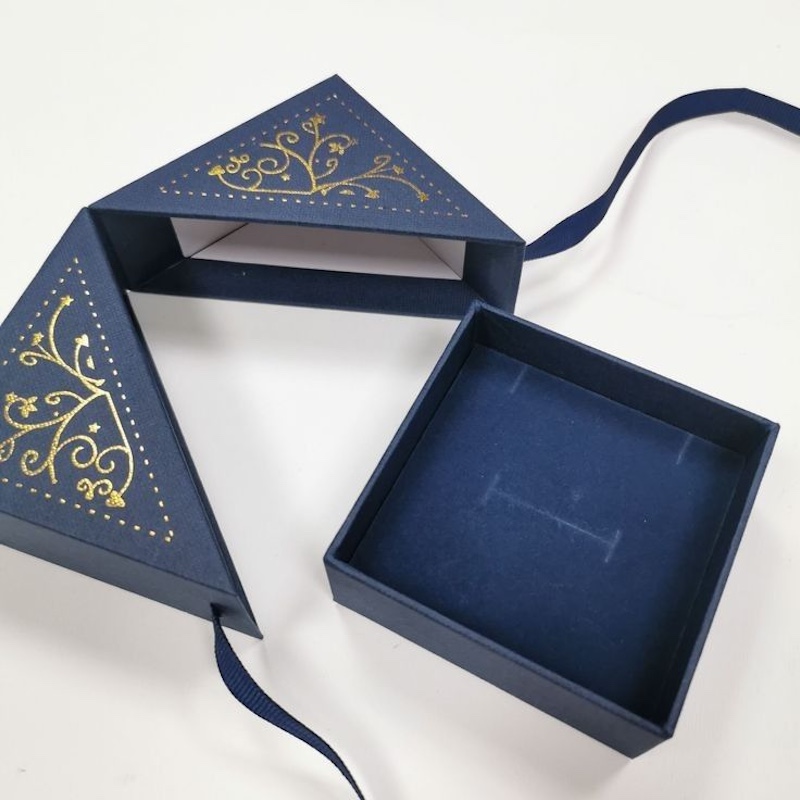
- Hexagonal or polygonal boxes
- Curved-edge packaging
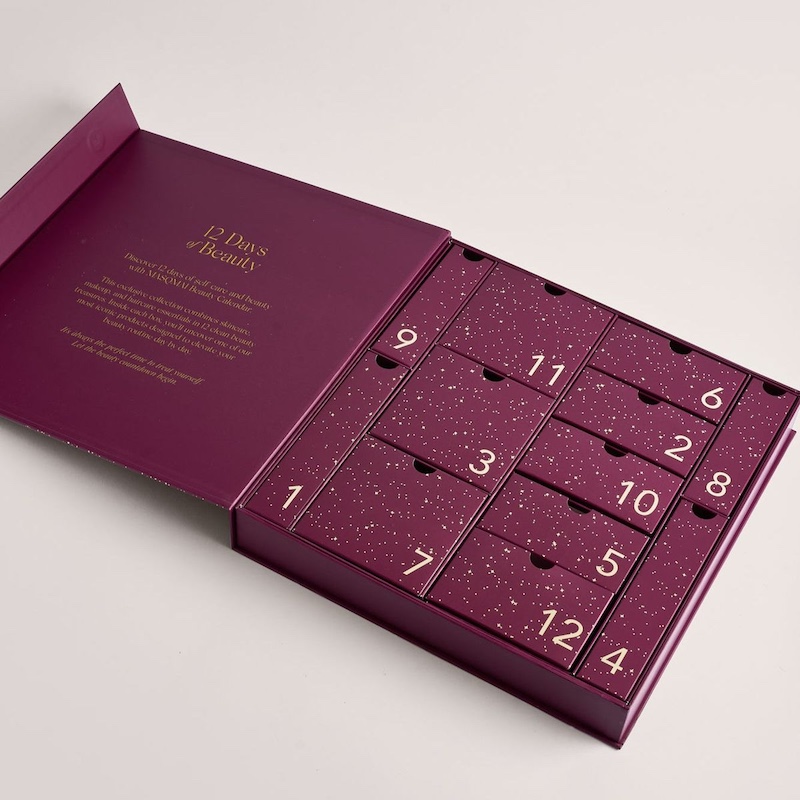
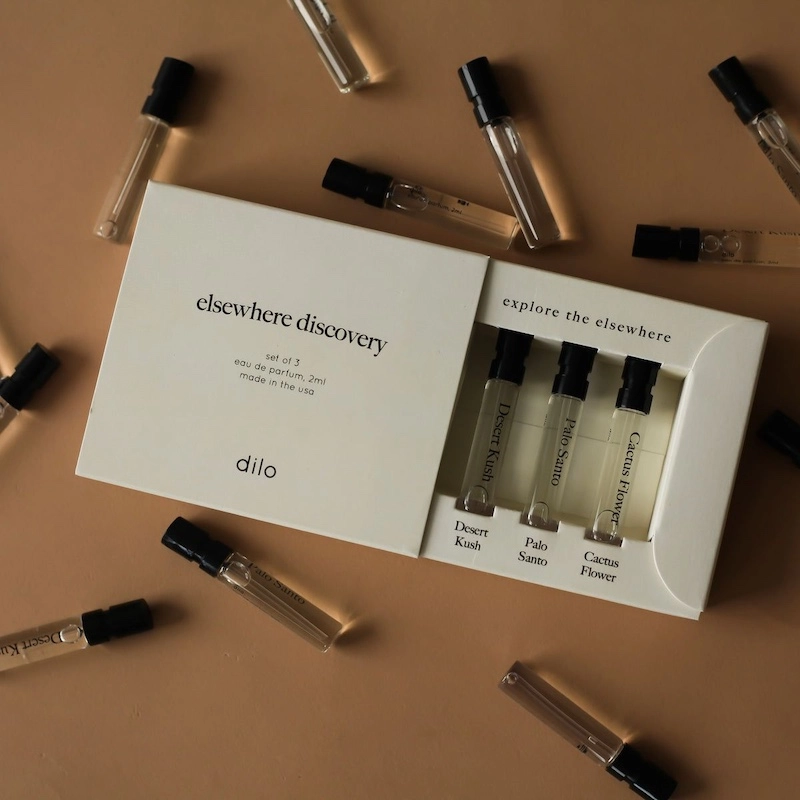
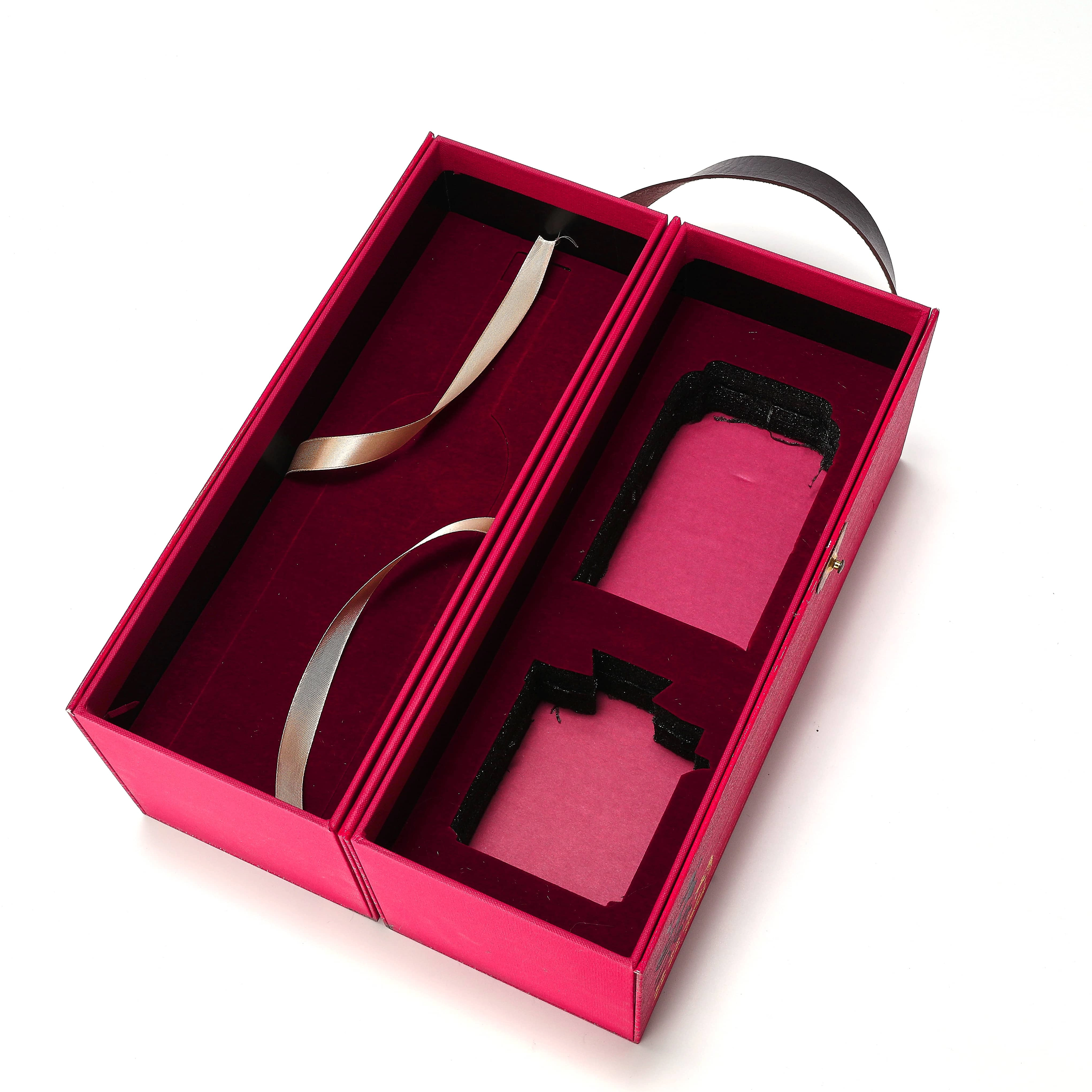
- Drawer-style or multi-compartment structures
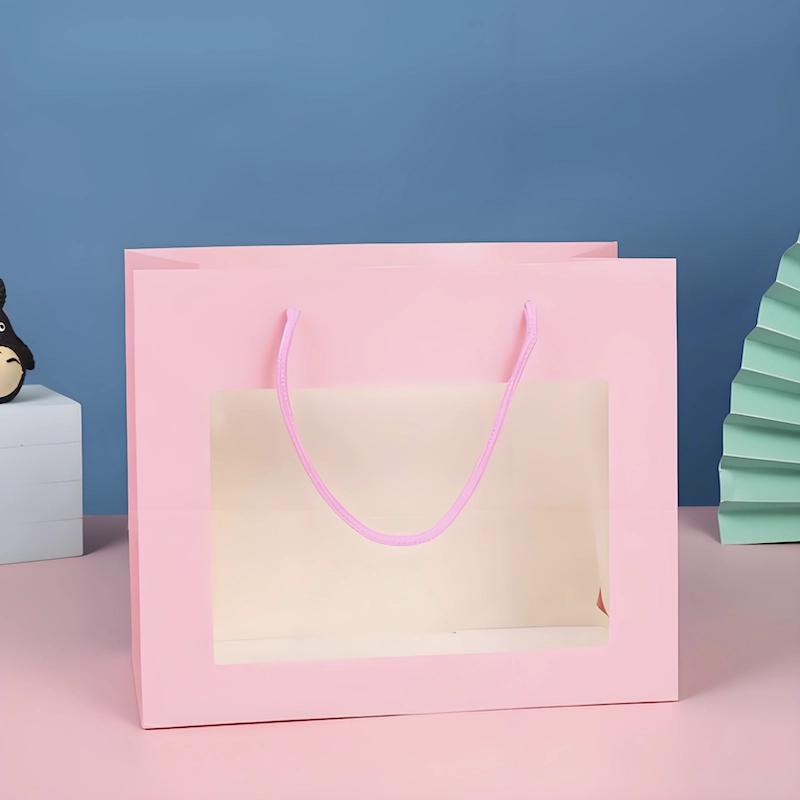
- Window cut-out designs
- Collapsible or transformable boxes
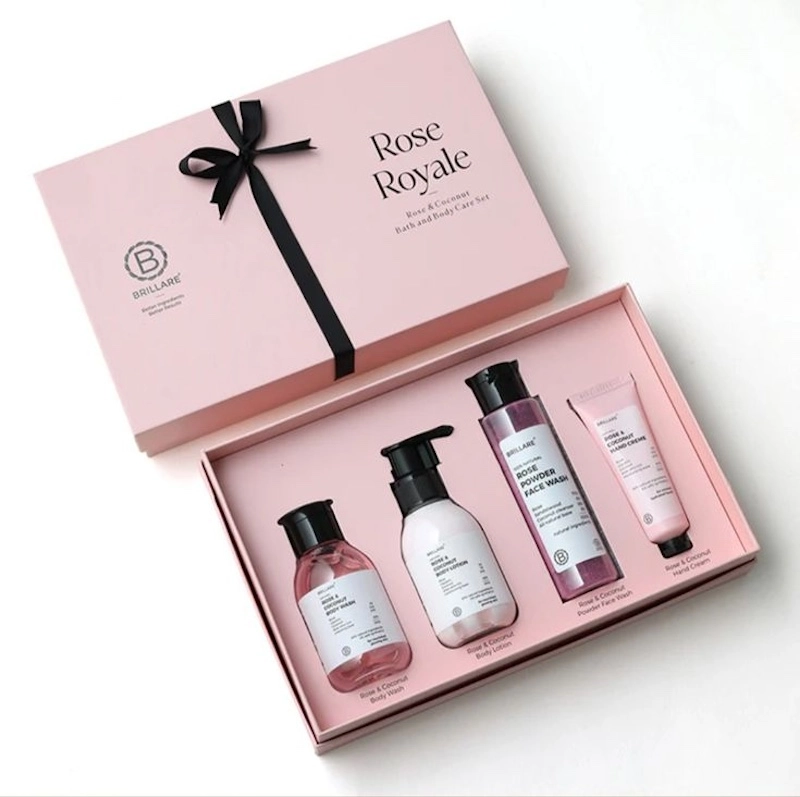
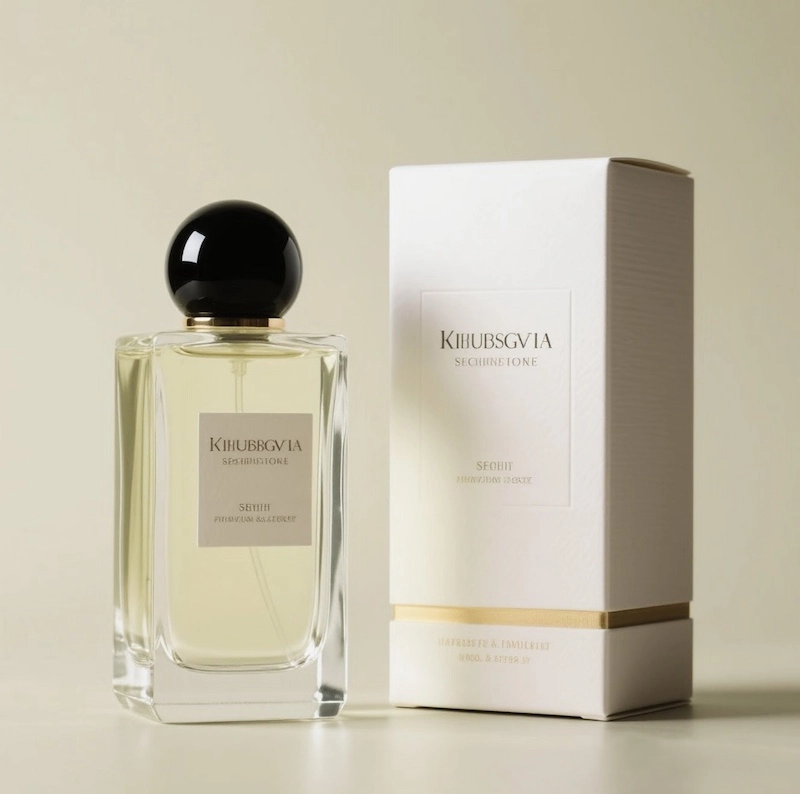
In cosmetic packaging, such structures are often used to enhance shelf appeal and create memorable unboxing experiences.
What Is Die-Cut Mold Development?
Die-cut mold development is the process of creating a custom cutting tool (die) used to shape paperboard into a specific packaging structure. The die consists of sharp steel blades arranged in the exact outline of the box design, mounted onto a wooden or composite base.
During production, this die is pressed onto printed paperboard sheets to cut and crease them into precise shapes that can be folded into finished boxes.
For irregular packaging, die-cut molds are more complex and require:
- Precise engineering
- Structural testing
- Iterative prototyping
- High manufacturing accuracy
Why Unique Packaging Structures Matter for Branding
In today’s competitive landscape, packaging is often the first physical interaction between a brand and its customer, especially in e-commerce environments where in-store experiences are absent.
Custom shaped boxes help brands:
- Stand out on retail shelves
- Increase perceived product value
- Enhance unboxing experience
- Strengthen brand recognition
- Encourage social sharing and influencer engagement
For high-end cosmetic brands, unique packaging structures can communicate innovation, luxury, and attention to detail.
The Process of Developing a Die-Cut Mold
Creating a custom shaped box involves several critical stages that bridge creative design and industrial production.
1. Concept and Structural Design
The process begins with a design concept, often driven by brand identity, product requirements, and marketing goals. Designers create structural layouts that define how the box will open, close, and hold the product.
At this stage, considerations include:
- Product dimensions and weight
- User interaction and opening experience
- Material compatibility
- Production feasibility
2. Dieline Creation
A dieline is a technical blueprint that outlines the flat layout of the packaging before it is folded. It includes:
- Cut lines
- Fold lines
- Glue areas
- Structural elements
For irregular boxes, dielines are more complex and require precise measurements to ensure proper assembly.
3. Prototype Development
Before creating the final mold, prototypes are produced to test the structure. These prototypes allow designers and engineers to evaluate:
- Structural stability
- Ease of assembly
- User experience
- Fit and protection of the product
Multiple iterations may be required to refine the design.
4. Die Manufacturing
Once the design is finalized, a die-cut mold is manufactured using steel blades shaped according to the dieline. The accuracy of this mold directly affects production quality.
For complex shapes, the die may include:
- Curved cutting lines
- Multiple creasing rules
- Reinforcement components
5. Testing and Mass Production
After the die is created, trial runs are conducted to ensure cutting accuracy and structural performance. Once approved, the packaging enters mass production.
Key Challenges in Custom Shaped Packaging
While custom structures offer strong branding advantages, they also present several challenges.
1. Structural Complexity
Irregular shapes require advanced engineering to ensure the box remains stable and functional. Poor design can lead to weak points or assembly issues.
2. Higher Development Costs
Custom molds involve upfront tooling costs, which are higher than standard packaging. Complex designs may require multiple prototypes and adjustments.
3. Production Efficiency
Non-standard shapes may reduce production speed and increase material waste if not optimized properly.
4. Shipping and Storage Considerations
Unique shapes can impact packing efficiency in cartons, affecting logistics costs and warehouse storage.
Materials and Their Role in Structural Design
Material selection is critical when developing custom shaped boxes. Common options include:
- SBS paperboard for premium printing and smooth surfaces
- Kraft paperboard for eco-friendly designs
- Rigid board for luxury structures
The choice of material affects:
- Foldability
- Strength
- Print quality
- Cost
For complex shapes, materials must balance flexibility and rigidity to avoid cracking during folding.
Design Tips for Successful Custom Shaped Boxes
To achieve both creativity and practicality, brands should consider:
- Keeping structural design aligned with product dimensions
- Avoiding overly complex shapes that hinder production
- Ensuring easy assembly for large-scale manufacturing
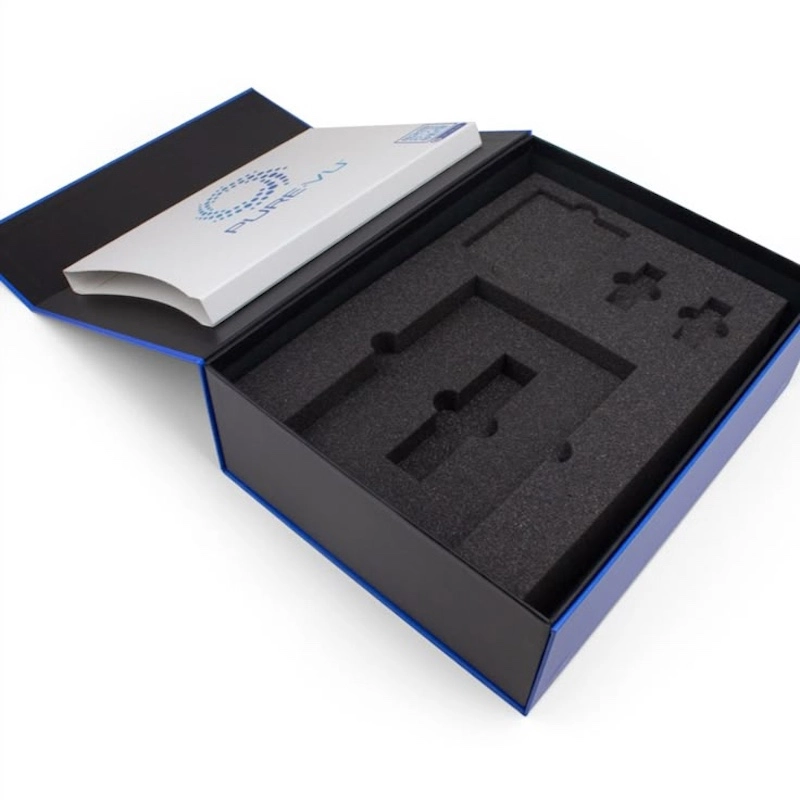
- Incorporating functional features such as inserts or closures
- Testing durability under real shipping conditions
A successful design is not only visually unique but also manufacturable and scalable.
Balancing Creativity and Cost
While brands often aim for innovative packaging, it is important to balance creativity with cost efficiency. Simplifying certain structural elements, optimizing material usage, and working with experienced manufacturers can help control costs without sacrificing impact.
Strategic decisions include:
- Limiting the number of structural components
- Choosing efficient die layouts
- Standardizing certain dimensions
The Role of Experienced Packaging Manufacturers
Developing custom shaped packaging requires collaboration between designers and manufacturers. An experienced packaging partner can:
- Provide structural engineering support
- Optimize dielines for production
- Recommend suitable materials
- Reduce trial-and-error costs
- Ensure consistent quality
This expertise is essential for transforming creative concepts into reliable packaging solutions.
Future Trends in Custom Packaging Structures
As brands continue to compete through packaging innovation, custom shaped boxes are becoming more sophisticated. Emerging trends include:
Interactive packaging designs
- Modular and reusable structures
- Sustainable materials with complex shapes
- Integration of digital elements such as QR codes
These trends highlight the growing importance of structural design in packaging strategy.
Conclusion
Die-cut mold development is the foundation of custom shaped packaging, enabling brands to move beyond conventional box designs and create unique structures that enhance visual appeal, user experience, and brand identity. While the process involves technical complexity and higher upfront costs, the benefits in differentiation and customer engagement often outweigh the challenges.
For brands seeking to stand out in competitive markets—especially in cosmetics and luxury goods—investing in well-designed custom packaging structures can deliver long-term value and strengthen brand positioning.
Because in modern packaging, structure is not just function—it is a powerful expression of brand creativity.
About Printing Craftsmanship
How does UV printing work?
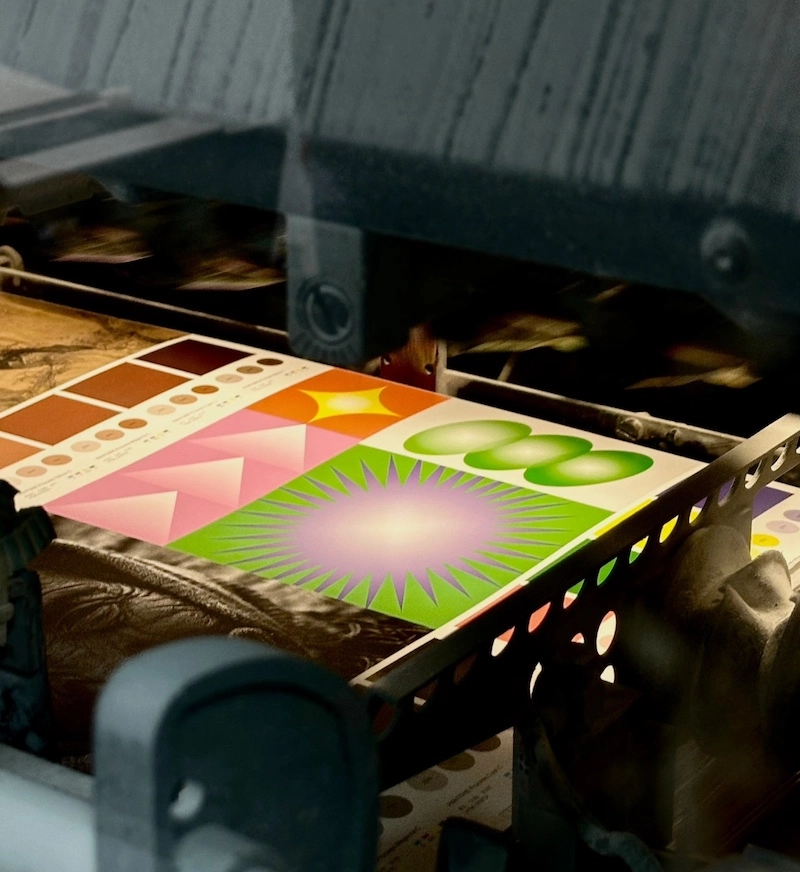
UV printing uses ultraviolet light to cure ink instantly, resulting in vibrant colors, water resistance, and high durability. It is commonly used for packaging, signage, and promotional items.
What are the different types of printing techniques?
There are various printing techniques used for different purposes, including:
Offset Printing – Ideal for high-volume commercial printing, offering sharp and high-quality images.
Digital Printing – Suitable for short-run printing with fast turnaround times.
Screen Printing – Used for printing on textiles, plastics, and other materials with thick ink layers.
Hot Stamping – Adds metallic or pigmented foil using heat and pressure for a luxurious look.
Embossing & Debossing – Creates raised or recessed designs for a textured effect.
UV Printing – Uses ultraviolet light to instantly dry ink, offering vibrant colors and enhanced durability.
OEM Services
What is OEM packaging, and how can Winpack Printing help?
OEM (Original Equipment Manufacturer) packaging refers to custom-designed packaging solutions tailored to a brand’s specifications. At Winpack Printing, we provide end-to-end OEM services, including design, proofing, printing, and production, to help you create high-quality, market-ready packaging that aligns with your brand identity.
Folding Boxes
Can I get a sample before placing a formal order?
Samples usually require a certain fee, but this fee can be partially or fully refunded after the customer confirms the order.
About Us
Do you inspect the finished products?
Yes, each step of production and finished product will be carried out inspection

Start Your Packaging Journey Today
Discover Our Curated Collection of Bespoke Packaging Cases & Tailored System Solutions
© 2025 WINPACK PRINTING. All rights reserved

Wenhua Printing packaging
winpackprinting
Winpack Printing