




Color and Finish: Pantone Spot Color vs. Four-Color Printing — How to Ensure Precise Reproduction of High-End Brand Colors
In high-end packaging, color is the essence of brand identity. Think of Tiffany blue or Hermès orange—these colors are instantly recognizable and carry immense brand value. For packaging manufacturers, reproducing these colors with absolute precision is a critical responsibility. A slight shift in hue can diminish brand perception and erode consumer trust.
This article explores the key differences between Pantone spot color printing and four-color (CMYK) process printing, the challenges of achieving accurate color reproduction on luxury packaging, and best practices for ensuring the final product matches the designer‘s vision.
- 1. Understanding the Two Printing Methods
- Four-Color Process Printing (CMYK)
- Pantone Spot Color Printing
- 2. Why High-End Brands Demand Precision
- 3. Key Factors for Accurate Color Reproduction
- Substrate Selection
- Ink Formulation
- Printing Press Calibration
- Lamination and Finishing Effects
- Environmental Factors
- 4. Best Practices for Color Precision
- Rigorous Proofing Process
- Standardized Viewing Environment
- Document Color Tolerance Agreements
- Real-Time Quality Control
- 5. Choosing Between Pantone and CMYK
- 6. Conclusion
1. Understanding the Two Printing Methods
Four-Color Process Printing (CMYK)
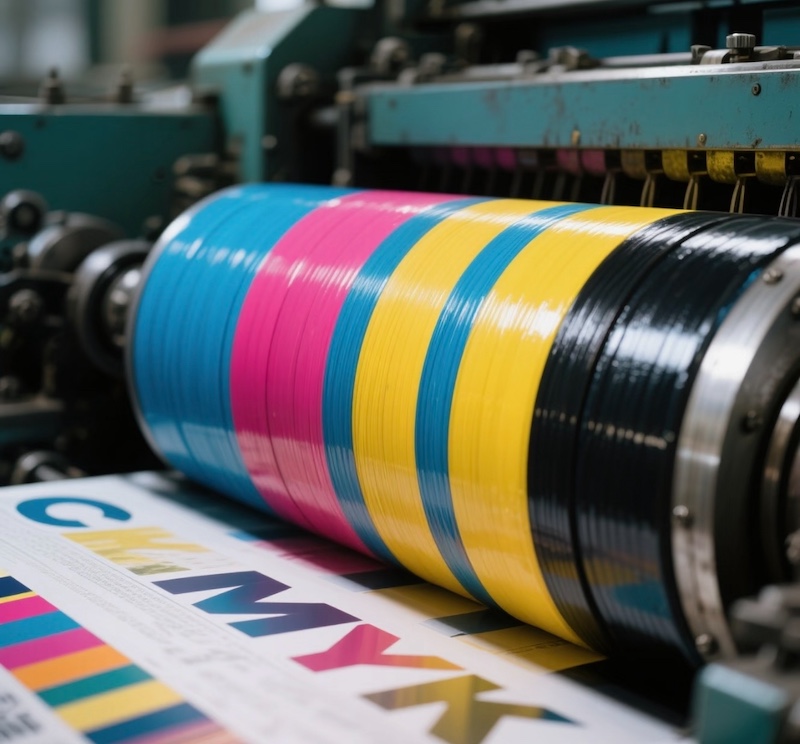
CMYK printing uses four ink colors—Cyan, Magenta, Yellow, and Black—in tiny dot patterns to create a wide range of colors. It is the standard method for magazines, brochures, and general commercial printing.
Advantages:
-
Cost-effective for designs with photographic images or complex gradients
-
Efficient for multi-color projects
Limitations:
-
Inconsistent brand colors due to halftone dot patterns and substrate variations
-
Cannot reproduce metallic, fluorescent, or certain vibrant colors that fall outside the CMYK gamut
Pantone Spot Color Printing
Pantone spot color uses pre-mixed inks formulated according to the Pantone Matching System (PMS) , a globally standardized color system. Each color has a unique code, and a single pre-mixed ink is used rather than combining four inks.
Advantages:
-
Unmatched accuracy: Standardized globally, ensuring consistency across locations
-
Consistency: Minimal variation between print runs
-
Specialty finishes: Includes metallic, fluorescent, and neon colors unavailable in CMYK
Limitations:
-
Higher cost for designs requiring many spot colors
-
Not suitable for photographic images or complex gradients
-
2. Why High-End Brands Demand Precision
For luxury brands, packaging is the first physical touchpoint with consumers. Color inconsistency is not just a manufacturing error—it is a brand violation that can lead to returns, negative reviews, and damaged reputation.
Most high-end brands maintain a Brand Identity Guidelines document specifying primary Pantone colors, acceptable CMYK equivalents, and color tolerance levels (Delta E). For manufacturers, adhering to these guidelines is non-negotiable.
3. Key Factors for Accurate Color Reproduction
Substrate Selection
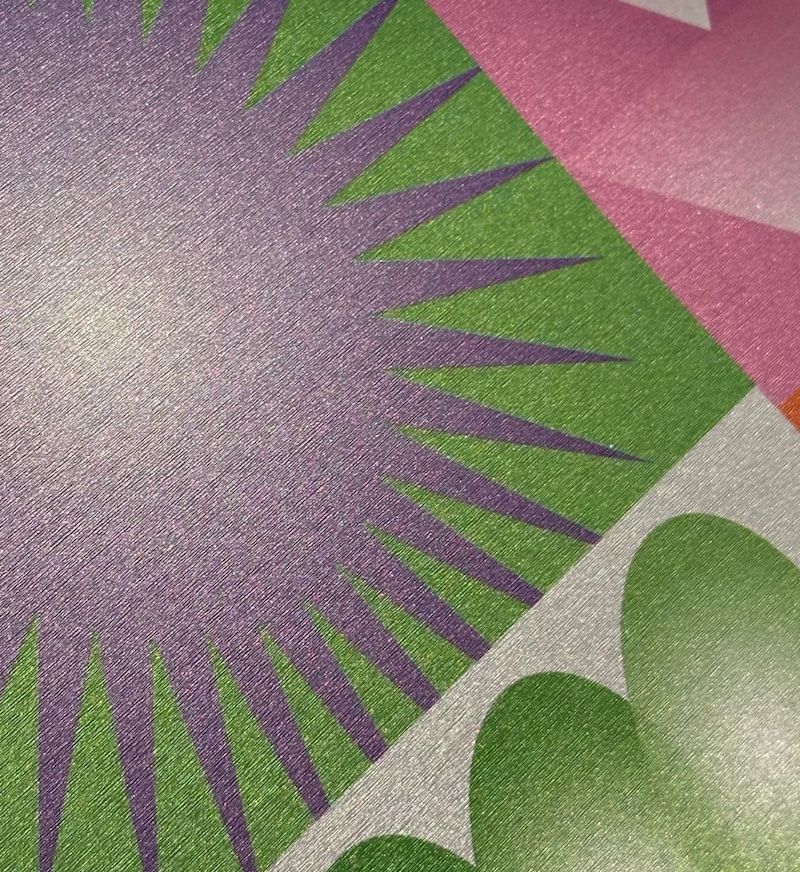
The material dramatically affects color perception. Coated papers produce vibrant, saturated colors; uncoated papers yield softer, more absorbent results. Textured surfaces scatter light differently than smooth finishes, affecting perceived color and gloss.
Ink Formulation
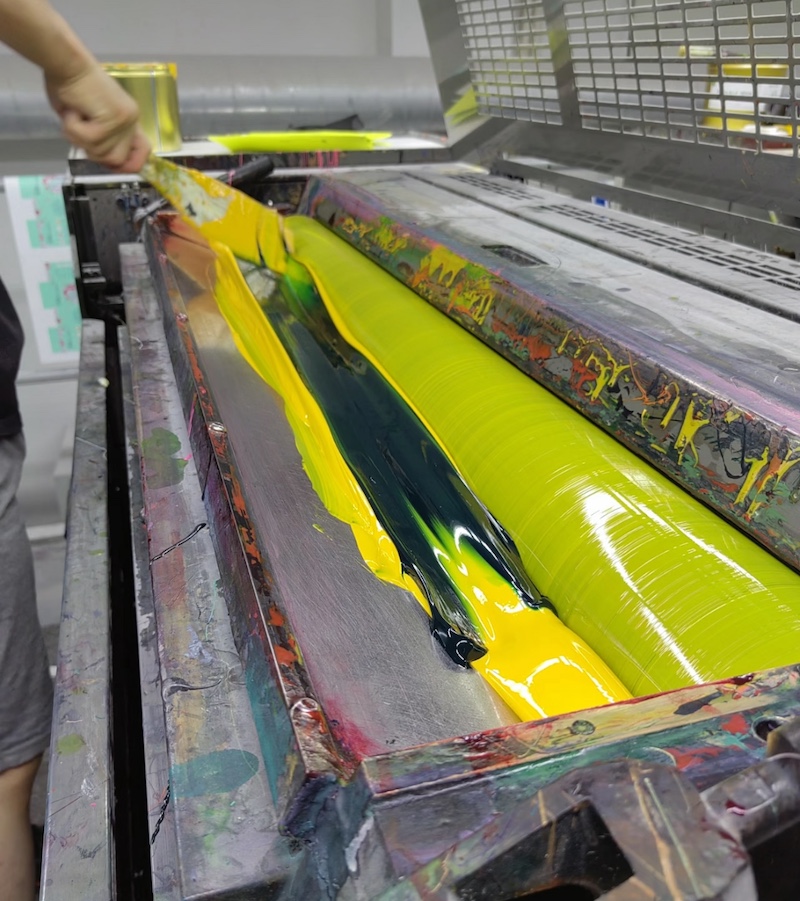
For Pantone spot colors, precise ink mixing according to PMS formulas is essential. Metallic and specialty inks contain unique particles that require special handling to ensure even distribution and proper adhesion.
Printing Press Calibration
Modern facilities use spectrophotometers to measure color values objectively (L*a*b* values and Delta E readings). Consistent press pressure and regular maintenance ensure even ink transfer and prevent banding or ghosting.
Lamination and Finishing Effects
Lamination significantly alters color appearance:
-
Matte lamination: Desaturates colors, making them appear slightly darker
-
Gloss lamination: Enhances vibrancy and contrast
-
Spot UV: Creates striking contrast between glossy and matte areas
Designers must account for these effects when selecting base colors.
Environmental Factors
Temperature and humidity affect paper behavior and ink drying. Consistent climate control in the production facility is essential for maintaining quality.
4. Best Practices for Color Precision
Rigorous Proofing Process
-
Digital proof: Useful for layout verification, not final color matching
-
Press proof (wet proof): The gold standard—uses actual press, inks, and substrate for client sign-off
-
Spectrophotometer verification: Measure Delta E difference; a Delta E below 2 is imperceptible to the human eye
Standardized Viewing Environment
Use D65 standard lighting (6500K) to simulate natural daylight for consistent color evaluation between manufacturer and client.
Document Color Tolerance Agreements
Establish written agreements specifying maximum Delta E tolerance, acknowledgment of lamination effects, and reference to press proofs as final approval.
Real-Time Quality Control
Modern printing systems continuously monitor color density and registration, alerting operators to deviations before defects occur.
5. Choosing Between Pantone and CMYK
| Factor | Pantone Spot Color | CMYK Process |
|---|---|---|
| Brand Consistency | Best for exact brand colors | Varies between runs |
| Photographic Images | Not suitable | Ideal |
| Metallic/Specialty Colors | Available | Not available |
| Cost | Economical for 1–3 colors | Economical for 4+ colors |
| Production Time | Longer for custom inks | Faster |
For luxury packaging, a hybrid approach is often ideal: use Pantone spot colors for logos (ensuring brand consistency) and CMYK for photographic elements.
6. Conclusion
Achieving precise color reproduction in high-end packaging requires technical expertise, rigorous quality control, and clear communication. By understanding the distinct roles of Pantone and CMYK, anticipating finishing effects, and committing to measurable quality standards, manufacturers can consistently deliver results that meet the exacting expectations of luxury brands.



About Printing Craftsmanship
What is embossing, and how is it different from debossing?
Embossing is a technique that creates a raised impression on a material, while debossing presses the design inward, creating a recessed effect. Both techniques add texture and sophistication to printed materials.
What are the advantages of embossing?
Enhances the visual and tactile appeal of printed products.
Creates a premium and professional look.
Improves brand recognition with distinct textures.
Increases durability as the embossed design remains intact over time.
OEM Services
Do you offer eco-friendly and sustainable packaging options?
Yes! We provide environmentally friendly packaging solutions, including recyclable, biodegradable, and FSC-certified paper materials. Let us know if you’re looking for sustainable options.
Can I customize the design, size, and material of my packaging?
Absolutely! Our OEM services allow full customization, including design, size, material, colors, printing effects, and finishing. We work closely with you to create packaging that reflects your brand’s image and market positioning.
Special Shape Boxes
Can I get a sample before placing an official order?
Yes, we provide samples to our customers. Please contact our sales team to inquire about sample availability and pricing.


Start Your Packaging Journey Today
Discover Our Curated Collection of Bespoke Packaging Cases & Tailored System Solutions
© 2025 WINPACK PRINTING. All rights reserved

Wenhua Printing packaging
winpackprinting
Winpack Printing