




How To Make Custom Boxes: A Beginner’s Guide
Well-designed product packaging can greatly influence your business's success. As well as securing your goods in transit, it can appeal to your customers and create brand loyalty.
Taking the time to conceptualise and prepare your packaging allows you to utilise your brand's full potential and save time worrying about deadlines.
As social media influencers who share unboxing videos grow in popularity, businesses should reconsider their approach to packaging to make a more memorable impression.
You cannot rush custom packaging. In this article, we will give you five tips to help you initiate the process of developing efficient and effective custom packaging.
- 1. First, Determine Your Custom Packaging Requirements
- 2. Consider How To Design
- Branding and messaging
- Colour Scheme
- Graphics And Images
- Typography
- 3. Work With A Custom Packaging Supplier
- Communicating Your Needs And Specifications:
- 4. Getting A Quotation For Your Custom Box
- 5. Complete Your Design And Production
- Approving The Final Design
- Preparing Artwork And Graphics Files
- Examining Evidence And Models
- Production And Delivery Will Then Be Completed
1. First, Determine Your Custom Packaging Requirements
When it comes to custom packaging, you need to identify your requirements before choosing the right materials.
Firstly, you need to know what you are going to package. This could be food products, electronics, clothing, or even fragile items.
Once you know what you are going to package, you can decide on the appropriate packaging material. Consider the weight, fragility and durability of the product and any environmental issues.
Packaging materials can include cardboard boxes, plastic containers and biodegradable materials.
Finally, you will need to decide on the size and shape of your packaging. This will depend on the item to be packaged and its shipping or storage needs.
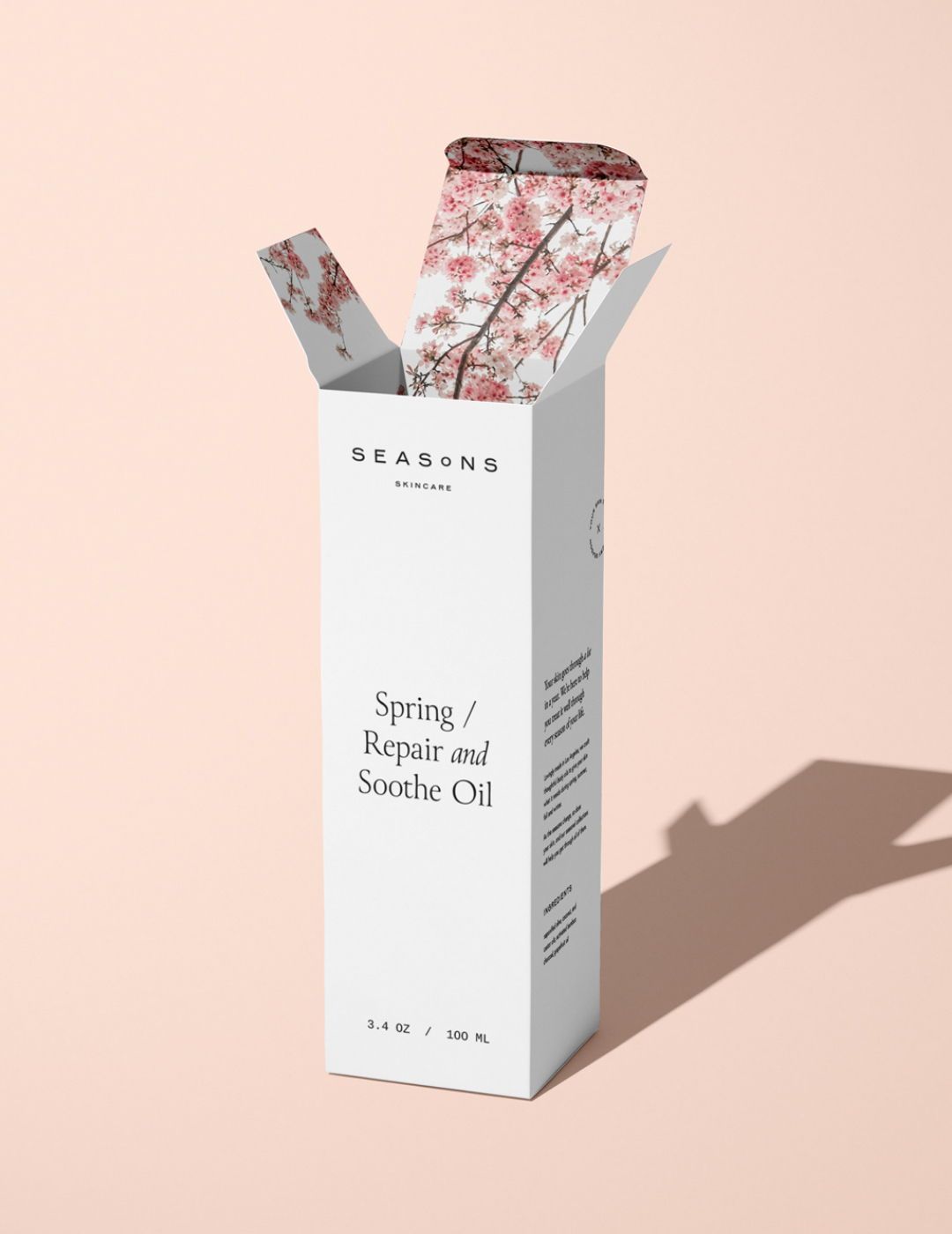
It is also worth taking the time to identify your packaging requirements correctly to ensure that your products are well protected during transit and arrive in good condition.
The following are some of the key questions you should ask yourself:
- Is a specific packaging or box style required? (Complex structures imply higher costs.)
- Are there any specific packaging rules, e.g. for food packaging?
- How much am I prepared to pay per unit?
- What is my total budget for this project?
- Is additional protection necessary for the product? An insert?
Clarify these points and the following steps will be much easier!.
2. Consider How To Design
When it comes to custom designs, numerous factors must be taken into consideration to create an attractive and compelling product presentation. The following are some design alternatives:
Branding and messaging
When it comes to branding and messaging on your packaging, make sure your design truly represents your brand and conveys your message to potential customers.
This involves including your logo, which is a graphic representation of your brand, and your brand colours, which should be uniform throughout all your marketing materials.
As well as visual components, you could also consider adding key messaging or taglines to your packaging.
These can help to convey the unique value proposition of your product and differentiate it from competitors.
For example, if your brand focuses on sustainability, you could include information about sustainable materials or certifications on your packaging.
Overall, your branding and messaging must be consistent with your brand image and convey the value of your product to prospective customers.
This will help you build a strong brand and foster customer loyalty.
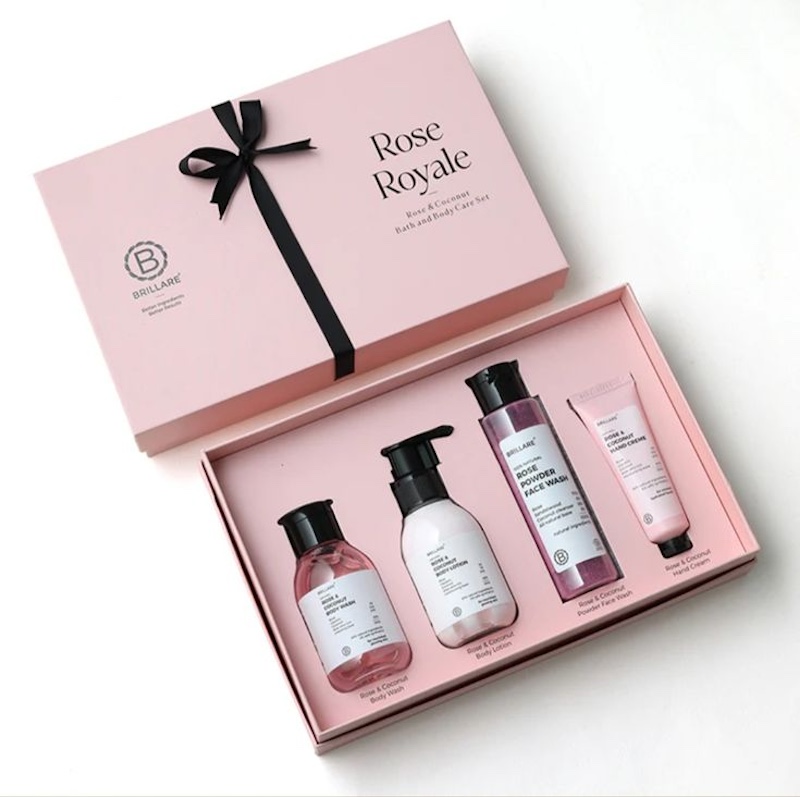
Colour Scheme
The colour scheme of your design is very important as it can affect your customers' emotional reaction and influence their buying behaviour.
Colours carry different meanings and associations, so when choosing your colour scheme, consider the psychology of colour.
For example, blue is often associated with trust and reliability, while green is associated with nature and sustainability.
Red is associated with excitement and urgency, while yellow is associated with optimism and happiness.
You should select colours that align with your brand and the message you want to deliver to customers.
When choosing your colour scheme, consider the environment in which you will sell your product.
For example, if your product is to be sold in a retail store, you might want to use colours that stand out on the shelf and catch customers' eyes.
If your product is to be sold online, you need to consider how the colours will look on a screen.
As well as considering the psychology of colour, you should also keep the general aesthetics of your design in mind.
Select colours that complement each other to create a harmonious appearance.
Choosing the right colour scheme for your packaging can make your design visually appealing and effective, and promote your brand.
Graphics And Images
Images and graphics can be used to create special packaging designs that easily convey the value of your product to prospective customers.
By including visually attractive features in your packaging, you can capture consumers' attention and communicate essential product information, including features, benefits, and purpose.
When using graphics and images in your design, consider using high-quality images that accurately reflect your product and match your branding.
You also need to consider the technical aspects of your graphics and images, such as resolution, colour quality, and file format.
High-resolution images and graphics will ensure your packaging looks professional and stands out on shop shelves.
You should also optimise your images and graphics for printing or display on a computer screen, so they look as intended and deliver the intended message to consumers.
In general, including graphics and images in your design can enhance your brand and attract the attention of potential customers.
Typography
It is an important aspect of packaging design because it influences both the legibility and the attractiveness of your product packaging. Appropriate typography can convey your branding, strengthen your product's message and create a memorable experience for consumers.
Font legibility is a crucial factor when selecting typography for your packaging. The font you choose is important because it ensures that your product's message is conveyed to your audience. Fonts that are too small or thin can be difficult to read, especially from a distance. Similarly, avoid overly decorative fonts that are hard to read and distract from the readability of your packaging as a whole.
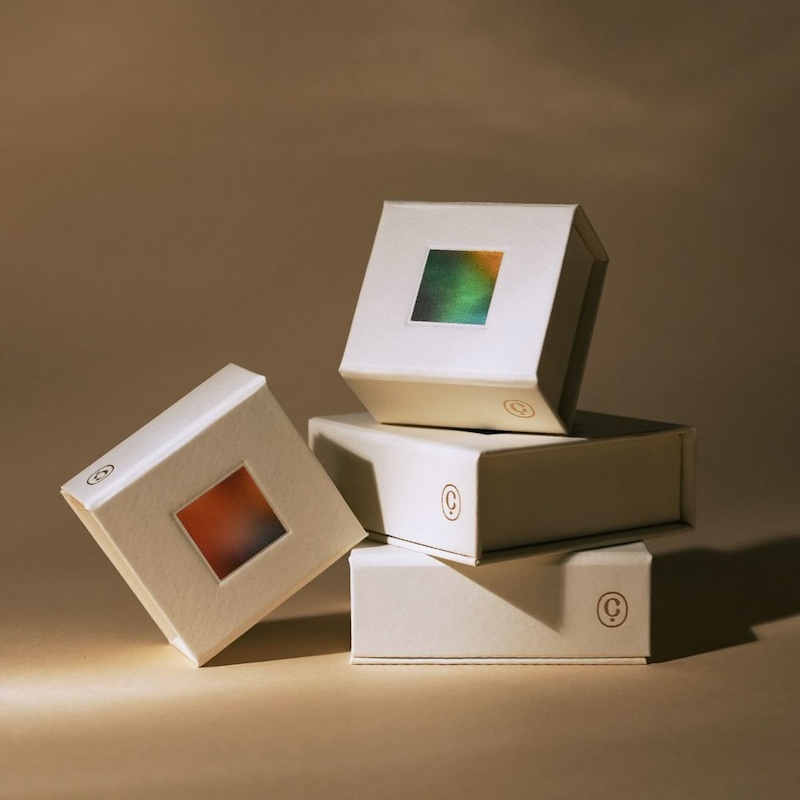
Another important consideration when choosing typography for your packaging is whether the font is suitable for your brand.
The font must reflect your brand's tone and style, giving the impression of professionalism and reliability. This is not an easy task, but keeping up to date with the latest font trends is an excellent way to find the most suitable one for your brand's personality.
For example, if your brand is luxurious, you might prefer a classy font, whereas a fun, playful brand might use a more playful font.
The typographic hierarchy is also important, especially when passing on information such as product names and descriptions.
Fonts of different sizes and weights can be used to create a visual hierarchy and draw the viewer's attention to the most important information on your packaging.
In general, choosing appropriate typography for your packaging can greatly influence your product's success in the market.
3. Work With A Custom Packaging Supplier
It is important to find the right supplier so that your product is displayed in the best possible way, while staying within your budget and timeline.
When choosing a packaging box supplier, consider factors such as their experience and reputation in the industry.
You should also take into consideration the variety of services offered by a packaging supplier.
Some suppliers specialise in certain types of packaging, such as rigid boxes or flexible pouches, while others offer a wider variety.
You may also want to ask whether the supplier offers design services or other added-value services to help you design packaging that really stands out on store shelves.
Another important factor to consider when choosing a packaging supplier is their experience in your industry or with your product.
An experienced supplier who has worked with similar products or in the same industry can provide valuable insights into the packaging requirements and regulations for your product type.
This knowledge can help you avoid expensive mistakes and ensure that your packaging meets all the required standards.
It is also important to consider the communication and responsiveness of potential packaging suppliers.
A supplier who is easy to deal with and quick to respond to requests can help keep your project on schedule.
Communicating Your Needs And Specifications:
Once you have identified a suitable packaging supplier, it is important to explain your needs and specifications.
This may involve aspects such as the type of packaging material required, the size and shape of your product, and any branding or design specifications.
The clearer your understanding of your needs, the greater the likelihood that your supplier will be able to offer a suitable packaging solution.
4. Getting A Quotation For Your Custom Box
The manufacturer will then be able to provide you with the most accurate quote once they have the dimensions of your packaging and any other necessary specifications.
You can then make any necessary adjustments depending on your budget before requesting that the manufacturer produce your product packaging in large quantities.
If you are not happy with the quote, do not worry. A trusted manufacturer will be able to recommend ways to help you achieve your goal while staying within your budget.
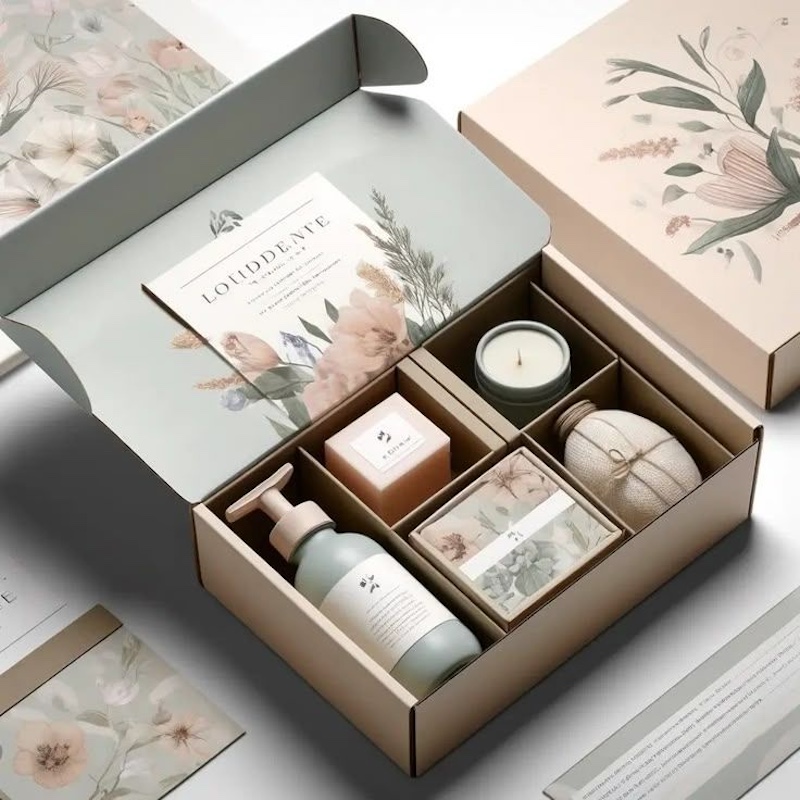
5. Complete Your Design And Production
When finalising your design and production, pay close attention to detail to ensure your packaging meets your expectations and is delivered on time.
This process involves several important stages, such as final design approval, preparing artwork and graphics files, reviewing proofs and prototypes, and final production and delivery.
Approving The Final Design
Approval of the final design is an important stage in the packaging production process. By this stage, you should have liaised with your packaging supplier to develop a design that fulfils your needs and requirements.
The design must relate to your brand name, convey your product features and benefits, and appeal to your target audience.
During the final design approval stage, a review of the entire design process should be conducted, including the packaging structure, branding, and other design features.
Ensure that the design aligns with your brand image and that the graphics and artwork are of high quality.
You may also wish to consider making the packaging practical and functional, and ensuring that it fits the size and weight of your product.
After examining the final design and making any necessary changes, you should approve the packaging supplier.
Your supplier will then prepare the artwork and graphics files to be used in the printing and production process.
It is important that you give your approval on time to prevent any delays to the production process.
Final design approval is an important part of the production process, as it marks the start of production.
Ensuring the design is approved and ready for production guarantees that your custom box will be produced to your specifications and delivered on time.
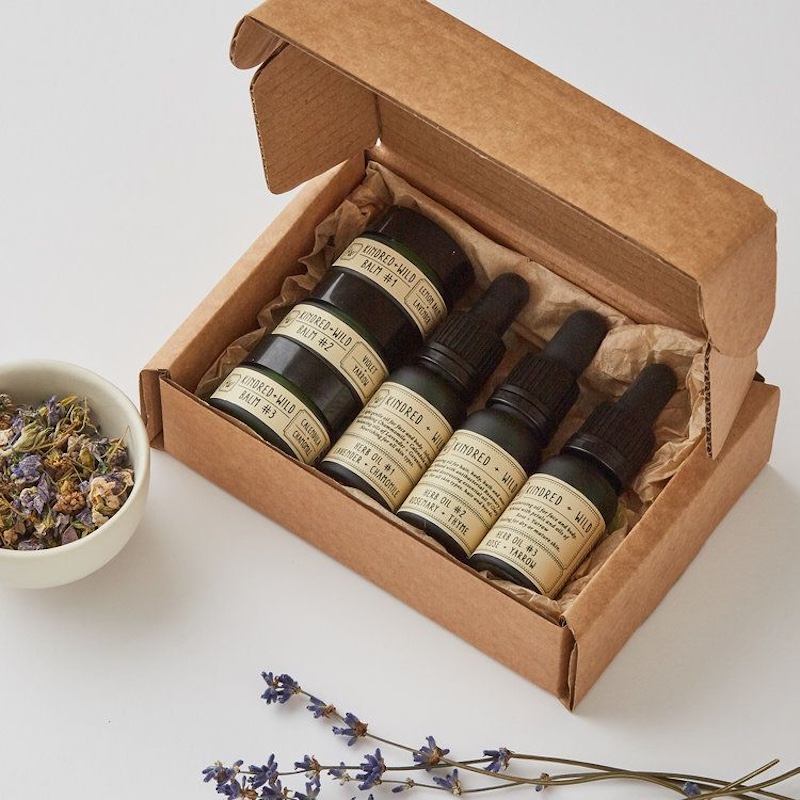
Preparing Artwork And Graphics Files
This process ensures that all design elements are formatted and ready for production.
This may involve generating or updating graphics files to make them print-ready, verifying colour accuracy, and ensuring all necessary elements are present.
The packaging supplier will work with you to ensure that all artwork and graphics files are completed properly and according to your specifications.
Examining Evidence And Models
Proofs and prototypes should be reviewed before production starts to ensure that your packaging meets your expectations.
This can include a physical inspection of your packaging and digital evidence of graphics and other design elements.
Your packaging supplier will work with you to ensure that all proofs and prototypes align with your requirements and that any necessary modifications are made before production begins.
Production And Delivery Will Then Be Completed
Once all design and production decisions have been made, it is time to proceed with production and delivery.
This involves liaising with your packaging supplier to ensure that all production and delivery schedules are met and that the end product meets your specifications.
By exercising proper control over this process and maintaining close consultation with your packaging supplier, you can ensure that your packaging meets your needs and enhances the appeal of your product.
A custom box is also crucial for attracting customers, increasing brand recognition and ensuring product security during shipping and storage.
Investing in custom packaging enables small businesses to stand out from the crowd, gain customer satisfaction and improve their overall brand image.
Identifying the right packaging supplier, explaining your needs and specifications, reviewing and approving the final design, and preparing artwork and graphics files are all crucial steps in the process.
We urge companies to begin packaging their products to make them stand out in the current saturated market.
Using the right packaging solution will enable businesses to achieve their objectives and establish sustainable relationships with their customers.
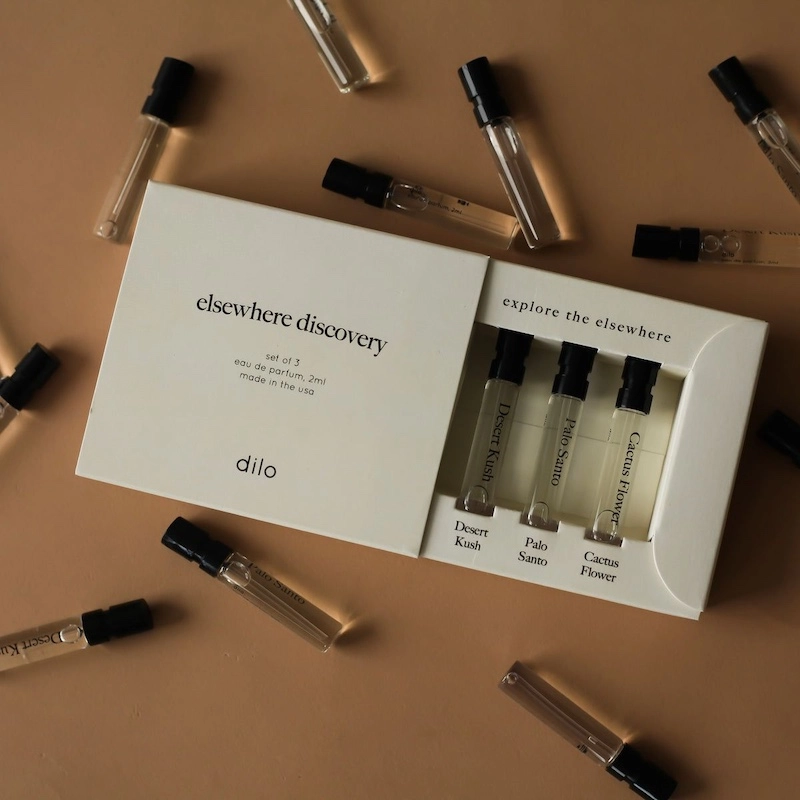
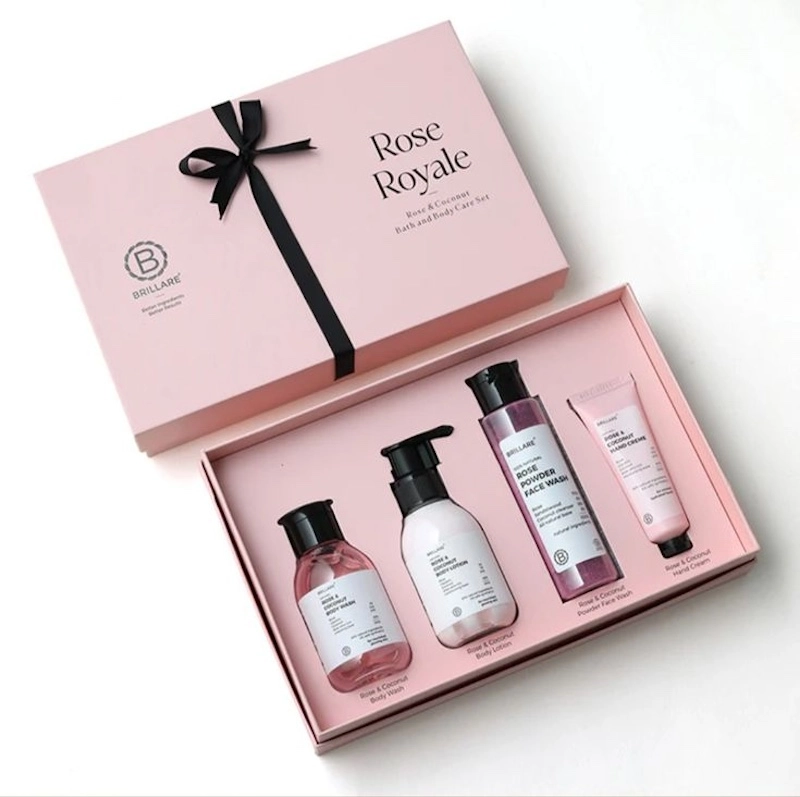
OEM Services
Can I request a sample before mass production?
Yes, we provide sample proofing before mass production to ensure that the design, materials, and quality meet your expectations. We encourage testing and approval before proceeding with full-scale manufacturing.
Can I customize the design, size, and material of my packaging?
Absolutely! Our OEM services allow full customization, including design, size, material, colors, printing effects, and finishing. We work closely with you to create packaging that reflects your brand’s image and market positioning.
What quality control measures do you have in place?
We implement strict quality control throughout our production process, including:
ISO-certified quality management systems
pressSIGN color management for consistent printing quality
ERP production tracking for precision and efficiency
Rigorous inspections at every stage of production
About Printing Craftsmanship
What is embossing, and how is it different from debossing?
Embossing is a technique that creates a raised impression on a material, while debossing presses the design inward, creating a recessed effect. Both techniques add texture and sophistication to printed materials.
Folding Boxes
I need a folding box with a special shape, can it be customized?
Yes, folding boxes can be customized with special shapes according to product requirements. Through the die-cutting process, folding boxes of different shapes and structures can be produced.

Start Your Packaging Journey Today
Discover Our Curated Collection of Bespoke Packaging Cases & Tailored System Solutions
© 2025 WINPACK PRINTING. All rights reserved

Wenhua Printing packaging
winpackprinting
Winpack Printing