




How to Safely Ship Fragile Products and Avoid Breakage
No matter which carrier you use, there is always a risk of your package being damaged, and this is unavoidable.
Boxes moving during transportation, trucks going over bumps in the road and accidental drops are all common causes of breakage.
Although you cannot eliminate these factors, careful packaging can mitigate the risk.
Even items that appear indestructible can break, so it's clear that fragile items are even more vulnerable to mishandling.
Examples of fragile items include artwork, glass, electronic equipment, antiques and mirrors.
This article will show you how to package delicate goods for shipping and reduce the risk of breakage.
- How to Pack a Box for Shipping
- Select The Appropriate Box For Shipping Delicate Products
- Consider Using Bubble Wrap And Filler
- Precarious Packing Steps And Methods
- How To Pack Delicate Items For Delivery
- Pad the inside of the box
- Label The Delicate Package Appropriately
- Carrier Options
- USPS
- UPS
- FedEx
- Establish Your Customer's Expectations
How to Pack a Box for Shipping
Select The Appropriate Box For Shipping Delicate Products
Everything, whether fragile or not, should be well packed so that it arrives at its destination intact.
It all begins with the box in which you are going to transport the item.
You may be tempted to use a bigger box so that you can pack more wrapping materials around your delicate item, but don't be deceived.
On paper, it might make sense. The more packaging material you have around your item, the more protection it has, right?
However, this is not the case.
The surplus materials that you use to fill the large empty space in your box can also move around during transport, creating an additional risk of breakage.
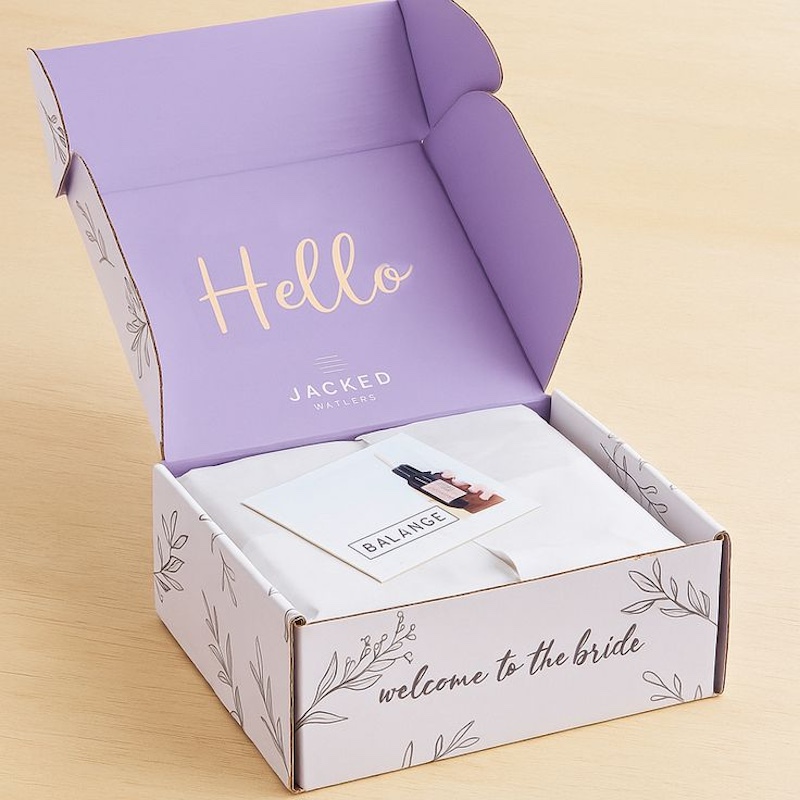
Using a bigger box than required is an unnecessary waste of time, as it is more likely to cause the filler materials to move, which can result in breakage.
To make matters worse, it will also increase shipping and handling costs due to its size!
On the other hand, a box that is too small is not ideal either.
A box that fits your item snugly will not allow for any protective wrapping or filler, leaving it exposed to rough handling.
Ideally, a box should have two inches of space on all sides of a delicate object.
This provides room for protective filler and avoids the unnecessary expense of using a larger box.
However, you must take the correct measurements to ensure your item fits perfectly in the box.
Using a ruler or measuring tape, measure the length, width and depth of your item so that you can choose the right-sized box.
Alternatively, you could use two boxes to provide additional protection, but don't forget the filler.
Consider Using Bubble Wrap And Filler
The second thing to consider when packing fragile items for shipping is what you will put in the box as an insert.
Even if you pick the right size box, there will still be about two inches of empty space to fill, and there are a number of standard options.
- Bubble wrap provides added protection by wrapping your items in a material containing numerous air bubbles.
- Packing peanuts: It won't cause any harm to add packing peanuts alongside other protective filler materials if you still have some spare space.
- Air bags/pillows: Air pillows surround your item and are also an excellent choice for filling void space.
- Crumpled packing paper can be used as filler or wrapping paper to supplement bubble wrap.
- Foam enclosures: If your item is very delicate or expensive, you can wrap it in custom-molded foam for maximum protection. However, this approach is not as scalable as the former alternatives.
Insuring your fragile items should be viewed as an investment.
If you use cheap boxes and wrapping materials, the security of your goods will be compromised.
This can result in additional losses if your products are damaged and customer satisfaction is compromised.
Precarious Packing Steps And Methods
How To Pack Delicate Items For Delivery
What is the best way to pack a box?
If you're wondering how to pack items with holes or spaces, such as wine glasses or cups, fill the holes or spaces with crumpled paper or bubble wrap.
Then wrap your object in a sheet of paper and tape it up where necessary.
Finally, place the item in one or two layers of bubble wrap and secure it with packing tape.
Tape should only be used when necessary, as excessive use will frustrate customers and have an adverse impact on their unboxing experience.
This is particularly the case with delicate products, as customers may break the item when trying to unpack something that has been overtaped.
Pad the inside of the box
Once you have properly packed your item, put it in the box and fill any remaining empty space.
The type of filler used is a matter of preference, as long as the main goal of ensuring that the item does not move within the box is met. Your wrapping should already adequately cover the delicate object.
Place the wrapped product in the box and fill the four sides and the top with additional packing material.
The package should be able to close without bulging or swinging in different directions, and the contents should not change position.
Once you are satisfied with the appearance and feel of your package, secure the lid tightly with packing tape and proceed to the next stage.
Label The Delicate Package Appropriately
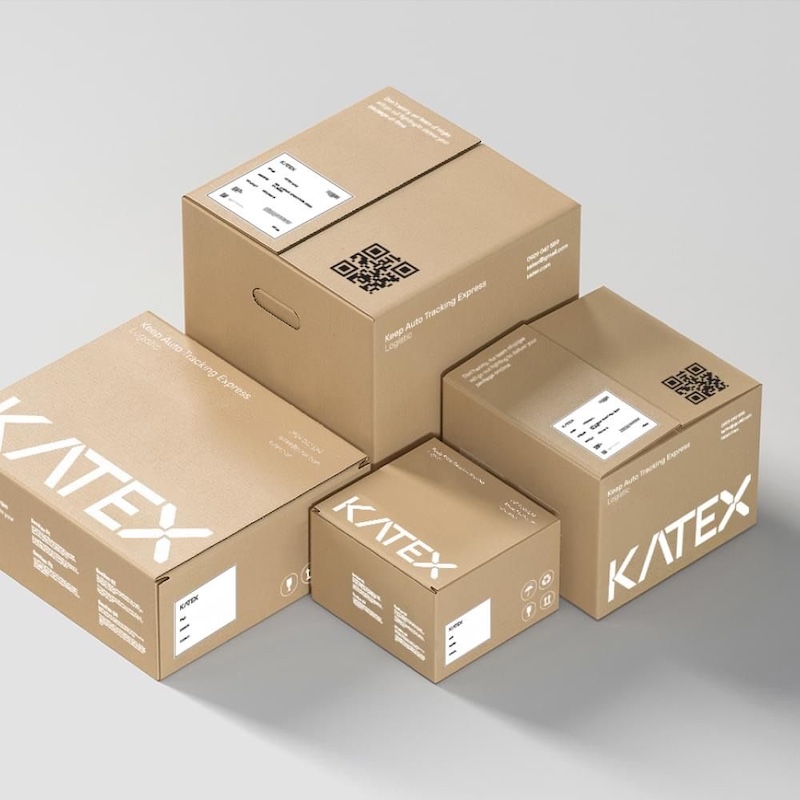
Even if you are sure that you have packed your item well, do not forget to properly label the outside of your package.
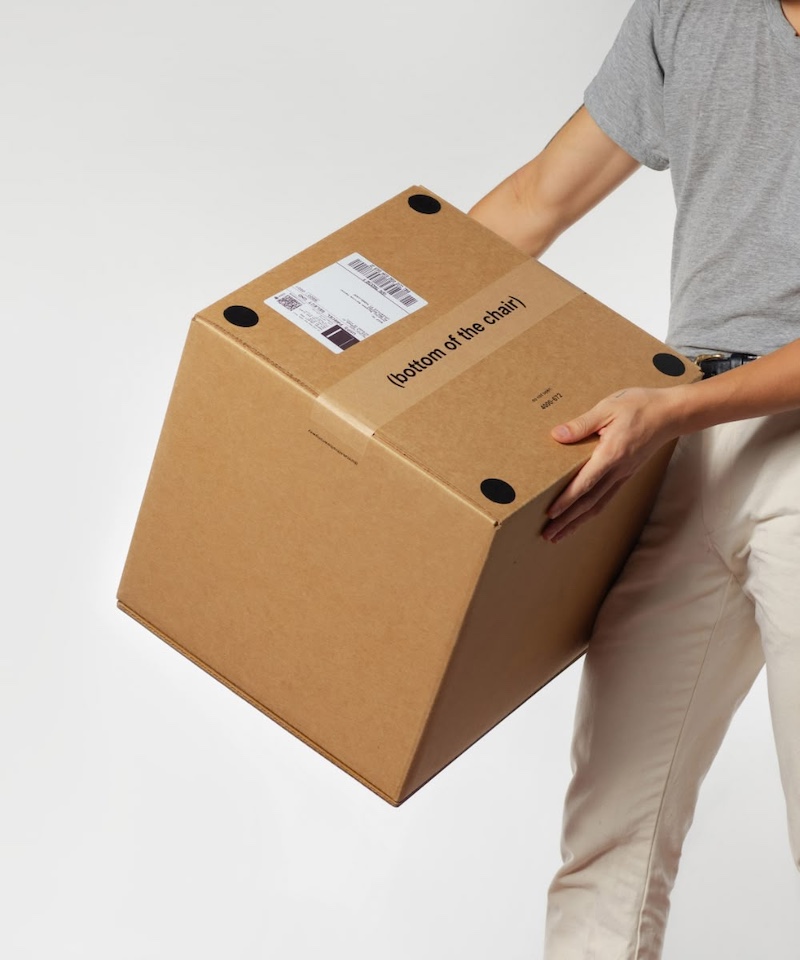
Adding 'Handle With Care' or 'Fragile' to your label will give you an added advantage, as carriers will be aware that the package is fragile.
Clearly marked fragile labels on your packaging also come in handy if you need to make a claim against your shipping company in the event of damage. Label your fragile packages well!
Carrier Options
No matter which company you decide to purchase shipping through, you should always consider taking out shipping insurance to have added security in case your item is broken.
Shipping insurance compensates the sender in the event of package loss, theft or damage during transit; hence, additional protection is required for delicate goods.
Now that you have packed your package and arranged shipping insurance, which shipping company should you choose?
To find out, you need to know where you want to ship your item, the rates of each carrier, and the tracking features they offer.
USPS
USPS used to offer a Special Handling-Fragile service, whereby fragile packages were given priority and special treatment for an additional fee.
However, the company now promotes shipping insurance alongside correct packaging and labelling procedures to reduce the risk of damage to fragile goods.
UPS
With UPS, you can visit your local store and have your fragile items packaged.
UPS provides packaging services for people who lack experience or are unsure about how to pack their delicate products.
With this service, you purchase the wrapping materials from your local UPS store. As long as this is done, the carrier guarantees that your package will arrive at its destination undamaged.
However, if something happens to your package in transit, UPS will compensate you for the value of the item, the retail price you paid for packaging materials and services, and the shipping cost.
This service greatly reduces the stress and anxiety of transporting a delicate product.
FedEx
Similar to UPS, FedEx provides packaging and shipping services for items packed and delivered through FedEx.
The amount that can be reimbursed for lost or damaged goods is limited to $100 unless a higher amount is claimed and a special fee is paid.
For items worth more than 100 dollars, delicate goods or goods whose value is hard to determine, the maximum reimbursement limit is 1,000 dollars.
Establish Your Customer's Expectations
Once you have handed your package over to your chosen carrier, it is their responsibility to ensure that it is delivered safely to its destination.
They deal with lots of packages every day and are experts in transporting them.
Using clear and robust labels will help these professionals to handle your delicate package correctly.
However, as stated above, accidents and unforeseen events do occur, and shipping insurance can help to recover costs in such cases.
There is always a risk of human error or interference.
Our final piece of advice is to establish a proper communication channel with your customers, manage their expectations and minimise negative emotions in the event that your package is damaged.
Let your customers know that the product you are sending is delicate. Convince them that you have taken all necessary steps to ensure that the parcel has been carefully packed and labelled.
Provide them with a tracking number so they can keep track of their package.
Consider informing your customers that they can seek a refund or replacement if the item arrives damaged.
Once again, shipping insurance allows you to reduce the cost of covering unexpected situations.
However, by following the steps in this article, you will be in the best position to reduce the risk of shipping fragile items and ensure your package is delivered intact.
In short, wrap your delicate products.
Consider the most appropriate box size and ensure you use enough bubble wrap. Fill the box with packaging material to prevent movement.
Label your box to warn carriers that it contains fragile items and provide handling instructions.
Compare shipping companies and find the best one, then purchase shipping insurance!
While it is impossible to eliminate the risk of damage to fragile items during transit, hopefully this article has provided you with some useful tips on how to reduce it.





Special Shape Boxes
Can I get a sample before placing an official order?
Yes, we provide samples to our customers. Please contact our sales team to inquire about sample availability and pricing.
Rigid Drawer Box
How long does it usually take from design confirmation to delivery?
The lead time is usually 15-25 days, depending on the production of the order
OEM Services
What types of packaging products do you offer?
We specialize in a wide range of packaging solutions, including:
Custom labels and stickers
Paper bags and gift boxes
Beauty and cosmetic boxes
Food and beverage packaging
Pharmaceutical and healthcare packaging
Jewelry, electronics, and toy packaging
Luxury and high-end packaging solutions
If you have specific requirements, we can customize products to fit your needs.
What is the minimum order quantity (MOQ) for OEM orders?
Our MOQ varies depending on the type of packaging and material used. We offer flexible MOQ options to accommodate both small businesses and large-scale manufacturers. Contact us for a tailored quote based on your needs.
About Printing Craftsmanship
What is screen printing used for?
Screen printing is ideal for printing on a variety of surfaces, including:
Fabric (t-shirts, tote bags)
Plastic (bottles, packaging)
Paper (posters, packaging)
Metal and glass (signs, promotional products)



Start Your Packaging Journey Today
Discover Our Curated Collection of Bespoke Packaging Cases & Tailored System Solutions
© 2025 WINPACK PRINTING. All rights reserved

Wenhua Printing packaging
winpackprinting
Winpack Printing