




Seamless Wrapping Technology: How to Eliminate Bubbling and Sharp Edges on Rigid Boxes
In the world of high-end packaging—whether for luxury cosmetics, premium spirits, jewelry, or exclusive gift sets—the rigid box (often called a "hardcover box" or "setup box") is the ultimate expression of quality. Unlike folding cartons, rigid boxes are constructed from thick, dense paperboard (typically 2–3mm) and are wrapped with decorative paper or fabric. This construction gives them a substantial, premium feel that instantly communicates value.
However, with this premium construction comes a significant manufacturing challenge: seamless wrapping. The quality of the wrapping process directly determines whether a box feels luxurious or cheap. Two of the most common—and most damaging—defects in rigid box production are bubbling (air pockets trapped beneath the wrapping material) and sharp edges (rough, uncomfortable corners that can scratch the user's hand).
For packaging manufacturers serving international luxury brands, these defects are unacceptable. A single box with a bubble or a sharp edge can lead to customer returns, damage brand reputation, and result in costly rework. This article explores the technical principles behind seamless wrapping technology, the root causes of bubbling and sharp edges, and the best practices for achieving flawless results.
- 1. What Is Seamless Wrapping Technology?
- The Anatomy of a Rigid Box
- 2. Understanding the Two Most Common Defects
- Bubbling
- Sharp Edges
- 3. Root Causes of Bubbling and Sharp Edges
- Material Incompatibility
- Adhesive Issues
- Folding and Corner Formation
- Environmental Factors
- 4. Best Practices for Achieving Seamless Wrapping
- 1. Material Selection and Preparation
- 2. Adhesive Optimization
- 3. Folding and Corner Processing
- 4. Environmental Control
- 5. Quality Control and Inspection
- 5. Advanced Techniques for Flawless Results
- Pre-Lamination of Wrapping Paper
- Die-Cut Wrapping Paper
- Vacuum-Assisted Wrapping
- Edge Painting
- Conclusion
1. What Is Seamless Wrapping Technology?
Seamless wrapping refers to the process of adhering a decorative layer—typically specialty paper, art paper, or fabric—onto a rigid board core (the "board") to create the outer surface of a rigid box. The term "seamless" emphasizes that the wrapped surface should appear smooth, uniform, and free from visible imperfections.
The Anatomy of a Rigid Box
A typical rigid box consists of three main components:
-
The Board: A thick, dense paperboard (often greyboard or chipboard) that provides structure and rigidity.
-
The Wrapping Paper: A decorative sheet that covers the exterior surfaces of the board.
-
The Adhesive: A bonding agent that attaches the wrapping paper to the board.
The wrapping process involves cutting the wrapping paper to precise dimensions, applying adhesive evenly, positioning the board, and folding the paper over the edges to cover the sides. The corners—where the paper wraps around the edges—are the most critical areas, as they are most prone to defects.

2. Understanding the Two Most Common Defects
Bubbling
Bubbling occurs when air pockets form between the wrapping paper and the board. These appear as raised, uneven areas on the surface of the box. Bubbles can range from tiny pinholes to large, visible blisters.
Why Bubbling Is Critical:
-
Aesthetic Damage: Bubbles disrupt the smooth, flawless surface that luxury packaging requires.
-
Structural Weakness: Bubbles indicate incomplete adhesion, which can lead to peeling or delamination over time.
-
Brand Perception: A bubbled surface signals poor craftsmanship and undermines the premium positioning of the product inside.
Sharp Edges
Sharp edges refer to rough, protruding corners or edges on the wrapped box. These occur when the wrapping paper is not folded cleanly, leaving excess material that creates a sharp, sometimes scratchy finish.
Why Sharp Edges Are Critical:
-
User Experience: A luxury box should feel pleasant to hold. Sharp edges can scratch hands or damage other surfaces.
-
Safety Concerns: In some cases, sharp edges can cause minor cuts or discomfort.
-
Visual Inconsistency: Sharp edges disrupt the clean, geometric lines that define high-end packaging design.
3. Root Causes of Bubbling and Sharp Edges
To eliminate these defects, manufacturers must first understand their root causes. Both bubbling and sharp edges typically stem from issues in four key areas: materials, adhesive application, folding technique, and environmental conditions.
Material Incompatibility
The choice of wrapping paper and board significantly affects the wrapping outcome.
-
Paper Thickness: Wrapping paper that is too thick or too stiff resists folding, increasing the likelihood of sharp edges. Conversely, paper that is too thin may tear or wrinkle during the wrapping process.
-
Board Density: Low-density or uneven boards may absorb adhesive unevenly, creating air pockets.
-
Paper Grain Direction: Wrapping paper has a grain direction (the direction in which fibers align). Folding against the grain increases resistance and can cause cracking or rough edges.
Adhesive Issues
The adhesive is the bond between the wrapping paper and the board. Improper adhesive selection or application is a primary cause of bubbling.
-
Inconsistent Adhesive Coverage: If adhesive is applied unevenly, areas with insufficient adhesive will fail to bond, creating bubbles. Areas with excess adhesive may ooze out, creating sticky residues or stains.
-
Incorrect Adhesive Type: Different papers and boards require different adhesives. Using an adhesive that dries too quickly can cause bubbling before the paper is properly positioned. Adhesives that remain tacky for too long can allow paper to shift during curing.
-
Viscosity Issues: Adhesive that is too thick may not spread evenly; adhesive that is too thin may soak into the paper, causing staining or warping.
Folding and Corner Formation
The folding process—particularly at the corners—is where craftsmanship truly matters.
-
Insufficient Scoring: Wrapping paper must be scored (pre-creased) along the fold lines before wrapping. Without proper scoring, the paper will resist folding, leading to sharp edges or tearing.
-
Inconsistent Pressure: The pressure applied during folding must be consistent. Too much pressure can crush the board or create sharp, compressed edges. Too little pressure results in loose folds that appear untidy.
-
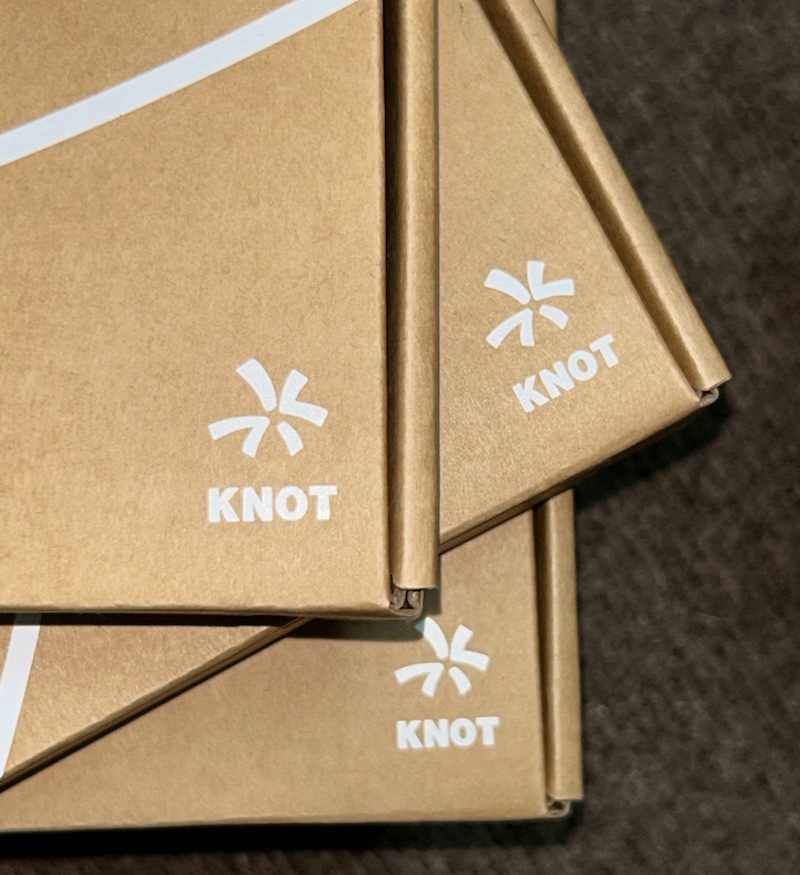
Corner Overlap: If the paper overlaps excessively at the corners, the folded layers become too thick, creating bulky, sharp edges. If the overlap is insufficient, gaps appear, exposing the board beneath.
Environmental Factors
Temperature and humidity play a significant role in the wrapping process.
-
High Humidity: Paper absorbs moisture from the air, causing it to expand. When humid paper is wrapped onto a board, it may later contract as it dries, creating bubbles or warping.
-
Low Humidity: Dry paper becomes brittle and more prone to cracking during folding, leading to sharp edges.
-
Temperature Fluctuations: Adhesive performance is temperature-sensitive. Cold adhesive may not flow properly; hot adhesive may set too quickly.
-
4. Best Practices for Achieving Seamless Wrapping
Eliminating bubbling and sharp edges requires a systematic approach that addresses materials, equipment, processes, and quality control.
1. Material Selection and Preparation
-
Choose Compatible Materials: Select wrapping paper and board combinations that have been tested for compatibility. For high-end applications, consider using paper specifically designed for rigid box wrapping.
-
Pre-Condition Materials: Allow wrapping paper and board to acclimate to the production environment for 24–48 hours before use. This stabilizes moisture content and minimizes expansion or contraction after wrapping.
-
Score Precisely: Use precision die-cutting or scoring equipment to create clean, accurate fold lines. Ensure scores are deep enough to allow clean folding but not so deep that they weaken the paper.
2. Adhesive Optimization
-
Use Automated Adhesive Application: Manual adhesive application is prone to inconsistency. Automated systems with precision rollers or spray nozzles ensure uniform coverage.
-
Select the Right Adhesive: Work with adhesive suppliers to select formulations optimized for your specific materials. Common options include water-based adhesives (for breathability) and hot-melt adhesives (for fast setting).
-
Monitor Adhesive Temperature and Viscosity: Regularly check adhesive properties during production to ensure consistency.
3. Folding and Corner Processing
-
Implement Semi-Automated or Automated Wrapping Equipment: For high-volume production, automated box wrapping machines apply consistent pressure and folding patterns that reduce variability. For manual or semi-automated processes, provide detailed work instructions and training.
-
Master Corner Folding: The corners should be folded in a specific sequence (typically sides first, then ends) with precisely measured overlaps. Excess paper should be trimmed or tucked to avoid bulk.
-
Use Corner Polishing Tools: After folding, use hand tools or machine attachments to press and smooth the corners, eliminating sharp edges and ensuring a clean finish.
4. Environmental Control
-
Maintain Climate-Controlled Production Areas: Keep temperature and humidity within specified ranges (typically 20–25°C and 40–60% relative humidity) to stabilize materials and adhesives.
-
Allow Curing Time: After wrapping, allow boxes to cure in a controlled environment before stacking or shipping. This ensures adhesives fully set and materials stabilize.
5. Quality Control and Inspection
-
Visual Inspection Under Proper Lighting: Inspect each box under consistent lighting conditions (D65 standard lighting is ideal) to identify bubbles, sharp edges, and other surface defects.
-
Tactile Inspection: Run fingers along edges and corners to detect sharpness or roughness.
-
Use Measurement Tools: For critical applications, use thickness gauges to measure corner bulk and ensure uniformity.
-
5. Advanced Techniques for Flawless Results
For manufacturers aiming to produce truly exceptional rigid boxes, several advanced techniques can elevate quality beyond standard practices.
Pre-Lamination of Wrapping Paper
Applying a thin film lamination to wrapping paper before wrapping provides several benefits:
-
Adds structural stability, reducing tearing during folding
-
Protects the printed surface from scuffing and fingerprints
-
Creates a smoother surface that resists bubbling
Die-Cut Wrapping Paper
Rather than manually cutting and folding paper, die-cut wrapping paper with pre-formed corners can be used. These precisely shaped blanks fold with minimal resistance, virtually eliminating sharp edges.
Vacuum-Assisted Wrapping
Some advanced wrapping systems use vacuum pressure to draw the wrapping paper tightly onto the board before adhesive sets, ensuring complete contact and eliminating air pockets.
Edge Painting
For boxes where sharp edges remain a concern despite best efforts, edge painting (applying color-matched ink to the cut edges of the board) can create a finished appearance while softening the tactile feel of the edges.
Conclusion
Seamless wrapping technology is the cornerstone of high-quality rigid box manufacturing. Bubbling and sharp edges are not merely cosmetic issues—they are indicators of process instability that can compromise brand perception and customer satisfaction.
By understanding the root causes of these defects—from material incompatibility and adhesive issues to folding techniques and environmental factors—manufacturers can implement systematic solutions. Best practices such as precise scoring, automated adhesive application, climate-controlled environments, and rigorous quality control ensure consistent, flawless results.
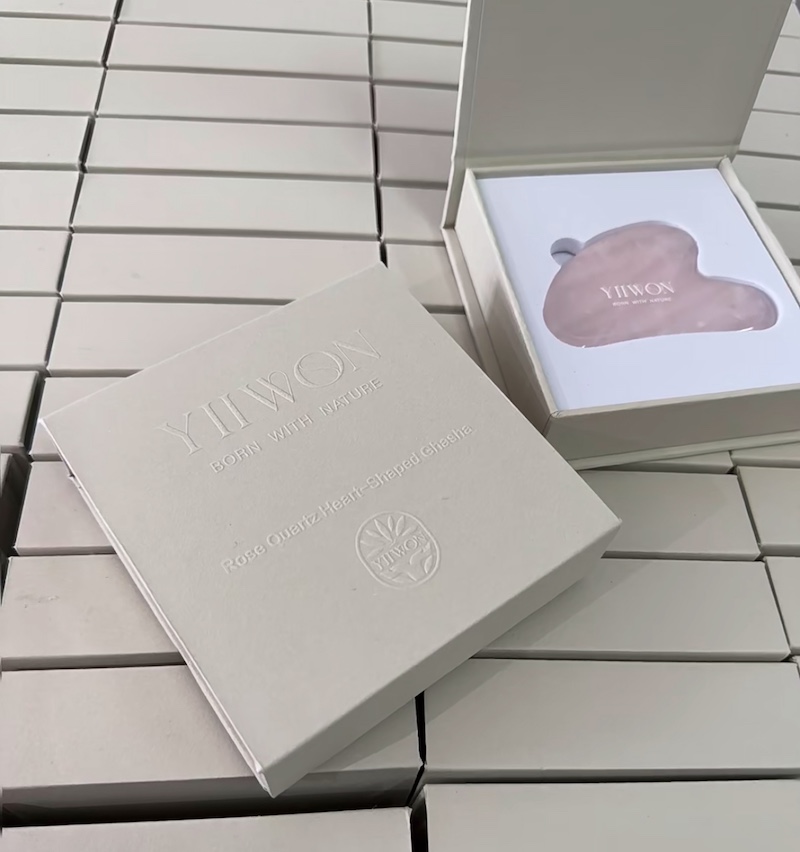
For packaging factories serving luxury brands, mastering seamless wrapping is a competitive advantage. It demonstrates the attention to detail and craftsmanship that premium clients demand. When a customer holds a rigid box with a smooth, bubble-free surface and soft, rounded corners, the message is clear: this is a product of exceptional quality.



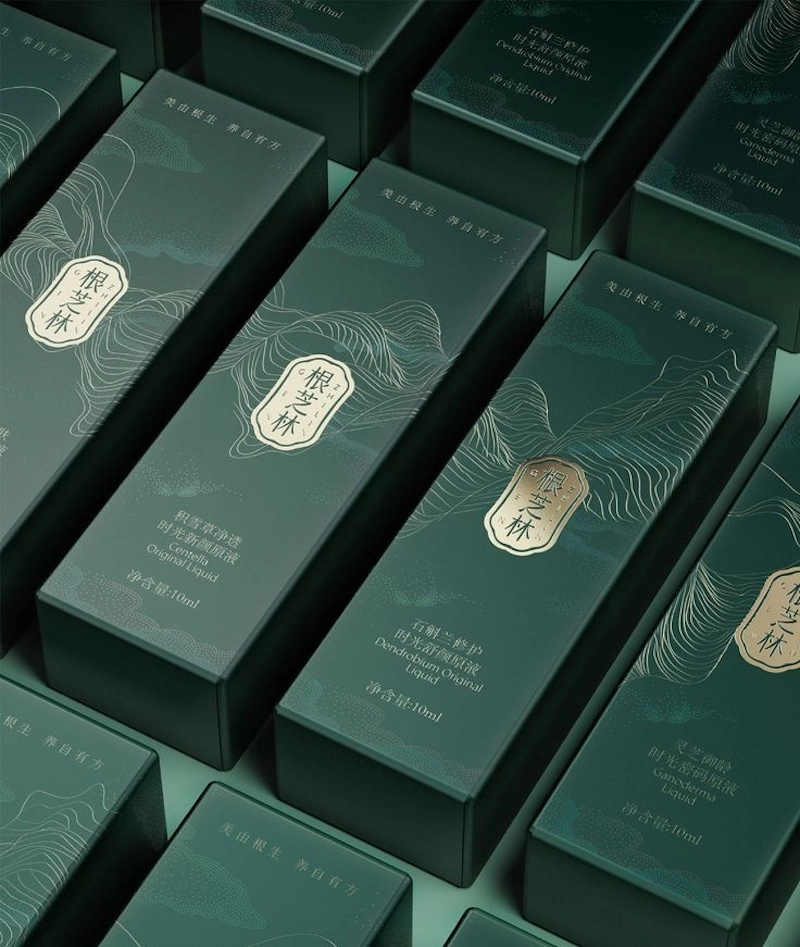
Rigid Lift-off Box
Can I print on the inside of the box?
Yes, you can print any effect you want on the inside.
Rigid Magetic Boxes
How long does it usually take from design confirmation to delivery?
The lead time is usually 15-25 days, depending on the production of the order
What are the wholesale pricing options for bulk orders?
We offer competitive wholesale prices for bulk orders. Please contact our sales team for more details
About Us
How long does shipping take?
Air freight options range from 7-21 days, while ocean freight options range from 26-71 days. If you need some units expedited earlier, consider splitting your shipment between air and ocean!
OEM Services
What quality control measures do you have in place?
We implement strict quality control throughout our production process, including:
ISO-certified quality management systems
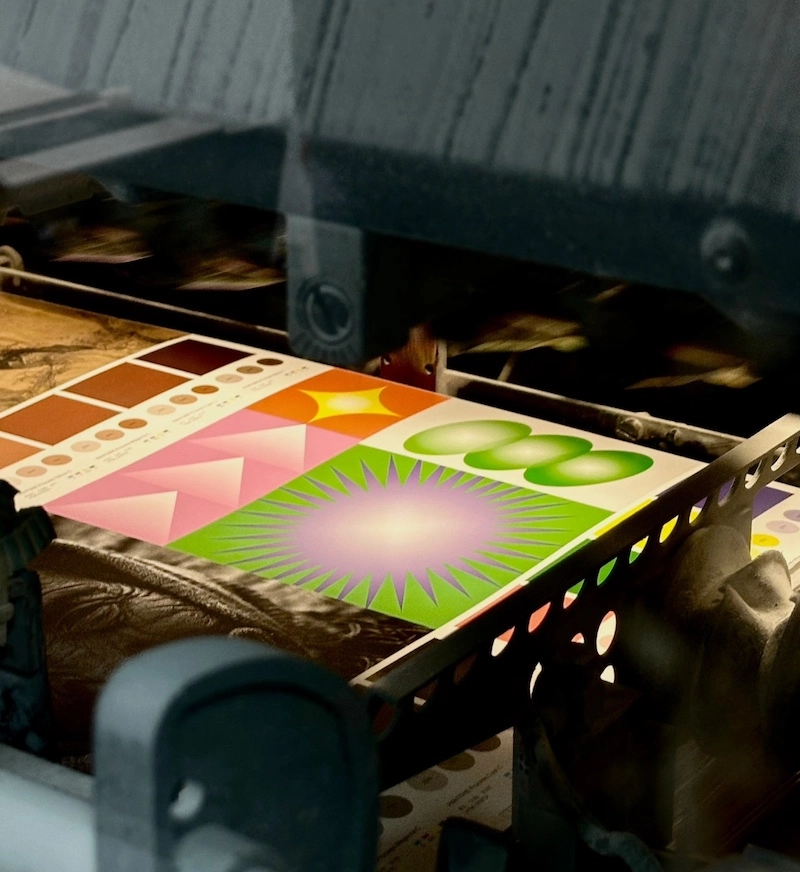
pressSIGN color management for consistent printing quality
ERP production tracking for precision and efficiency
Rigorous inspections at every stage of production


Start Your Packaging Journey Today
Discover Our Curated Collection of Bespoke Packaging Cases & Tailored System Solutions
© 2025 WINPACK PRINTING. All rights reserved

Wenhua Printing packaging
winpackprinting
Winpack Printing