




Custom Box Prototyping: From Idea to Sample
- Practical Prototyping Steps to Turn an Idea into a Tangible Custom Box
- Understanding Why Prototyping Matters for Your Custom Box
- Common Prototyping Methods for Custom Box Development
- How to choose: fidelity vs. speed vs. cost
- Key Technical Steps: From Dielines to Tooling for Your Custom Box
- Materials & Finishes: Matching Look, Function, and Sustainability for a Custom Box
- Cost Drivers and Typical Timelines for a Custom Box Prototype
- Testing, Validation, and Compliance for Your Custom Box
- Working Effectively with a Manufacturer on Your Custom Box Prototype
- How Winpack Accelerates Custom Box Prototyping and Production
- Comparison Table: Prototype Purpose vs. Recommended Winpack Service
- Practical Checklist for Approving a Custom Box Sample
- FAQ — Custom Box Prototyping
- 1. How long does it take to get a custom box prototype?
- 2. What are the typical costs for prototyping a custom box?
- 3. Can prototyping help reduce manufacturing defects?
- 4. What file formats should I provide to my box manufacturer?
- 5. How many prototype iterations are usually needed?
- 6. Does Winpack offer short-run production after prototype approval?
- Contact & Next Steps
- References
Practical Prototyping Steps to Turn an Idea into a Tangible Custom Box
Creating a successful custom box requires more than a great idea — it demands a structured prototyping process that balances design intent, material choices, manufacturability, cost, and sustainability. This guide walks product teams, brand managers, and packaging buyers through each stage of custom box prototyping, explains the most common methods, presents decision criteria, and highlights how to collaborate with a manufacturer to move from concept to a validated sample ready for production.
Understanding Why Prototyping Matters for Your Custom Box
Prototyping is the practical bridge between design and mass production. A well-executed prototype will:
- Validate fit, function, and structural integrity for the product it will house.
- Reveal production constraints early (print registration, fold lines, glue areas).
- Allow realistic evaluation of materials, finishes, and consumer experience (unboxing).
- Reduce expensive revisions in tooling or mass-run set-ups.
Skipping detailed prototyping increases the risk of product damage, excessive waste, or a final box that doesn't meet brand or regulatory requirements.
Common Prototyping Methods for Custom Box Development
Choosing a method depends on the prototype’s purpose: visual mock-up, functional test, or pre-production sample. The table below summarizes typical options used by experienced packaging teams.
| Method | When to Use | Fidelity | Typical Lead Time | Pros / Cons |
|---|---|---|---|---|
| Digital mockup (3D render) | Early visual approval, stakeholder buy-in | Low–Medium (visual) | 1–3 days | Fast, low cost, but not tactile—can hide functional issues |
| Laser-cut/form sample | Validate dieline, fit, and folds without tooling | Medium–High (structural) | 2–7 days | Good for quick iterations; suitable for short runs, limited print finishes |
| Soft-proof printed sample | Color approval before final print plates | Medium (visual color accuracy varies) | 2–5 days | Inexpensive color checks; can differ from final press output |
| Press-proof / short-run production | Final look and functional trial before mass production | High | 5–14 days | Most accurate; costlier but reveals press and finishing issues |
| Handcrafted prototype | Unique structural concepts, special shapes | High (custom feel) | 3–10 days | Highly flexible; time-intensive for multiple iterations |
How to choose: fidelity vs. speed vs. cost
Start with a digital mockup to lock the concept, then progress to a laser-cut/form sample to test assembly and fit. Use a press-proof or short-run press sample when color precision and finishing (varnish, foil, emboss) are critical. For special shapes and high-end presentation boxes, handcrafted samples show true consumer experience before committing to tooling.
Key Technical Steps: From Dielines to Tooling for Your Custom Box
A controlled prototyping process typically follows these technical steps:
- Define pack requirements: product dimensions, protection, display needs, and regulatory labeling.
- Create dielines and structural drawings (AI/PDF). Ensure clear fold and glue line definitions.
- Generate 3D mockups or CAD models for spatial validation.
- Select substrate (kraft, SBS, CCNB, folding carton, rigid board) and finishes (coating, varnish, lamination, foil).
- Produce physical prototype(s): laser-cut sample, digital print mock, or short-run press.
- Conduct tests: fit/fixture, drop and compression (as required), humidity/aging if product sensitive.
- Iterate until the sample meets fit, aesthetics, and manufacturability criteria; then finalize tooling and pre-production run.
Materials & Finishes: Matching Look, Function, and Sustainability for a Custom Box
Material choice impacts protection, print quality, and cost. Typical substrates:
- SBS (Coated Folding Boxboard) — high-quality printing for cosmetics and luxury goods.
- CCNB (Clay Coated Newsback) — cost-effective with good print surface.
- Kraft — natural look, good for food or eco-focused brands.
- Rigid board — High Quality feel for gift and rigid boxes.
Finishes (soft-touch lamination, gloss AQ varnish, UV coating, hot-stamp foil, embossing) should be prototyped because each finish can change color perception and tactile response. Include recyclability and end-of-life considerations early; many brands now require recyclable or recycled-content boards to meet sustainability commitments.
Cost Drivers and Typical Timelines for a Custom Box Prototype
Primary cost drivers:
- Complexity of structure and need for custom tooling.
- Number of iterations and sample quantity.
- High-value finishes (foil, embossing, soft-touch lamination).
- Small-batch versus digital/short-run printing.
Typical timeline from concept to validated sample: 1–3 weeks for most commercial custom boxes. More complex, luxury, or specialty designs (multi-component rigid boxes with inserts and decorative finishes) can take 4–8 weeks including multiple iterations and tooling adjustments.
Testing, Validation, and Compliance for Your Custom Box
Before approving a sample for mass production, validate the box against:
- Dimensional fit to product, including any inserts.
- Protection tests: compression, vibration, and drop tests if shipping-sensitive.
- Regulatory labeling requirements (materials, ingredient listings, safety marks).
- Consumer experience: unboxing ease, brand cues, and outer appearance.
Many manufacturers can perform basic ISTA (International Safe Transit Association) protocols or advise on third-party testing for specific distribution chains.
Working Effectively with a Manufacturer on Your Custom Box Prototype
To speed approvals and reduce iteration cycles, follow these best practices when partnering with a box manufacturer:
- Share product samples and a clear brief: target market, run quantity, budget, and must-have finishes.
- Provide dielines in standard formats (PDF/AI with crop marks and bleed) and a CAD file if available.
- Ask for a prototyping plan and expected milestones (digital mockup → laser sample → press proof → pre-production run).
- Request high-resolution photographs and assembly video of each prototype iteration for distributed stakeholder review.
- Agree on tolerances and acceptance criteria before the final sample approval to prevent disputes later.
How Winpack Accelerates Custom Box Prototyping and Production
In 2016, Guangdong Winpack Printing Technology Development Co., Ltd. was officially established as a professional paper box printing manufacturer specializing in designing, proofing, printing, and producing a wide range of packaging and printed materials. Winpack offers end-to-end services including customized production of stickers, labels, paper bags, gift boxes, beauty boxes, pizza boxes, books, brochures, flyers, and more.
Why partner with Winpack for prototyping and production of your custom box:
- Industry focus: Winpack serves cosmetics, food, healthcare, pharmaceuticals, and electronics — sectors that demand tight quality control and regulatory knowledge.
- Manufacturing scale and technology: A 15,000-square-meter factory equipped with advanced plate-making systems and top-tier machines such as Heidelberg presses, high-speed paper cutters, Komori Lithrone GL-40A-class equipment, and anti-counterfeiting inkjet printers ensures high-fidelity proofs and efficient short runs.
- Comprehensive capability: From laser-cut prototypes and digital proofing to press-proofs and short-run production, Winpack handles every step of prototype validation and scaling to mass production.
- Product range: custom gable boxes, custom gift boxes, custom display boxes, custom rigid boxes, custom folding boxes, custom paper tube boxes, custom window boxes, custom special-shape boxes, custom pillow boxes, custom take out boxes — enabling cross-category learnings and proven templates for faster prototyping.
- Vision and credibility: Winpack’s stated vision is to become the world's leading custom paper box packaging manufacturer, backed by modern equipment and multi-industry experience.
Visit Winpack at https://www.winpackprinting.com/ to review capabilities and request a prototyping quote. Their integrated proofing and production workflow is designed to reduce revisions and accelerate time-to-market for new custom box designs.
Comparison Table: Prototype Purpose vs. Recommended Winpack Service
| Prototype Goal | Recommended Service | Winpack Capability |
|---|---|---|
| Color and print appearance | Press-proof / digital proof | Heidelberg presses + advanced plate making for accurate color matching |
| Structural fit and assembly | Laser-cut / hand-assembled samples | In-house sample shop for one-off prototypes and special shapes |
| High-end finish & tactile testing | Short-run production with finishes | Foil stamping, embossing, soft-touch lamination, anti-counterfeiting inkjet |
| Regulatory packaging for food/ pharma | Material spec and compliance review + validated sample | Experience with healthcare and food industry requirements |
Practical Checklist for Approving a Custom Box Sample
Before signing off, confirm:
- Dimensions and product fit (including inserts).
- Print color and finish match brand standards under consistent lighting.
- Mechanical integrity (creases, glue holds, no cracking on folds).
- Labeling/regulatory text and barcodes are legible and correctly placed.
- Shelf/display appearance and pack stacking behavior are acceptable.
- Environmental claims (recycled content, recyclable) are backed by documentation.
FAQ — Custom Box Prototyping
1. How long does it take to get a custom box prototype?
Typical turnaround ranges from a few days for a digital mockup or laser-cut sample to 1–3 weeks for press-proofs or short-run samples. Complex luxury or insert-based designs can take 4–8 weeks.
2. What are the typical costs for prototyping a custom box?
Costs vary by fidelity and complexity. Digital mockups are inexpensive, laser-cut samples are moderate, and press-proofs/short runs are higher due to materials and set-up. High-end finishes and tooling for unique shapes increase costs further. Ask your manufacturer for an itemized prototyping quote.
3. Can prototyping help reduce manufacturing defects?
Yes. Prototyping reveals fit, material, and production issues before tooling and mass production, minimizing costly errors and rework.
4. What file formats should I provide to my box manufacturer?
Provide dielines and artwork in vector formats (AI, PDF) with clear bleeds and crop marks. CAD or STEP files help for complex 3D designs; include a PDF with assembly notes and dieline dimensions.
5. How many prototype iterations are usually needed?
Most projects require 2–4 iterations: concept mockup, structural sample, print/proof sample, then a final pre-production sample. The exact number depends on complexity and how clearly requirements are defined at the start.
6. Does Winpack offer short-run production after prototype approval?
Yes. Winpack provides short-run production and full-scale manufacturing across multiple box types, enabling seamless transition from sample to mass production.
Contact & Next Steps
If you are ready to move from concept to sample, contact a packaging specialist early. For proven prototyping and manufacturing capacity, request a quote or consultation at Winpack: https://www.winpackprinting.com/. Whether you need custom gable boxes, custom gift boxes, custom display boxes, or specialty shaped packaging, a collaborative prototyping plan will save time and cost while ensuring your final custom box meets both brand and functional requirements.
References
- Winpack Printing — Company website and capabilities: https://www.winpackprinting.com/ (accessed 2025-11-22)
- Heidelberg — Company overview and press technology: https://www.heidelberg.com/ (accessed 2025-11-22)
- Komori — Lithrone press family and product pages: https://komori.com/ (accessed 2025-11-22)
- U.S. EPA — Facts and figures about materials, waste and recycling (packaging & paper): https://www.epa.gov/facts-and-figures-about-materials-waste-and-recycling/packaging-and-paper-2020 (accessed 2025-11-22)
- Packaging Europe — Industry insights and articles on prototyping and packaging innovation: https://packagingeurope.com/ (accessed 2025-11-22)
Why choose Winpack as your christmas gift box supplier
Custom Cosmetic Boxes for E-commerce: Protection & Branding
Food Labeling Compliance for Custom Packaging
Best custom wraping paper manufacturers and supplier brands
OEM Services
What is OEM packaging, and how can Winpack Printing help?
OEM (Original Equipment Manufacturer) packaging refers to custom-designed packaging solutions tailored to a brand’s specifications. At Winpack Printing, we provide end-to-end OEM services, including design, proofing, printing, and production, to help you create high-quality, market-ready packaging that aligns with your brand identity.
Rigid Magetic Boxes
Can I order a sample of my packaging box?
Yes, we strongly recommend that you do so, we provide a variety of sample types to meet different usage situations and help you guarantee the best results!
Can I print on the inside of the box?
Yes, you can print any effect you want on the inside.
About Printing Craftsmanship
What is embossing, and how is it different from debossing?
Embossing is a technique that creates a raised impression on a material, while debossing presses the design inward, creating a recessed effect. Both techniques add texture and sophistication to printed materials.
About Us
Can you do the design for us?
Yes. We can offer free design the artwork according to your requirement.
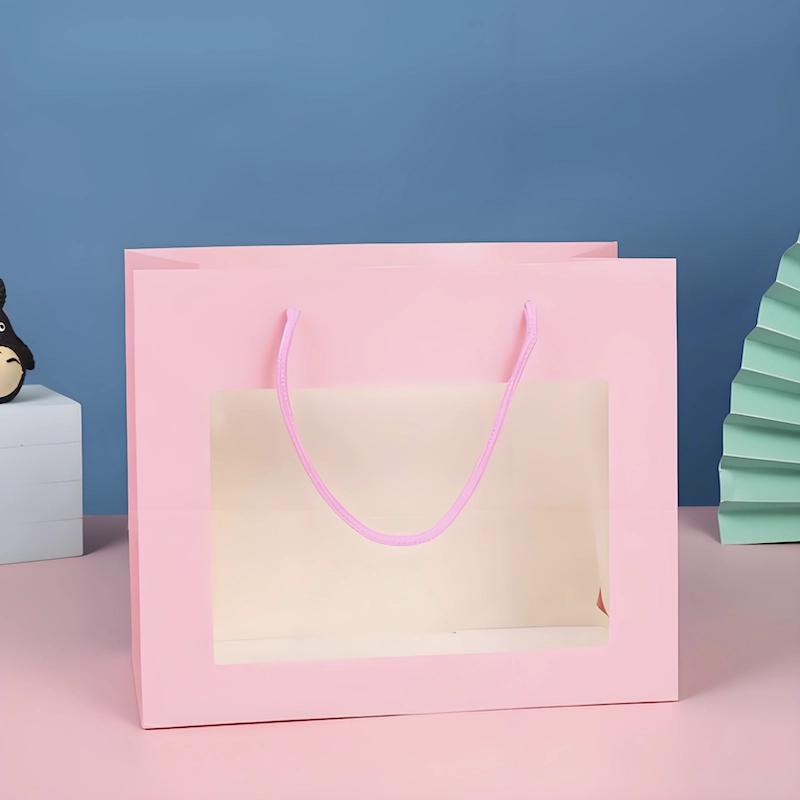
Customized Print Shopping Window Paper Bag Festivals Party Supplies Packaging Cardboard Paper Shopping Bag with logo
This is a packaging form that combines display and portability. Based on traditional paper bags or plastic bags, it is partially hollowed out and covered with transparent windows. Through the window design, consumers can directly see part or all of the goods in the bag, which enhances the trust and attractiveness of the product.
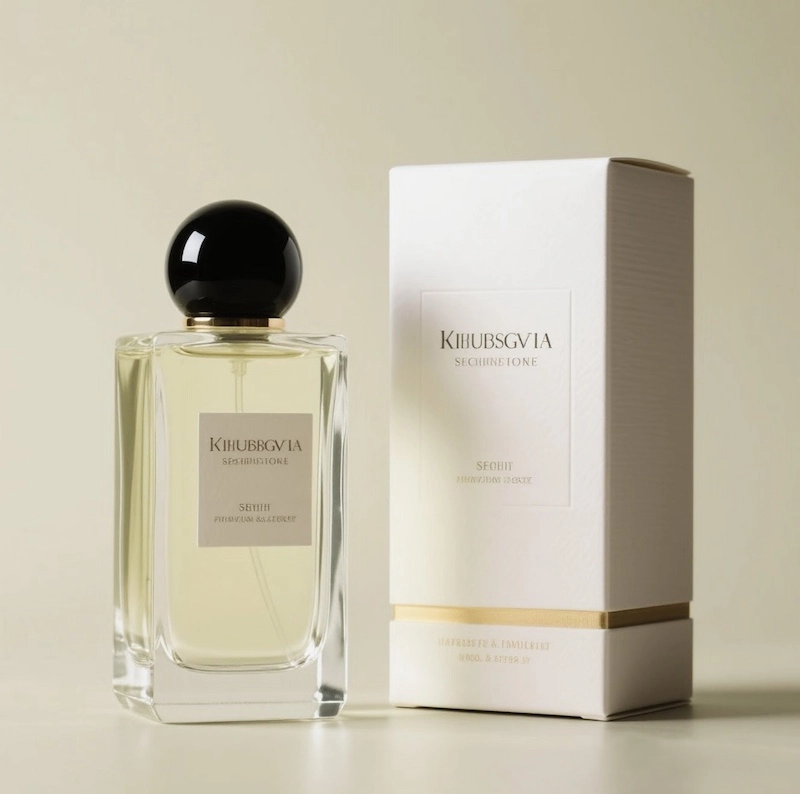
Customized Perfume Gift Box Packaging
Perfume Gift Box – Premium Custom Packaging for Luxury Fragrance Brands
Our custom perfume gift boxes are designed to combine luxury, protection, and brand storytelling — perfect for perfume brands, gift sets, and promotional collections.
Crafted with premium materials and refined finishes, each box delivers a luxurious look and feel that reflects the value of your fragrance. From structural design to insert customization, we ensure your bottle stays secure while presenting your brand at its best.
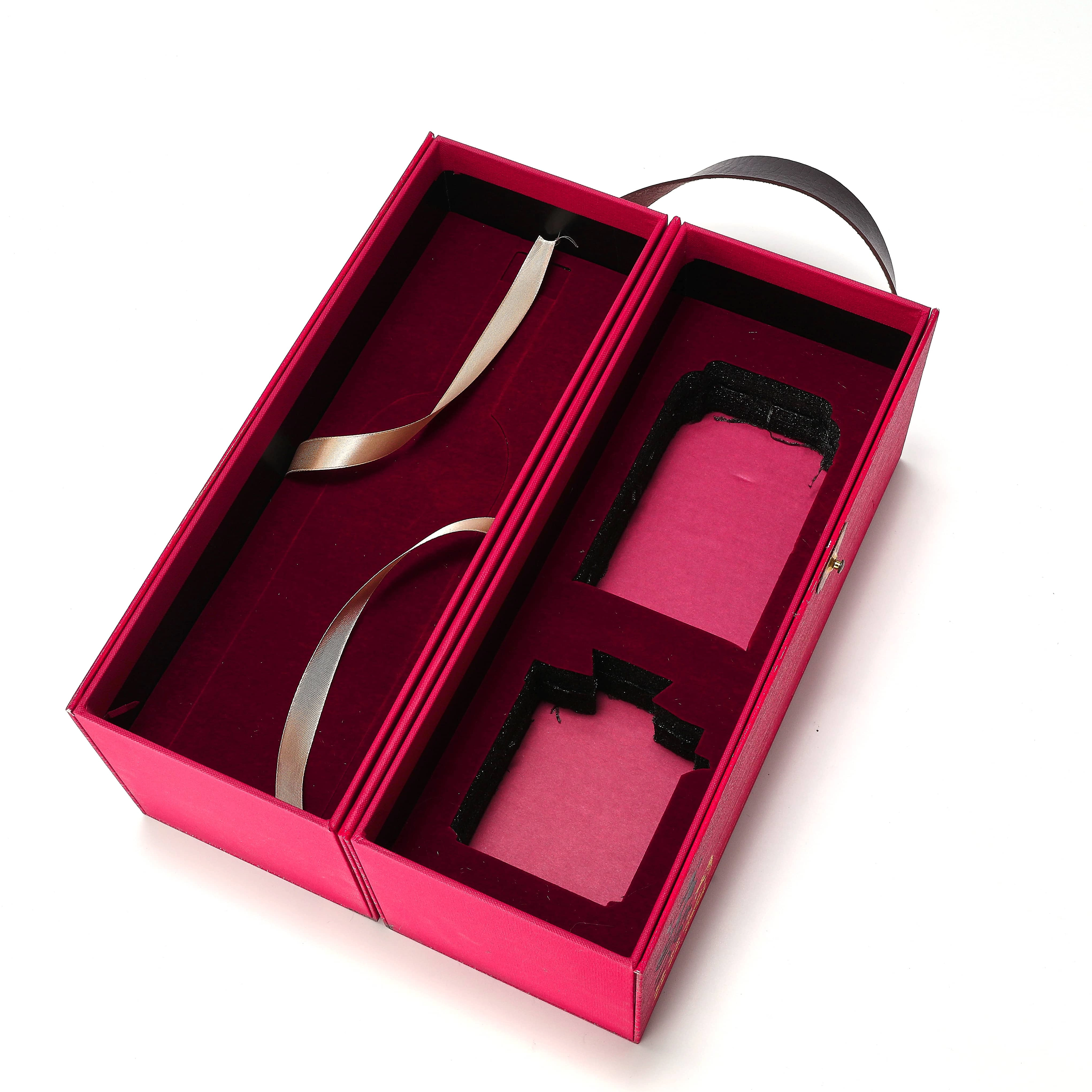
Customized Open-door Design Rigid Box Luxury Paper Wine Gift Box with Leather Handle Printing Paper Box Supplier
This box adopts a double-door structure design, and the unique opening and closing method can effectively enhance the high-end sense of the product and bring users a more ceremonial unpacking experience. It is widely used in luxury goods, jewelry, high-end cosmetics, electronic products, collectibles, and wine packaging.

Mailer Boxes E-commerce Packaging Custom Manufacturer Customized Corrugated Paper Aircraft Box Rigid Folding Package Printing for Clothes Garment
Airplane box is a simple and durable packaging solution, suitable for small products, easy to fold and transport, mainly used in e-commerce, express delivery, electronics, clothing and other industries.
© 2025 WINPACK PRINTING. All rights reserved

Wenhua Printing packaging
winpackprinting
Winpack Printing