




Are Eco-Friendly Food Paper Boxes Cost-Effective for Large-Scale Food Packaging? | Winpack Guide
Are Eco-Friendly Food Paper Boxes Cost-Effective for Large-Scale Food Packaging?
For professionals in the custom boxes packaging industry, evaluating the economic value of eco-friendly food paper boxes for large-scale food operations is crucial. This article uncovers how sustainable choices impact costs, efficiency, and long-term brand value, addressing the pressing need for responsible, cost-effective solutions.
Benefits of Eco-Friendly Food Paper Boxes
- Sustainability:
- Made from renewable, biodegradable materials, reducing landfill waste
- Enhanced by certifications (FSC, PEFC) ensuring responsible sourcing
- Aligns with global initiatives—UN Environment Programme (2023) cites packaging as a top sustainability priority
- Brand Value & Consumer Demand:
- Approximately 67% of consumers prefer sustainable packaging ((https://www.mckinsey.com))
- Boosts brand reputation and consumer trust
- Potential for increased sales and customer retention
- Compliance:
- Helps meet regulations and bans on plastics in many regions (e.g., EU SUP Directive, US state laws)
Cost Factors for Large-Scale Food Packaging
Direct Packaging Costs
- Initial Unit Price:
- Eco-friendly paper boxes may have a 15-25% higher up-front cost versus conventional packaging ((https://www.smithers.com))
- Economies of Scale:
- Bulk production reduces unit costs over time
- Custom designs can be optimized to lower material usage without sacrificing performance
Logistics and Operations
- Weight and Storage:
- Paper boxes are lighter than many alternatives, reducing shipping expenses
- Stackable and space-efficient, lowering storage costs in distribution centers
- Automation Compatibility:
- Compatible with modern high-speed filling and sealing machinery
- Consistent material specifications ensure smooth processing
Long-Term Economic Considerations
- Waste Management Savings:
- Lower disposal costs due to compostability and recyclability
- Potential reductions in municipal waste surcharges and landfill taxes
- Total Cost of Ownership:
- Life-cycle analysis shows overall savings by minimizing environmental penalties and unlocking incentive programs
- Potential eligibility for tax credits and cost-sharing in some jurisdictions
Potential Drawbacks
- Supply Reliability:
- Sourcing specialized sustainable materials can involve longer lead times
- Not all designs are suitable for high-moisture or high-fat foods without additional barriers
- Cost-Benefit Balance:
- For extremely tight margin operations, initial cost remains a challenge
- However, long-term gains—including customer loyalty offset—can surpass initial cash outlay
Industry Data & References
- According to (https://www.smithers.com), the global sustainable packaging market is projected to grow by 5.7% annually through 2027.
- (https://www.flexpack.org) highlights that 83% of brands plan to increase use of sustainable packaging within three years.
- Cited studies , reinforce strong consumer and regulatory trends.
Key Takeaways
- Eco-friendly food paper boxes are increasingly cost-effective at large scale, thanks to falling material costs, consumer preference, and regulatory support.
- Long-term savings and brand benefits often outweigh the initial High Quality in purchasing.
- Partnering with a reliable, innovative supplier ensures cost efficiencies and material quality.
Leverage sustainable packaging to strengthen Winpack and bottom line with Winpack’s expert solutions.
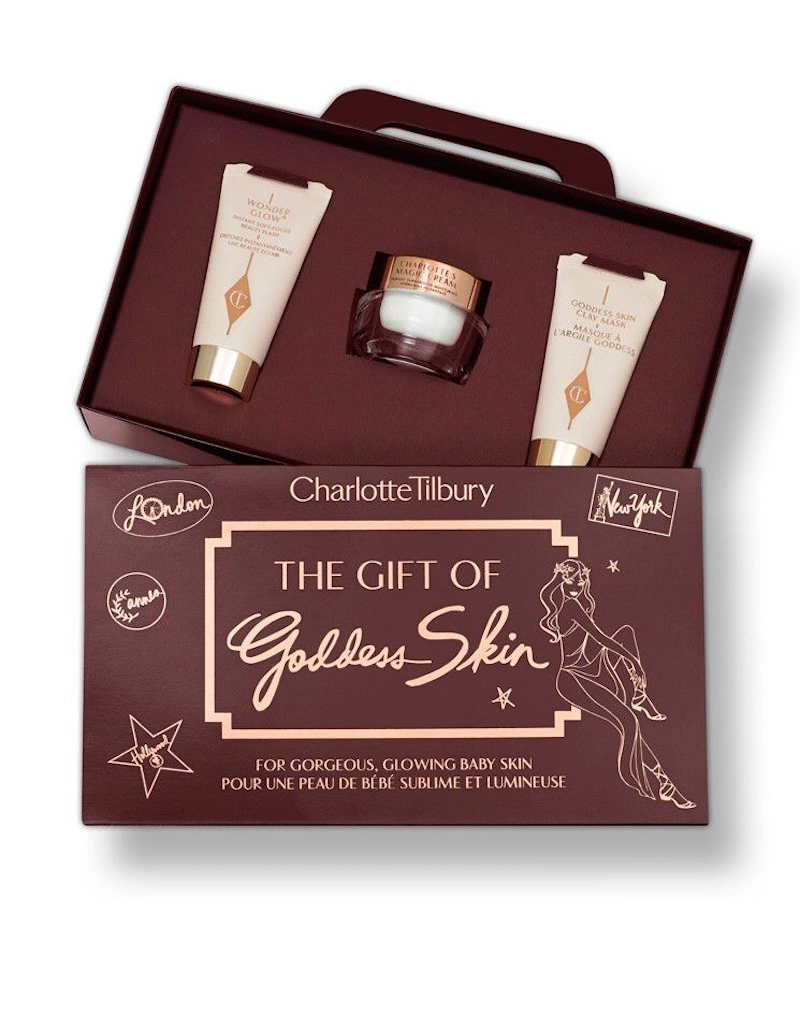
Rigid Magetic Boxes
What are the wholesale pricing options for bulk orders?
We offer competitive wholesale prices for bulk orders. Please contact our sales team for more details
About Printing Craftsmanship
What are the different types of printing techniques?
There are various printing techniques used for different purposes, including:
Offset Printing – Ideal for high-volume commercial printing, offering sharp and high-quality images.
Digital Printing – Suitable for short-run printing with fast turnaround times.
Screen Printing – Used for printing on textiles, plastics, and other materials with thick ink layers.
Hot Stamping – Adds metallic or pigmented foil using heat and pressure for a luxurious look.
Embossing & Debossing – Creates raised or recessed designs for a textured effect.
UV Printing – Uses ultraviolet light to instantly dry ink, offering vibrant colors and enhanced durability.
How does UV printing work?
UV printing uses ultraviolet light to cure ink instantly, resulting in vibrant colors, water resistance, and high durability. It is commonly used for packaging, signage, and promotional items.
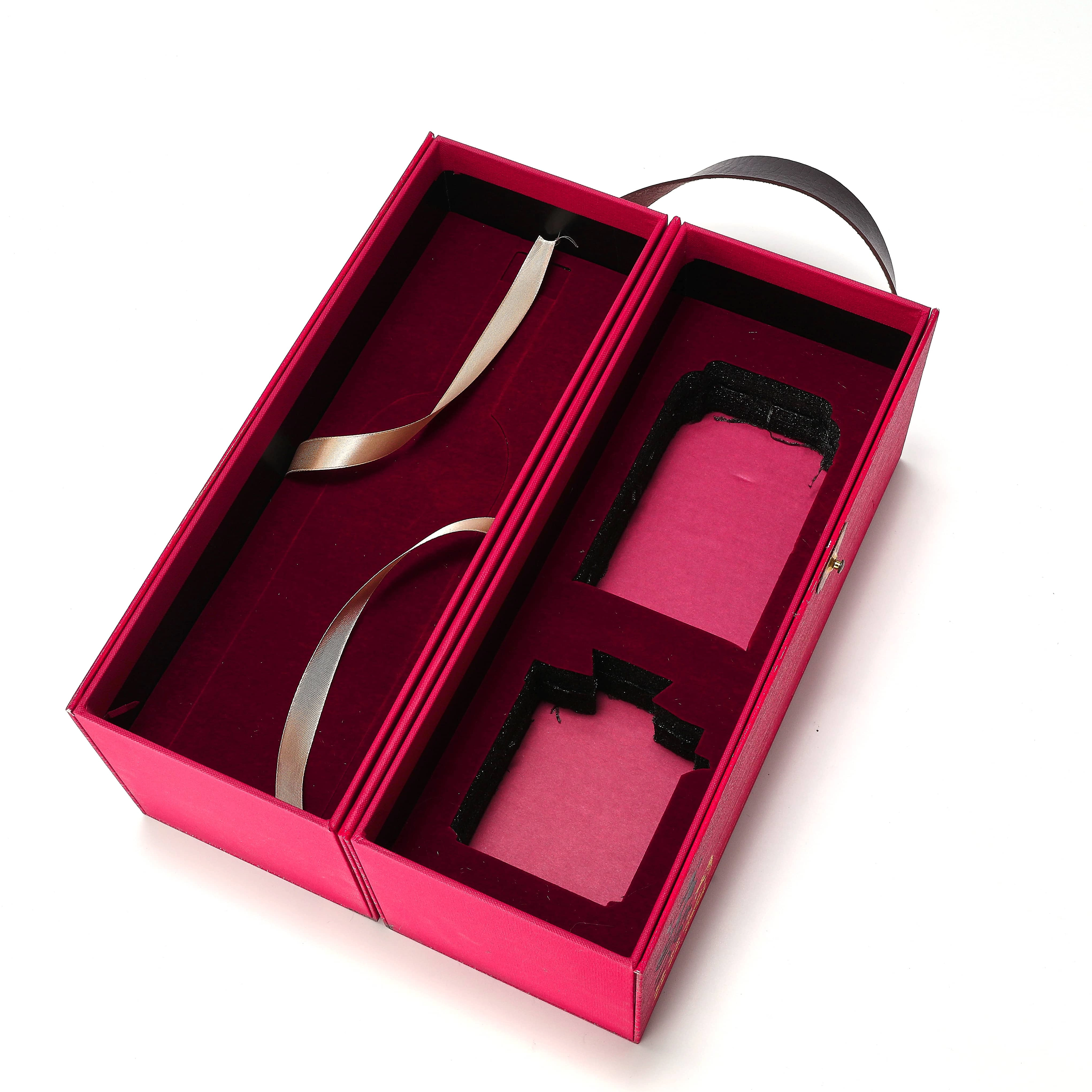
Rigid Lift-off Box
Can I get a sample before placing a formal order?
Yes, we provide samples to our customers. Please contact our sales team to inquire about sample availability and pricing.
About Us
When I can get the quotation?
Generally we will quoted to you in 2 hours after you provide the details of the box( Size, material, craft, accessories and other details)

Start Your Packaging Journey Today
Discover Our Curated Collection of Bespoke Packaging Cases & Tailored System Solutions
© 2025 WINPACK PRINTING. All rights reserved

Wenhua Printing packaging
winpackprinting
Winpack Printing