




How to choose the best paper box for food delivery? | Insights by Winpack
- How to Choose the Best Paper Box for Food Delivery: A Comprehensive Guide
- 1. What Are the Key Factors to Consider When Selecting a Paper Box for Food Delivery?
- 2. How Do Different Paper Box Designs Affect Food Delivery?
- 3. What Are the Latest Trends in Custom Food Packaging?
- 4. How Can Packaging Materials Impact Food Quality During Delivery?
- 5. What Are the Benefits of Using Custom Packaging for Food Delivery?
- 6. How Do Regulatory Requirements Affect Food Packaging Choices?
- 7. What Are the Cost Considerations When Choosing Paper Boxes for Food Delivery?
- 8. How Can I Ensure My Packaging Supplier Meets My Quality Standards?
- Conclusion: Why Choose Winpack for Your Custom Food Packaging Needs?
How to Choose the Best Paper Box for Food Delivery: A Comprehensive Guide
Selecting the appropriate paper box for food delivery is essential for maintaining food quality, ensuring safety, and enhancing brand image. This guide addresses key considerations and trends in custom food packaging to assist businesses in making informed decisions.
1. What Are the Key Factors to Consider When Selecting a Paper Box for Food Delivery?
When choosing a paper box for food delivery, consider the following factors:
Food Type and Portion Size: Determine if your food is dry, saucy, or greasy, and assess portion sizes to select a box that accommodates your needs.
Material Quality: Opt for boxes made from durable, food-grade paperboard to prevent leaks and maintain food integrity.
Insulation Properties: Ensure the box provides adequate insulation to keep food at the desired temperature during transit.
Environmental Impact: Choose eco-friendly materials to align with sustainability goals and appeal to environmentally conscious consumers.
2. How Do Different Paper Box Designs Affect Food Delivery?
Various paper box designs offer distinct benefits:
Oyster Pails: Originally designed for oysters, these folded, waxed or plastic-coated paperboard containers are commonly used for Chinese takeout. They are inexpensive, durable, and fairly leak-proof when kept upright.
Pizza Boxes: Typically made of corrugated fiberboard, pizza boxes are designed to keep pizzas warm and prevent sogginess. They often include vents to regulate humidity and maintain crust crispness.
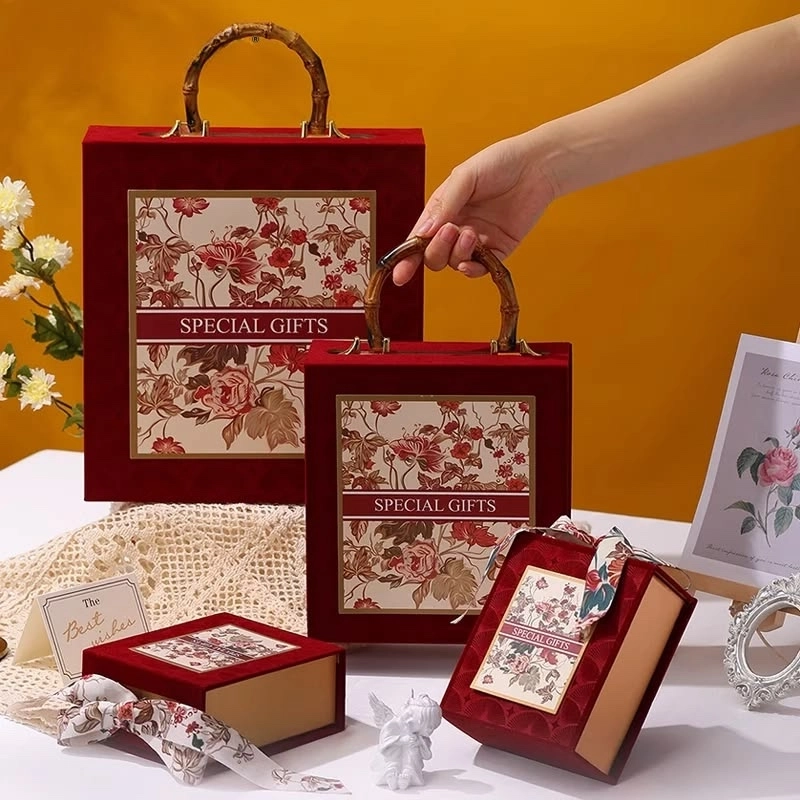
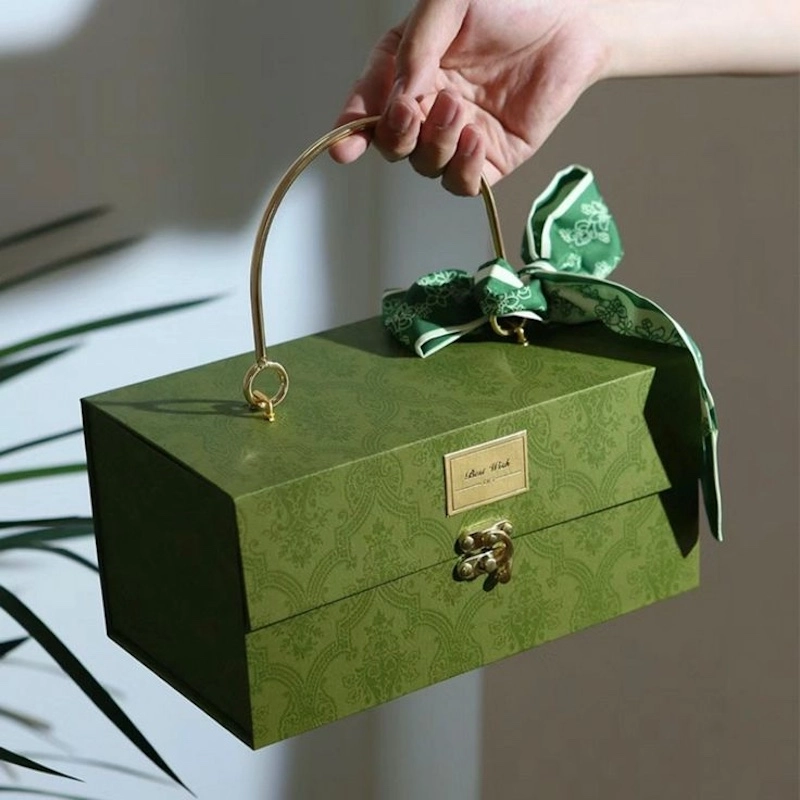
Custom Packaging: Tailored packaging solutions allow businesses to differentiate their products, reinforce brand identity, and ensure product safety during transit.
3. What Are the Latest Trends in Custom Food Packaging?
Recent trends in custom food packaging include:
Sustainability: The use of biodegradable and compostable materials, such as plant-based plastics and paper alternatives, is on the rise to reduce environmental impact.
Personalization: Brands are incorporating unique designs, colors, and messaging to create a memorable unboxing experience and strengthen customer loyalty.
Technological Integration: Incorporating QR codes and NFC technology into packaging allows consumers to access product information, promotions, and interactive content, enhancing engagement.
4. How Can Packaging Materials Impact Food Quality During Delivery?
The choice of packaging material significantly affects food quality:
Insulation: Materials with good thermal properties help maintain food temperature, ensuring it arrives as intended.
Moisture Resistance: Coated or waxed paperboard can prevent moisture from seeping through, keeping food dry and appetizing.
Structural Integrity: Sturdy materials prevent crushing and preserve the presentation of the food.
5. What Are the Benefits of Using Custom Packaging for Food Delivery?
Custom packaging offers several advantages:
Brand Recognition: Unique packaging designs help establish a strong brand identity and make products easily recognizable.
Customer Experience: Well-designed packaging enhances the unboxing experience, leading to increased customer satisfaction and repeat business.
Marketing Opportunities: Packaging serves as a marketing tool, allowing businesses to convey messages, promotions, and brand values effectively.
6. How Do Regulatory Requirements Affect Food Packaging Choices?
Compliance with regulations is crucial:
Food Safety Standards: Packaging must meet health and safety regulations to prevent contamination and ensure consumer safety.
Labeling Requirements: Accurate labeling, including nutritional information and ingredient lists, is mandatory in many jurisdictions.
Environmental Regulations: Adhering to laws regarding recyclability and waste management is essential for sustainable operations.
7. What Are the Cost Considerations When Choosing Paper Boxes for Food Delivery?
Cost factors include:
Material Costs: Eco-friendly materials may have higher upfront costs but can lead to long-term savings through waste reduction and brand loyalty.
Customization Expenses: Investing in custom designs can be more expensive but offers greater marketing benefits.
Bulk Purchasing: Ordering in large quantities can reduce per-unit costs, making it more economical for high-volume operations.
8. How Can I Ensure My Packaging Supplier Meets My Quality Standards?
To ensure quality standards are met:
Supplier Evaluation: Assess potential suppliers based on their reputation, experience, and quality control processes.
Sample Testing: Request samples to evaluate material quality, durability, and suitability for your food products.
Certifications: Verify that suppliers hold relevant certifications, such as ISO standards or food safety accreditations.
Conclusion: Why Choose Winpack for Your Custom Food Packaging Needs?
Winpack offers a comprehensive range of custom food packaging solutions tailored to meet the unique needs of your business. With a focus on sustainability, innovation, and quality, Winpack ensures that your products are delivered in packaging that enhances brand identity and customer satisfaction. Partnering with Winpack means choosing a reliable and forward-thinking packaging provider committed to excellence.


About Printing Craftsmanship
What is screen printing used for?
Screen printing is ideal for printing on a variety of surfaces, including:
Fabric (t-shirts, tote bags)
Plastic (bottles, packaging)
Paper (posters, packaging)
Metal and glass (signs, promotional products)
What are eco-friendly printing options?
Vegetable-based inks instead of petroleum-based inks.
Recycled paper or sustainably sourced materials.
Water-based coatings instead of harmful chemical coatings.
Digital printing to reduce waste and energy consumption.
What is the best printing technique for business cards?
It depends on the desired effect:
Hot stamping for a premium metallic finish.
Embossing for a raised, tactile design.
Spot UV for glossy highlights on specific areas.
Digital printing for quick, affordable, and full-color printing.
About Us
How long does shipping take?
Air freight options range from 7-21 days, while ocean freight options range from 26-71 days. If you need some units expedited earlier, consider splitting your shipment between air and ocean!
How to start the mass production?
Once received the 30% deposite, we will arrange the mass prouction.The balance need to be paid before delivery.

Start Your Packaging Journey Today
Discover Our Curated Collection of Bespoke Packaging Cases & Tailored System Solutions
© 2025 WINPACK PRINTING. All rights reserved

Wenhua Printing packaging
winpackprinting
Winpack Printing