




How Do You Package Jewelry Eco-Friendly?
In most sectors of the economy, organisations are currently embracing sustainable practices to help maintain a clean environment, and the jewellery industry is no exception. With technological advances, innovations and a growing awareness of the environmental impact of traditional packaging, there has never been a better time to make a positive impact. Indeed, a report by Future Market Insights indicates that the global market for paperboard jewellery boxes, a popular eco-friendly packaging option, is projected to reach 118.6 million dollars by 2034, representing a significant step towards sustainable packaging in the jewellery industry.
Eco-friendly packaging not only benefits the environment by minimising waste, carbon footprint and global impact, but also creates a positive brand image and added value, driving the jewellery industry towards greater sustainability. In this brief tutorial, we will therefore demonstrate how to create sustainable, eco-friendly jewellery packaging.
Sustainable Materials for Jewellery Packaging
Firstly, we will consider the alternatives to traditional plastics, foams and synthetic materials, which contribute to greenhouse gases and create highly toxic waste. The best alternatives are:
- Recycled paper and corrugated cardboard. This is a low-cost, easy-to-implement method of starting your sustainability programme. Recycling plays a vital role in developing a circular economy and giving discarded materials a second life without impairing their aesthetic value.
- Biodegradable plastics: Unlike conventional plastics, biodegradable plastics can decompose much more quickly when disposed of without releasing harmful chemicals into the environment. They have the same properties as conventional plastics but tend to be more expensive due to the higher cost of producing the raw materials.
- Organic fabrics: Luxury cotton, hemp and other linens are another option for environmentally friendly packaging that doesn't compromise on style. Unlike synthetic materials, which require numerous harmful chemicals to manufacture and are more expensive, organic fabrics are natural and reusable.
- New materials: As mentioned above, we are committed to innovation and technology! Other eco-friendly materials, including mycelium and seaweed, have recently been experimented with and have caused quite a stir in the packaging industry.
- Mycelium, which is made of fungi, is an inexpensive, energy-efficient and environmentally friendly alternative to synthetic materials and organic fabrics.
- Seaweed is another substitute for traditional plastics and is even more environmentally friendly than biodegradable plastics. However, due to seaweed being a relatively new packaging option, manual operations and scaling up are problematic and increase the cost compared to other alternatives.
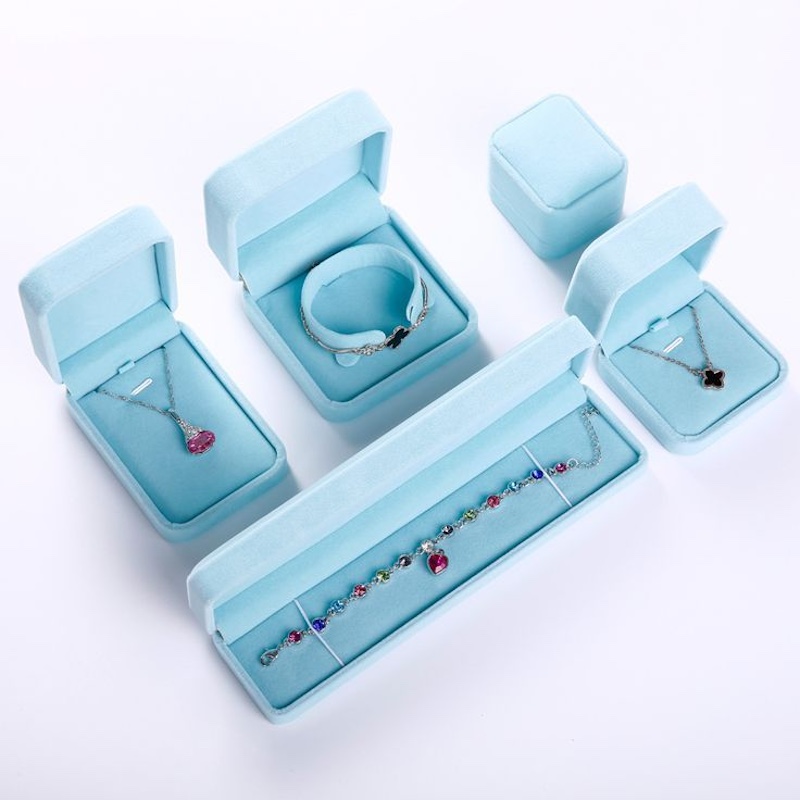
Green jewellery packaging design concepts
Once you have chosen environmentally-friendly materials, the next thing to consider is the design of your packaging. You can also help to protect the environment by using sustainable materials and making smart design choices.
Go minimalist
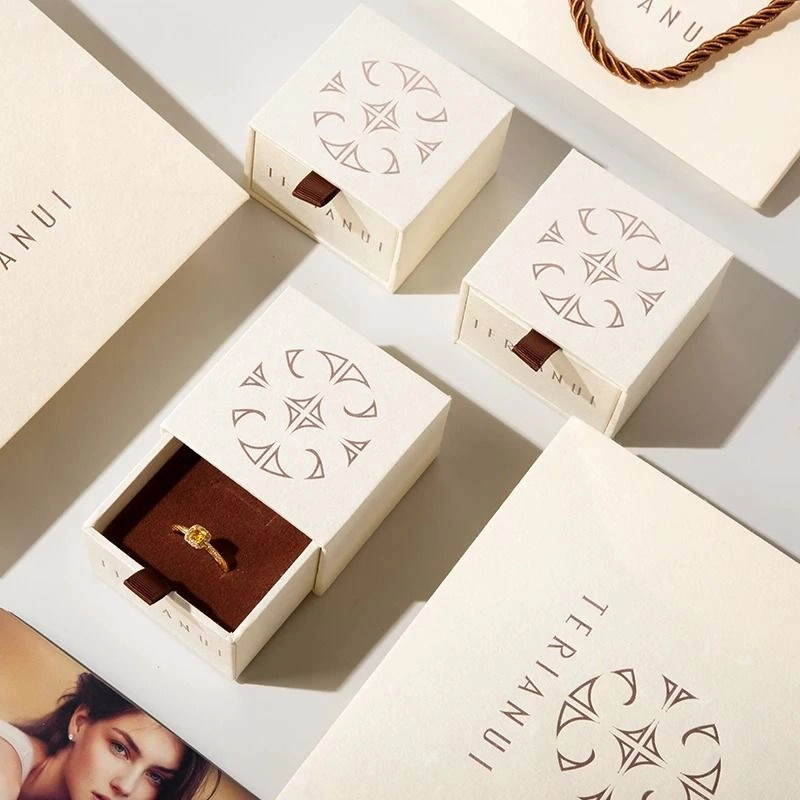
Simple and elegant designs can have a maximum impact with a minimum use of materials. When executed properly, a simple packaging strategy can reduce packaging waste and empty spaces while achieving a high-end, luxurious design. An example of minimalist design is sleek cardstock with a classy logo that draws attention to the product, providing a stylish way to showcase your jewellery.
Design for reusability
Reusable packaging is an excellent way for brands to promote sustainability. Companies can achieve this by creating aesthetically appealing packages that can be reused more than once, thereby discouraging single-use packaging and creating brand awareness as customers repeatedly use their branded boxes.
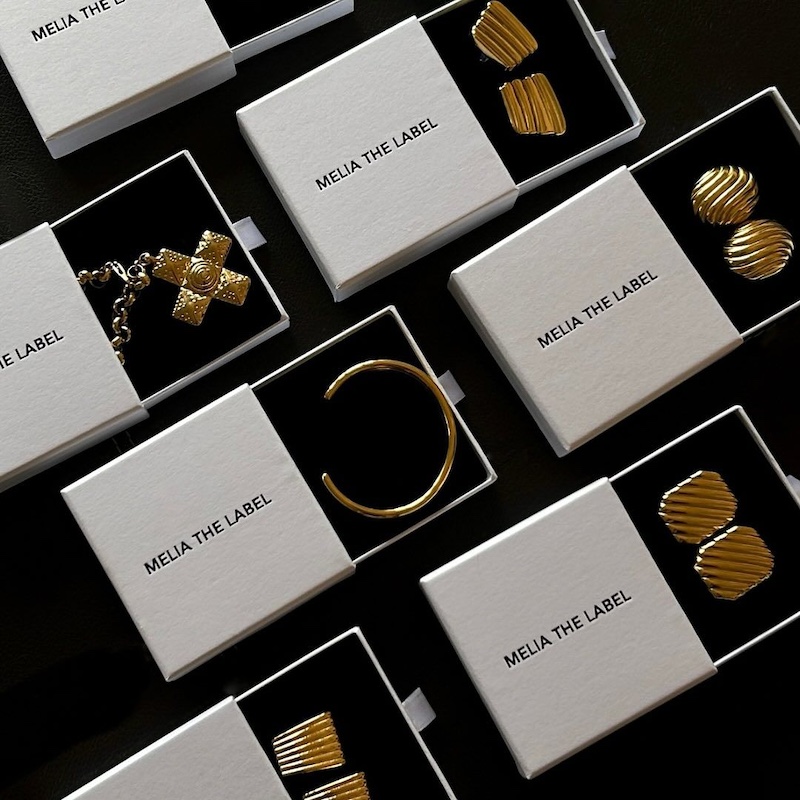
Select environmentally friendly design features.
The finer details of your packaging design can also contribute to sustainability. These subtle decisions include:
- Printing on a package with natural dyes and non-toxic inks instead of traditional inks to display your designs in a way that is both lively and environmentally friendly.
- Use recycled or upcycled decorative elements rather than virgin materials.
- Recycling, composting or biodegrading materials rather than mixing materials that are or are not environmentally friendly.
Jewellery brands that are making a difference
No single company can make a huge contribution to solving the environmental problems associated with packaging. It will require collective action from brands in the industry. The following are some of the brands that are making efforts towards more sustainable initiatives.
--Brilliant Earth
Brilliant Earth is a jewellery company that focuses on sustainability in both its products and packaging. The company aims to encourage sustainable practices by using recycled precious metals, traceable diamonds, recycled packaging materials, and renewable energy.
--Catori Life
Catori Life also contributes to the planet with each sale, thanks to its eco-friendly, biodegradable and recyclable packaging, and recycled metals. In addition to its sustainable activities, Catori Life aims to plant ten trees for every piece of jewellery sold and donate 1 percent of its annual sales to environmental organisations.
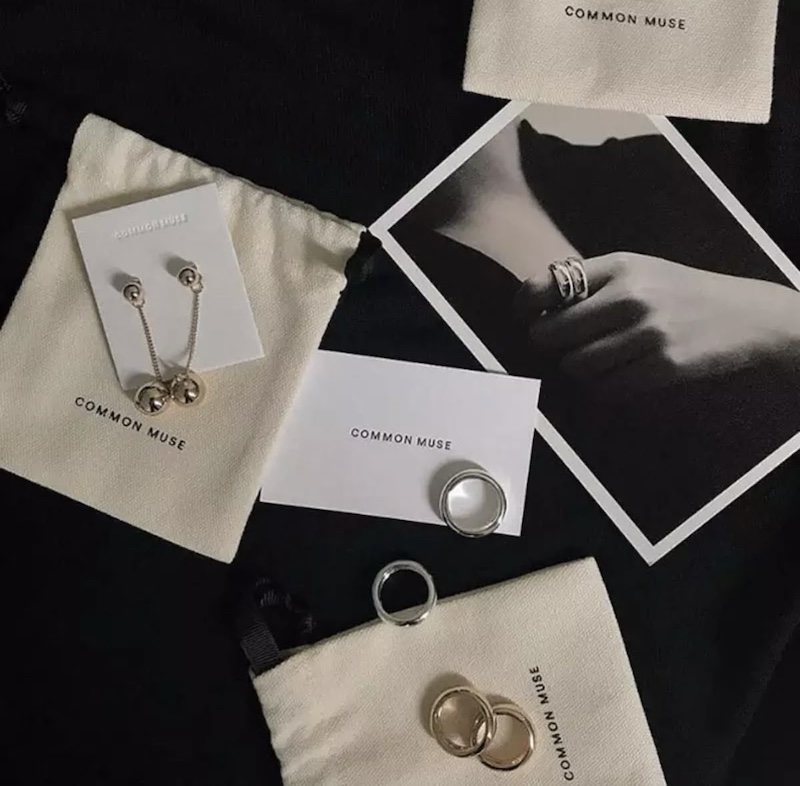
--Mejuri
Mejuri is one of the jewellery brands that has implemented the use of fully recyclable and reusable bags, as well as offering customers the option of less packaging for online purchases. With 95 percent of its gold and 92 percent of its silver being recycled by ethical suppliers, Mejuri is a leader in the jewellery industry in terms of sustainability.
Sustainability is the future of jewellery
As the jewellery industry moves towards sustainability, environmentally-friendly custom packaging and other practices are becoming the norm. Nanotechnology and smart packaging are among the new technologies on the horizon, and it has never been easier to implement an eco-friendly initiative.
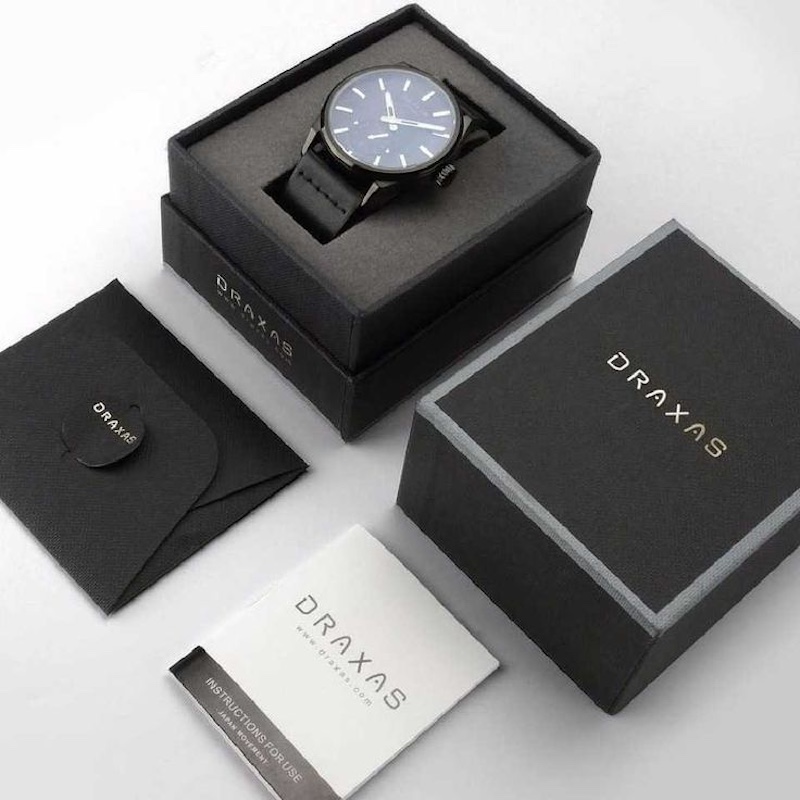
Standardising sustainability and developing technology will ensure long-term gains and help brands to thrive. Although sustainable practices can be costly in the short term, the increased consumer demand and natural optimisation of eco-friendly projects will save your company a significant sum of money in the long term! So, if you're wondering when you should start your journey towards a more sustainable business, the answer is now!
OEM Services
How long does the production process take?
Production time depends on order quantity, complexity, and customization. Generally, the process takes 7-20 days after design confirmation and sample approval. We strive for fast turnaround times while maintaining high-quality standards.
What quality control measures do you have in place?
We implement strict quality control throughout our production process, including:
ISO-certified quality management systems
pressSIGN color management for consistent printing quality
ERP production tracking for precision and efficiency
Rigorous inspections at every stage of production
About Us
What are your lead times?
Production typically takes 12-16 days, and 16-21 days for larger volume orders. Shipping times will depend on the shipping channel you choose.
Folding Boxes
Can I get a sample before placing a formal order?
Samples usually require a certain fee, but this fee can be partially or fully refunded after the customer confirms the order.
Can you provide me with a die-cutting line template?
We will provide a die-cutting line template after you place an order for samples or products.

Start Your Packaging Journey Today
Discover Our Curated Collection of Bespoke Packaging Cases & Tailored System Solutions
© 2025 WINPACK PRINTING. All rights reserved

Wenhua Printing packaging
winpackprinting
Winpack Printing