




Window Patching: A Package’s Store Front
Have you ever walked down a shopping street or through a shopping centre and seen products displayed in shop windows?
Shop owners strategically place tempting items in their shop windows to lure customers in and encourage them to make a purchase.
But did you know that a similar method is used with packaging?
This process is known as window patching.
What is window patching?
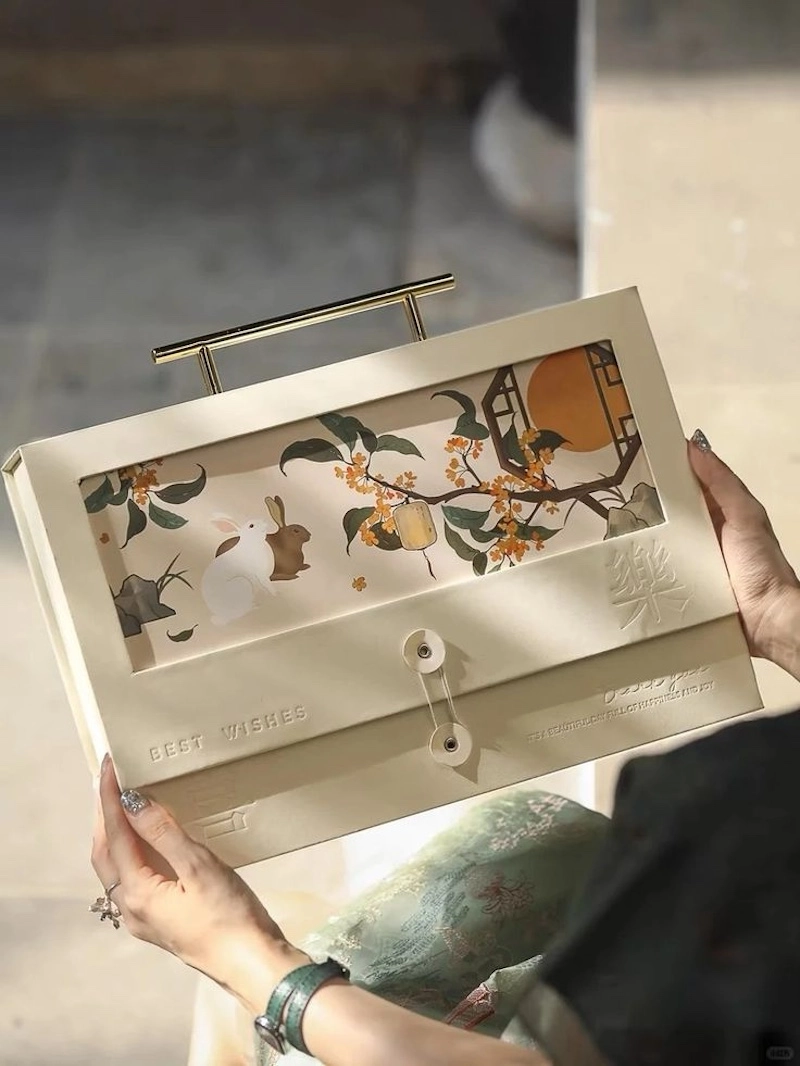
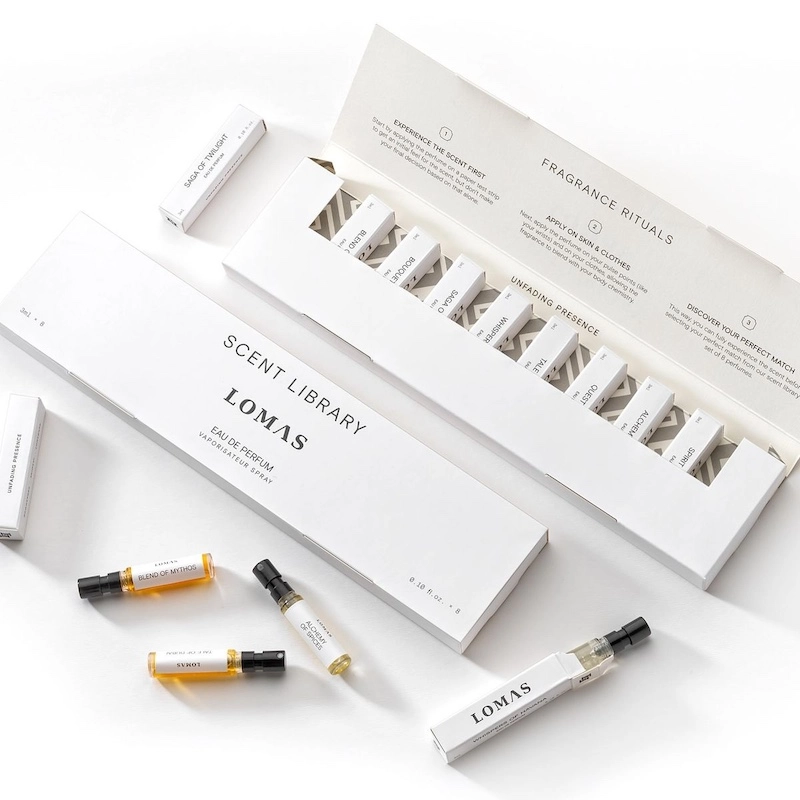
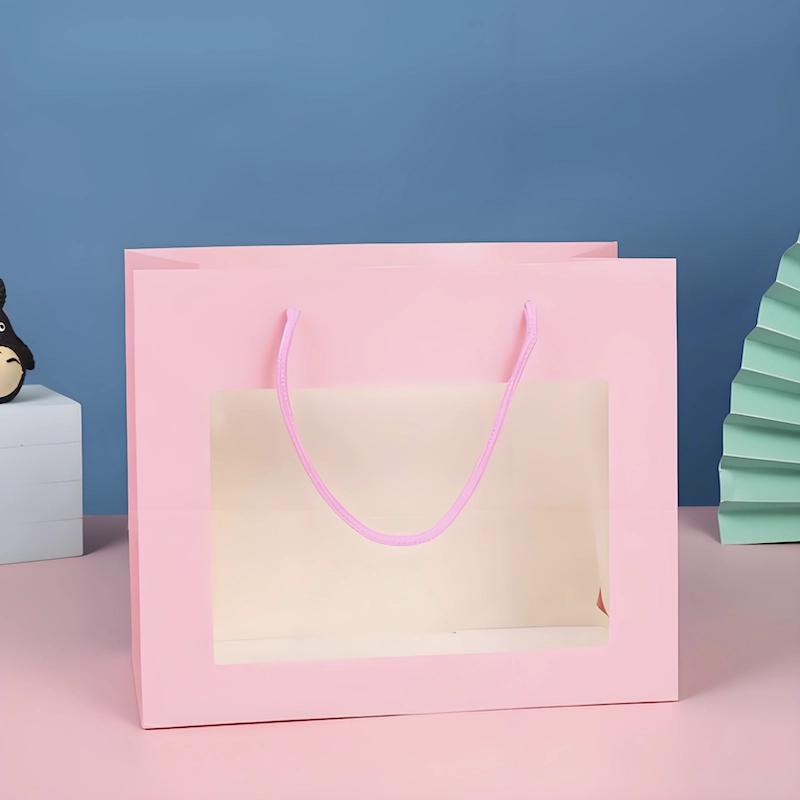
Window patching involves applying a thin plastic film to a die-cut window on any box or packaging.
This enables customers to view the product without opening the package, and is commonly used to display luxury products.
Allowing potential customers to view your product gives them confidence in their purchase, which boosts purchasing power.
However, the decision to add a film patch depends on the nature of the product. Window patching is most effective for products with high visual appeal, such as high-end products.
Window Patching Films
If you have decided to use window patching in your packaging, it is worth noting that various types of film can be used to determine the most suitable material for your product.
Other than paperboard, plastic is one of the most widely used packaging materials, particularly polyethylene terephthalate (PET) and polyvinyl chloride (PVC).
PET film can be moulded into the required shape and then undergoes a drying process to provide additional protection.
High-reinforcement PET is also very strong, offering a tamper-proof film with excellent resistance to daily wear and tear.
PET plastic is lightweight and therefore susceptible to scratches, but strong enough to withstand external pressure and protect the contents of the packaging.
PET film is safe for storing food and is widely used in electronics, retail and other consumer products.
Alternatively, PVC film has a stronger exterior and a more damage-resistant surface, but it is not as environmentally friendly.
Although PVC film is resistant to interference and natural factors, it can degrade over time when exposed to UV rays. This degradation results in an unpleasant odour and ripples on the surface, making it unsuitable for food packaging.

However, despite the fact that PVC and PET film are the most widespread materials used for window packaging, other options still exist.
- Polypropylene is the most popular material for packaging sweets, snacks and baked goods.
- Glassine is used for high-grease products.
- Polyethylene is used for frozen food items.
- Polyolefin is used for shrink-wrapping pizza and boxed candies.
- Food products that are sensitive to light and air are best laminated with foil.
The window patching process
Now that you have a better idea of the films available for your package, it is time to consider the patching process.
At the heart of this process is a window patching machine.
The most popular machines are made by the well-known manufacturer Heiber + Schroder or the specialist manufacturer Kohmann.
These machines roll the windows onto a reel with a plastic film of your choice (PET, PVC, etc.).
The package is passed through the reel at a speed of around 375 m/min, during which time the machine adds the film to the packaging using electromagnetic energy.
Depending on the type of machine used for window patching, the plastic film will normally adhere immediately to the packaging material without any drying period.
This means that your package is ready as soon as it comes out of the machine, so your printing is completed easily and quickly.
However, other print finishing methods are available. These include: Embossing and debossing, soft touch coating and lamination, foil stamping and spot UV.
About Us
What kind of format is available for printing?
CDR, AI, PS , PSD. high resolution JPG (please Convert text to curves. If not, some words will be missing.)
How soon we can get a sample?
Usually,reference sample within 2 days. Customized sample need 5-7days.
Rigid Lift-off Box
Can I get a sample before placing a formal order?
Yes, we provide samples to our customers. Please contact our sales team to inquire about sample availability and pricing.
About Printing Craftsmanship
What factors should I consider when choosing a printing technique?
Material: Some methods work better on specific surfaces (e.g., screen printing for fabric, offset for paper).
Budget: Offset is cost-effective for large runs, while digital printing is better for short runs.
Aesthetic & Finish: If you need metallic effects, choose hot stamping; for texture, consider embossing.
Durability: UV printing and screen printing offer long-lasting prints resistant to fading.
What is embossing, and how is it different from debossing?
Embossing is a technique that creates a raised impression on a material, while debossing presses the design inward, creating a recessed effect. Both techniques add texture and sophistication to printed materials.

Start Your Packaging Journey Today
Discover Our Curated Collection of Bespoke Packaging Cases & Tailored System Solutions
© 2025 WINPACK PRINTING. All rights reserved

Wenhua Printing packaging
winpackprinting
Winpack Printing