




Blind Debossing: A Comprehensive Guide
In premium packaging, subtle details often create the strongest brand impression. Blind debossing is one of those refined finishing techniques that adds depth, texture, and tactile sophistication—without relying on ink or foil. By pressing designs into the paper surface, blind debossing delivers a clean, understated look that elevates packaging for cosmetics, perfumes, luxury goods, and specialty products.
At Winpack Printing, we specialize in custom packaging solutions that combine structural precision with high-end finishing techniques. This comprehensive guide will explain what blind debossing is, how it works, when to use it, and why brands choose it to create packaging that feels as premium as it looks.
- 1. What Is Blind Debossing?
- 2. How Blind Debossing Works: Making An Impression That Lasts
- 3. The Art Of Blind Bebossing And Its Relationship To Printing Techniques
- Blind Debossing In The Context Of Contemporary Printing
- Letterpress Printing Is Closely Connected With Blind Debossing
- 4. The Advantages And Greenness Of Blind Debossing
- 5. Typical Applications Of Blind Debossing
- Stationery And Invitations
- Leatherworking And Bookbinding
- Business Cards
- Luxury Packaging
- 6. Apparel And Product Hang Tags
- 7. Conclusion
1. What Is Blind Debossing?
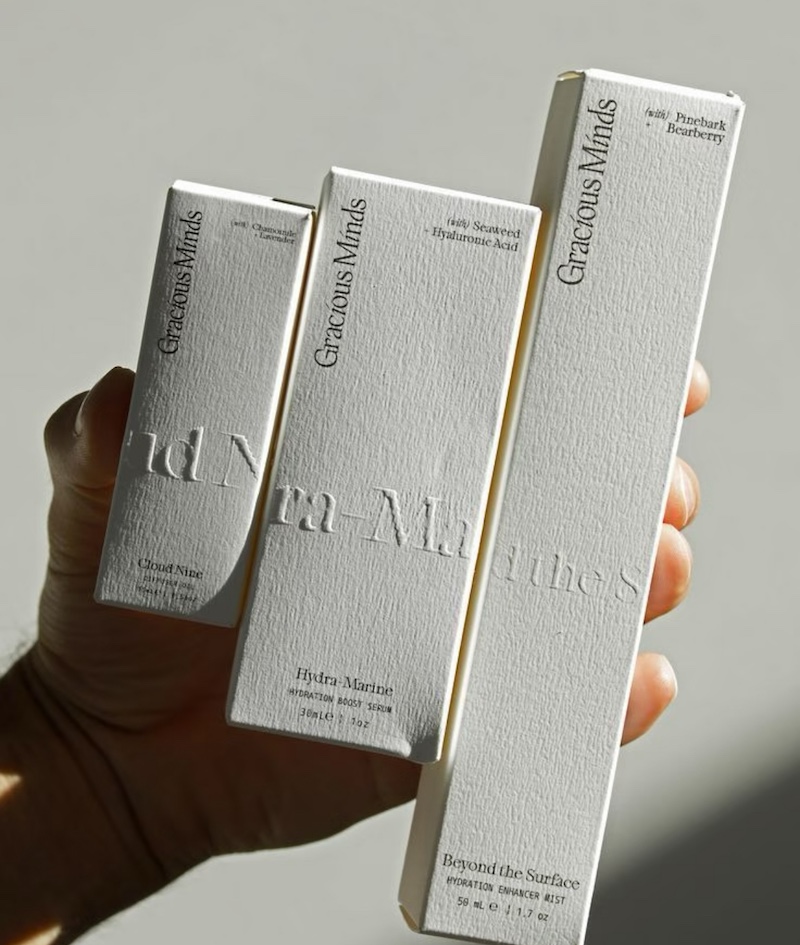
Blind debossing is a printing method in which a design, logo or text is stamped into a material to produce an indented, recessed impression without the use of ink, foil or pigment. Using a metal die, the design is rolled onto surfaces such as paper, cardstock or leather, producing a tactile impression. It is often used in premium printing applications such as business cards, invitations and luxury packaging, offering a subtle, high-end finish that adds texture and depth to pieces through the use of light and shadow.
Blind debossing is ideal for luxury branding and professional presentations because it makes common materials memorable. Whether it is used on smooth business cards, high-end invitations or exclusive packaging, this technique increases the perception of quality and craftsmanship. Its subtle sophistication and texture create a distinctive sensory experience that transcends aesthetic appeal.
2. How Blind Debossing Works: Making An Impression That Lasts
Blind debossing is a special process used to create a recessed pattern in a material without ink, foil or pigments. It is based on precise craftsmanship and the application of pressure to transform printed materials into dynamic, tactile objects. The process is broken down as follows:
- Design creation: A carefully designed vector graphic is created to ensure clarity and accuracy. High-contrast graphics are recommended to achieve sharp, well-defined lines in the final product.
- Plate or die making: The second stage involves creating the debossing plate, which is typically made from hard metals such as brass or copper. This die is typically created using methods such as chemical etching or electronic engraving, which allow for precise detailing and accurate transfer of the image to the material.
- Preparation of the material: Once the die is ready, it is attached to the debossing machine. The debossing material (paper, cardstock or leather) is then positioned to ensure the design is debossed in the correct place. Correct alignment and choice of materials are essential for a perfect end product.
- Pressing: This final step requires high pressure to be applied to the debossing machine. This pushes the die into the material, forming the recessed design. The depth and sharpness of the debossed impression are also determined by the pressure applied and the material thickness.
Blind debossing produces a complex, textured appearance that enhances the look and feel of the material and is ideal for high-end branding and professional design.
3. The Art Of Blind Bebossing And Its Relationship To Printing Techniques
Blind debossing is a sophisticated printing method that alters the texture of printed materials. It involves making recessed marks on paper or other materials without using ink or foil. As an aspect of the printing industry, blind debossing relies on a delicate balance of pressure and precision, similar to other printing techniques, but with the added benefit of providing texture and dimensionality.
Blind Debossing In The Context Of Contemporary Printing
In the contemporary printing world, blind debossing has frequently become a prestigious addition to modern, fast printing methods. It creates a special texture that gives printed objects a sense of depth that cannot be achieved using visual effects alone. This attribute enables blind debossing to coexist with different types of printing technology, both conventional and avant-garde, providing a canvas for innovation in the tactile dimension.
Letterpress Printing Is Closely Connected With Blind Debossing
The history of typography is closely connected to letterpress printing, which is also closely connected to blind debossing. Letterpress is a process involving the transfer of ink from a type or plate to paper under high pressure. When carried out without ink, it is known as blind debossing. The outcome is a design feature that is experienced rather than observed, creating a silent comparison with its inked counterpart.
4. The Advantages And Greenness Of Blind Debossing
- Inkless process: Blind debossing does not use ink, creating a clean and elegant design that relies solely on texture and form to make an impression.
- Tactile Appeal: Sunken images produce a special feel that touches your customers' senses of touch and sight, making your designs sophisticated and memorable.
- Visual Elegance: The interplay of light and shadow on the indented areas creates a subtle effect that gives the design a high-end, refined look, adding value to materials such as business cards, packaging and stationery.
- Durability: Debossed designs are hard-wearing and will not wear out over time, unlike ink which can fade or smear. This ensures that your printed materials remain of good quality despite frequent use.
- Flexibility: Blind debossing can be used in many industries, such as luxury packaging, cosmetics, apparel labels, and invitations, providing an effective yet subtle branding tool.
- Ecologically clean: The inkless process produces far less chemical waste, making it a cleaner alternative. Blind debossing creates a more luxurious and sustainable finish when combined with eco-friendly materials such as kraft paper, coloured paper or recycled paper. These materials provide a high level of texture and durability, and are compatible with eco-friendly printing. This includes the use of FSC-certified paper, making them ideal for brands that want to balance environmental responsibility with high-end design.
5. Typical Applications Of Blind Debossing
Stationery And Invitations
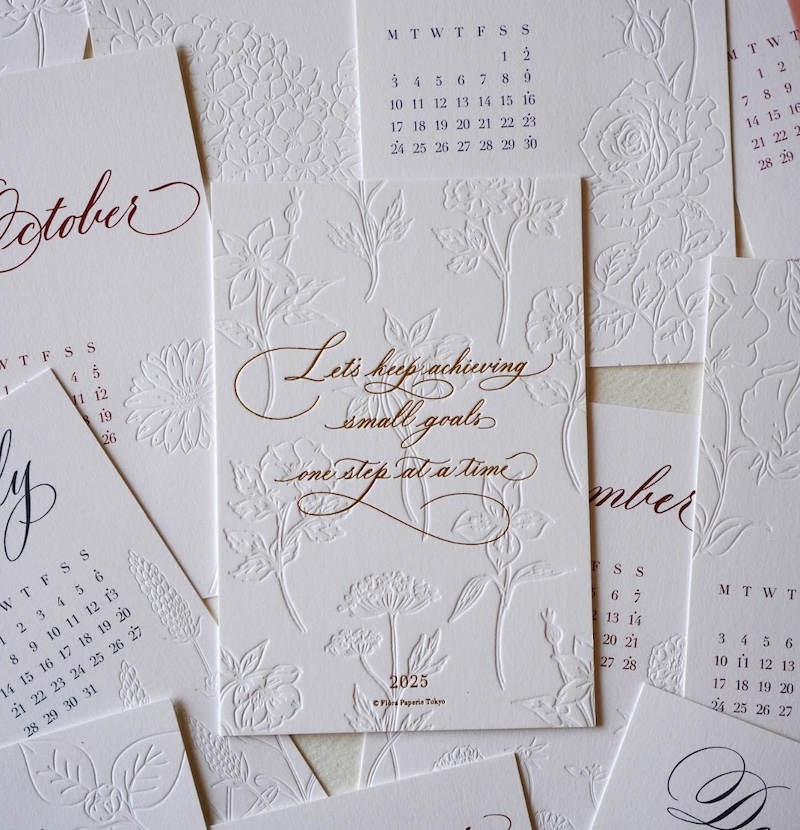
Blind debossing adds a touch of class to stationery and invitations, making them unforgettable keepsakes. It adds value and uniqueness to products such as note cards and invitations for personal or professional events, such as weddings. The wide range of customisation options (textures, paper weights and design complexity) guarantees that no two debossed items are alike.
- Weddings & Events: A wedding invitation with a couple's monogram debossed on thick cotton paper is elegant and leaves a lasting impression.
- Business invitations: Spartan business event cards with low-profile logos are professional and elegant.
Leatherworking And Bookbinding
Blind debossing is an important part of the traditional arts of bookbinding and leatherworking. By applying precise pressure, artisans can transfer intricate patterns onto book covers and leather products, combining traditional craftsmanship with a contemporary aesthetic.
- Custom Journals: Debossed patterned leather accessories and hand-bound journals are beautiful, durable and gain character over time.
- Luxury leather goods: The artisanal nature of the products is emphasised by debossed logos or elaborate details, making each item unique and classic.
Business Cards
Debossed business cards with subtle logos or designs instantly convey quality and professionalism. Blind debossing gives cards depth and a three-dimensional quality that sets them apart from ordinary printed cards.
- Professional Impact: A debossed business card is tactile and invites touch, creating a memorable relationship with the recipient.
Working with skilled graphic designers ensures that the debossed artwork is optimised for this process and has maximum impact.
Luxury Packaging
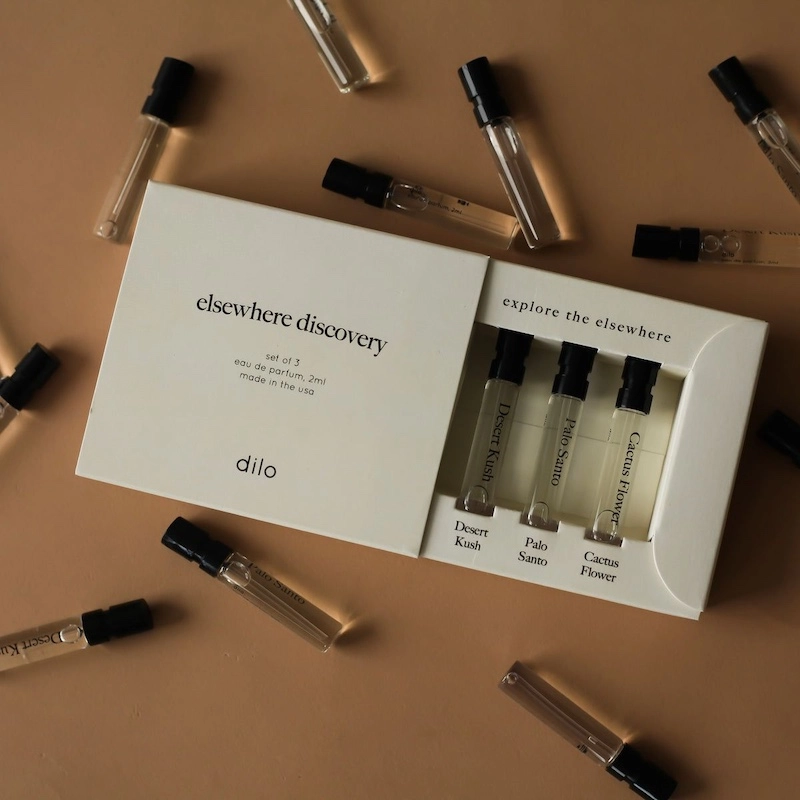
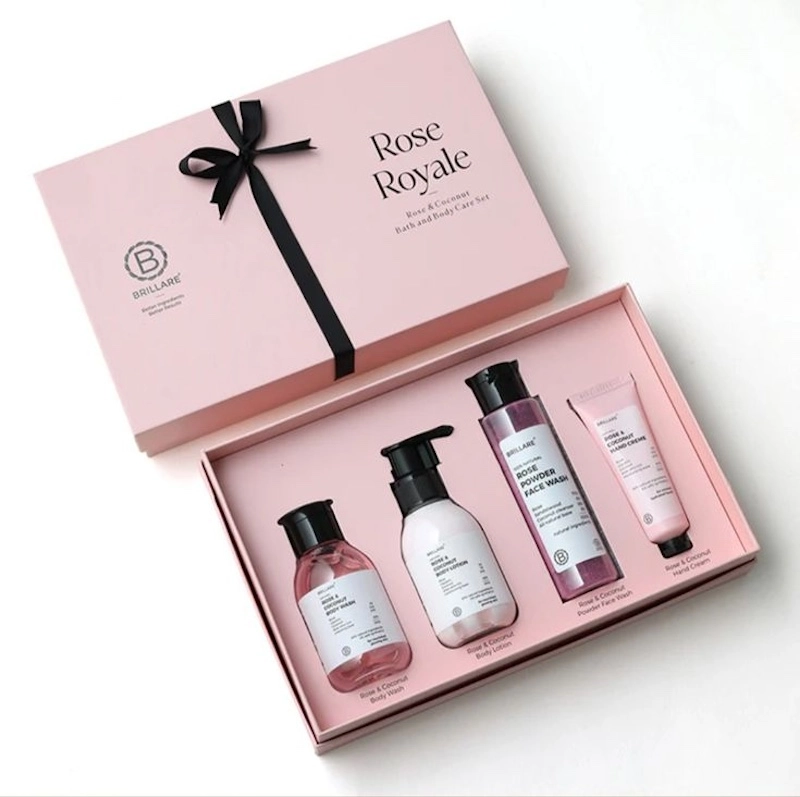
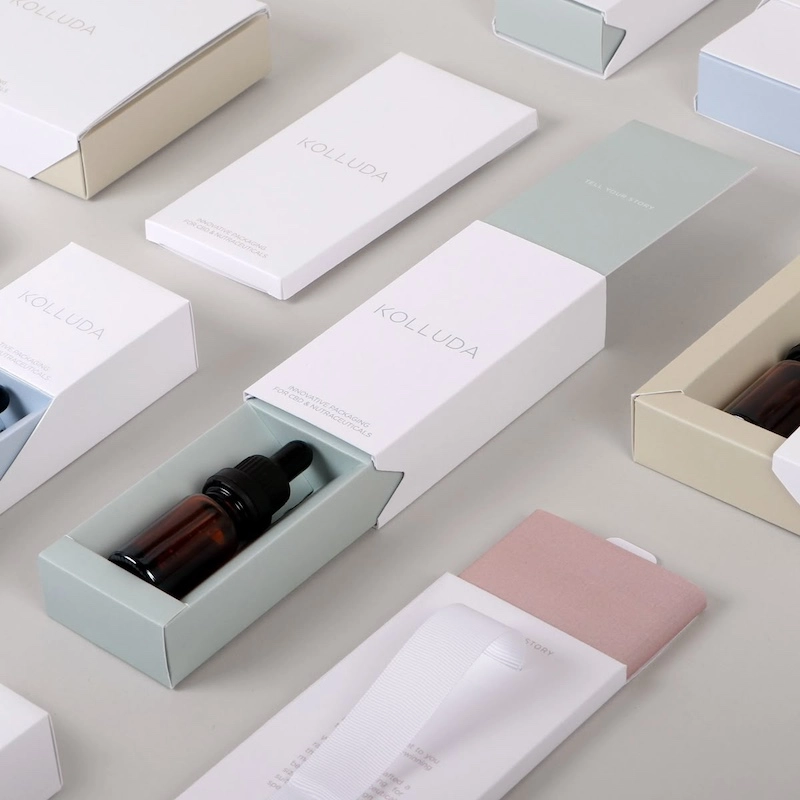
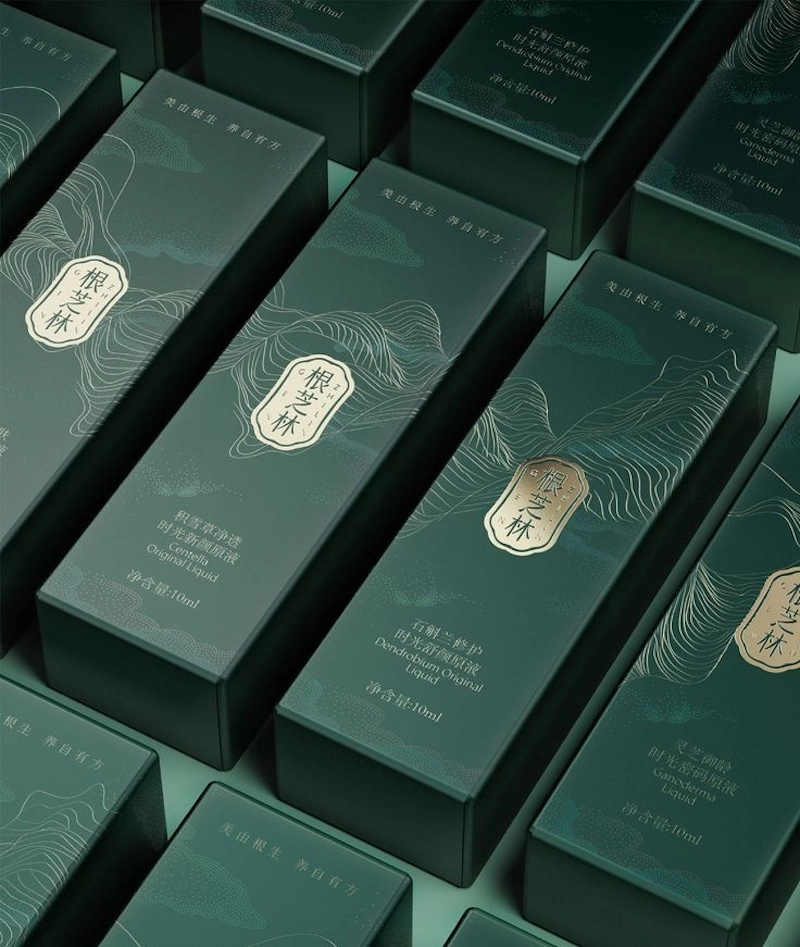
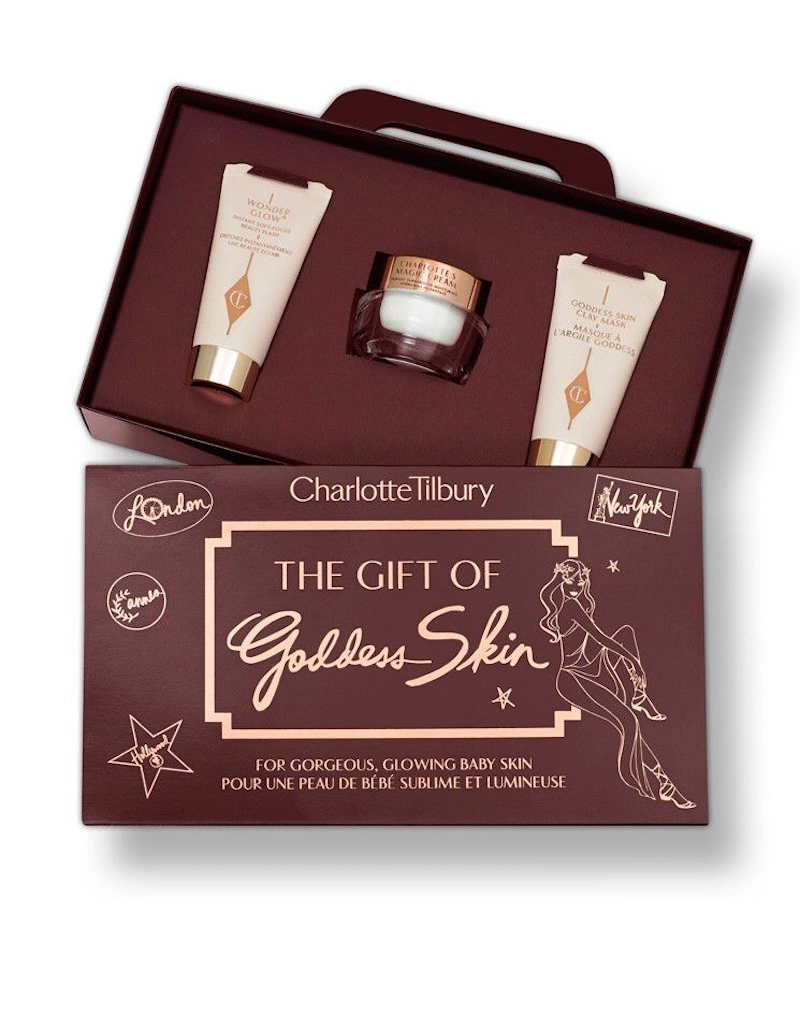
When it comes to luxury goods, the packaging is as important as the product itself. Blind debossing on packaging, such as rigid boxes or folding cartons, adds a touch of sophistication that appeals to consumers' sense of sight and touch.
- Presenting the product in a luxurious way: Luxury packaging is debossed with a logo or design, making it feel exclusive and adding to the unboxing experience.
- Luxury products: Blind debossing makes packaging look more luxurious and expensive, whether it contains cosmetics or jewellery.
This minor detail can differentiate products in competitive markets, where packaging is a crucial factor in customer experience and brand perception.
6. Apparel And Product Hang Tags
Hang tags are a branding necessity in the fashion and product industries, and blind debossing converts them into quality statements.
- Apparel tags: A properly designed paper hang tag that is debossed with information increases the perceived value of the brand and makes the product seem more luxurious.
- Product branding: Debossed hang tags on products such as shoes or accessories provide a sense of refinement, affirming the brand's promise of quality and craftsmanship.
Blind debossing improves the overall look and feel of hang tags, subtly conveying high quality.
Blind debossing is an elegant and flexible method of decorating a wide range of products, including stationery, business cards and high-end packaging. It is an effective tool because it appeals to the senses of sight and touch, ensuring that brands and designers leave a lasting impression.
7. Conclusion
Blind debossing is a luxurious finishing method that is also convenient and flexible. It can be used to make printed materials more tactile and visually appealing. Whether applied to luxury packaging, business cards or high-end stationery, the process provides a classic beauty that goes beyond traditional printing methods. Blind debossing is the ideal option for brands looking to achieve a sophisticated and sustainable look because it is durable, environmentally friendly and leaves a long-lasting impression.
Contact Winpack Printing for advice or assistance. Our professionals can advise on the most appropriate techniques and materials for your project requirements, ensuring your next packaging project is memorable for all the right reasons.
Folding Boxes
How long does it usually take from design confirmation to delivery?
Answer: The delivery time of folding boxes is usually 15-25 days, depending on the production of the order
Special Shape Boxes
What are the wholesale pricing options for bulk orders?
We offer competitive wholesale prices for bulk orders. Please contact our sales team for more details
Can I get a sample before placing an official order?
Yes, we provide samples to our customers. Please contact our sales team to inquire about sample availability and pricing.
About Us
How soon we can get a sample?
Usually,reference sample within 2 days. Customized sample need 5-7days.
What is the minimum order quantity for packaging?
1000 units. The MOQ is based on every unique box (e.g. size, design).

Start Your Packaging Journey Today
Discover Our Curated Collection of Bespoke Packaging Cases & Tailored System Solutions
© 2025 WINPACK PRINTING. All rights reserved

Wenhua Printing packaging
winpackprinting
Winpack Printing