




How Startups Can Create Premium Packaging on a Limited Budget
For startup brands, especially in competitive industries like cosmetics, skincare, and lifestyle products, packaging plays a crucial role in shaping first impressions and influencing purchase decisions. However, limited budgets often make it challenging to achieve a “premium look” without overspending.
The good news is that high-end packaging is not only about expensive materials or complex structures. With the right strategy, startups can create cost-effective yet high-quality packaging that reflects brand value, enhances customer experience, and supports long-term growth.
- Why Packaging Matters for Startups
- 1. Focus on Smart Structural Choices
- 2. Invest in Good Design, Not Over-Design
- 3. Choose Cost-Effective Materials
- 4. Use Selective Finishing Techniques
- 5. Optimize for E-Commerce and Logistics
- 6. Start Small and Scale Smart
- 7. Work with the Right Packaging Partner
- Common Mistakes to Avoid
- Conclusion
Why Packaging Matters for Startups
Packaging is often the first physical touchpoint between your brand and your customer. For new brands without strong market recognition, packaging helps:
- Build credibility and trust
- Differentiate from competitors
- Communicate brand positioning
- Enhance perceived product value
A well-designed package can make a product feel more premium—even if the production cost is controlled.
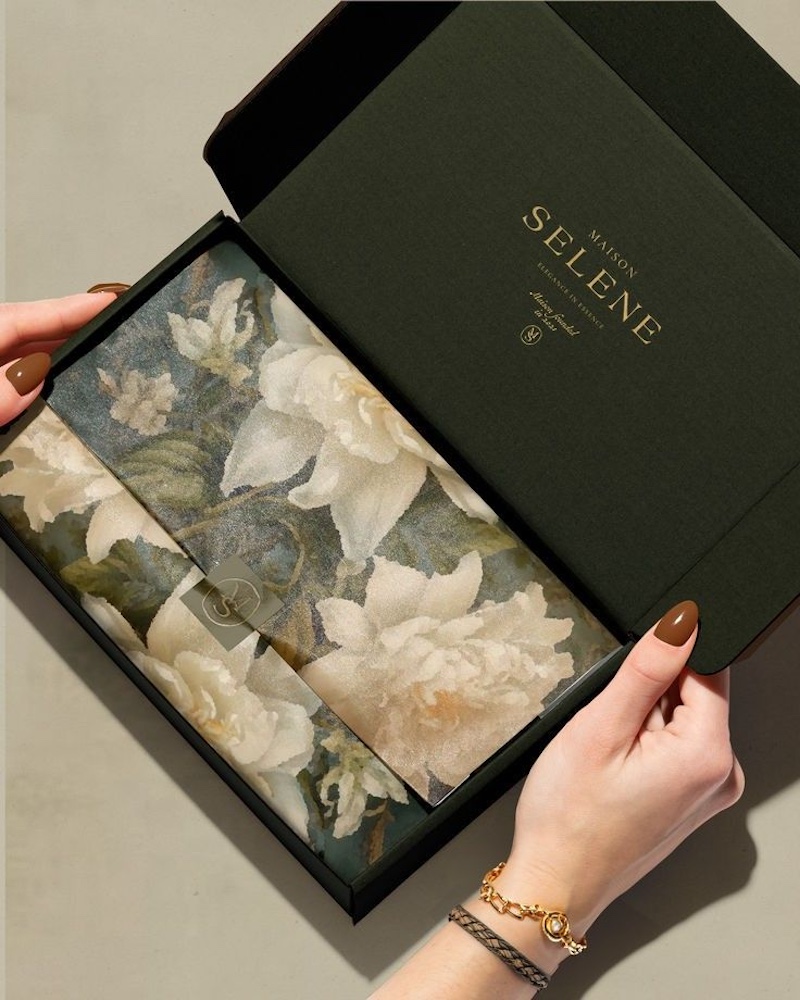
1. Focus on Smart Structural Choices
Instead of complex and expensive box designs, startups should choose efficient and practical structures.
- Use standard folding cartons instead of rigid boxes for early-stage products
- Optimize box size to reduce material waste
- Avoid unnecessary layers or components
Simple structures not only reduce cost but also improve production efficiency.
2. Invest in Good Design, Not Over-Design
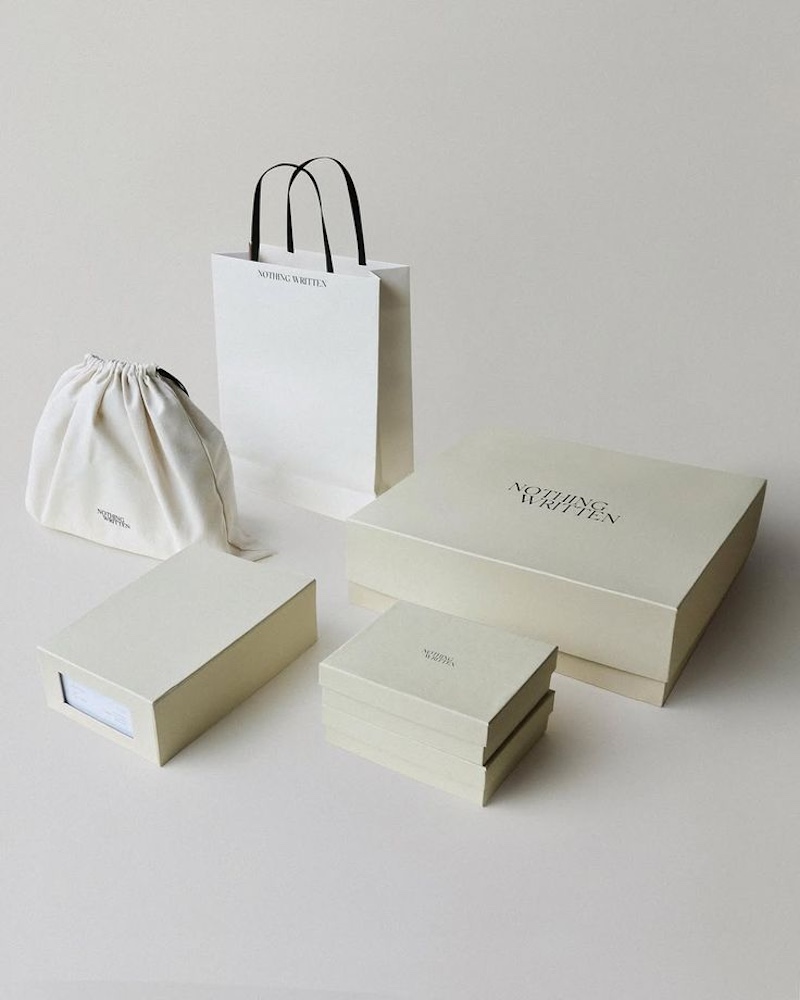
A clean, well-balanced design often looks more premium than a complicated one.
- Use minimal layouts with clear typography
- Limit color palettes to 1–2 key tones
- Create strong visual hierarchy
Minimalist design reduces printing costs while delivering a modern and sophisticated look.
3. Choose Cost-Effective Materials
Material selection has a major impact on cost.
- Use high-quality paperboard (e.g., SBS or kraft) instead of expensive specialty materials
- Consider uncoated or lightly coated paper for a natural feel
- Avoid overly thick materials unless necessary
The key is to balance quality and budget, not simply choose the cheapest option.
4. Use Selective Finishing Techniques
Instead of applying multiple expensive finishes, focus on one or two impactful details:
- Spot UV on logos
- Subtle embossing
- Matte or soft-touch lamination
Selective finishing creates a premium feel without significantly increasing cost.
5. Optimize for E-Commerce and Logistics
For startups selling online, packaging must also be practical.
- Design compact packaging to reduce shipping costs
- Ensure durability to prevent damage
- Use lightweight materials
Efficient packaging lowers operational costs while improving customer satisfaction.
6. Start Small and Scale Smart
Avoid large upfront investments.
- Begin with low MOQs (minimum order quantities)
- Test packaging designs with small batches
- Upgrade materials and structures as the brand grows
This approach reduces risk and allows flexibility.
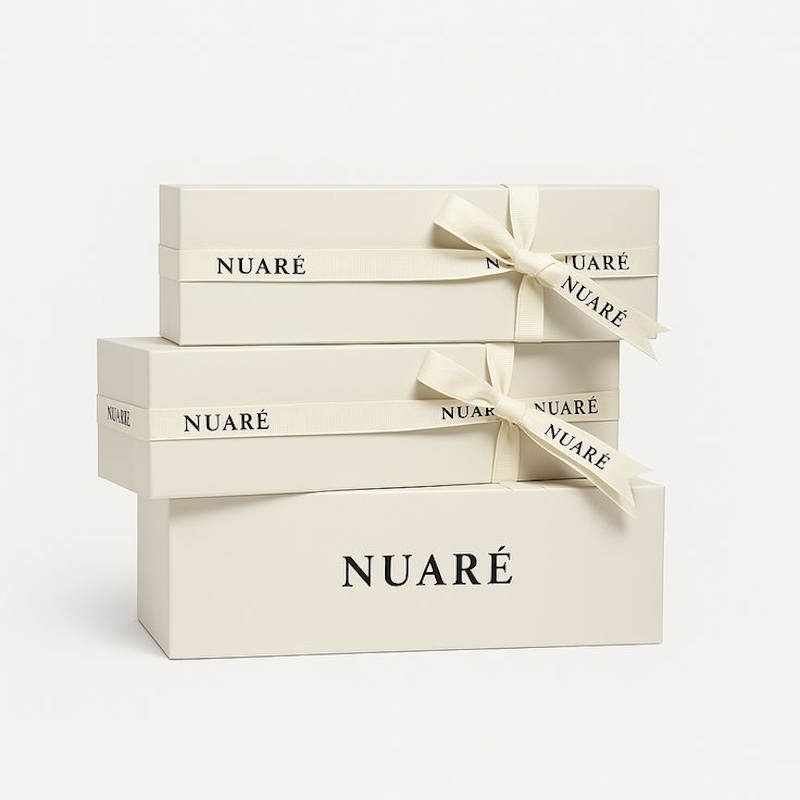
7. Work with the Right Packaging Partner
An experienced packaging supplier can help startups:
- Optimize design for cost efficiency
- Recommend suitable materials
- Avoid unnecessary production errors
- Balance aesthetics and functionality
Good collaboration can significantly improve results within budget constraints.
Common Mistakes to Avoid
Startups often fall into these traps:
- Overcomplicating design in pursuit of “luxury”
- Using too many finishes, increasing cost without clear benefit
- Ignoring structural efficiency
- Choosing packaging that is difficult to scale
Avoiding these mistakes helps maintain both quality and budget control.
Conclusion
Creating premium packaging on a limited budget is not about spending more—it is about designing smarter. By focusing on simplicity, material efficiency, and selective detailing, startups can achieve a high-end look that resonates with customers and supports brand growth.
In today’s market, thoughtful packaging design can elevate even the simplest product, proving that quality perception is driven by strategy, not just cost.
About Us
What are your lead times?
Production typically takes 12-16 days, and 16-21 days for larger volume orders. Shipping times will depend on the shipping channel you choose.
Can I get a sample?
Yes, currently sample free for reference, only need to pay the delivery charge. Customized sample charge sample fee and delivery cost.
Special Shape Boxes
What are the wholesale pricing options for bulk orders?
We offer competitive wholesale prices for bulk orders. Please contact our sales team for more details
About Printing Craftsmanship
How does UV printing work?
UV printing uses ultraviolet light to cure ink instantly, resulting in vibrant colors, water resistance, and high durability. It is commonly used for packaging, signage, and promotional items.
OEM Services
Do you ship internationally?
Yes, we have a well-established global supply chain and offer international shipping services. Whether you need local or worldwide delivery, we ensure reliable logistics support.

Start Your Packaging Journey Today
Discover Our Curated Collection of Bespoke Packaging Cases & Tailored System Solutions
© 2025 WINPACK PRINTING. All rights reserved

Wenhua Printing packaging
winpackprinting
Winpack Printing